The Cost of This Job
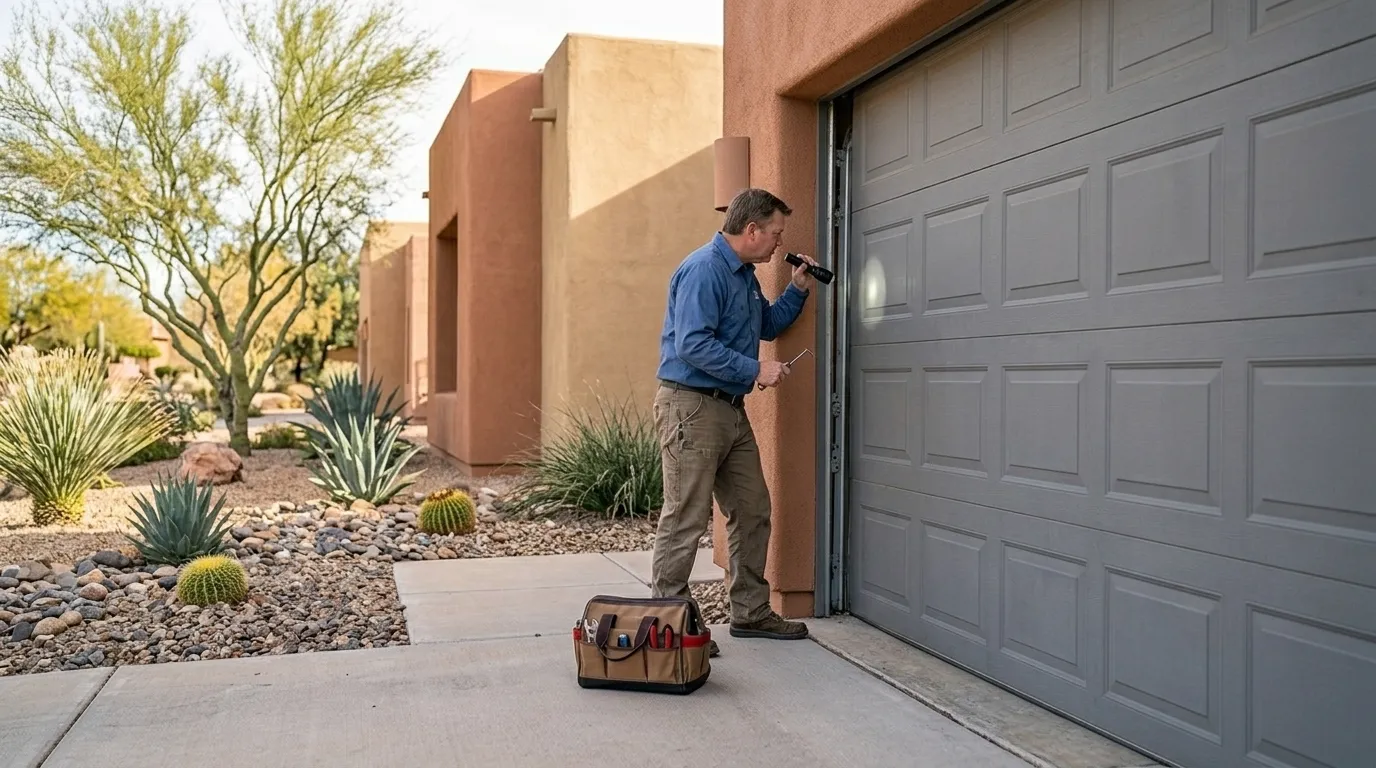
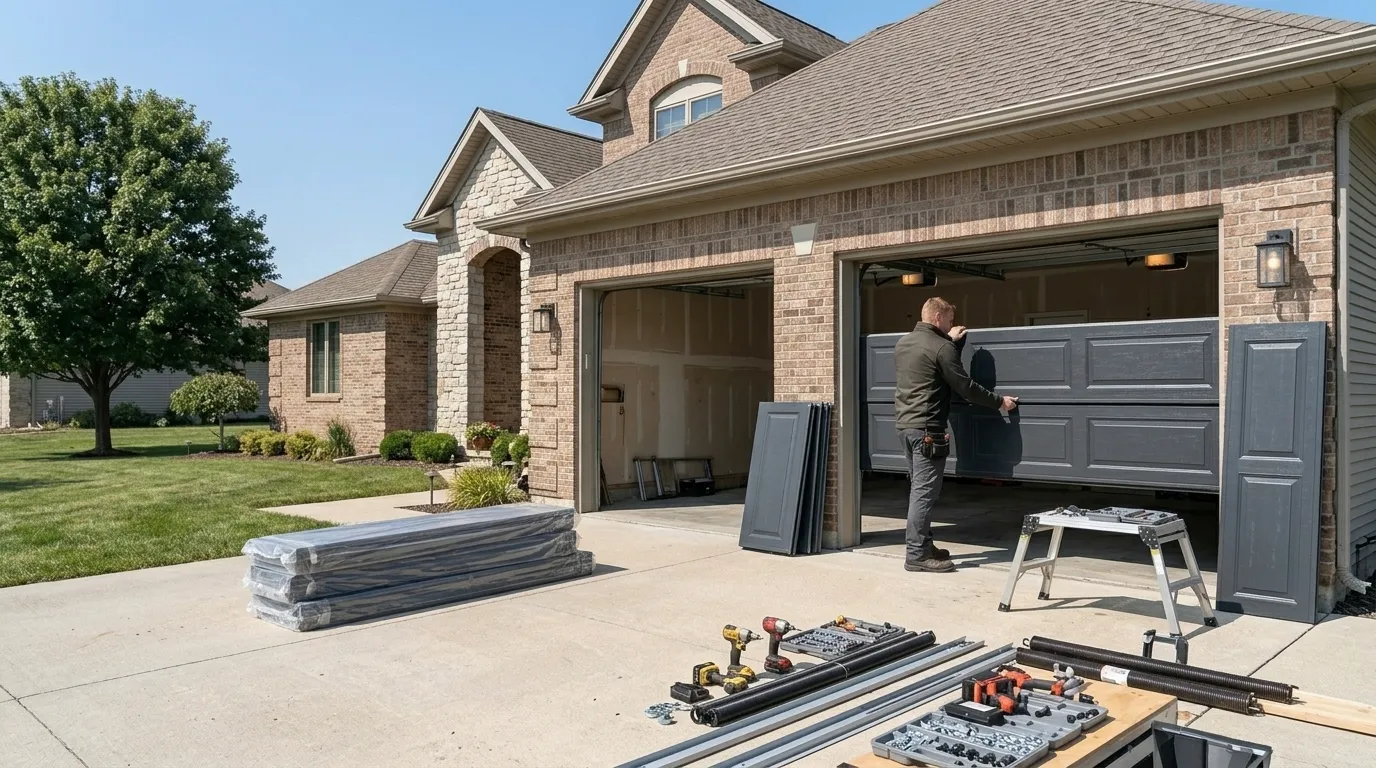
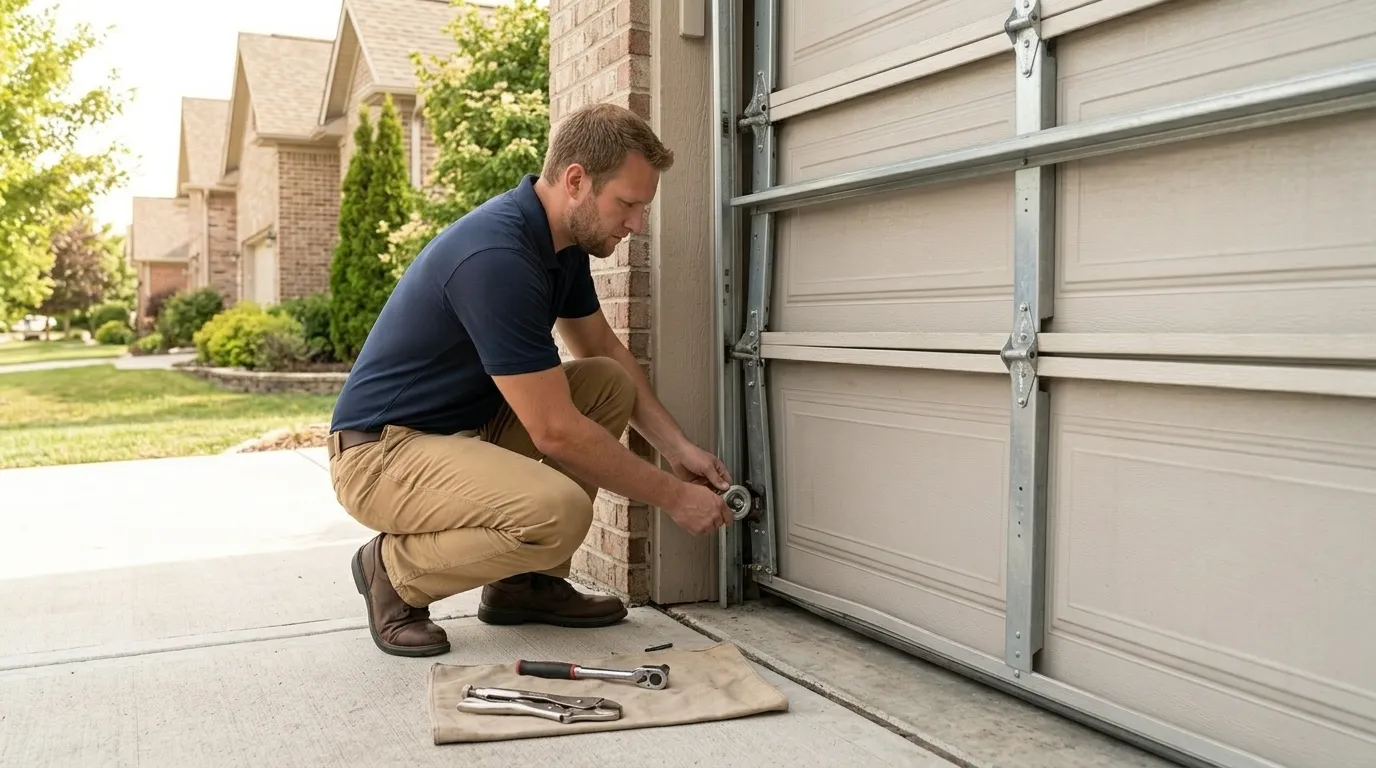
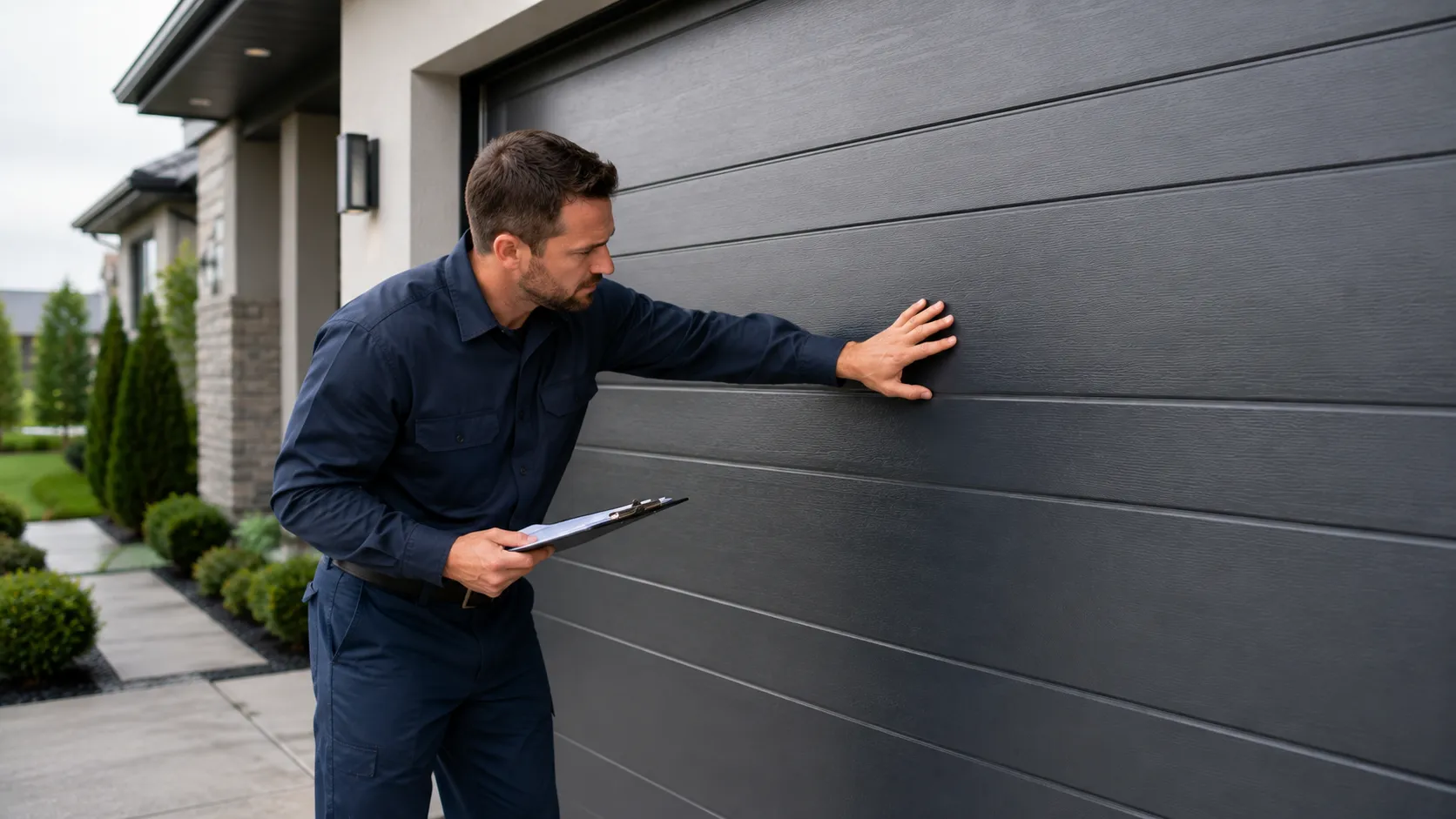
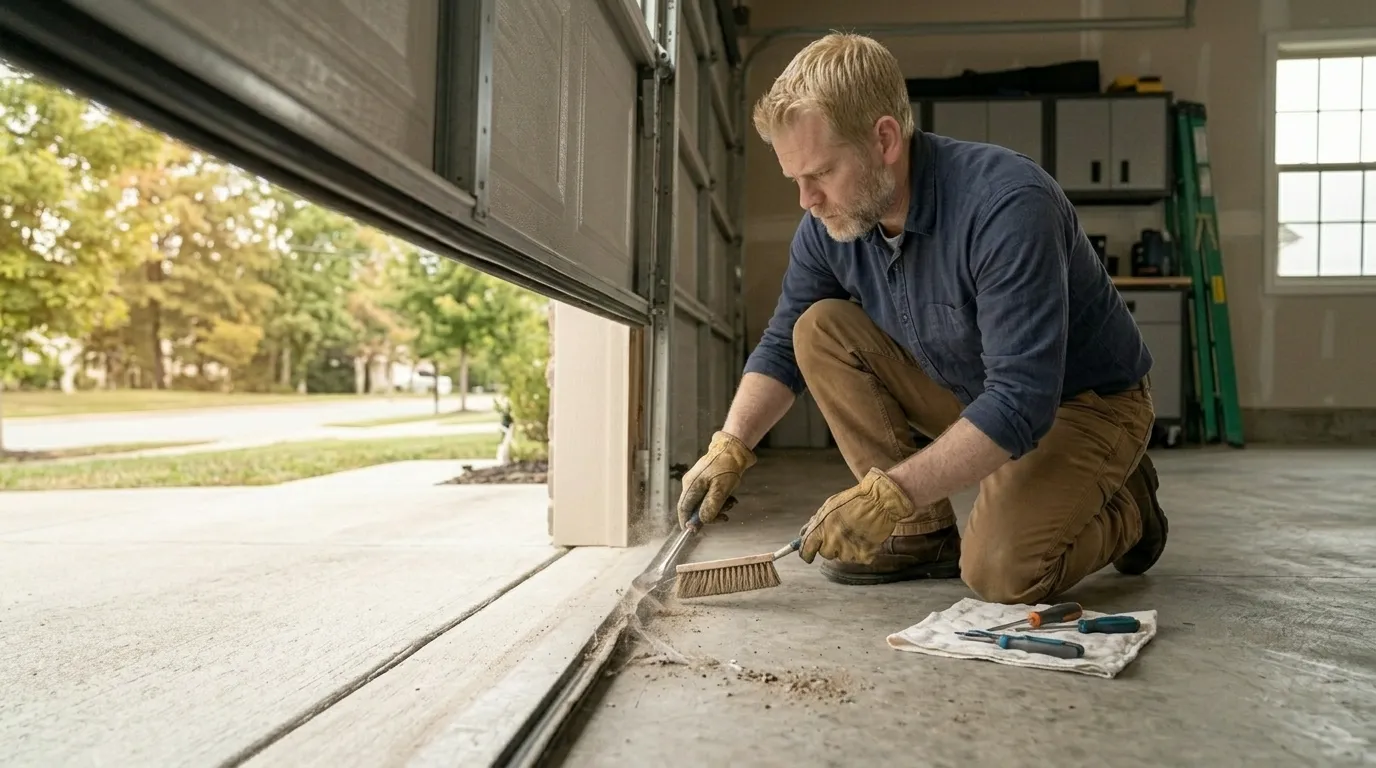
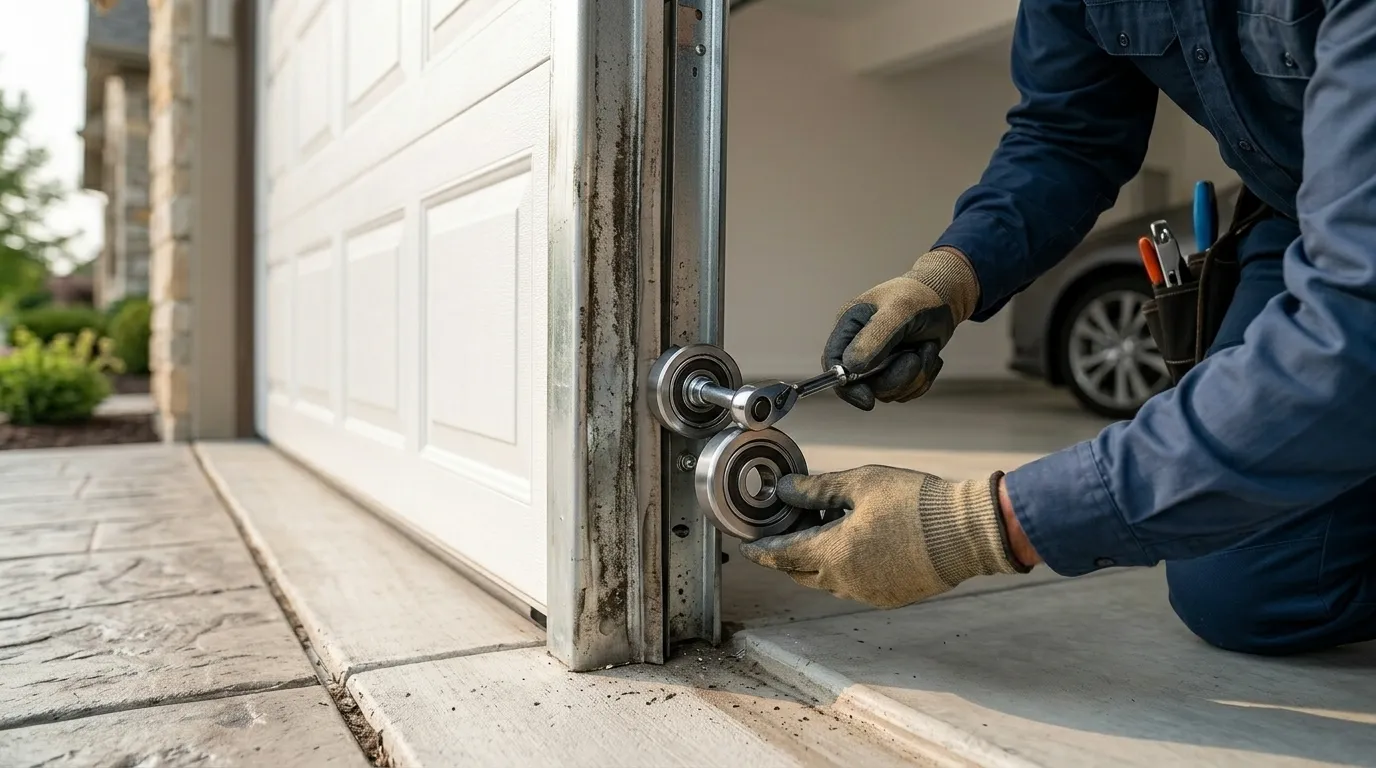
We're not going to quote a number here that doesn't hold up house to house. A frayed cable on one side of a double door is a different job than two snapped cables on a door where the drums have also worn a groove, and the cost follows the parts and labor actually needed, not a flat rate pulled out of the air. What we can tell you is how the job breaks down: inspecting both cables and both drums, checking the bottom brackets where the cable anchors, and replacing anything that's stretched, kinked, or rusted through rather than just the one strand that snapped. On a lot of the doors we see in this service area - housing built between 1938 and 1994, with most of it dating to the 1960s and '70s - the drums and track hardware are old enough that a cable job often turns up a second issue once the door's off tension. We tell you what we find before we touch anything else, and if the fix is bigger than a cable swap, that's a separate conversation and a separate price, not a surprise on the invoice.
What Is on the Truck
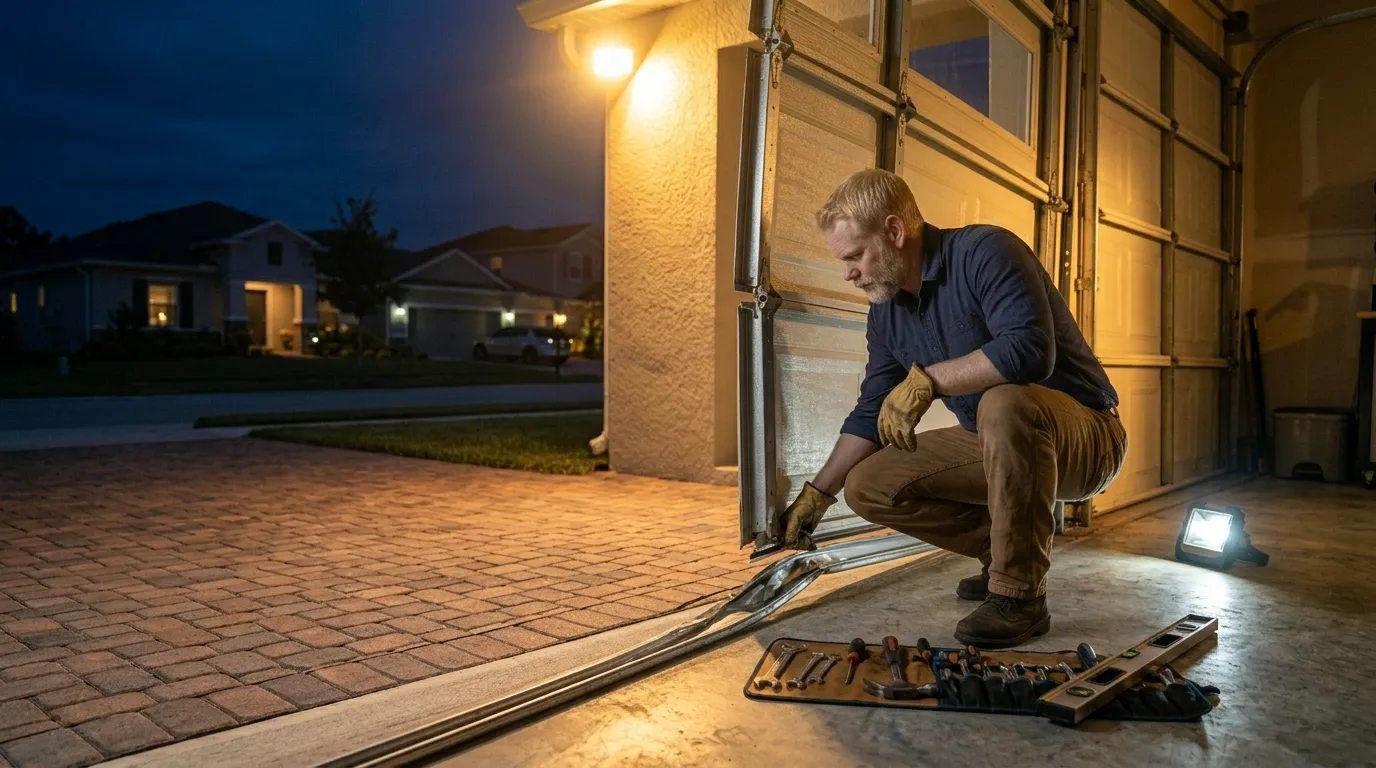
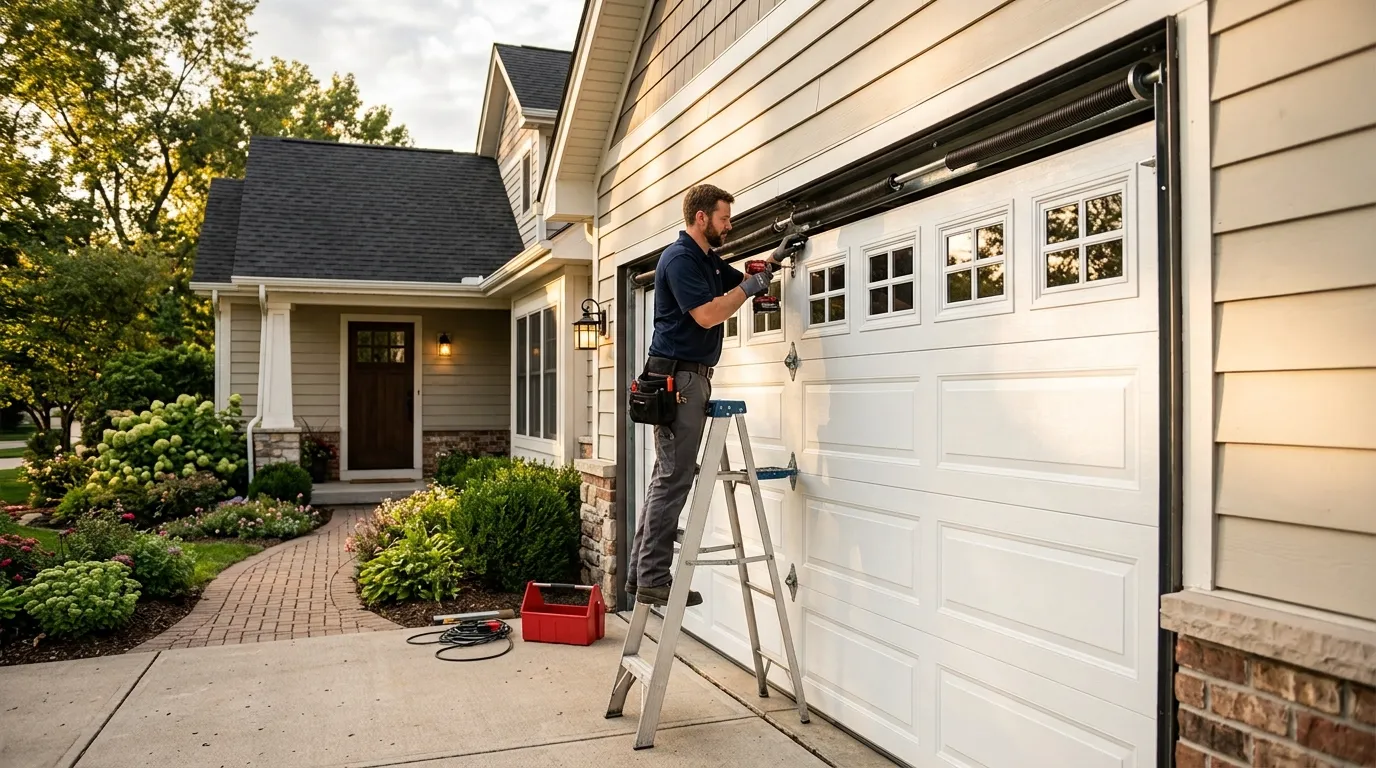
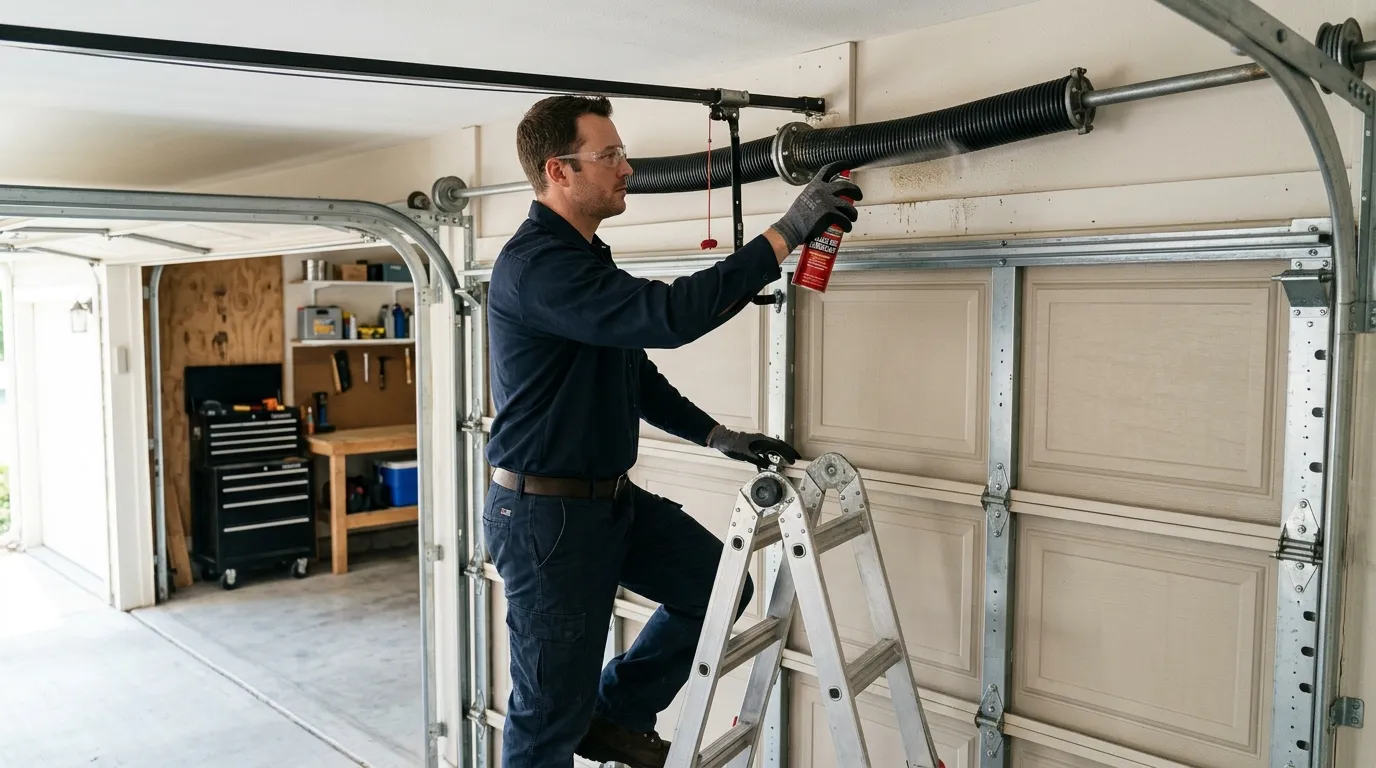
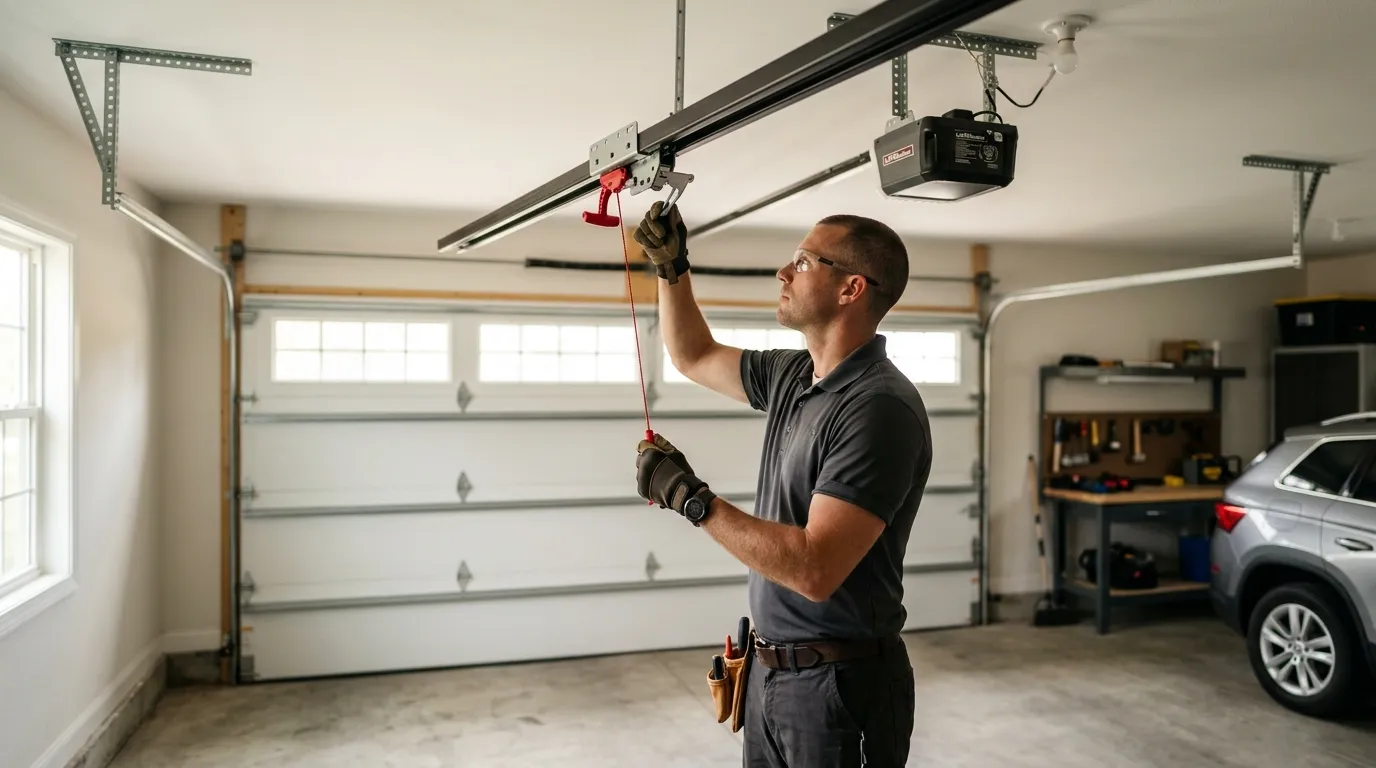
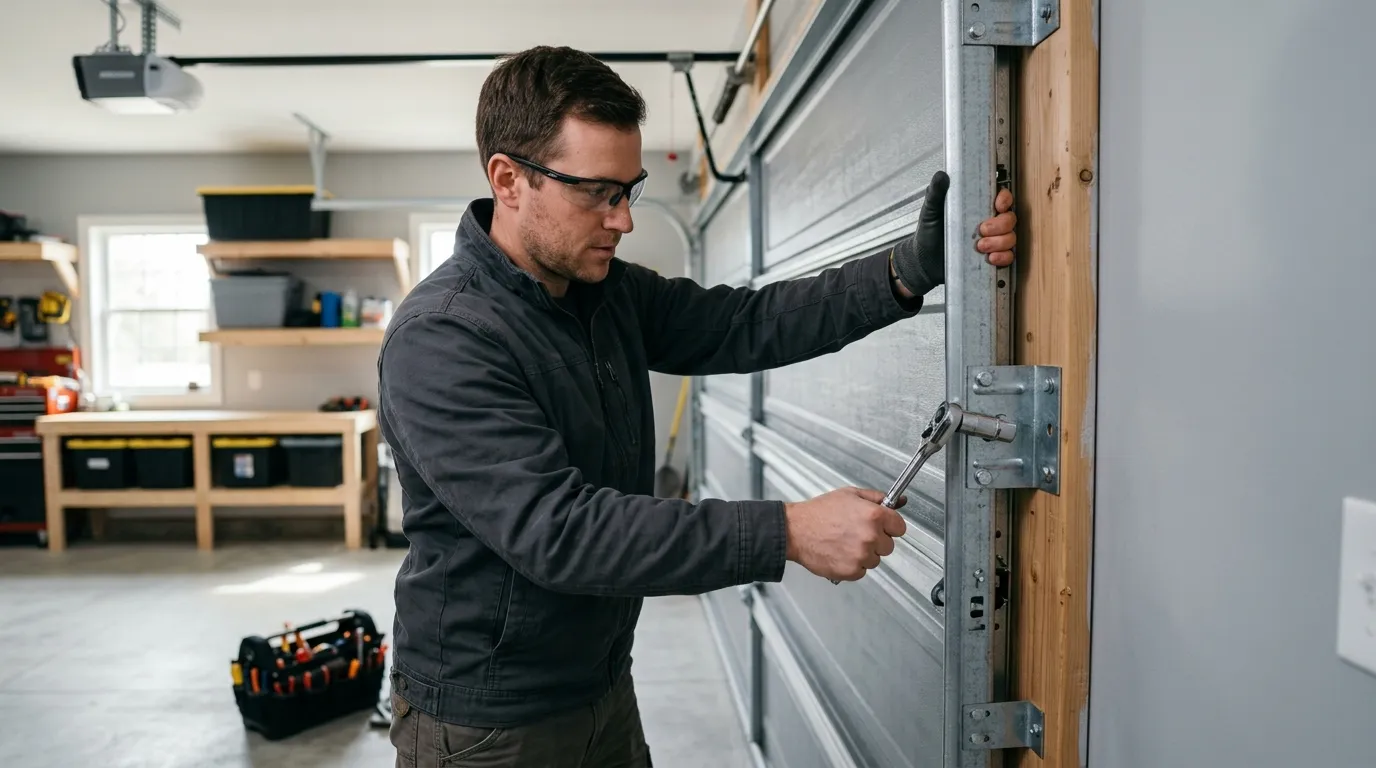
For a cable call we carry both extension and torsion-style cables in the common gauges and lengths used on doors from the 1960s through the 1990s, plus drums, bottom brackets, and the safety cables some older torsion setups are missing entirely. We stock stretch pulleys and rollers because a cable job often turns into a small hardware refresh once the door's unwound and everything's visible. What we don't carry is every obsolete part for every one-off door - some houses in this age range still have original hardware that's no longer manufactured, and on those we either source a compatible replacement or talk through whether the section, not just the cable, needs to go. We also carry winding bars and the clamps needed to release spring tension safely, because a cable can't be swapped with the door under load. If a cable's snapped, don't try to lift the door by hand or run the opener - that's how a bracket gets bent or a track gets pulled off the wall, which turns a cable call into a bigger one.
What You Are Seeing
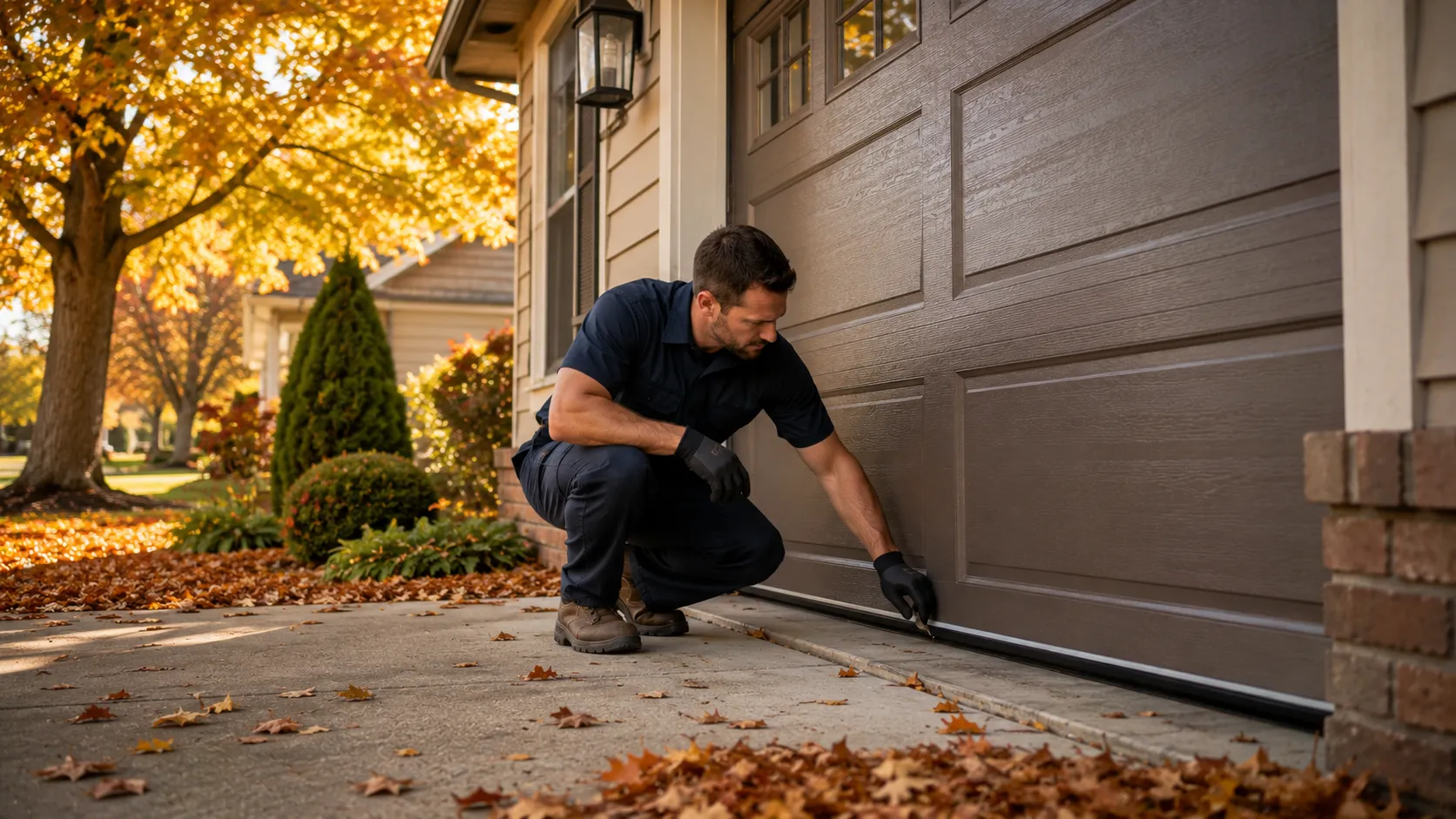
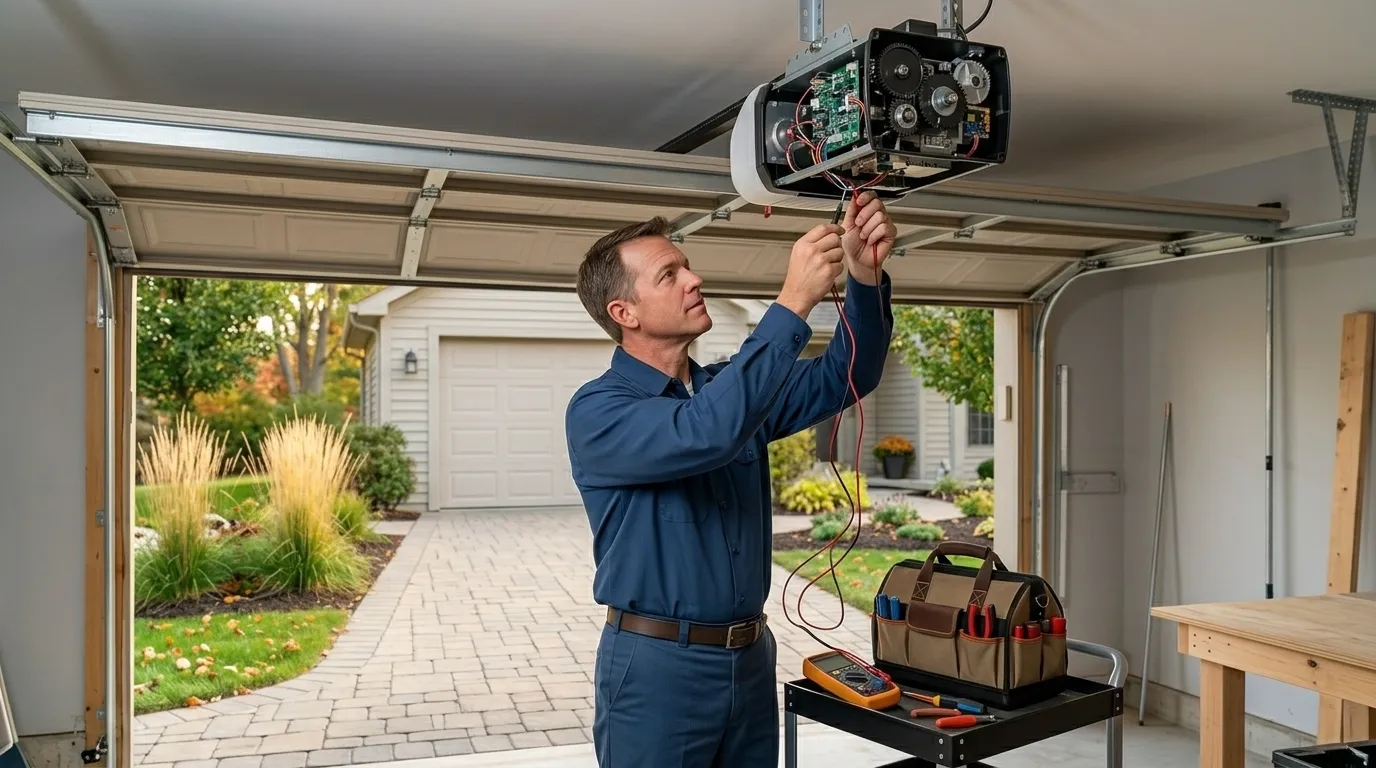
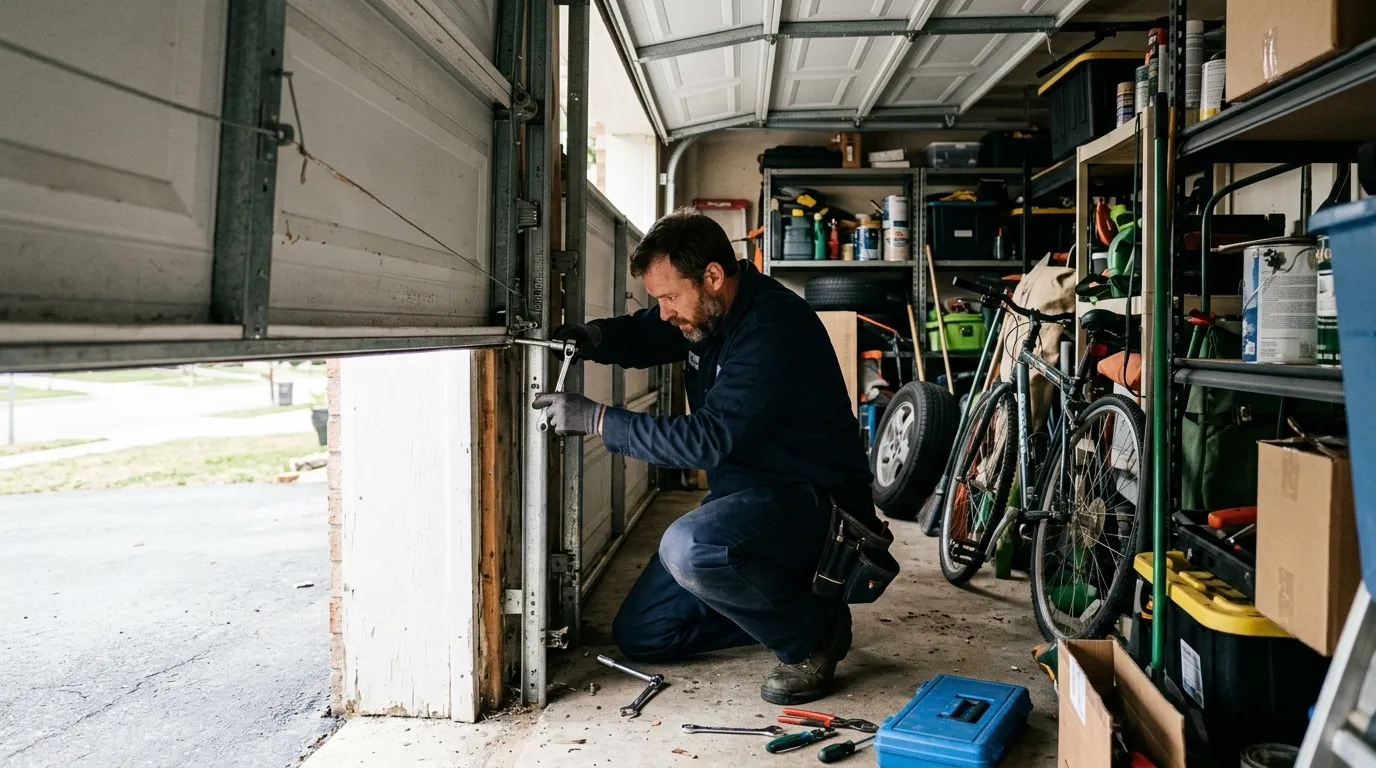
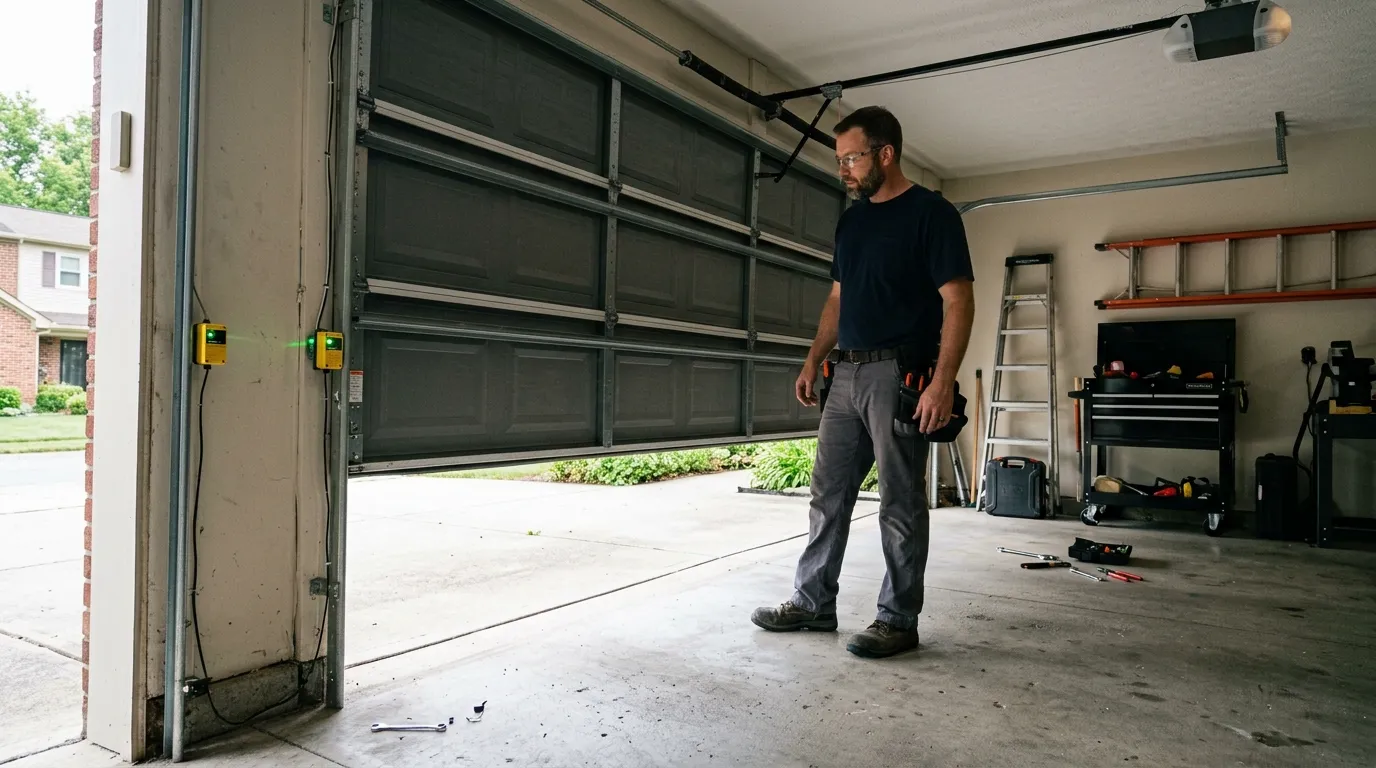
If one side of the door hangs lower than the other, or the door goes crooked in the track when it opens, that's usually a cable that's stretched or partly separated from its drum on one side. A visible fray - thin wire strands sticking out from the main cable, especially near the bottom bracket or where it wraps the drum - means it's close to full failure, not a cosmetic issue. A loud bang followed by the door refusing to move, or dropping suddenly a few inches, is almost always a cable that's already snapped. Rust at the bottom of the cable near the floor bracket is common in this climate, where moisture sits in an unheated garage through the winter months, and it's worth having checked before it lets go rather than after. If the opener runs but the door doesn't move at all, check the cable before assuming it's the opener motor - a slack or broken cable disconnects the door from the drum even though the opener itself is working fine.