The Cost of This Job
We're not going to hand you a number here, because opener repair jobs vary too much to fake a price on a page like this. A stripped gear on a chain-drive unit is a different job than a logic board that's fried from a power surge, and a unit from the 1980s often needs parts nobody stocks anymore versus a five-year-old opener that just needs a sensor re-aimed. What we can tell you is what drives the cost up or down: whether the motor itself is dead versus a $20 part like a limit switch or a capacitor, whether the opener is old enough that finding a matching logic board means sourcing a used one, and whether the job is a straight swap-in or involves rewiring because the house's electrical setup predates modern code. Across the service area - 461,017 households, with 223,261 of those in owner-occupied houses - we see the full range: brand-new Craftsman units next to openers older than the homeowner calling us. If your opener is original to a house built in the 1960s, expect to hear "replace" more often than "repair," simply because parts for that generation stopped being made decades ago. We'll always tell you straight which side of that line your unit falls on before we start work.
What Is on the Truck
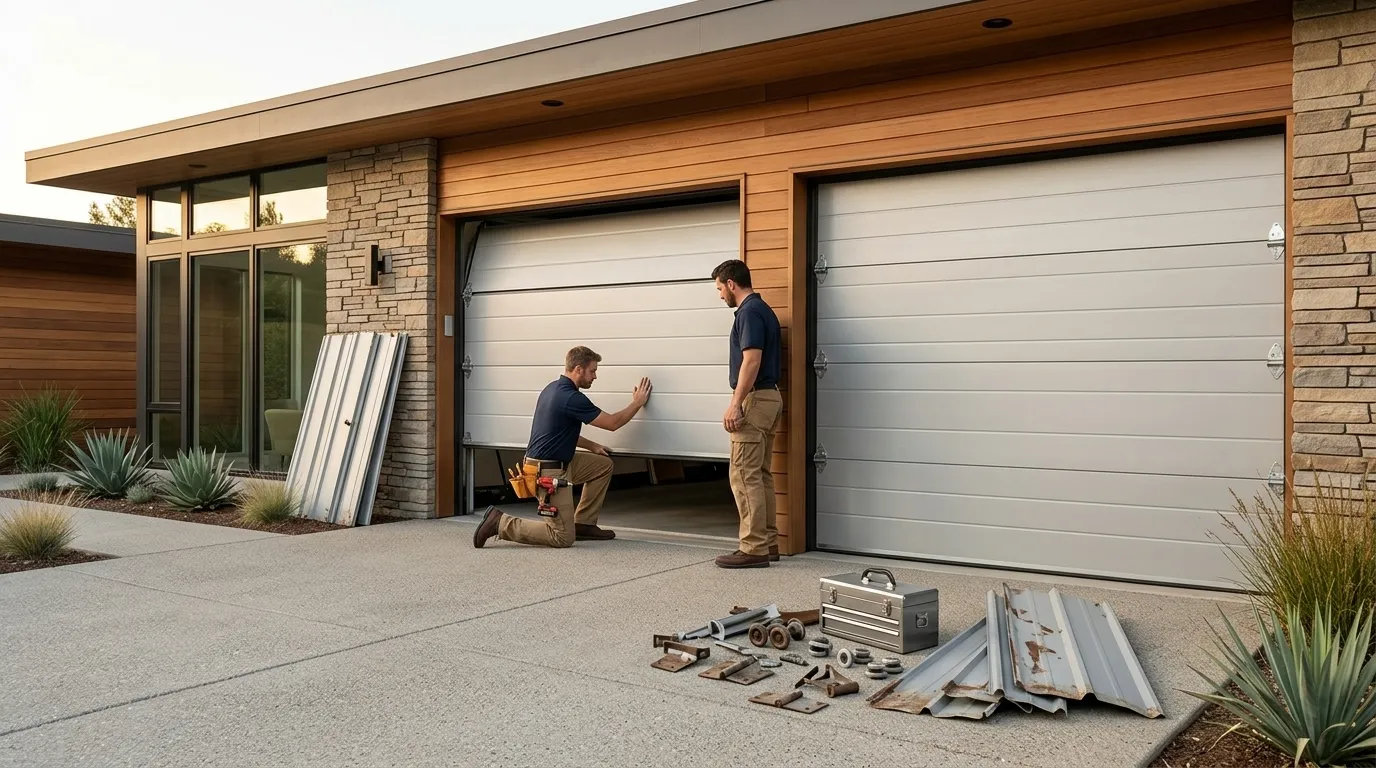
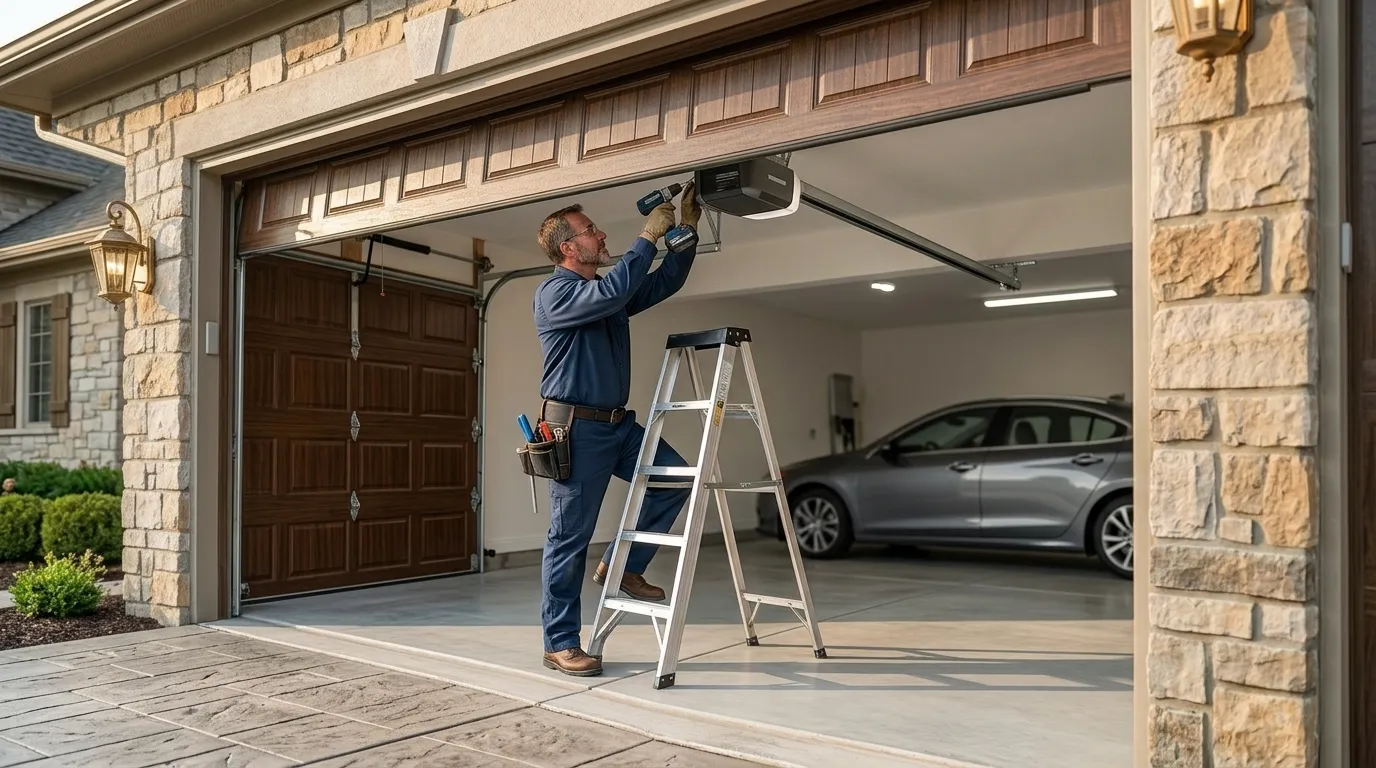
We carry the parts that fail most on the openers actually installed in homes around here - chain and belt gear kits, capacitors, limit switches, safety sensor pairs, and logic boards for the major brands still common in houses from the 1960s through the 1990s. For newer belt-drive and screw-drive units we carry the current-generation boards and sensor kits too, since plenty of the area's housing stock has been updated over the years even where the structure itself is original. What we don't carry on the truck is obsolete motor assemblies for openers that stopped being manufactured years ago - if your unit is old enough that the manufacturer no longer makes the part, we'll tell you that on-site rather than have you wait on a special order that may not ship at all. That's the honest limit here: some openers are past the point where repair makes sense, and replacing the unit costs less in the long run than chasing parts for a machine nobody supports anymore. We'd rather say that upfront than string a job along.
What You Are Seeing
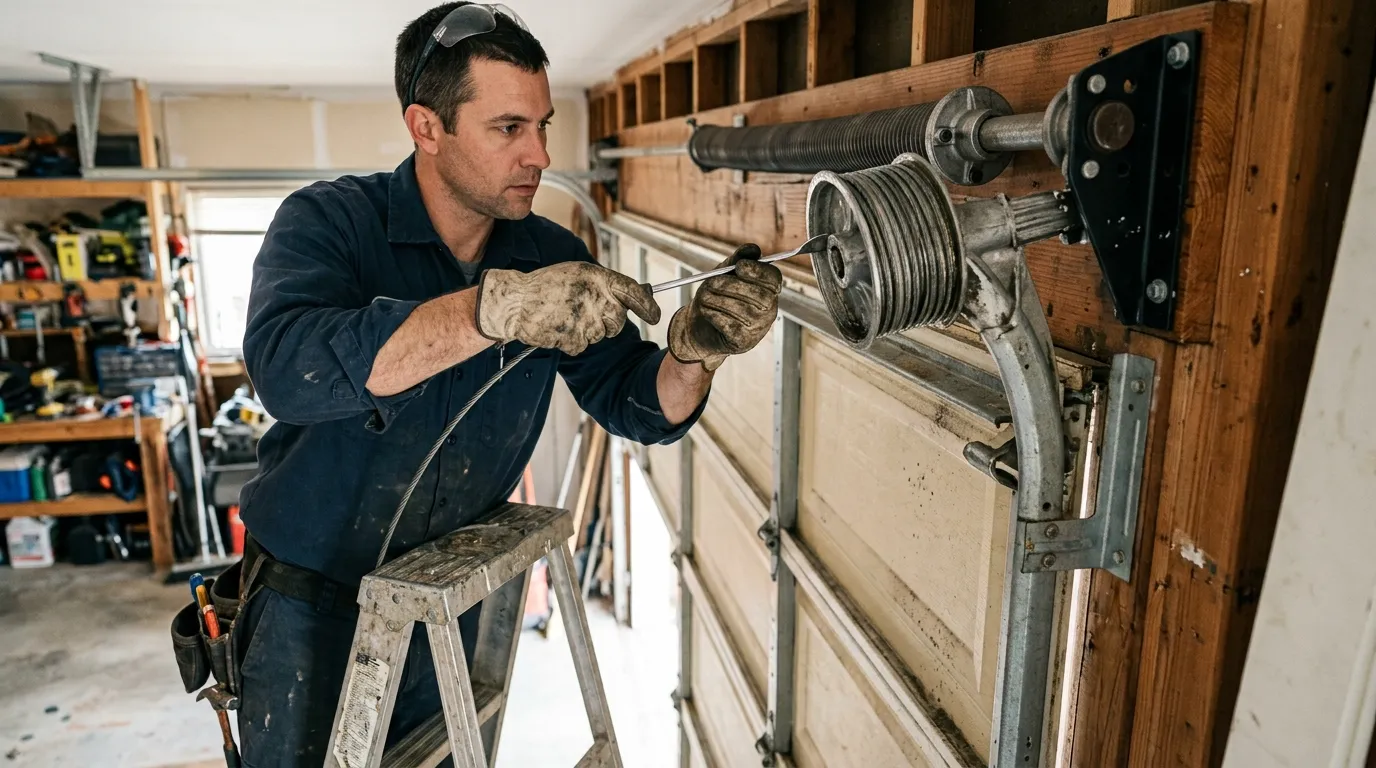
A door that opens partway and reverses is usually a sensor knocked out of alignment or a limit switch that's drifted - both common after a hard freeze shifts the door frame slightly. A grinding or clicking sound with no movement points to a stripped gear inside the motor housing, which is the single most common failure on older chain-drive units still running in houses built decades ago. If the opener runs but the door doesn't move, check the drive belt or chain first - on units original to a 1960s or 70s build, that chain has often outlived three or four remotes. A dead opener with no light, no sound, nothing - that's usually the circuit board or the outlet itself, especially in garages that still run on original 60-year-old wiring. And if your remote works sometimes but not from the driveway, that's range and interference, not a repair issue at all. Tell us exactly what you're seeing when you call and we can usually narrow down the part before the truck even leaves.