The Cost of This Job
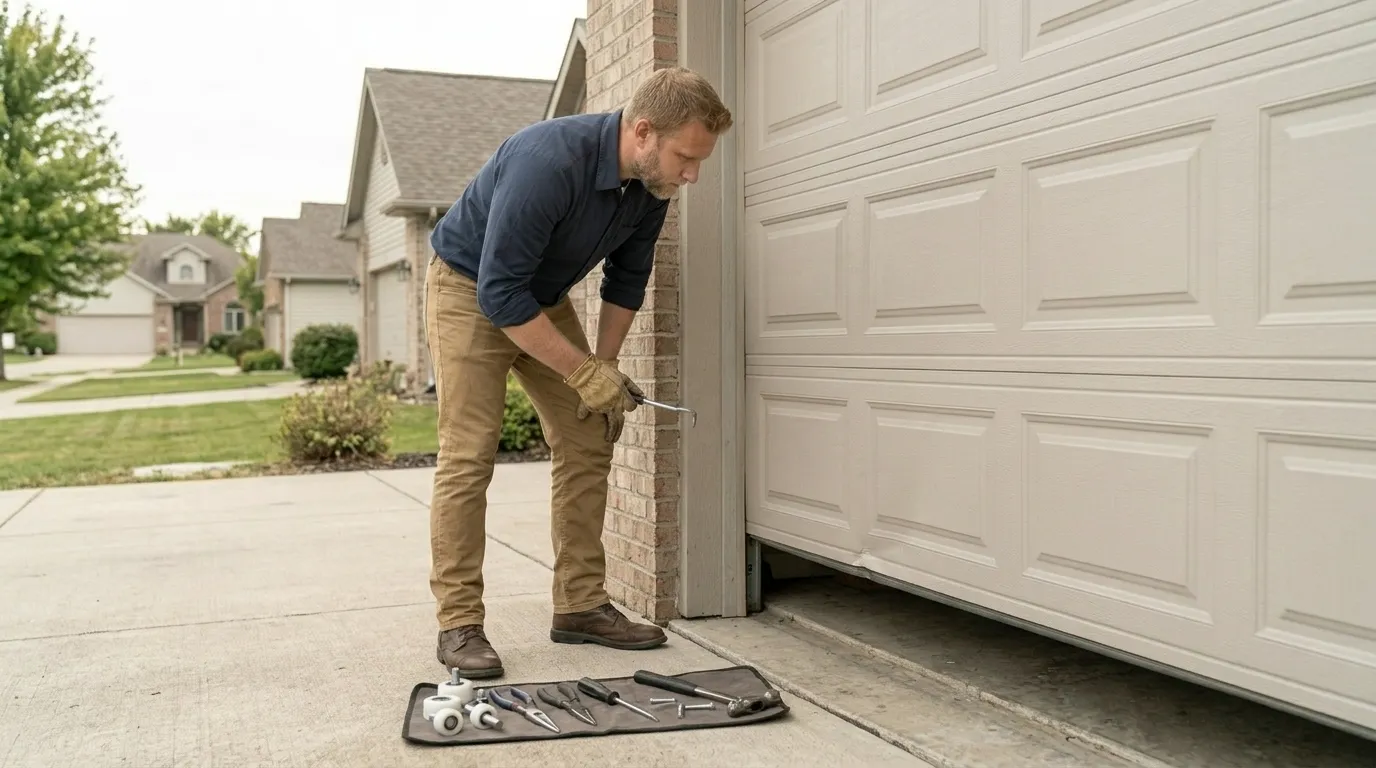
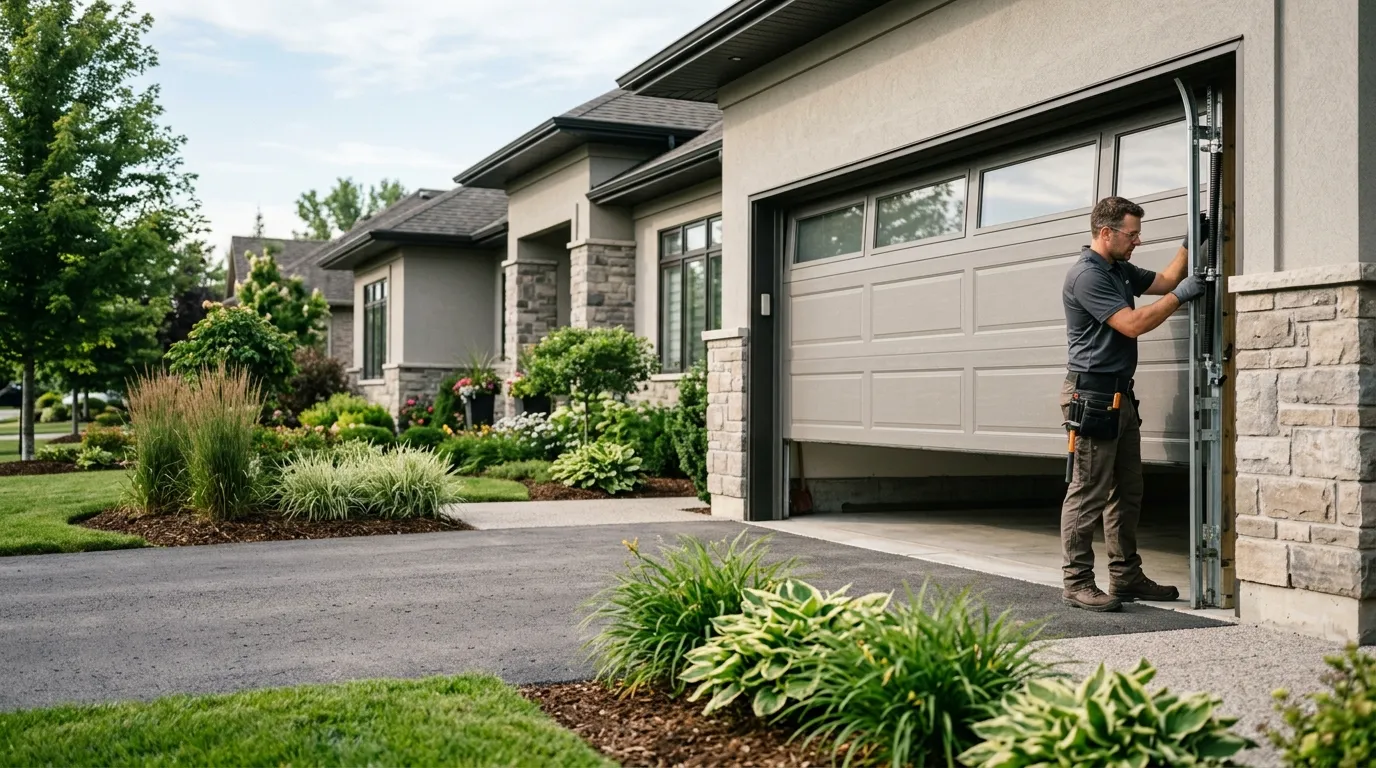
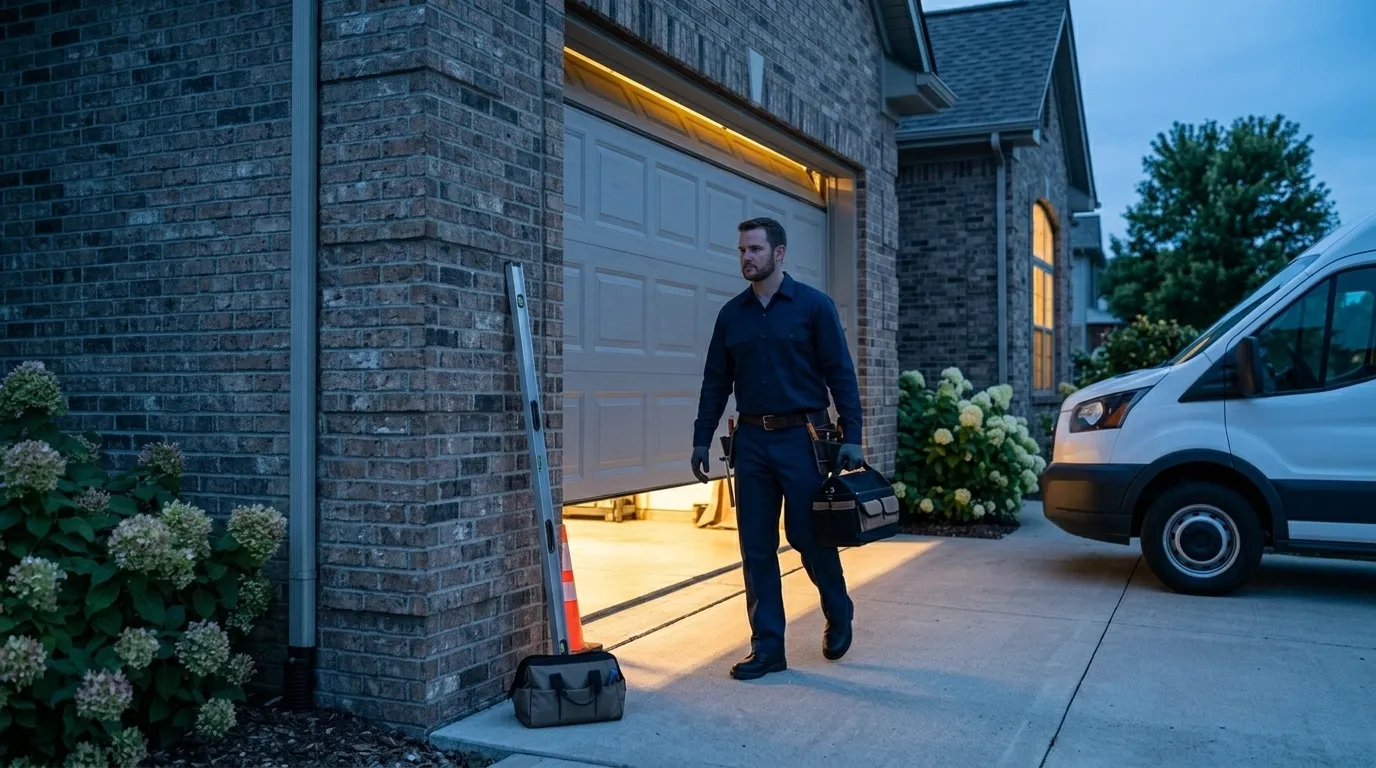
We don't post a flat number for maintenance because the job changes with what's on the house. A garage built in the 1950s with the original torsion hardware takes longer to service than a ten-year-old opener with a modern extension system, and Chicago has both kinds standing a block apart from each other. What drives the bill is usually parts condition, not labor: how much rust is on the springs, whether the rollers are original steel or have already been swapped for nylon, and whether the track is still square after decades of settling.
Homes in this service area were mostly built between 1938 and 1994, with the bulk going up in the 1960s and 70s across the 86 named areas we cover. That means a large share of the doors we touch are on hardware that predates the metric fasteners and standardized spring charts used today, so a maintenance call sometimes turns into a parts-sourcing call. We'll tell you on site if that's what's happening rather than padding the invoice guessing.
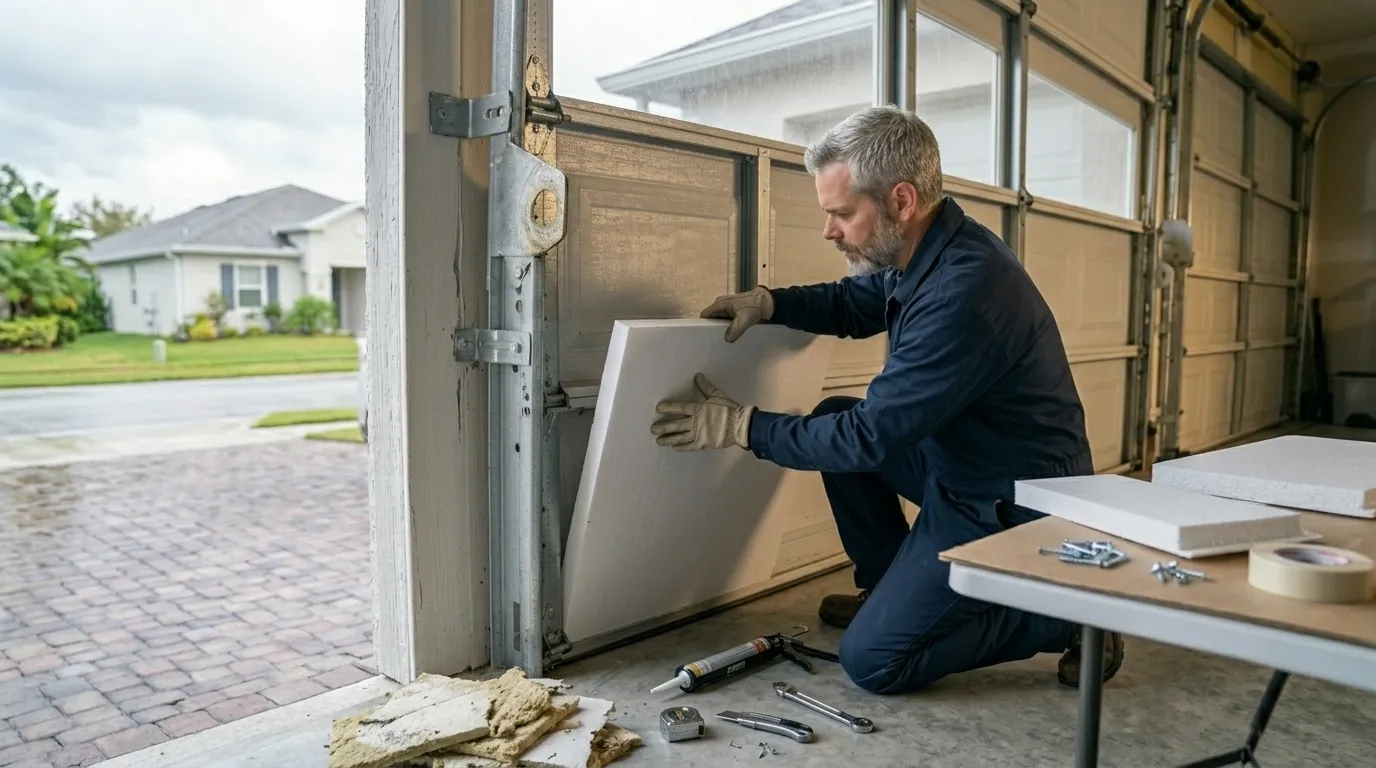
One honest limit: if a door's track is bent badly enough or the panel is rusted through at the bottom, maintenance won't fix it. At that point we say so instead of billing for a tune-up that won't hold.
What Is on the Truck
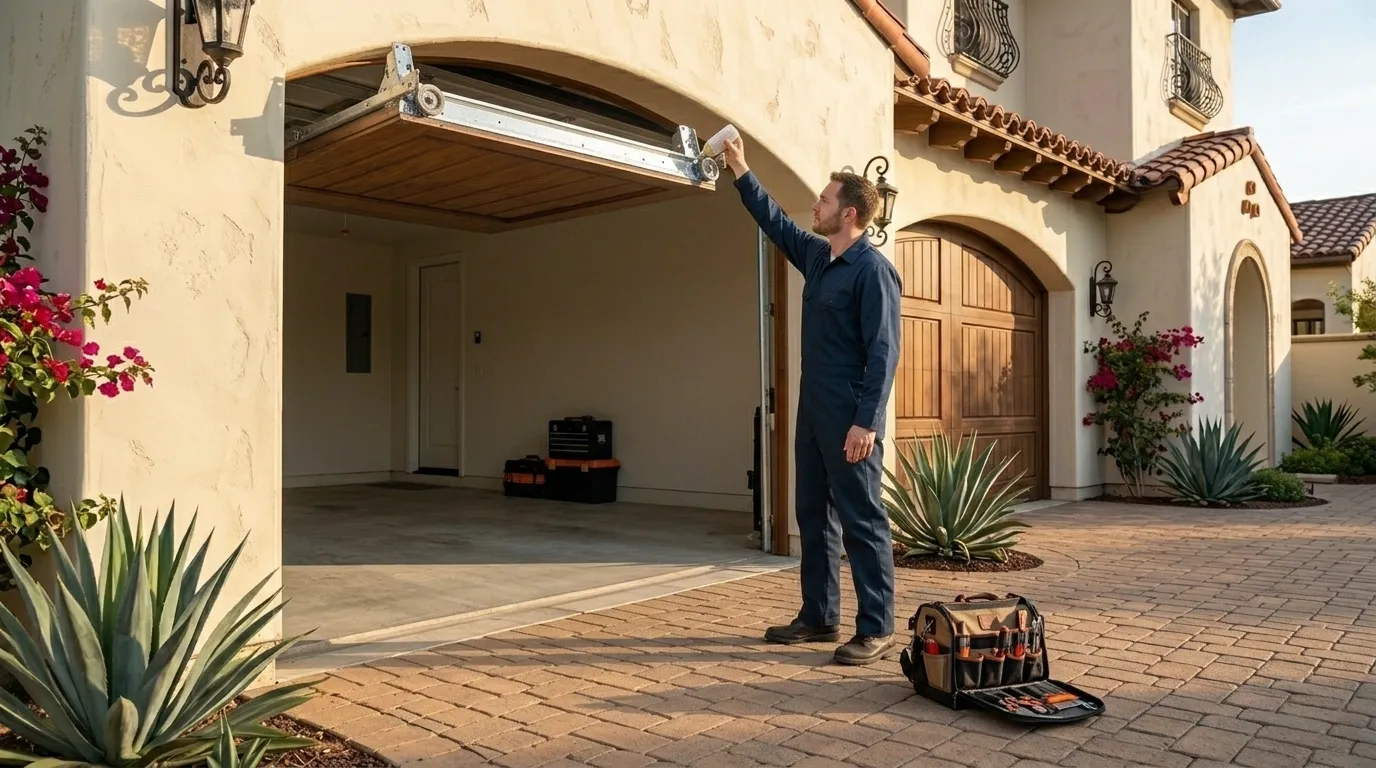
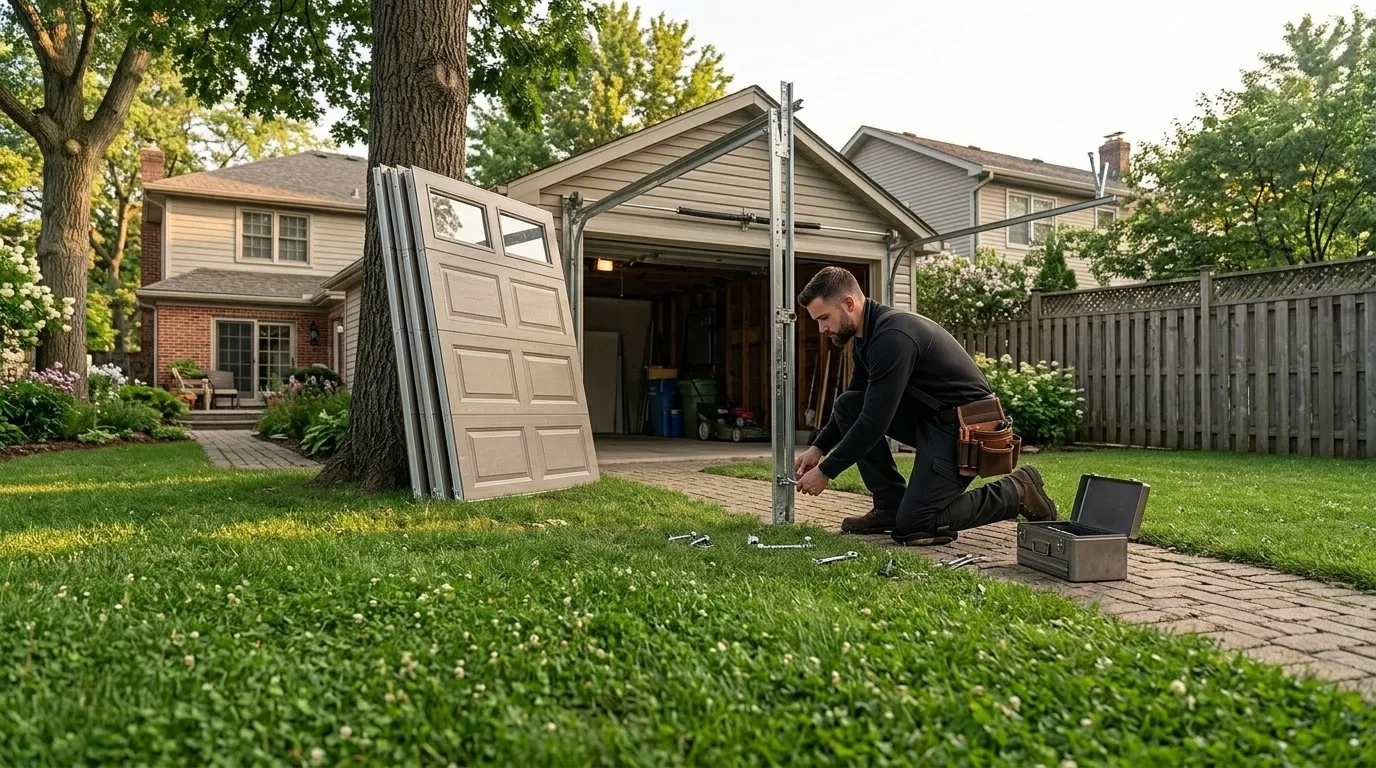
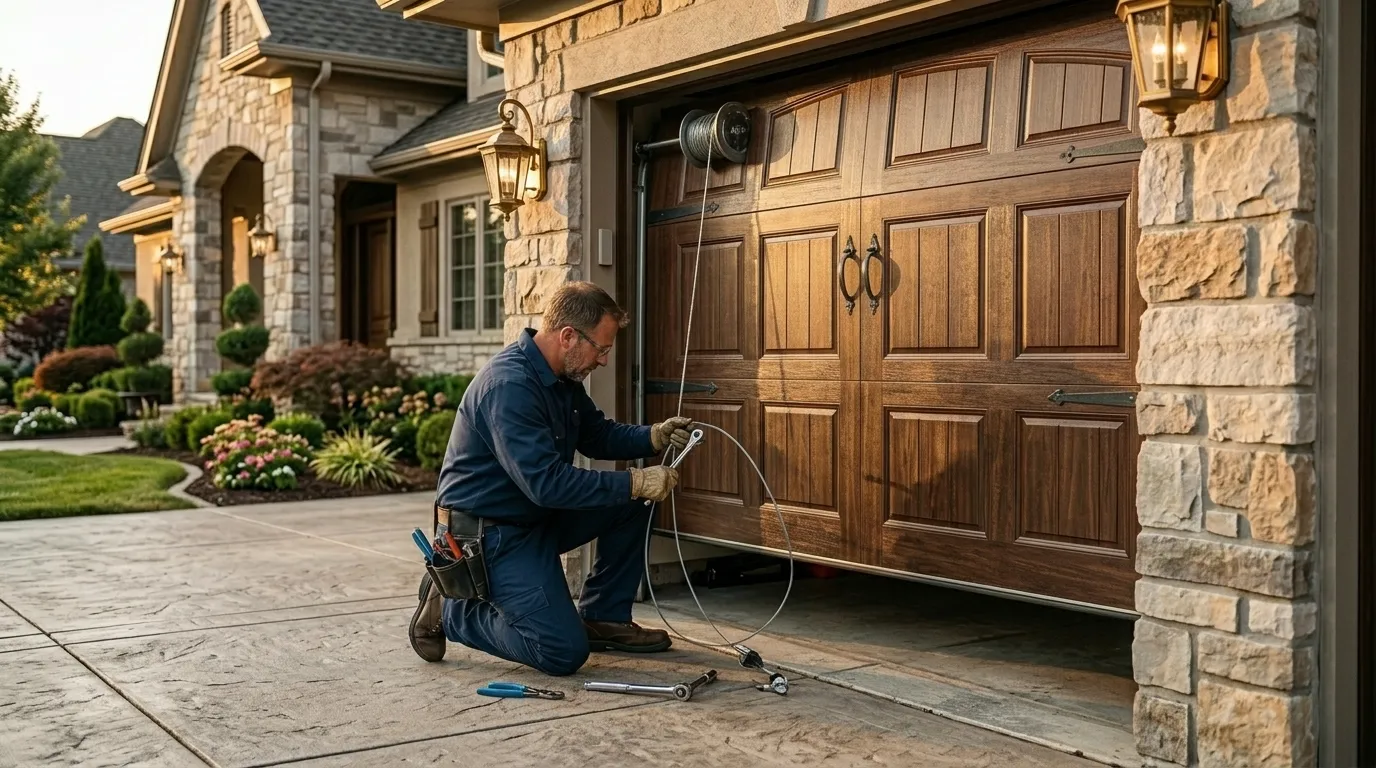
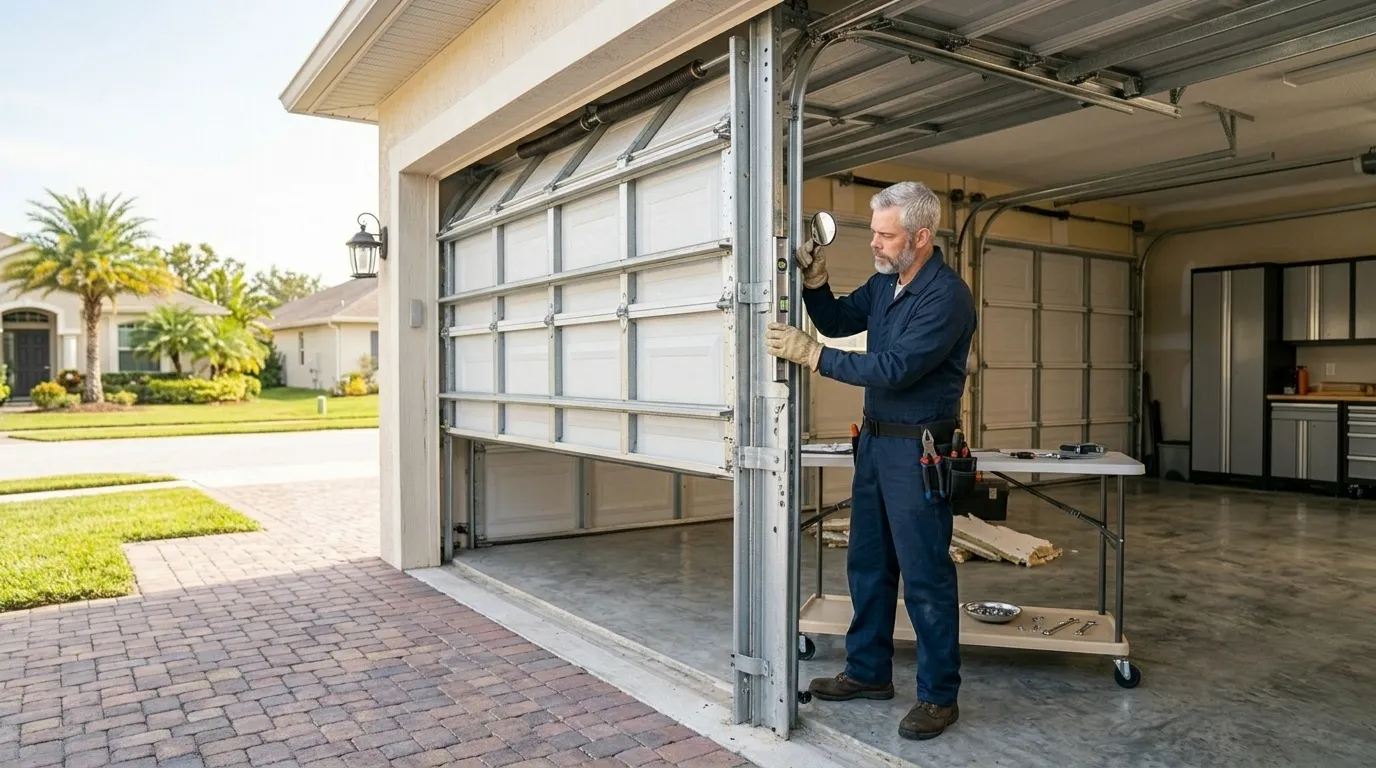
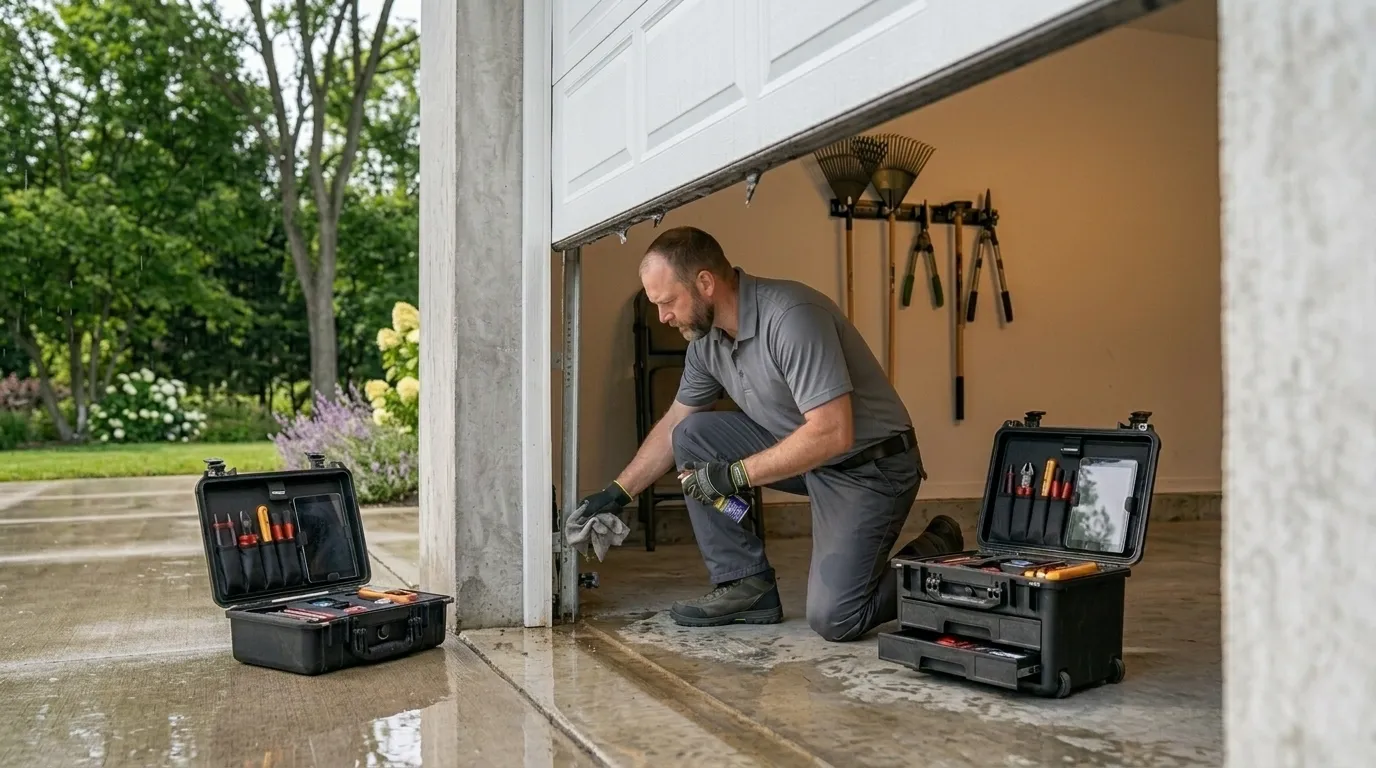
For a standard maintenance visit we carry torsion and extension springs sized for the range of door weights common on 1960s-70s construction, since that's what a large share of calls in this area turn out to need. We stock steel and nylon rollers both, because plenty of houses still have the original steel ones and the owner has to decide whether to upgrade or match what's there.
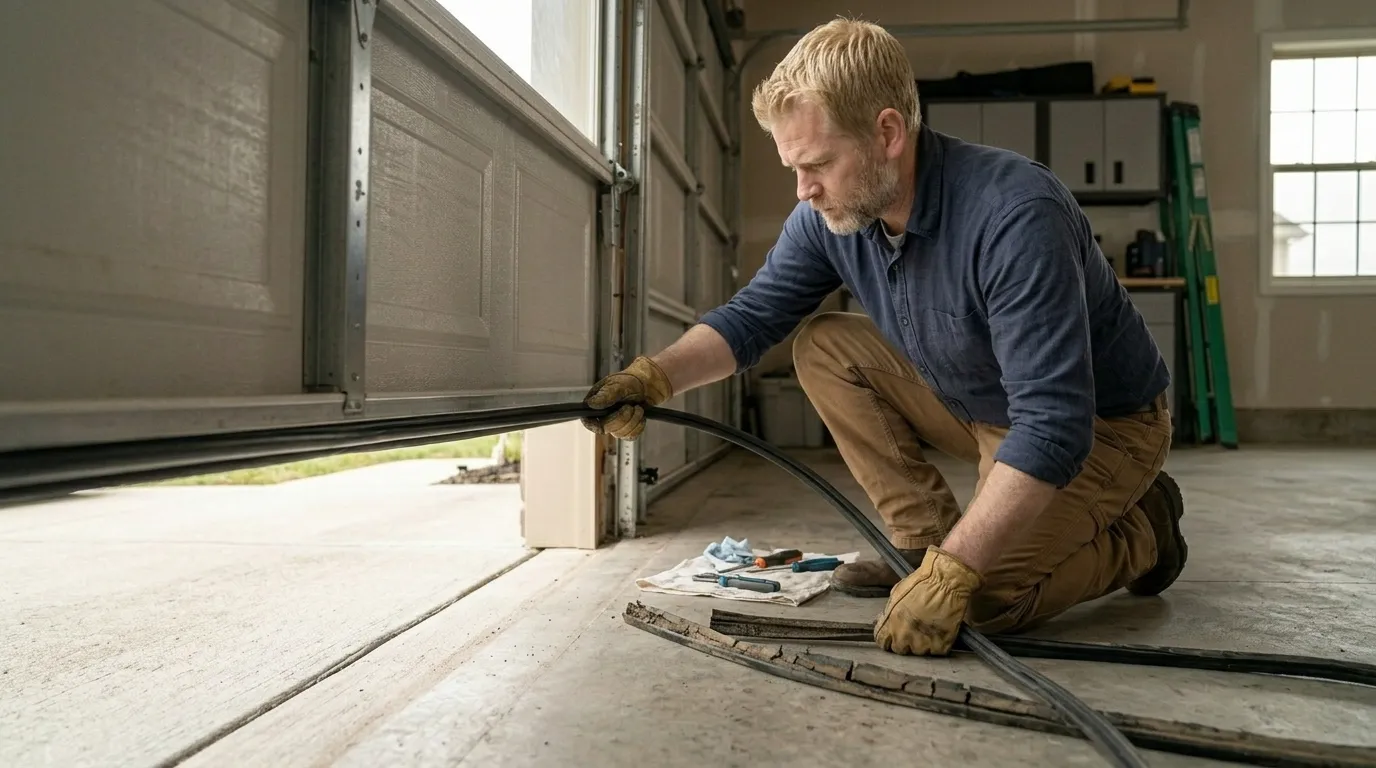
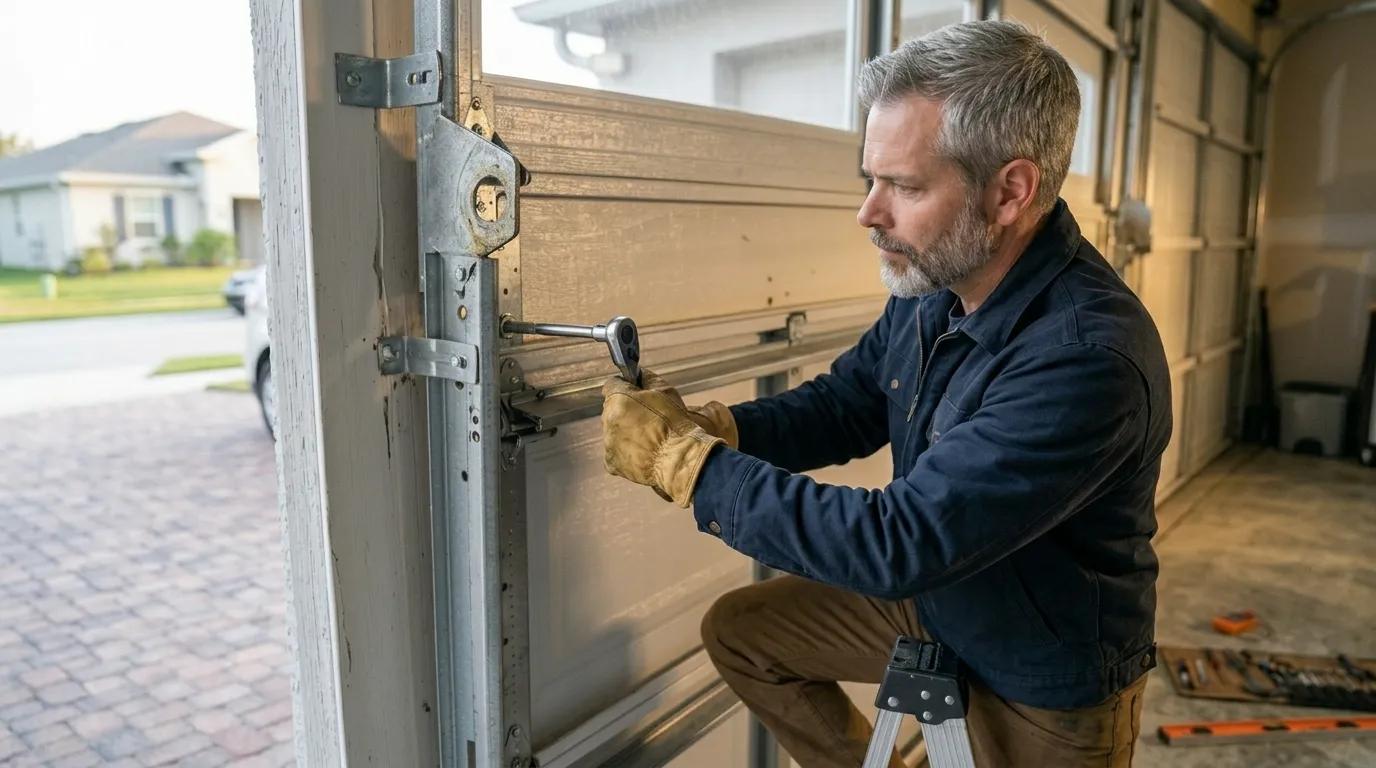
Cable, and end bearing plates come in a few sizes to fit both older side-mounted torsion setups and the newer center-mounted systems more common in houses built toward the end of that 1938-1994 range. We carry track sections and hinges for straightening or replacing warped hardware, plus lubricant rated for the cold-moderate swings this climate puts a door through - not the light household grease that gums up in January.
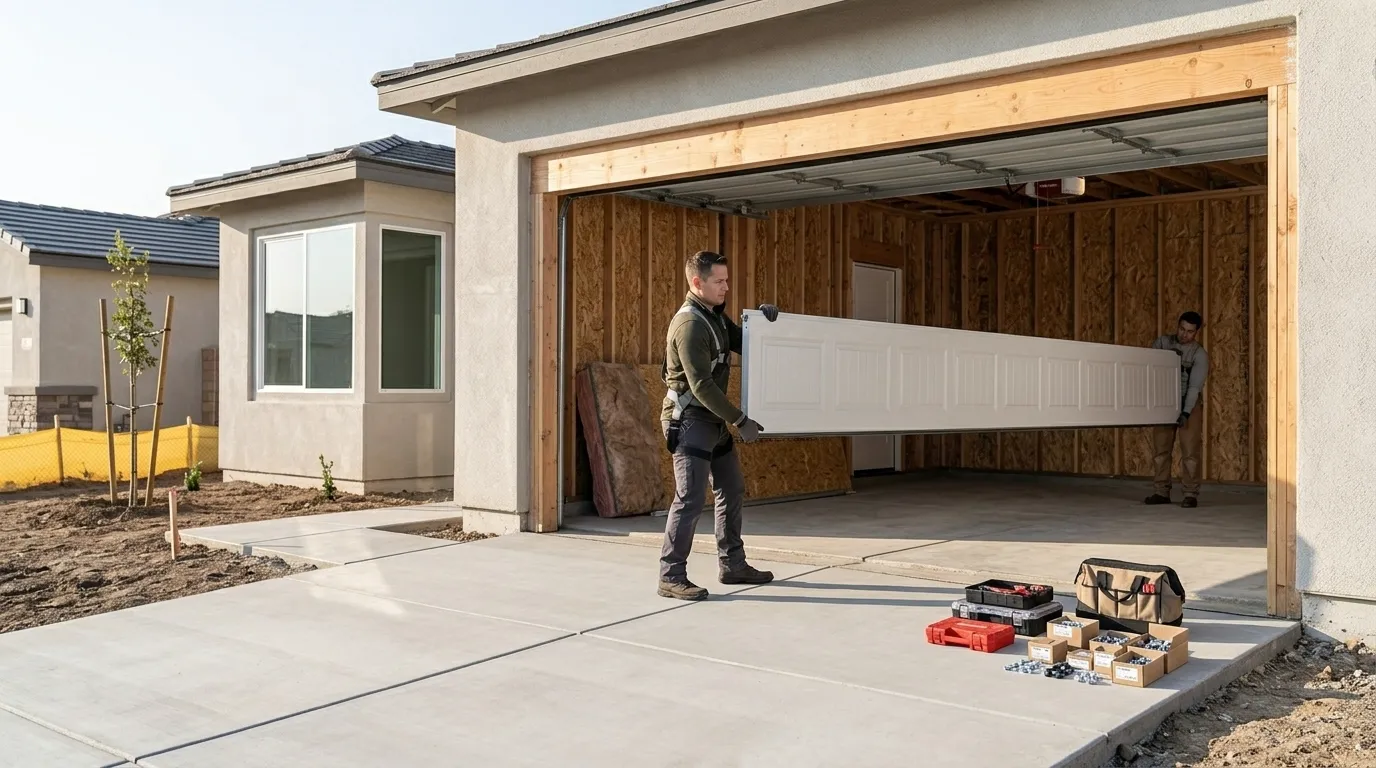
What we don't carry on a routine maintenance run is full replacement panel stock in every finish and color; if a section is too far gone to patch, that becomes a separate quote rather than something we pull off the truck on the spot. We'd rather tell you that up front than stall a maintenance visit waiting on a part we didn't bring.
What You Are Seeing
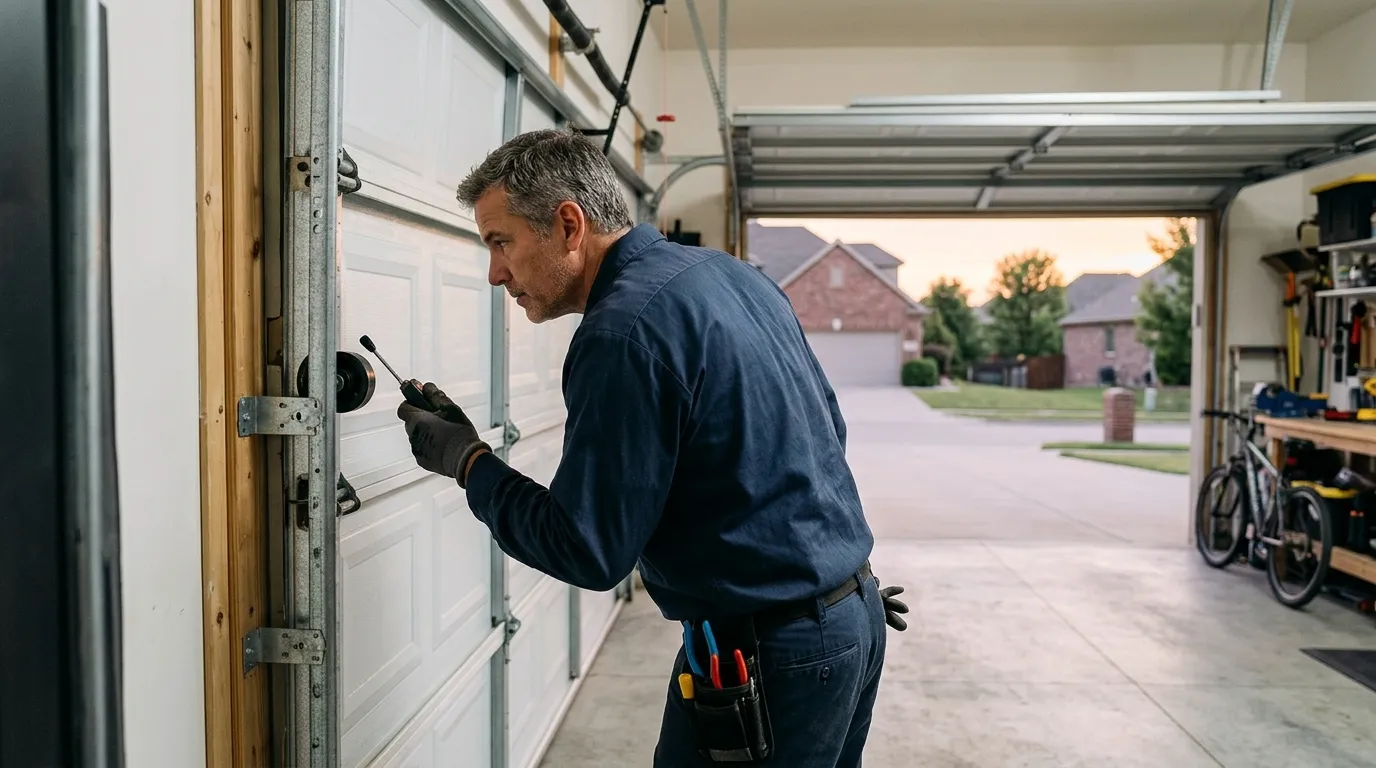
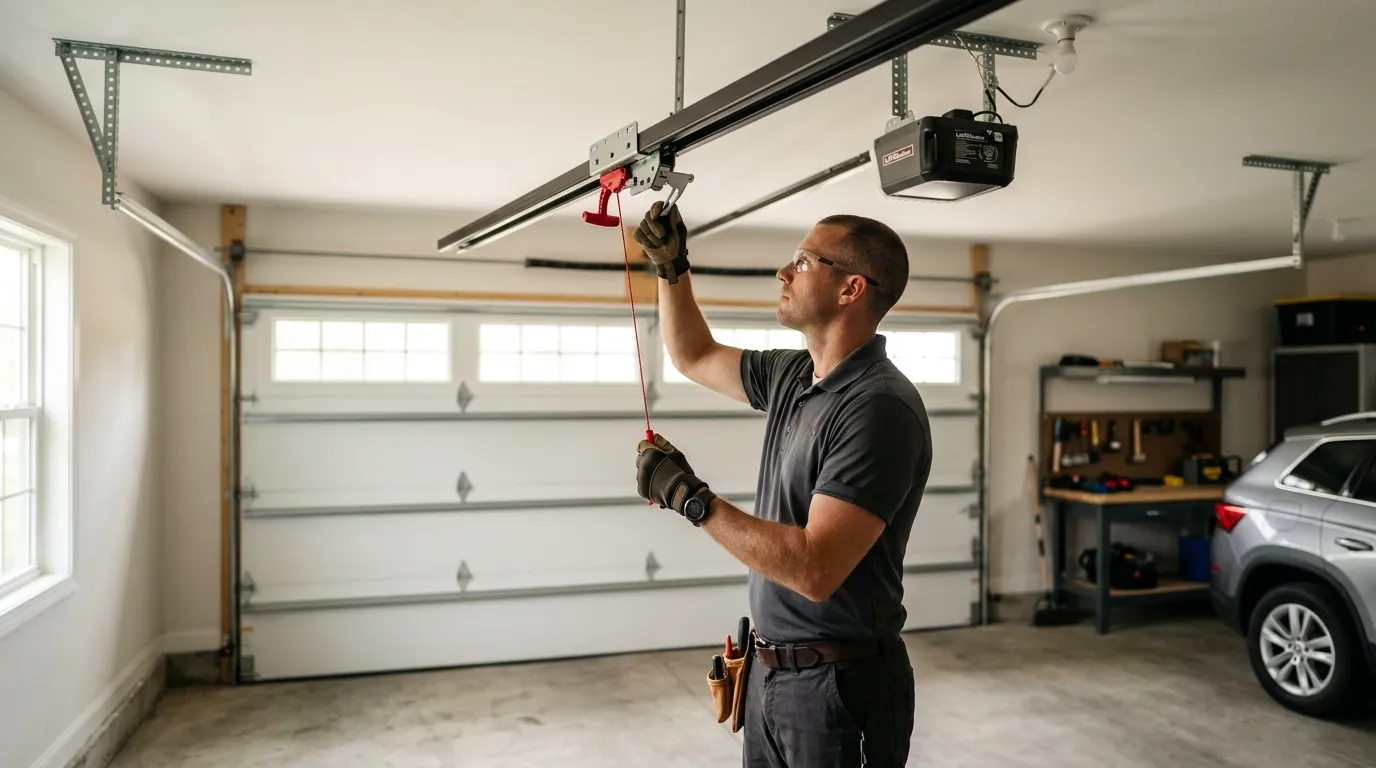
A door that groans or shudders partway through its travel is usually telling you the springs are losing tension unevenly, which happens gradually on hardware that's original to a house built decades ago. If one side of the door looks like it's dropping faster than the other when it closes, that's the same issue, just visible instead of audible.
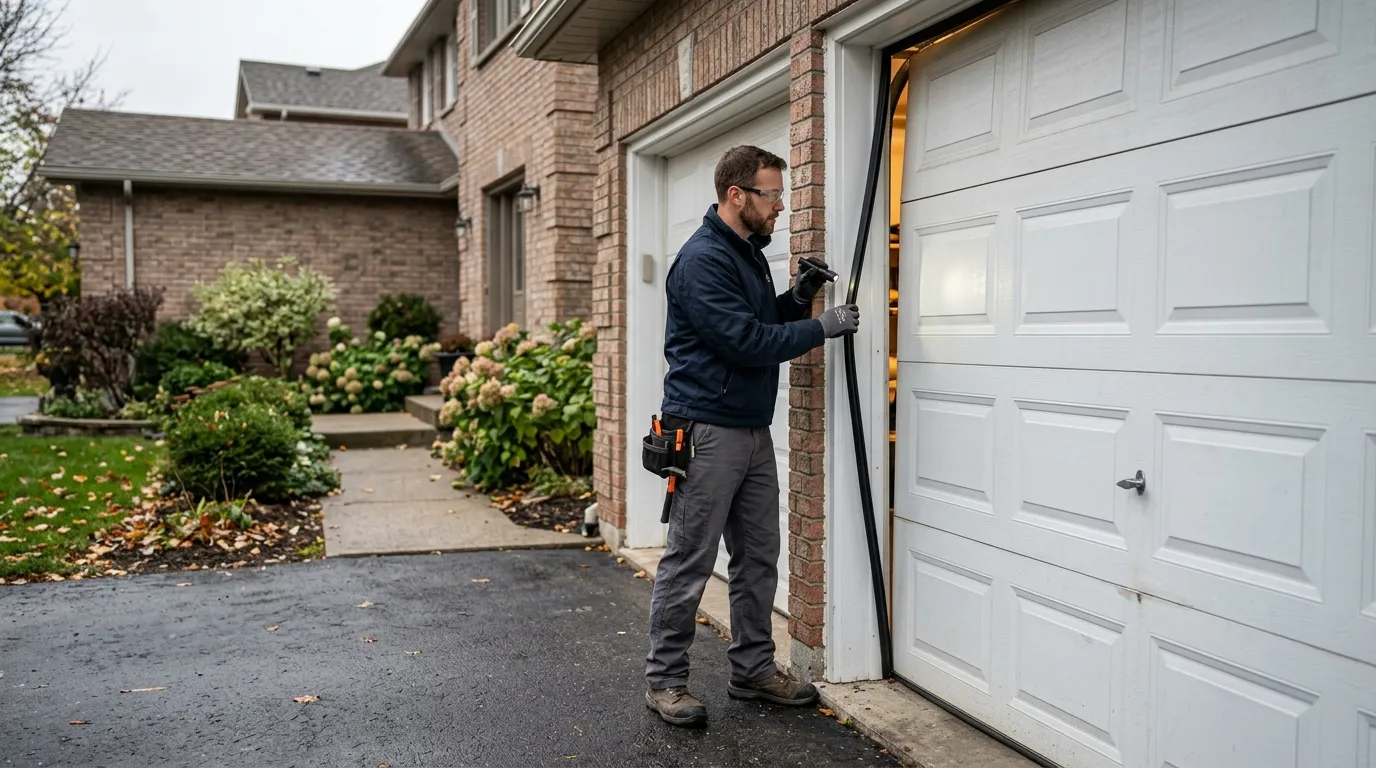
Rust streaks at the bottom corners or on the torsion bar itself point to corrosion working on cable ends and brackets, something we see more in winter after road salt and slush have had a season to sit against metal. A opener that runs longer than it used to before the door moves is often straining against a spring balance that's drifted out of spec, not a failing motor.
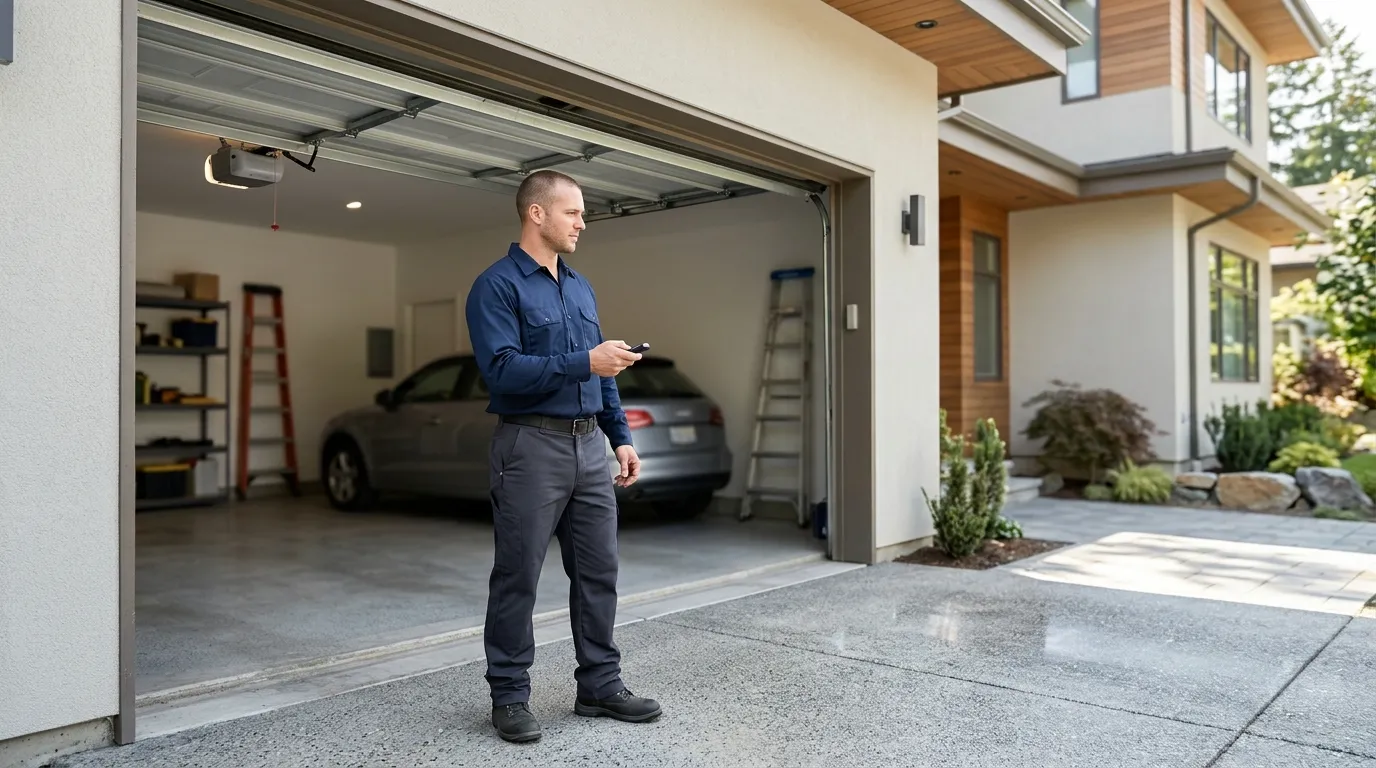
If the door reverses on its own partway down, or the remote works only sometimes, that's worth a call before it becomes a stuck door on a cold morning. None of these signs mean the door is unsafe to use for a day or two, but they're the kind of thing that gets worse with the temperature swings this climate puts doors through, not better.