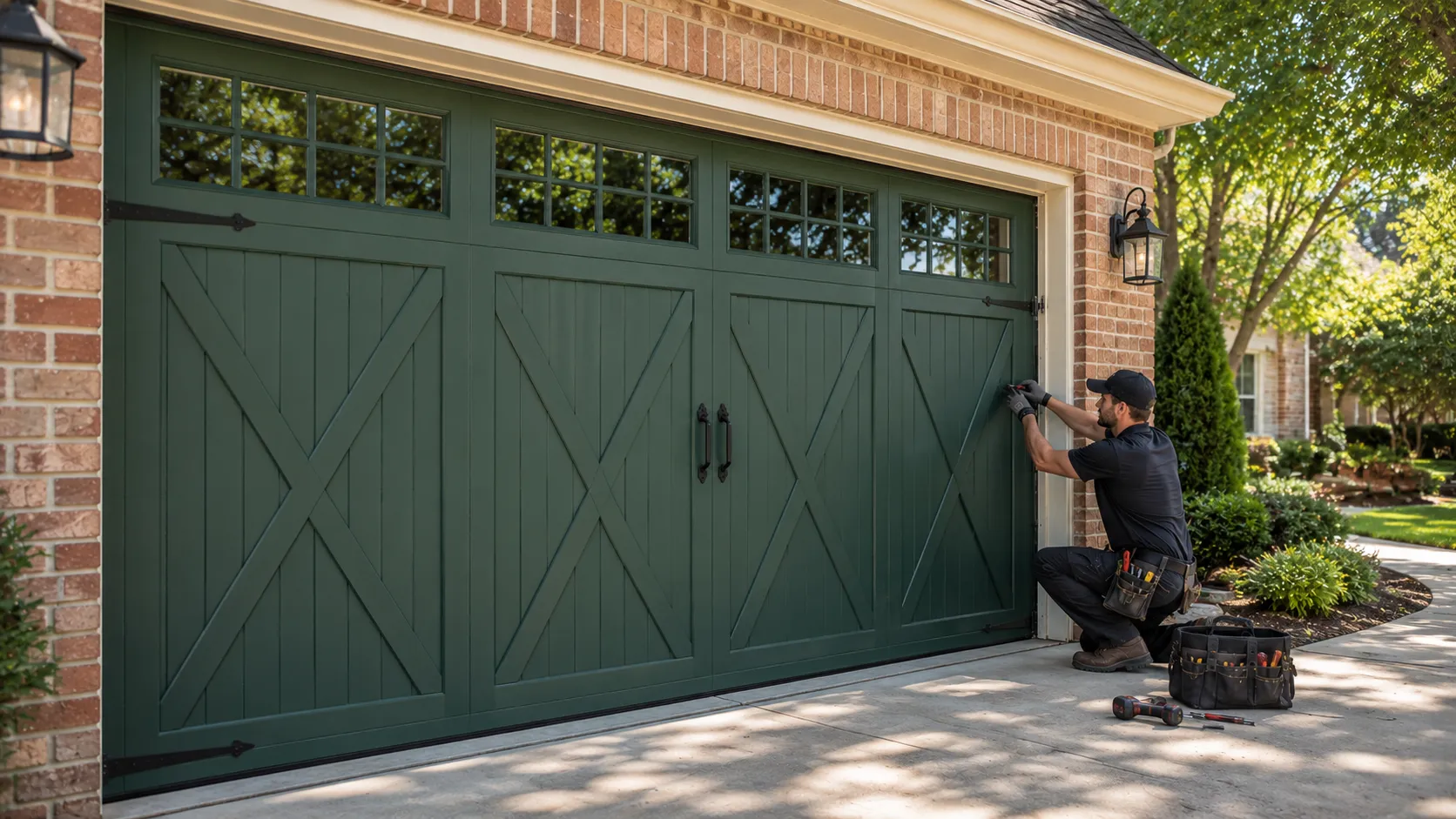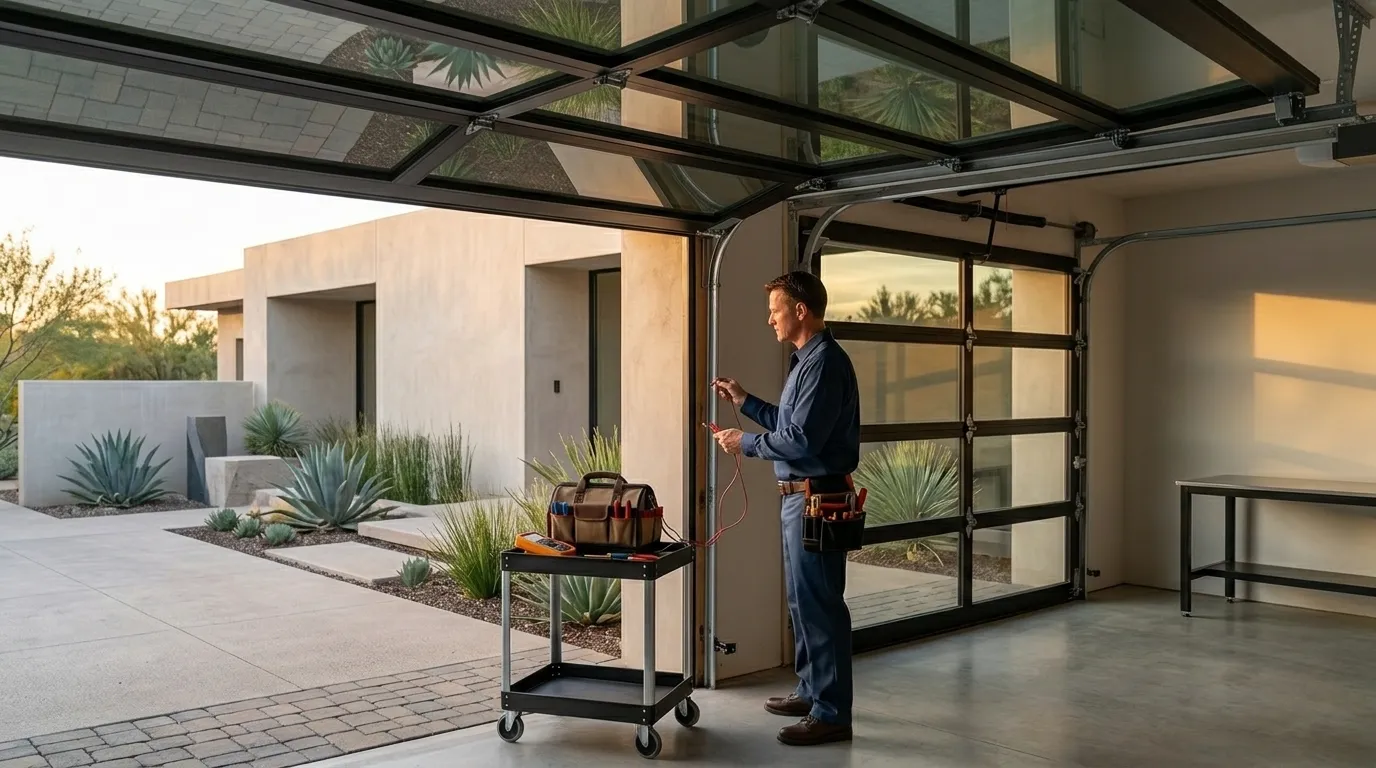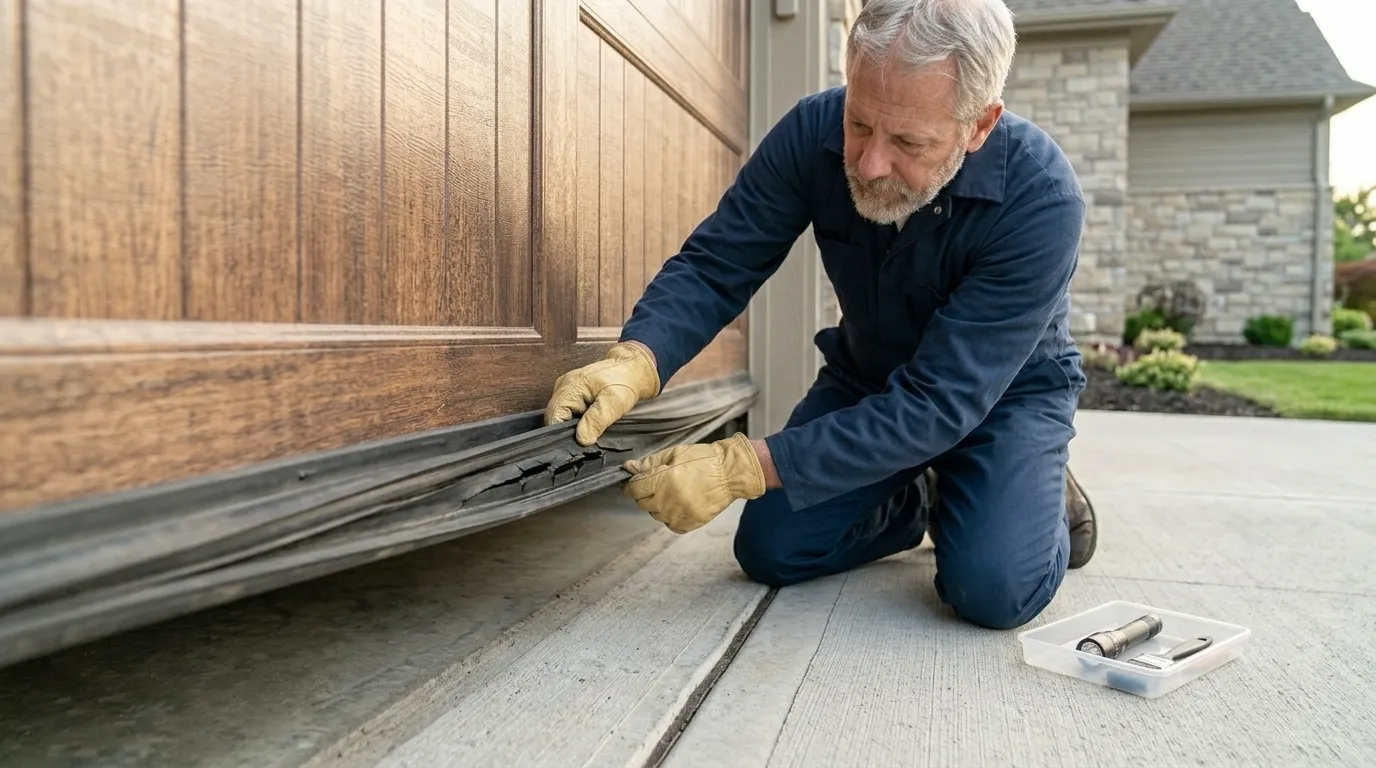
The Cost of This Job
What an emergency call costs depends on what actually broke and when you call. A snapped torsion spring on a standard double door is a different job than a cable that's jumped its drum, and both are different from a door that's come off its track after a rushed exit backed into it. We don't publish a flat number here because doing that on a page that covers the whole service area - from down through out toward - would mean lying to somebody about their specific door.
What we can tell you: the age of the housing in this city matters more than most homeowners expect. A lot of garages here were built to match houses going up between 1938 and 1994, with the bulk of that stock dating to the 1960s and 70s. That means a good share of the doors and openers we get called to are original or close to it, running on hardware that newer parts don't always drop into without adaptation. That adds labor time on some jobs and doesn't on others.
We'll tell you the number before we touch anything, not after. If a repair costs more than half of what a new door would run, we say so and let you decide - we'd rather lose the bigger ticket than let you sink money into a door that's on its way out anyway.
What Is on the Truck
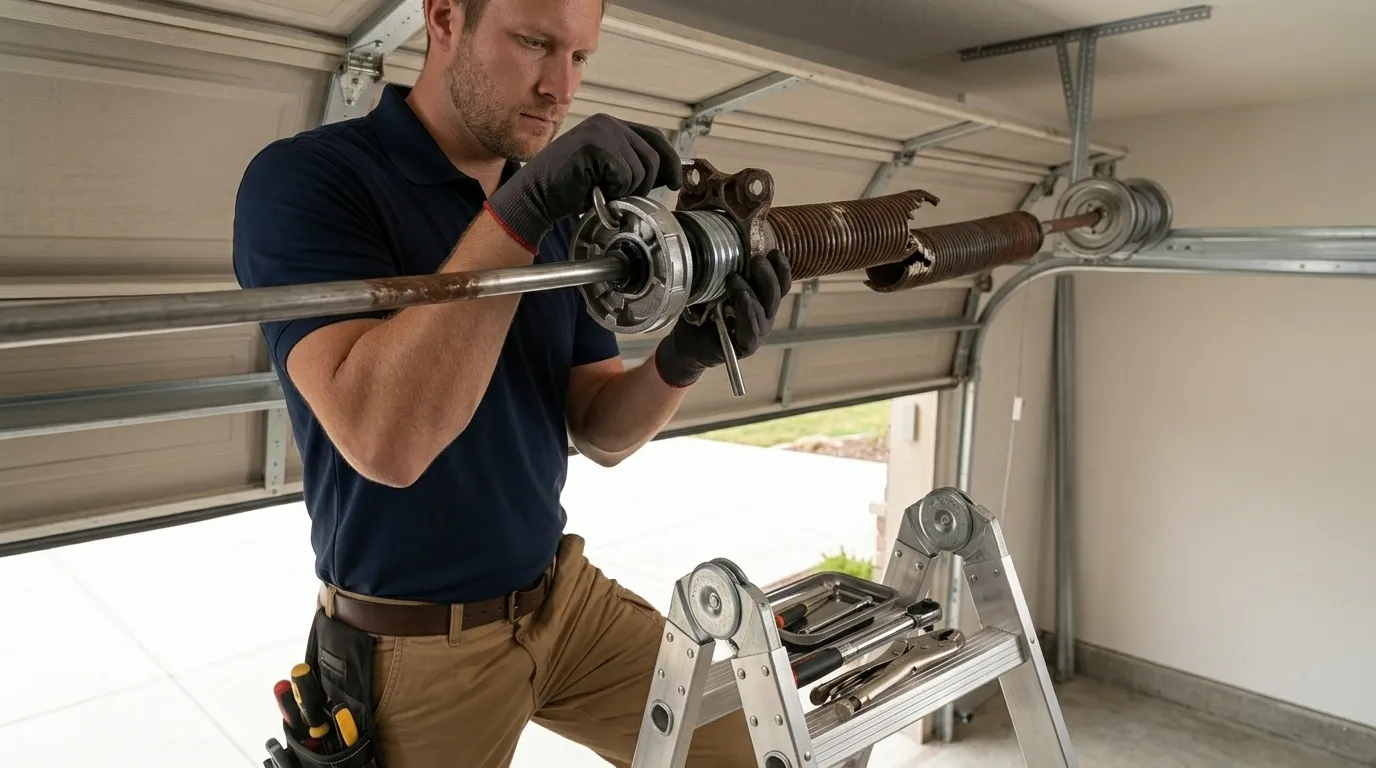
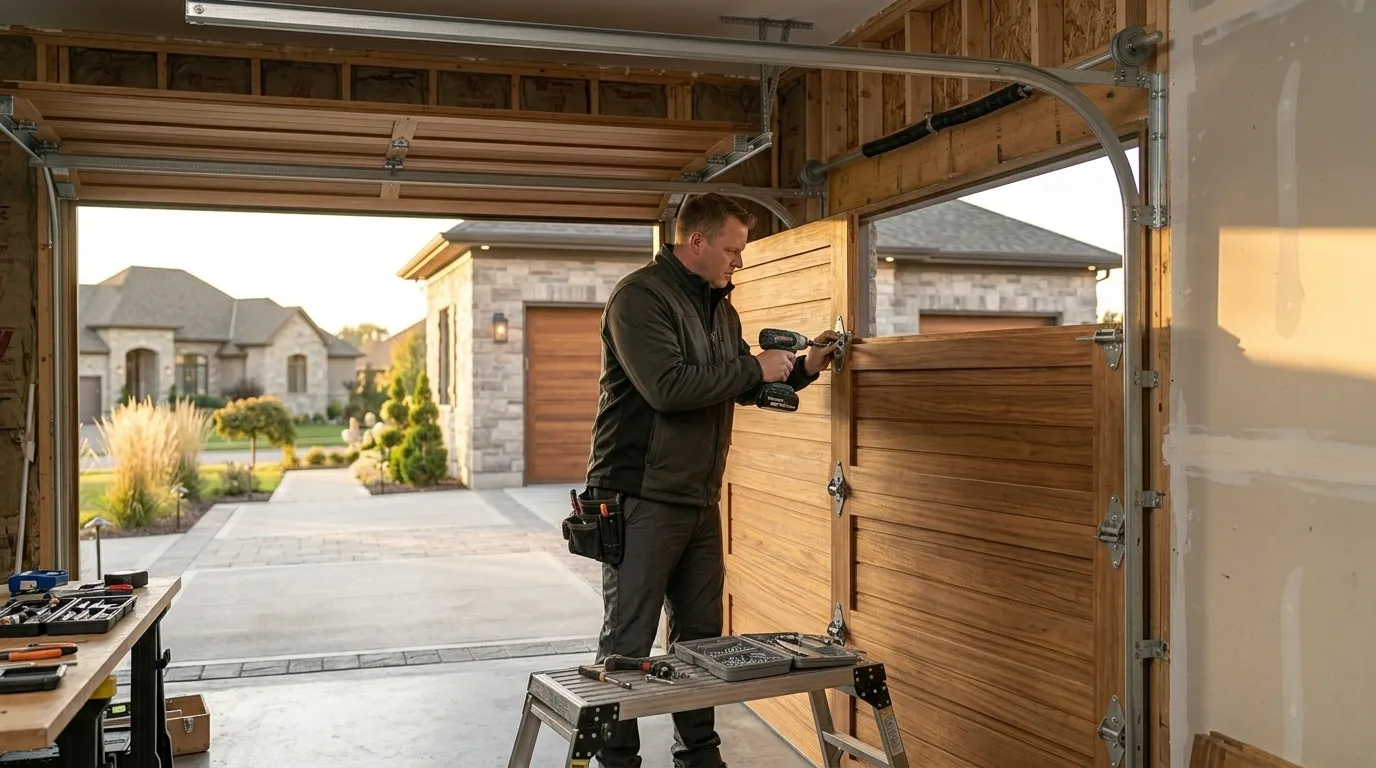
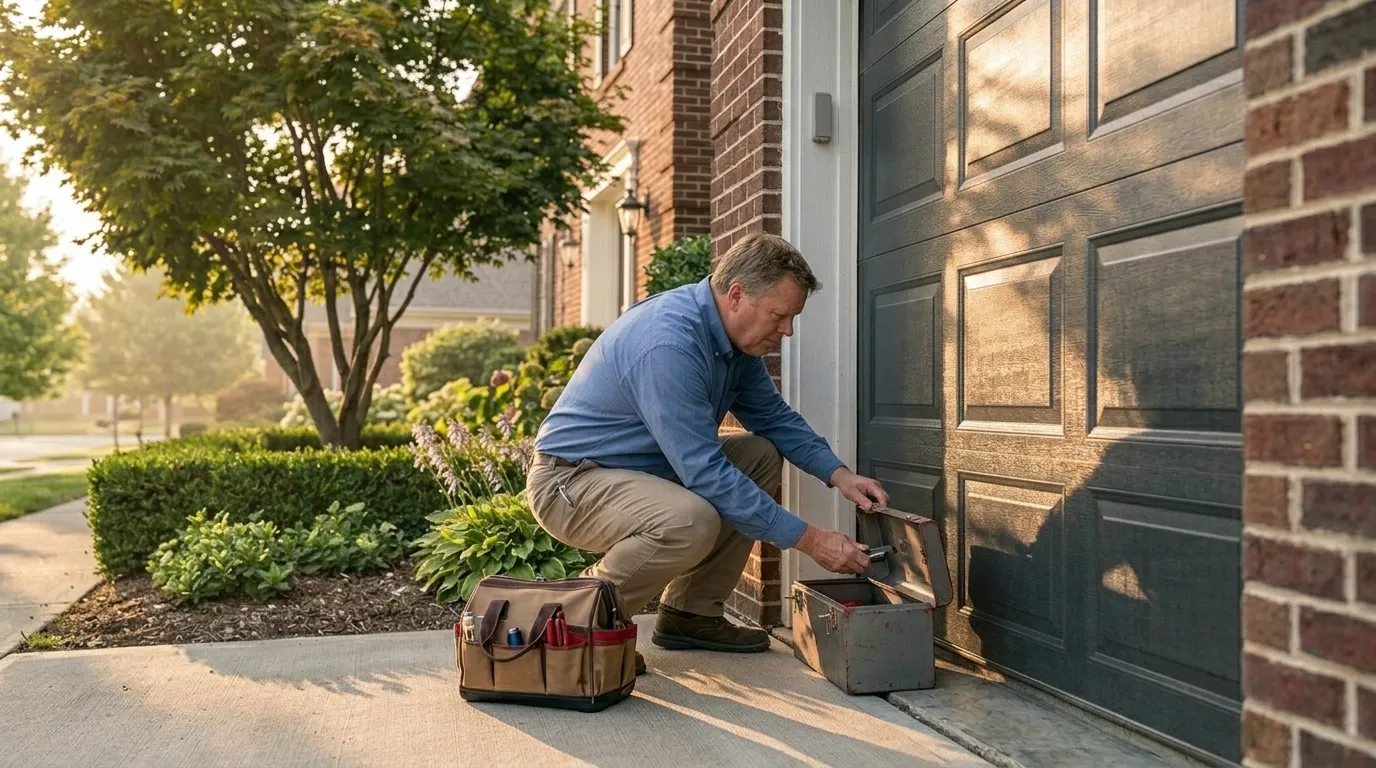
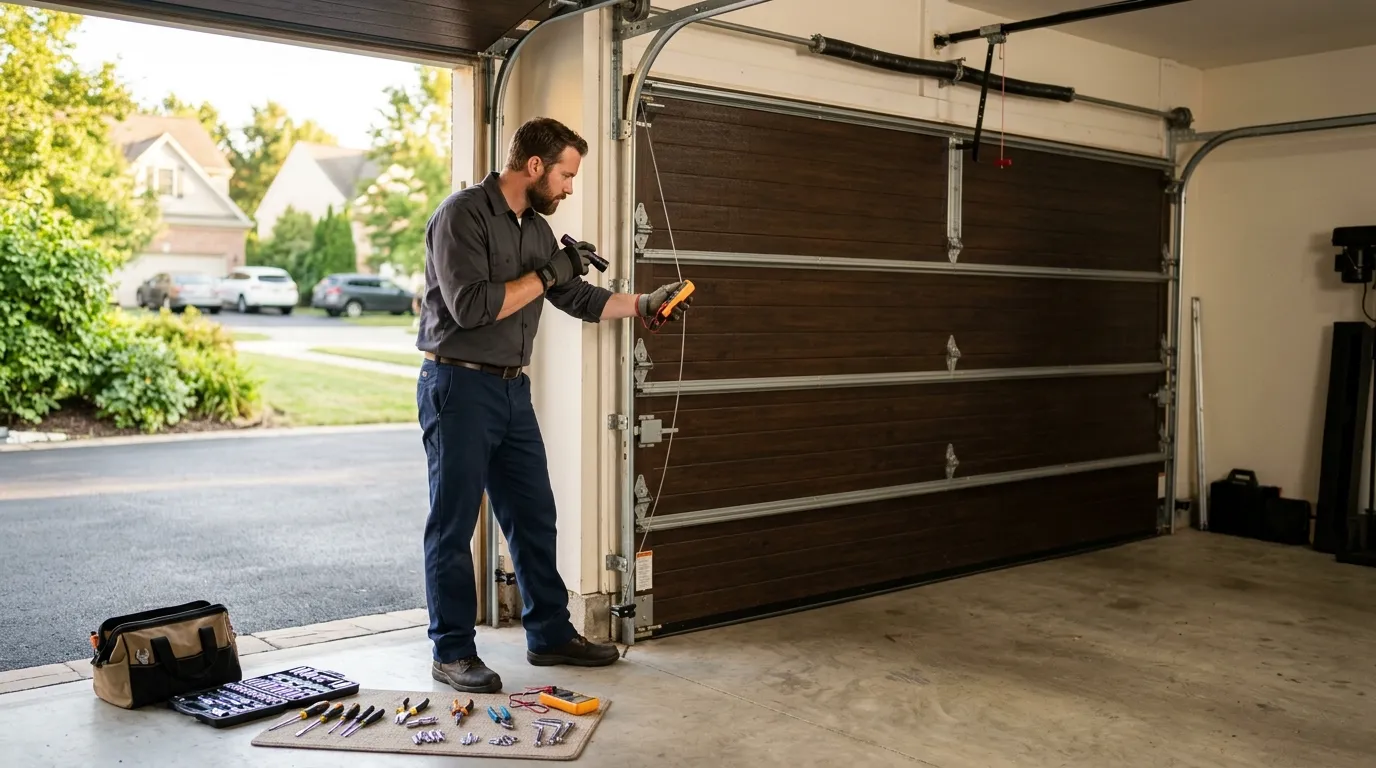
For an emergency call we carry torsion springs in the sizes that fit the door widths common to this area's older single and double garages, along with extension springs for the smaller detached-garage doors that some of these 1960s-era houses still have. We stock lift cables, drums, rollers, and hinges, plus the fasteners that older track systems use, which aren't always the same as what a big-box store carries today.
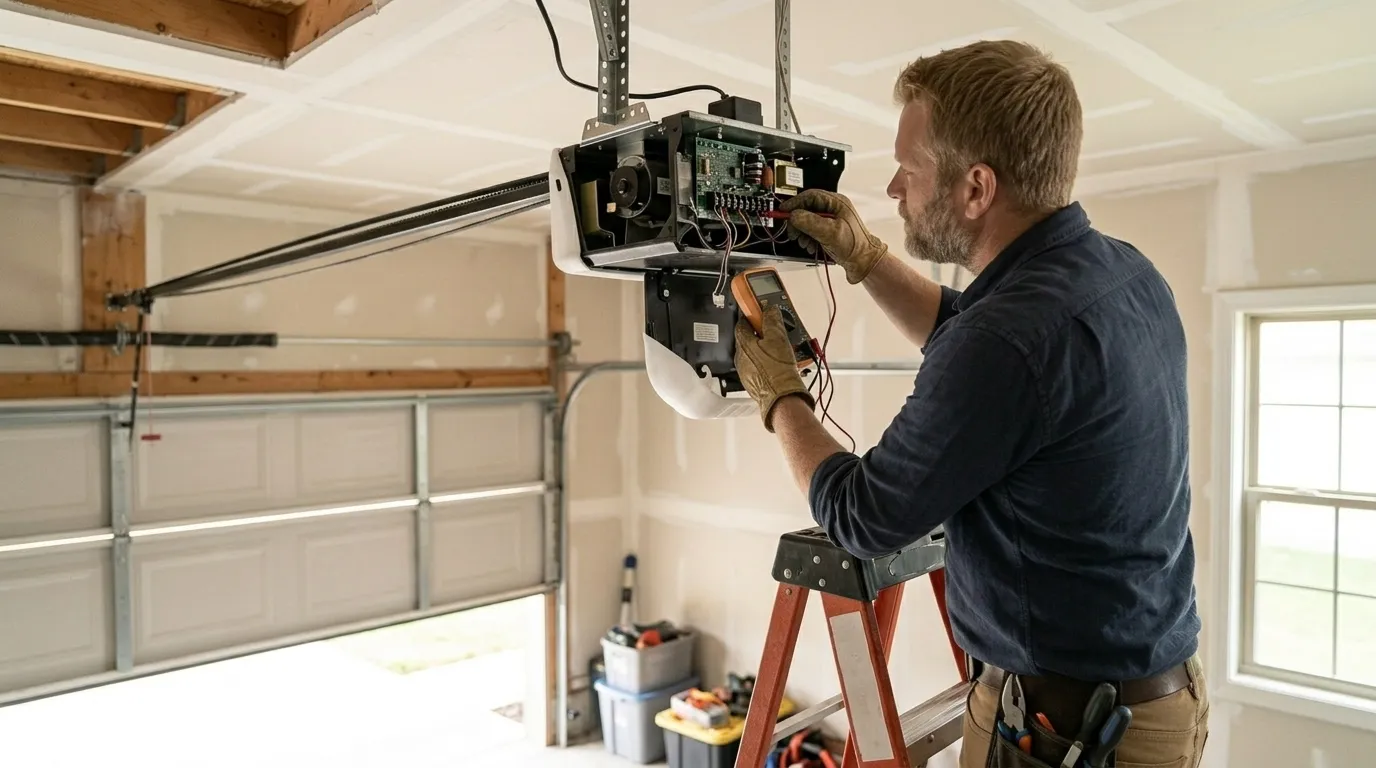
We also carry a set of universal opener logic boards and drive gears that cover most of the chain and belt-drive units still running in this area's older houses, so a dead opener doesn't always mean an install job that has to wait for a part.
One honest limit: we don't stock every discontinued panel pattern. If a door is old enough that the manufacturer's stopped making that exact panel, we can usually source a close match or a full replacement section, but getting the identical embossed pattern from the 1960s or 70s sometimes means a special order that a same-night call can't wait on. When that's the case, we'll get the door safe and operating that night and talk replacement options once it's daylight.
What You Are Seeing
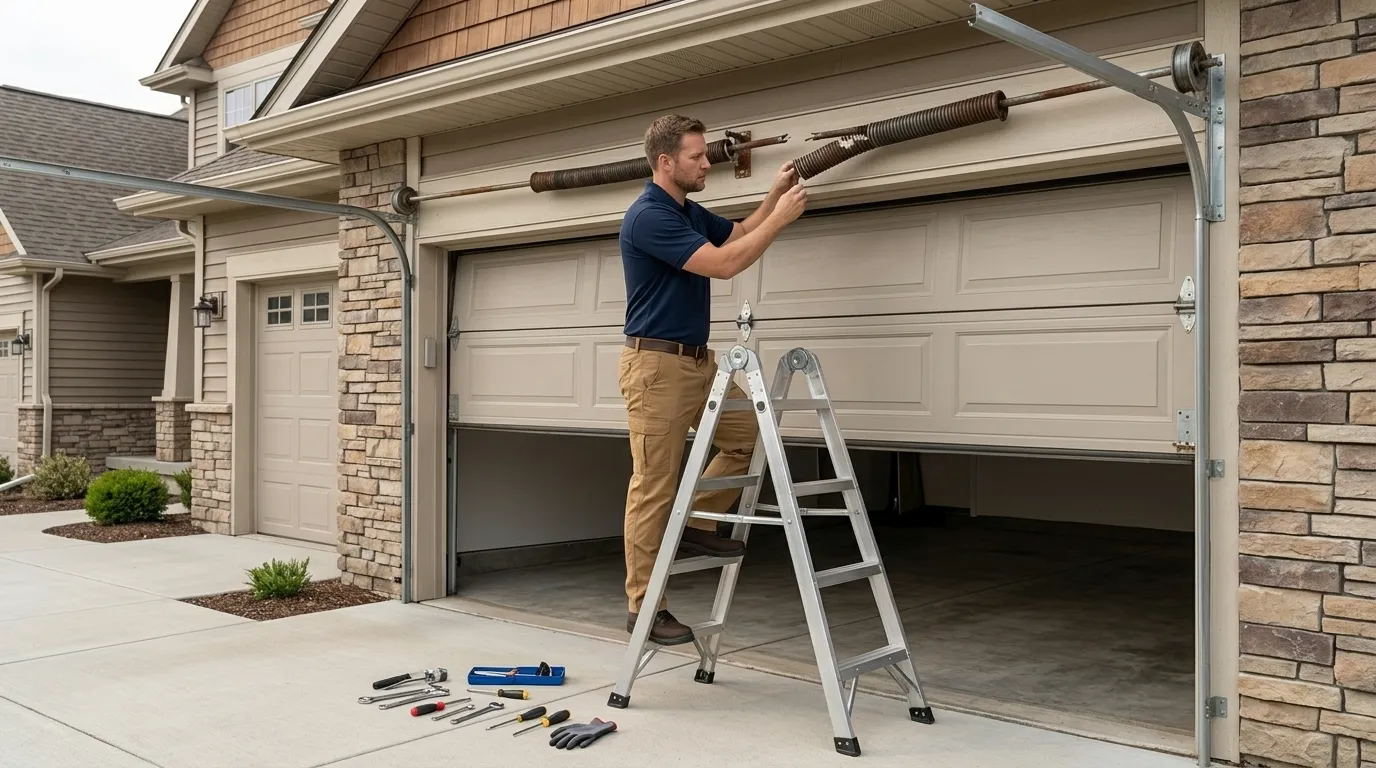
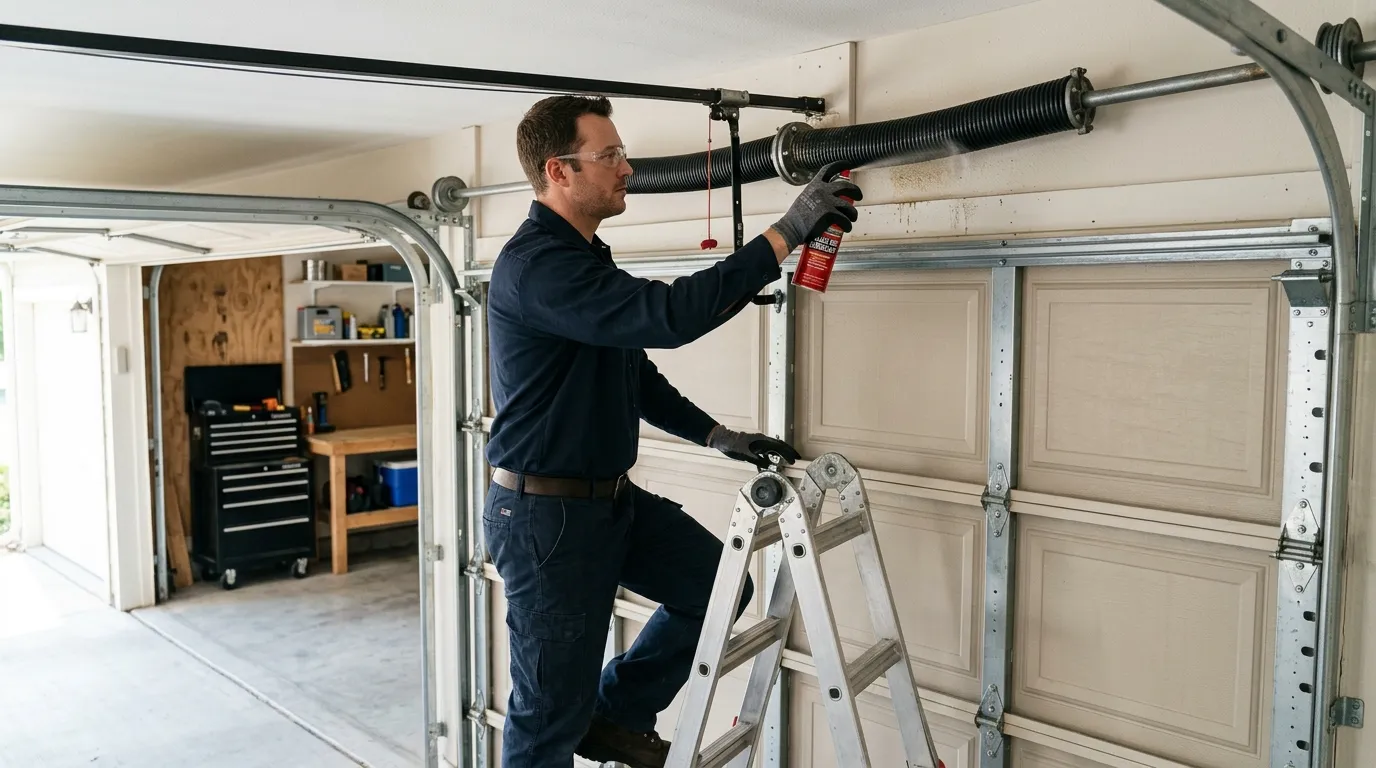
A door that won't budge and makes a loud bang first is almost always a broken torsion spring - the coiled spring above the door that does the actual lifting work, not the opener. Don't try to force it with the opener or by hand; a broken spring under partial tension is dangerous and it won't move the door safely anyway.
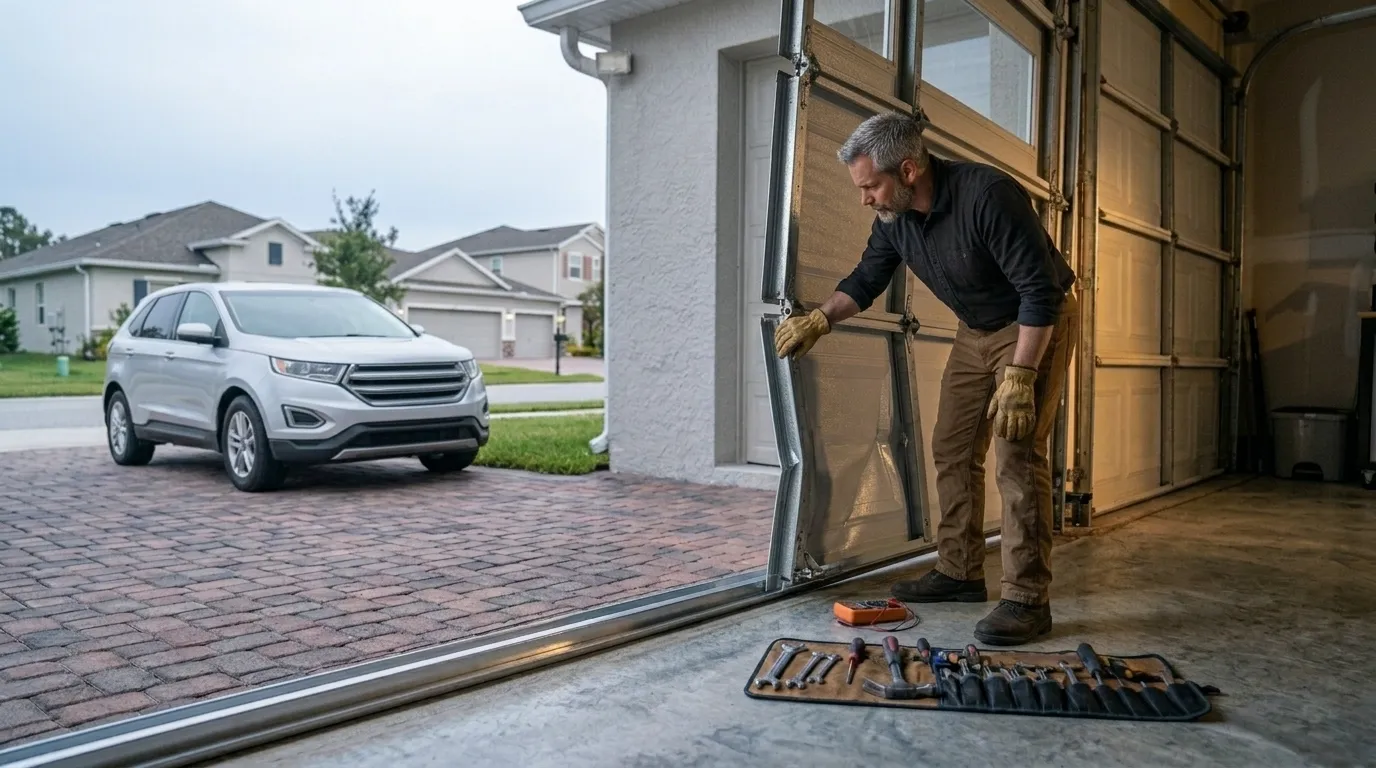
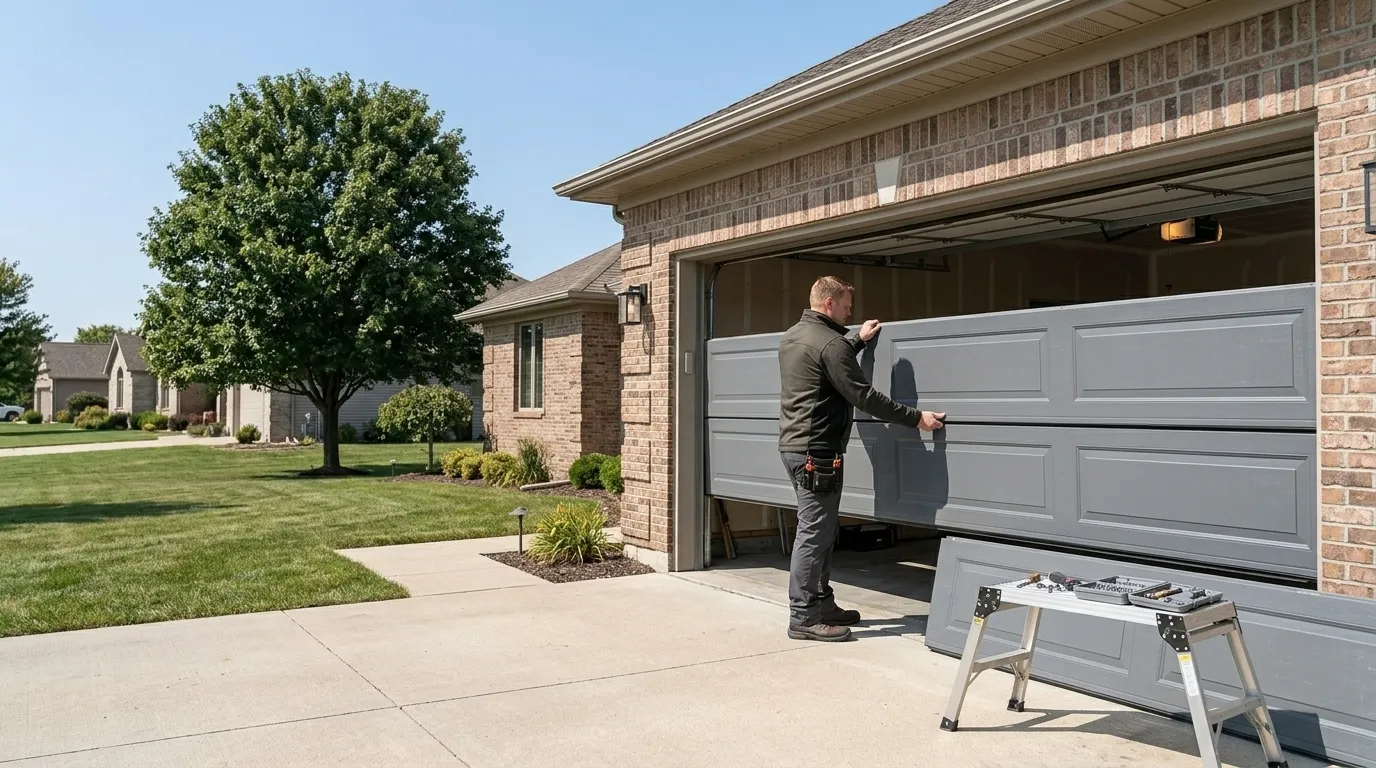
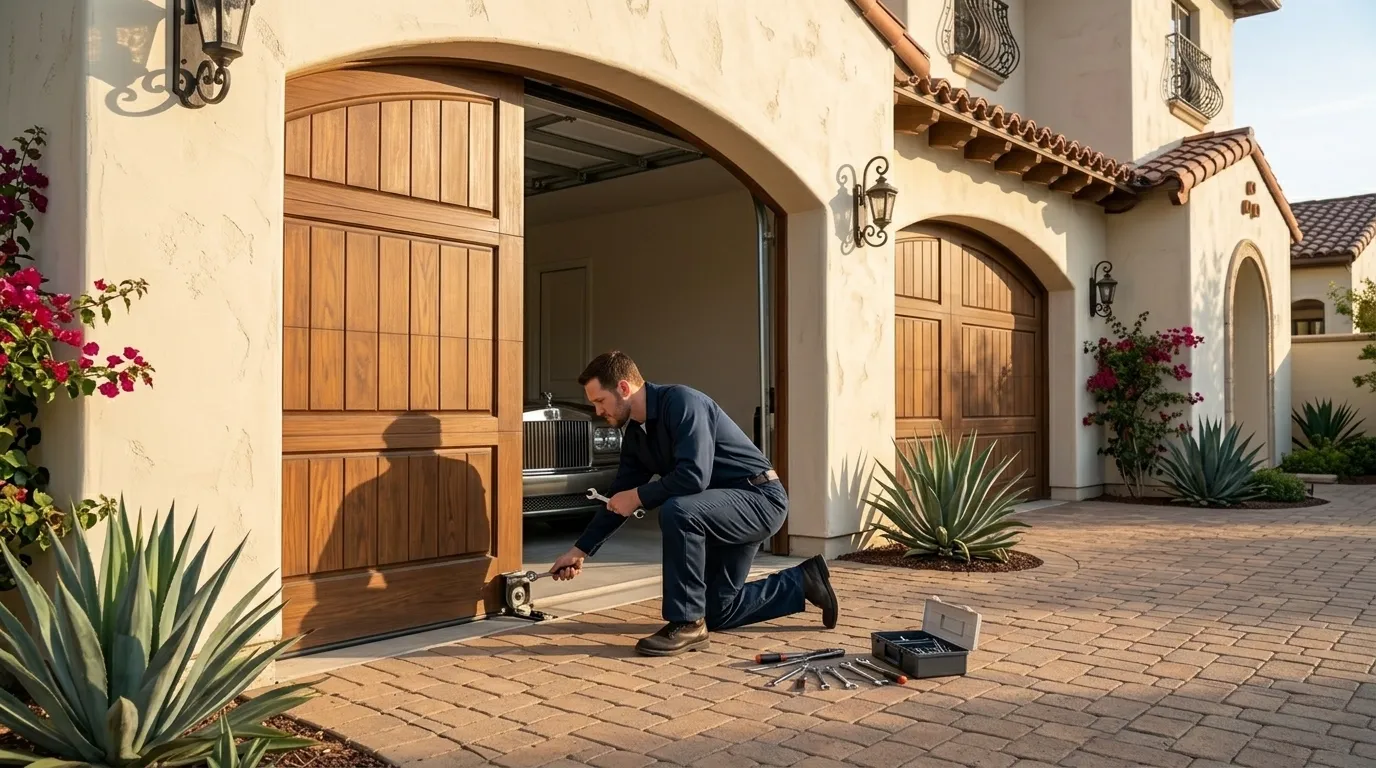
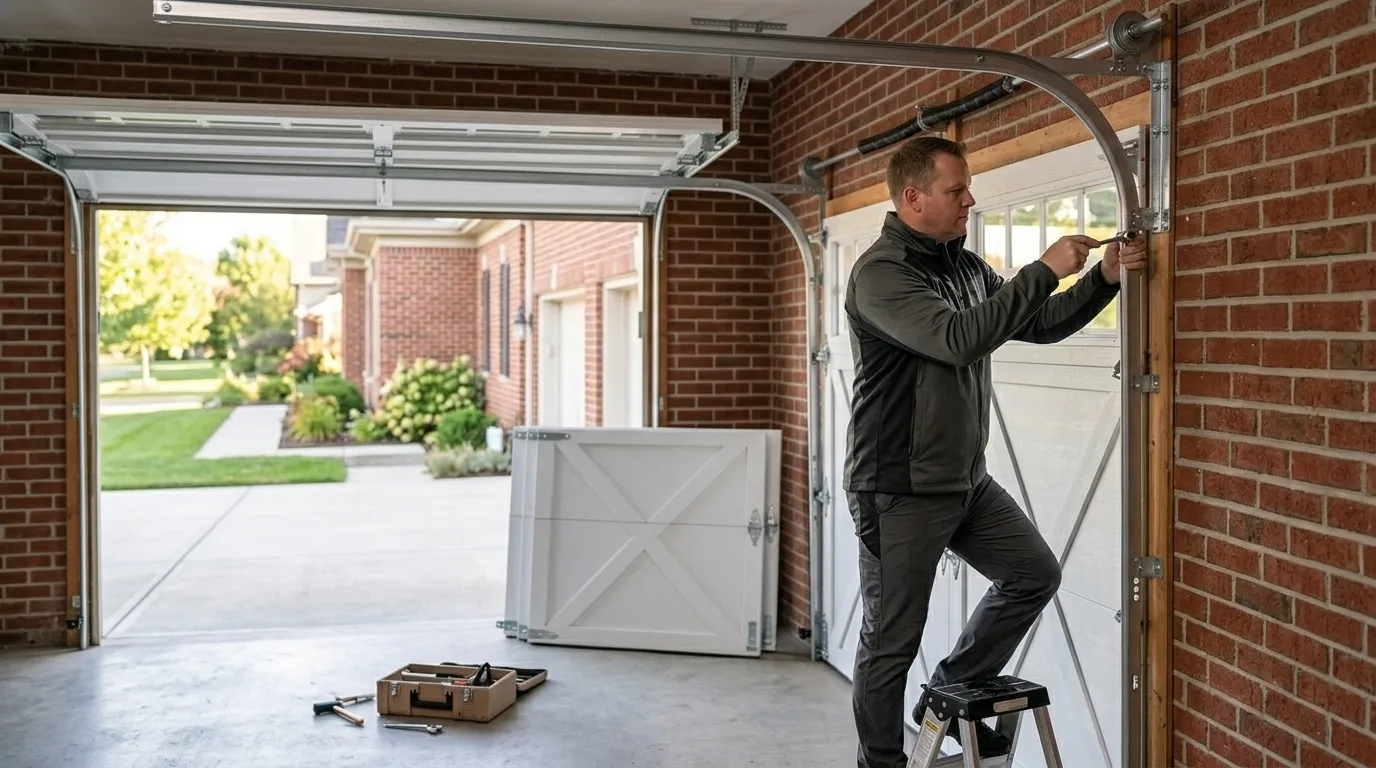
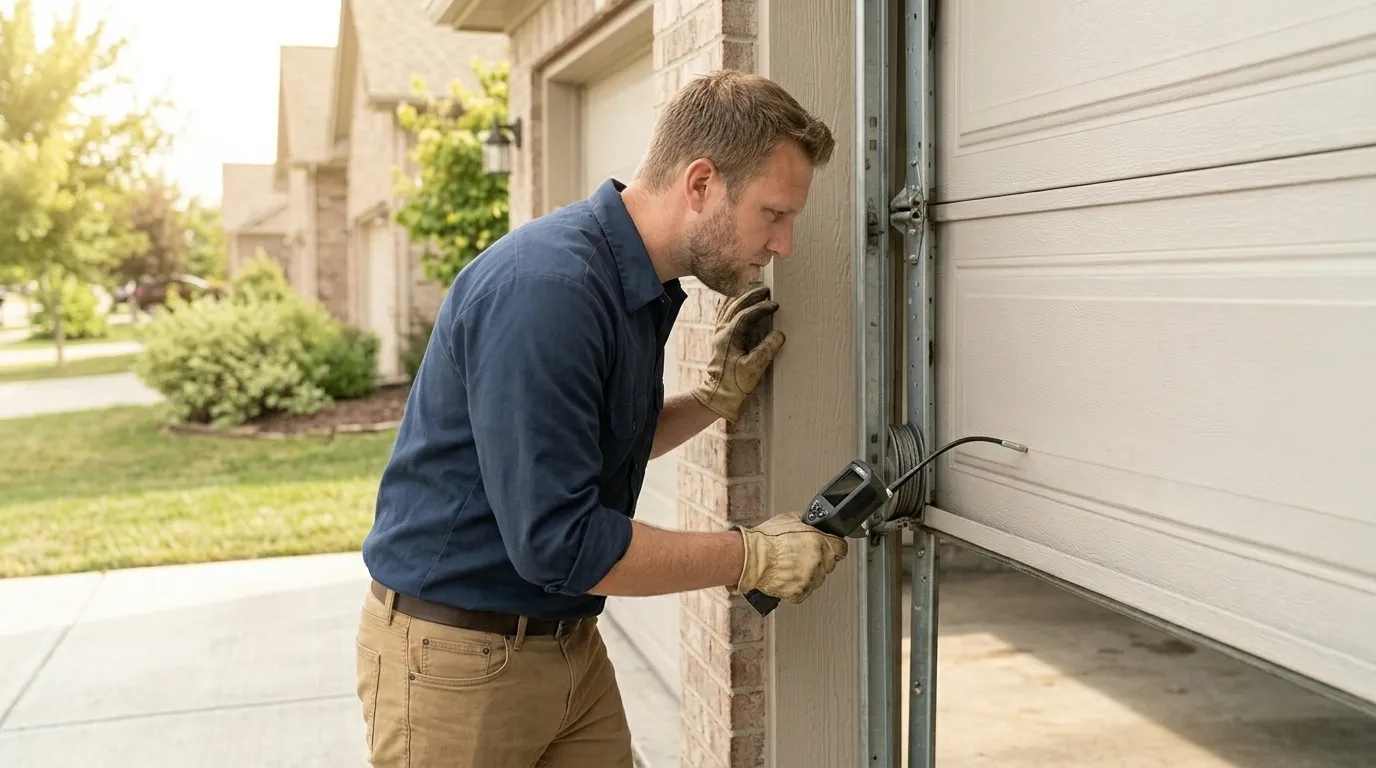
A door that's open a foot and stuck, opener straining, usually means a cable's slipped its drum or a roller's jumped the track. If one side of the door looks lower than the other, that's consistent with a cable failure on one side rather than a spring, which normally breaks the whole system evenly.
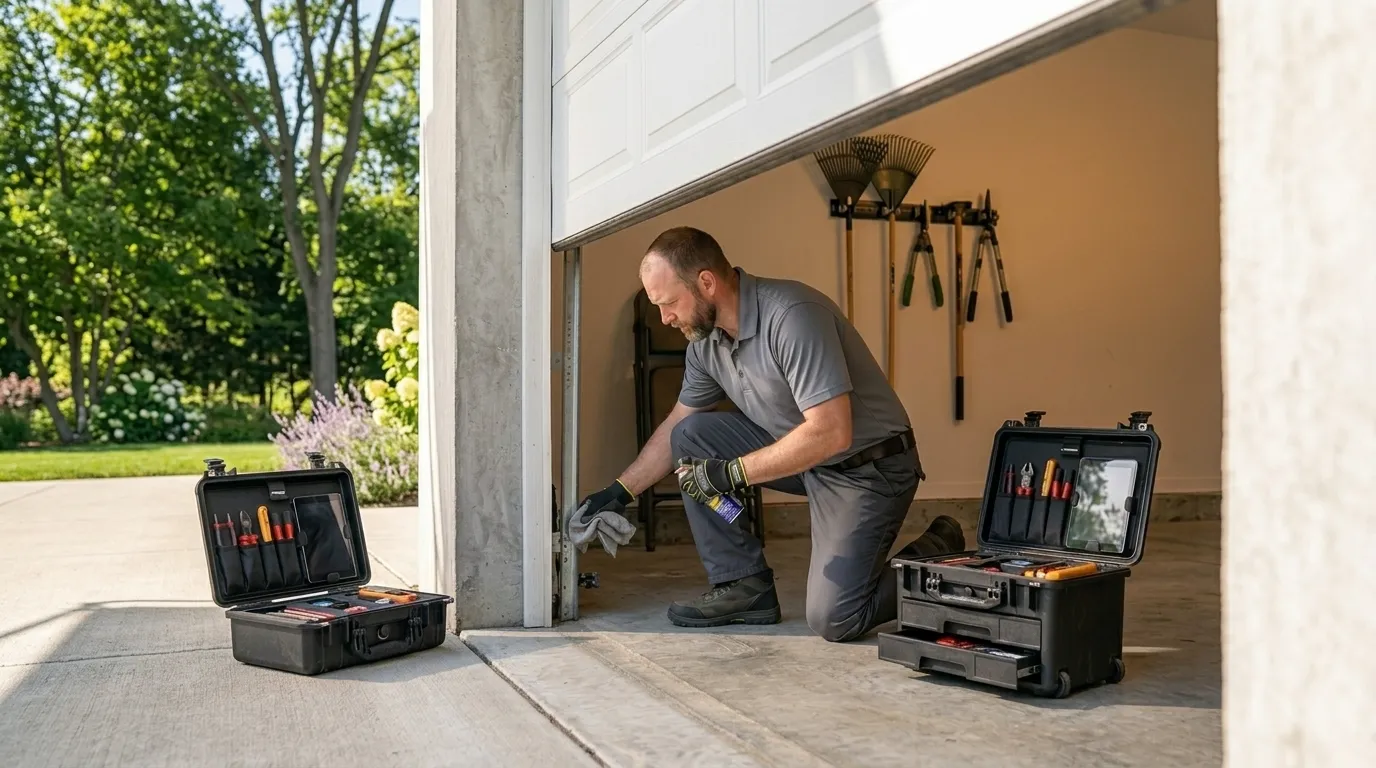
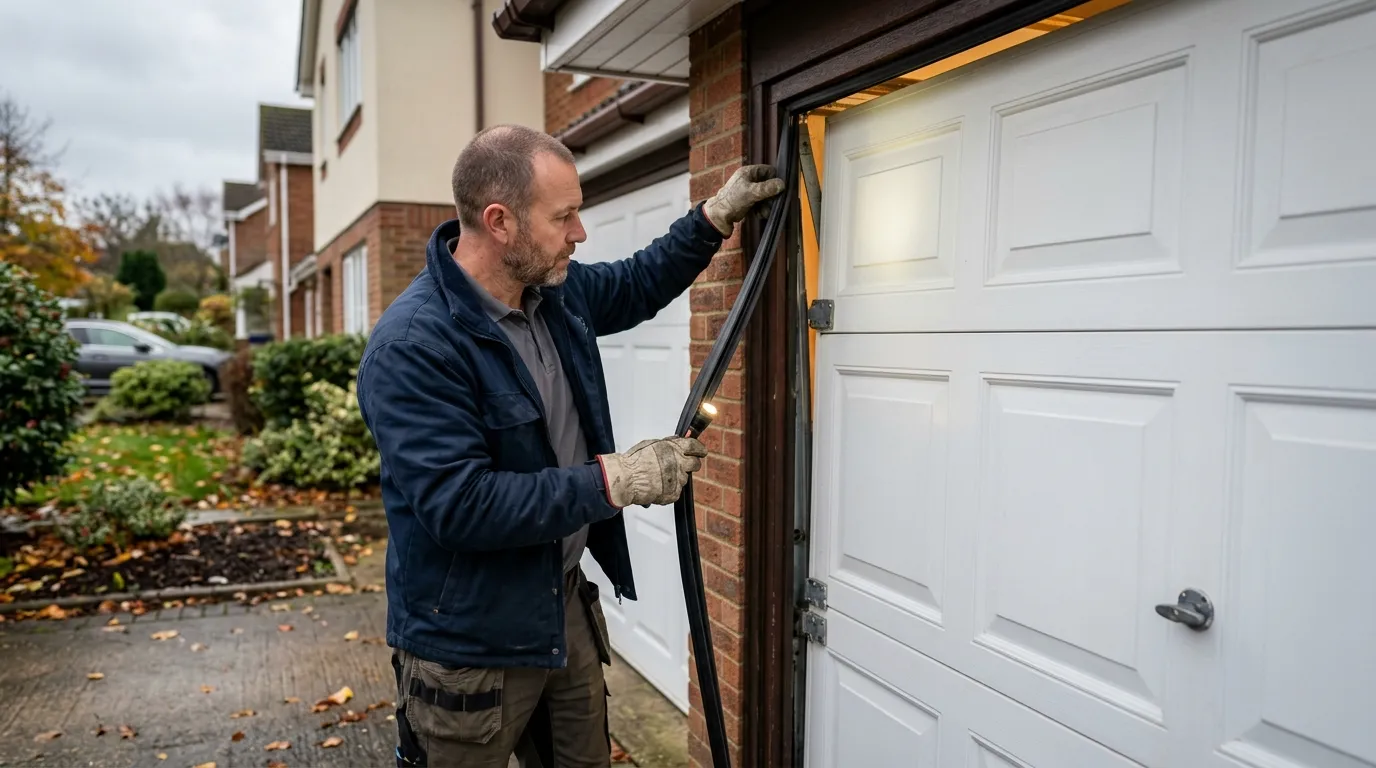
A door that opens fine but reverses on its own partway down, or won't close at all, points to the opener's safety sensors - the two small eyes near the floor on either side of the track. Anything blocking the beam, or a sensor knocked out of alignment, will do this, and it's common enough in garages used for storage that it's worth checking before assuming the opener itself has failed.
Grinding or a door that runs noticeably slower than it used to is wear, not an emergency yet - but on hardware from this era's housing stock, it's often the sign that a full failure is close.