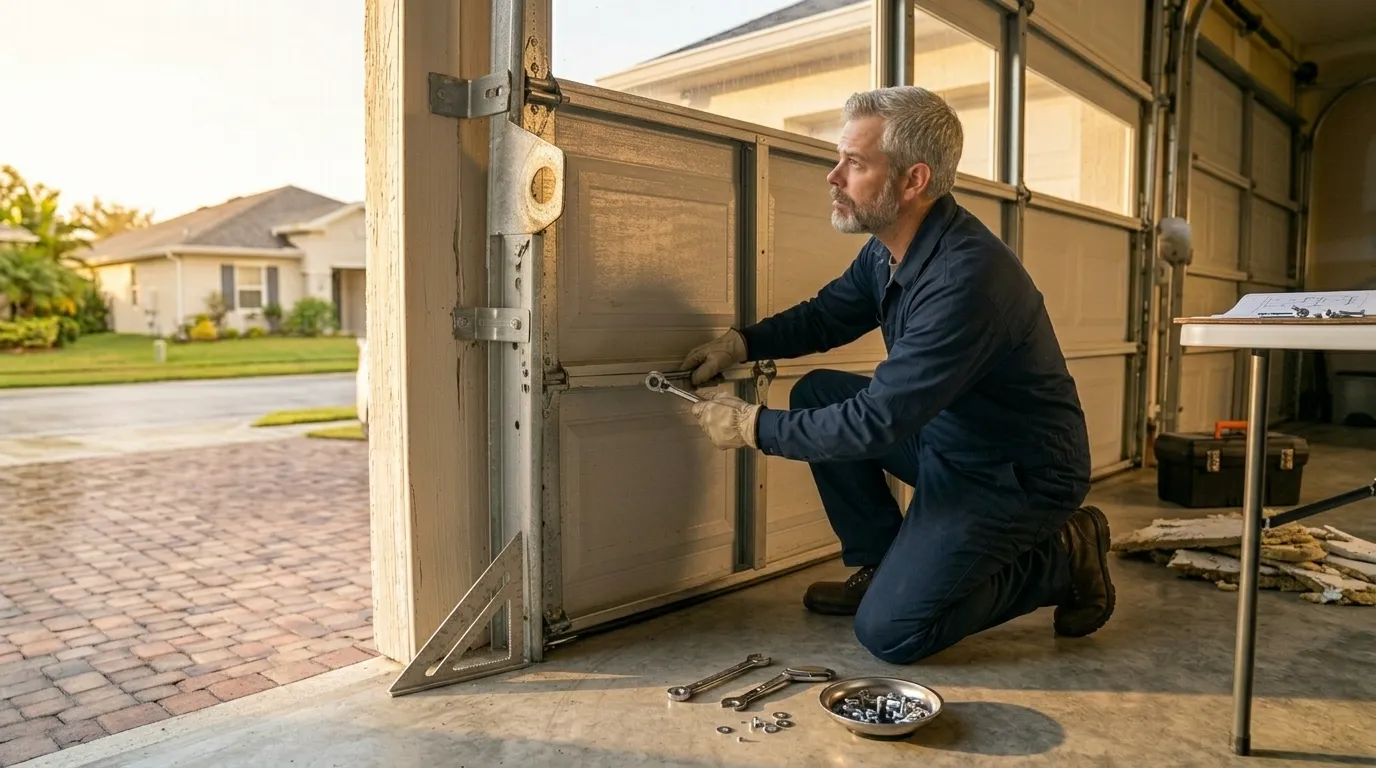
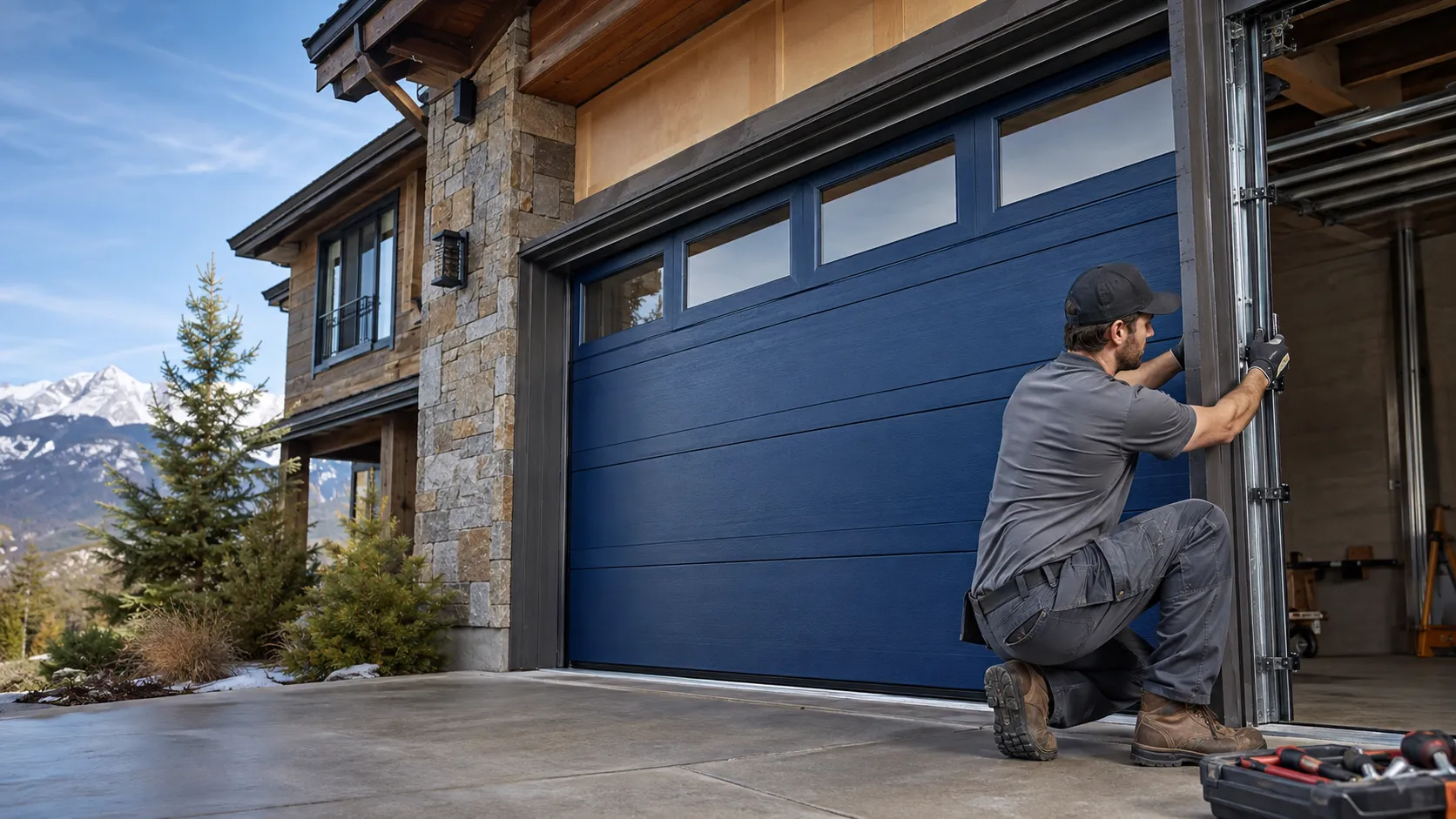
What You Are Seeing
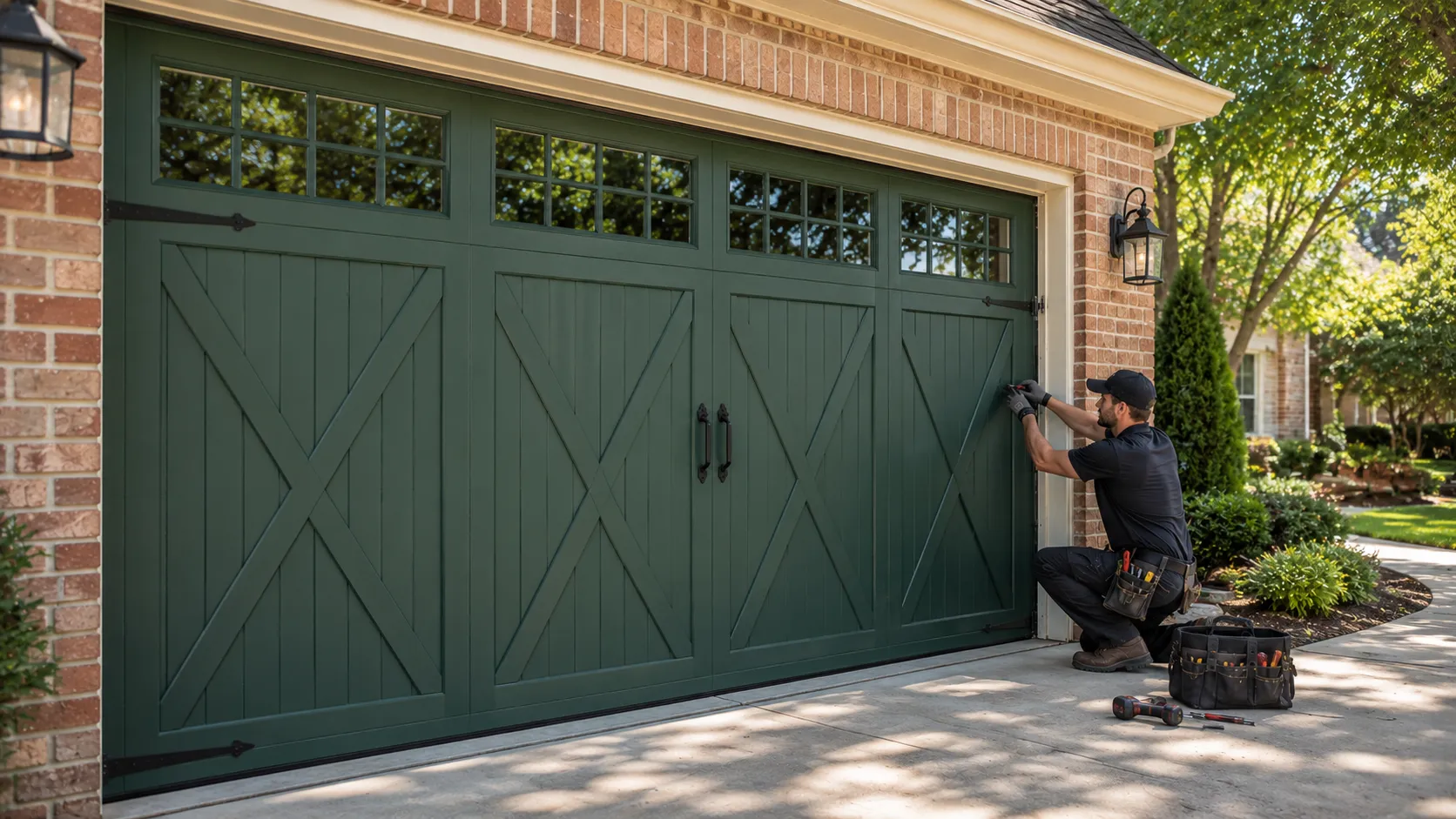
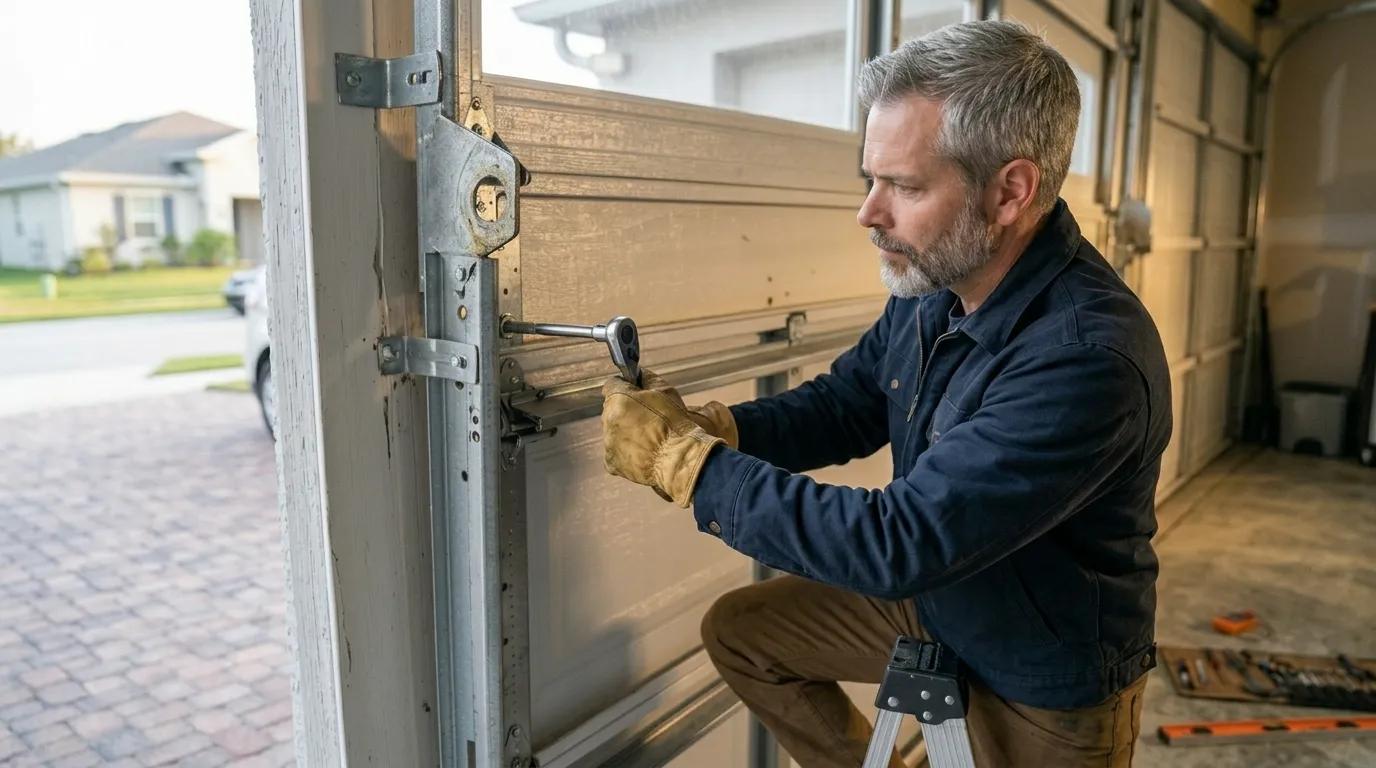
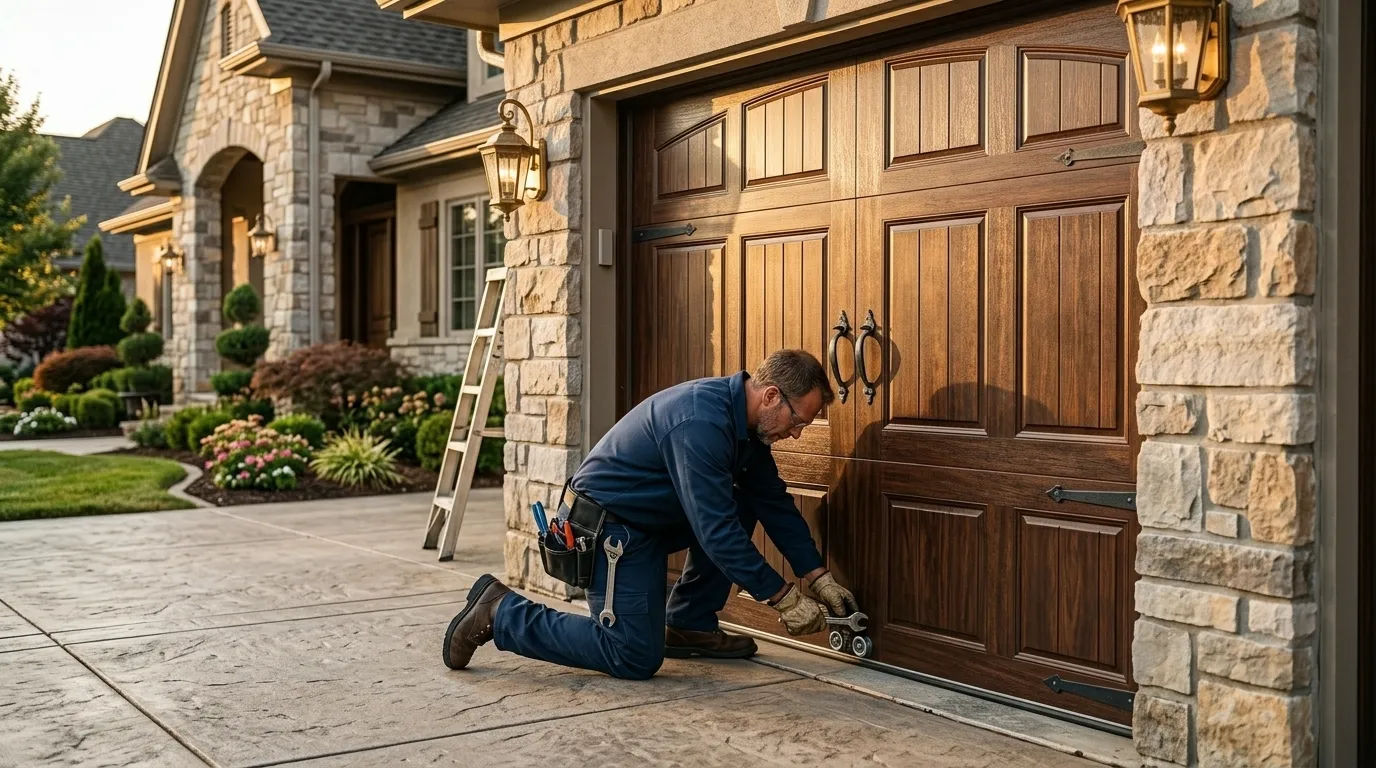
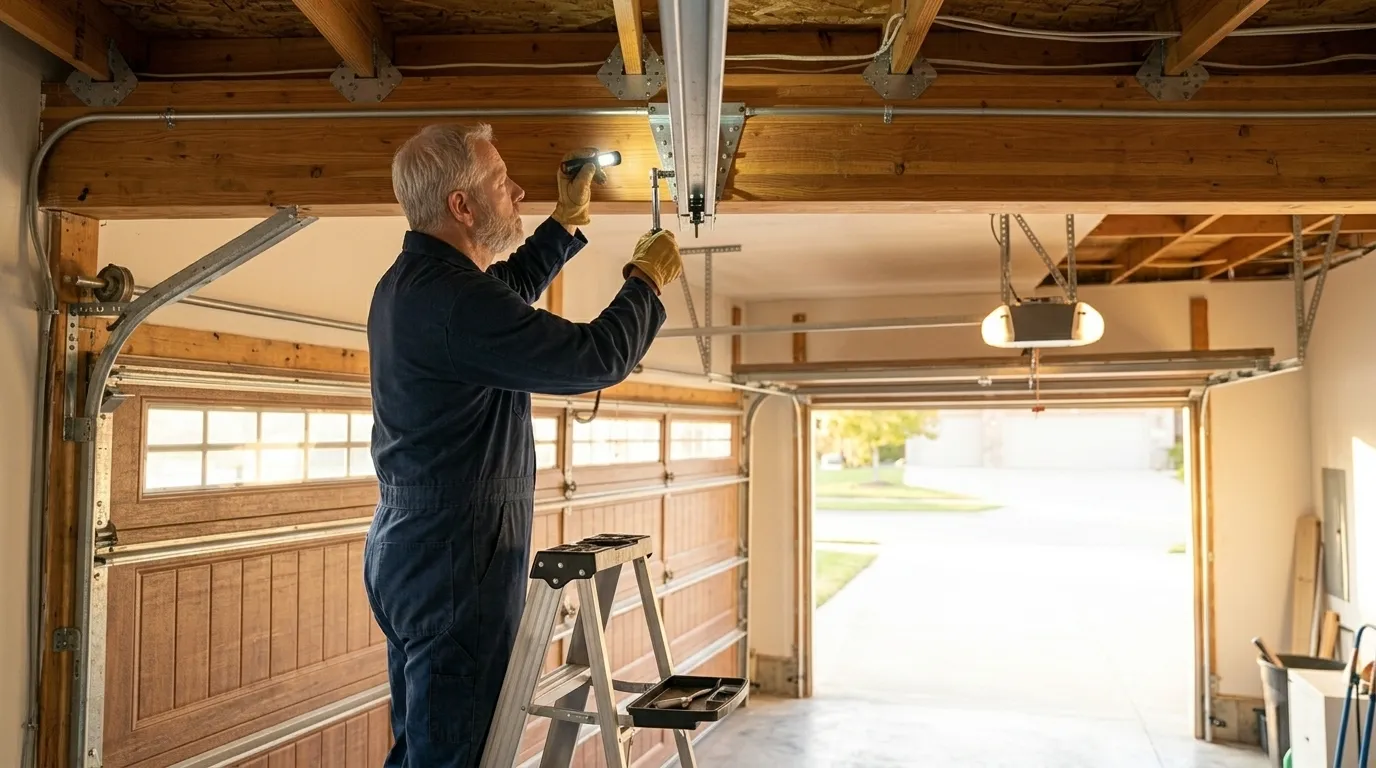
Most houses in Glen Ellyn went up around 1972, and that year matters more than it sounds like it should. A garage built in the early 70s almost always got a single steel or aluminum panel door, usually 16 feet wide for a two-car bay, hung on a pair of extension springs mounted along the horizontal track rather than a torsion bar over the header. That hardware was standard for the era and it's still what a lot of Glen Ellyn garages are running today, sometimes with the original door still on it.
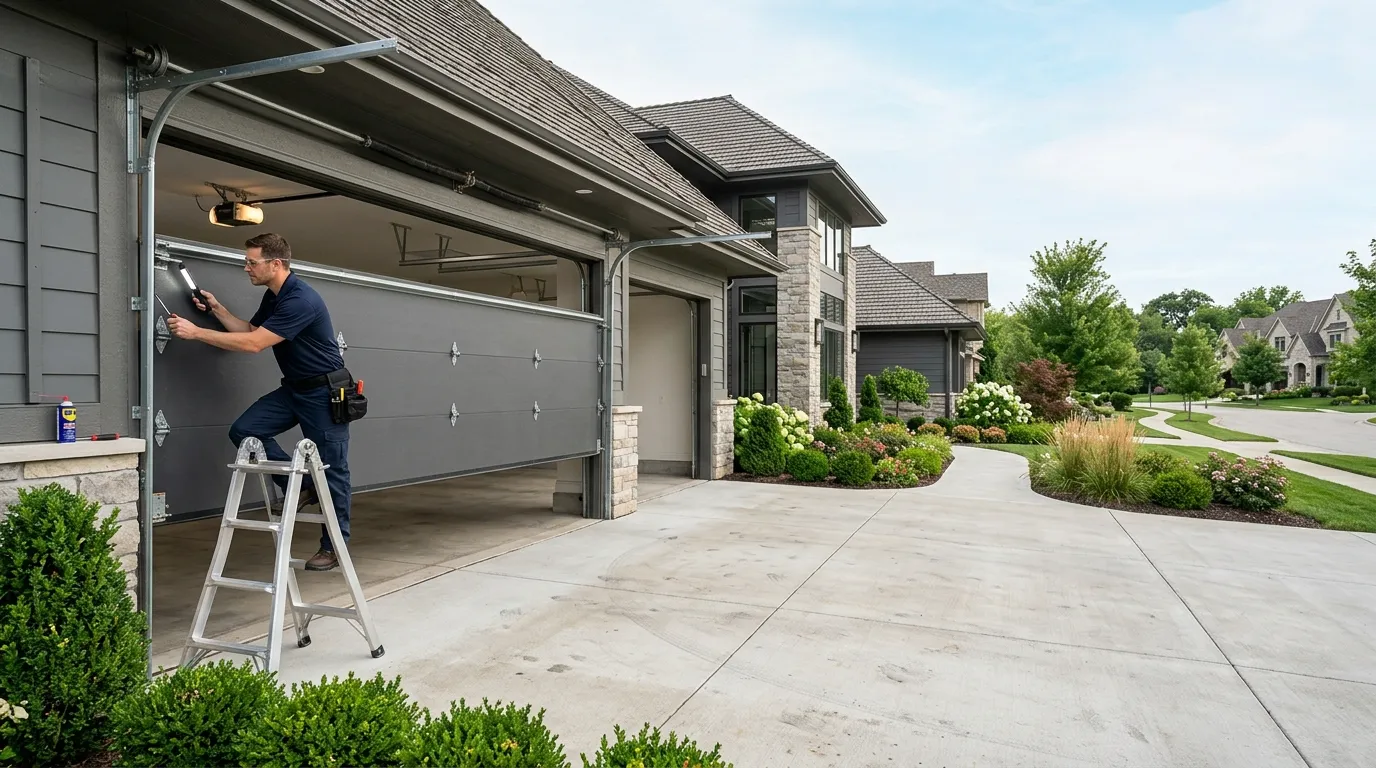
Those doors were built light. The steel skin is thinner than what's sold now, the panels dent easily, and the seams between sections were never designed to seal tight against wind. If your door feels heavier to lift than it used to, or the bottom panel has started to bow, that's the steel doing what 50-year-old steel does. It's not a defect, it's just age catching up with a door that was never meant to last this long without some hardware swapped out along the way.
What Causes It Around Here
The climate here is the cold-moderate band you get across this part of the Midwest, and it's harder on a 50-year-old door than on a new one. Steel contracts in the cold, and on an aluminum-frame door from the early 70s, that contraction opens up gaps around the seams that were never insulated to begin with. Rollers that have been running in the same track since 1972 wear a groove into the track rail, and once that groove is deep enough the door starts binding on the way up.
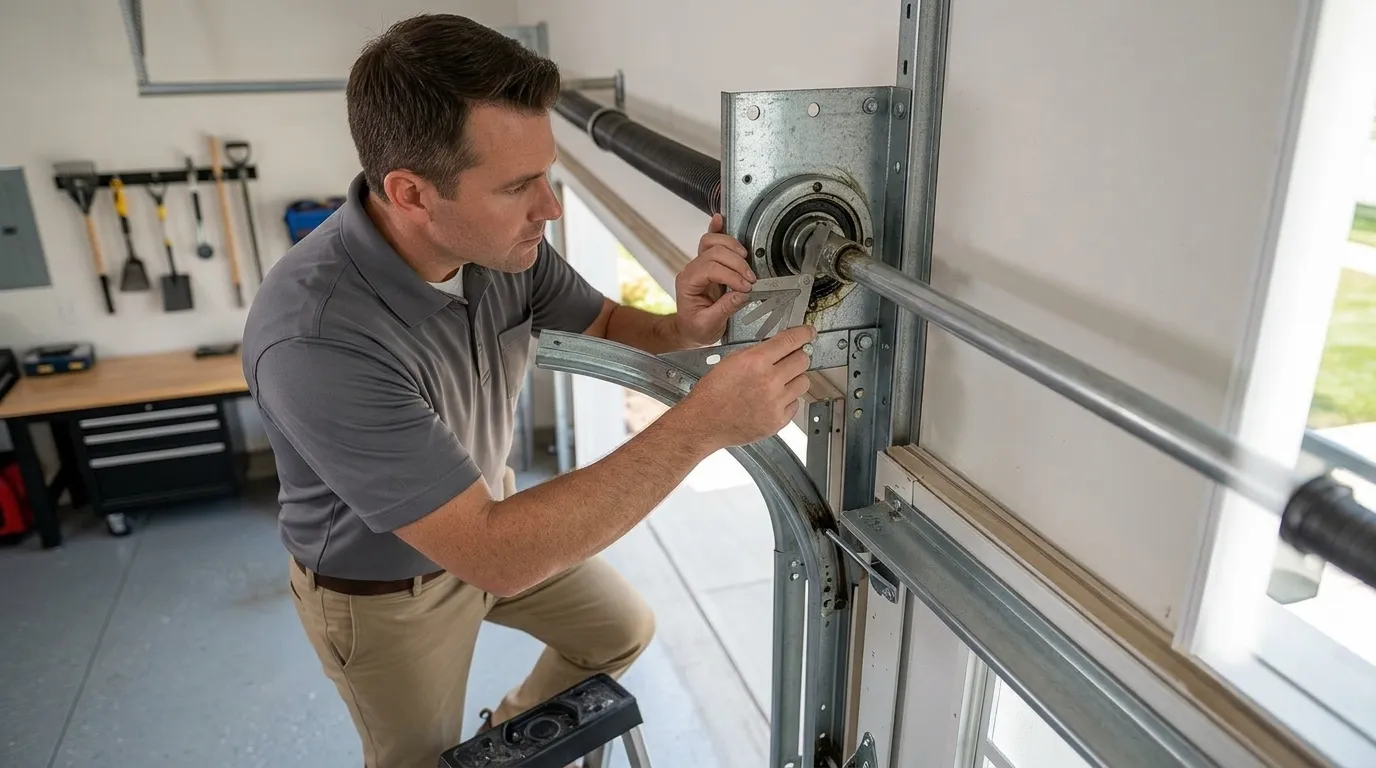
Extension springs also fatigue differently than torsion springs - they stretch a little more each winter until one day they don't stretch back. That's usually the call we get: a door that was fine yesterday and won't budge today. It's not bad luck, it's a 50-year-old spring reaching the end of its metal.
The Cost of This Job
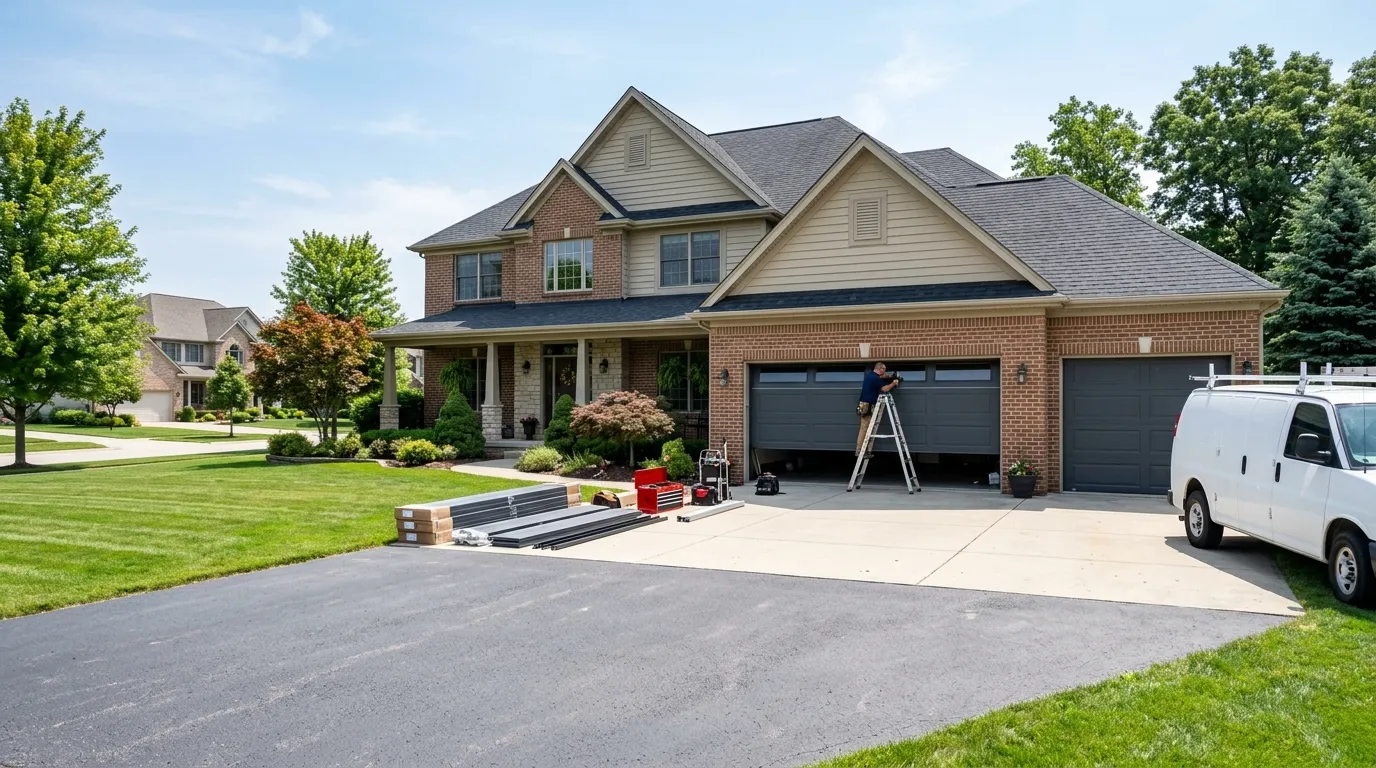
We don't have a set price to quote for Glen Ellyn without seeing the door - hardware age, door size, and whether it's a repair or a full swap all move the number, and we're not going to guess at a figure just to put one on the page. What we can say is that a 16-foot door from the 1972 era is a bigger, heavier piece of steel than what's sold today, and that changes both labor and parts on a replacement job.
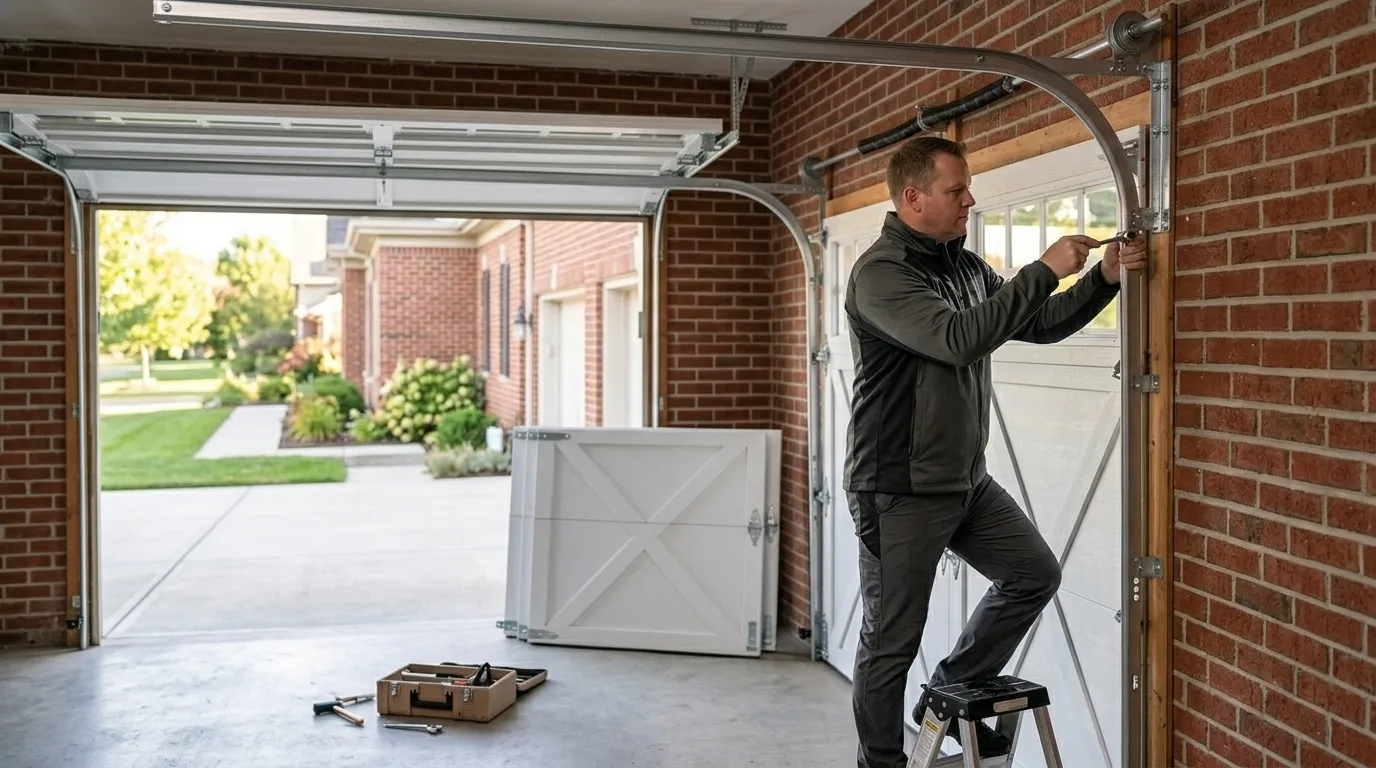
One honest limitation: if the door itself is original and the frame or track has warped over five decades, sometimes replacing the door outright costs less in the long run than chasing repairs on hardware that's been discontinued for years. We'll tell you straight when that's the case instead of running up a repair bill on a door that's on its way out anyway.