What You Are Seeing
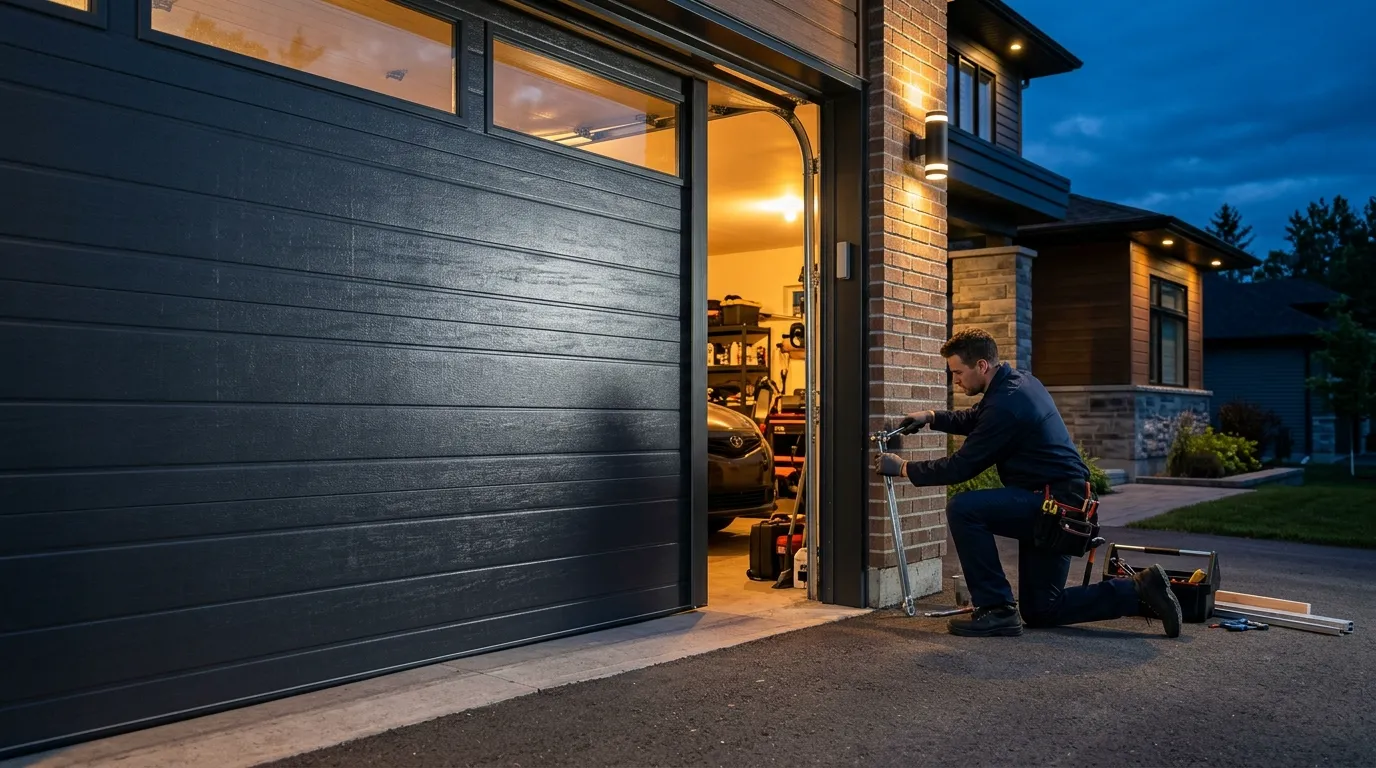
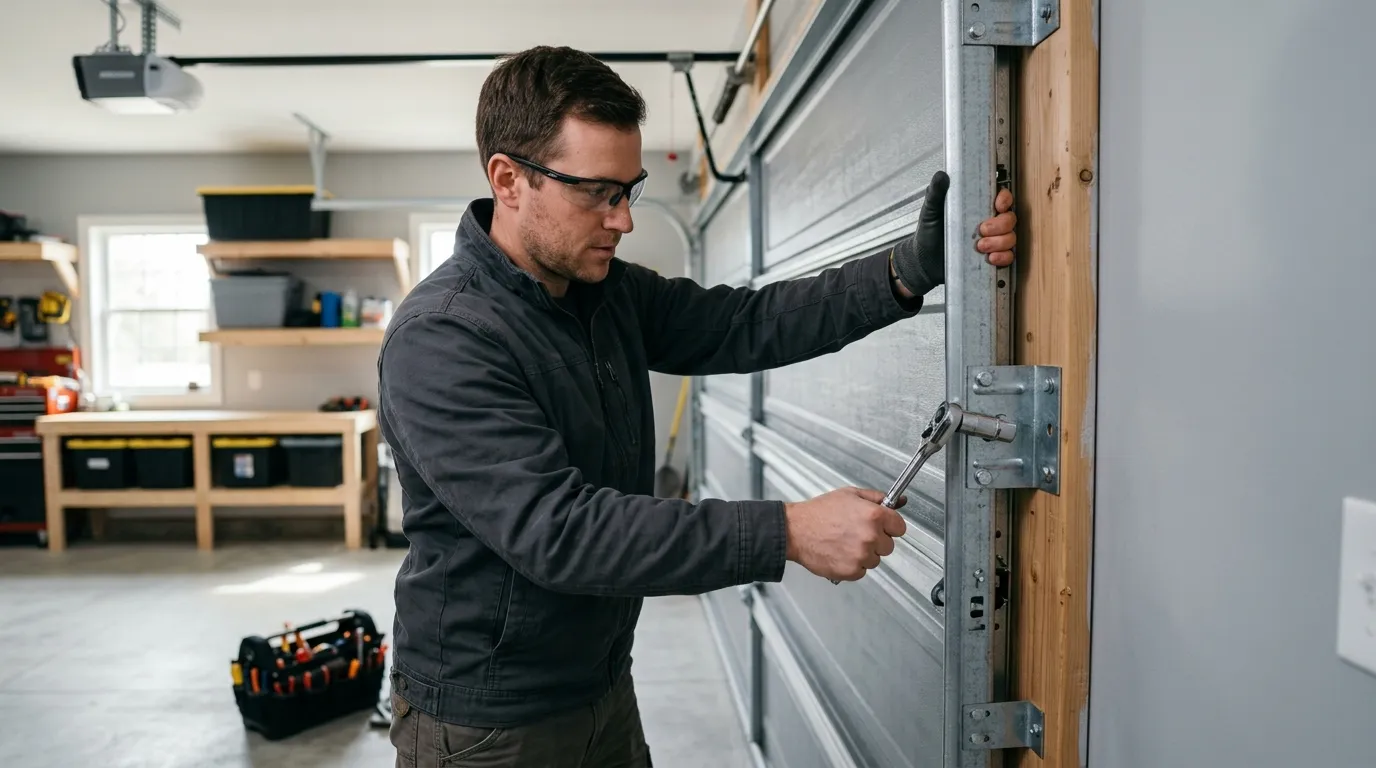
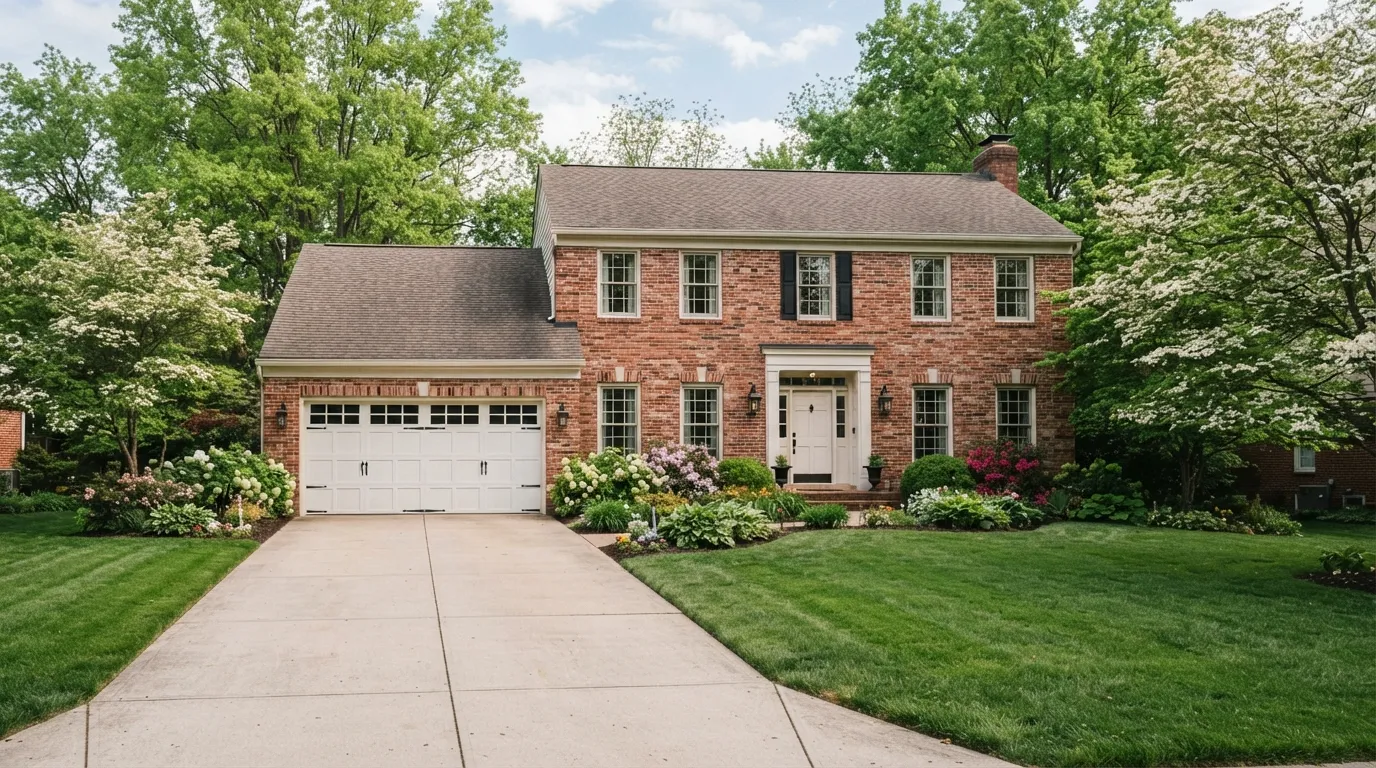
Glen Ellyn's housing runs newer than most of the territory we cover. The median home here dates to 1972, about eight years past the 1964 median across the broader service area, and that gap matters more than it sounds like it should. A house built in 1972 usually got a chain-drive opener straight from the factory line, not the older screw-drive or hand-crank setups you find on the pre-war stock closer to the city. So when something goes wrong here, it's rarely "the opener is ancient." It's more often a chain-drive unit from the 70s or 80s that's outlived its logic board, a limit switch that's drifted out of adjustment over decades of seasonal swings, or a remote receiver that finally gave out after forty-plus years of duty. If your opener runs but won't respond to the wall button, or responds to the remote but not the sensors, that's consistent with what we see in homes of this era: the mechanical parts often outlast the electronics.
We don't have a landmark-by-landmark read on Glen Ellyn's blocks, so we're not going to pretend otherwise. What we can tell you is that the build era here points toward a specific class of failure, and that's worth knowing before you start swapping parts.
What Causes It Around Here
The area sits in a cold-moderate climate band, and that shows up in opener failures in a predictable way: circuit boards and photo-eye sensors that work fine in September start acting erratic once temperatures swing hard in either direction. Condensation inside an aging control box, a sensor lens that's fogged or cracked from years of freeze-thaw, a drive gear that's gone brittle with cold - these aren't exotic problems, they're just what happens to 1970s-and-later hardware after enough winters.
At $133,346, Glen Ellyn's median household income runs well above the $80,202 median across the wider service area we cover. That doesn't change the physics of a failing capacitor, but it does mean the openers we tend to find here skew toward mid-range chain-drive units and, in the newer pockets, early belt-drive models - not the stripped-down builders'-grade units common in older, lower-cost stock closer to the city. Repairs on these units are usually straightforward, but parts availability varies by brand and age, and we won't pretend every board is still in production.
The Cost of This Job
We don't have a posted price list for opener repair, and we're not going to invent one here. What we can tell you is what drives the cost on a job like this: whether the fix is a board or sensor swap versus a full opener replacement, whether the unit is a common chain-drive model with parts still available or an older board that's harder to source, and whether the trip from Chicago is a single visit or needs a return for a second part.
With roughly 10,833 households in Glen Ellyn, most in homes built well after the pre-war era, we're usually dealing with openers that are repairable rather than obsolete - that's good news for cost, since a board or sensor swap is almost always cheaper than a full unit replacement. The honest limitation: if the opener predates the mid-1980s and the manufacturer no longer stocks boards for it, replacement can end up being the more sensible call even when the mechanical parts are otherwise fine. We'll tell you which situation you're in before we start work, not after.