Serving Chicago, IL & nearby
(708) 630-7529
Chicago, IL

Garage Door Cable Repair for Lemont Homes

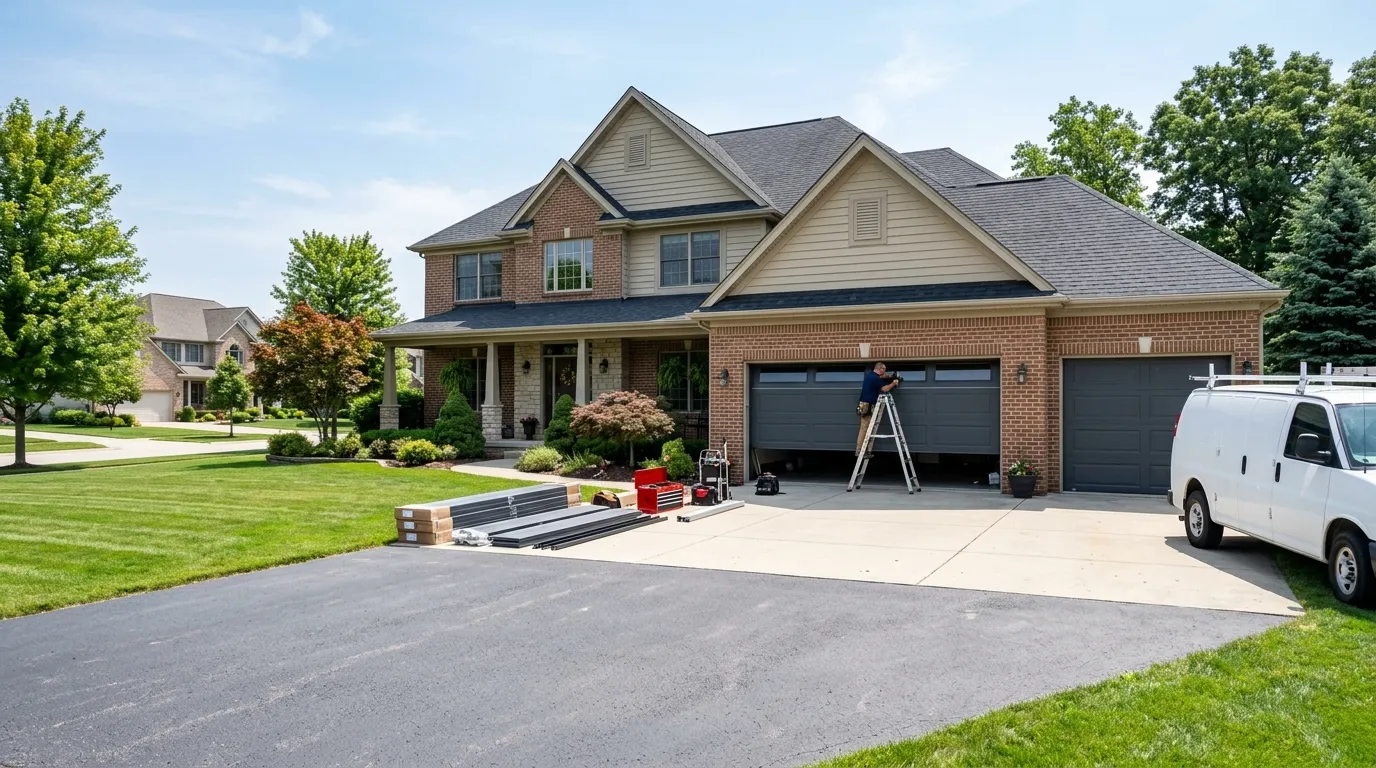
Frayed or snapped garage door cable in Lemont? We drive out from Chicago, 19 miles, to fix cables on the newer torsion hardware common to this town's 1990s-era housing.

Garage Door Cable Repair for Lemont Homes
Chicago, IL
8 services
8 service areas
Diagnosis first, then the fix

What You Are Seeing

The drive from our shop in Chicago out to Lemont is 19 miles, which is far enough that a cable call here isn't something we squeeze in between two jobs on the same block. It gets its own slot on the truck's route, and that's the honest starting point for how service works this far out.

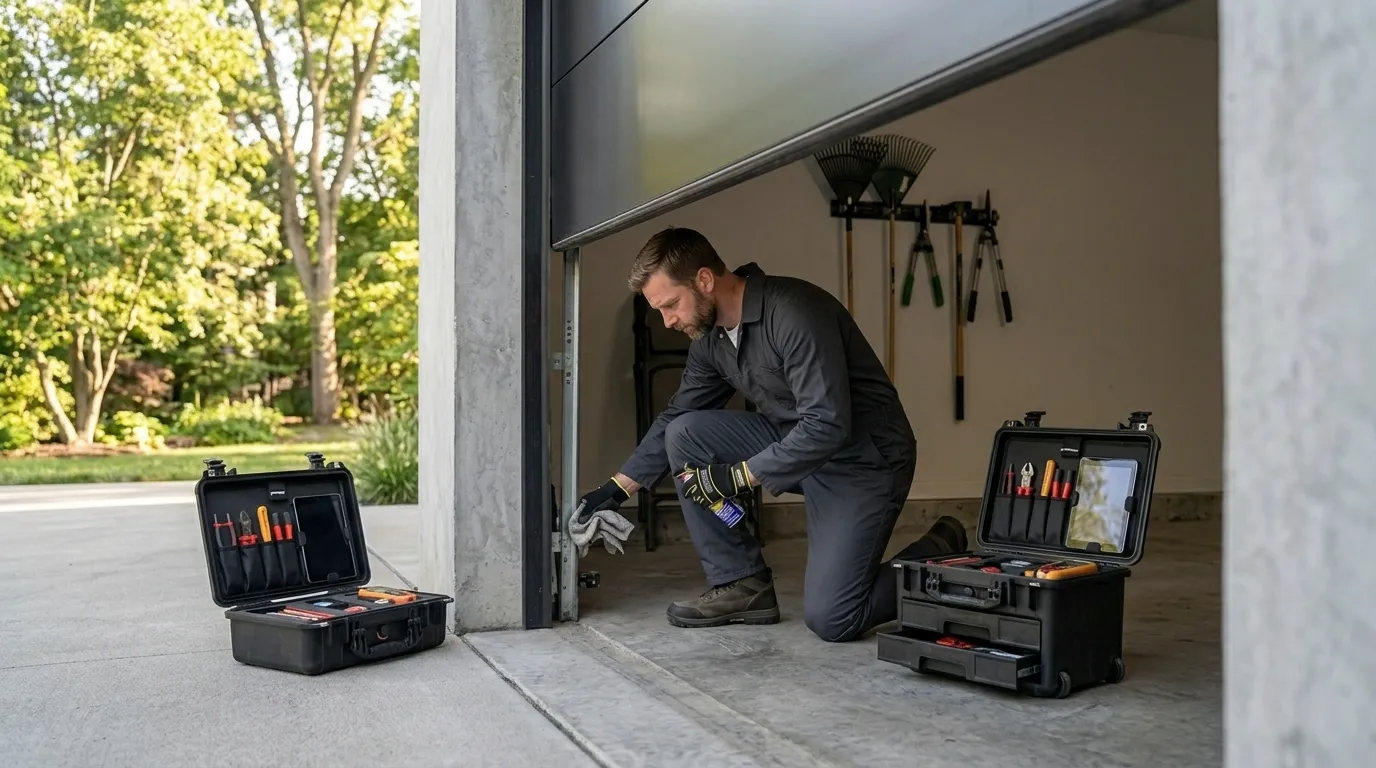
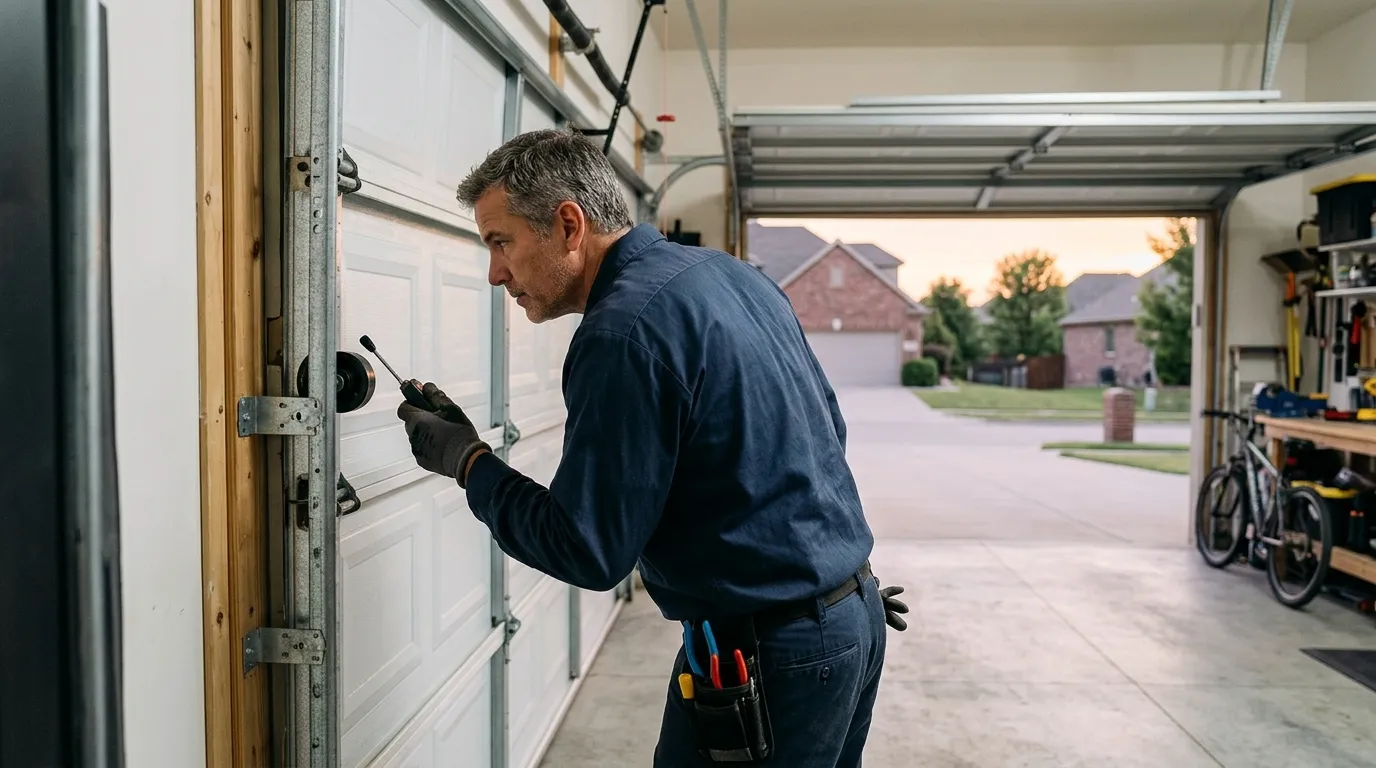
What you're usually looking at when you call is one of two things: a cable that's popped off the drum and left the door hanging crooked on one side, or a cable that's frayed down to a few strands and is about to go. If the door looks tilted, won't move at all, or you hear a bang followed by the door dropping fast on one corner, that's a cable failure, not a spring failure, though the two often show up together since a broken cable puts sudden load on the spring side too.

A door that closes but grinds or rubs against the track on its way down is a different problem - usually a bent track or a roller, not the cable. We mention that because a lot of homeowners call about "cable trouble" when the actual fault is somewhere else on the door, and it's worth knowing the difference before you book a truck.

What Causes It Around Here

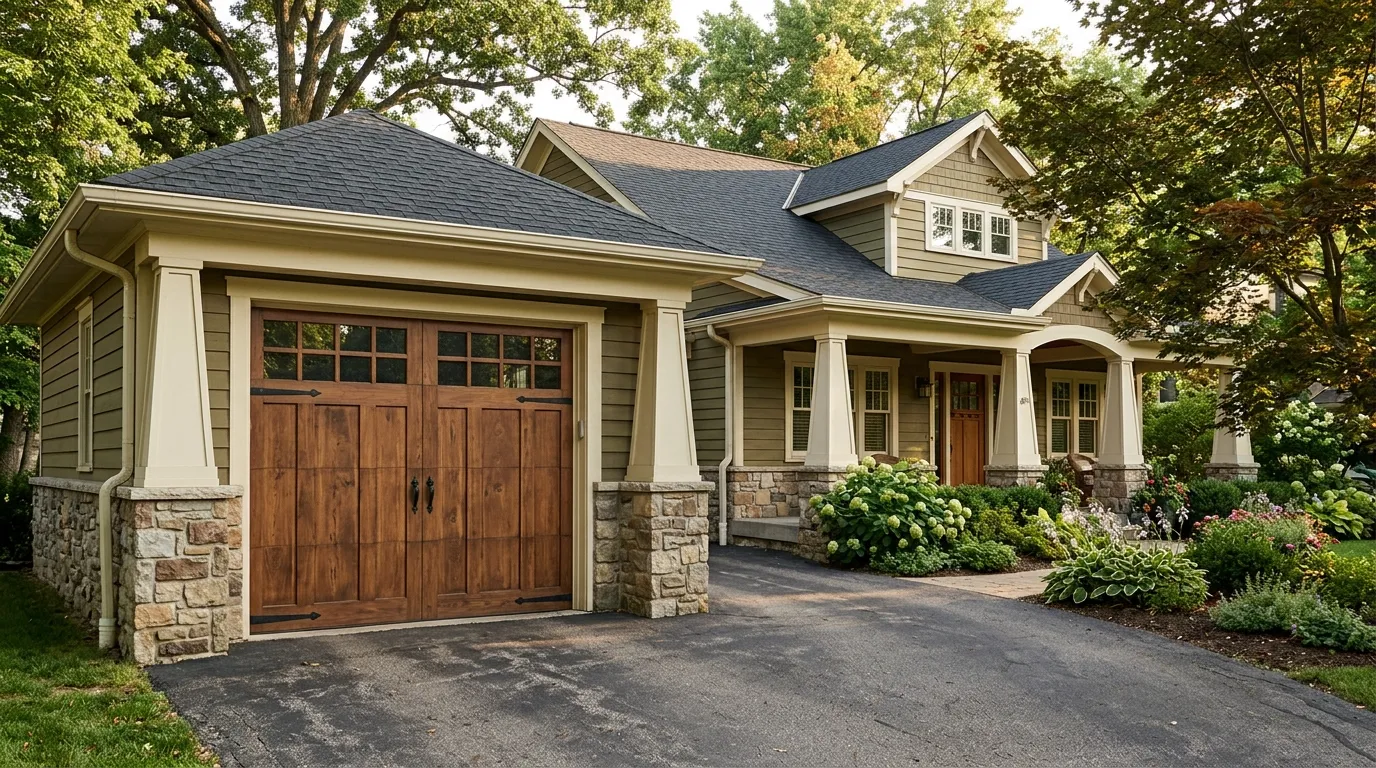
Housing in Lemont mostly went up around 1994, which is three decades newer than the 1964 median across the rest of our service area. That gap matters for cable work: a door installed in the mid-90s is almost always running on a factory torsion spring system with galvanized aircraft cable, not the older extension-spring setups with plain steel cable that we still find on original doors from the 1960s stock elsewhere on our routes.

The cable itself doesn't care much about the age of the house - it cares about cycles and moisture. This region sits in a cold, moderate climate band, and the freeze-thaw swing through winter is what actually wears a cable down. Ice and road salt get tracked in on tires and boots, settle at the bottom bracket where the cable loops around the corner pulley, and that's where you'll find rust starting on a cable that's otherwise only a few years old.

With 6,334 households in Lemont, we're not dealing with a huge, worn-down stock of decades-old hardware the way we do closer to the city. Most of what fails here is fatigue and corrosion on newer galvanized cable, not the brittle, sun-cracked steel cable you find on doors that have been hanging since the Johnson administration.

The DIY Question

A garage door cable runs under load from a wound torsion spring, and that spring holds real force whether the door is up or down. Loosening a cable end, or trying to re-seat one that's popped off the drum, means working next to that stored energy. We don't walk homeowners through doing this themselves, and we won't pretend it's a weekend job with a socket set.

There's a smaller, safer job you can do yourself: check that the door is actually disconnected from the opener (pull the red release cord) before anyone tries to force it up or down by hand, so nobody gets hurt forcing a motor against a broken cable. Beyond that, leave the drum, the winding cone, and the cable itself alone.

One honest limitation: if your door is on an older extension-spring system rather than torsion - less common in Lemont given the housing age here, but not unheard of on a remodeled or relocated structure - the repair sequence is different, and we'll tell you that on-site before doing anything, not after.

The Cost of This Job

We're not going to put a number here we don't have - pricing depends on whether it's one cable or two, whether the spring took damage when the cable broke, and whether your opener's travel needs resetting afterward. What we can tell you is what drives the number up or down.

A single cable replacement on a door that's otherwise fine is the smallest version of this job. If the cable snapped hard enough to bend the drum or damage the track bracket on its way out, that adds parts and time. And if the door is a double-wide (common on newer Lemont construction with attached two- and three-car garages), it takes two cables working in sync, so both usually get replaced together even if only one failed - mismatched wear on the second cable almost always means it's close behind.

Median household income across our full service area runs around $80,202; Lemont's own figure is well above that. We mention it only because it tends to track with what we see on-site - more homeowners here opt to replace both cables and inspect the spring at the same visit rather than patch the one that broke and wait for the next call.
What the Fix Involves

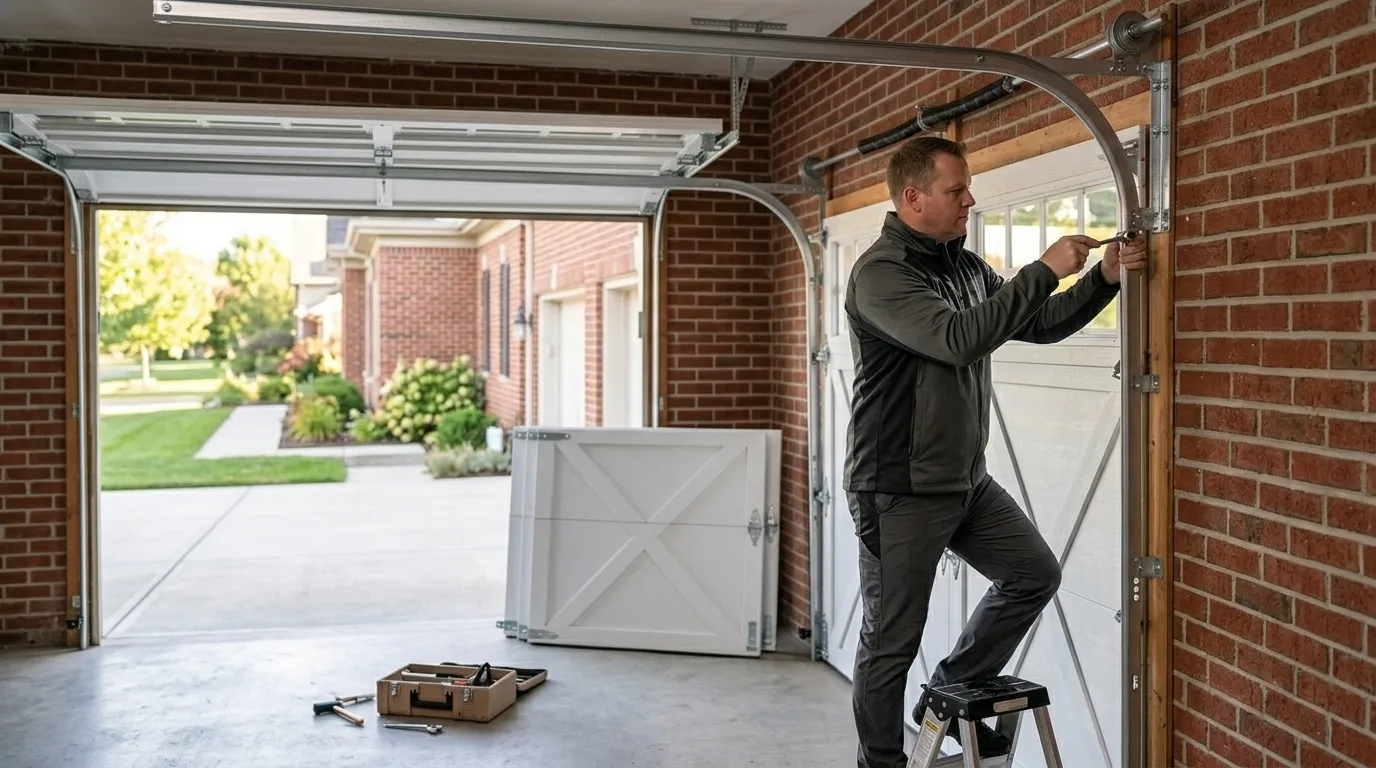
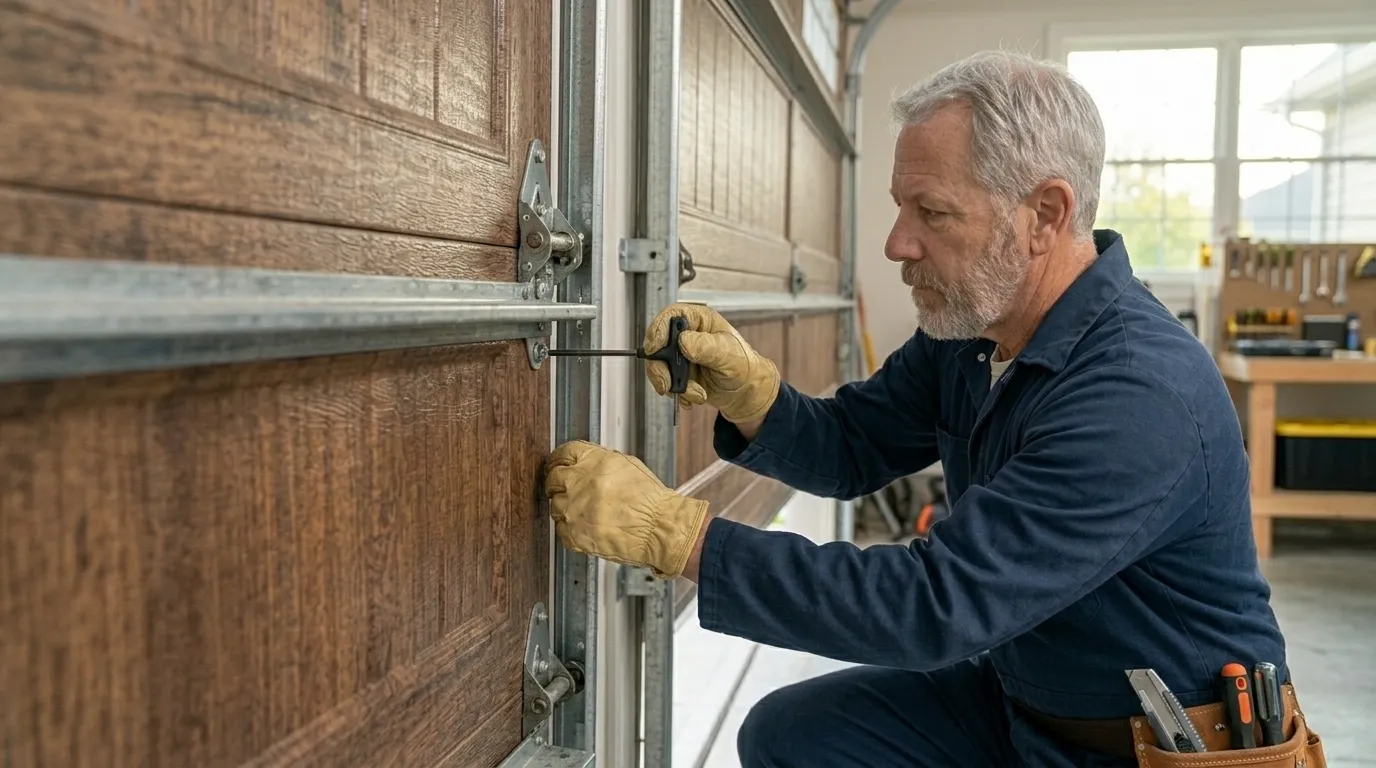
On a torsion setup, which is what most Lemont garages built in the 1990s came with, the fix starts with clamping the spring so it can't unwind, then releasing tension safely before the old cable comes off the drum. We measure and cut new galvanized cable to match the drum size and door weight, seat it into the bottom bracket, and re-tension the spring to the door's original travel.

After the cable's on, we run the door through a full cycle by hand before touching the opener, checking that it tracks straight and doesn't bind at the rollers. Only then do we reconnect the opener and reset its travel limits and force settings, since a fresh cable changes how much resistance the motor sees on the way up.

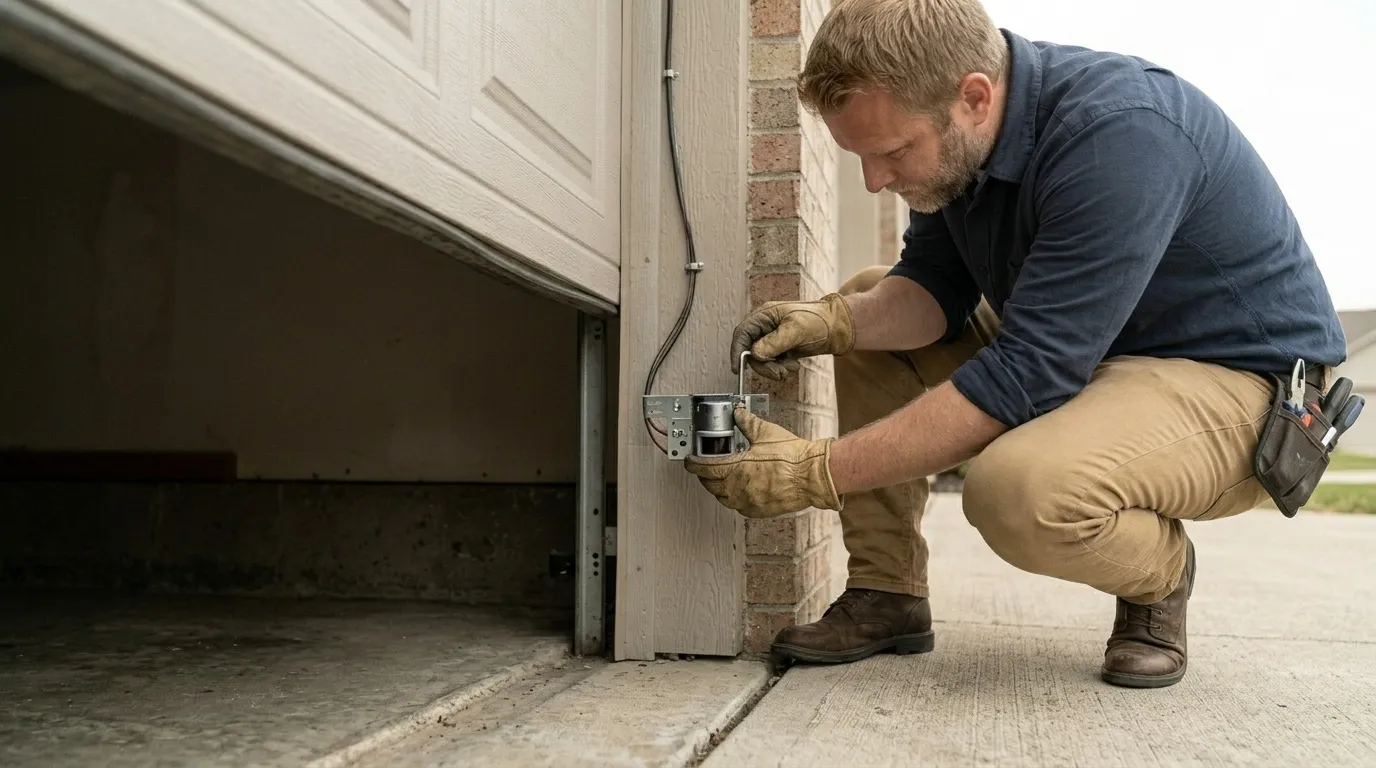
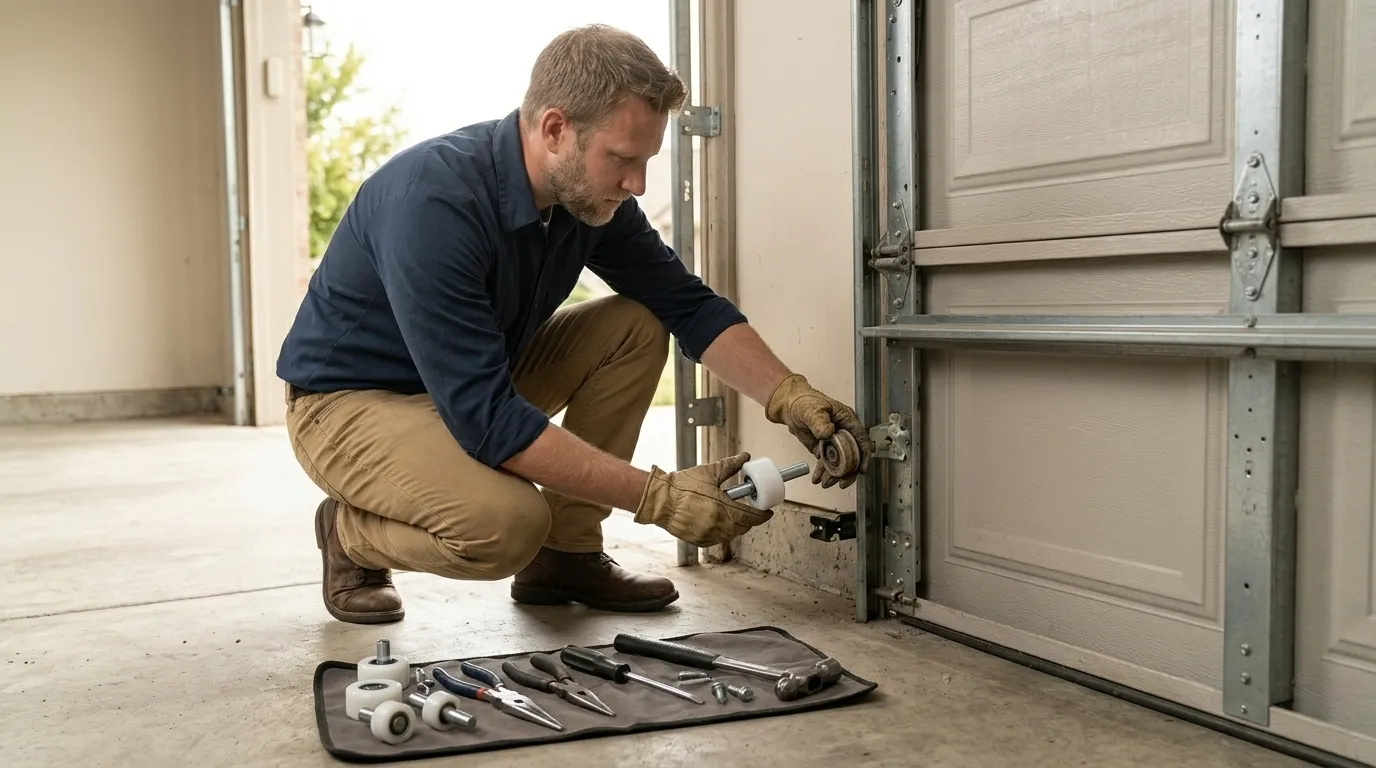
Last step is a look at the corner pulleys and bottom brackets for the rust and grit that likely started the failure in the first place. If those are worn, replacing them alongside the cable is cheap insurance against calling us back out for the same problem in a year.

How it works

From “it’s stuck” to “it’s fixed”

1
Tell us what’s wrong - Chicago garage door service

Tell us what’s wrong

Describe the symptom - won’t open, loud bang, opener runs but the door won’t move.

2
On-site diagnosis - Chicago garage door service

On-site diagnosis

A technician tests the door under power and by hand and finds what actually failed.

3
Clear, up-front plan - Chicago garage door service

Clear, up-front plan

You get the fix that’s needed and what drives the cost - before any work starts.

4
Repaired & tested - Chicago garage door service

Repaired & tested

The repair is done, the door is set true and tested, and the work area left clean.

Serving Chicago, IL - tell us what your door’s doing and we’ll take it from there.

How we work

What to expect

Diagnosis firstEvery visit starts by finding what actually failed - not a pre-written parts list.
The right part for the doorSprings and openers matched to the door’s weight and age, so the fix holds up.
Straight answersWhen a repair makes more sense than a replacement - or the reverse - you hear it plainly.
Clean, careful workTension released safely, hardware set true, the door tested under power before we leave.
2,664,452Residents in Chicago
8Garage door services
8Neighborhoods & suburbs
ILServing Chicago, IL
Questions

Frequently asked

Straight answers about garage door repair in Chicago. Still unsure? Ask us directly.

How fast can someone get out to Lemont for a broken cable?

We run this from Chicago, about 19 miles out, so a Lemont call gets scheduled around drive time rather than treated as a same-hour walk-in. We'll give you a window when you call rather than promise an exact hour, since traffic on the way out varies.

Is a broken cable the same as a broken spring?

No, though they can happen together. A cable failure usually drops one side of the door suddenly and leaves it hanging at an angle. A spring failure makes the door feel heavy or refuse to stay up on its own. We check both when we're on-site either way.

Can I just replace the one cable that broke?

On a single door, sometimes. On a double-wide door, both cables usually get replaced together, since they work in tandem and the surviving one is almost always close to the same age and wear as the one that snapped.

My garage was built in the 90s - does that change the repair?

It usually means you've got a factory torsion spring system with galvanized cable rather than an older extension-spring setup. That's a more standard, faster repair for us than the older hardware we sometimes find on original 1960s-era doors elsewhere in our service area.

Ready to get your garage door sorted?

Tell us what it’s doing and where you are in Chicago - we’ll take it from there.

Request a QuoteCall