Serving Chicago, IL & nearby
(708) 630-7529
Chicago, IL

Garage Door Service for Lemont Homes

Garage door repair and service for Lemont's 1990s-era steel sectional doors, covered on the drive out from our Chicago shop, 19 miles east.

Garage Door Service for Lemont Homes
Chicago, IL
8 services
8 service areas
Diagnosis first, then the fix

What You Are Seeing

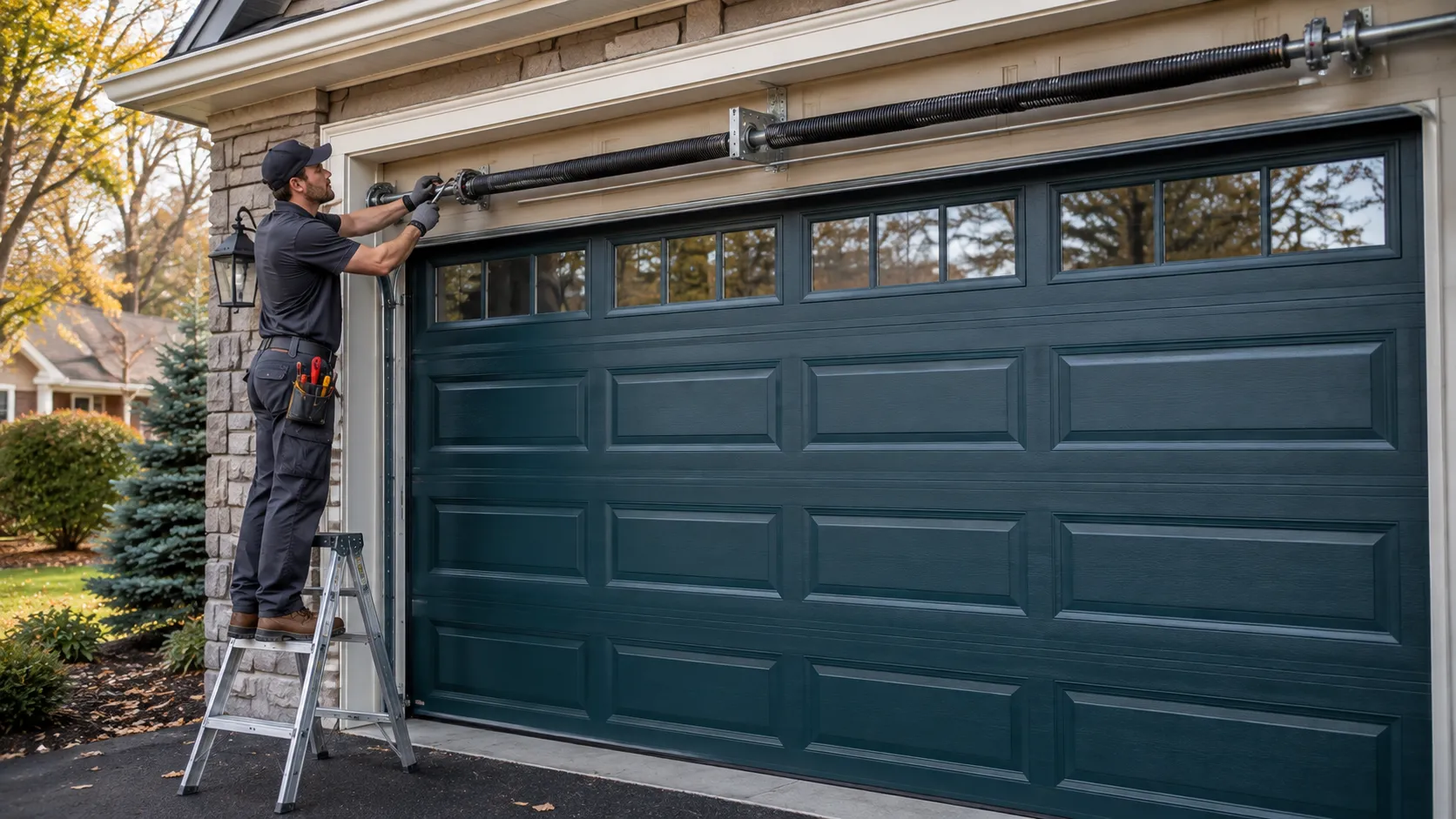
Start with the door itself. Lemont's median home was built around 1994, which is a full thirty years newer than the 1964 median across the rest of the service area we cover out of Chicago. That gap matters because it changes what kind of door is actually on the house. Most Lemont garages hold a steel sectional door - either a 16-foot double or a 9-foot single, insulated, hung on rollers with a torsion spring mounted on a shaft above the opening. That's a different animal from the old one-piece slab doors still common on Chicago's older blocks, and it's a different animal from the side-mounted extension-spring setups you find on houses from the 1940s and 50s.

When something goes wrong on a door like this, it's usually one of a short list: the torsion spring has lost tension or snapped, a roller has worn out and is binding in the track, or the opener - likely a chain or belt-drive unit original to a builder-grade install - is starting to strain because the spring behind it isn't doing its share of the lifting anymore. You'll hear it before you see it: a bang if the spring goes, a grinding or slapping if it's a roller, or a opener that groans and struggles to lift a door that used to move easily.

What Causes It Around Here

The region sits in a cold, moderate climate band, and that means every torsion spring in every one of these garages goes through a real stress cycle each winter - steel contracts in the cold, and a spring already carrying the full weight of an insulated steel door works harder to do the same job it did in July. That's true across the whole area we service, not just Lemont.

What's specific to a town built out mostly in the 1990s is the age of the springs and openers now in service. A torsion spring is rated for a set number of open-close cycles, typically somewhere in the 10,000 to 15,000 range depending on the door weight, and a door installed when a house was built in, say, 1992 or 1996 has now put in three decades of cycles. That's right around where a lot of these springs are due, or overdue, for failure. It's not a coincidence that a run of newer-built suburbs starts generating spring calls at roughly the same age - it's just the door's clock running out.

The DIY Question

A torsion spring is under enough stored tension to break a hand or worse if you don't know exactly what you're doing, and that doesn't change because the door is newer or the house is nicer. We don't recommend homeowners touch spring adjustment or replacement themselves, full stop.

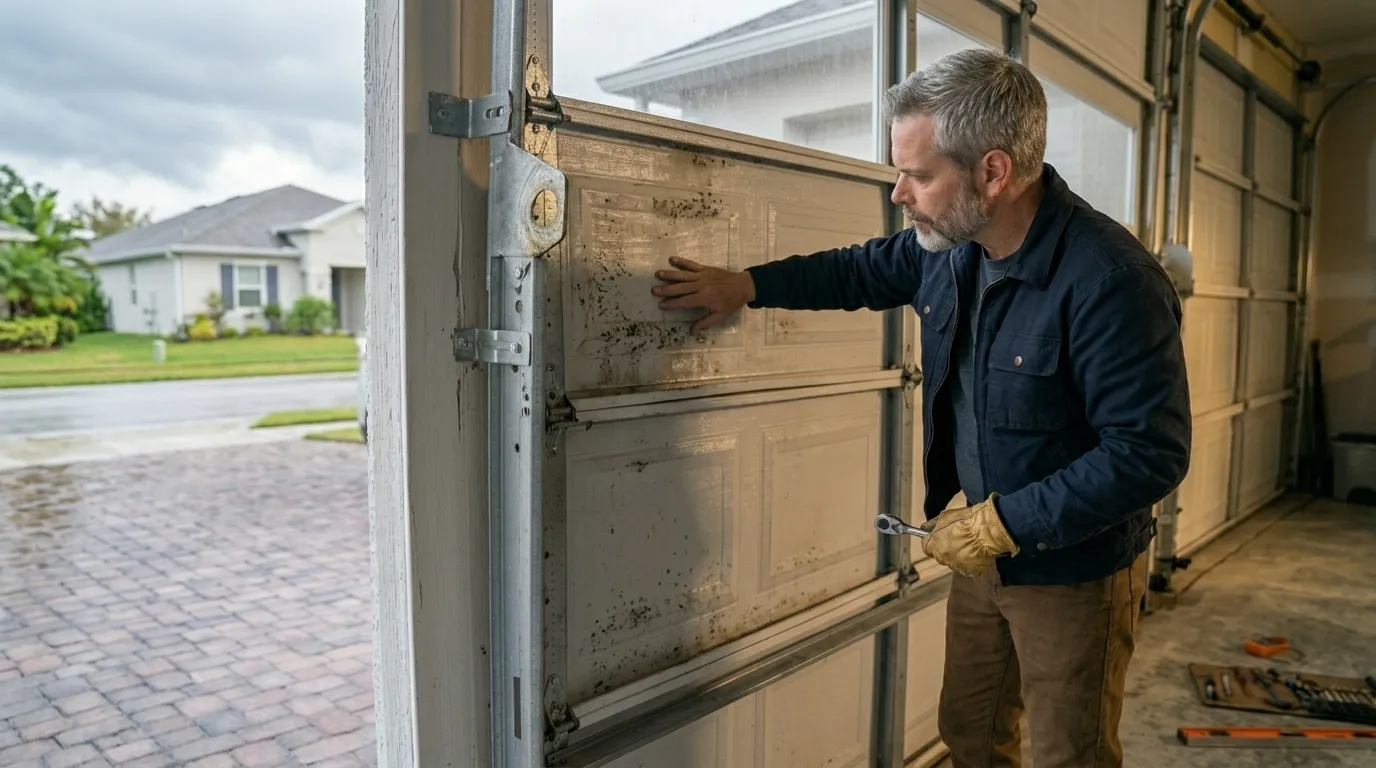
What you can reasonably check yourself: the track for visible dents or gaps, the rollers for cracking or flat spots, and whether the door is noticeably harder to lift by hand with the opener disconnected (a sign the spring is losing tension, before it fails outright). If you can lift a disconnected door with one hand and it stays roughly level, the spring is probably still doing its job. If it drops or fights you, that's your answer - call it in rather than force it.

The Cost of This Job

We don't quote a number here without seeing the door, and we won't invent one. What we can tell you is what drives the cost on a job like this: spring size and gauge (wider double doors need heavier springs than a single), whether one spring has gone or both need replacing together, and whether the rollers or cables show wear that should be handled in the same visit rather than a second trip.

One honest note: because we run out of Chicago, about 19 miles from Lemont, we don't keep a branch or a truck staged locally. That drive is part of scheduling a job here, and it's worth asking about when you call rather than assuming a same-hour arrival the way you might with a closer suburb.
What the Fix Involves

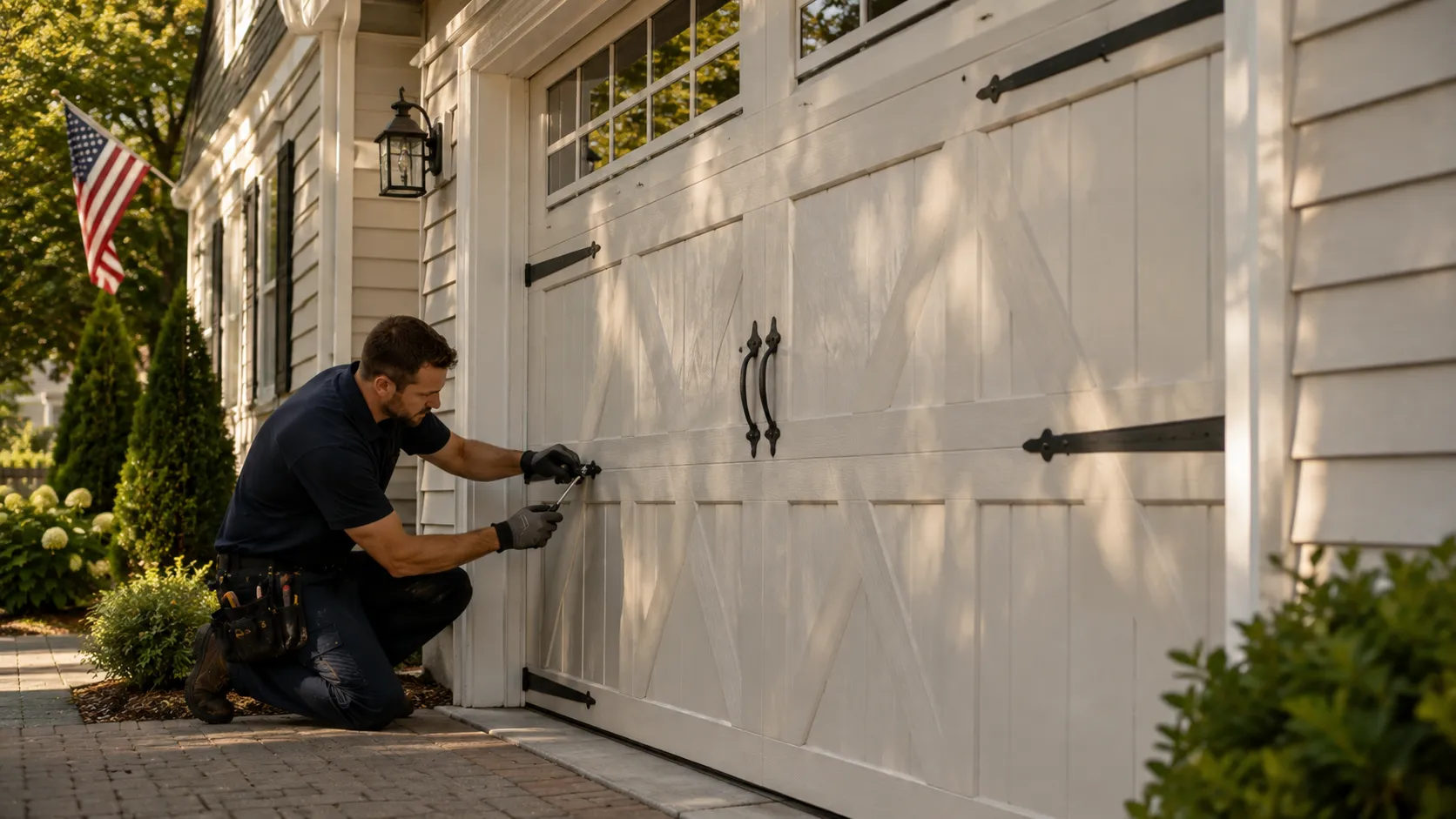
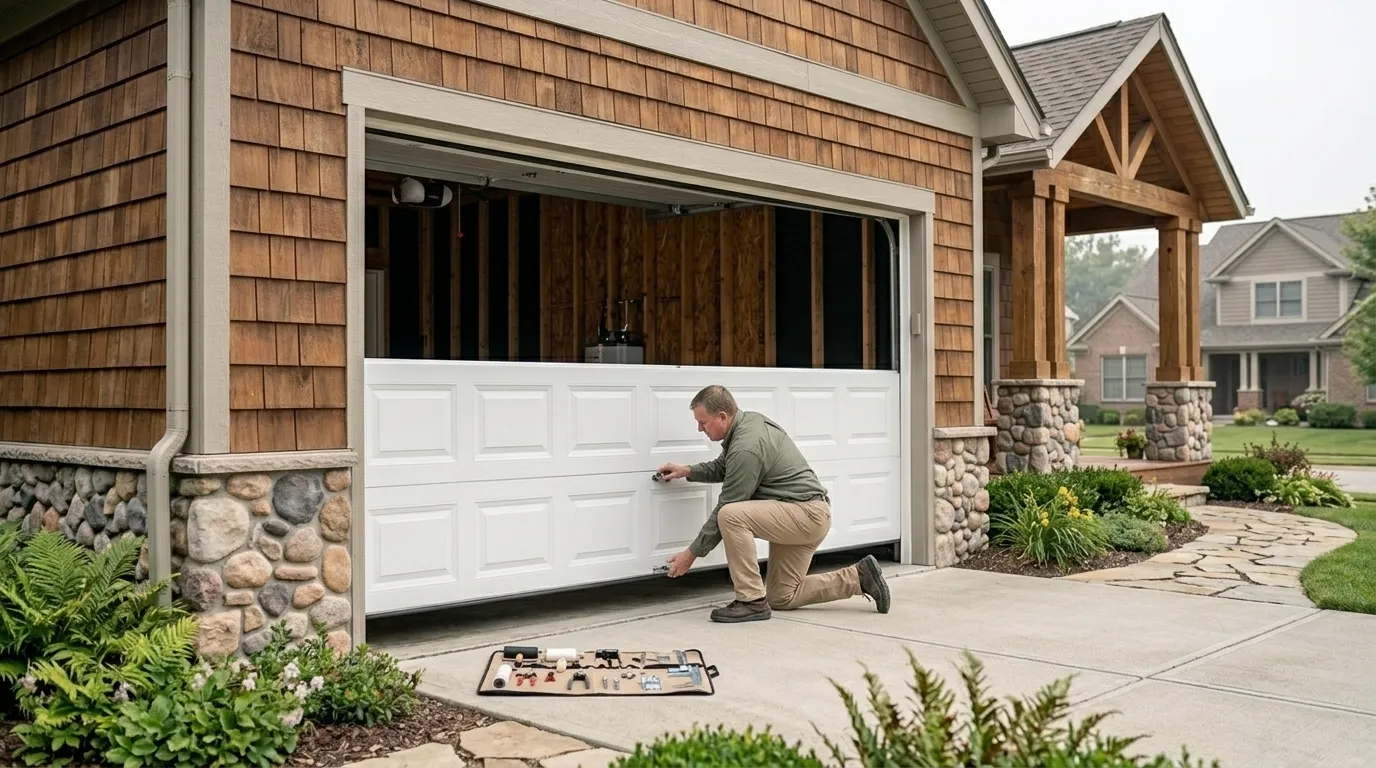
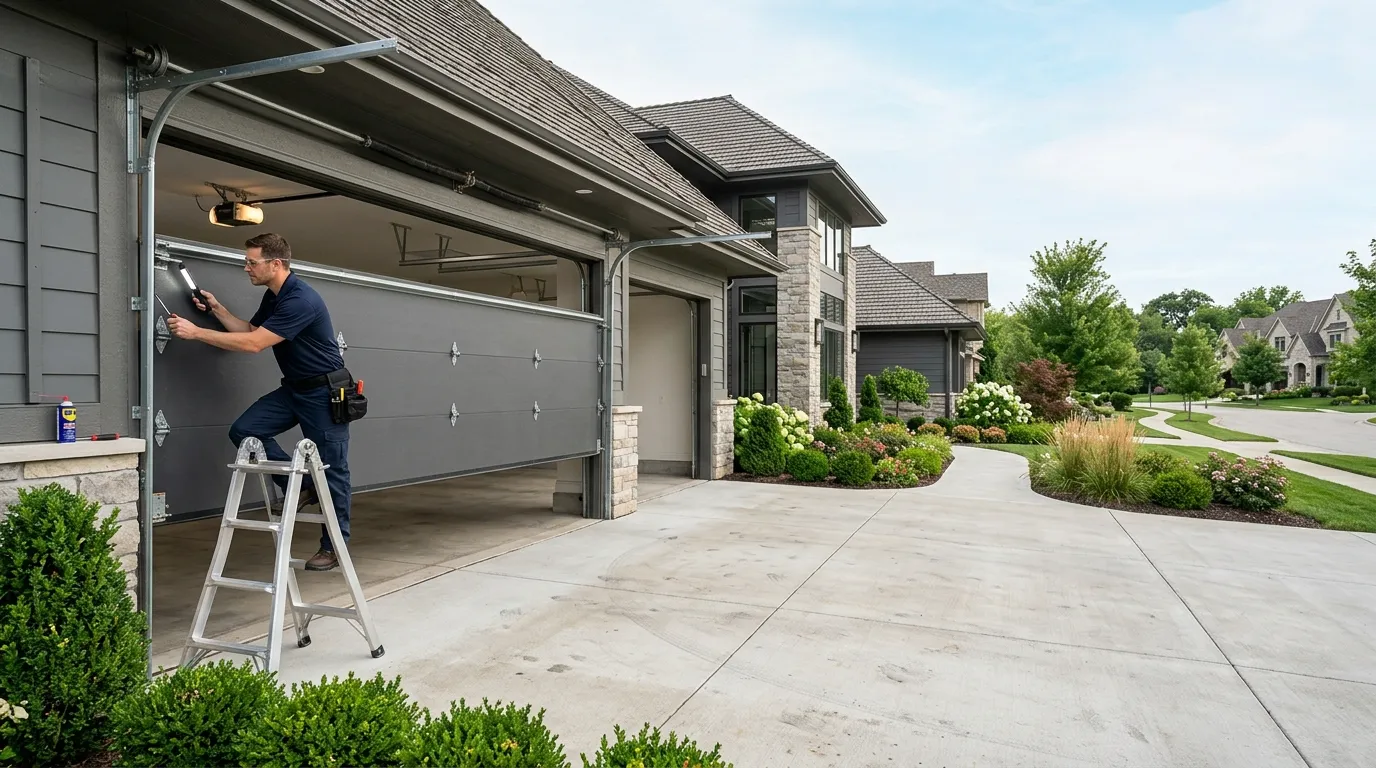
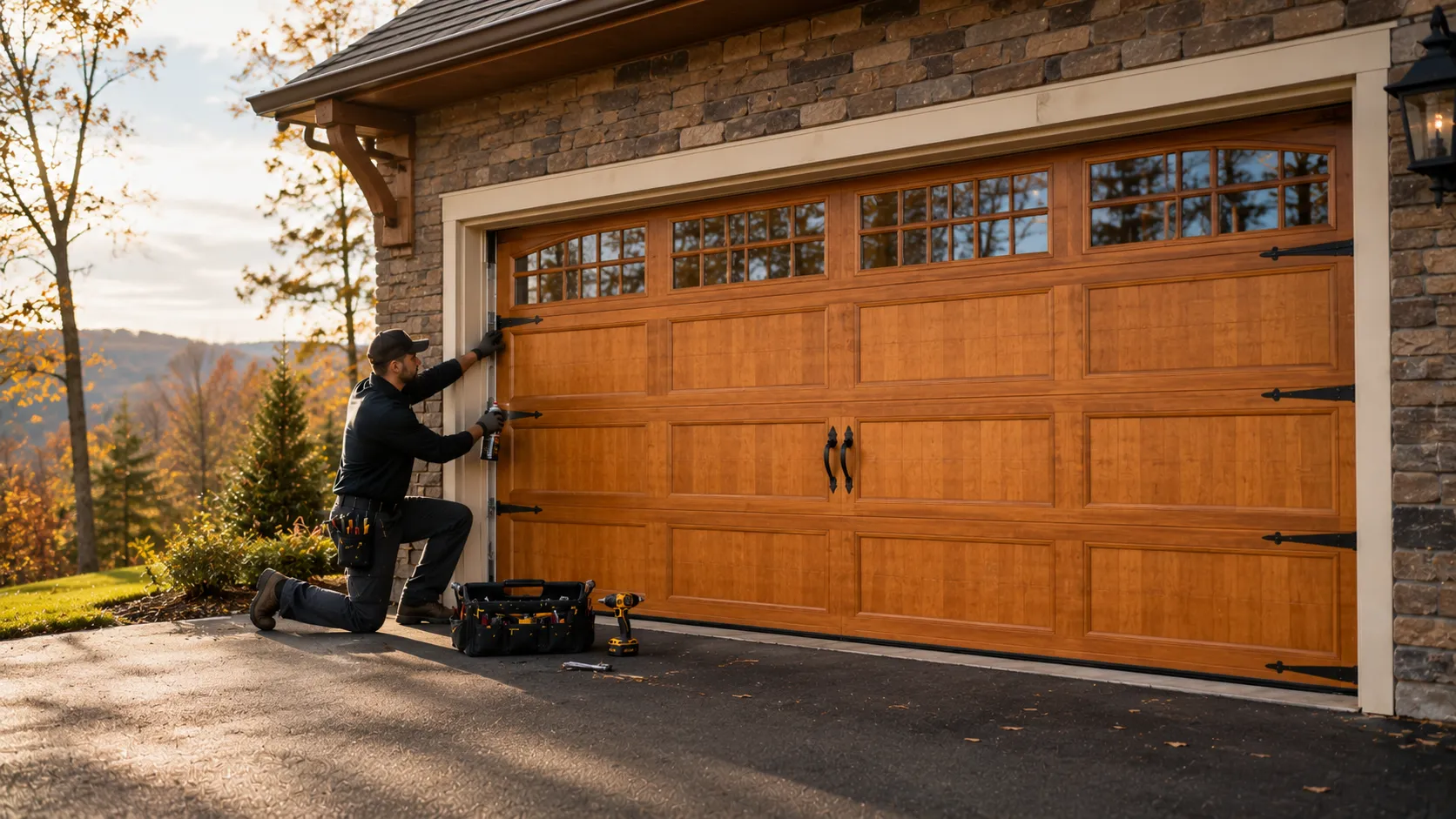
For a broken torsion spring on a door like the ones common in Lemont, the job is: secure the door, release what's left of the old spring's tension safely, match the replacement spring to the door's weight and the shaft it mounts on, wind it to the correct tension, and test the door through a full cycle before we leave. If a roller or cable is worn, we replace it in the same visit rather than leave a second failure waiting.

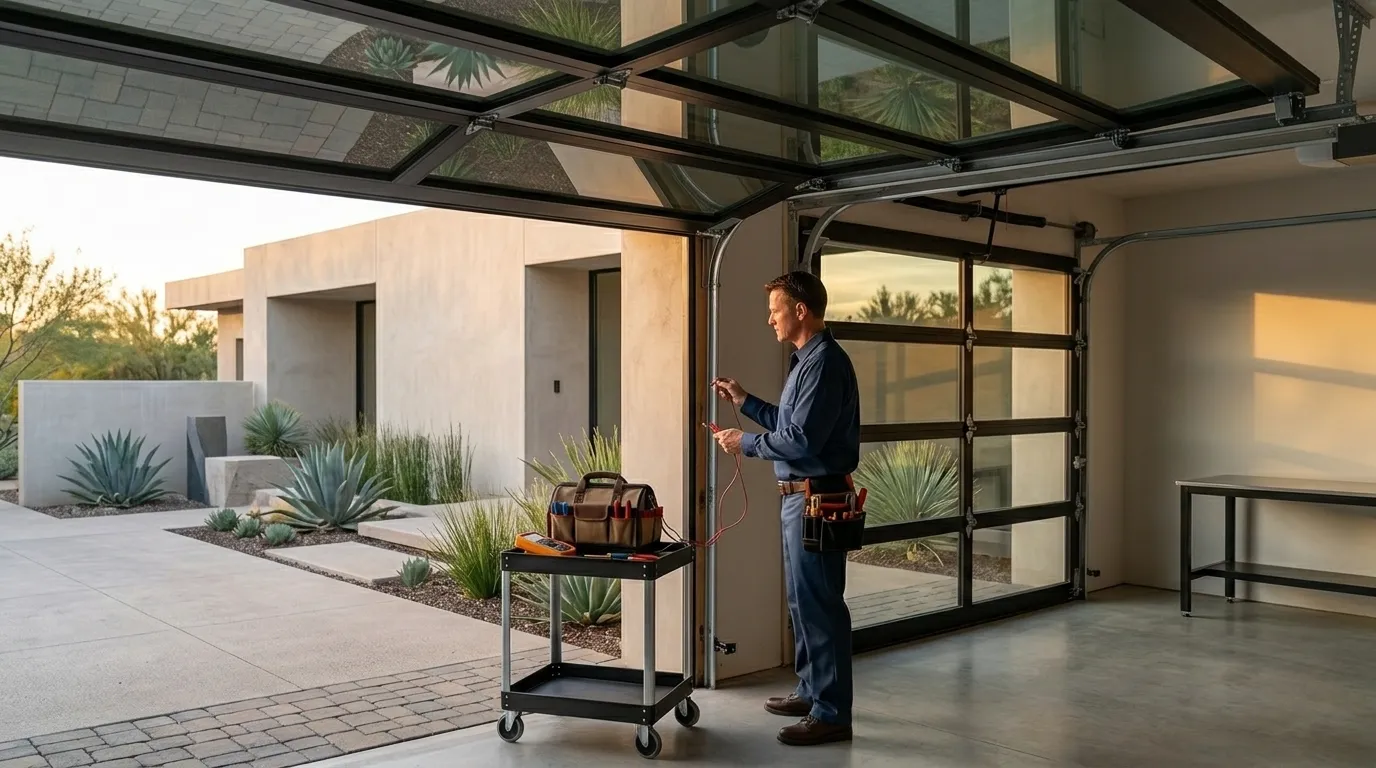
If the opener is the original 1990s builder-grade unit and it's been straining against a bad spring for a while, we'll check whether the motor itself took damage - sometimes a spring repair alone fixes it, sometimes the opener's gear or capacitor is done and needs its own conversation. We'll tell you which one you're looking at before we start, not after.

How it works

From “it’s stuck” to “it’s fixed”

1
Tell us what’s wrong - Chicago garage door service

Tell us what’s wrong

Describe the symptom - won’t open, loud bang, opener runs but the door won’t move.

2
On-site diagnosis - Chicago garage door service

On-site diagnosis

A technician tests the door under power and by hand and finds what actually failed.

3
Clear, up-front plan - Chicago garage door service

Clear, up-front plan

You get the fix that’s needed and what drives the cost - before any work starts.

4
Repaired & tested - Chicago garage door service

Repaired & tested

The repair is done, the door is set true and tested, and the work area left clean.

Serving Chicago, IL - tell us what your door’s doing and we’ll take it from there.

How we work

What to expect

Diagnosis firstEvery visit starts by finding what actually failed - not a pre-written parts list.
The right part for the doorSprings and openers matched to the door’s weight and age, so the fix holds up.
Straight answersWhen a repair makes more sense than a replacement - or the reverse - you hear it plainly.
Clean, careful workTension released safely, hardware set true, the door tested under power before we leave.
2,664,452Residents in Chicago
8Garage door services
8Neighborhoods & suburbs
ILServing Chicago, IL
Questions

Frequently asked

Straight answers about garage door repair in Chicago. Still unsure? Ask us directly.

Why does my garage door spring keep breaking if the house is only from the 90s?

Age isn't really about the house, it's about cycles. A torsion spring rated for 10,000-15,000 open-close cycles installed when the home was built has likely used up most of that lifespan by now, especially with a double door that gets used daily. It's normal for springs from that era to start failing in the same stretch of years.

Do you have a branch near Lemont for faster service?

No. We run out of Chicago, about 19 miles away, and we don't have a local depot in Lemont. We still take jobs here, but the drive is part of scheduling, so it's worth confirming timing when you call rather than expecting a same-hour response.

Can I replace a torsion spring myself to save money?

We don't recommend it. A torsion spring holds enough stored tension to cause a serious injury if it releases wrong, and that risk doesn't go down because the door is newer. Checking rollers or watching how the door lifts by hand is fine; spring work is not a DIY job.

Is it the spring or the opener when the door won't open?

Often both are connected. If a spring has weakened, the opener has to do more of the lifting than it's built for, which can wear out its motor or gears faster. We check the spring first since that's usually the root cause, then confirm whether the opener took damage from running overworked.

Ready to get your garage door sorted?

Tell us what it’s doing and where you are in Chicago - we’ll take it from there.

Request a QuoteCall