Serving Chicago, IL & nearby
(708) 630-7529
Chicago, IL

Garage Door Maintenance for Lemont Homes

Lemont's median household income tops $126,000 and most houses date to the 1980s-90s. Here's what that means for maintenance costs and the repair-or-replace call.

Garage Door Maintenance for Lemont Homes
Chicago, IL
8 services
8 service areas
Diagnosis first, then the fix

What You Are Seeing

Lemont's median household income sits at $126,100, well above the roughly $80,200 median across the wider Chicago service area we cover. That number matters more than it sounds like it should, because it changes the math on every maintenance call. At this income level, most owners aren't nursing a door along for one more winter - they're deciding whether a tune-up buys real years or just delays a replacement they can afford to do right. What you're usually seeing on a Lemont door isn't the door failing outright. It's a spring losing tension, an opener drawing harder than it used to, or rollers that have gone from smooth to gritty. None of that is dramatic. It's the kind of wear that shows up as "the door feels heavier lately" months before it shows up as "the door won't move." Because Lemont's housing stock runs newer than a lot of the area - median build year 1994, compared to a 1964 median across the wider service area - the doors and openers we're checking here are more often original steel sectional units with factory torsion springs, not the older side-mounted hardware you find on 1950s stock closer to the city. That's a different maintenance profile, and it's worth knowing before you decide what a tune-up should cost you.

What Causes It Around Here

Houses in Lemont built through the 1980s and into the early 90s were finished to a building code written for a cold-moderate climate, which sounds like a small thing until you think about what it does to a garage door twice a year. Steel panels contract in January cold and expand in August heat, and every cycle works the fasteners, the hinges, and the weatherstrip a little looser. On newer stock this shows up first as noise - a squeal on the way up, a shudder partway through the cycle - rather than a broken part. On a 1994-median build, the springs and cables are usually original or one replacement in, and they're sized for the door they came with. A tune-up on a door like this is mostly about catching lubrication and alignment drift before it turns into a cable fraying at the drum or a spring losing coils. The failure mode here tends to be gradual, not sudden, which is exactly why owners let it slide - the door still works, until one cold morning it doesn't.

The DIY Question

Lubricating hinges and rollers, wiping down the track, and checking that the weatherstrip still seals is fair game for an owner with a ladder and a Saturday. Torsion spring adjustment is not. A torsion spring under tension can put someone in the hospital, and on a door this size the tension is not something you eyeball. If your opener has started reversing on its own, or the door drops faster than it used to on the way down, that's a spring or cable issue, not a lubrication one - stop there and call it in rather than troubleshooting further. The honest limit here: we don't talk anyone through a spring adjustment over the phone, and we wouldn't recommend you attempt one even with instructions in hand.

The Cost of This Job

We don't have a Lemont-specific price list to hand you here, so we won't invent one. What we can tell you is how the decision usually breaks at this income level: a full tune-up - lubrication, hardware inspection, spring tension check, track alignment - is the cheaper call almost every time it's available as an option. Where it stops being the right call is a door with a cracked panel, a badly rusted spring, or an opener motor that's already stalling under load. At that point you're not maintaining a door, you're patching one, and a homeowner in Lemont's income bracket is usually better served putting that money toward a new door and opener than into a second or third repair on the same worn parts.
What the Fix Involves

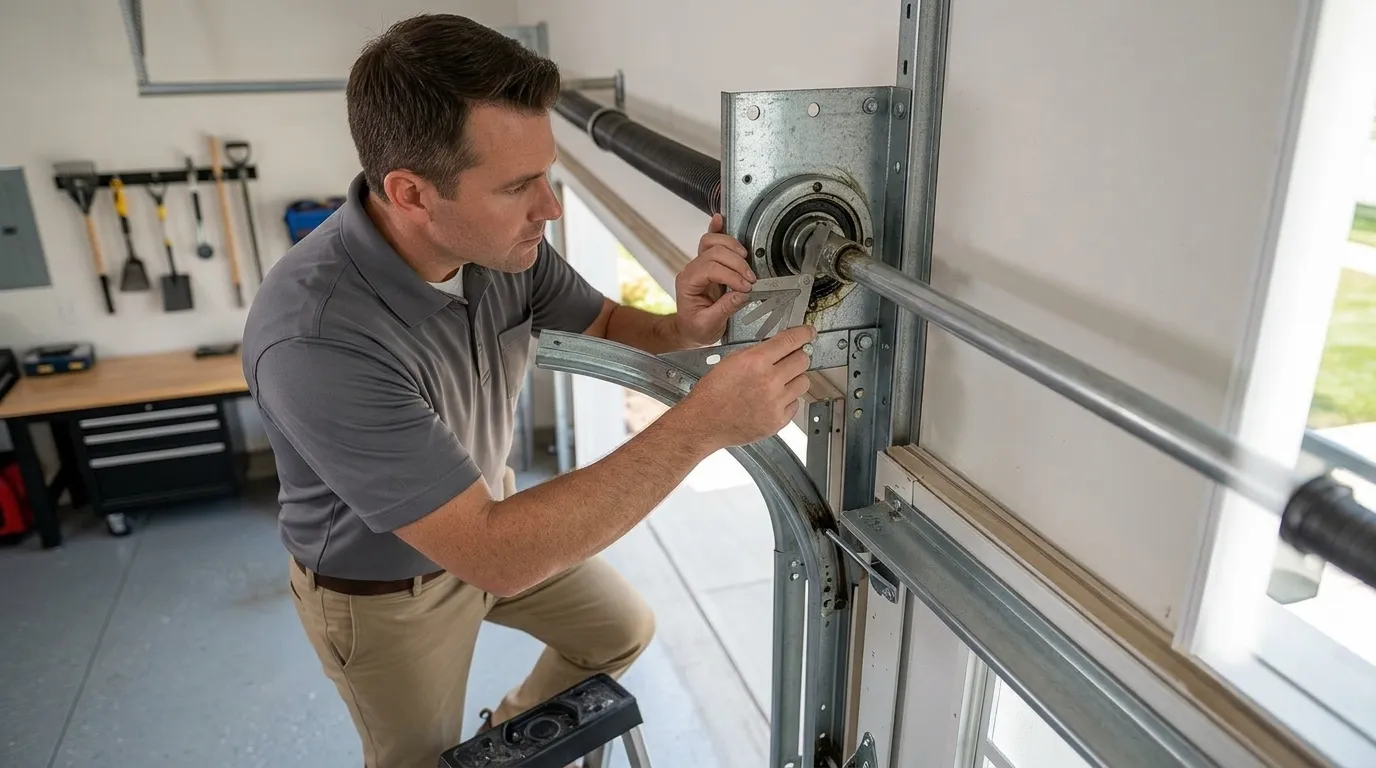
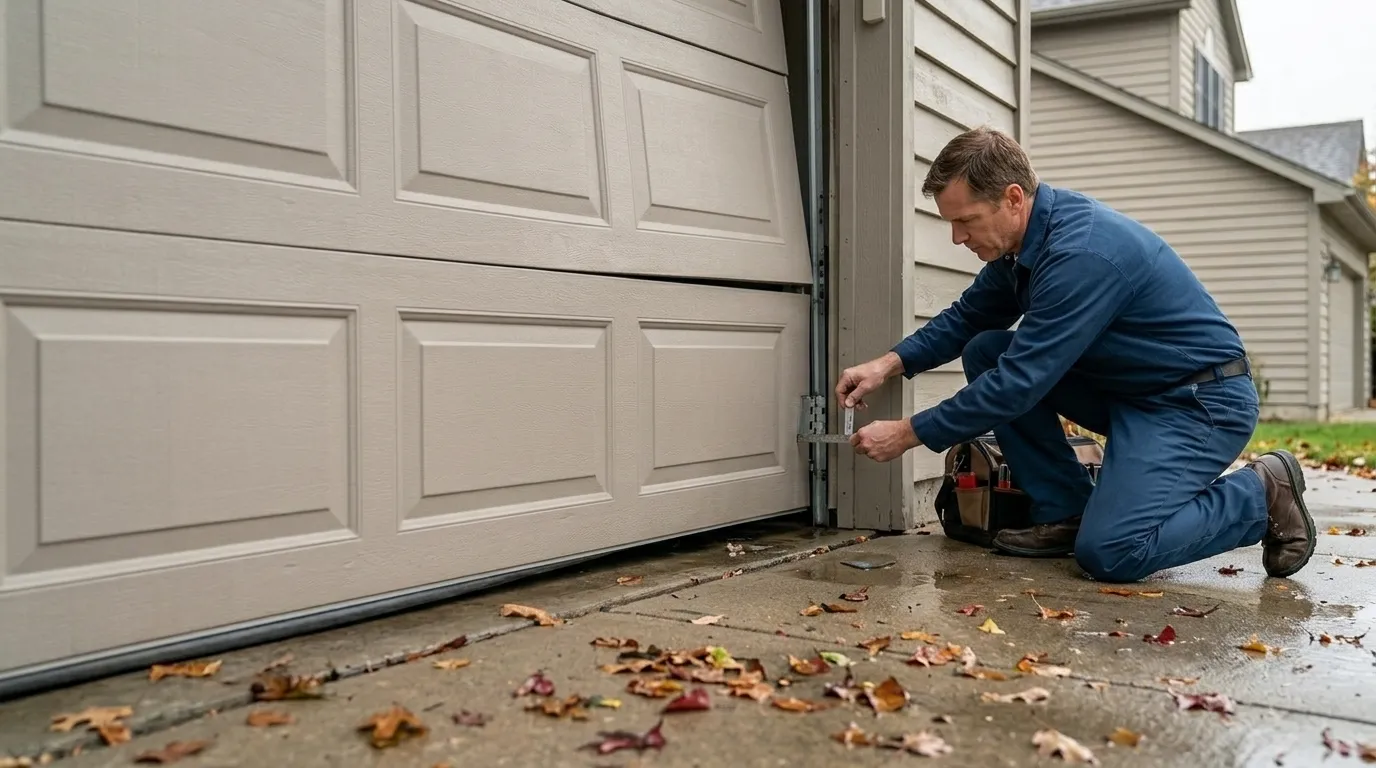
A standard maintenance visit runs through the whole system: torsion springs checked for even tension, cables and pulleys inspected for fraying or wear, track alignment checked and reset if the door's been walking to one side, hinges and rollers lubricated, and the opener's force and travel settings tested so it doesn't slam or stall. On a door with 1990s-era hardware, most of this is straightforward - the parts are common and still made. Where it slows down is if the opener itself is original and a specific part has gone obsolete; in that case the fix shifts from a repair to a swap, and we'll tell you that on site rather than stringing along a job that isn't worth finishing. For repair work beyond a routine tune-up, see our Lemont garage door repair page, and for what maintenance looks like across the rest of the service area, see garage door maintenance in Chicago.

How it works

From “it’s stuck” to “it’s fixed”

1
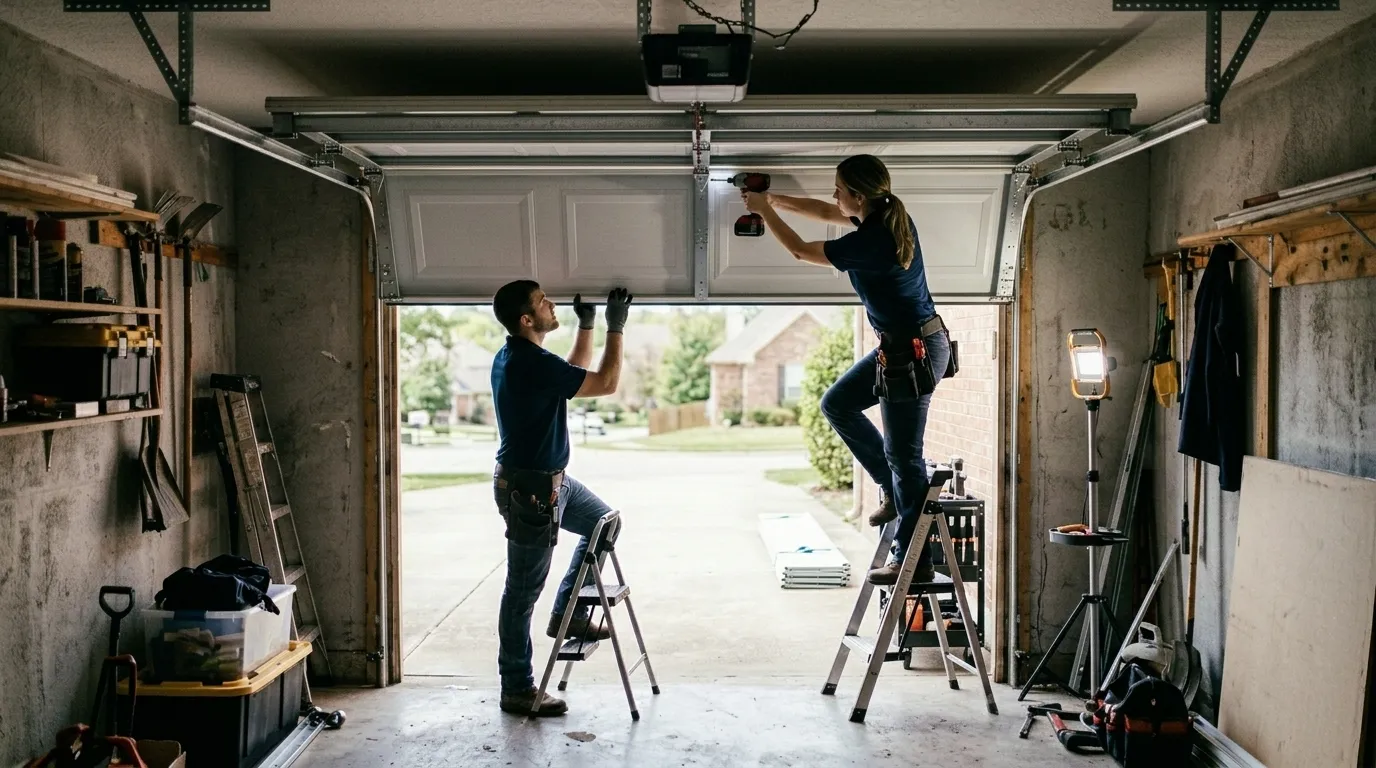
Tell us what’s wrong - Chicago garage door service

Tell us what’s wrong

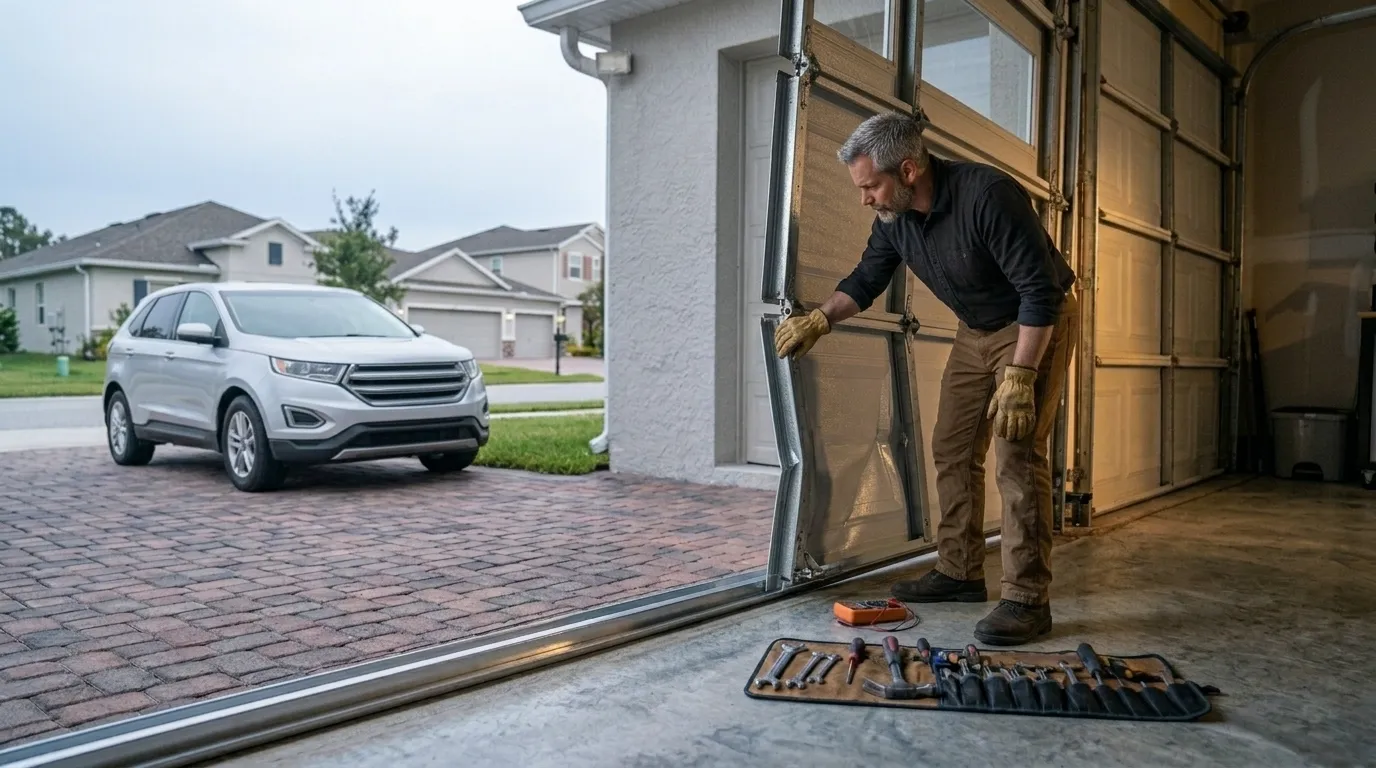
Describe the symptom - won’t open, loud bang, opener runs but the door won’t move.

2
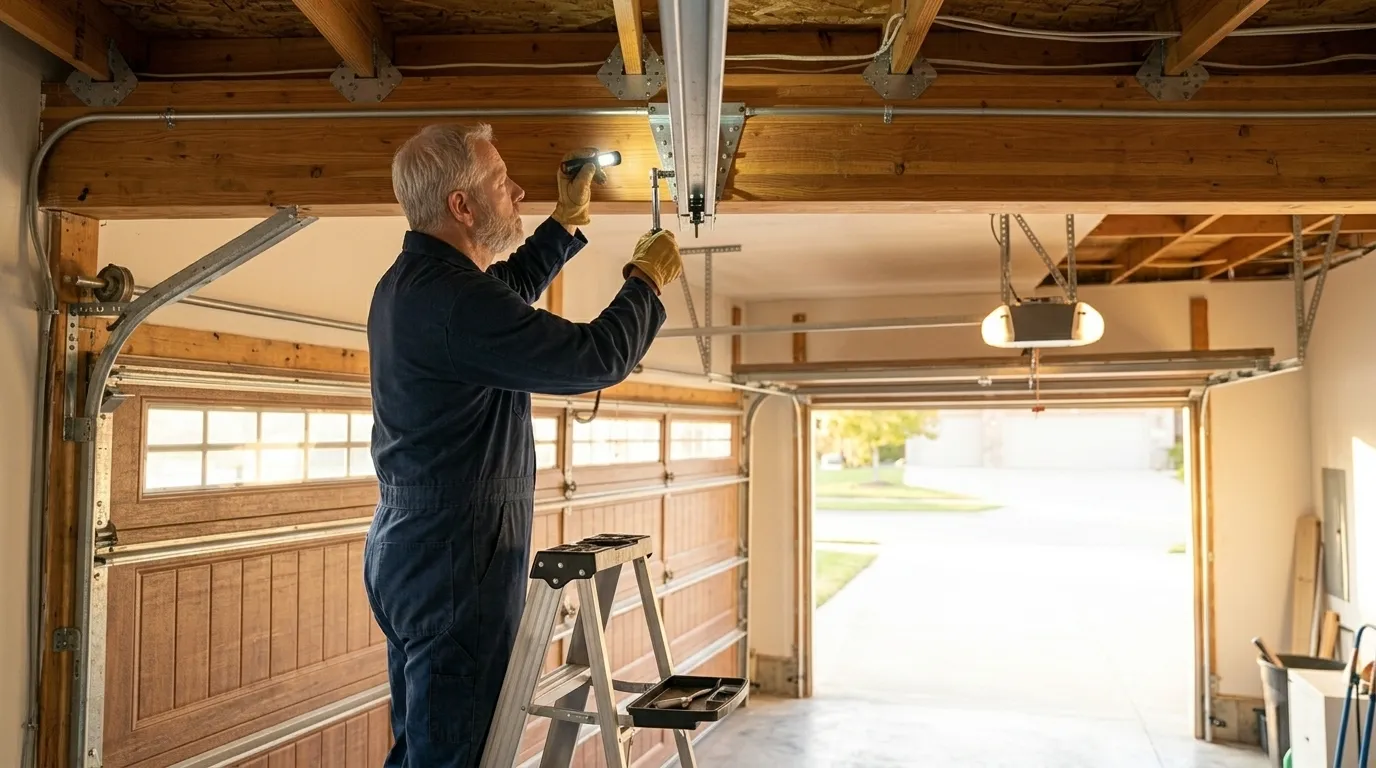
On-site diagnosis - Chicago garage door service

On-site diagnosis

A technician tests the door under power and by hand and finds what actually failed.

3
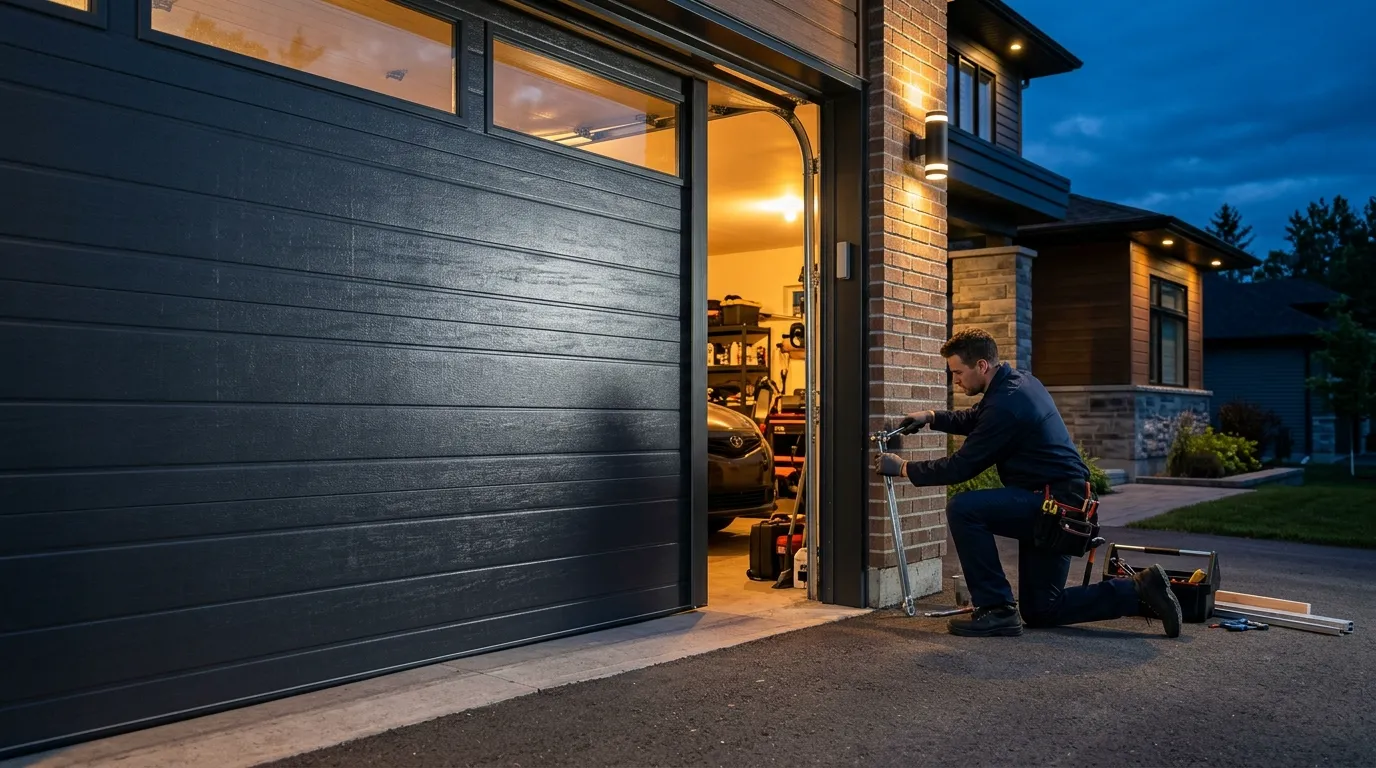
Clear, up-front plan - Chicago garage door service

Clear, up-front plan

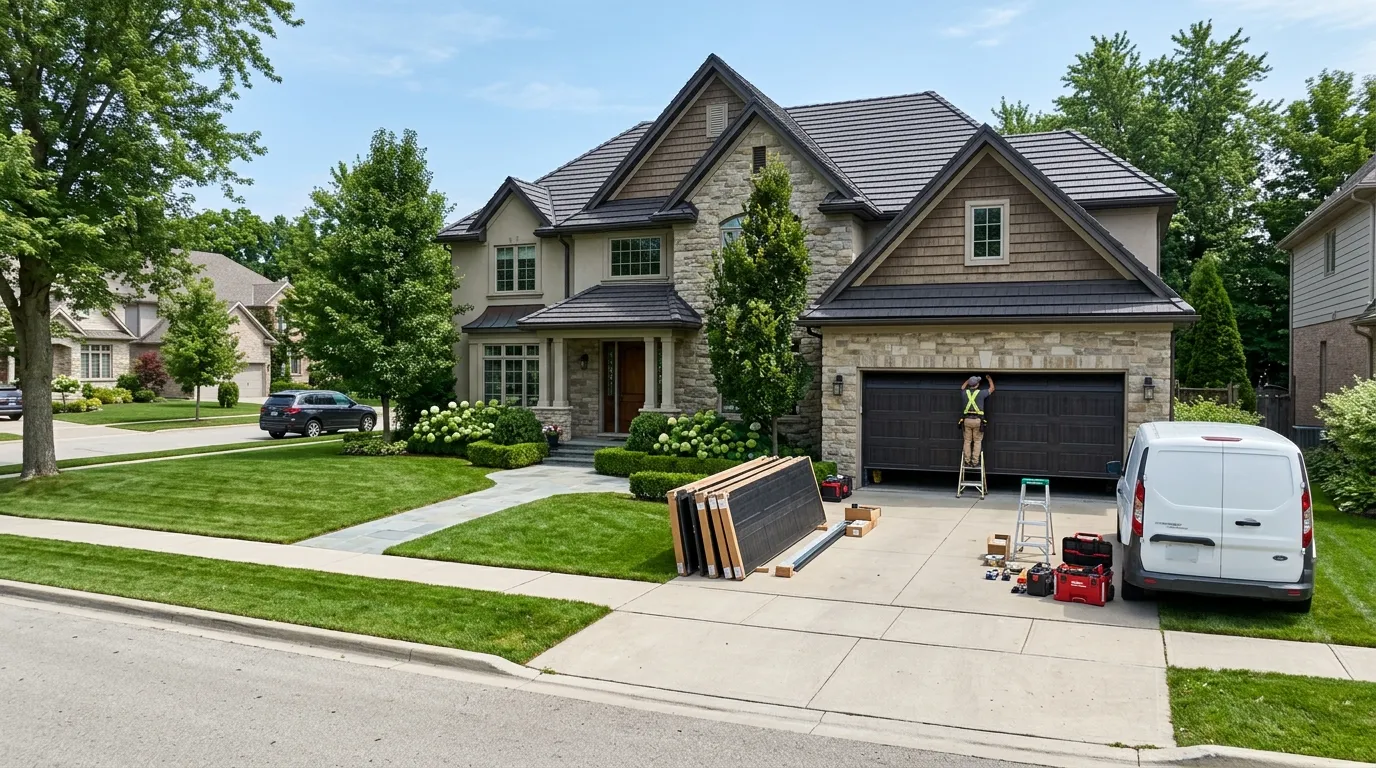
You get the fix that’s needed and what drives the cost - before any work starts.

4
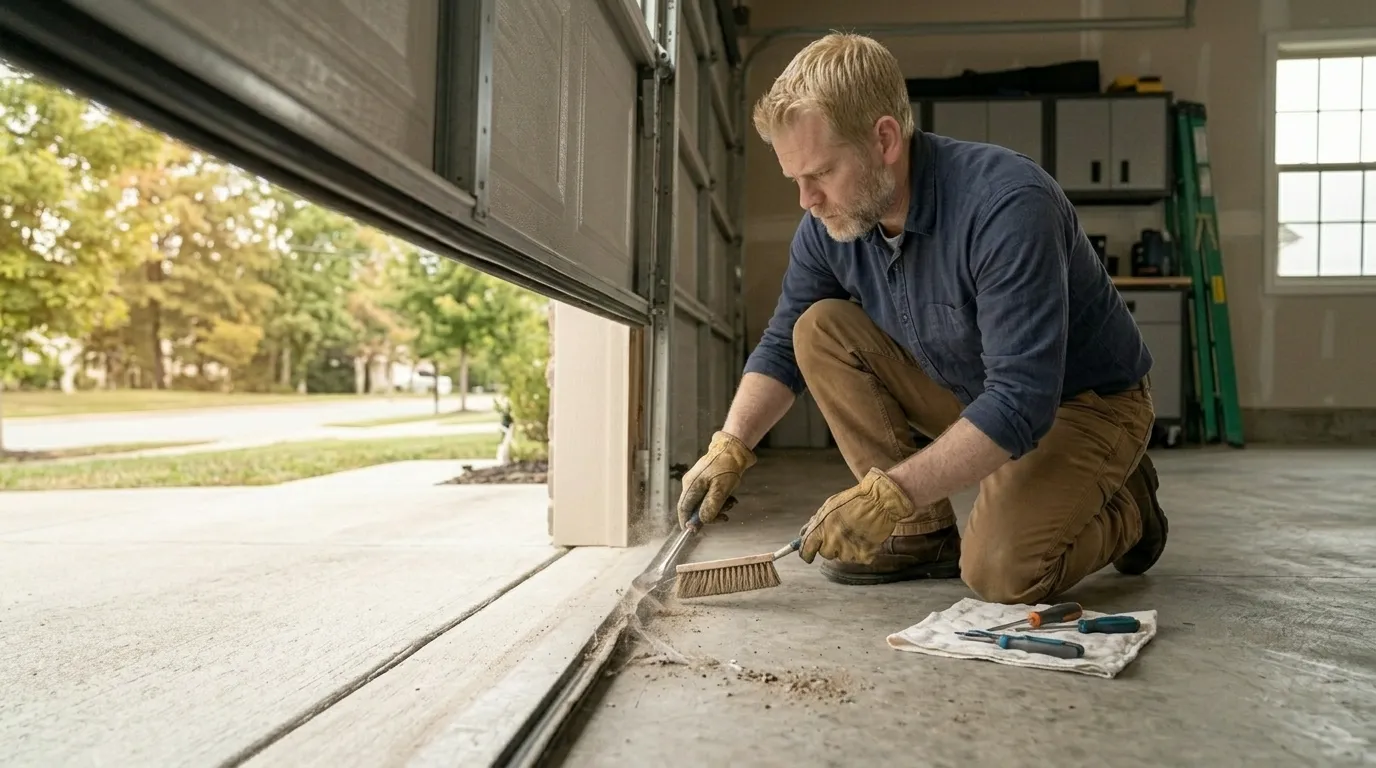
Repaired & tested - Chicago garage door service

Repaired & tested

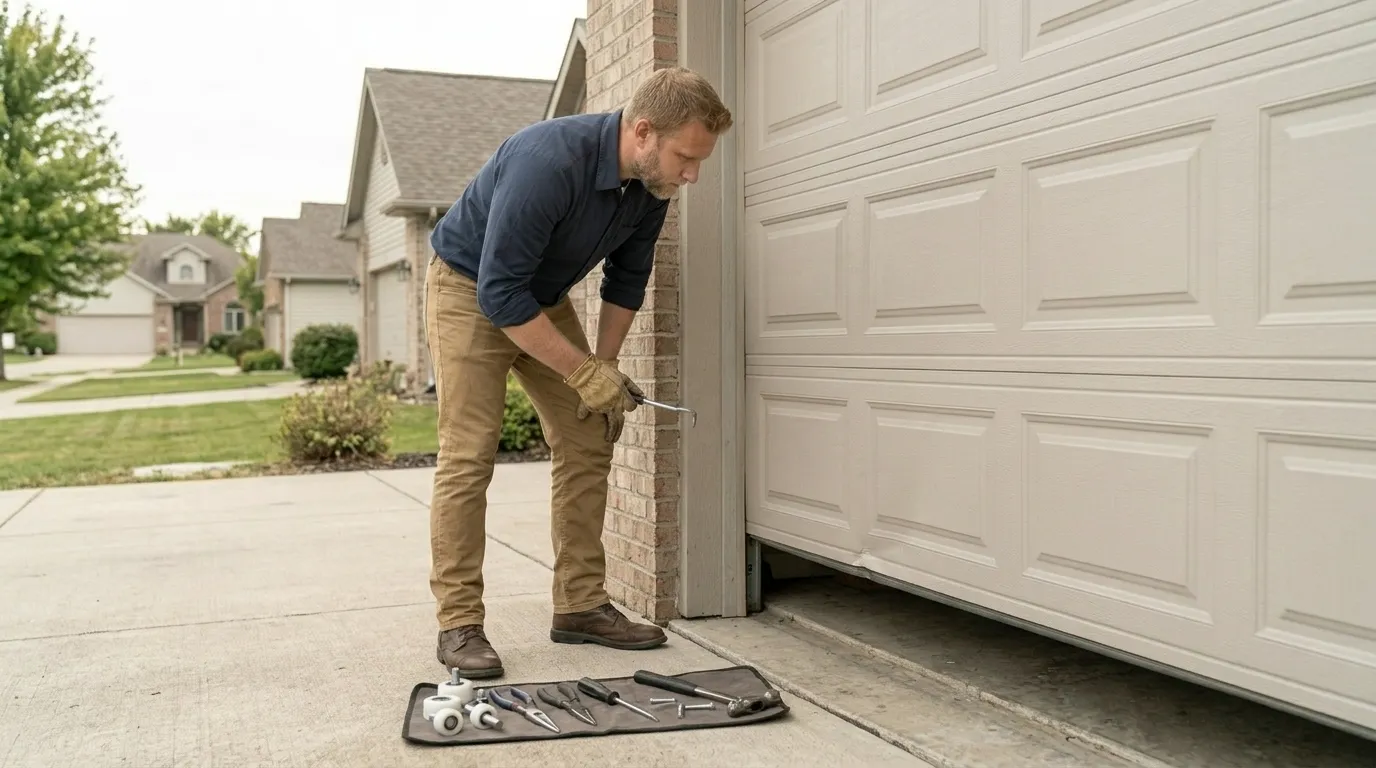
The repair is done, the door is set true and tested, and the work area left clean.

Serving Chicago, IL - tell us what your door’s doing and we’ll take it from there.

How we work

What to expect

Diagnosis firstEvery visit starts by finding what actually failed - not a pre-written parts list.
The right part for the doorSprings and openers matched to the door’s weight and age, so the fix holds up.
Straight answersWhen a repair makes more sense than a replacement - or the reverse - you hear it plainly.
Clean, careful workTension released safely, hardware set true, the door tested under power before we leave.
2,664,452Residents in Chicago
8Garage door services
8Neighborhoods & suburbs
ILServing Chicago, IL
Questions

Frequently asked

Straight answers about garage door repair in Chicago. Still unsure? Ask us directly.

How often should I get my garage door serviced in Lemont?

Once a year is the standard recommendation for doors built in the 1980s and 90s era common in Lemont, ideally before winter sets in. Cold-moderate climate cycling is hardest on springs and weatherstrip, so catching wear before the cold season starts saves you an emergency call in January.

Is it worth maintaining an original 1990s-era opener?

Usually yes if the motor still runs strong and parts are available - original hardware from that era is common enough that most components are still made. It stops being worth it if the motor is already stalling under load or a specific part has gone obsolete, at which point replacement is the better spend.

My door is noisy but still opens fine. Do I need a repair or just maintenance?

Noise without a functional problem is usually a maintenance issue - dry hinges, worn rollers, or a track slightly out of alignment. Stop and call for a repair instead if the door starts reversing on its own, drops unevenly, or the opener strains audibly to lift it.

Ready to get your garage door sorted?

Tell us what it’s doing and where you are in Chicago - we’ll take it from there.

Request a QuoteCall