
Serving Chicago, IL & nearby
(708) 630-7529
Chicago, IL

Garage Door Repair for Lemont's 1990s Housing Stock

Most Lemont garage doors date to the 1990s build boom - original torsion springs and openers now failing. Chicago Garage Door Co repairs what's actually on your house.

Garage Door Repair for Lemont's 1990s Housing Stock
Chicago, IL
8 services
8 service areas
Diagnosis first, then the fix

What You Are Seeing

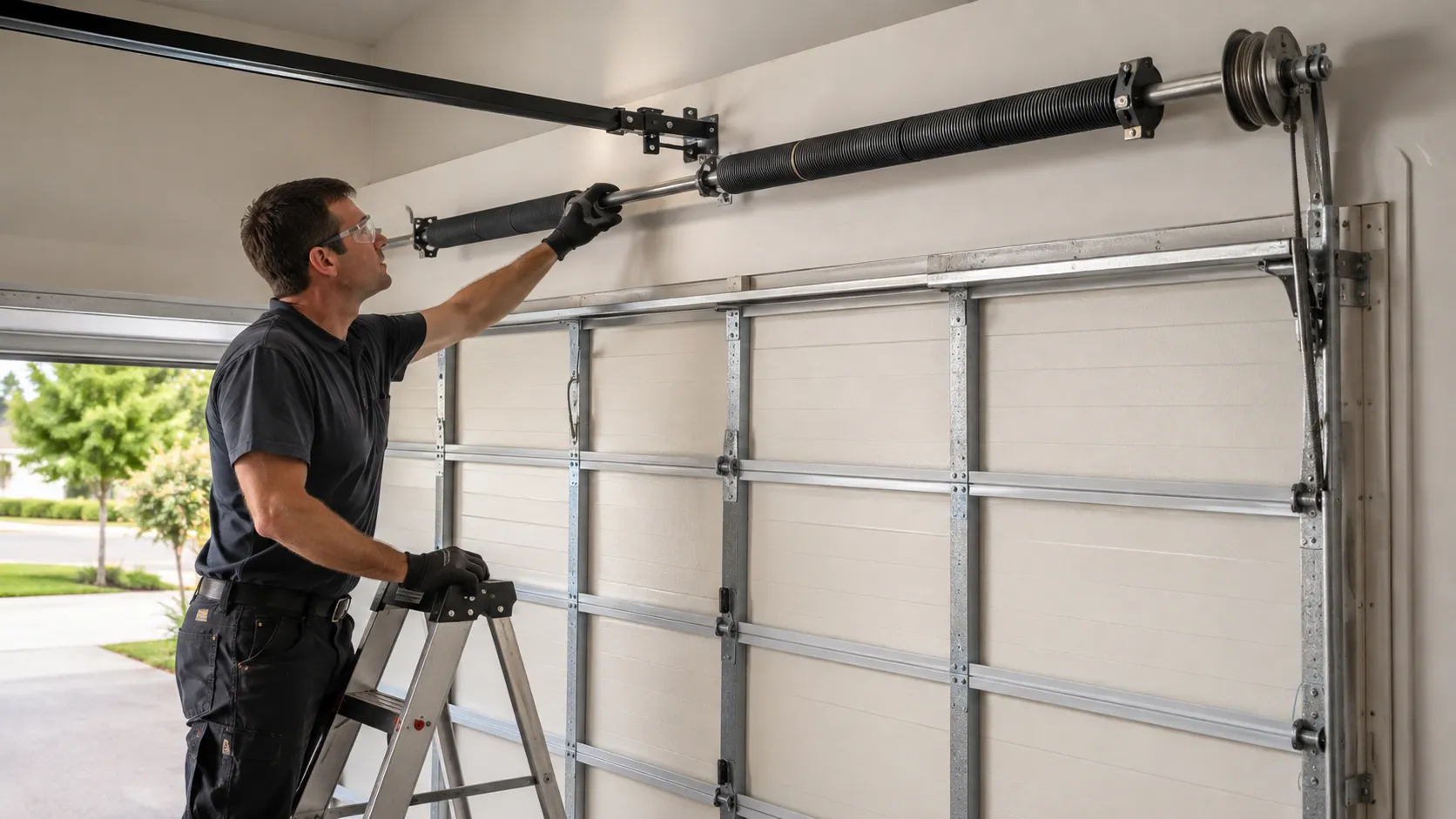
Lemont's median home dates to 1994, which puts most of the neighborhood's original garage doors and hardware right around thirty years old - not the 1960s stock you'd find closer to the city. That matters because a door installed in the early-to-mid 90s came with a different spring setup and a different opener generation than what's common across the rest of our service area, where the median build year is 1964. If your door has never been touched, there's a decent chance the torsion spring, the cable, and the opener motor are all original to the house. Thirty years is close to the outer edge of a torsion spring's working life even with light use, and it's well past the point where the original opener's gears, capacitor, or logic board are still reliable. What you're likely seeing isn't a fluke - it's a house built in the early 90s finally catching up to its own hardware. We can't tell you the exact age of your specific door without seeing it, but the build year of the house is a strong clue to start from.

What Causes It Around Here

Two things push failure timelines in this pocket of the service area. First, the age curve: houses built in 1994 are now old enough that original torsion springs, worn rollers, and first-generation chain-drive openers are common failure points, not exceptions. Second, the climate band here is cold with moderate swings, and that cycle of freeze and thaw works on steel springs and cable the same way it works on everything else metal outside - it fatigues them faster than a mild climate would. A spring rated for a certain number of cycles doesn't care how gently you've used the door; cold-weather contraction adds stress every winter regardless of use. Combine a 90s-era spring with three decades of Chicago-area winters and a snapped spring or a seized opener isn't surprising - it's close to schedule. We see this pattern across the wider service area too, but Lemont's later build year means the clock started later and the hardware generation is different from what a 1960s-built suburb is dealing with.

The DIY Question

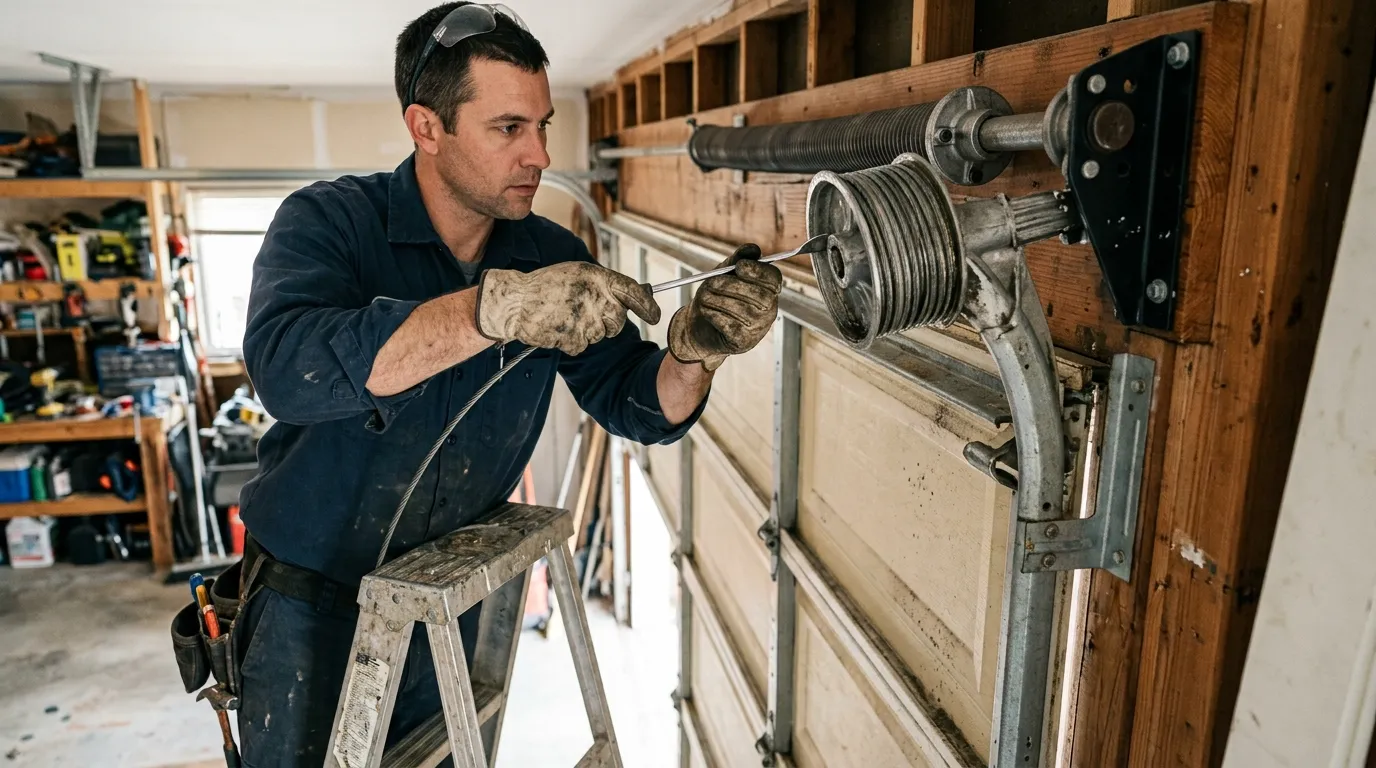
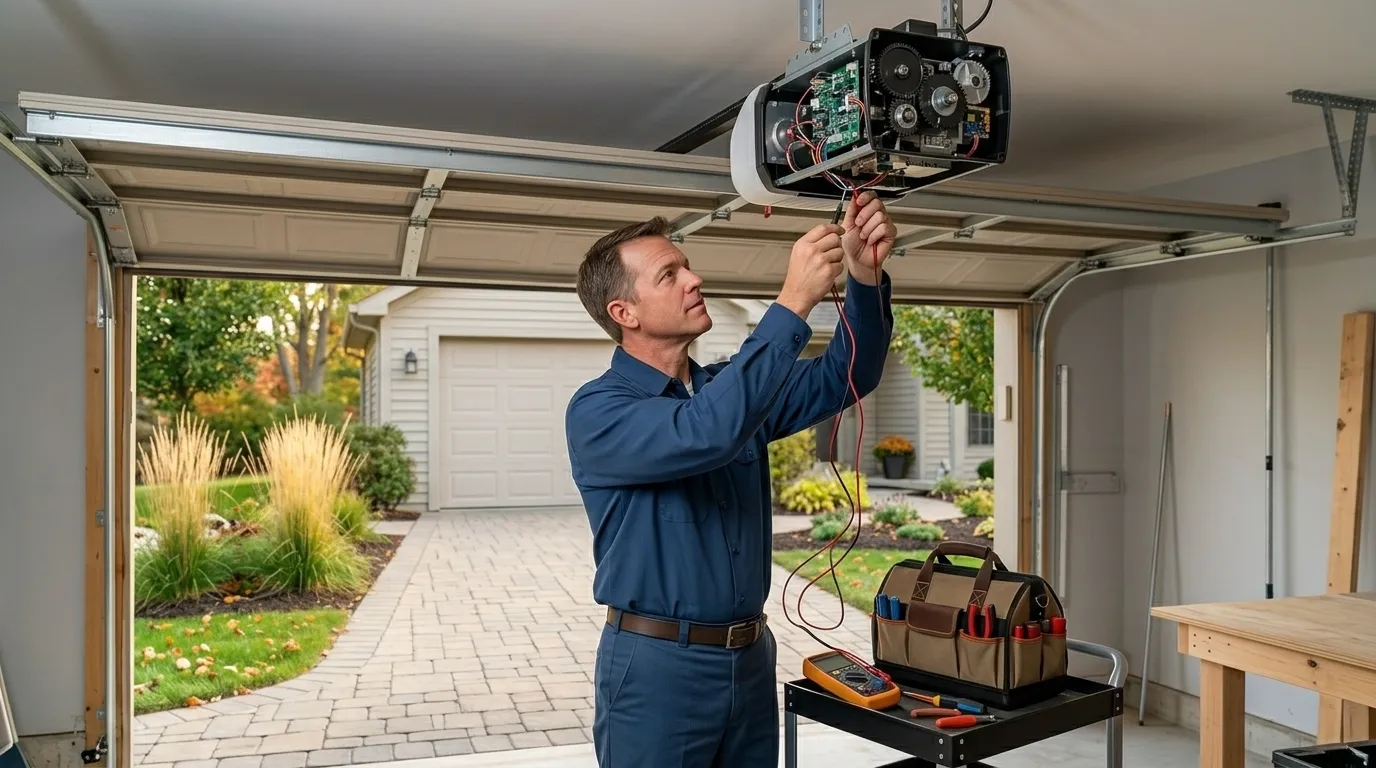
Some things on a garage door are fine to handle yourself: lubricating rollers and hinges, tightening loose bolts on the track, replacing a keypad battery. A torsion spring under tension is not one of them. The spring on a residential door is wound tight enough to cause serious injury if it lets go while you're working on it, and that risk doesn't change because your house was built more recently than average. Opener boards and logic circuits from the 90s can also be deceptive - a motor that hums but doesn't move the door can look like a simple fix and turn into a wiring problem behind a cover panel. If your issue is a door that won't respond to the remote at all, check the wall switch and breaker first; that's a legitimate five-minute check. Past that, if a cable is frayed, a spring is broken, or the door is off its track, that's a call, not a project.

The Cost of This Job

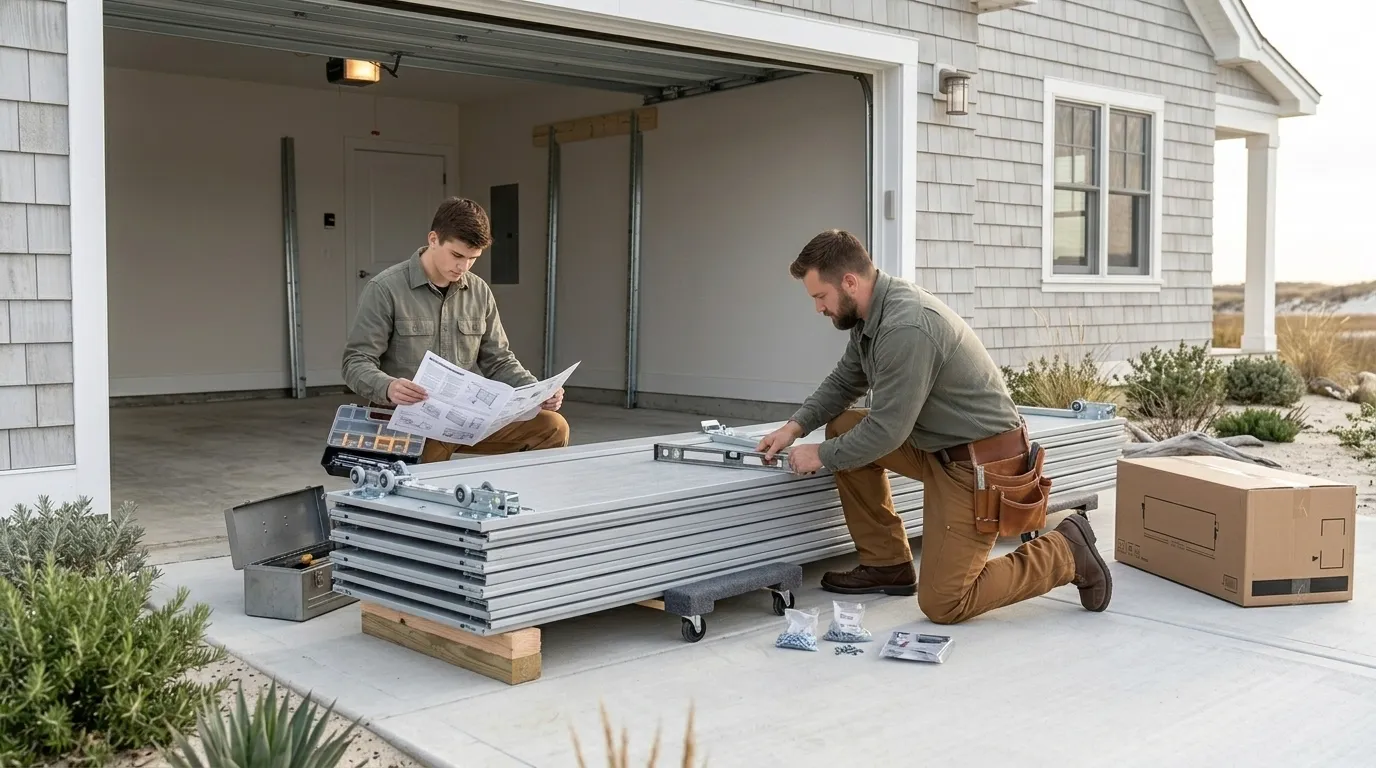
We don't have a set price to quote you here - cost depends on whether it's a spring, a cable, an opener, or a full hardware replacement, and on what's actually failed once we're looking at it. What we can tell you is what tends to drive the number up or down on a house like yours: original 90s hardware often means the spring size and opener mount are non-standard compared to what's stocked today, which can add a bit of time to source the right part. On the other hand, a 30-year-old opener that's failing outright is frequently cheaper to replace than to keep patching, since parts for that generation of motor aren't always worth chasing. We'll tell you plainly if a repair isn't worth it compared to replacement - that's a judgment call we make on site, not over the phone.

What the Fix Involves

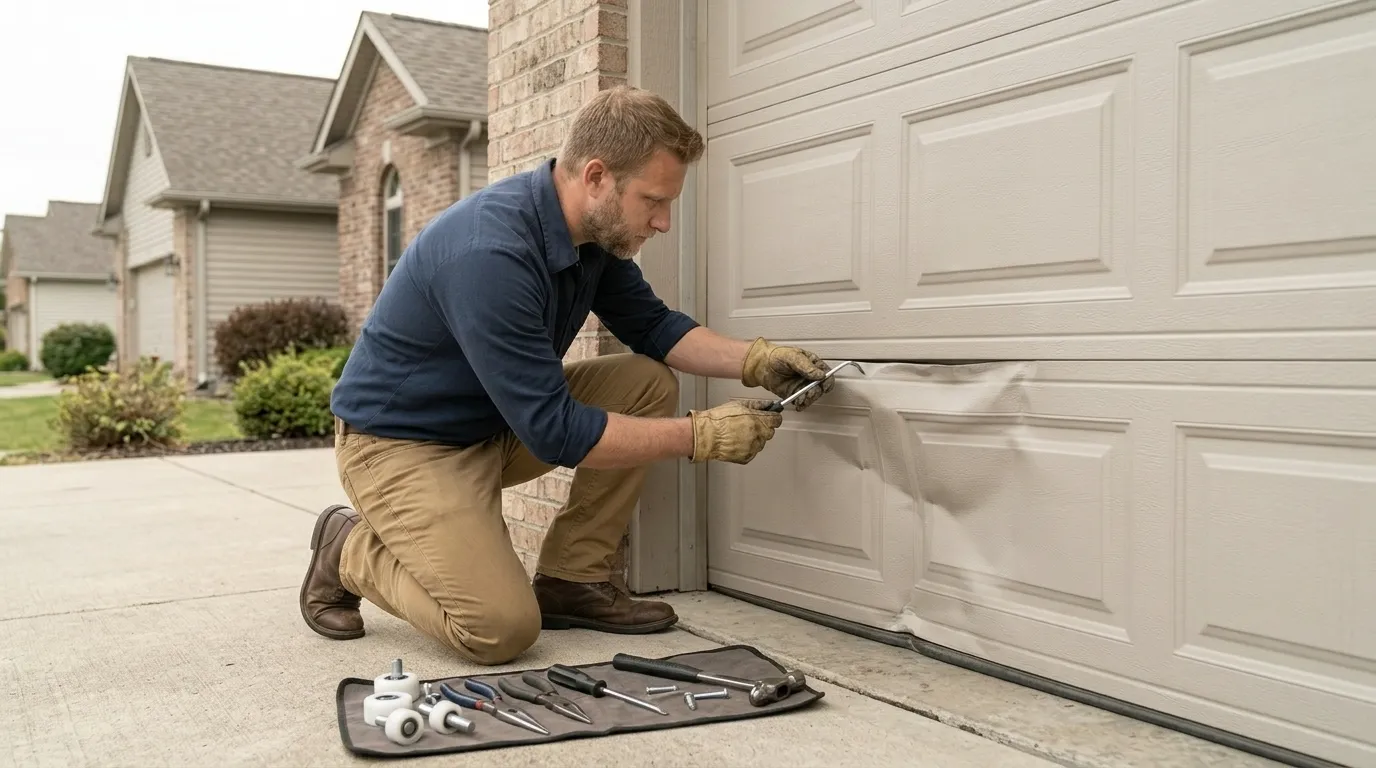
For a spring job, that means matching the wind and wire gauge to what your door actually needs - not guessing, since a mismatched spring either won't lift the door properly or will wear out again fast. For an opener from the original build era, that usually means swapping the full unit rather than chasing individual parts, since board and gear components for that generation aren't something a supplier stocks in quantity anymore. We also check the track alignment and roller condition while we're there, because a 30-year-old track that's never been reset can throw off a brand-new spring's performance just as easily as an old one. We travel out from Chicago for this work - there's no branch location in Lemont - so we schedule the visit rather than dropping by on short notice. Once we're on site, most spring and opener jobs are a single visit.

How it works

From “it’s stuck” to “it’s fixed”

1
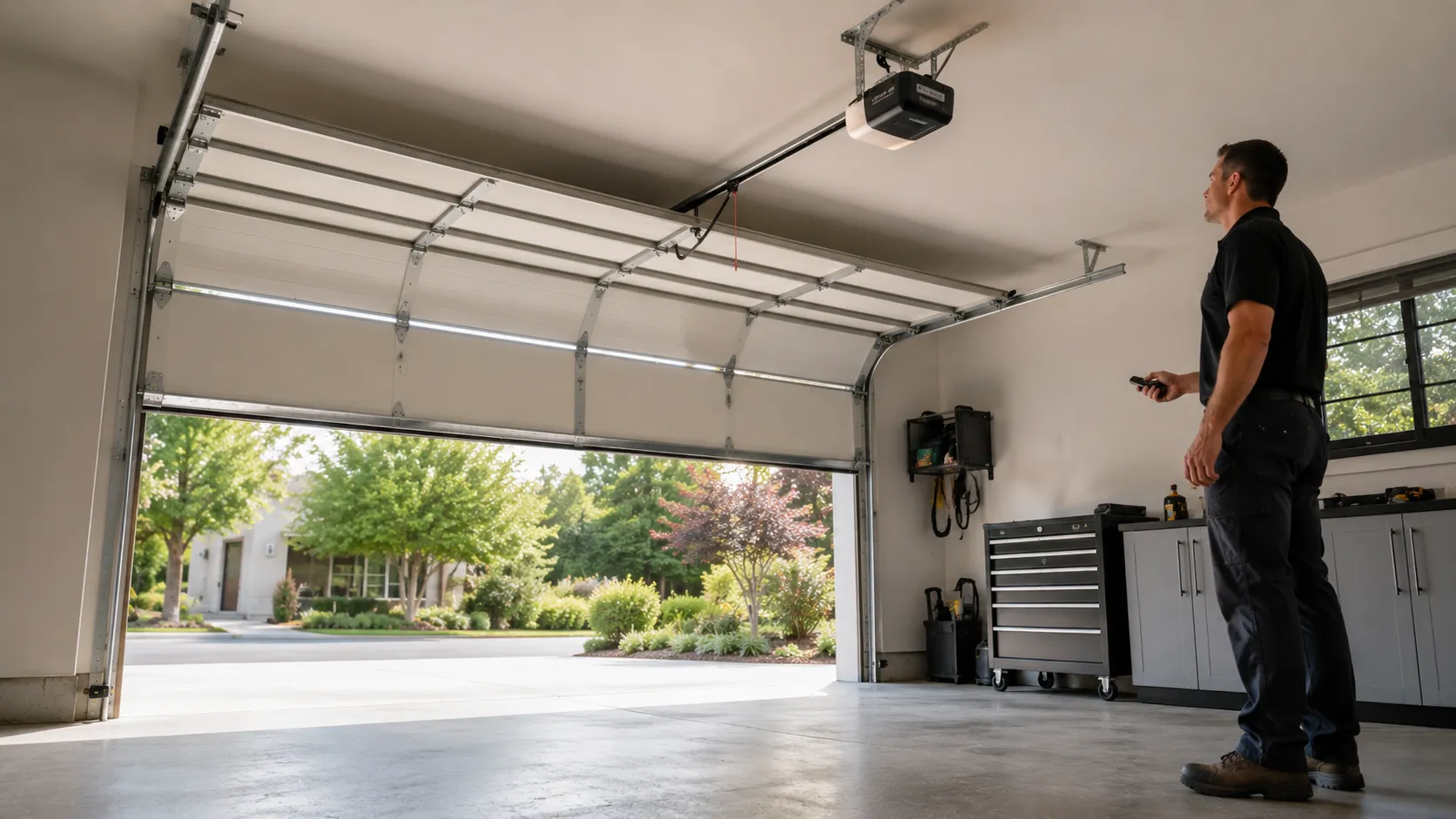
Tell us what’s wrong - Chicago garage door service

Tell us what’s wrong

Describe the symptom - won’t open, loud bang, opener runs but the door won’t move.

2
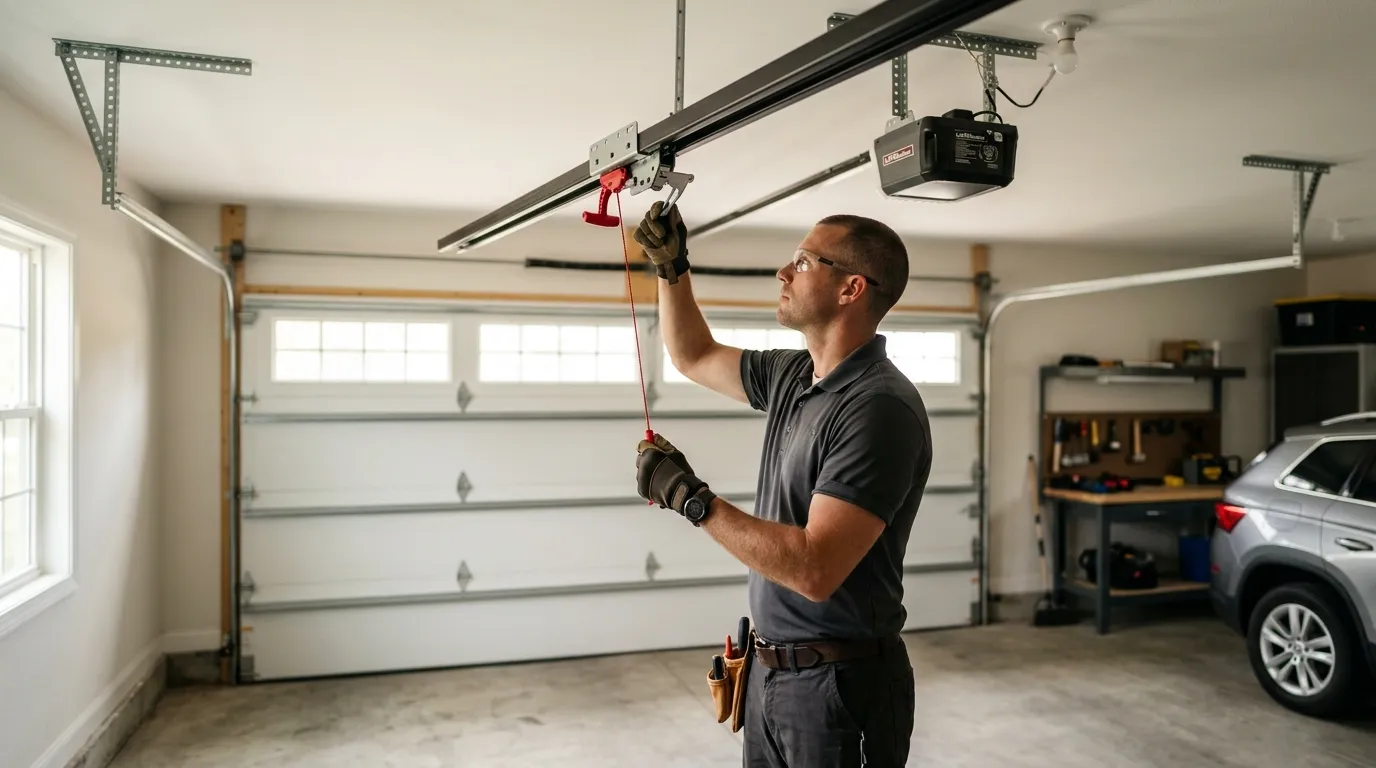
On-site diagnosis - Chicago garage door service

On-site diagnosis

A technician tests the door under power and by hand and finds what actually failed.

3
Clear, up-front plan - Chicago garage door service

Clear, up-front plan

You get the fix that’s needed and what drives the cost - before any work starts.

4
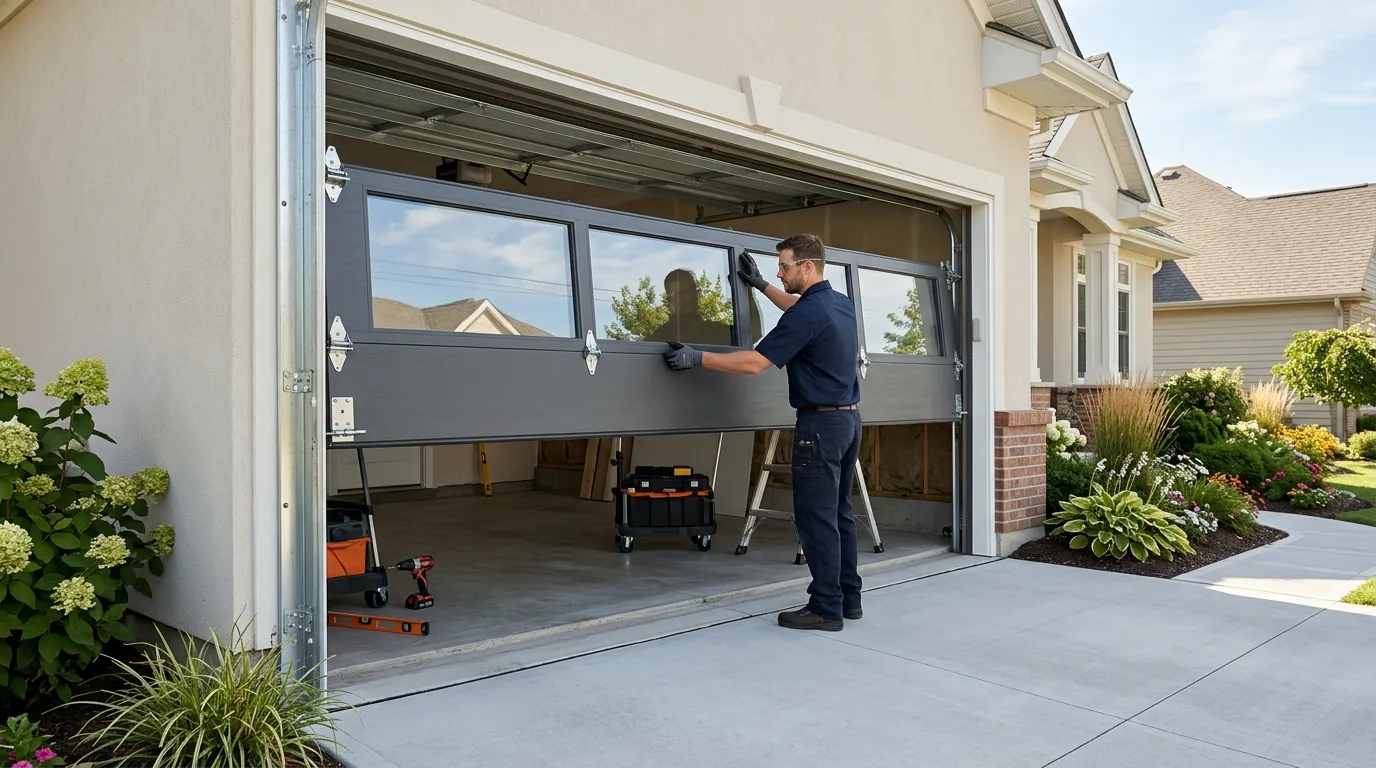
Repaired & tested - Chicago garage door service

Repaired & tested

The repair is done, the door is set true and tested, and the work area left clean.

Serving Chicago, IL - tell us what your door’s doing and we’ll take it from there.

How we work

What to expect

Diagnosis firstEvery visit starts by finding what actually failed - not a pre-written parts list.
The right part for the doorSprings and openers matched to the door’s weight and age, so the fix holds up.
Straight answersWhen a repair makes more sense than a replacement - or the reverse - you hear it plainly.
Clean, careful workTension released safely, hardware set true, the door tested under power before we leave.
2,664,452Residents in Chicago
8Garage door services
8Neighborhoods & suburbs
ILServing Chicago, IL
Questions

Frequently asked

Straight answers about garage door repair in Chicago. Still unsure? Ask us directly.

Is my garage door original to the house if it was built in the early 90s?

It's common, especially if you're the first or second owner. Many houses from that era in this part of the service area still have their original torsion spring and opener. We'd need to look at the unit itself to confirm - a build year is a strong clue, not a guarantee - but it's the first thing worth checking if the door's never had obvious repair work done.

Why does my opener from the 90s keep cutting out in winter?

Cold-weather cycling puts extra strain on aging capacitors and gear sets, and a motor that's already thirty years old has less margin left to absorb that stress. It's not unique to this house - it's a pattern with hardware from that generation in a cold climate band, and it usually shows up as intermittent failure before it fails outright.

Do you have a shop in Lemont?

No, we work out of Chicago and travel to Lemont for scheduled jobs. There's no local branch or drop-in location here, so repairs are booked appointments rather than same-day walk-ins.

Is it worth replacing an original opener instead of repairing it?

Often yes, if the unit is from the original 1994-era build. Parts for that generation of motor and logic board aren't widely stocked anymore, so a repair can end up costing close to what a new opener would, with less certainty it'll last. We'll give you a straight comparison once we've seen the unit.

Ready to get your garage door sorted?

Tell us what it’s doing and where you are in Chicago - we’ll take it from there.

Request a QuoteCall