Serving Chicago, IL & nearby
(708) 630-7529
Chicago, IL

Garage Door Spring Repair for Lemont Homes

Lemont's garage doors are mostly post-1980 construction, which changes what breaks and how it gets fixed. Here's what a spring call here actually involves.

Garage Door Spring Repair for Lemont Homes
Chicago, IL
8 services
8 service areas
Diagnosis first, then the fix

What You Are Seeing

The door won't lift, or it lifts a few inches and stops, or it slammed down fast when you pulled the release cord. That's a broken spring, and on a Lemont garage it's almost always a torsion spring, the kind mounted on a shaft directly above the door opening rather than stretched along the horizontal track.

That matters because of when this town got built. Lemont's housing stock has a median build year of 1994, decades newer than the 1964 median across the wider Chicago-area territory we cover. Newer construction here means builder-grade sectional doors sized for standard two-car openings, installed with torsion hardware from the start. You're not dealing with the side-mounted extension springs and older cable drums that show up on 1950s and 60s garages closer to the city. A snapped torsion spring on a Lemont door usually means a clean, single-point failure - the shaft, the winding cones, and one or two springs - rather than a cascade of worn parts that all need attention at once.

What Causes It Around Here

Springs are rated for a cycle count, not a calendar date, so age alone doesn't kill them - use does. A spring wound to lift a standard-weight sectional door for around 10,000 open-close cycles will eventually fatigue and snap, usually without warning, often on a cold morning when the metal is stiffest.

The region sits in a cold, moderate climate band, and that temperature swing between a warm garage and a cold snap outside puts extra stress on a spring that's already near the end of its life. On newer construction like most of what's in Lemont, the springs are usually sized correctly from the factory, so premature failure is less about an undersized spring fighting a heavy door and more about ordinary wear finally catching up. We don't see the mismatched, over-stressed springs that turn up on older homes where a heavier replacement door got hung on original hardware.

The DIY Question

A torsion spring is under enough tension to break bones if it lets go while you're working on it, and that risk doesn't change because the door is newer or the neighborhood is newer. This isn't a job we'll walk you through over the phone.

What you can safely do yourself: check the balance. Disconnect the opener, lift the door by hand halfway, and let go. If it holds roughly in place, the springs are still doing their job and the noise or slow lift you're hearing is something else - a roller, a track, an opener issue. If it drops or shoots up, that's a spring problem and it's a call, not a project.

One honest limitation: winding cones and shafts vary by manufacturer and door weight, and we don't keep every size on the truck for every call. If your door uses an uncommon spring size, there can be a short wait on the part rather than a same-visit fix. We'd rather tell you that up front than promise a turnaround we can't back.

The Cost of This Job

We don't have a Lemont-specific price to quote here, and we're not going to invent one. What we can tell you is what drives the number on any torsion spring job: whether it's a single spring or a pair, the size and weight rating for your door, and whether the drums, bearings, or cable show wear that should get replaced at the same time rather than call us back out in a year.

Median household income in Lemont runs well above the $80,202 median across our full service area, and in practice that shows up as more owners asking for a full torsion conversion or a heavier-duty spring pair up front rather than the cheapest matching replacement. Neither choice is wrong - it depends on how long you plan to stay in the house and how the door's been performing otherwise. For general repair work beyond springs, see our Lemont garage door repair page. For the broader rundown on spring repair across the area, that's covered on the Chicago spring repair page.

What the Fix Involves

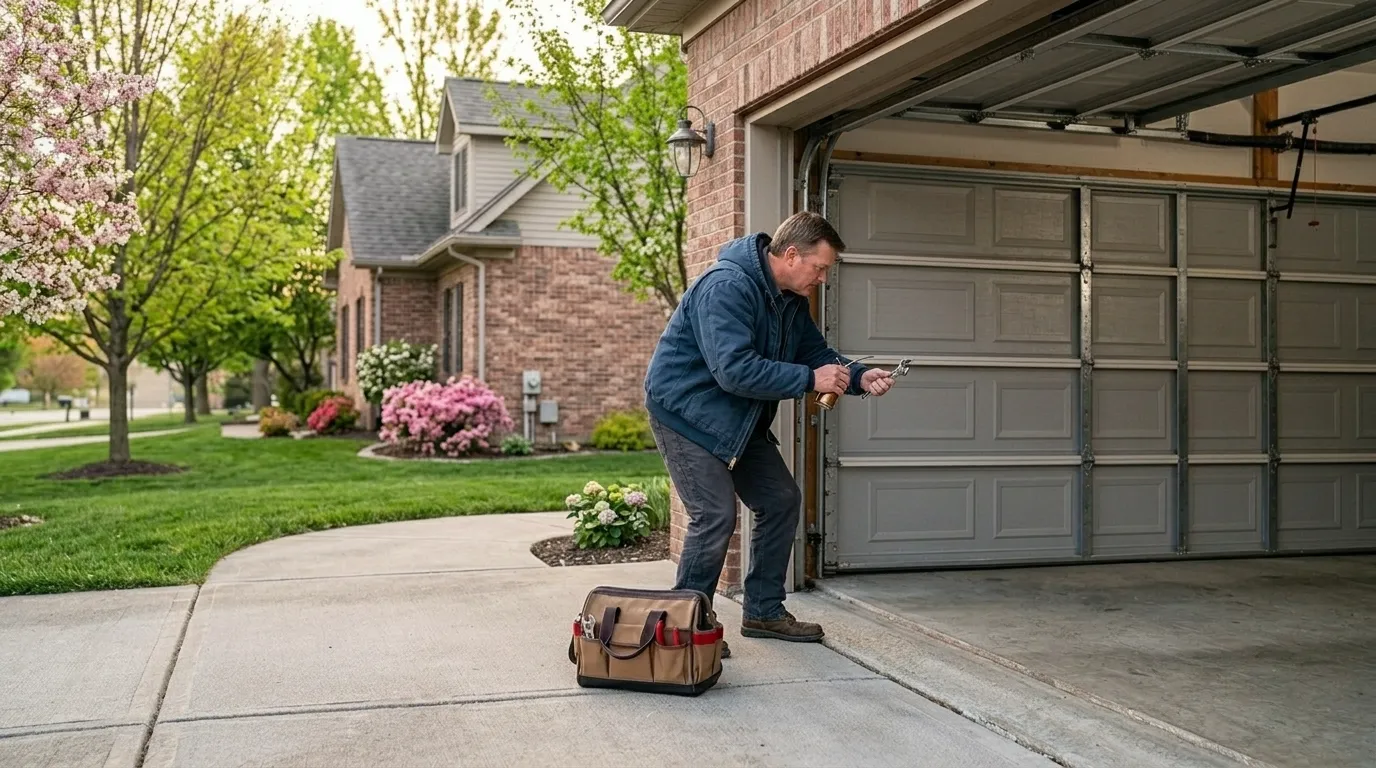
The door gets clamped and locked down so it can't move, the old spring gets unwound safely with winding bars, and the shaft, bearing plates, and cable drums get checked while everything's apart. On a torsion setup like most of what's in Lemont, both springs usually get replaced together even if only one broke, since the second is on the same cycle count and close behind.

At 19 miles out from where the truck starts its day, a Lemont call takes longer to get to than one closer in, so we ask for a real time window rather than an exact minute. Once the truck's on-site, the spring swap itself is a same-visit job in the large majority of cases - it's the sizing and the drive, not the repair, that takes the time. After the new springs go on, the door gets rebalanced and cycle-tested before we call it done, because a spring that's the right size but wound wrong will still leave the door heavy on one side.

How it works

From “it’s stuck” to “it’s fixed”

1
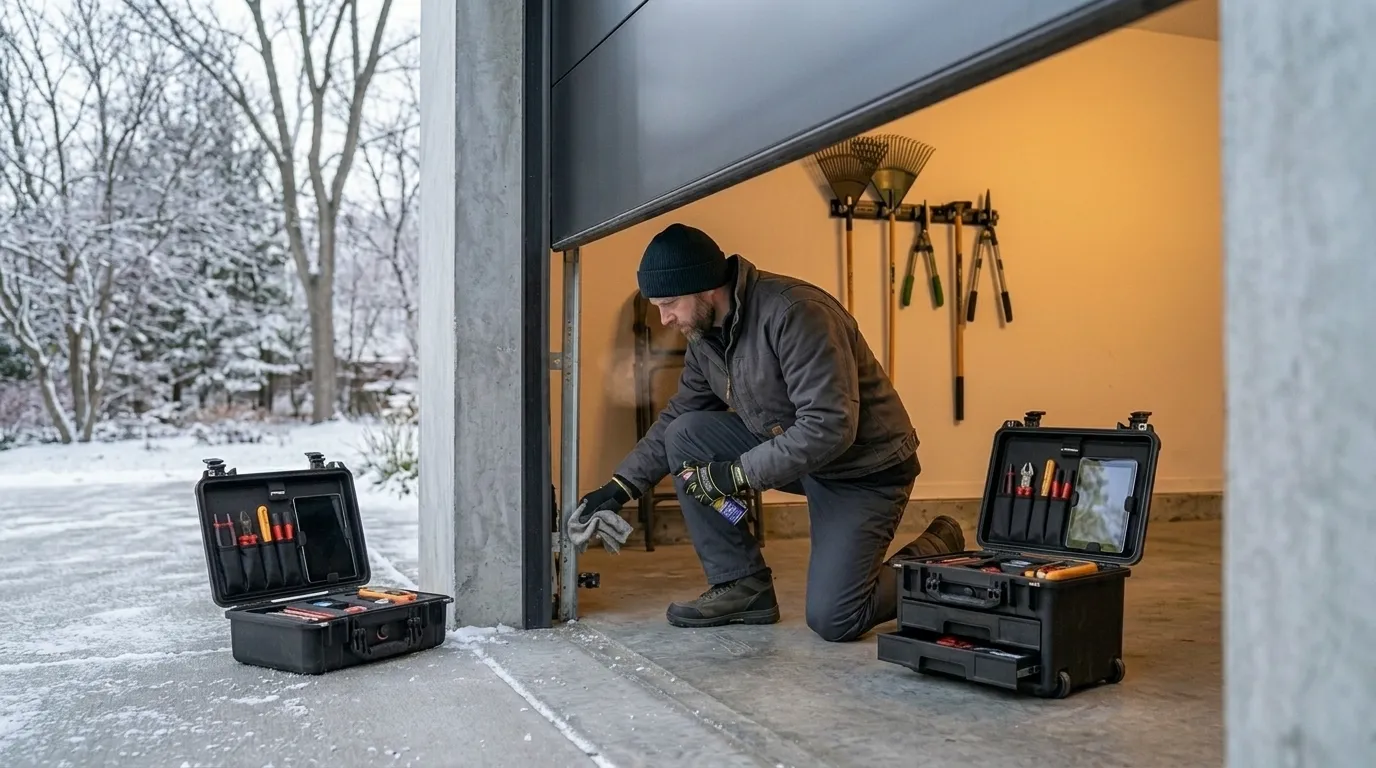
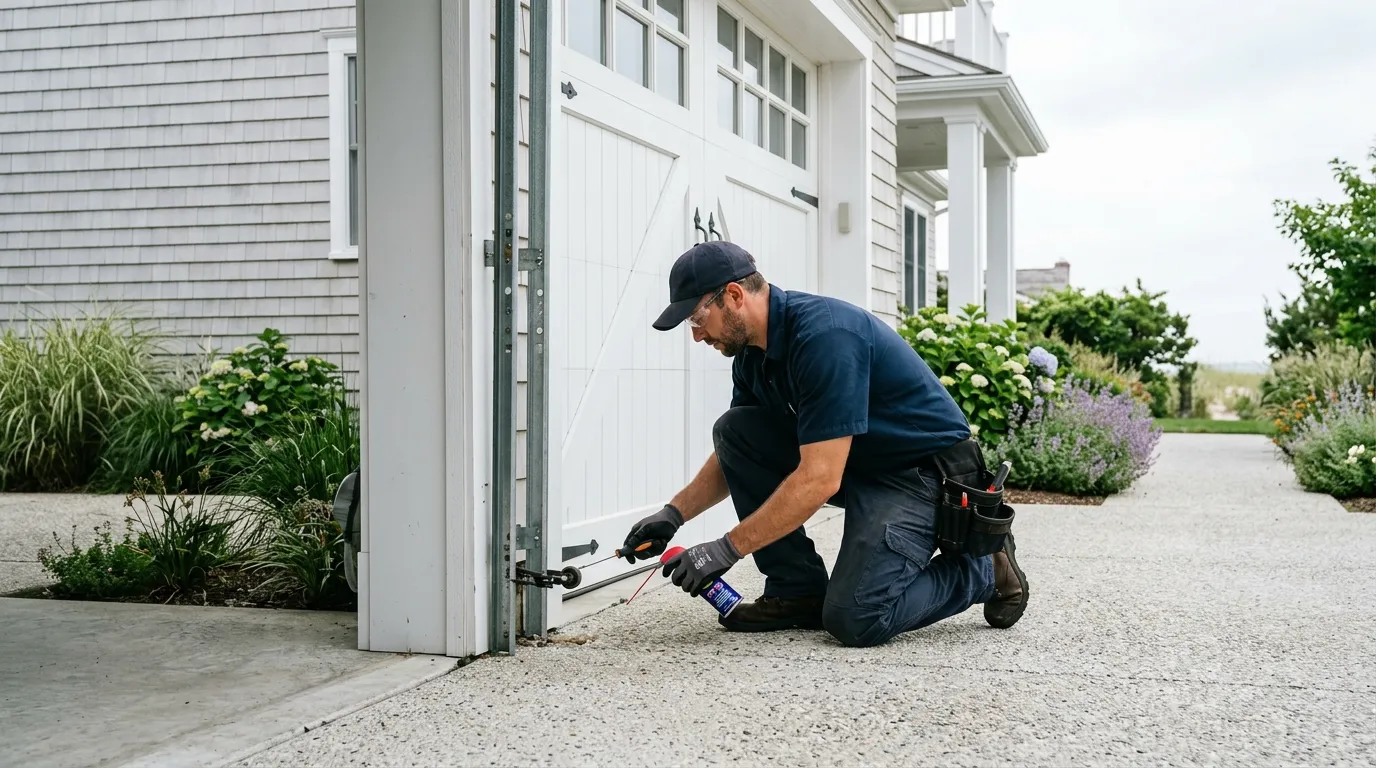
Tell us what’s wrong - Chicago garage door service

Tell us what’s wrong

Describe the symptom - won’t open, loud bang, opener runs but the door won’t move.

2
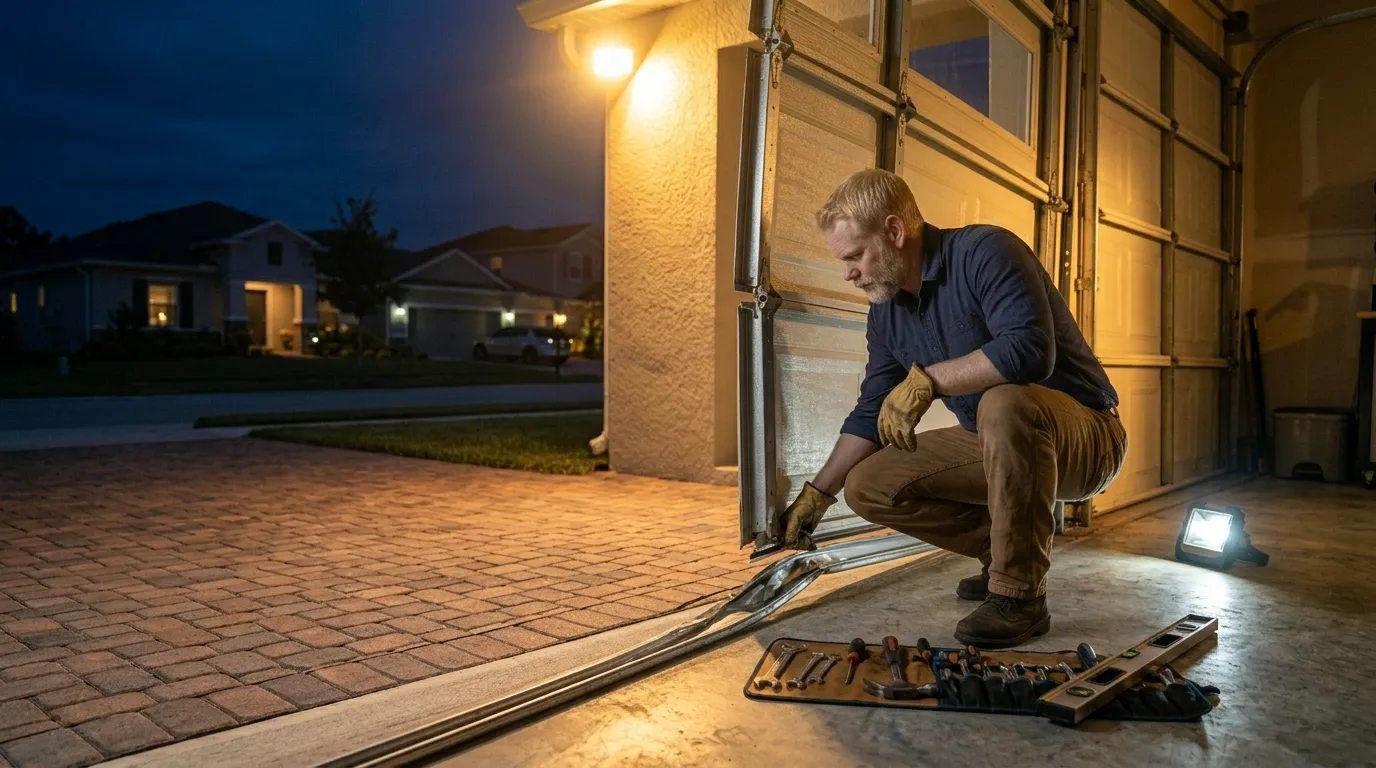
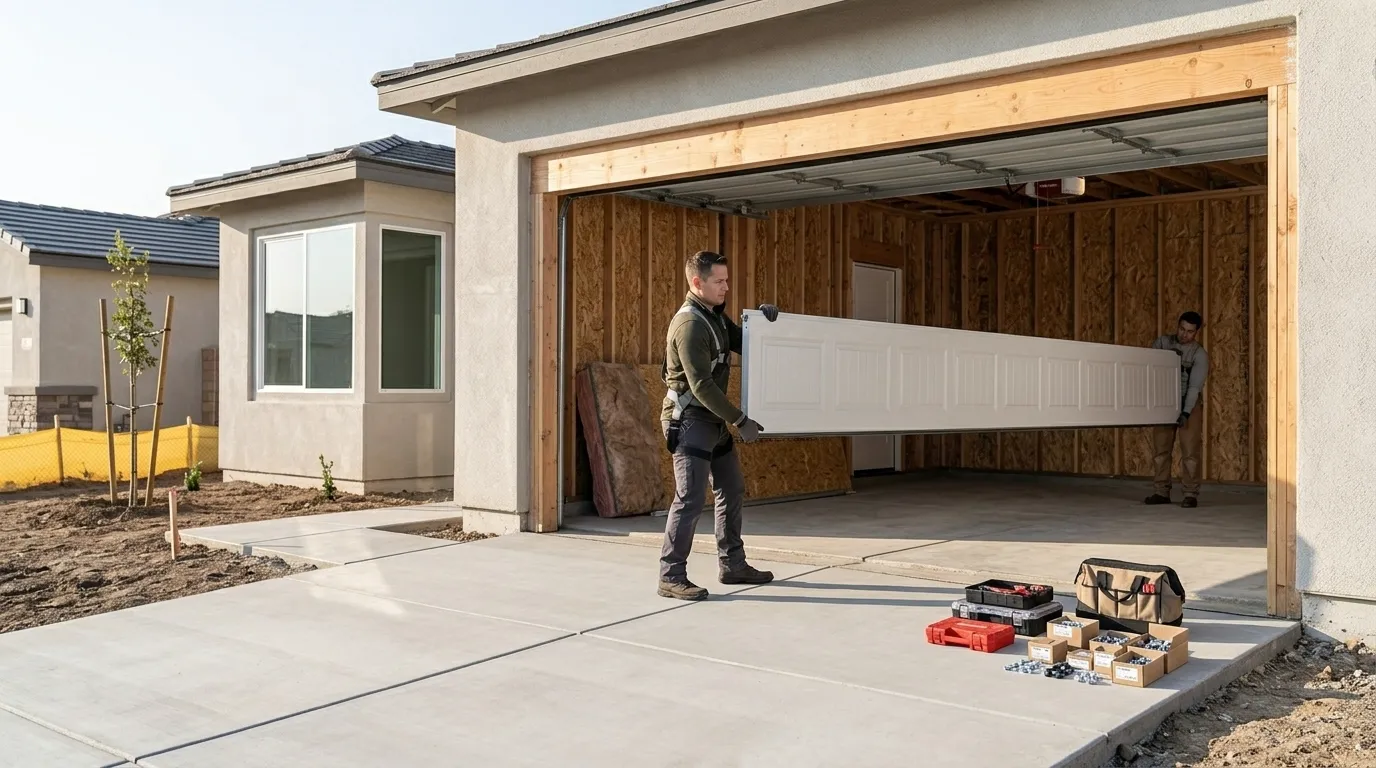
On-site diagnosis - Chicago garage door service

On-site diagnosis

A technician tests the door under power and by hand and finds what actually failed.

3
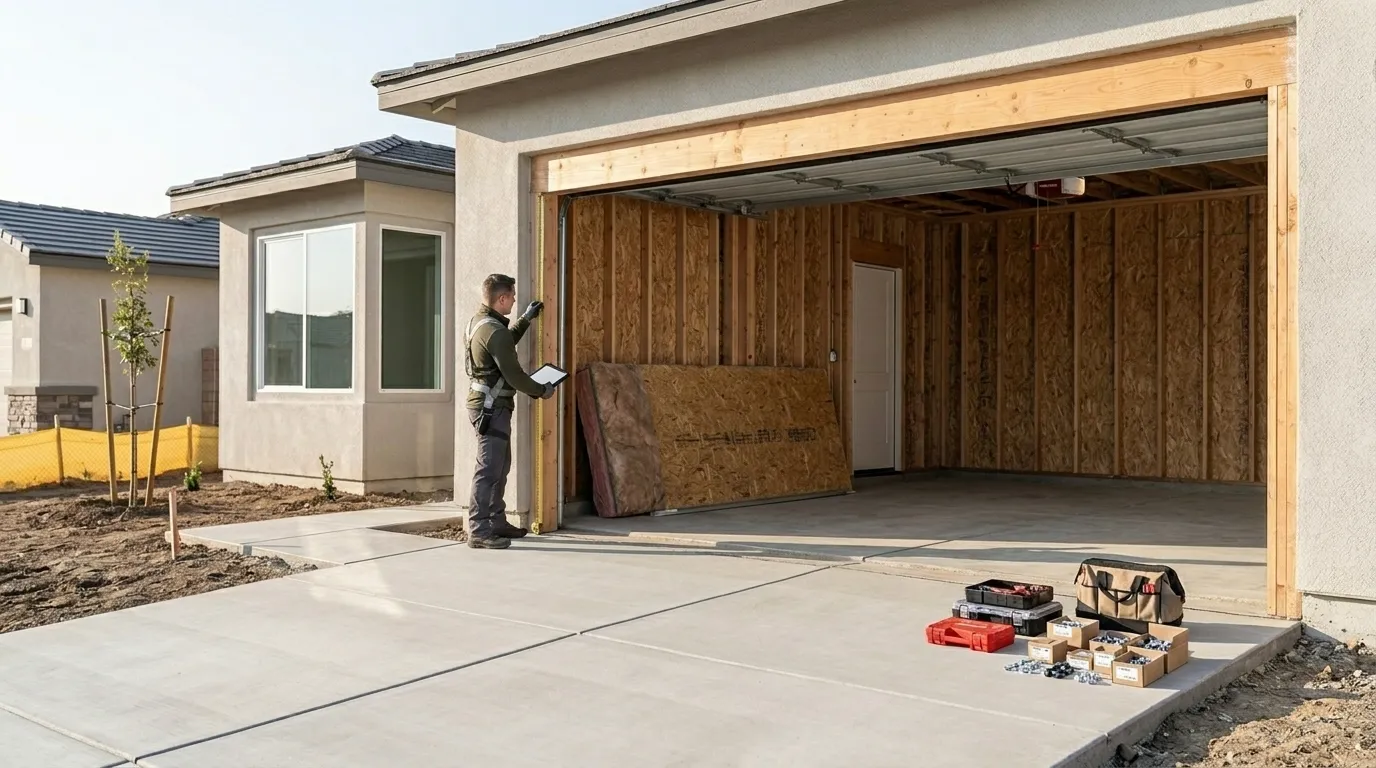
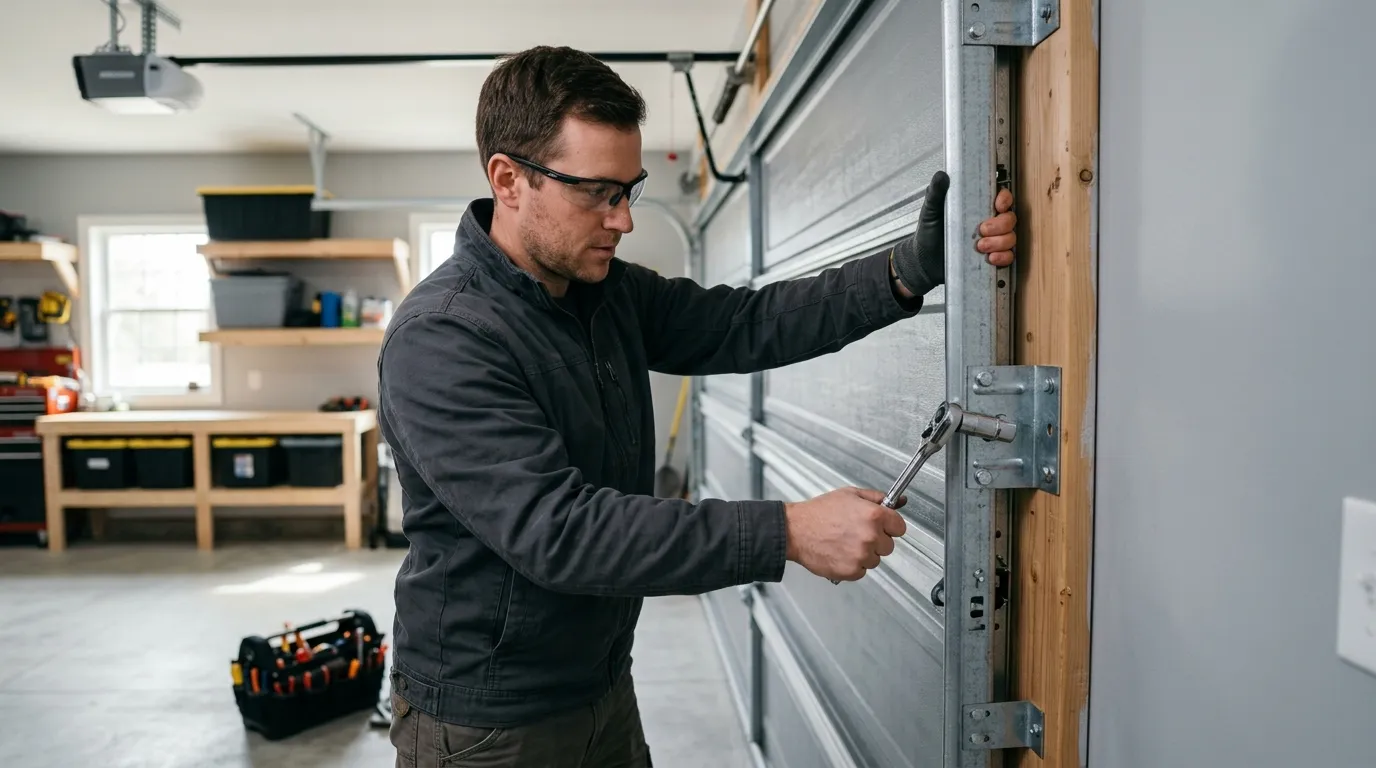
Clear, up-front plan - Chicago garage door service

Clear, up-front plan

You get the fix that’s needed and what drives the cost - before any work starts.

4
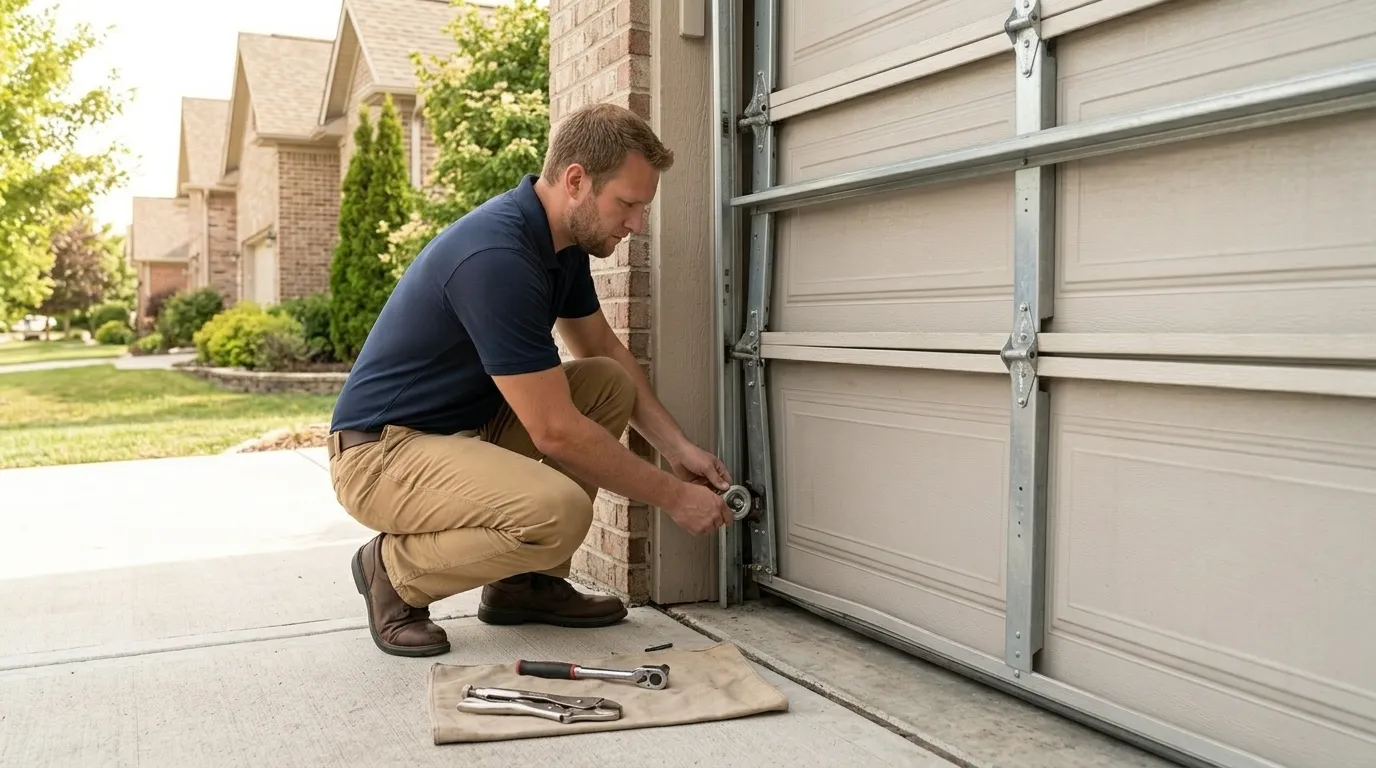
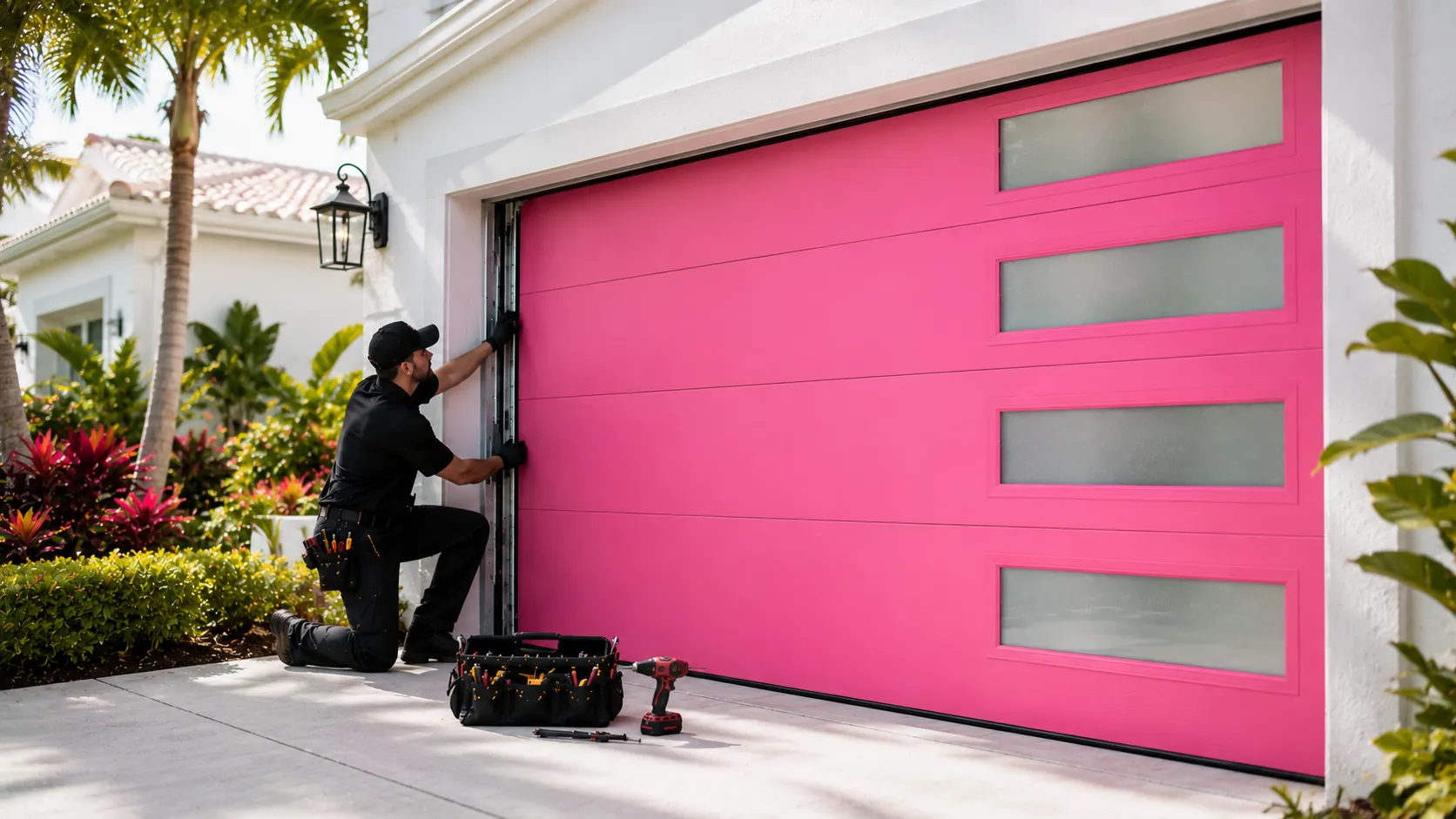
Repaired & tested - Chicago garage door service

Repaired & tested

The repair is done, the door is set true and tested, and the work area left clean.

Serving Chicago, IL - tell us what your door’s doing and we’ll take it from there.

How we work

What to expect

Diagnosis firstEvery visit starts by finding what actually failed - not a pre-written parts list.
The right part for the doorSprings and openers matched to the door’s weight and age, so the fix holds up.
Straight answersWhen a repair makes more sense than a replacement - or the reverse - you hear it plainly.
Clean, careful workTension released safely, hardware set true, the door tested under power before we leave.
2,664,452Residents in Chicago
8Garage door services
8Neighborhoods & suburbs
ILServing Chicago, IL
Questions

Frequently asked

Straight answers about garage door repair in Chicago. Still unsure? Ask us directly.

Why did my spring break with no warning?

Torsion springs fail by fatigue after a set number of open-close cycles, not because they got old on the shelf. Most Lemont doors are on newer, correctly-sized hardware, so the spring usually just reaches the end of its rated cycle life and lets go cleanly, often on a cold morning when the metal is stiffer.

Is it one spring or two on my door?

Most sectional garage doors, including the standard two-car doors common on Lemont's post-1980 housing stock, run on a pair of torsion springs on a shaft above the opening. If one breaks, the other is usually near the same cycle count, so most jobs replace both at once rather than risk a second failure soon after.

Can I just replace the broken spring myself?

We don't recommend it. A wound torsion spring holds enough stored tension to cause a serious injury if the winding cones slip or the bars aren't used correctly. Checking door balance by hand is safe; winding or unwinding the spring itself isn't a homeowner job.

How fast can someone get out to Lemont?

We run this call from Chicago, about 19 miles away, so we can't promise a walk-in response time the way a local depot might. We'll give you a real window when you call, and once the truck arrives, the spring swap itself is usually finished the same visit.

Ready to get your garage door sorted?

Tell us what it’s doing and where you are in Chicago - we’ll take it from there.

Request a QuoteCall