
The Complications
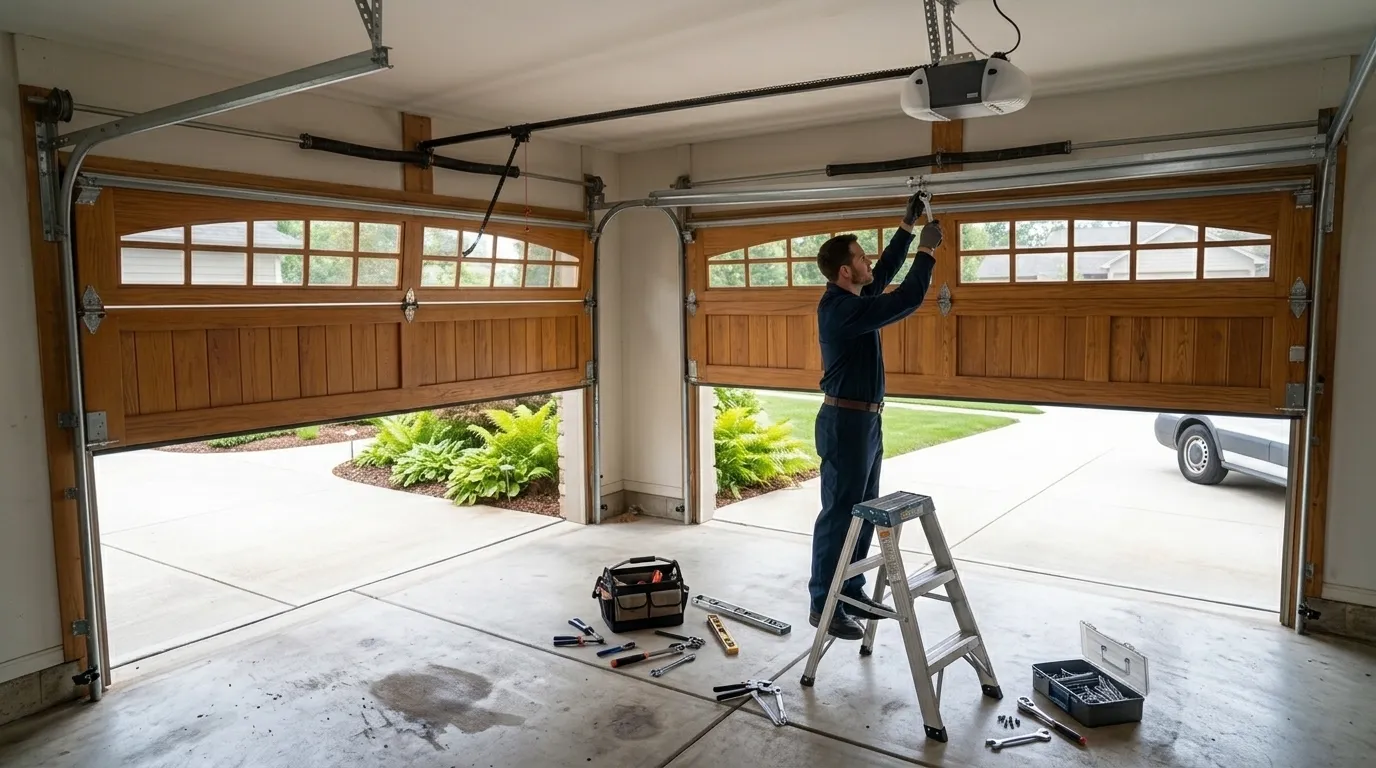
Westchester's housing stock centers on 1957, which puts it toward the newer end of the broader 1938-1994 range across this service area. That one detail changes what we find on a service call here versus a lot of other towns we cover. A door installed when a house went up in the mid-to-late 1950s often still has its original torsion spring, its original drums, and in some cases its original track - because nobody had a reason to touch it until it broke. That's not a guess about your specific house; it's what the build era tells us to expect before we even open the truck.
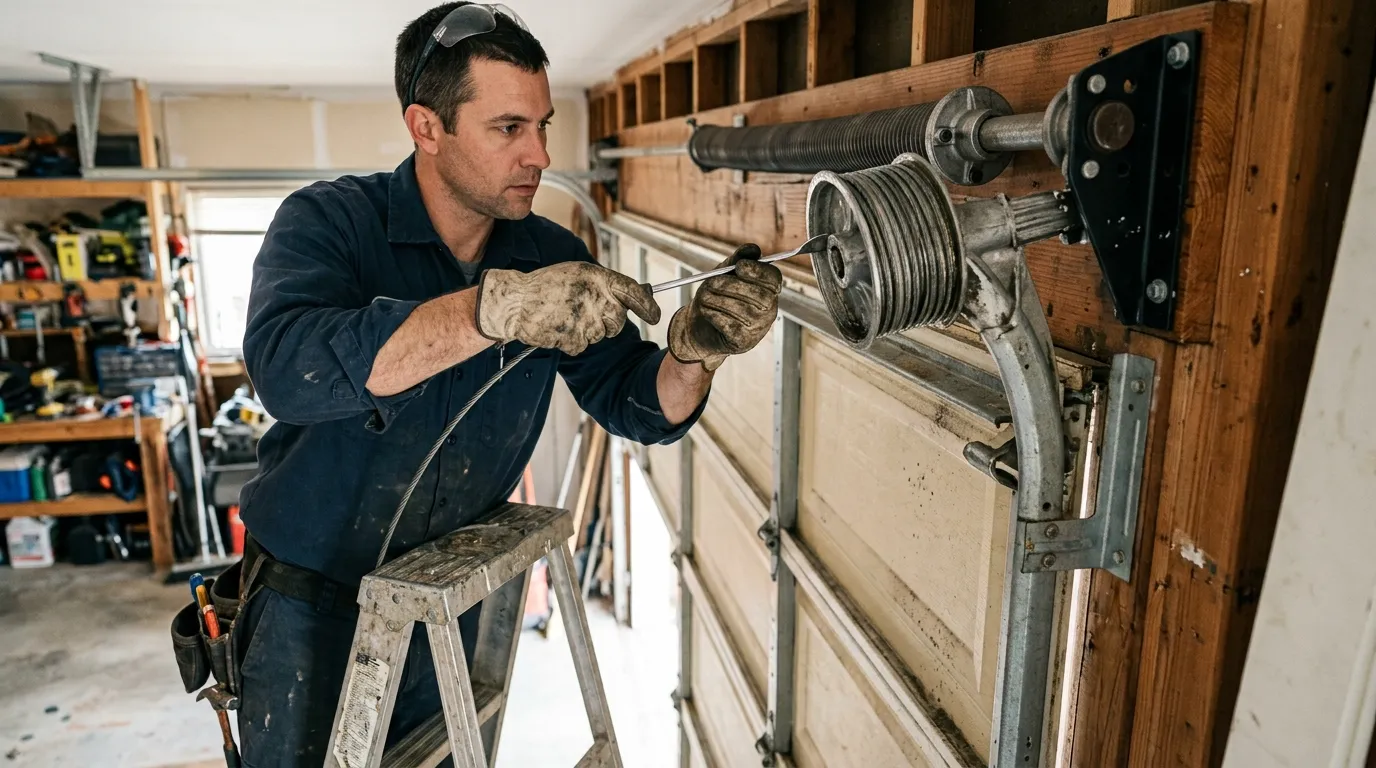
The complication is that original hardware from that period wasn't built to today's spec. Spring wire gauges, drum sizing, and track profiles shifted over the decades, so a broken spring on a 1957 door isn't always a straight swap with whatever a big box store carries. We check what's actually on the door before we quote anything, because guessing wrong means a second trip.
Westchester sits about 11 miles from Chicago, which is routine for us - we're not treating it as an outlying stop, just a longer stretch of the same drive we make daily across this area.
How Long It Takes
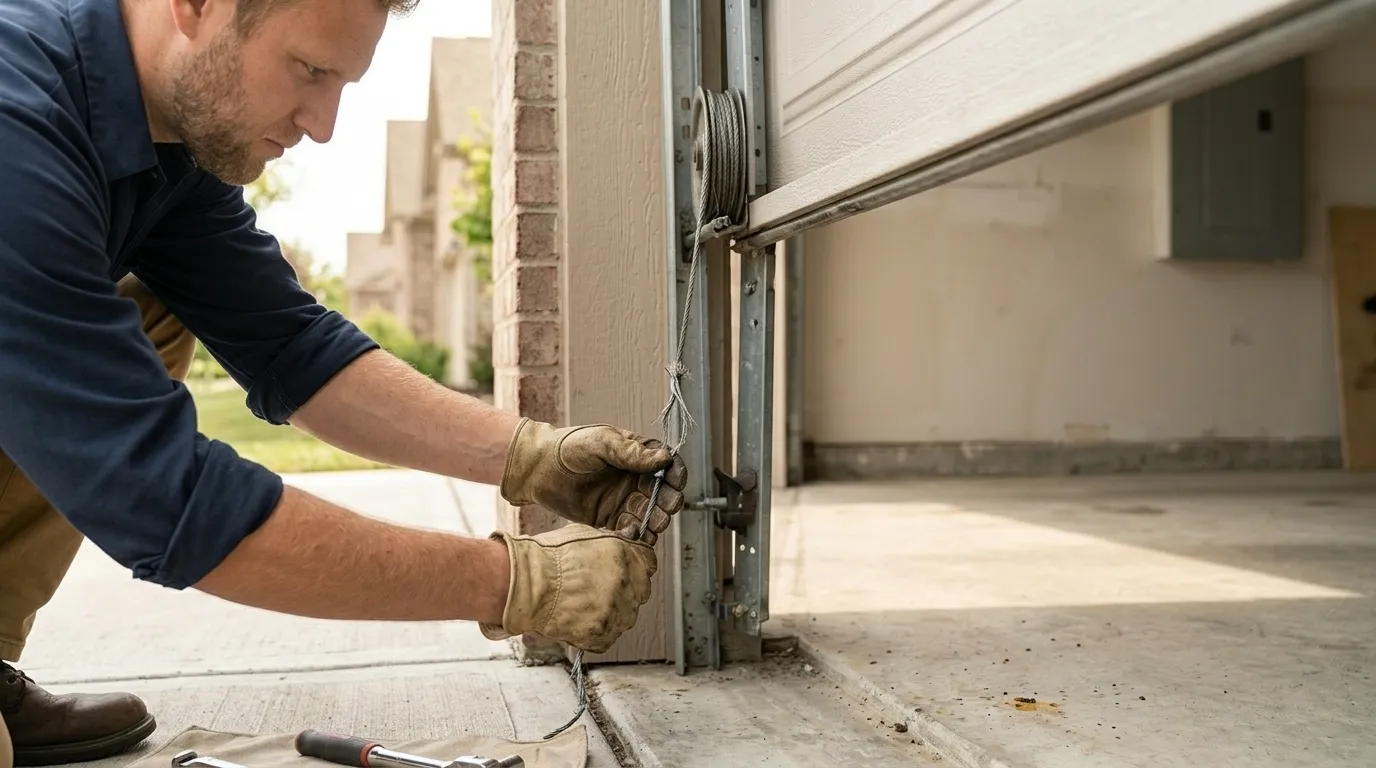
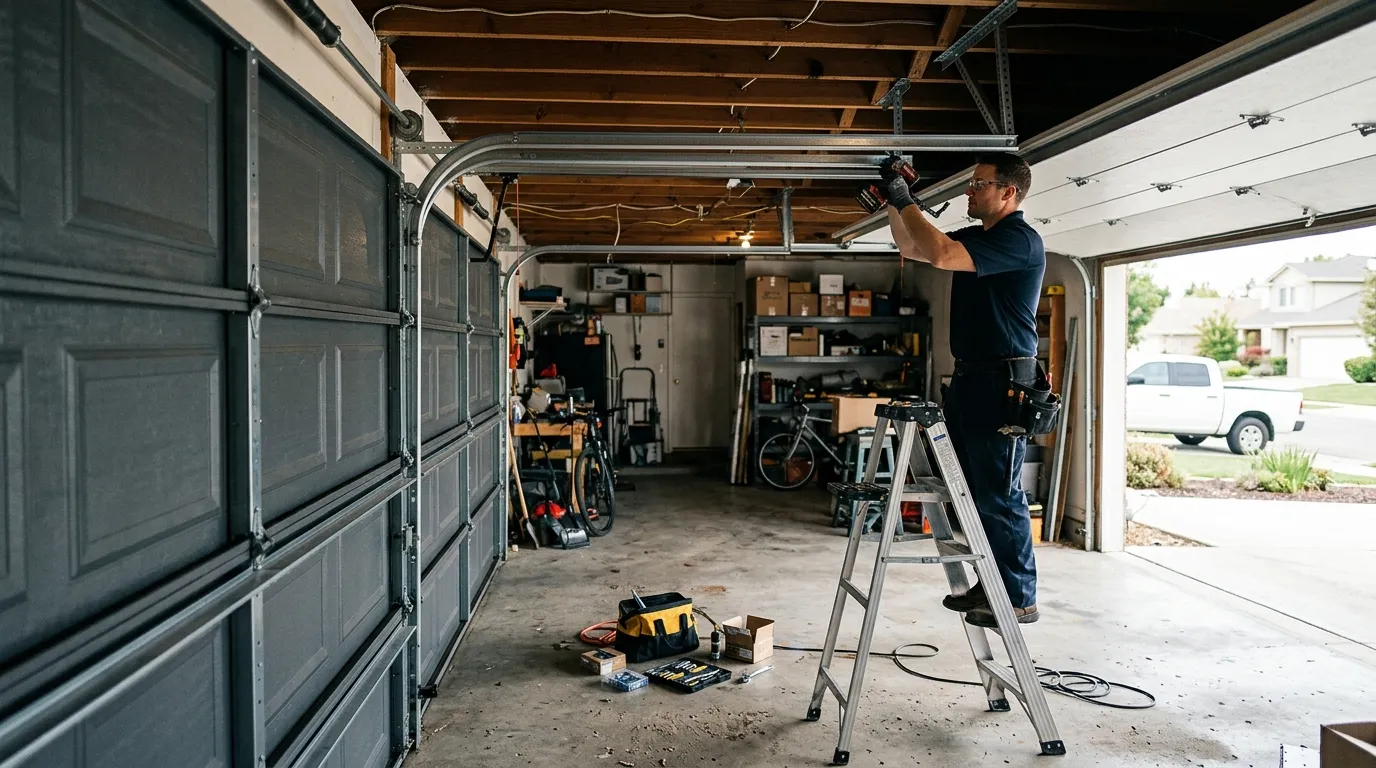
A straightforward spring replacement or cable repair on a single door is usually a same-visit job once we've confirmed what hardware is actually installed. Where original 1957-era parts are involved, the first part of the visit is diagnosis - matching spring wire gauge and drum size to what's on the door rather than assuming a modern equivalent fits. That adds time up front but saves a second trip.
If the track or drums themselves need replacing, not just the spring, expect more of the appointment to go to fitting and adjustment rather than a quick swap. We don't carry every obsolete part size on the truck for every call, so if we run into a hardware spec we don't have on hand, that's a legitimate reason for a follow-up visit rather than a rushed fix that won't hold.
The DIY Question
We'll say this plainly: don't touch a torsion spring yourself, on any door, of any age. That's not specific to Westchester - it's true everywhere, and it's the one repair where a wrong move can put someone in the hospital. What is worth knowing before you call anyone is whether your door's hardware looks original to a house built around 1957 (thicker, older-style springs and drums, sometimes a different track profile) or whether a previous owner already replaced it. That one observation changes how a repair gets quoted, and you don't need tools to make it - just a look with the door closed and the opener disconnected.
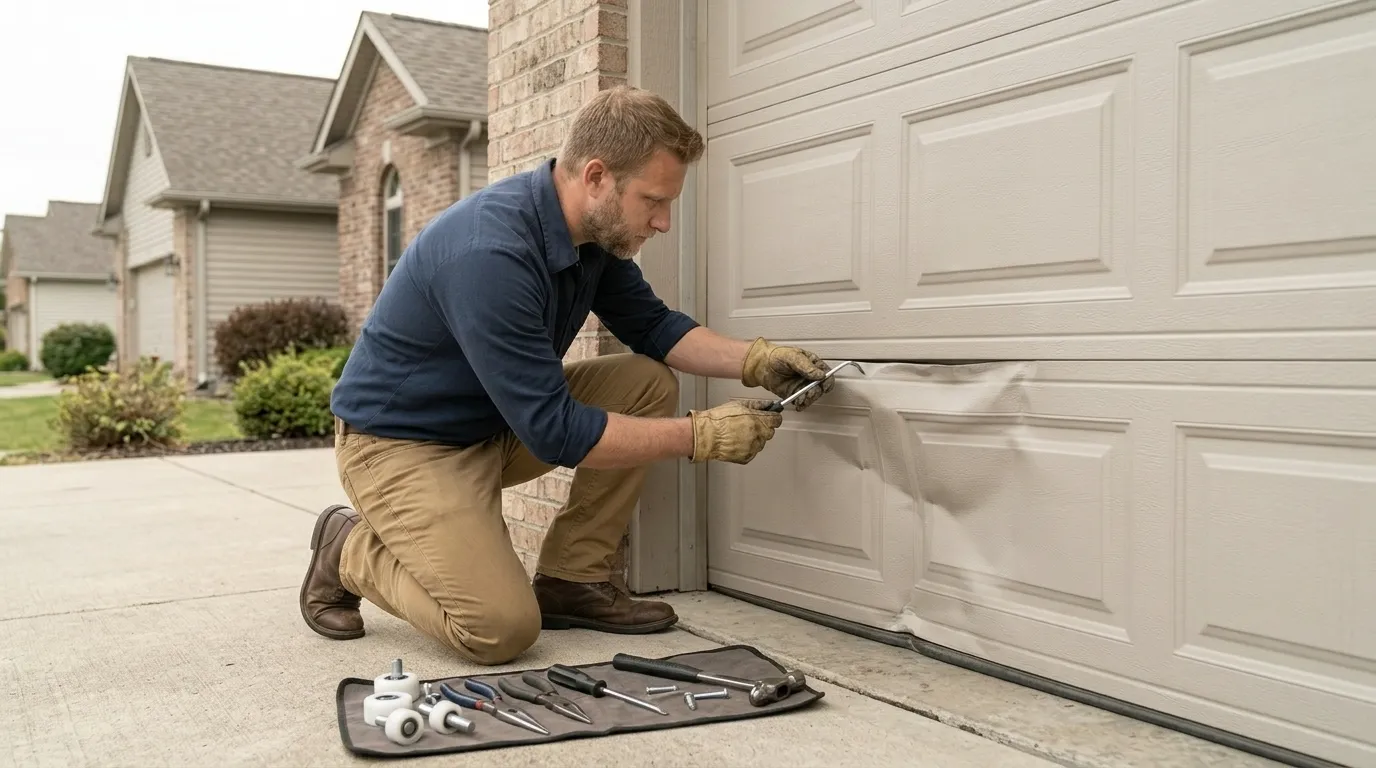
What you can reasonably do yourself: lubricating rollers and hinges, checking that the photo-eye sensors are aligned, and tightening loose bolts on the track brackets. None of that touches the spring system, and all of it is honest maintenance that extends the life of whatever hardware you've got, original or not.