The Complications
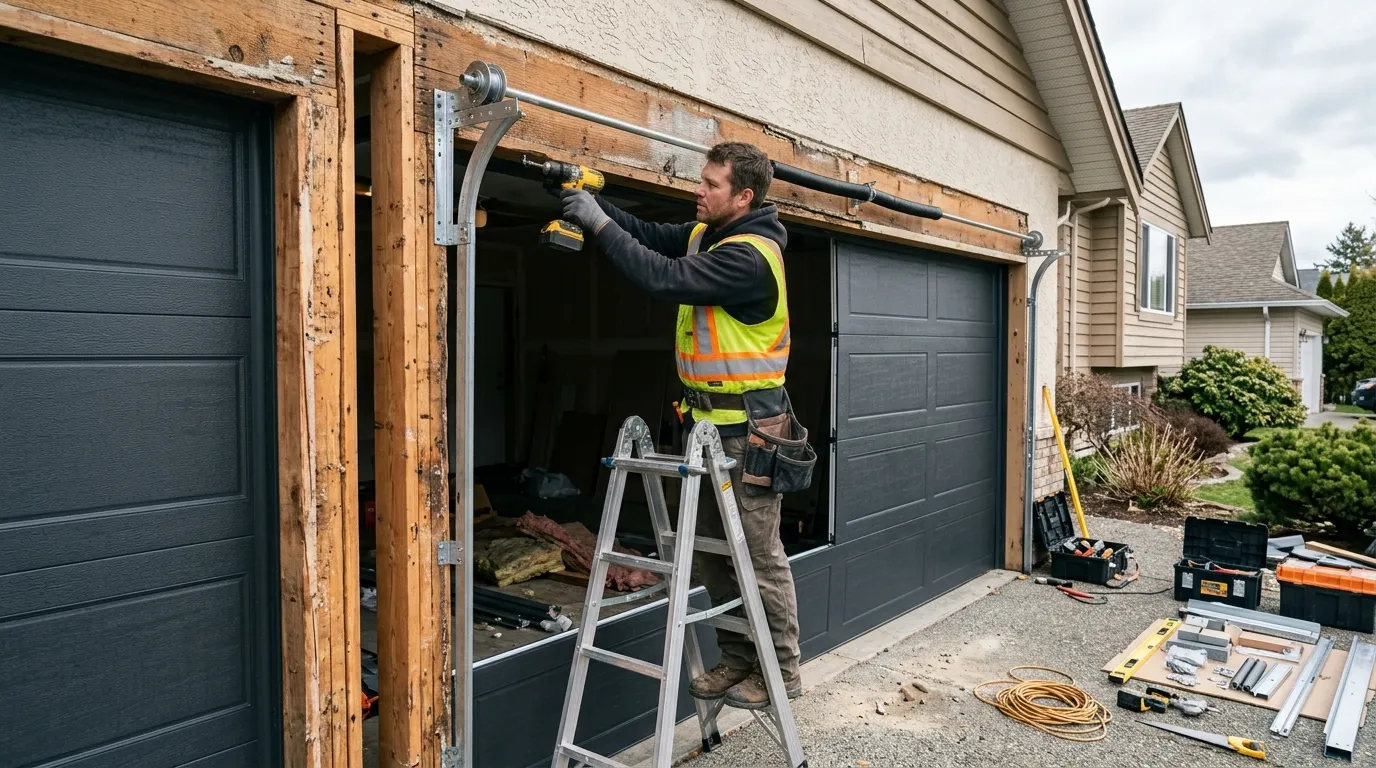
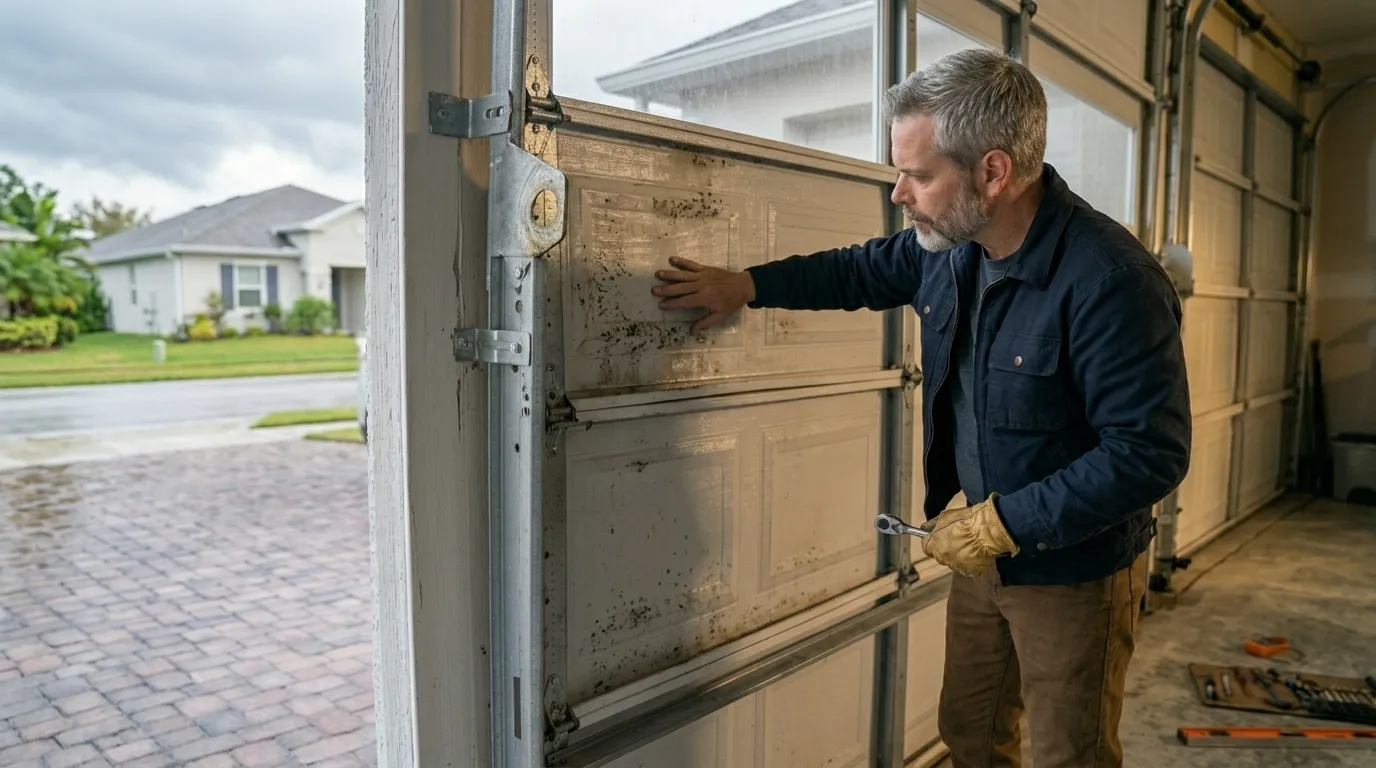
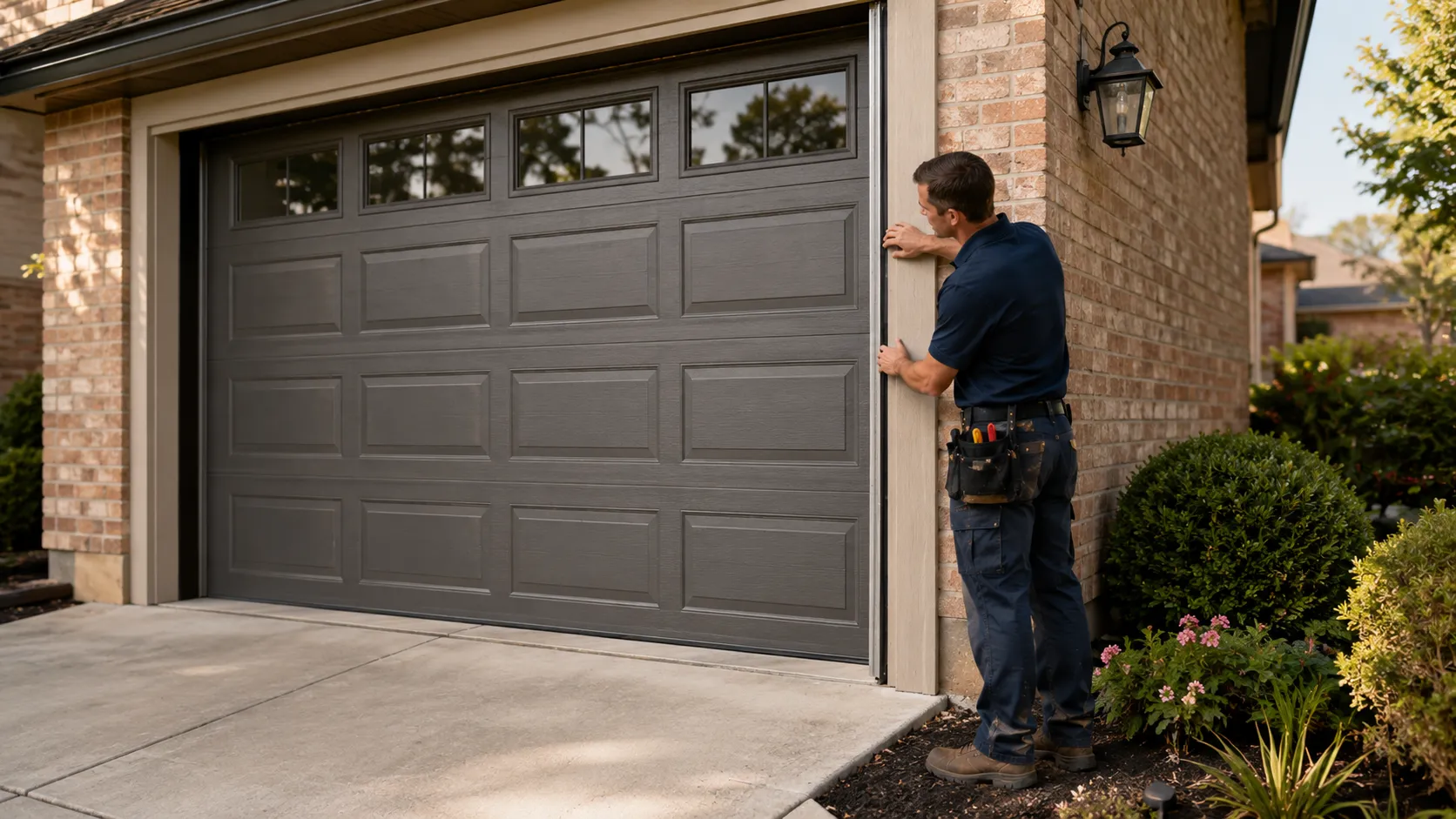
Most garages in Westchester went up around 1957, and the doors that came with those houses were built to a different standard than what you'd buy today. A lot of them are single-layer steel, sometimes still the original wood panel door if nobody's replaced it, hung on tracks sized for a lighter door than the insulated steel or composite units sold now. The openers, when they exist at all from that era, have long since been swapped for something newer, which means you often get a modern opener bolted onto 1957 track and hardware that was never designed to carry it. That mismatch is the root of a lot of service calls here - not a single dramatic failure, but a slow grind where the opener strains against hardware that's fighting it the whole way. Single-car garages are common on these lots, so the door itself tends to be narrower than the double-wide doors you see in newer subdivisions, which changes what spring weight and cable length actually fit. If you're calling about a door that's suddenly noisy, slow, or catching partway up, there's a decent chance the door and the opener are simply from two different eras and nobody's ever reconciled the two.We come out from Chicago, about 11 miles, so we bring what a house like this actually needs rather than guessing at a generic size.
How Long It Takes
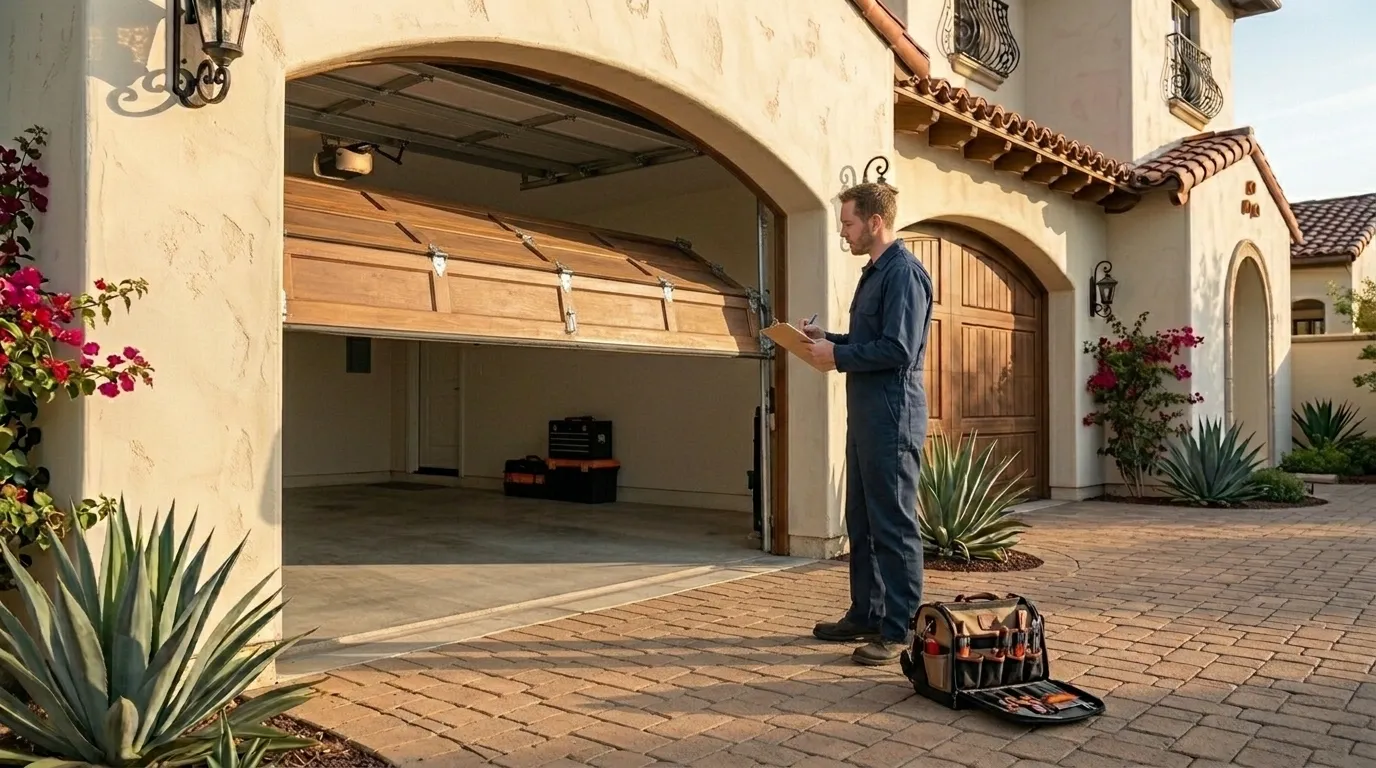
A straightforward spring or roller job on a single door doesn't take long once we're on site with the right parts. The harder cases are the ones where the opener and the door hardware are mismatched generations - sorting out whether the track, the spring, or the opener itself is the actual point of failure takes longer than swapping one obvious part. We don't pad the estimate to sound thorough, but we also won't tell you a fifteen-minute fix if the real job is untangling three decades of prior repairs stacked on top of each other. If parts for an older wood panel door aren't something we stock on the truck, that adds a wait - which is the honest limitation here: original 1950s hardware isn't something every supplier carries, and matching it sometimes means a second visit instead of one.
The DIY Question
If your door is one of the original units from the 1957-era wave of construction, we'd rather you not open the spring side yourself. A torsion spring on a door that old is often under different tension than what current instructions assume, and the bracket it's mounted to has had a long time to fatigue. Lubricating hinges, checking the weatherstrip, tightening visible bolts - fine, do that. Replacing a spring, a cable, or diagnosing why an opener is straining against old track is where we'd say call it in. It's not about difficulty so much as the fact that a spring failure on the wrong side of the door can put real force into a small space fast, and there's no way to know how much fatigue is already in a bracket that's outlasted three or four homeowners.