The Complications
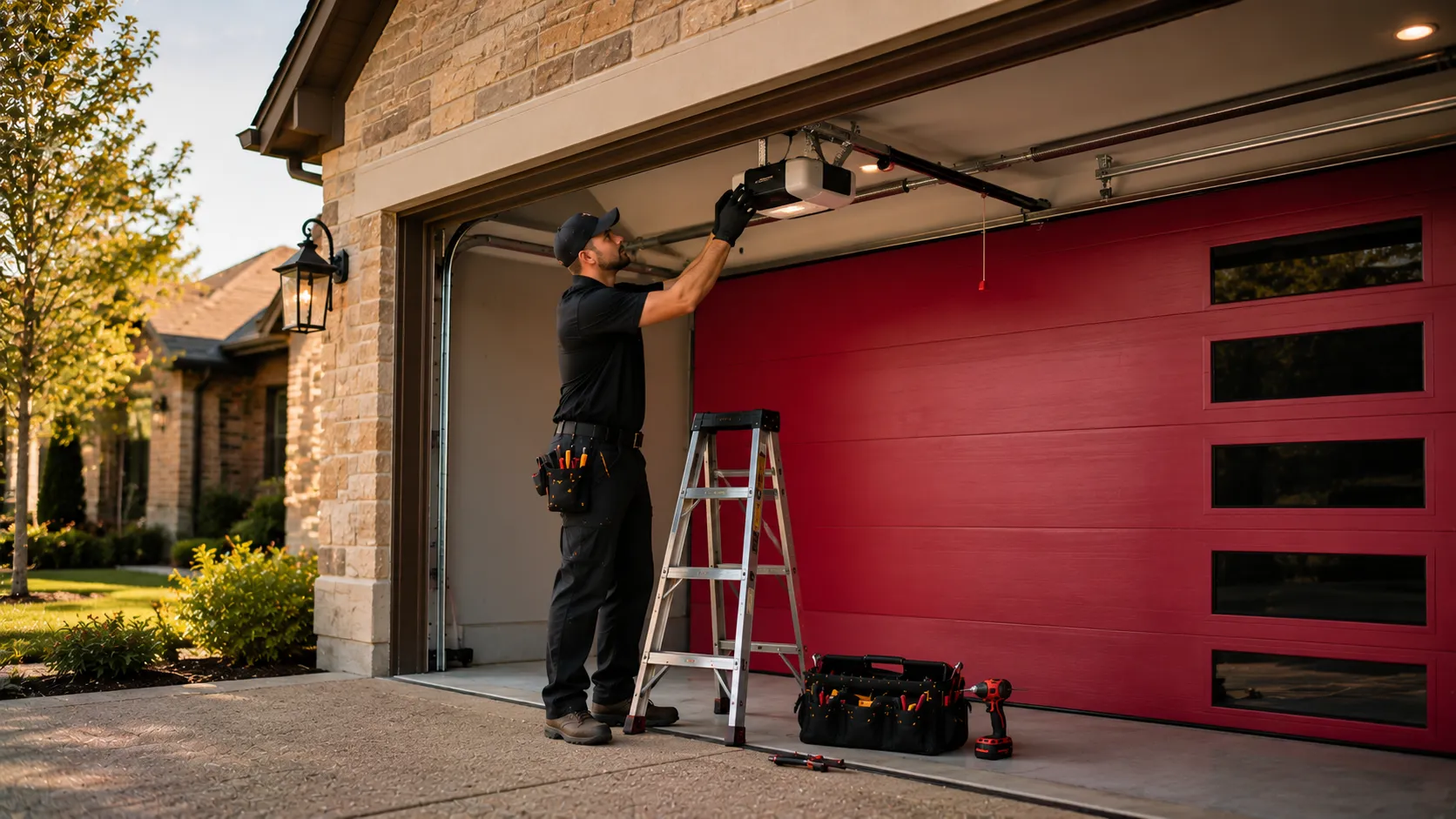
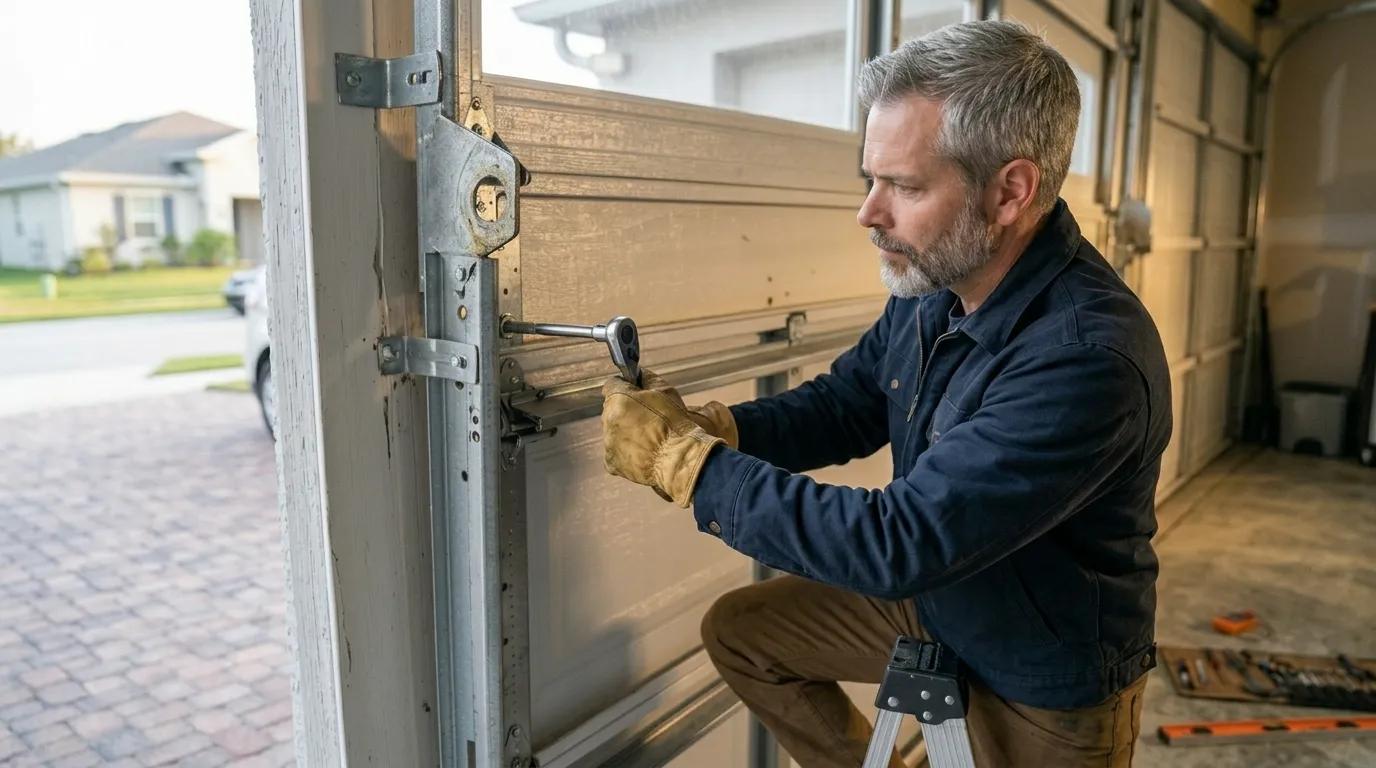
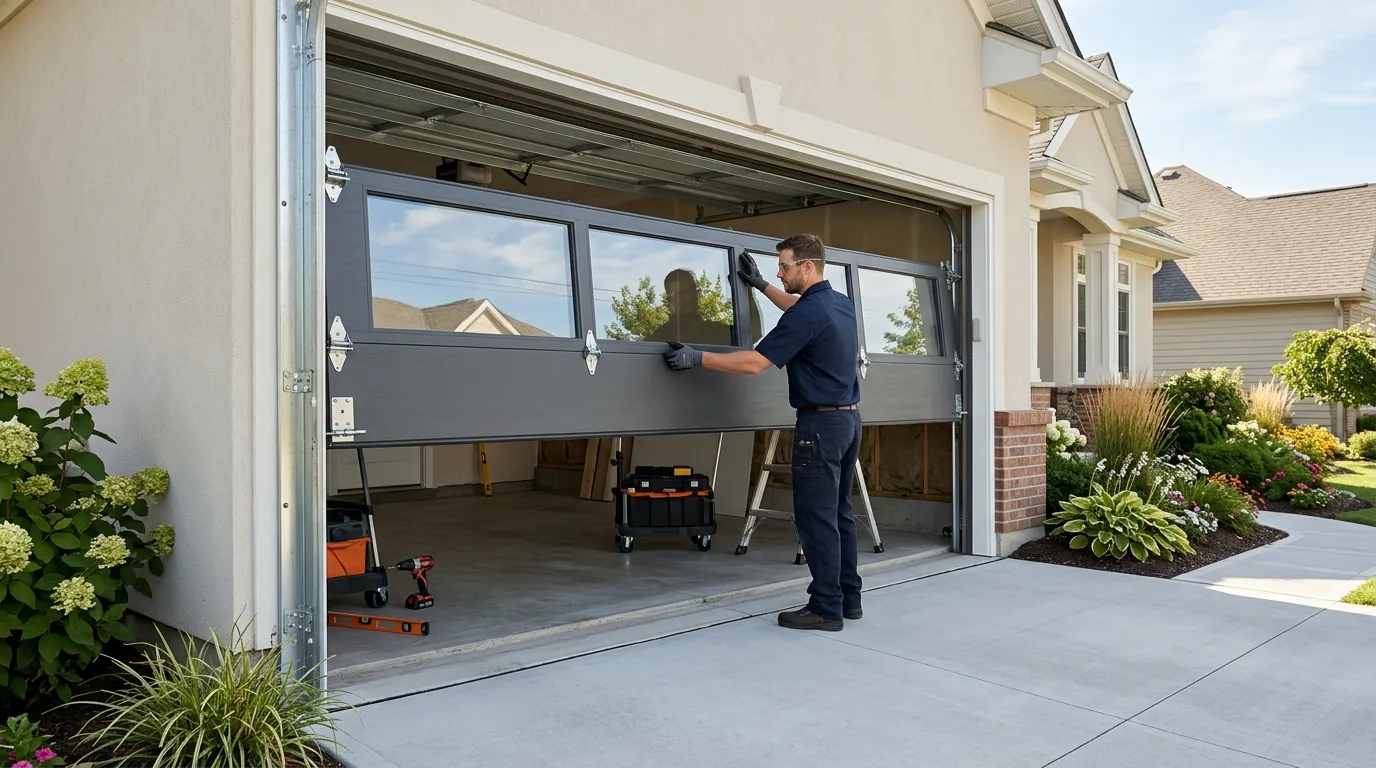
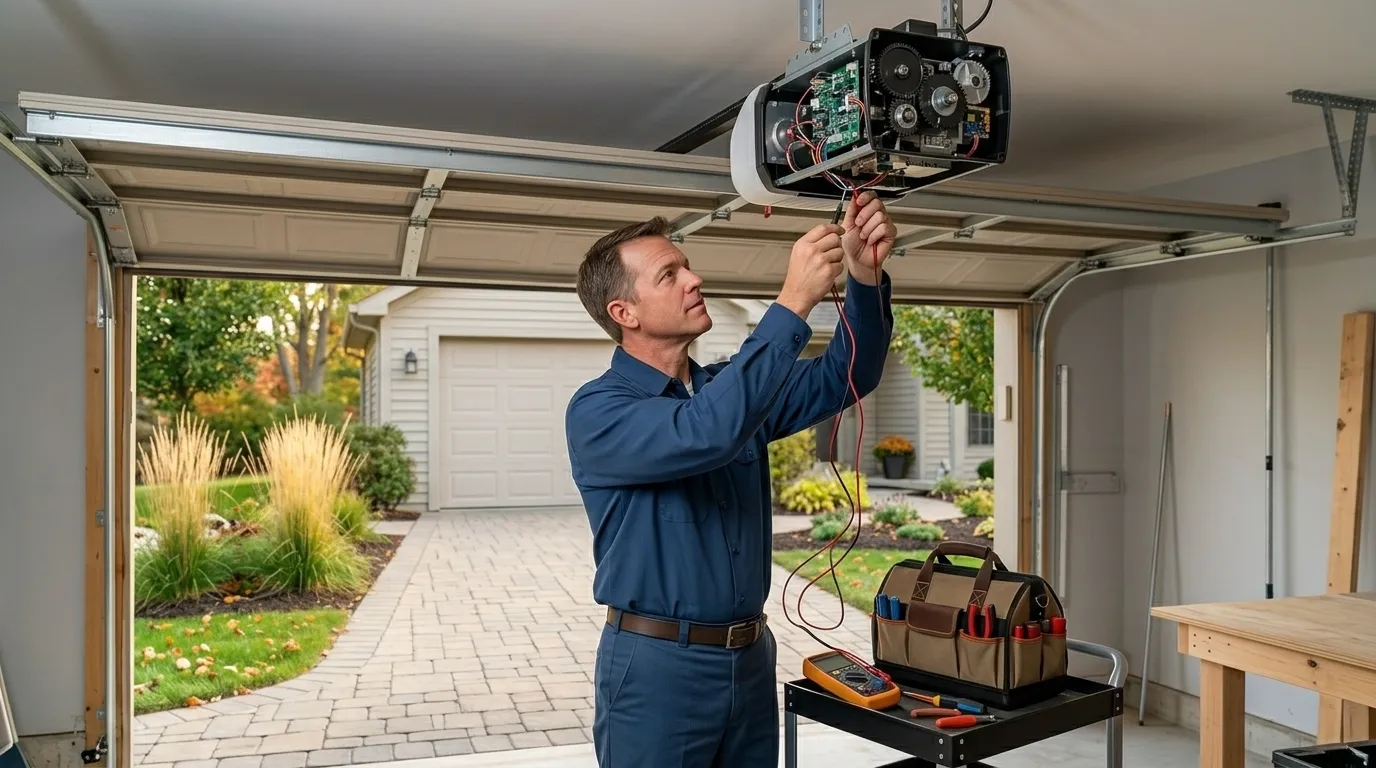
Most of Chicago's own housing stock runs newer than what you'll find here. Across the wider service area, homes went up anywhere from 1938 to 1994, with the median landing around 1964. Westchester sits ahead of that median at 1957, which means a bigger share of its garages were built for openers that predate anything you'd find on a store shelf today. That gap matters more than it sounds. A house from 1957 usually still has its original framing and header height, even if the opener itself has been swapped once or twice since. What we run into is a mismatch: a newer belt-drive or screw-drive unit bolted onto a bracket and rail setup sized for a much older chain-drive, or wiring that was never updated to match. The fix isn't always the opener - sometimes it's the mounting the last install ignored. We also see logic boards failing on units old enough that the manufacturer doesn't support them anymore, which turns a repair call into a straightforward swap instead.
How Long It Takes
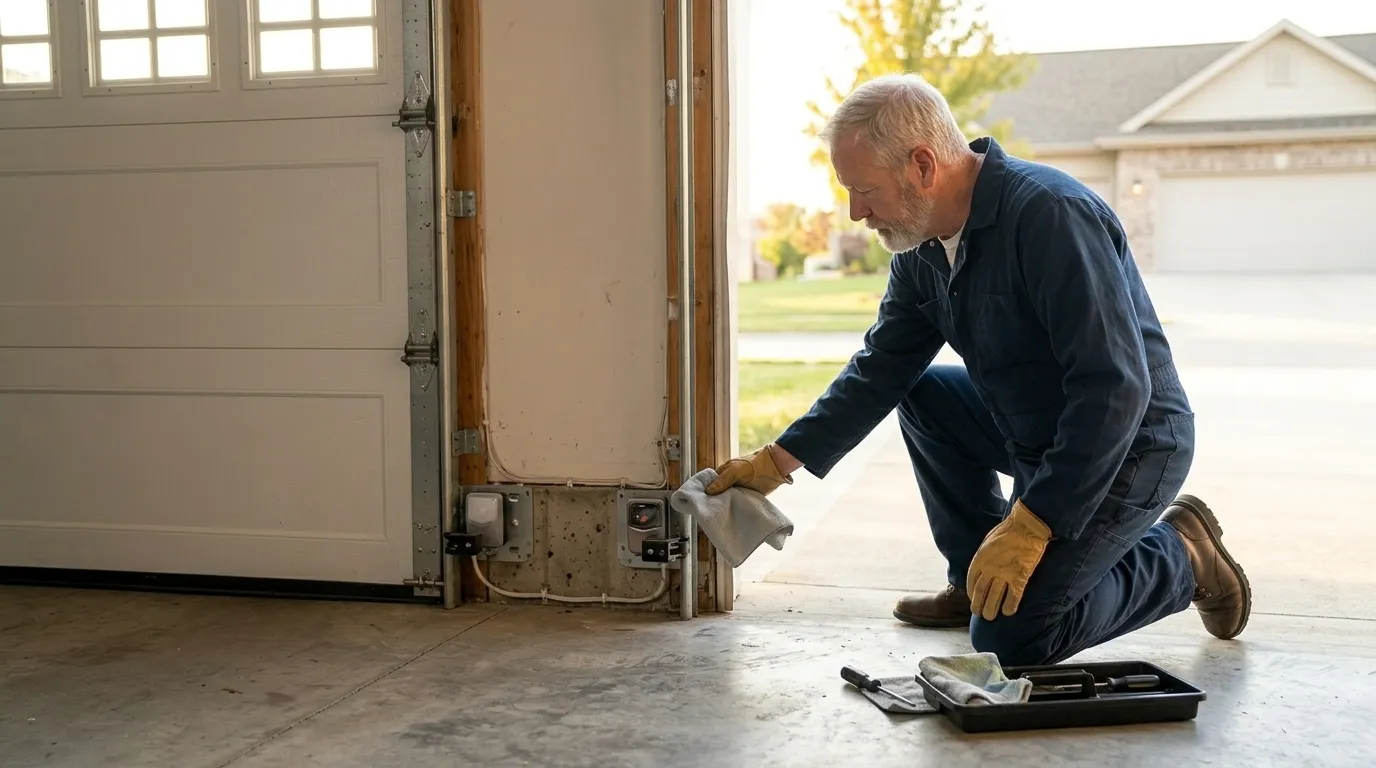
Most opener repairs here are a single visit, once we're on site and looking at the actual mounting and wiring. We travel to Westchester from Chicago, roughly 11 miles out, so we don't hold a local stock of parts at the property - what's on the truck is what we carry. Straightforward jobs, like a failed capacitor, a stripped gear, or a bad wall switch, get done same visit. Where it runs longer is boards for older, discontinued opener models, or when the bracket and rail need rework to match a newer motor. We'll tell you on site whether it's a same-visit fix or a return trip for a part, and we won't guess at a timeline before we've had the cover off the unit.
The DIY Question
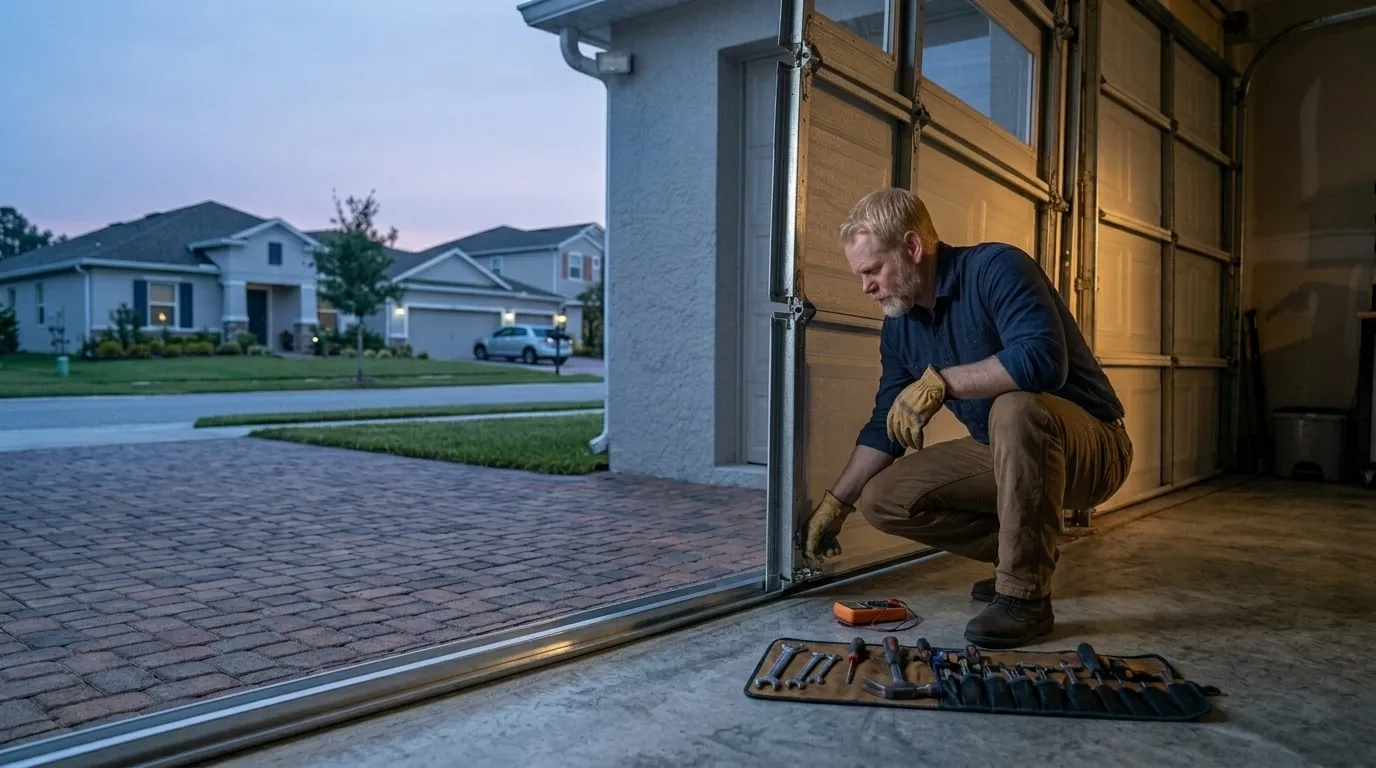
Swapping a remote battery or reprogramming a keypad is fine to do yourself. Diagnosing why the opener reverses on its own, or why the motor runs but the carriage doesn't move, is not - not because it's complicated, but because a wrong guess on a chain-drive unit from a 1950s-era house can mean working near a loaded spring system without knowing it. Here's the honest limit: if your opener is old enough that the manufacturer no longer makes the logic board, we won't chase a repair that outlives the part. At that point replacement is the straightforward call, and we'll say so instead of billing you for a fix that won't hold. On income terms, this area runs well above the wider service area's median - $103,561 here against roughly $80,202 across the broader footprint - which is worth knowing before you decide whether a $40 part or a full opener swap is the better spend.