Serving Chicago, IL & nearby
(708) 630-7529
Chicago, IL

Garage Door Maintenance for Westchester's 1950s Housing Stock

Westchester homes average 1957 construction with original hardware still in service. At $103,561 median income, most owners here fix the door instead of replacing it. See what that means.

Garage Door Maintenance for Westchester's 1950s Housing Stock
Chicago, IL
8 services
8 service areas
Diagnosis first, then the fix

The Complications

Start with the money, because it decides what this visit is actually for. Westchester's median household income runs $103,561, well above the $80,202 median across the wider service area. That gap matters on a maintenance call: at this income level, most owners here are not choosing between a $200 tune-up and a new door out of necessity - they can afford either, so the real question is whether the existing door is worth keeping. For a house built around 1957, the answer is usually yes. A door from that era, kept lubricated and balanced, often has another decade in it. The complication isn't cash. It's that a lot of these doors were installed or replaced once, decades ago, with hardware that doesn't match what's on the shelf at a home center today. A torsion spring rated for a wood door from 1957 doesn't drop onto a steel door bought in 2003. Maintenance here means checking what's actually on the track before assuming a part is a part. We work from Chicago, 11 miles out, so a maintenance visit gets scheduled, not walked over - plan the call rather than expecting a same-day drop-in.

What Causes It Around Here

Across the broader area, housing runs 1938 to 1994 with a median build year of 1964, and Westchester sits earlier than that median at roughly 1957. Houses from this period were built with steel or wood doors on standard torsion springs, mounted on hardware that wasn't engineered for the openers added later, in the 1980s and 90s, when automatic openers became common upgrades rather than original equipment. That mismatch - 1950s door structure carrying a bolted-on opener from thirty years after - is the single biggest driver of maintenance calls in a neighborhood built to this timeline. The other driver is the cold. This area sits in a moderate-cold climate band, meaning steel contracts, grease stiffens, and rollers that were fine in August bind by January. Neither of those causes is unique to Westchester's zip code, but the combination - older hardware plus seasonal cold cycling - is what shows up on a service ticket here more than in newer construction nearby.

How Long It Takes

A standard maintenance visit - lubrication, balance check, hardware inspection, opener sensor check - takes under an hour once the truck is on site, whether the door is on original 1957 hardware or a replacement unit installed later. What changes the visit is what we find. If the springs are original or close to it, we're not swapping parts as part of maintenance; we're flagging what's close to end of life so you can plan the replacement before it snaps on a Tuesday morning. If the opener travel and force settings haven't been touched since installation, adjusting them adds maybe fifteen minutes. The honest limitation: we don't stock every spring size on the truck for hardware this old. If a 1957-era door needs a spring that isn't a common stocked size, that's a second trip, not a same-visit fix. We'd rather tell you that up front than have you wait around for a part that isn't in the van.

The DIY Question

Lubricating hinges and rollers, wiping down tracks, and testing the auto-reverse safety feature are all reasonable for an owner to do without calling anyone. What isn't reasonable, especially on a house from this era, is touching the torsion spring. Springs on doors installed when this neighborhood was built are under real tension, and the winding cones on older hardware weren't standardized the way current parts are - a wrench that fits one system doesn't necessarily fit another from a different decade. At a median income of $103,561, the math on a service call almost always favors paying for the twenty minutes of spring work rather than the emergency room bill if it lets go in your hands. Everything else - checking for rust on the track, listening for grinding in the opener motor, testing whether the door reverses when it hits resistance - costs nothing but attention, and catching it early is what keeps the maintenance call cheap instead of a repair call.
How it works

From “it’s stuck” to “it’s fixed”

1
Tell us what’s wrong - Chicago garage door service

Tell us what’s wrong

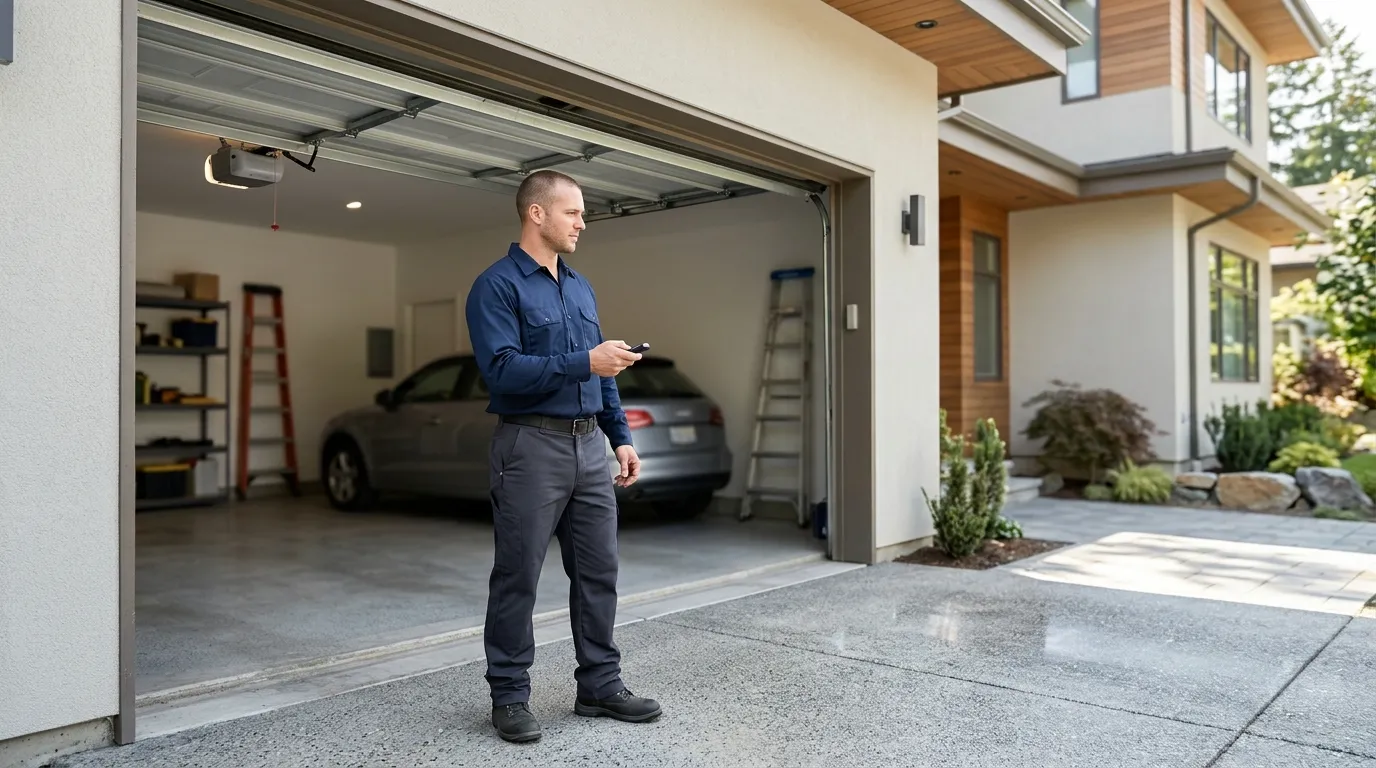
Describe the symptom - won’t open, loud bang, opener runs but the door won’t move.

2
On-site diagnosis - Chicago garage door service

On-site diagnosis

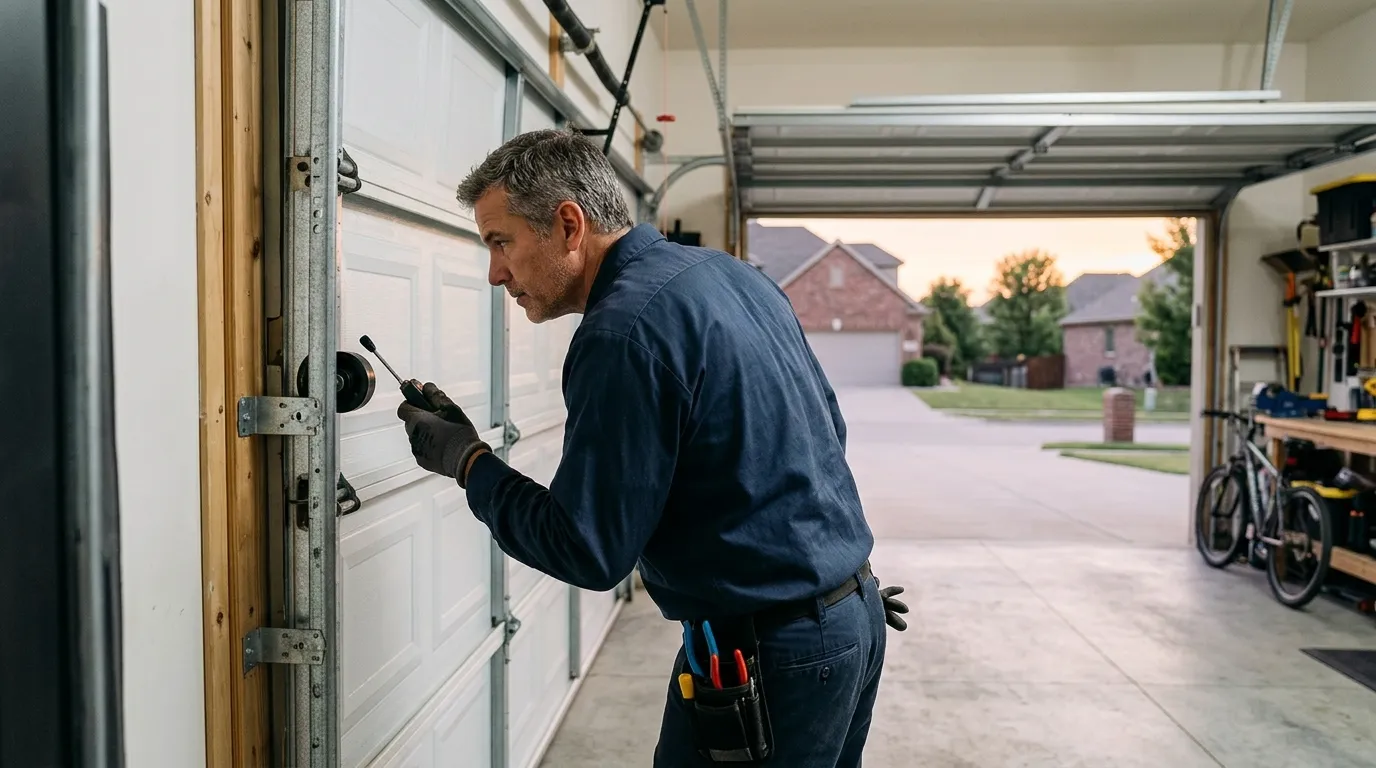
A technician tests the door under power and by hand and finds what actually failed.

3
Clear, up-front plan - Chicago garage door service

Clear, up-front plan

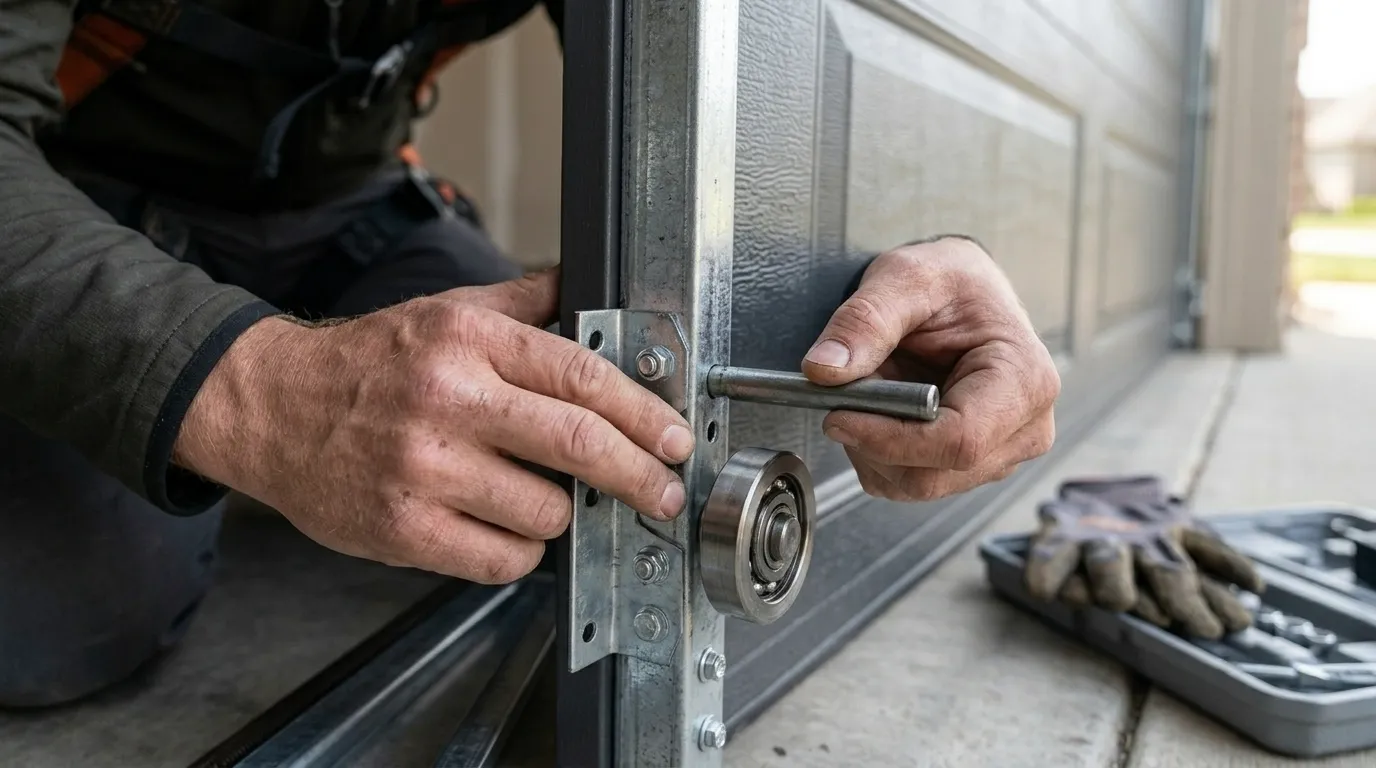
You get the fix that’s needed and what drives the cost - before any work starts.

4
Repaired & tested - Chicago garage door service

Repaired & tested

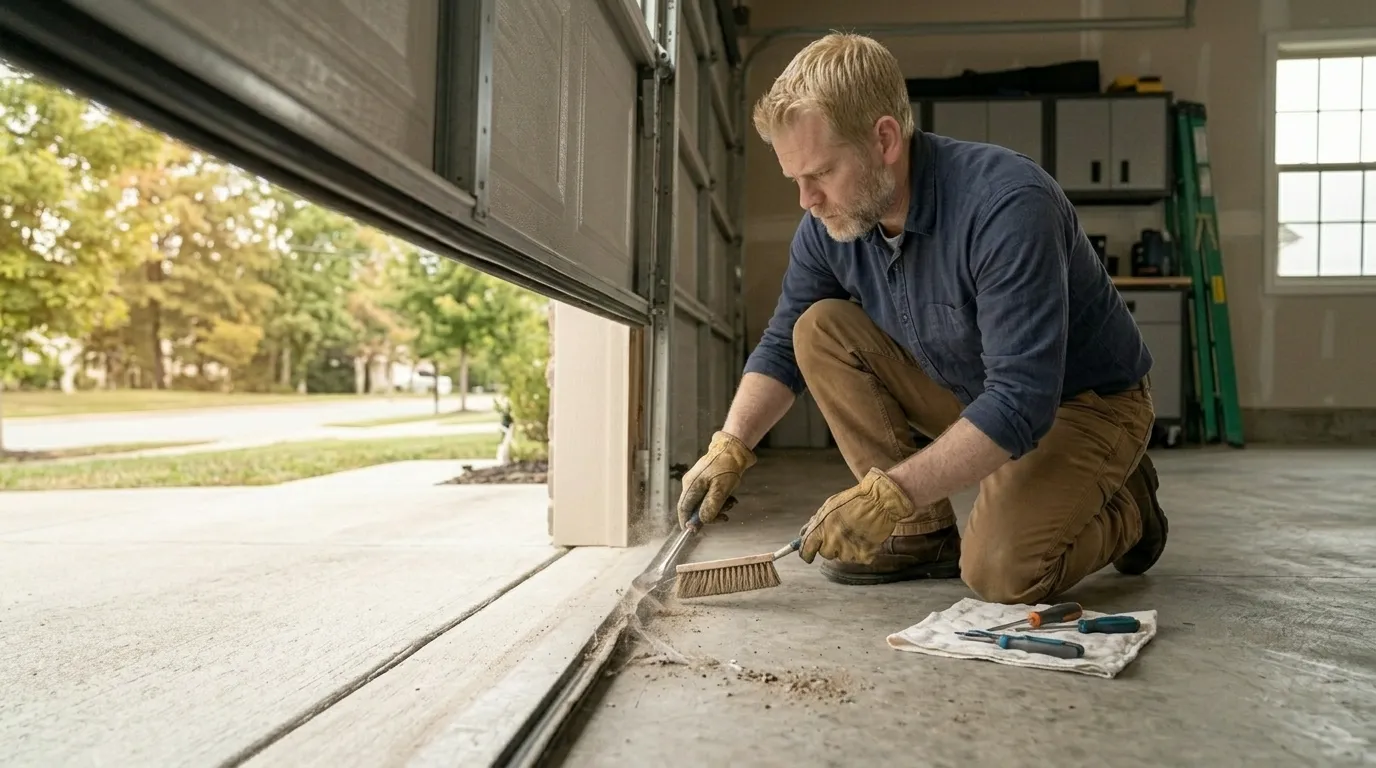
The repair is done, the door is set true and tested, and the work area left clean.

Serving Chicago, IL - tell us what your door’s doing and we’ll take it from there.

How we work

What to expect

Diagnosis firstEvery visit starts by finding what actually failed - not a pre-written parts list.
The right part for the doorSprings and openers matched to the door’s weight and age, so the fix holds up.
Straight answersWhen a repair makes more sense than a replacement - or the reverse - you hear it plainly.
Clean, careful workTension released safely, hardware set true, the door tested under power before we leave.
2,664,452Residents in Chicago
8Garage door services
8Neighborhoods & suburbs
ILServing Chicago, IL
Questions

Frequently asked

Straight answers about garage door repair in Chicago. Still unsure? Ask us directly.

Is it worth maintaining a door this old instead of replacing it?

For a door built around 1957 that's been kept in reasonable shape, yes - maintenance is far cheaper than replacement and usually buys real years, especially if the spring and rollers haven't already failed. Replacement makes sense once the drum, track, and spring are all near end of life at the same time, not before.

Do you have a location in Westchester?

No. We're based in Chicago and travel out to Westchester, about 11 miles, for scheduled visits. There's no local branch or same-day walk-in here - plan the appointment rather than expecting immediate arrival.

Why does cold weather affect my garage door here?

This area sits in a moderate-cold climate band, so grease in rollers and hinges stiffens in winter and steel components contract slightly. On older hardware, that stiffening shows up as noise, resistance, or a door that struggles to open fully until it warms up.

Can I do garage door maintenance myself?

Basic tasks - lubricating hinges and rollers, checking the auto-reverse safety feature, wiping down tracks - are fine to do yourself. Torsion spring work is not, particularly on older hardware where winding cones and tension specs vary from what's common today.

Ready to get your garage door sorted?

Tell us what it’s doing and where you are in Chicago - we’ll take it from there.

Request a QuoteCall