What Causes It Around Here
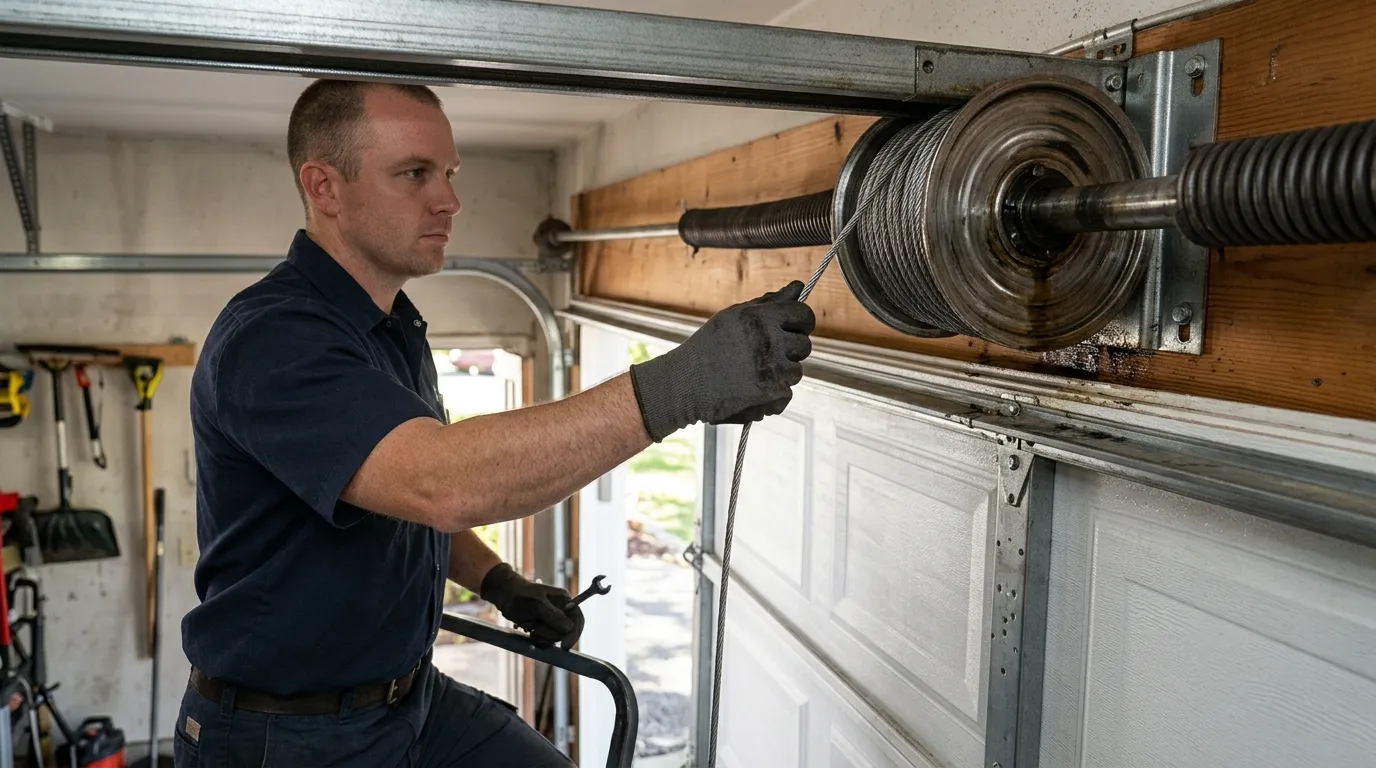
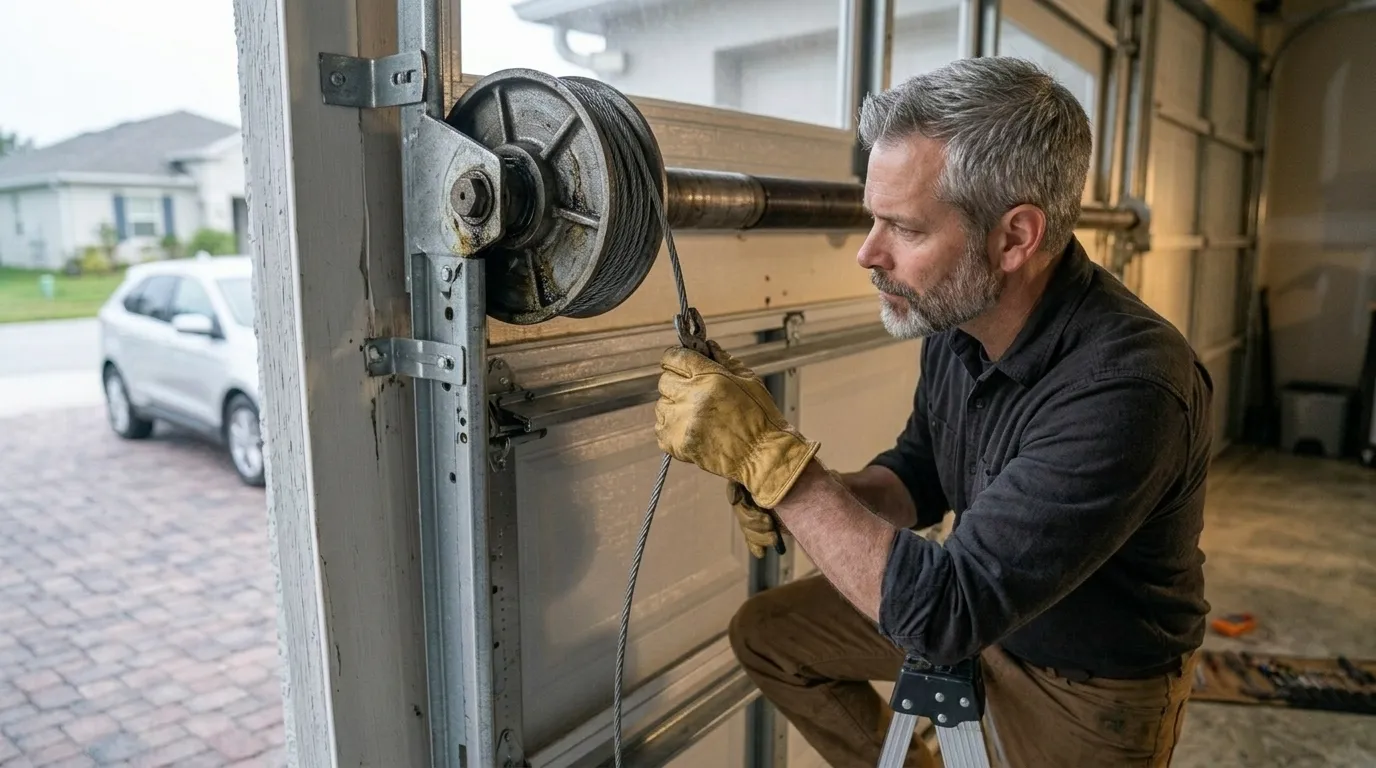
Most of the housing in Western Springs went up around 1960, right in the middle of the wider service area's 1938-to-1994 build window. Doors from that era shipped with galvanized aircraft cable running off a drum on either side of a torsion or extension spring setup, and a lot of that original cable is still hanging on those drums today, six decades later. Cable doesn't fail from one bad day. It fails from cycles - thousands of open-and-close trips - plus rust working into the strands during the cold months. This area sits in a cold-moderate climate band, which means winter is the season we see the most snapped cables: moisture gets into the braid, freezes, and the strands start popping one at a time until the last one gives under load. A cable that frayed slowly over a winter looks nothing like one that snapped clean from age. Both end the same way - a door that won't move, or one hanging crooked because only one side let go. If your house is one of the older ones on a smaller lot near the center of town rather than a newer build on the edges, the odds that you're still on original-era hardware go up, not down.
What You Are Seeing
A cable failure has a handful of clear tells. The door hangs unevenly, tilted down on one side, because one cable let go while the other is still holding weight it was never meant to carry alone. You might hear a loud bang or snap right before the door stops moving - that's the cable coming off the drum or the strand parting under tension. Sometimes it's quieter: the door starts sticking or jerking on the track for a few weeks before it finally goes, which is the fraying stage rather than the sudden break. If the door won't budge with the opener but moves in short, rough jumps when you try it by hand, that's usually a cable riding off its drum rather than a full break. A door that drops fast and hard when you pull the release cord, with no resistance at all, almost always means both cables or the spring system let go together - that one is not a same-day project you tackle yourself.
The DIY Question
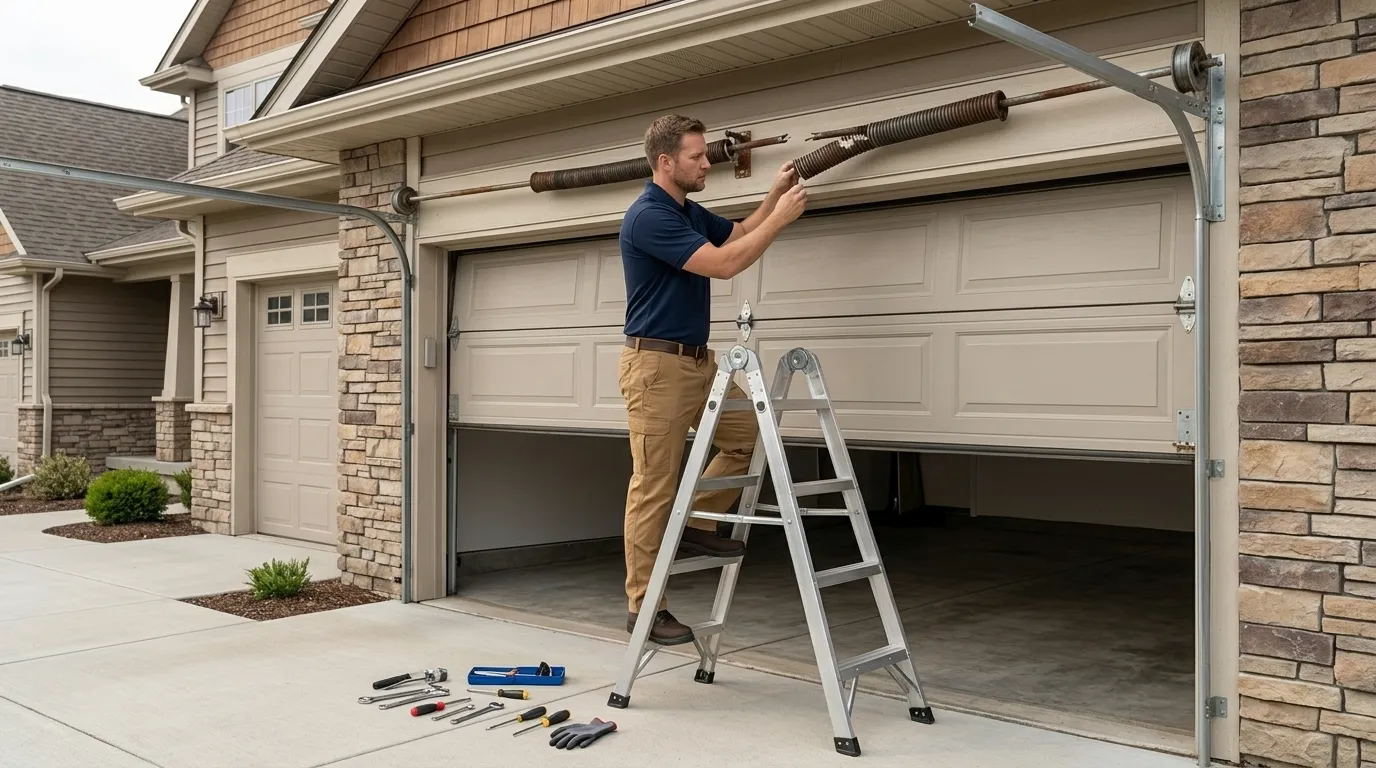
Don't. A garage door cable is under real tension even with the door closed, and on the older extension-spring setups that were standard when Western Springs' housing stock went up, the spring itself stores enough force to break a finger or worse if it lets go while you're working near it. This isn't a job where the honest advice is 'you can do it if you're careful.' We'll say plainly that cable and spring work is where we draw the line for homeowners - it's not that we don't trust you, it's that the margin for a bad outcome is thin and the tools most people own aren't the right ones for winding a torsion spring safely. If you want to do something yourself, checking whether the cable is visibly frayed near the drum, without touching the spring, is about as far as we'd recommend going before you call.
What Is on the Truck
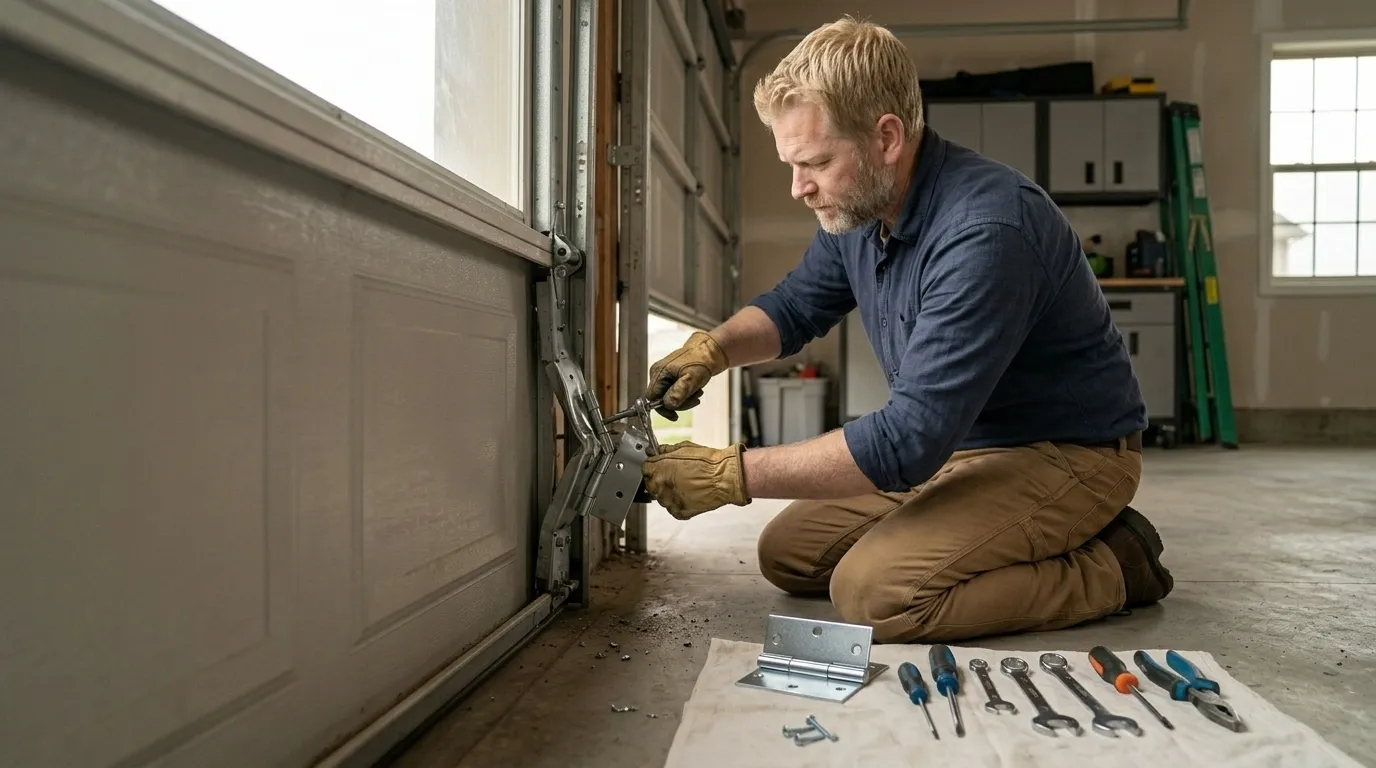
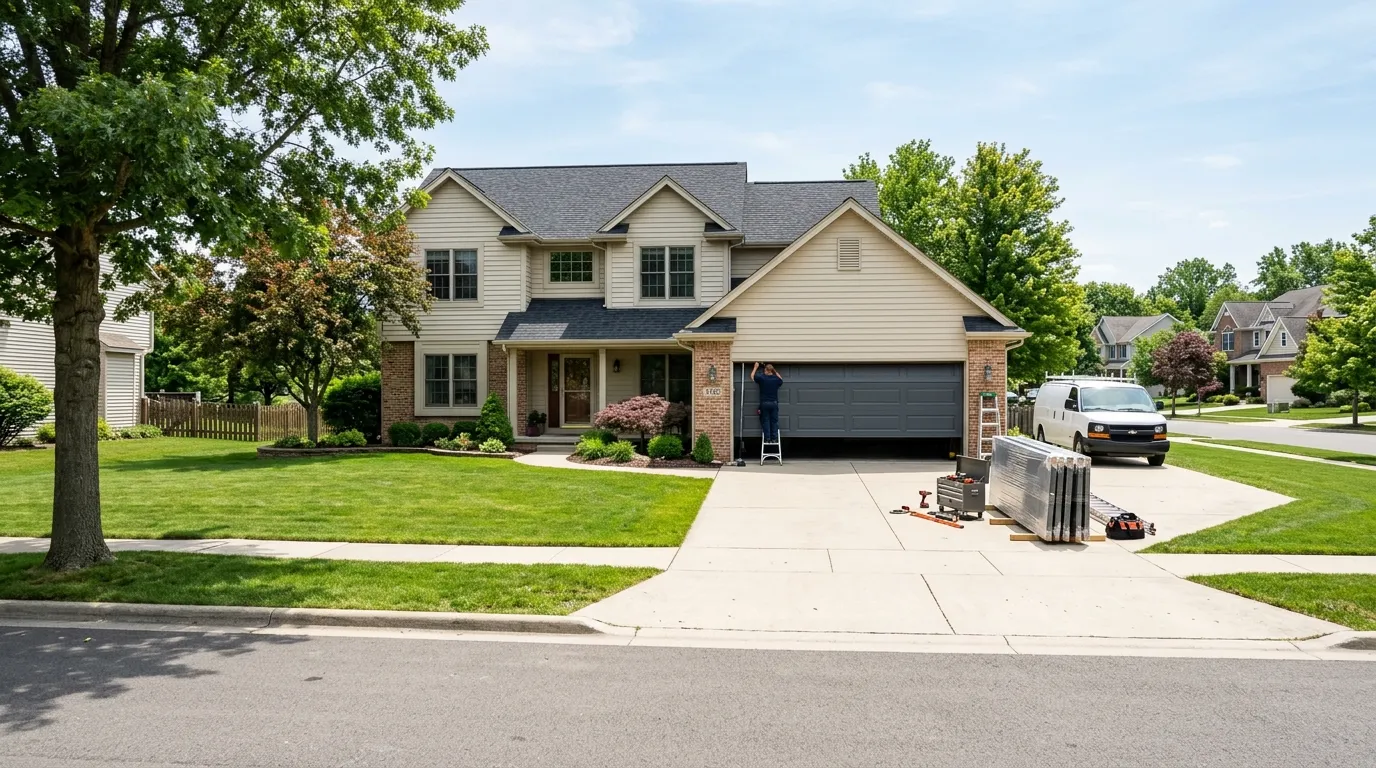
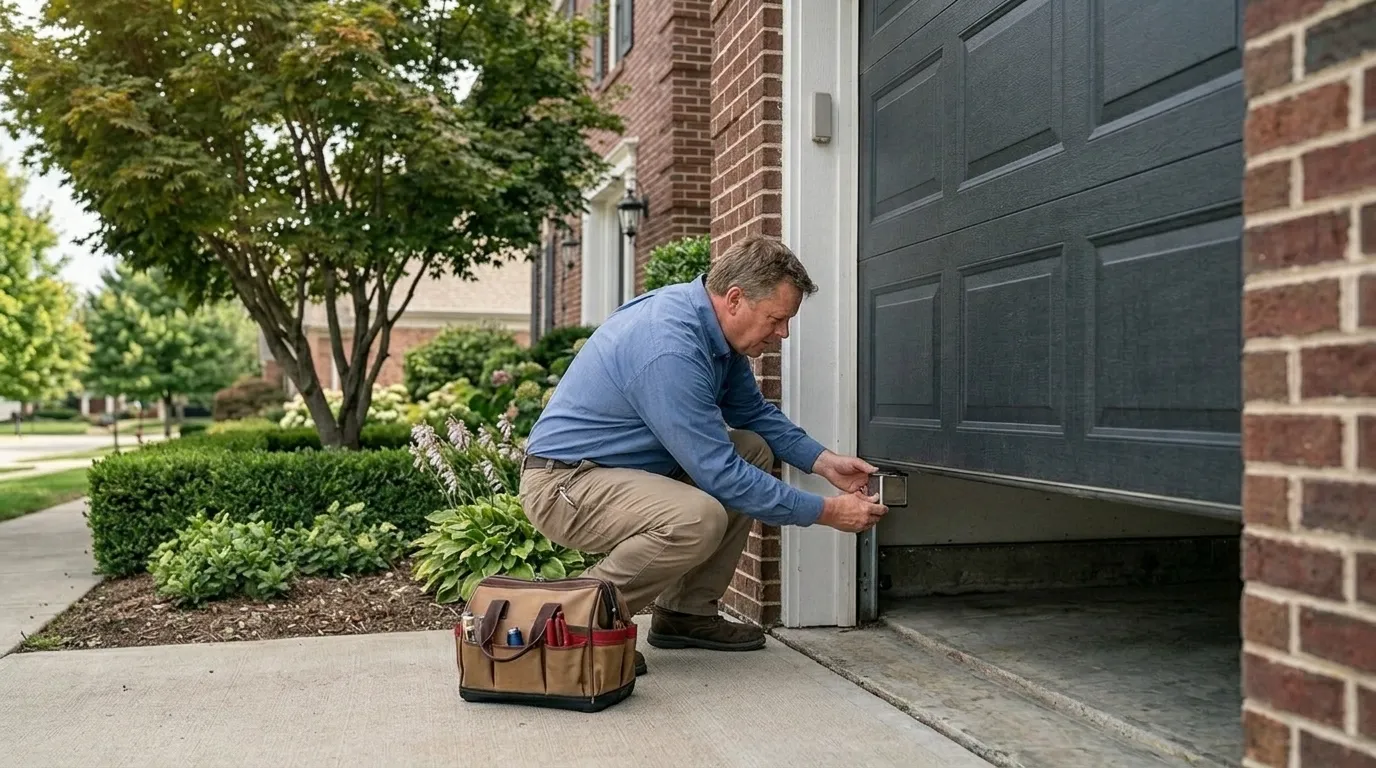
We carry galvanized aircraft cable in the common gauges used on residential doors, standard drums, and the clips and fittings that go with them - enough to cover a straight cable swap on the spot in most cases. What we don't carry is every oddball drum size from a decades-old custom installation, and on a town where original 1960s-era hardware is still common, that's the one thing that can turn a same-visit repair into a return trip for a specific part. We'd rather tell you that up front than promise a fix we can't finish that day.