
What Causes It Around Here
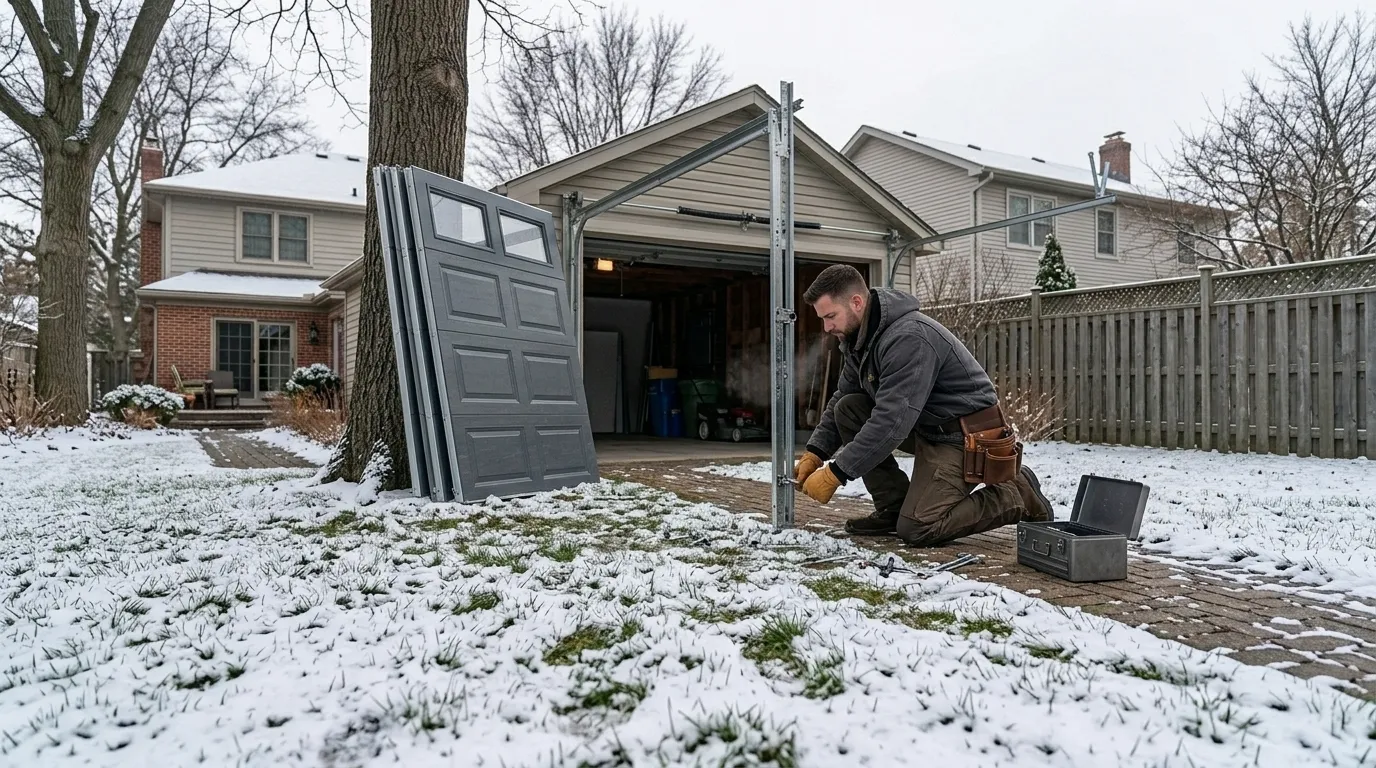
Most of the original garage doors in Western Springs date to right around 1960, when the neighborhood was built out, and a lot of that original hardware is still hanging in the tracks today. Nobody tore out a working torsion spring in 1975 just because it was old, so the springs, the cones, and in plenty of cases the opener mounting brackets are the same ones installed the year the house went up. That's not unusual for the wider service area, where houses run 1938 to 1994 with a median around 1964 - but Western Springs sits tight on the early end of that range, which means less variety and more of one specific failure pattern.
At 4,475 households, Western Springs is a small, tightly built suburb, not a sprawling grid, so a torsion spring failure here often means a whole block bought the same door in the same few years. When one spring on a street snaps from fatigue, we've usually already seen two more nearby within the same season. The cold winters common to this part of the Chicago area put extra strain on old steel that's already sixty-plus years into its working life, and a spring rated for a certain cycle count doesn't care how well the house around it has aged.
What You Are Seeing
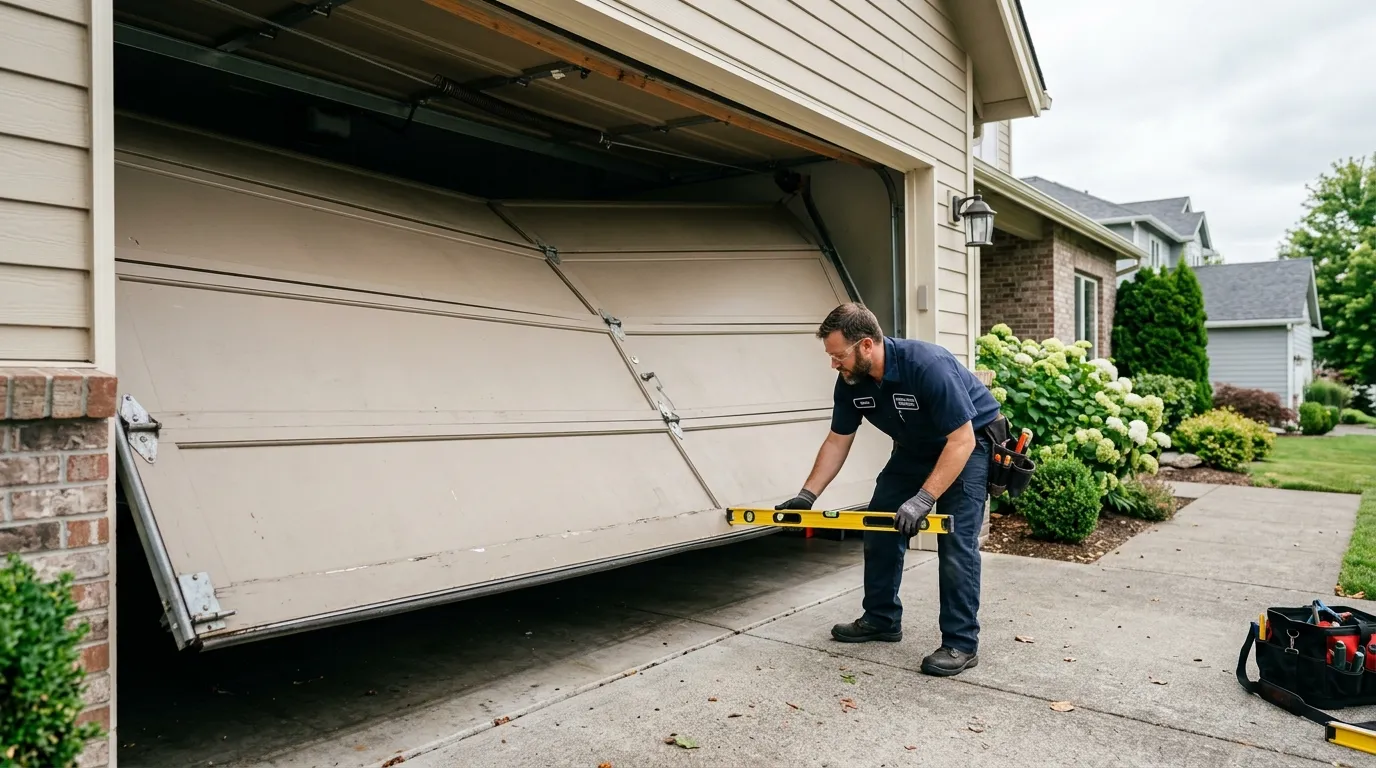
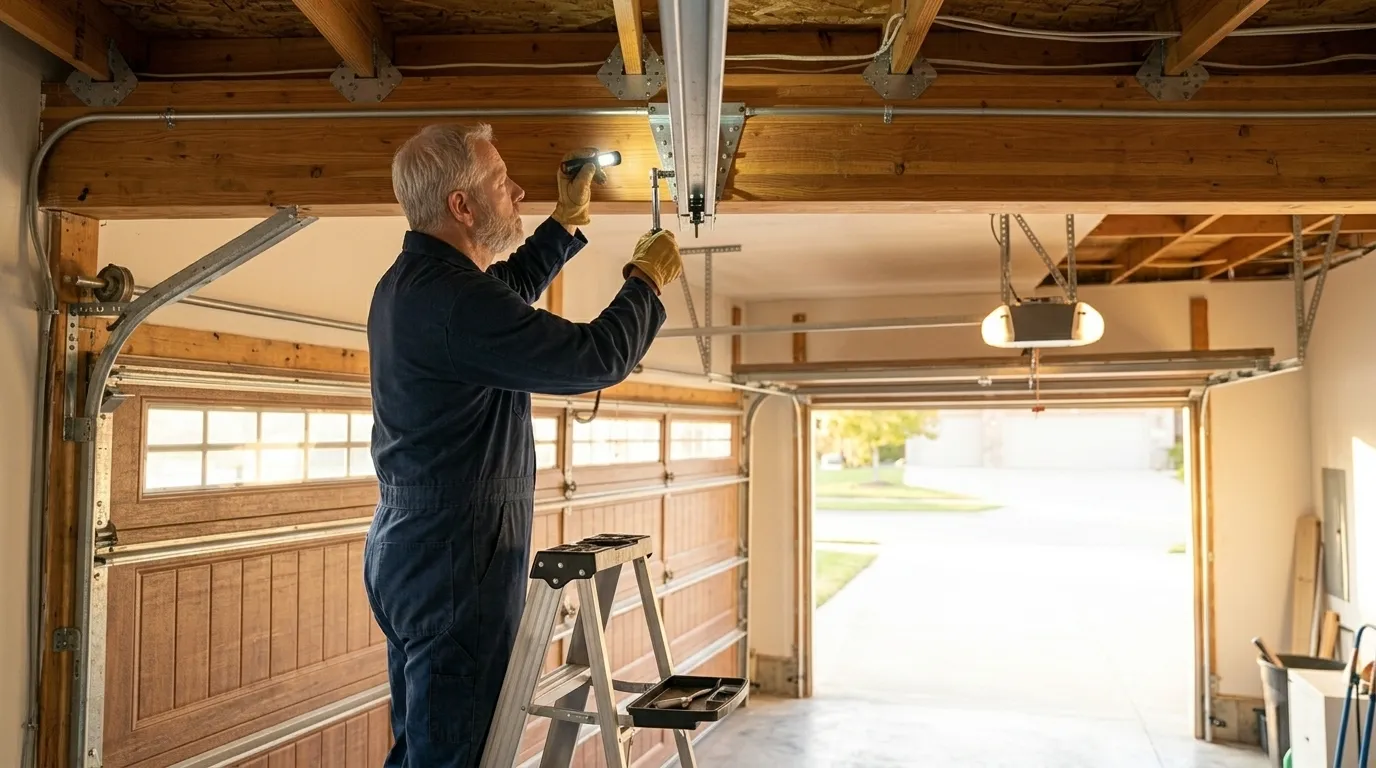
A door that won't budge and a spring visibly separated in the middle is the classic call from a house this age - the torsion spring has fatigued past its cycle life and let go, usually with a bang loud enough that a neighbor hears it too. Less dramatic but just as common: an opener from a decades-old retrofit straining and grinding because the springs underneath it are doing less of the lifting than they used to.
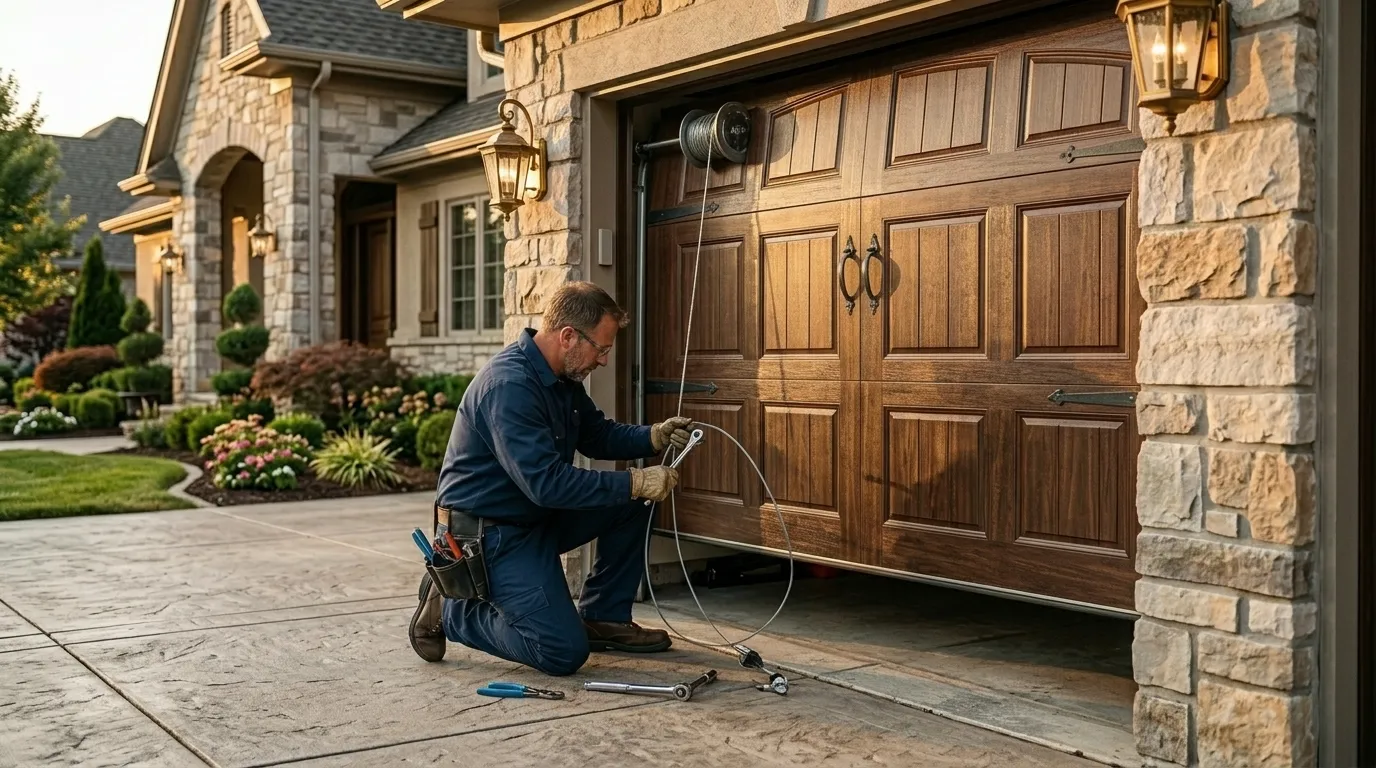
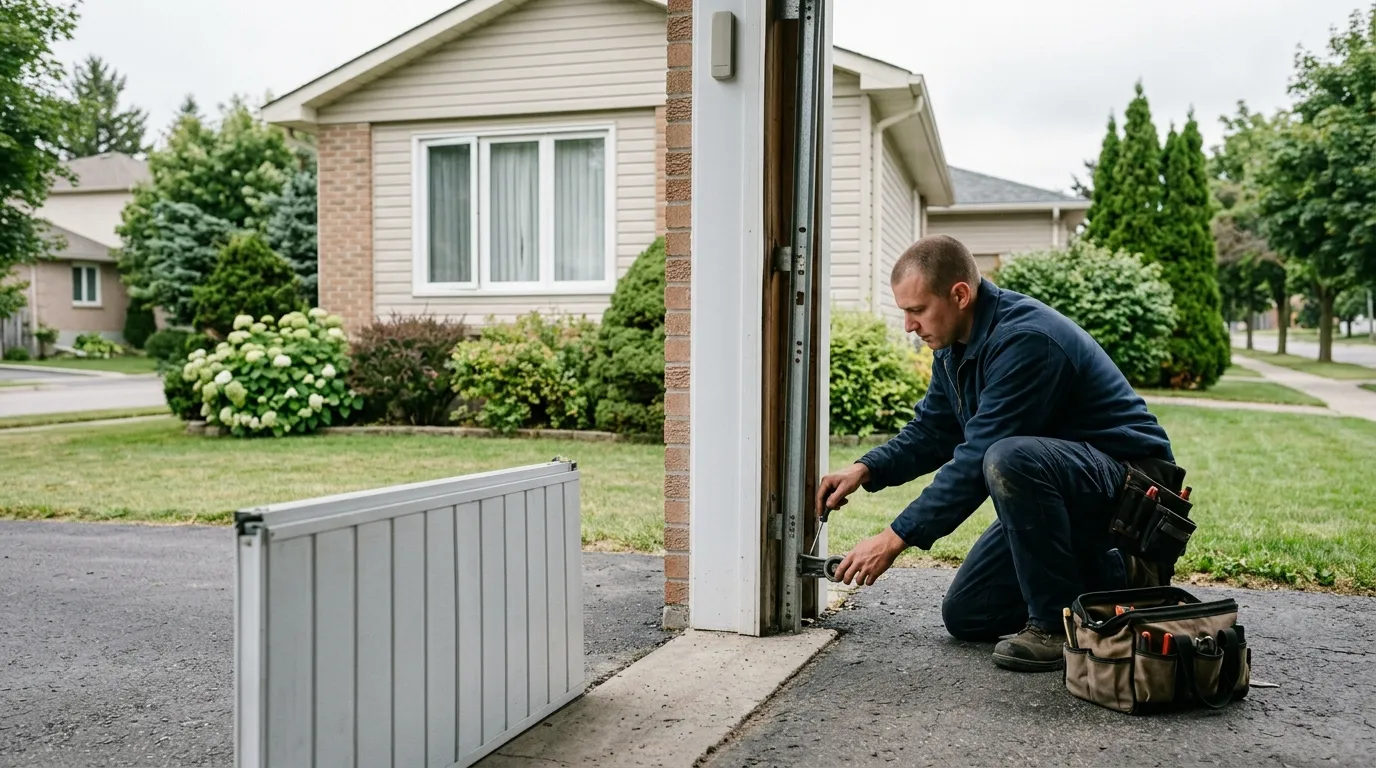
Cables fraying at the bottom bracket show up often on original hardware that's never been touched. Rollers that have gone from steel to nylon somewhere along the way but were never replaced as a full set will bind unevenly, and you'll feel the door jerk partway up the track instead of gliding. None of this means the house was neglected - it means the door is exactly as old as the house, which in Western Springs is usually around sixty-five years.
The DIY Question
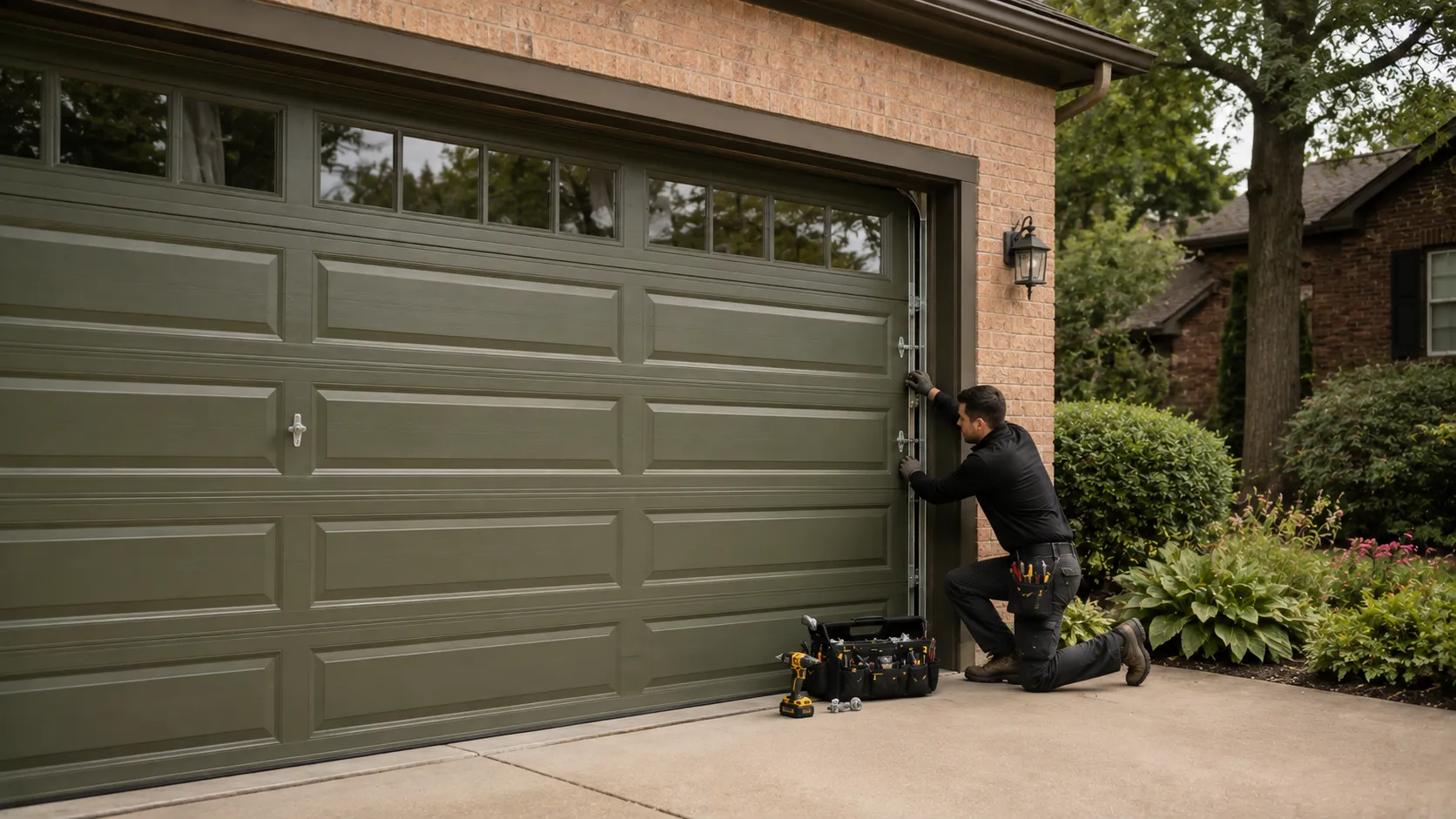
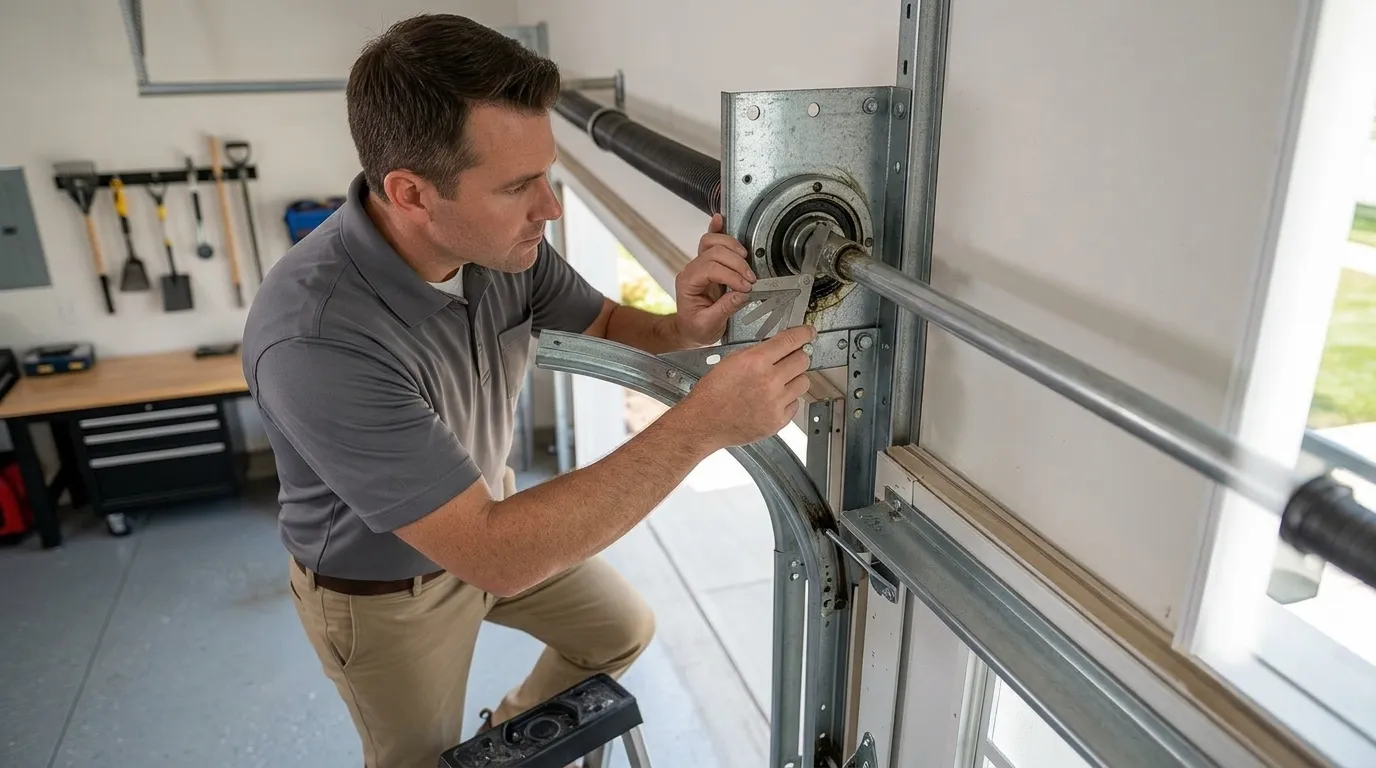
A torsion spring under full tension can do real damage to a hand or a face, and on a door this age the spring, the cone, and the shaft may not match anything sold new - guessing at a replacement without matching wire diameter and wind direction is how a second failure happens within the year. That part of the job isn't a DIY call, full stop.
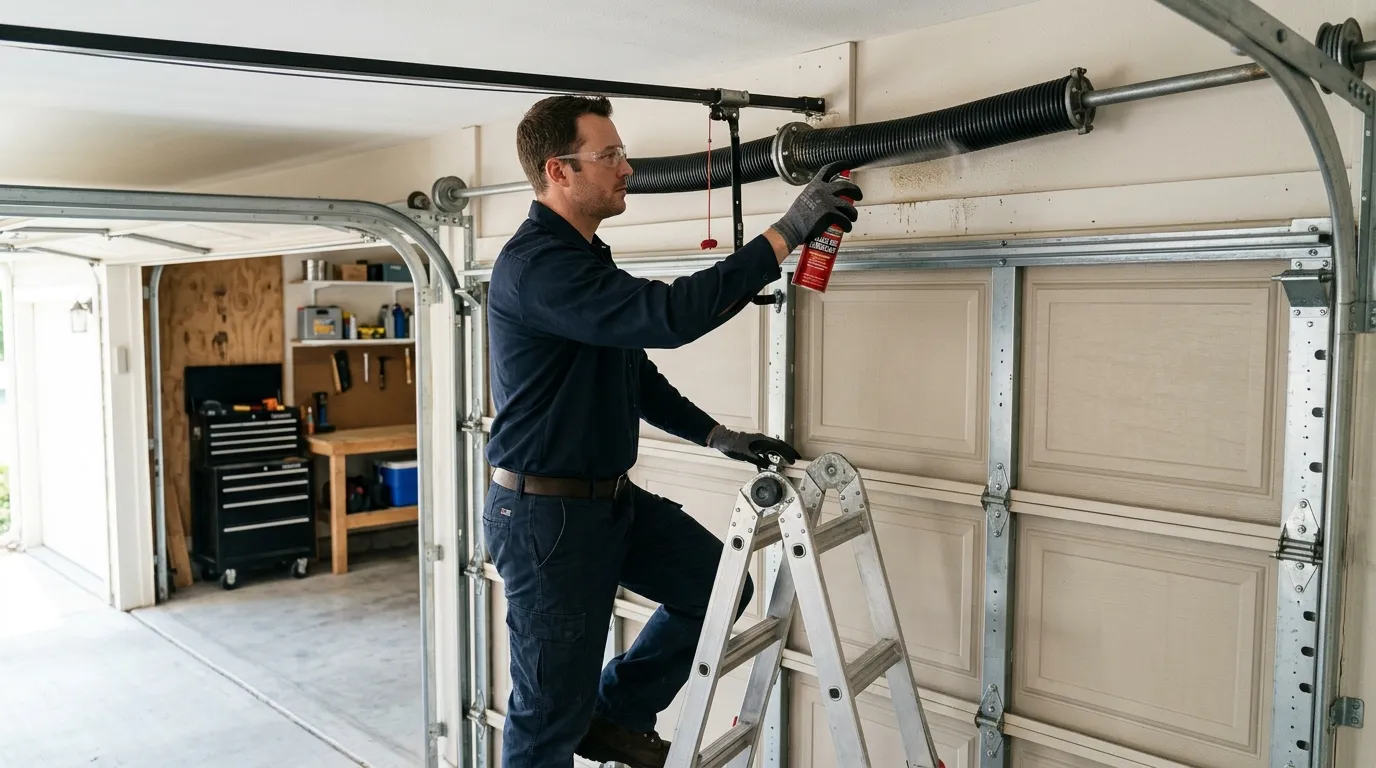
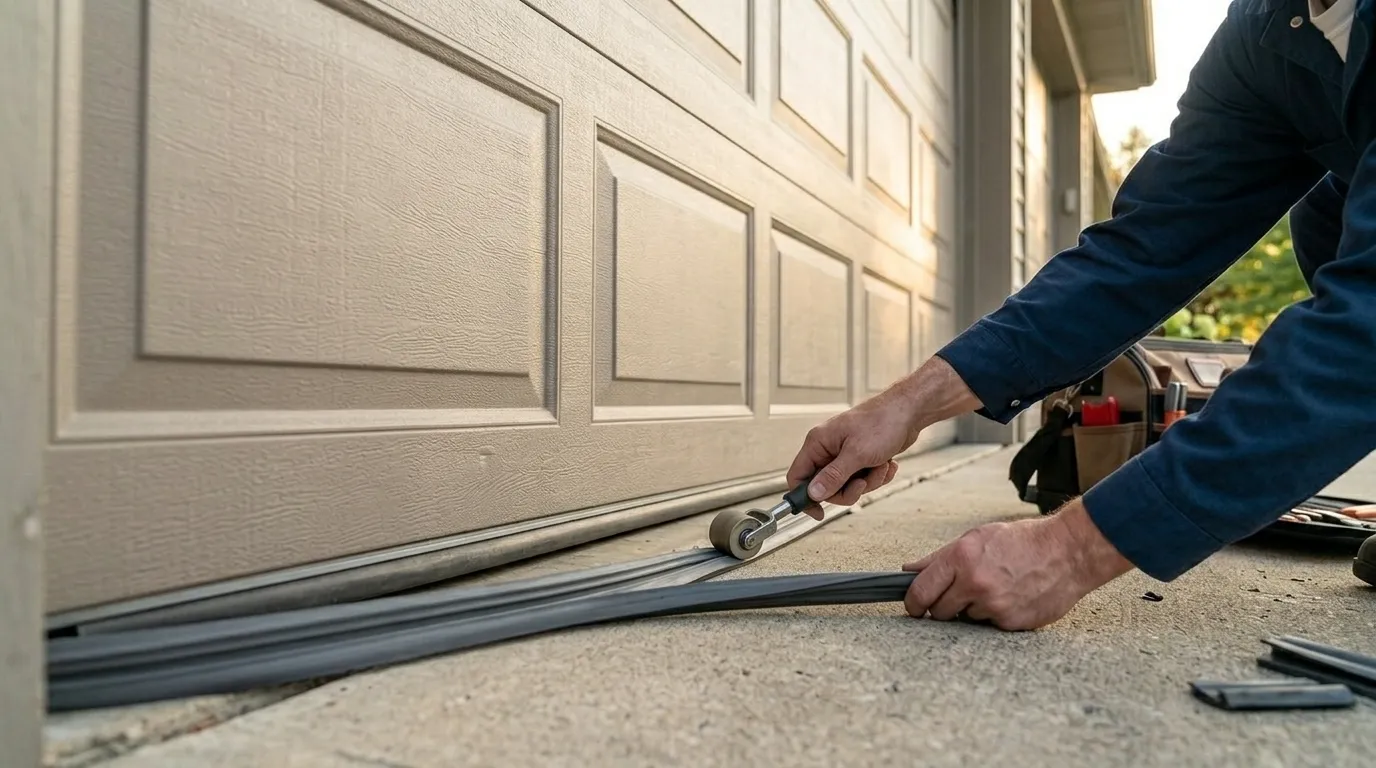
What you can reasonably do yourself: check that the track bolts haven't worked loose, clear debris from the bottom seal, and listen for a specific noise so you can describe it accurately when you call. If the door reverses on its own partway down, that's a safety sensor issue, not a spring issue, and it's worth ruling out before assuming the worst. We'll tell you plainly on the phone if what you're describing sounds like a five-minute fix instead of a service call.
What Is on the Truck
For a service area with this much 1960s-era stock, we carry torsion springs across the wire diameters and wind directions that cover most of what was installed through the 1960s and 70s, along with the drums, cones, and cable sets that go with them. That's a direct response to the housing pattern here, not a generic parts list.
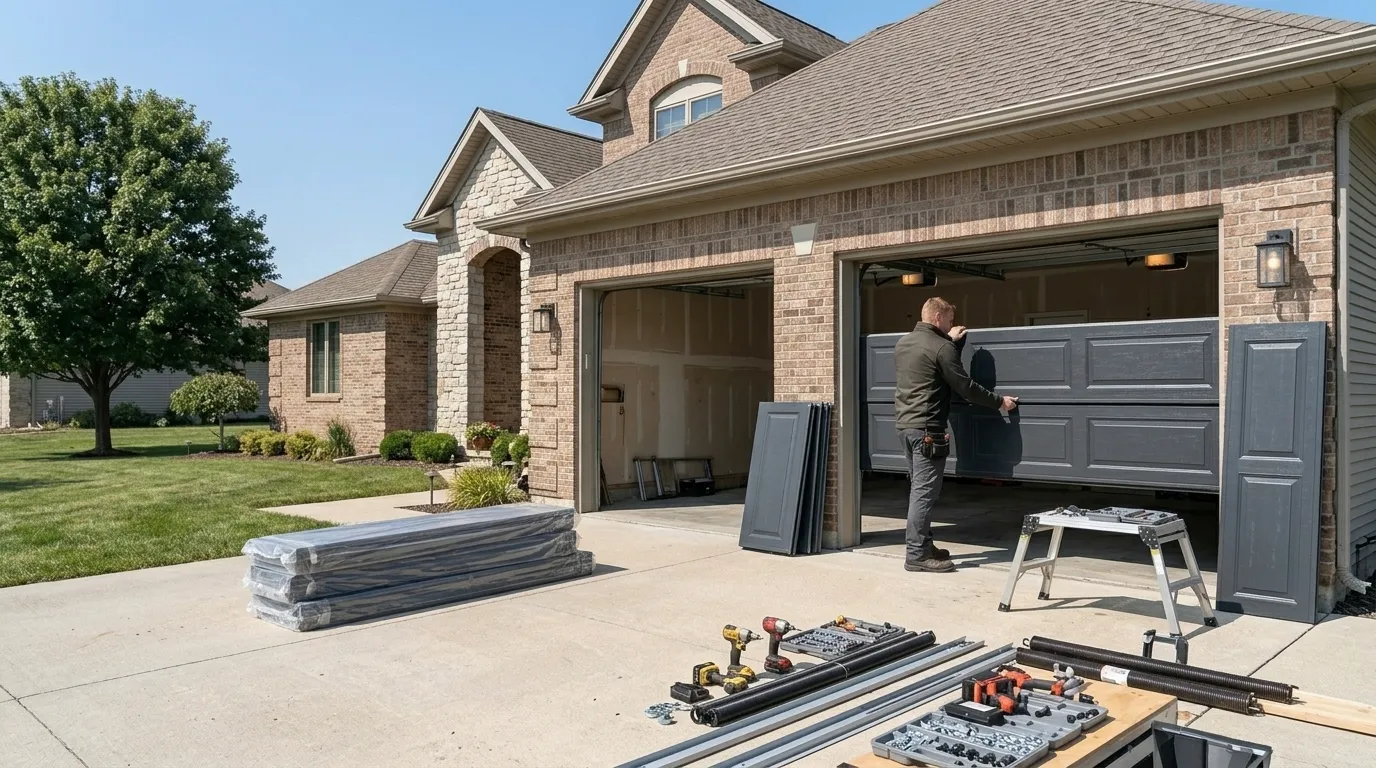
One honest limitation: if a door needs a full replacement rather than a repair - which happens more on originals that have never been touched - the specific panel style or window pattern from that era usually isn't something we carry on the truck. That gets ordered, and it takes longer than a same-visit fix. We'll tell you that the moment we see it, not after you've waited a week wondering.