
What Causes It Around Here
Most garage doors in Western Springs went up around 1960, and a lot of them are still the original single-layer steel or wood panel doors that came with the house - 16 feet wide for a two-car opening, sized to openings that pre-date the wider sectional doors builders use now. That means when one of these doors finally gives out, it's not a simple swap. The old opening was often framed a few inches narrower or shorter than what today's standard sectional doors ship in, so a straight replacement sometimes means adjusting the jamb trim or ordering a size that isn't sitting on a shelf. Add in a household that's likely put 60-plus years on that same frame, and you get warped tracks, settled headers, and hardware that was never rated for the openers people run today. The fault we see most isn't a broken spring - it's a door that's simply aged out, with a shell that's gone soft at the bottom corners and panels that don't seal against the cold the way they did new. In a climate band that runs cold with real winter swings, a door that no longer seats tight against the weatherstrip is losing heat every day it sits there, not just the day it finally jams.
What You Are Seeing
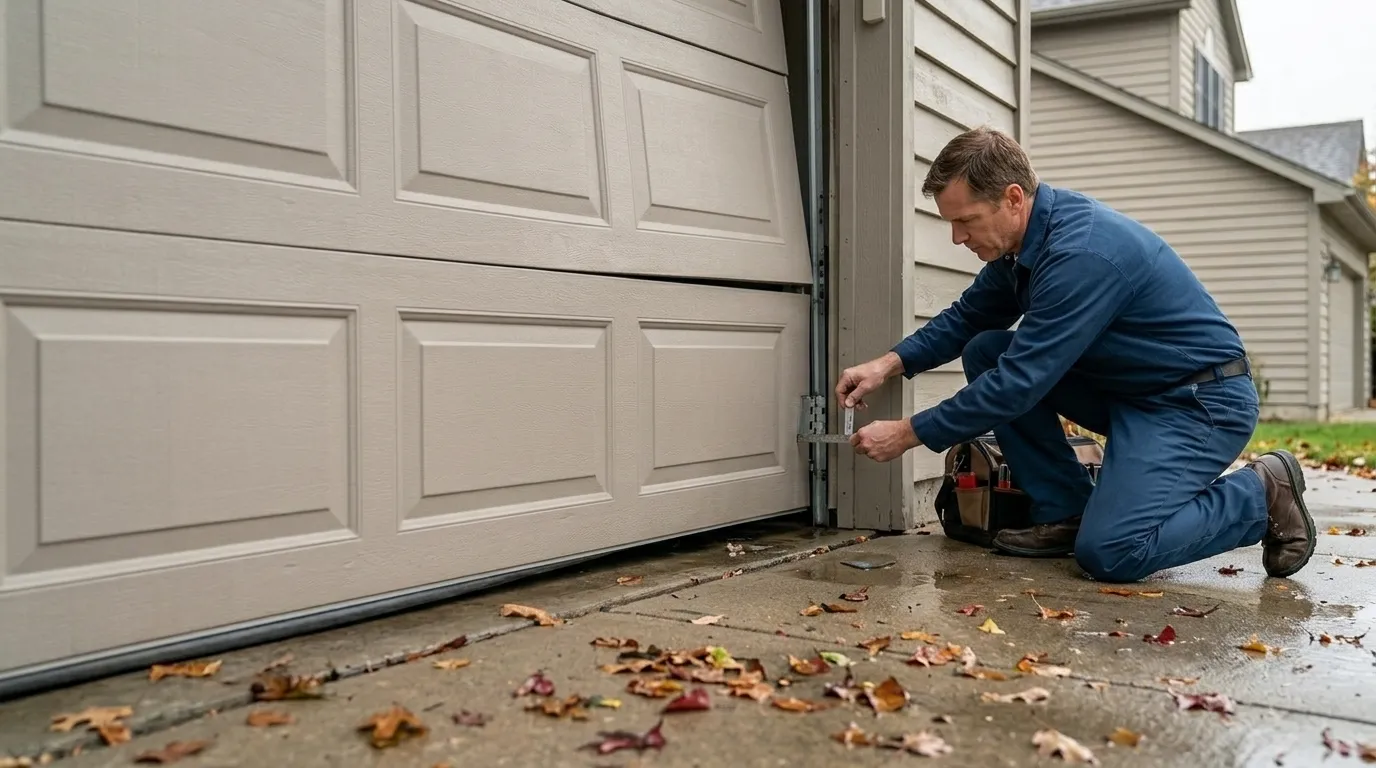
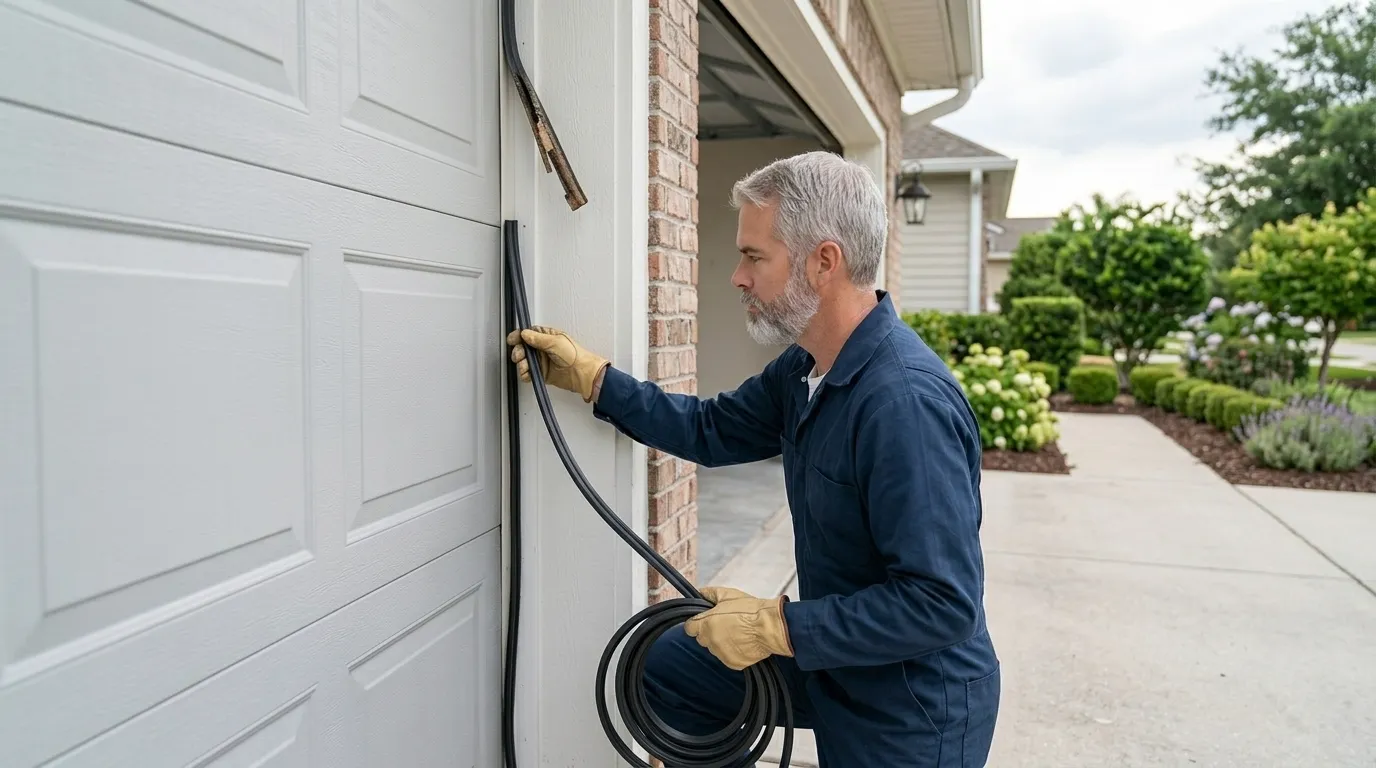
If your door is from that original 1960s build, you're probably watching for one of a few things: panels that have gone soft or dented at the bottom where road salt and snowmelt sit against them all winter, a door that visibly sags in the middle when it's down, or gaps at the sides where the seal used to be flush and now lets daylight and cold air through. Some owners notice the door's simply gotten heavy to lift by hand, which usually means the springs are shot, not that the door itself needs replacing - but on doors this old, once you're pulling one panel off to fix hardware, you often find the rest of the shell is just as tired. A door that still moves smoothly but rattles loudly on the way up is a different story than one that's stiff and jerky; the second is closer to needing full replacement than a repair.
The DIY Question
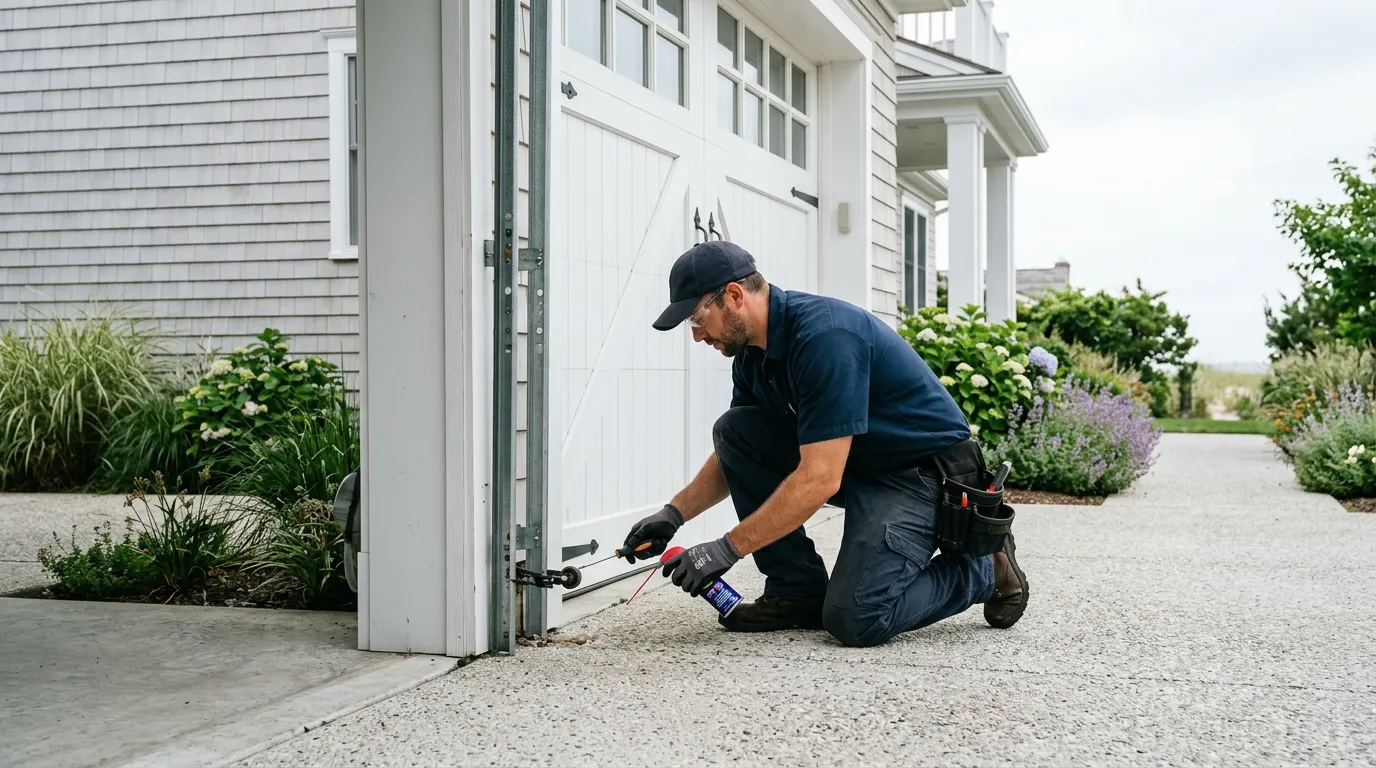
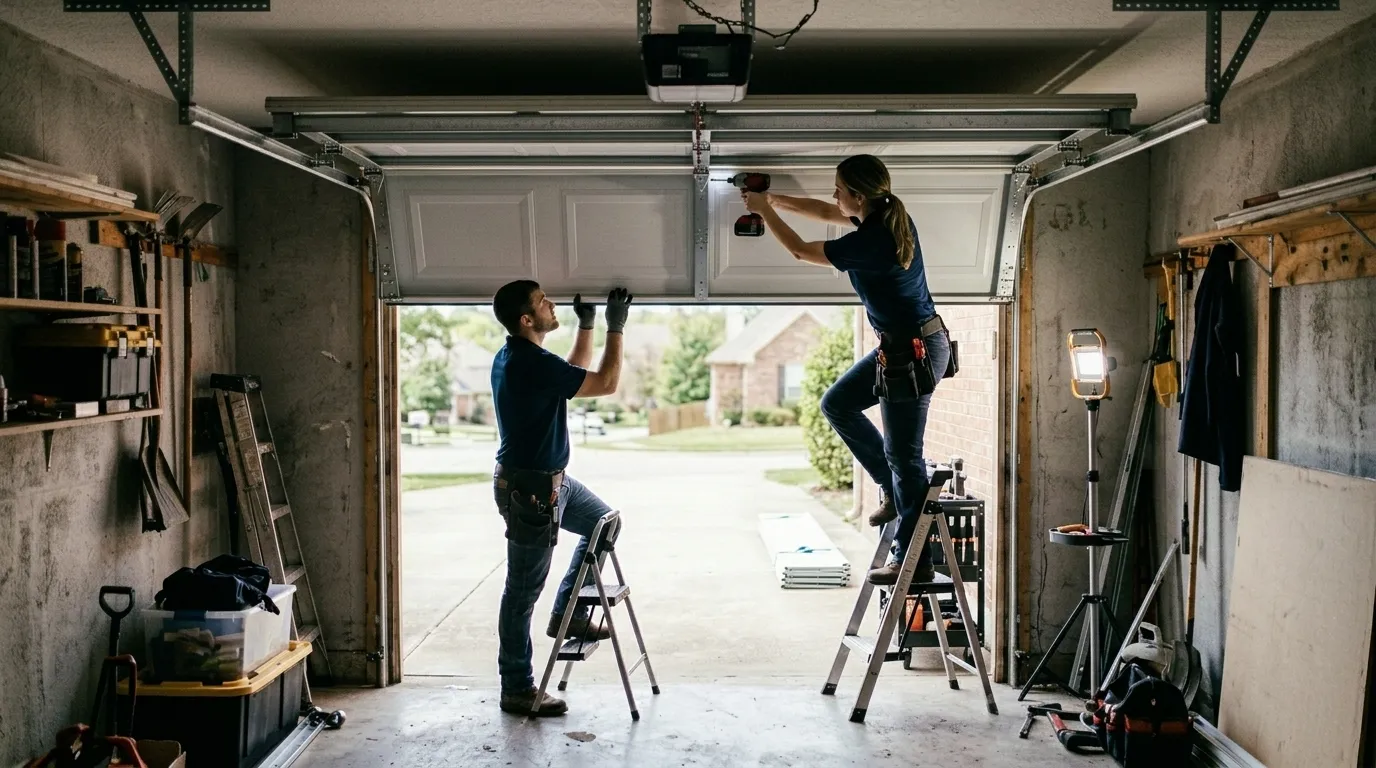
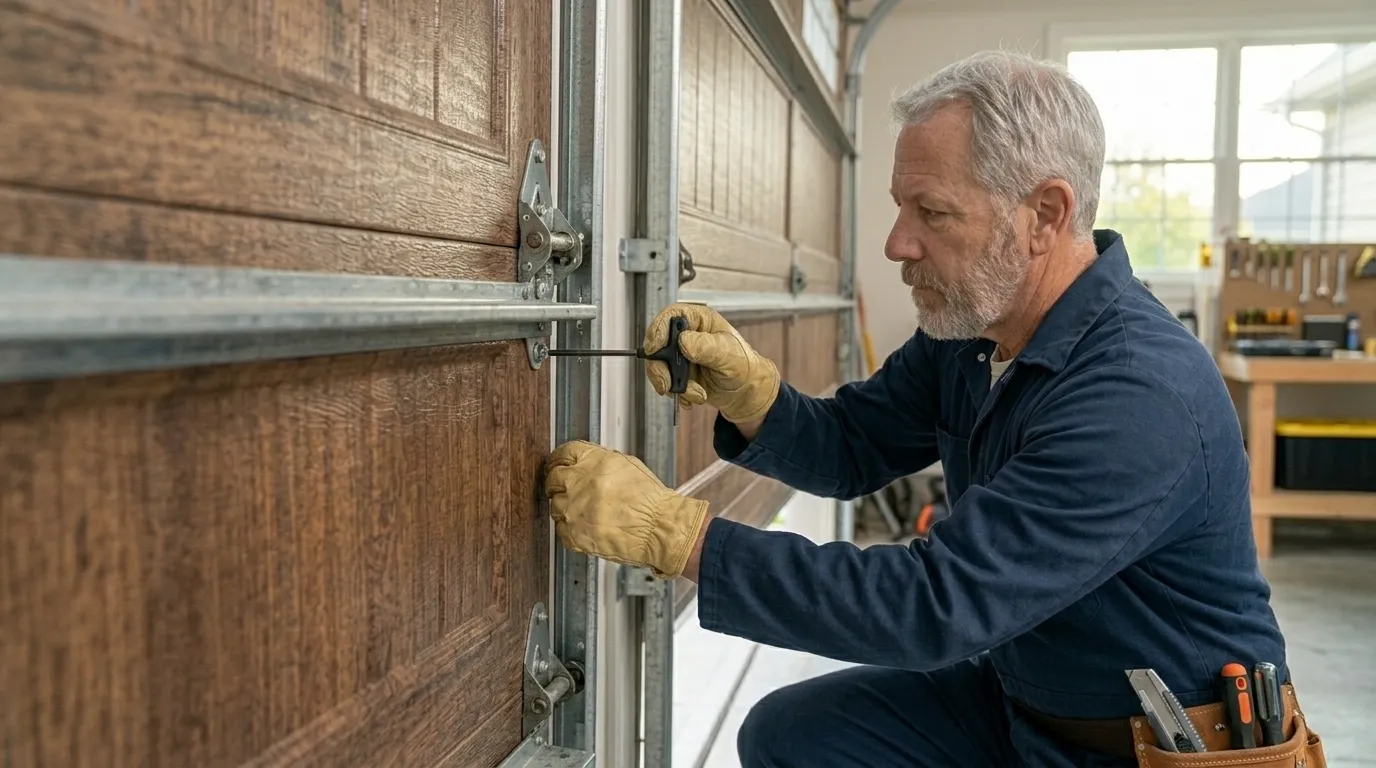
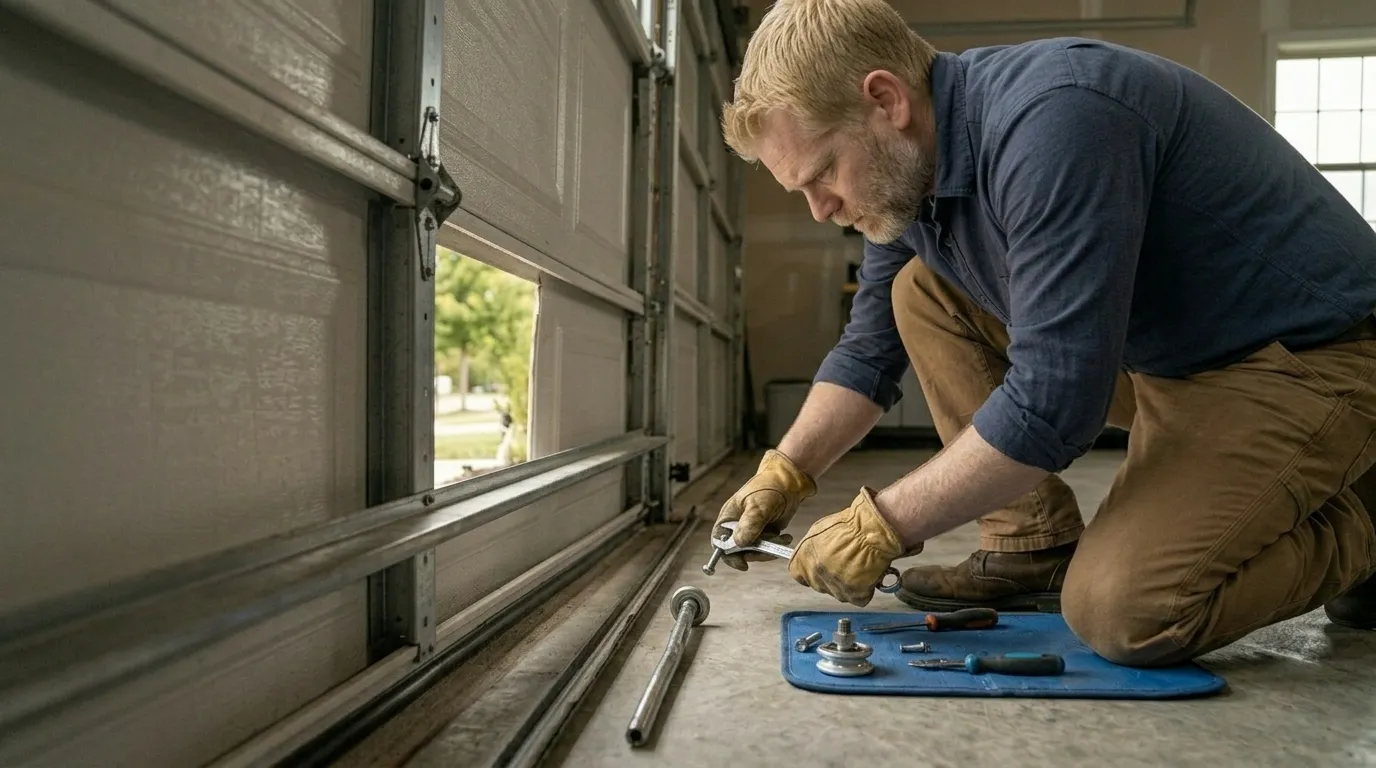
A single-panel swap on a door this age is not a weekend project, and it's not one we'd talk you into DIY-ing even if you're handy. The panels on a 1960s door aren't a stock size anymore, so matching one panel to the rest of a shell that's faded and settled for six decades almost never looks right, and torsion spring work on any door - old or new - is genuinely dangerous without the right bars and clamps. Where a homeowner can save money is on the easy stuff: cleaning and lubricating hinges and rollers, checking the weatherstrip for obvious tears, tightening loose track bolts. But once you're talking full-door replacement, this is a two-person job with an engine hoist and a torsion spring under real tension. We'd rather you call for the install than end up in the ER for a panel swap.
What Is on the Truck
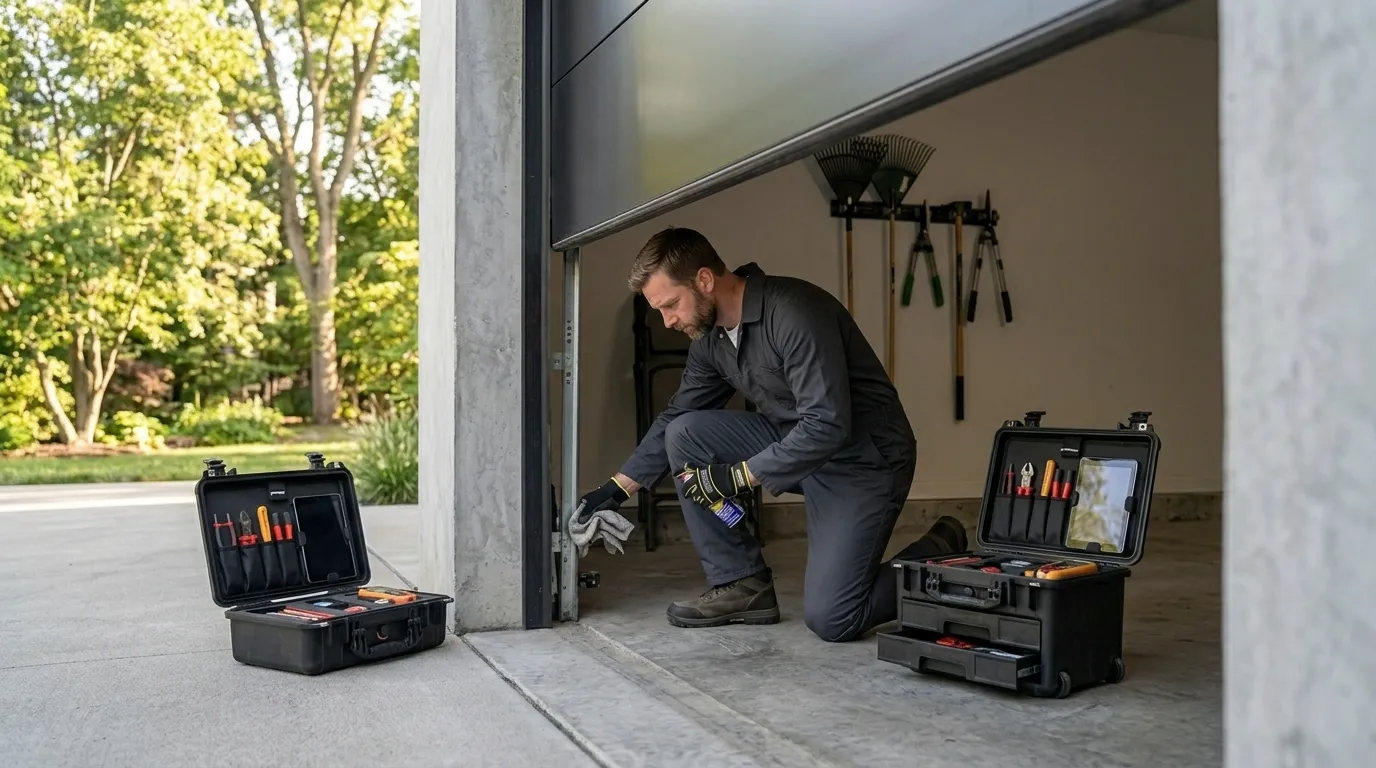
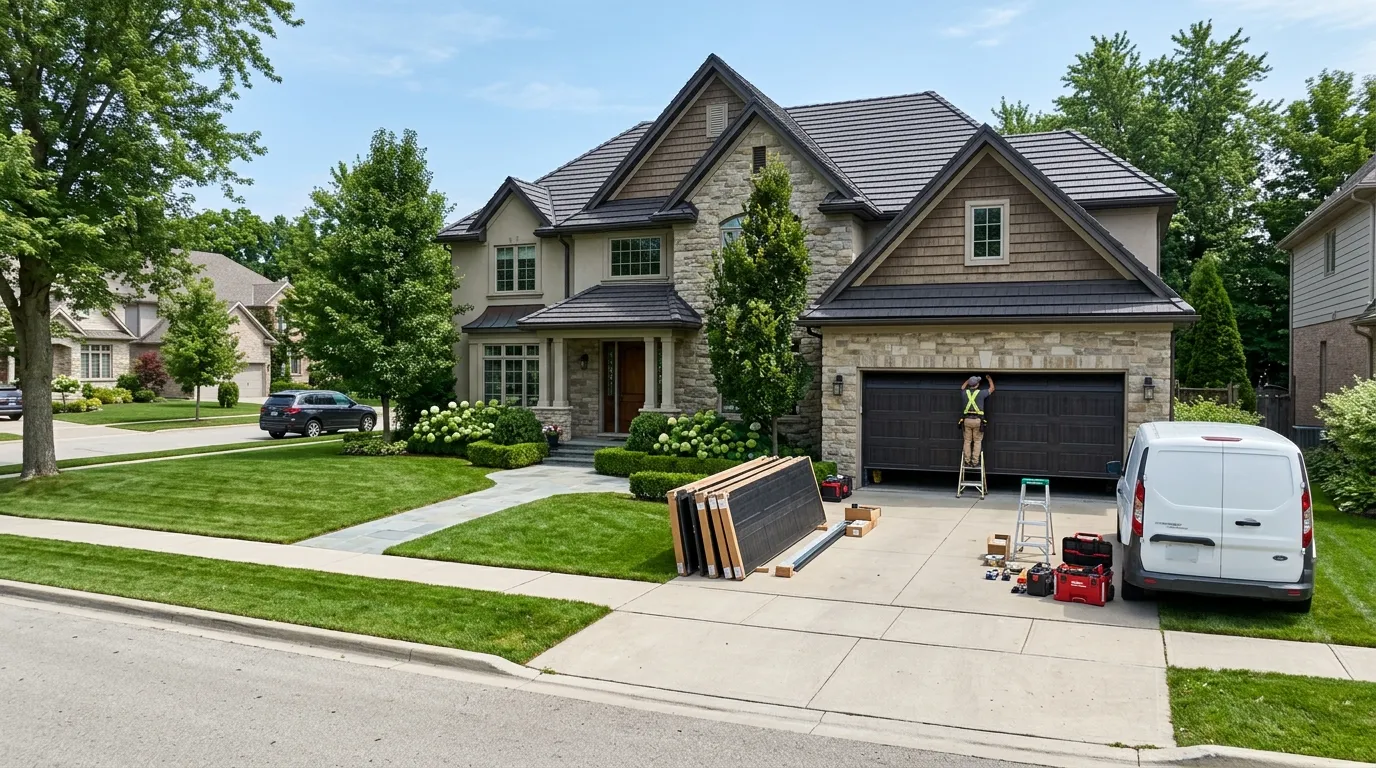
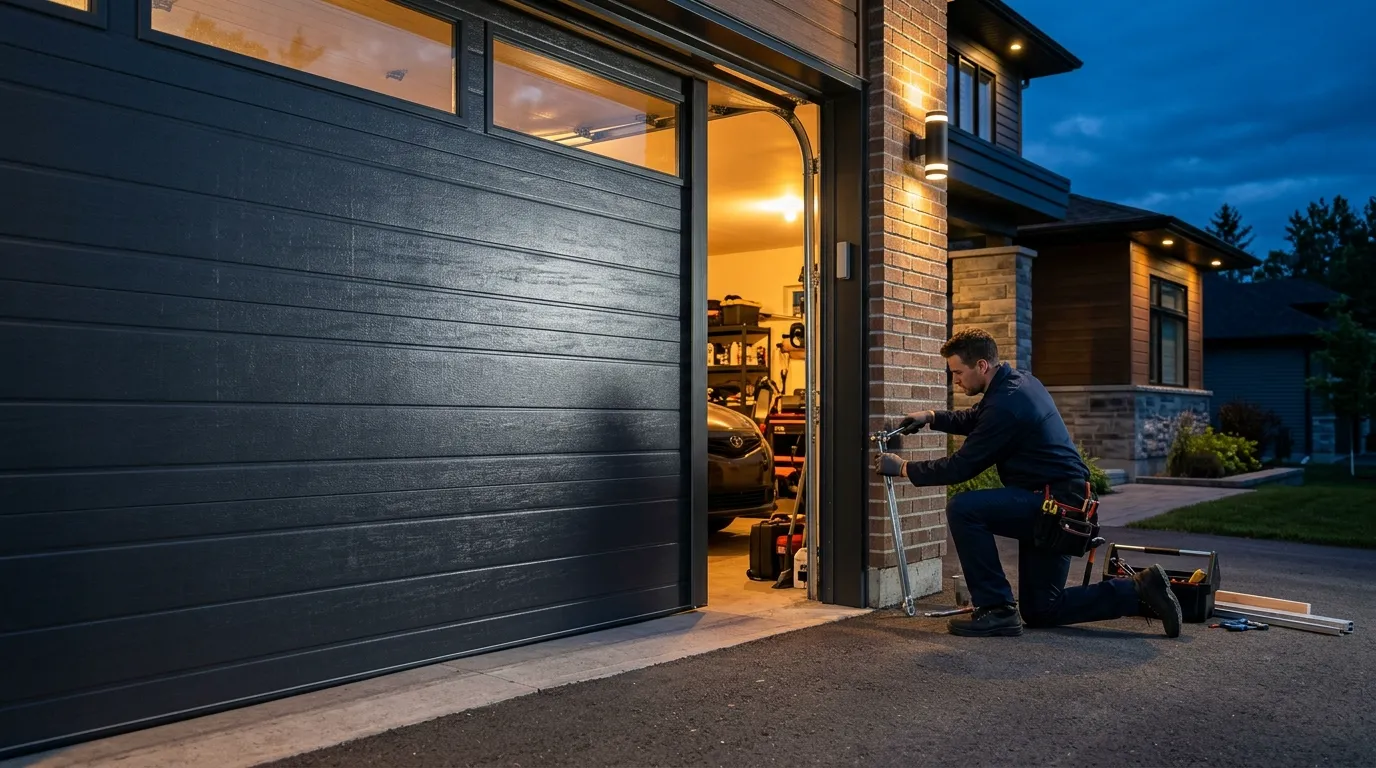
For a Western Springs install we bring standard steel sectional doors sized to fit the common openings from that era, insulated cores rated for a cold climate, new track and rollers when the old set is bent or rusted past reuse, and the fasteners and seal kits that go with a full replacement rather than a patch job. We don't carry every custom wood or carriage-style door on the truck - those are special order, and we'll tell you the lead time rather than promise something we can't deliver that day. What we do carry covers the job that's most common on this street: an original 1960s opening getting a new, properly insulated door that seals the way the old one used to when it was new.