Getting It Booked In
Burbank sits about eight miles out from Chicago, which is a longer run than the calls we take in at five miles at seven. That distance doesn't change what a snapped cable needs, but it does change how the call gets scheduled - we don't have a branch in Burbank, so a cable job here usually gets routed with other stops along that stretch rather than sent out on its own. If you call and the door is already down and won't move, say so; a cable off the drum can drop a door unevenly and that's worth flagging up front so the job gets prioritized over a routine appointment.
We ask a few questions before the truck heads out: one cable or two, extension springs or torsion, and whether the door came down slow or dropped all at once. On a lot of Burbank's older doors that last detail tells us almost everything, because the failure mode on a fifty-plus-year-old drum setup looks different from a snapped cable on a newer torsion system. Have that answer ready and the visit runs faster once we're actually there.
The Burbank page covers the rest of what we do in town if cables aren't the only thing going on.
What You Are Seeing
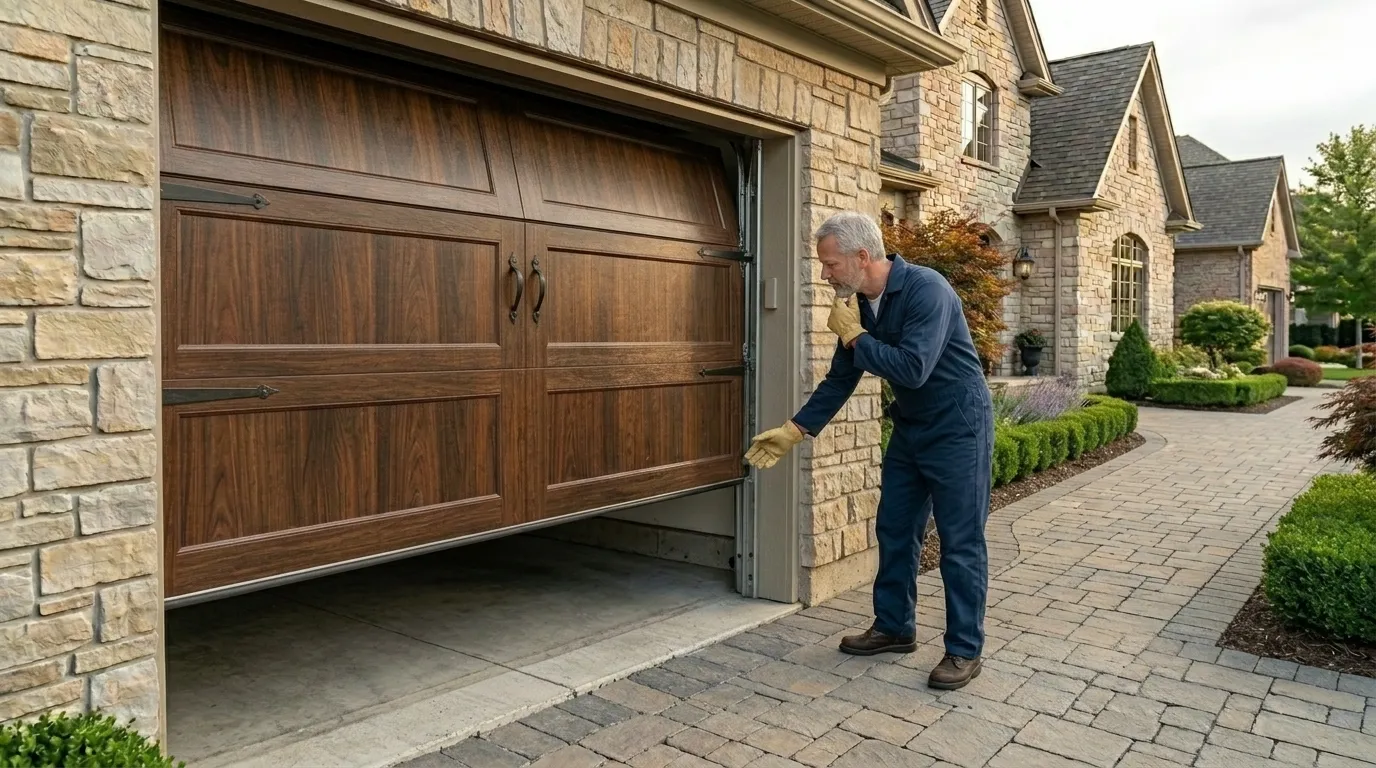
The clearest sign is a door that won't budge and hangs unevenly, tilted toward whichever side lost its cable. If both cables let go at once - rare, but it happens on older extension-spring setups where both cables have worn evenly - the door can drop straight down fast, so don't put a hand or a car under it to check.
Before a full snap, you'll often get a warning: a door that jerks or hesitates partway through its travel, a faint scraping or popping sound near the top corners, or a cable that looks frayed or kinked when you look up at it with the door open. On drum-and-torsion setups, a cable starting to unwind off the drum can make the door bind on one track.
If the opener still runs but the door doesn't move - or moves and then stops - that's consistent with a cable problem rather than the opener itself. checking before you assume the motor's at fault, since replacing an opener won't fix a broken cable.
What the Fix Involves
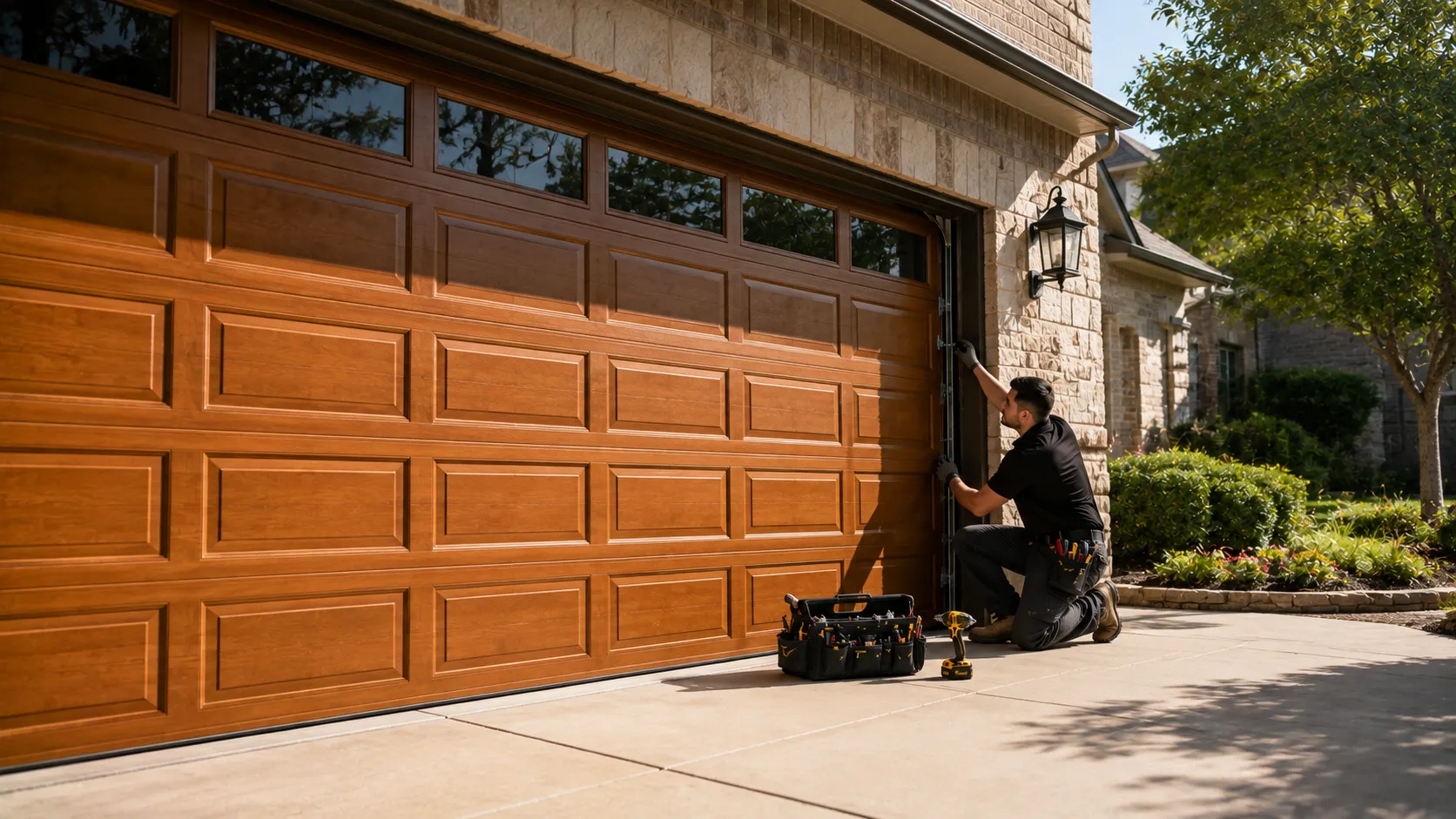
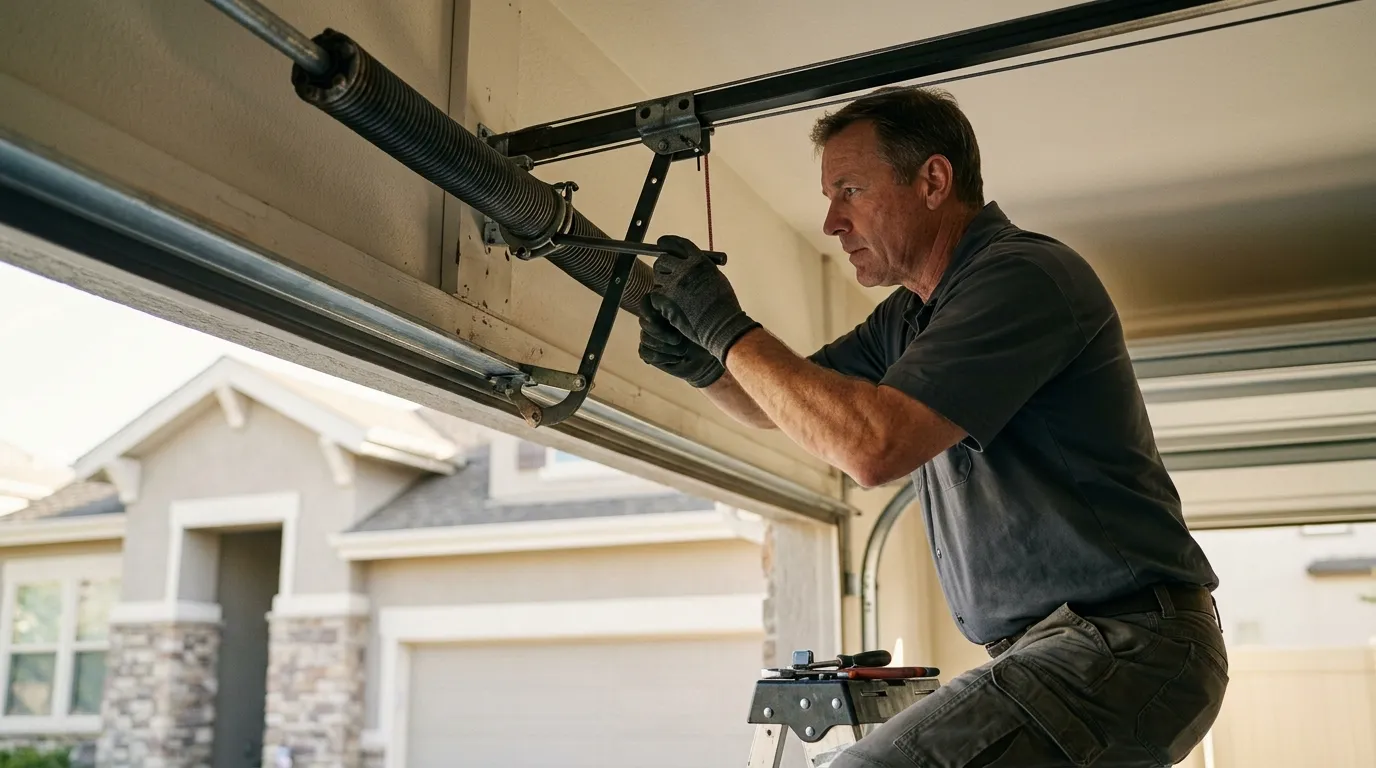
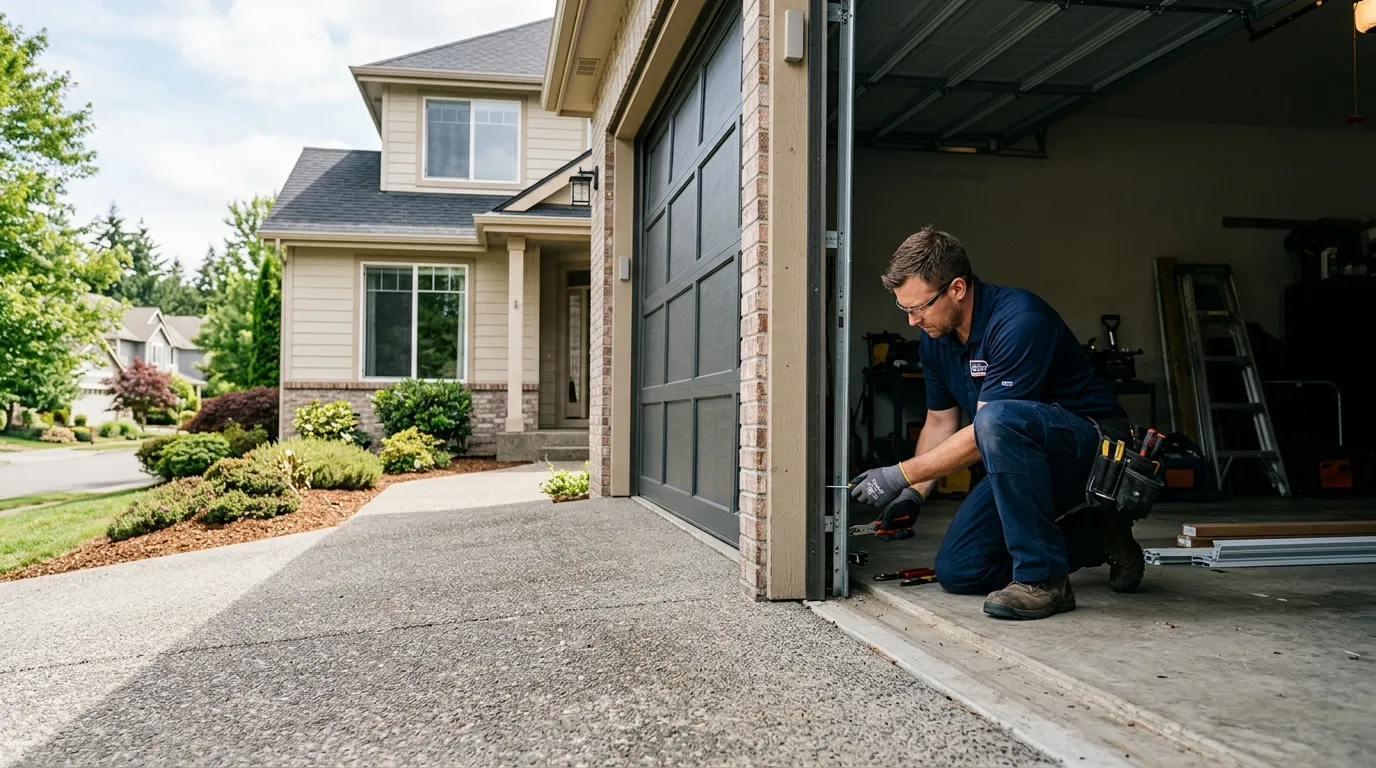
For a snapped cable, the job is releasing the spring tension safely, pulling the old cable and any matching pulley or drum hardware that's damaged, and running new cable sized to the door's weight and travel. On extension-spring doors from Burbank's 1960s stock, that often means matching an older pulley bracket that isn't the same part number you'd buy for a door installed in the last twenty years - we carry stock for both setups, but it's worth knowing going in that the parts aren't always identical to what's on the shelf at a big box store.
We always do both cables on a two-cable door, even if only one broke. A cable that's fifty-plus years old and just watched its partner snap is not a cable we'd trust to make it through winter, and coming back out for the second failure costs more than doing it once.
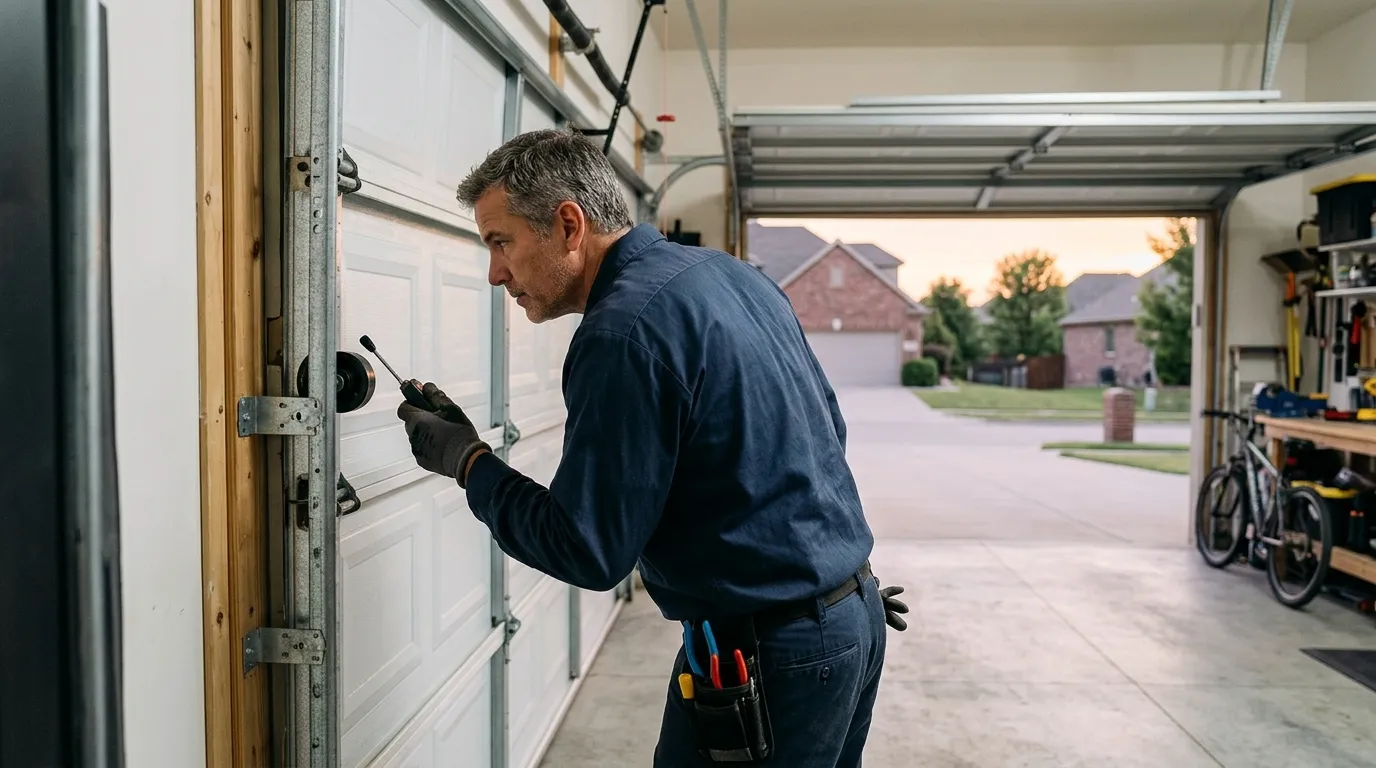
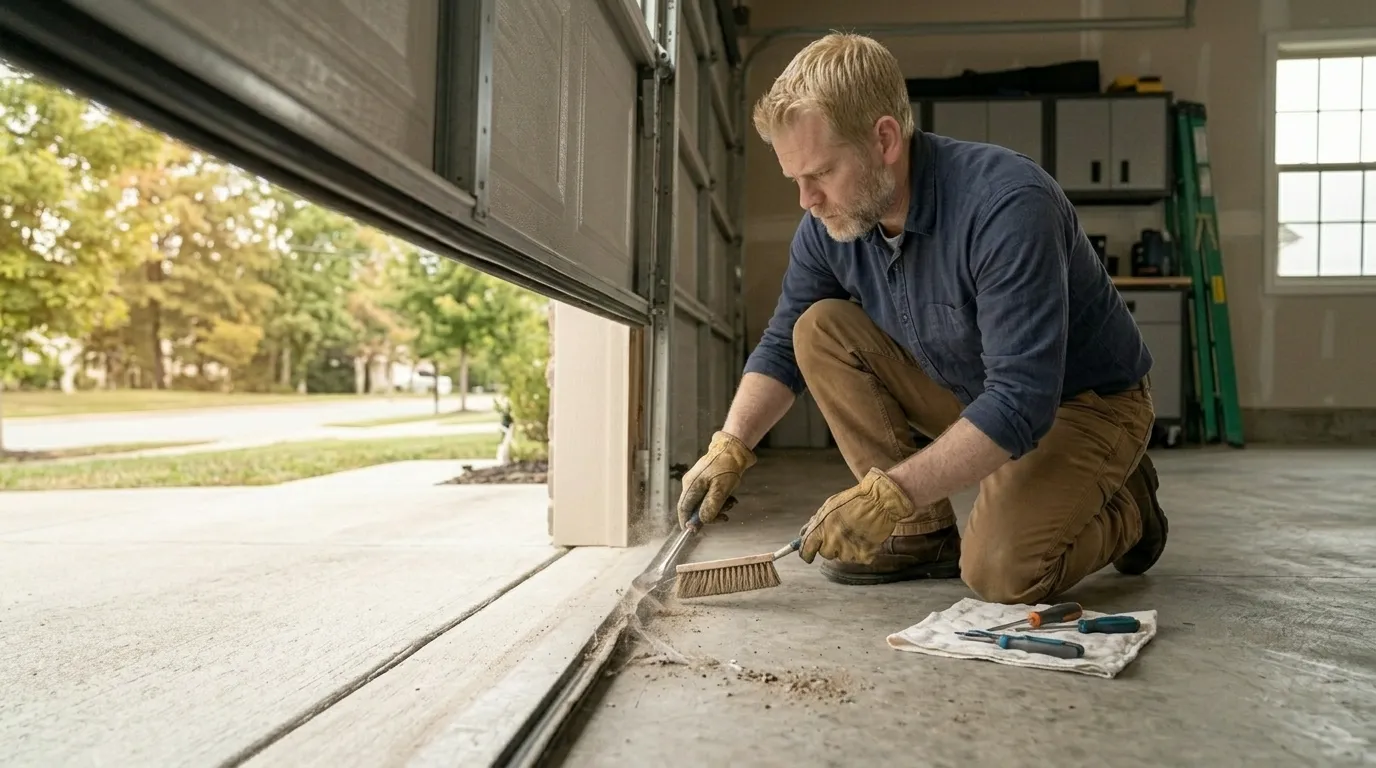
After the cable's on, we check drum alignment, re-tension the spring, and run the door through a full cycle a few times before we call it done. A cable that's seated wrong on the drum will look fine sitting still and then walk itself loose in a week.