Serving Chicago, IL & nearby
(708) 630-7529
Chicago, IL

Garage Door Service for Burbank's 1960s Housing Stock

Burbank homes built mostly in the 1960s carry original garage door hardware. We service torsion springs, openers, and panels from our Chicago shop, 8 miles out.

Garage Door Service for Burbank's 1960s Housing Stock
Chicago, IL
8 services
8 service areas
Diagnosis first, then the fix

Getting It Booked In

Most of the garages we look at in Burbank are single doors on homes built around 1965 - brick or frame ranches and Cape Cods with an attached one-car bay, sometimes widened later to fit a second car. The door itself is usually steel, either the original flush panel or a replacement hung on the same track from decades ago. We come out of Chicago, about 8 miles away, so booking is a call ahead rather than a same-day walk-in. Tell us the door's rough age and whether it's ever been replaced - that alone tells us a lot about what hardware we're dealing with before a truck leaves the shop. If you know the door was swapped in the last 15-20 years, say so; it changes what we bring. If it's original to the house, we plan for parts that don't sit on a shelf anymore, and that shapes how the visit gets scheduled and what we load before we come.

What Causes It Around Here

Burbank's housing runs mostly 1938 to 1994 across this part of the service area, with the median year built sitting around the mid-1960s. A door built or installed in that stretch was engineered for a Chicago-area cold climate, but the springs, cables, and rollers on a 55-to-60-year-old system have absorbed a lot of freeze-thaw cycles by now. Steel expands and contracts, torsion springs lose tension faster in cold months, and the galvanized coating on older cable wears through from repeated cold-weather compression. None of that is a Burbank-specific defect - it's what happens to any door of that generation left running through Chicago winters without the spring or cable ever being swapped out. The fix isn't usually the opener. It's the metal parts under tension that were sized for a lighter door forty years ago and are now working a heavier steel replacement panel.

What You Are Seeing

The door that won't fully close, or drops the last foot instead of settling, is almost always a spring that's lost tension - not the opener straining to compensate. A door that shudders partway up and reverses on its own is often a sensor knocked out of alignment or a track that's bowed slightly from age, not a bad motor. If the door is noticeably heavier to lift by hand than it used to be, that's the spring again, not a new problem with the panels. On original 1960s-era doors we still see in this pocket of the service area, the giveaway is usually a cable that's frayed at the drum or a roller that's worn to the point the door binds sideways in the track. None of these symptoms mean the door is done - they mean specific parts are done, and most of the time it's cheaper and faster to replace those parts than the whole unit.

What the Fix Involves

For a torsion spring on an older single door, the job is measuring the door's weight and the drum size, matching a spring to it, and winding it under controlled tension - not something to do without the right bars and clamps. If the cable's frayed, we replace both cables even if only one shows wear, since they carry the same load and age together. Worn rollers get swapped for steel or nylon depending on what's already installed and how much clearance the track has. On doors that have had a heavier steel panel added later without the spring being re-rated, we resize the spring to match the actual weight rather than just patching the symptom. One honest limit: if the track itself is bent or the jambs have shifted with the house's settling, spring work alone won't fix the binding, and we'll tell you that instead of billing for parts that won't solve it.

The Complications

The complication we run into most in this part of the service area is a door that's been patched piecemeal over the decades - a replacement panel from one era, an opener from another, hardware from a third - so nothing quite matches spec. Matching a spring to a mismatched setup takes an actual measurement on site, not a guess based on door size alone. Openers installed in the last 15-20 years sometimes don't talk cleanly to safety sensors added later, which shows up as random reversing that looks like a track problem but isn't. And because we're traveling in from Chicago rather than working out of a local branch, tight-turnaround emergencies get slotted around the day's route - we'll give you a straight answer on timing when you call rather than promise a window we can't hit.

How it works

From “it’s stuck” to “it’s fixed”

1
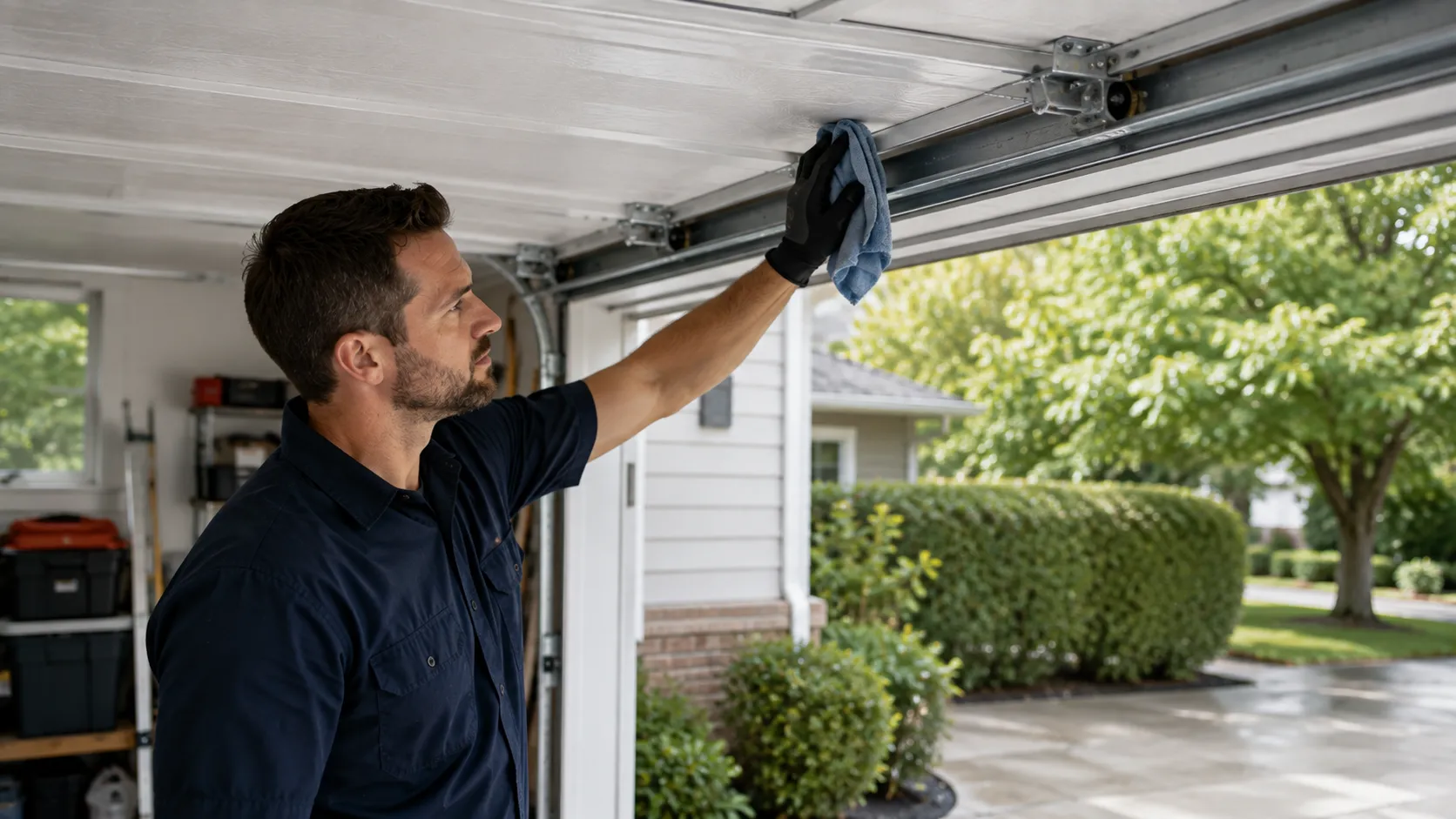
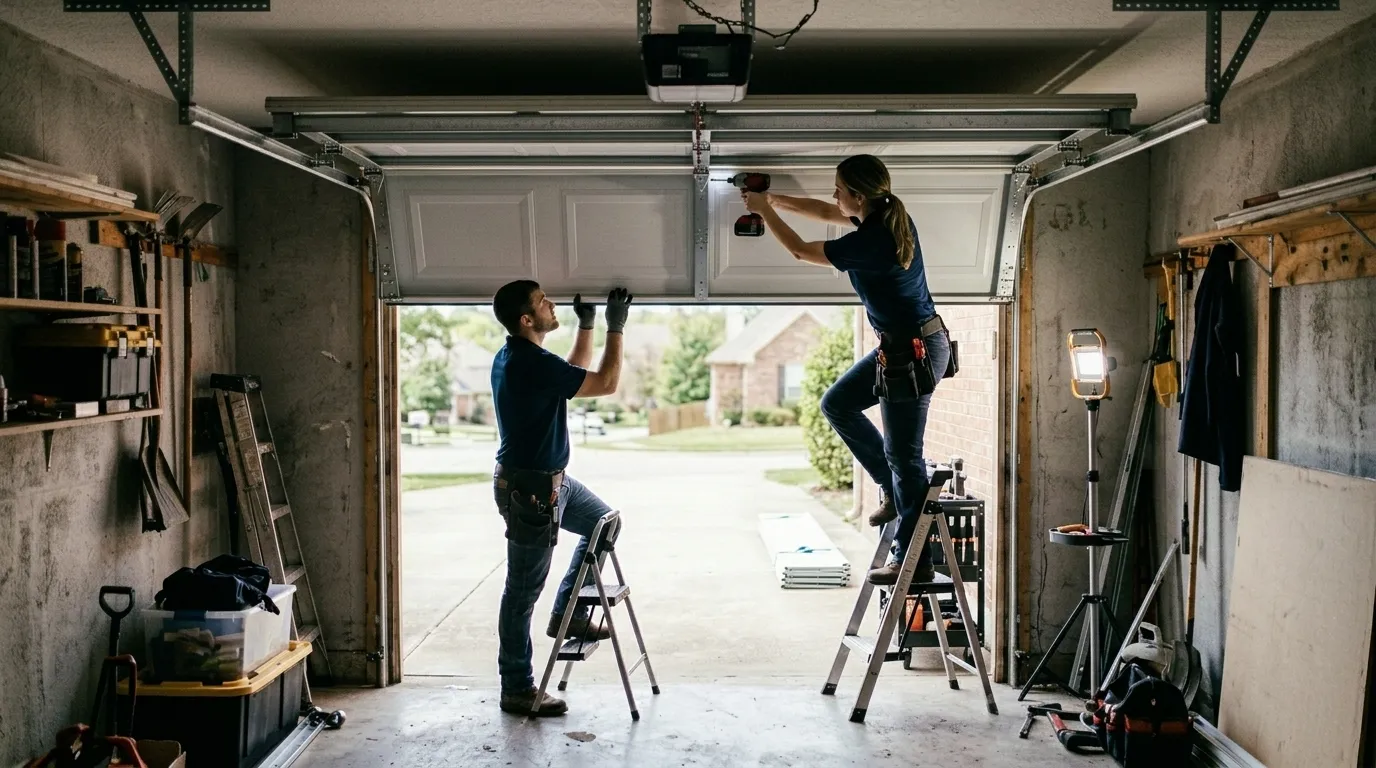
Tell us what’s wrong - Chicago garage door service

Tell us what’s wrong

Describe the symptom - won’t open, loud bang, opener runs but the door won’t move.

2
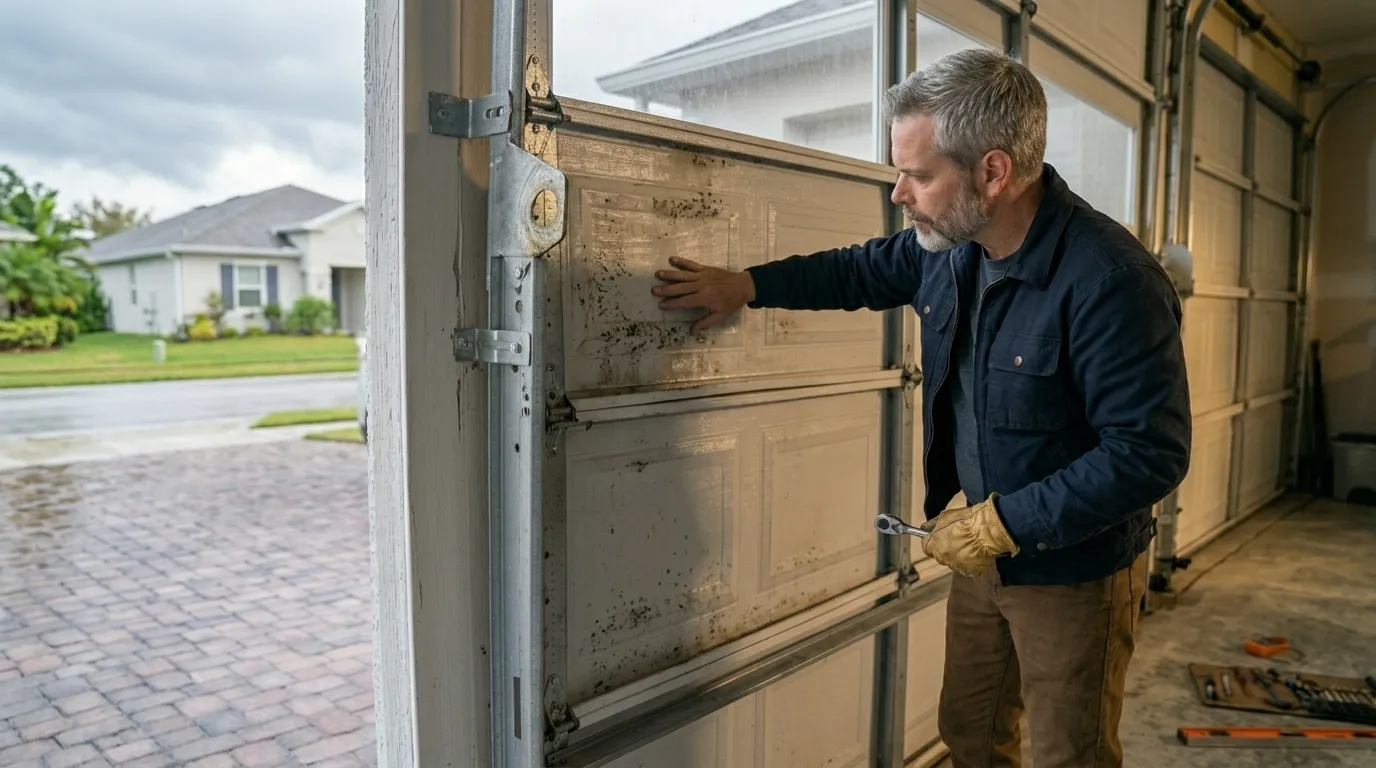
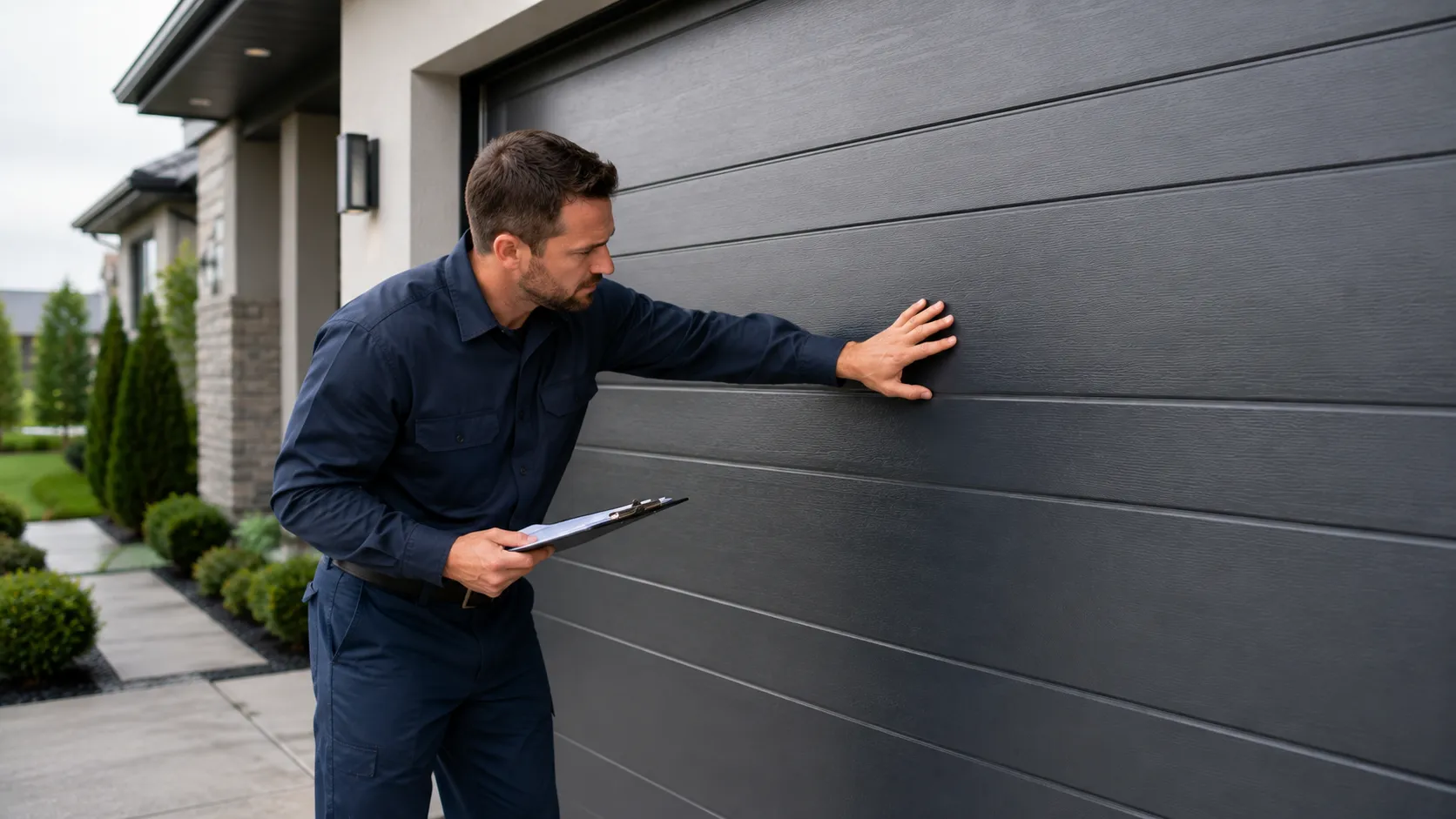
On-site diagnosis - Chicago garage door service

On-site diagnosis

A technician tests the door under power and by hand and finds what actually failed.

3
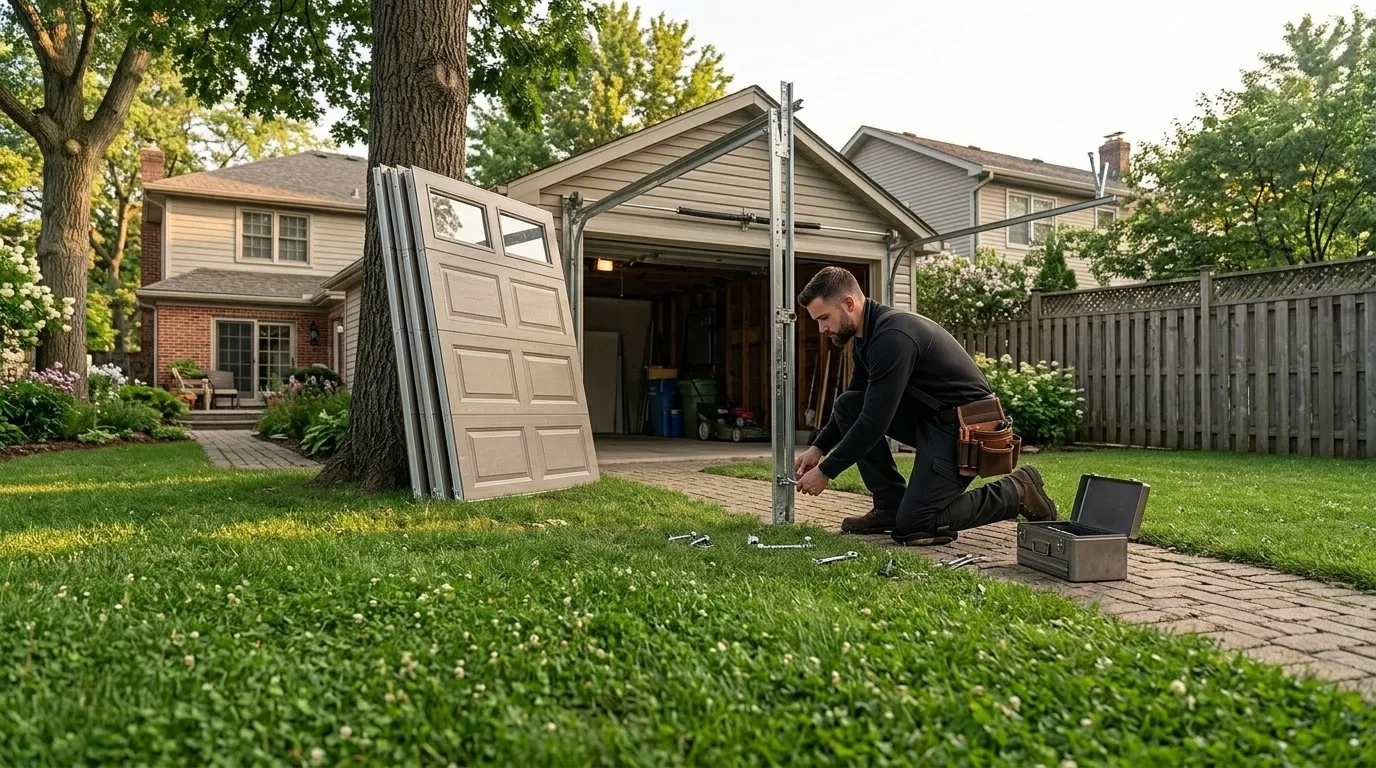
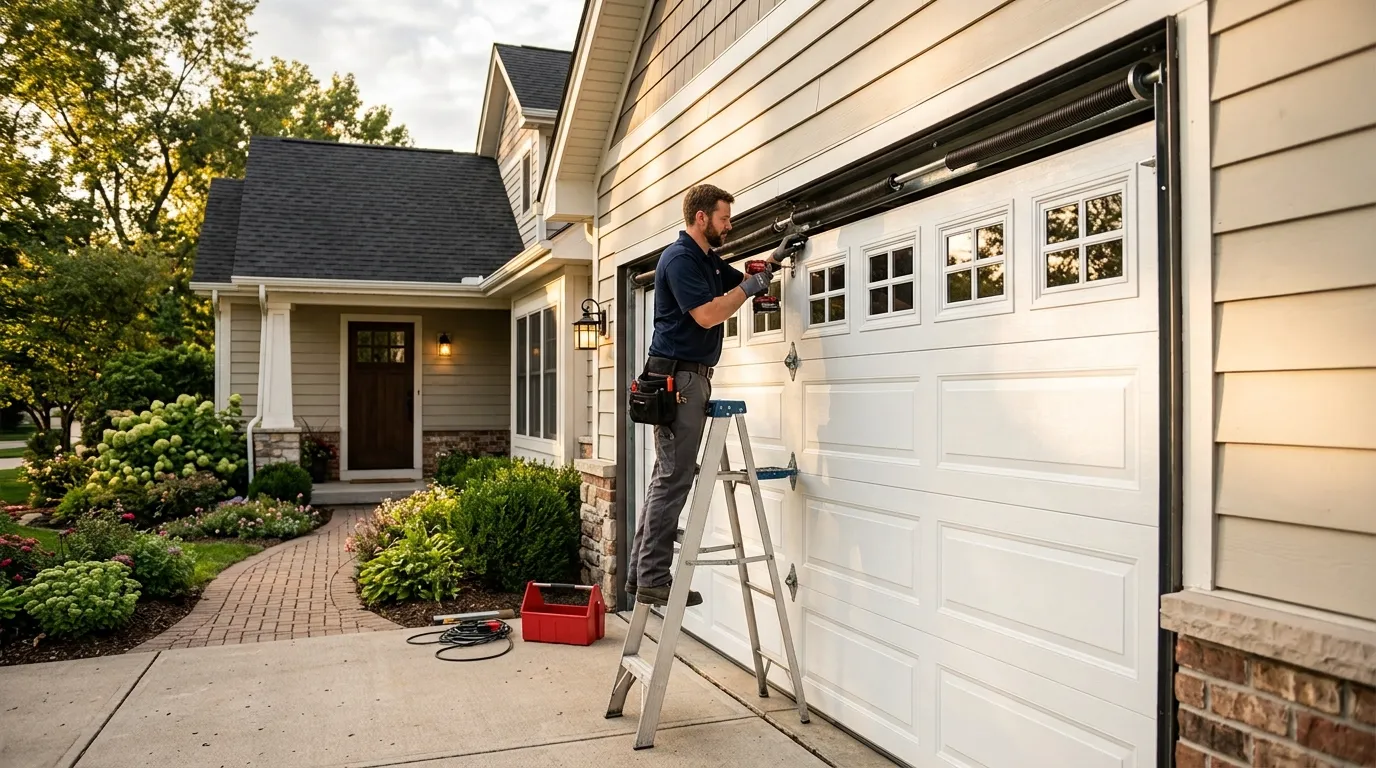
Clear, up-front plan - Chicago garage door service

Clear, up-front plan

You get the fix that’s needed and what drives the cost - before any work starts.

4
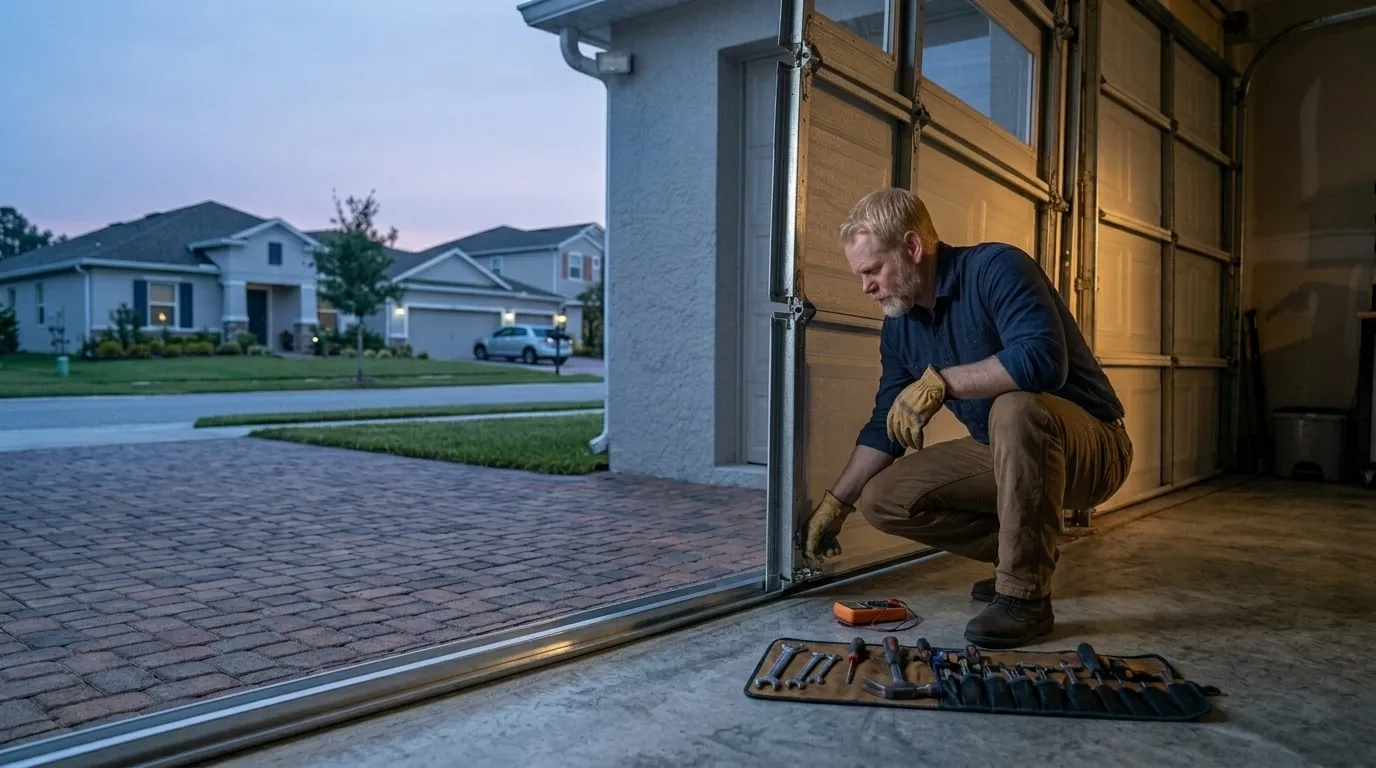
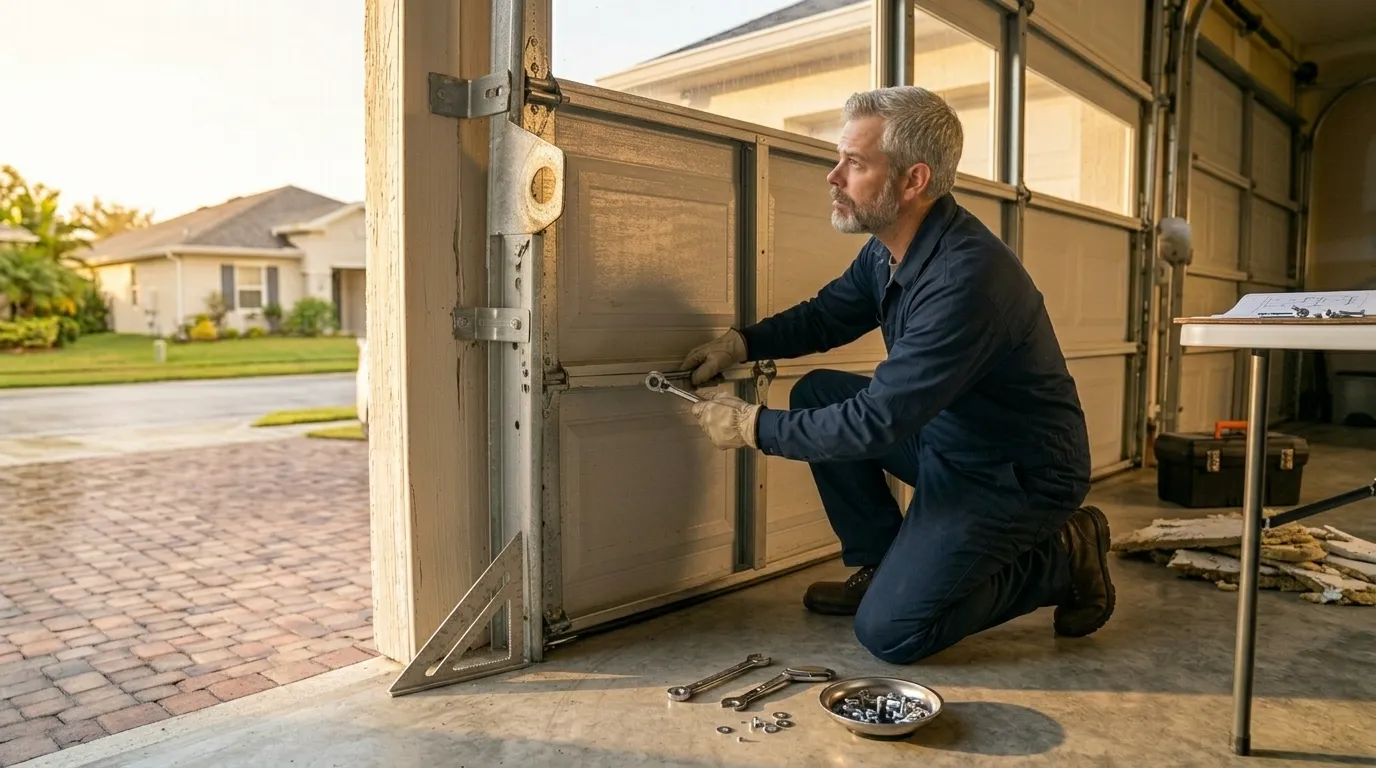
Repaired & tested - Chicago garage door service

Repaired & tested

The repair is done, the door is set true and tested, and the work area left clean.

Serving Chicago, IL - tell us what your door’s doing and we’ll take it from there.

How we work

What to expect

Diagnosis firstEvery visit starts by finding what actually failed - not a pre-written parts list.
The right part for the doorSprings and openers matched to the door’s weight and age, so the fix holds up.
Straight answersWhen a repair makes more sense than a replacement - or the reverse - you hear it plainly.
Clean, careful workTension released safely, hardware set true, the door tested under power before we leave.
2,664,452Residents in Chicago
8Garage door services
8Neighborhoods & suburbs
ILServing Chicago, IL
Questions

Frequently asked

Straight answers about garage door repair in Chicago. Still unsure? Ask us directly.

How old is a typical garage door in Burbank likely to be?

A lot of homes in this part of the service area were built around 1965, so if the door hasn't been replaced, it's often original or close to it - meaning 50-plus years of springs, cable, and rollers that were sized for a lighter door than what may be hanging there now.

Do you have a branch in Burbank?

No. We run out of Chicago, about 8 miles from Burbank, and schedule service calls out to this area rather than staffing a local depot. Response isn't same-hour walk-in - it's a scheduled visit, so call ahead with the door's age and symptom.

Why does my door feel heavier to lift than it used to?

That's almost always spring tension loss, not a heavier door. Torsion springs lose lift capacity over years of cold-weather cycling, and on an older single door in this area that's the first thing we check before looking at the opener or track.

Is it worth fixing an original 1960s door instead of replacing it?

Depends on what's failed. A spring, cable, or roller swap is usually cheaper than replacement and gets an original panel running fine again. If the track or jamb has shifted with the house, though, spring work won't fix the binding and replacement may make more sense.

Ready to get your garage door sorted?

Tell us what it’s doing and where you are in Chicago - we’ll take it from there.

Request a QuoteCall