Serving Chicago, IL & nearby
(708) 630-7529
Chicago, IL

Garage Door Repair for Burbank Homes

Serving Burbank's 1960s housing stock, 8 miles from our Chicago crew - original torsion hardware, cold-climate wear, and the fixes that actually hold up.

Garage Door Repair for Burbank Homes
Chicago, IL
8 services
8 service areas
Diagnosis first, then the fix

Getting It Booked In

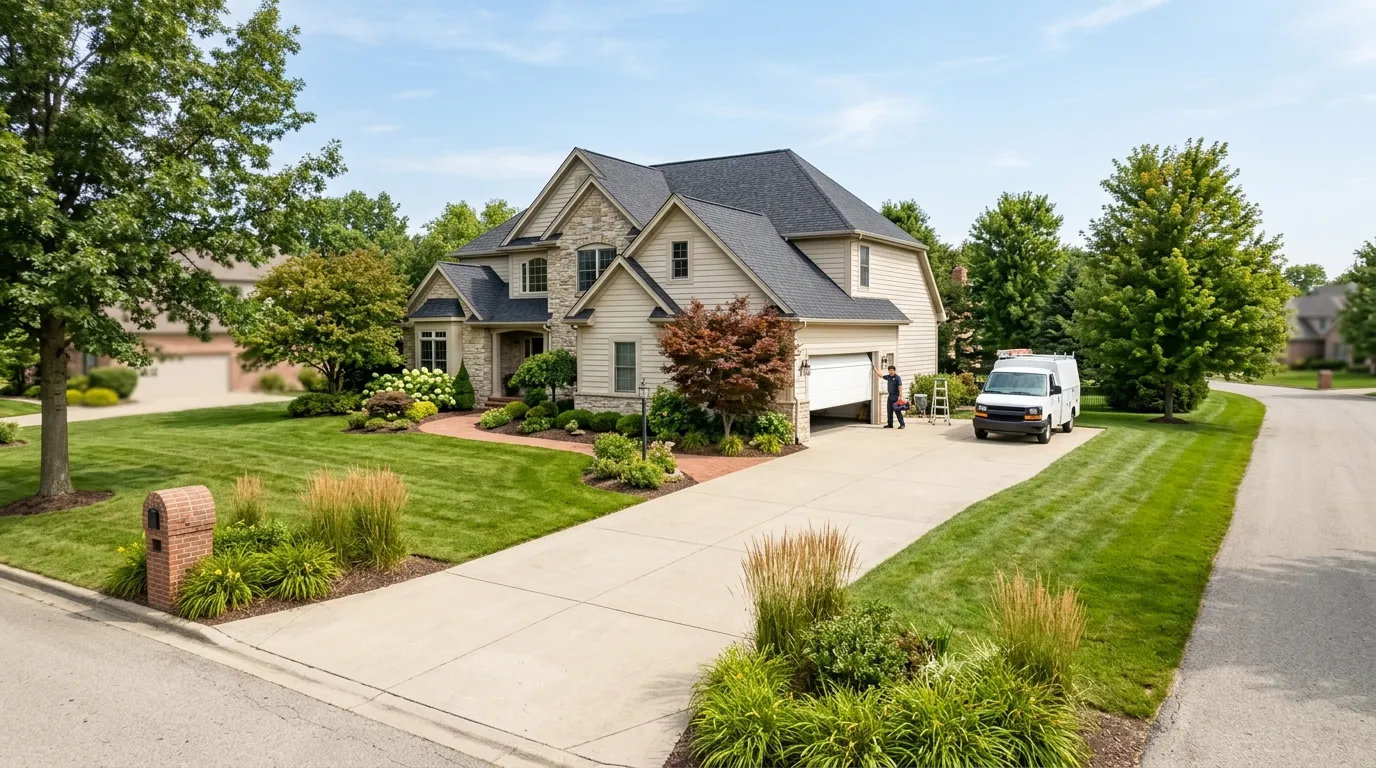
Burbank sits about 8 miles from our Chicago base, and we schedule the run out there the same way we schedule any of the towns in that ring - the truck comes to you, there's no branch office or drop-in counter in Burbank itself. When you call, tell us the age of the house if you know it. A lot of Burbank homes went up in the mid-1960s, right in the middle of the 1938-1994 range we see across this whole service area, and that one detail changes what we load on the truck before we ever knock on your door. Torsion springs, drums, and end bearings from that era were sized differently than what big-box stores carry off the shelf now, so knowing the vintage ahead of time means we're not guessing at the curb. We don't keep a stocked branch in Burbank, so anything unusual - an odd-width panel, a discontinued opener model - may mean a short wait on parts rather than a same-visit fix. That's not a Burbank problem specifically, it's just the reality of working on hardware that's older than the guy installing it.

What Causes It Around Here

With a median build year around 1965, a good share of Burbank's garage doors are still running on the original torsion setup - the same spring, same shaft, same bearing plates the house came with. Nobody's touched them because nothing's failed yet, until it does, usually all at once. Add in a real Chicago-area winter - this whole service area sits in a cold, moderate climate band, with real freeze-thaw cycles every year - and steel spring wire fatigues faster than it would somewhere milder. Cables corrode where they run near the bottom of unheated garages. Rollers, if they're still steel, seize up when grease has gone stiff over a couple of cold months. None of this is dramatic; it's just wear that's been building since the Johnson or Nixon administration, showing up now because a spring only has so many cycles in it before the coil gives out. Houses built later, past the mid-70s, tend to have galvanized hardware that ages more gracefully - but a lot of Burbank's stock predates that.

What You Are Seeing

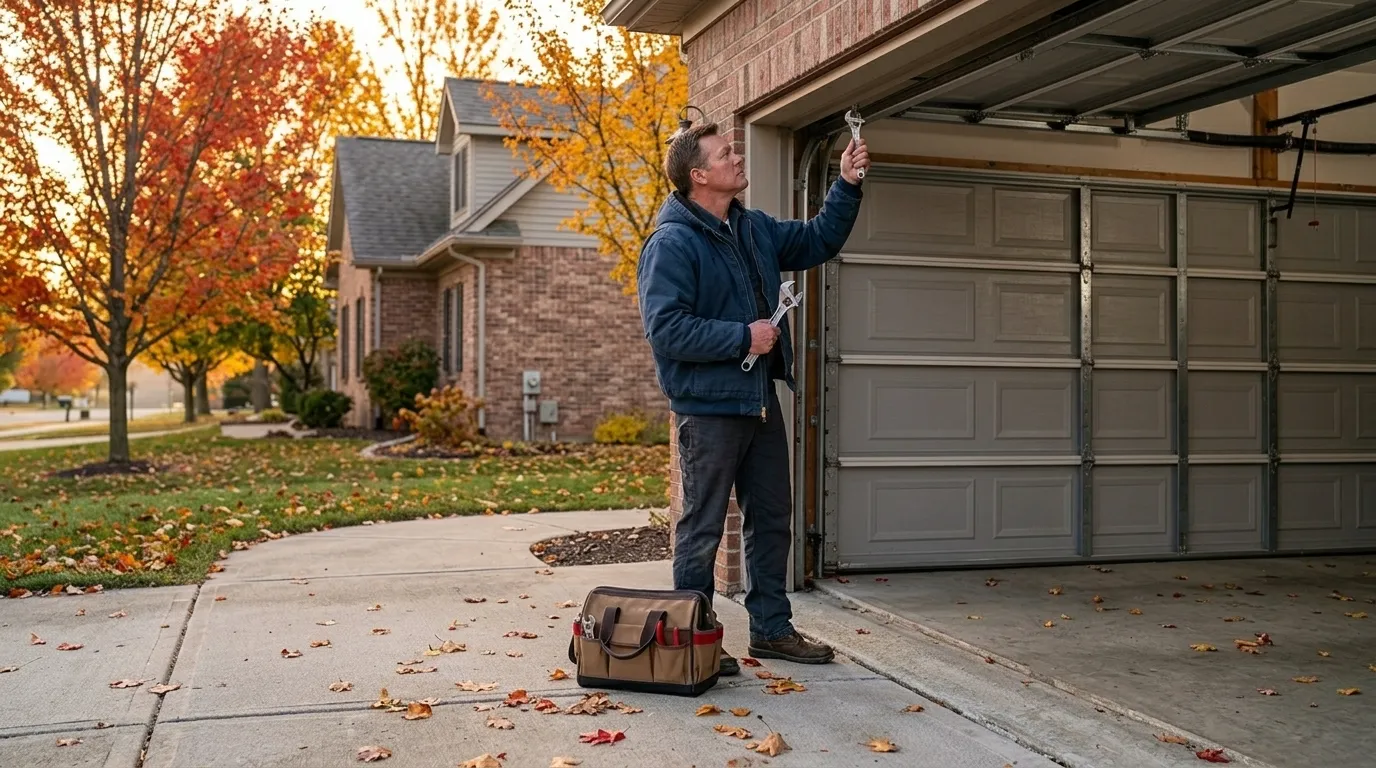
The door that used to open in one smooth pull now hesitates, or drops the last foot instead of settling. That's a spring losing tension, not an opener problem, even though the opener usually gets blamed first. A loud bang from the garage, then a door that won't budge - that's a torsion spring letting go outright, and on original 1960s hardware it's not rare. If the door runs crooked, catching on one side before the other, look at the cables: one has probably stretched or frayed more than its twin, which happens when they've never been swapped in fifty-plus years. Rollers that grind or shriek in cold weather, especially on the first cold morning after a warm stretch, are usually original steel rollers that have gone dry inside. None of these symptoms point to the opener motor itself as often as owners assume - the motor is usually the newest part on the door, replaced at some point, while the spring and track are original to the house.

What the Fix Involves

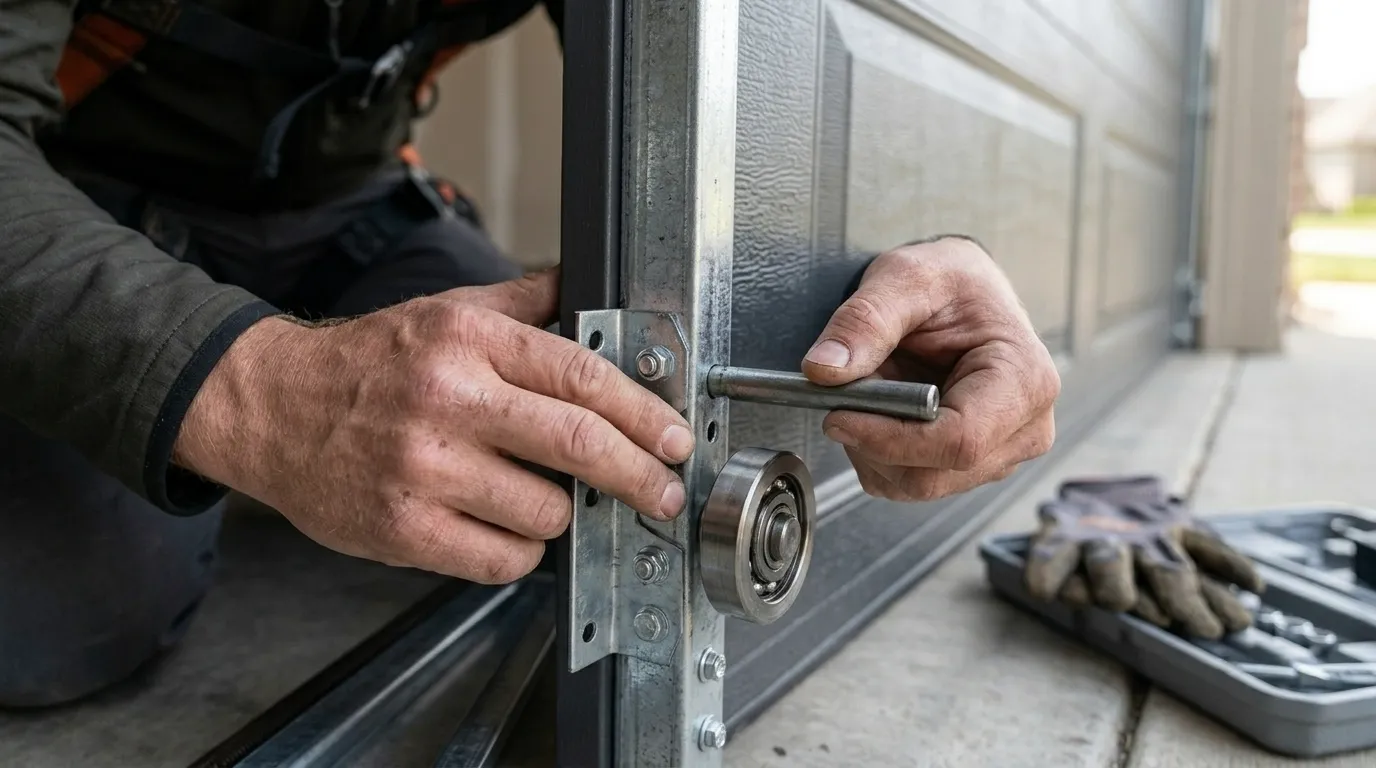
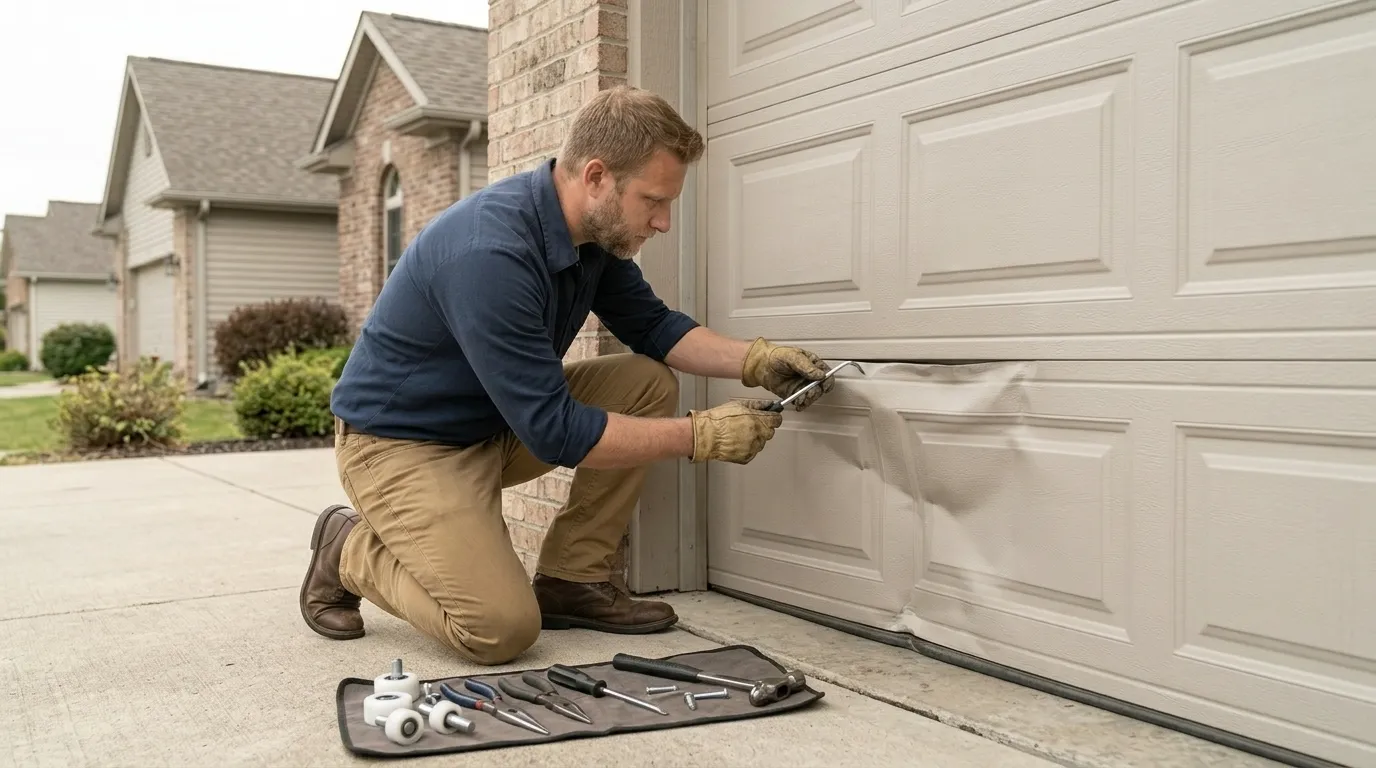
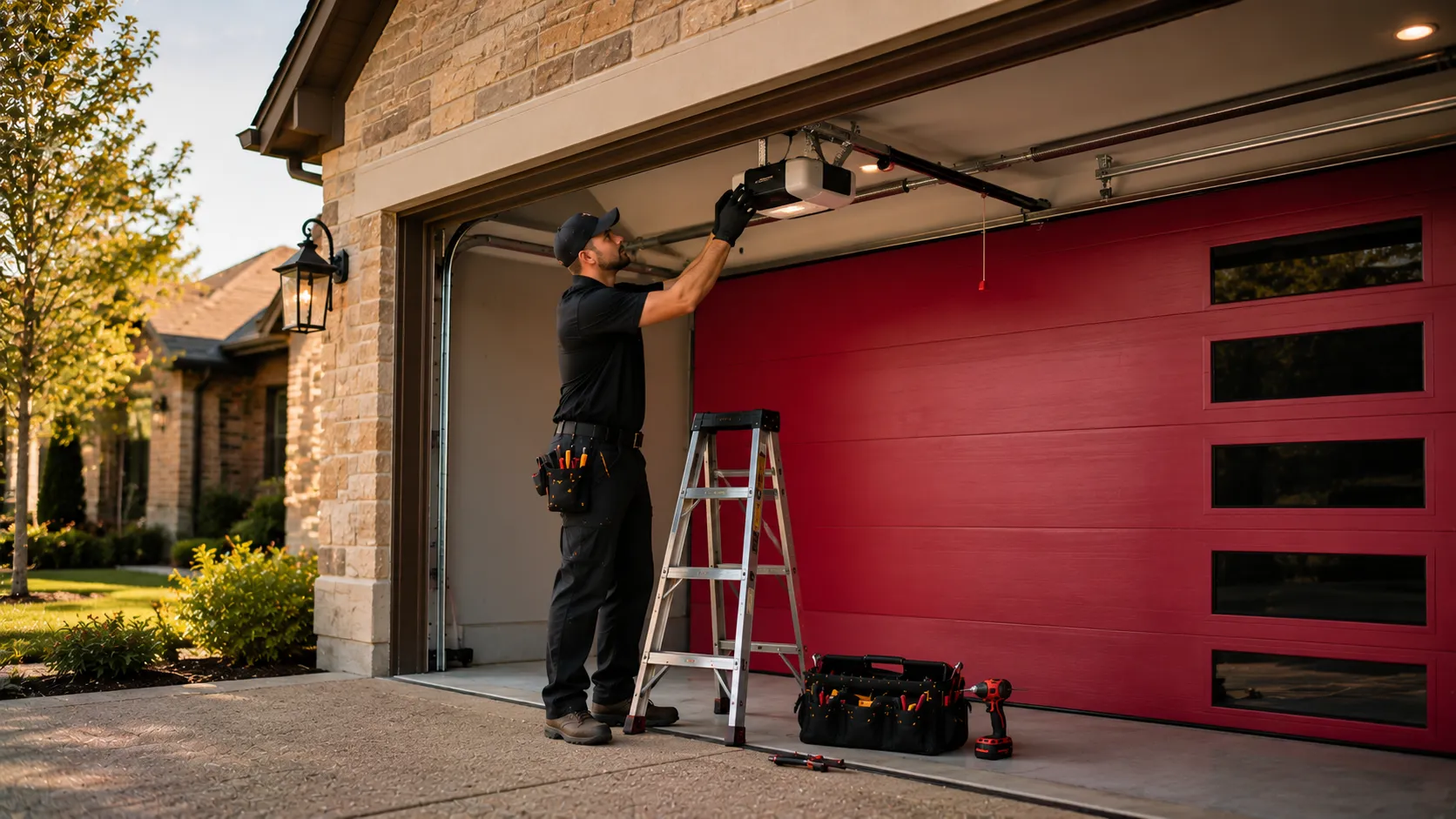
Most calls on original 1960s hardware end with a spring replacement, sized to the door's actual weight rather than whatever generic size happens to be on the shelf - a mismatch there is why some doors feel wrong even after a repair. If the drums or bearing plates show pitting from age, we replace those in the same visit since they're already exposed. Cables get swapped in pairs, not one at a time, because a fifty-year-old cable that hasn't broken yet is still fifty years old. Rollers are worth upgrading to nylon while the door's apart - it's a small cost against a full spring job and it quiets the door down for good in cold weather. What we won't do is patch a spring that's already stretched past spec just to save a visit; a spring that's been over-cycled will fail again, usually at a worse moment, and re-doing the same job twice costs the homeowner more than doing it right the first time.
The Complications

The honest limitation: if your door or opener is a less common model - sometimes true on houses that had a one-off replacement decades back - the exact replacement part isn't always something we carry on the truck, and getting it can add a few days. We also won't chase every noise back to its root cause on a first visit if the door has multiple failing systems at once; sometimes the responsible call is to fix the safety issue (the spring, the cable) now and flag the opener or track for a second look rather than guess at everything in one pass. Burbank's older housing stock means we do run into double failures more often here than in newer subdivisions - a worn spring and dry rollers together, for instance - and separating what's urgent from what's just annoying is part of the job.

How it works

From “it’s stuck” to “it’s fixed”

1
Tell us what’s wrong - Chicago garage door service

Tell us what’s wrong

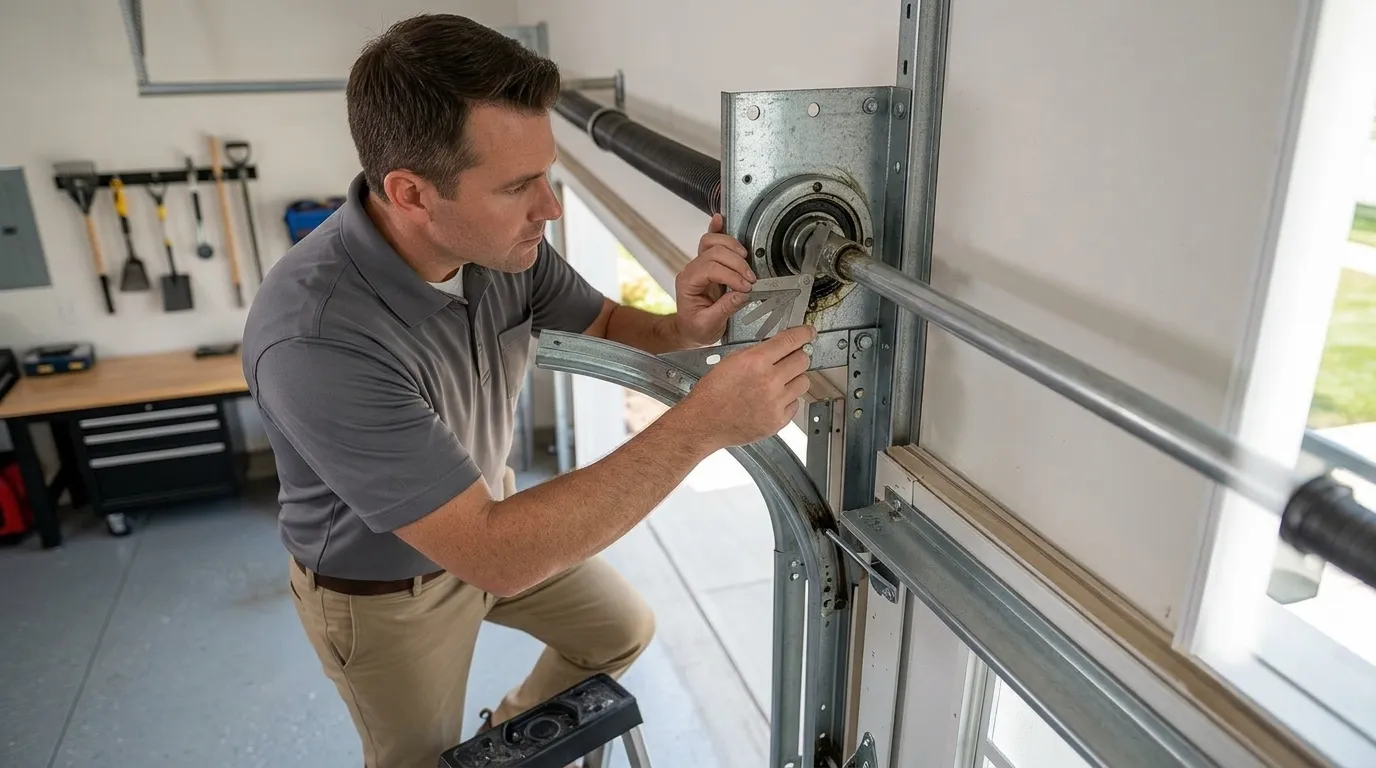
Describe the symptom - won’t open, loud bang, opener runs but the door won’t move.

2
On-site diagnosis - Chicago garage door service

On-site diagnosis

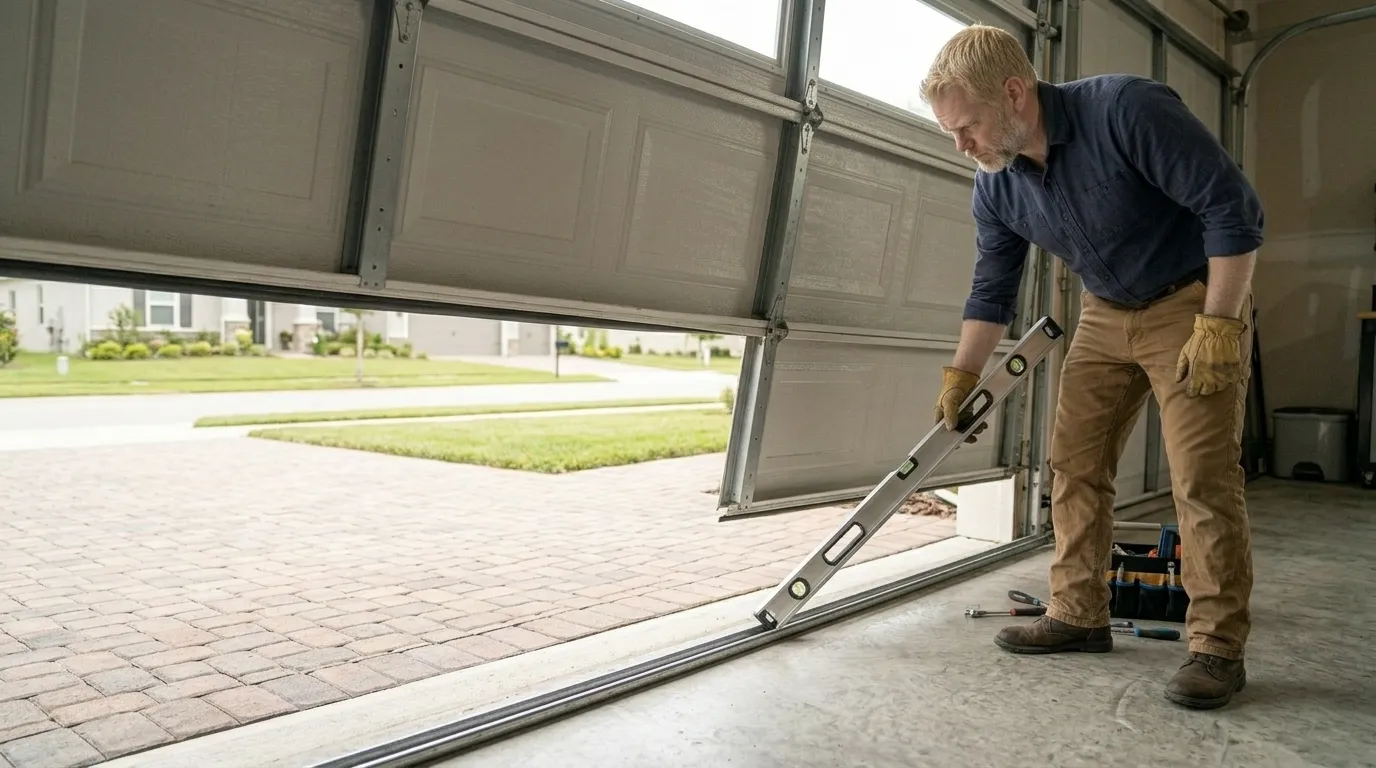
A technician tests the door under power and by hand and finds what actually failed.

3
Clear, up-front plan - Chicago garage door service

Clear, up-front plan

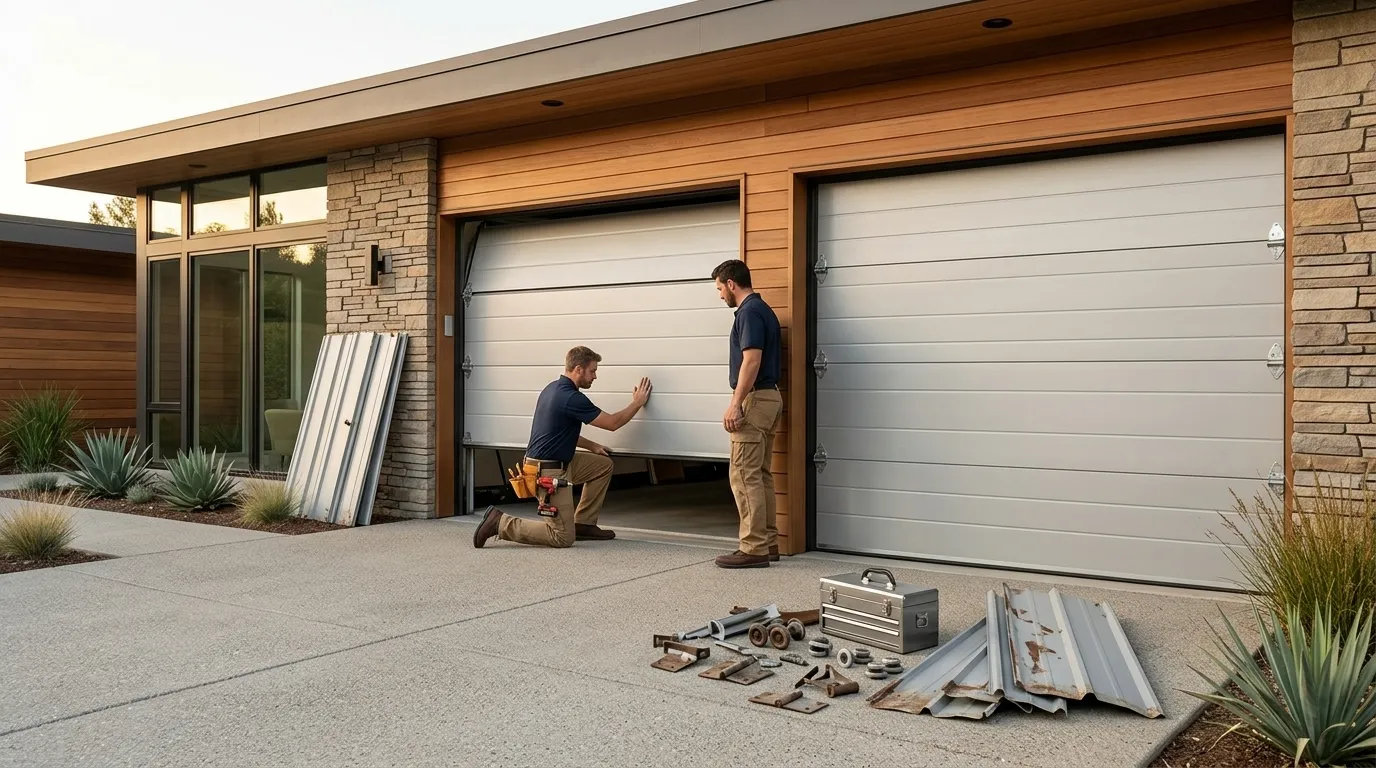
You get the fix that’s needed and what drives the cost - before any work starts.

4
Repaired & tested - Chicago garage door service

Repaired & tested

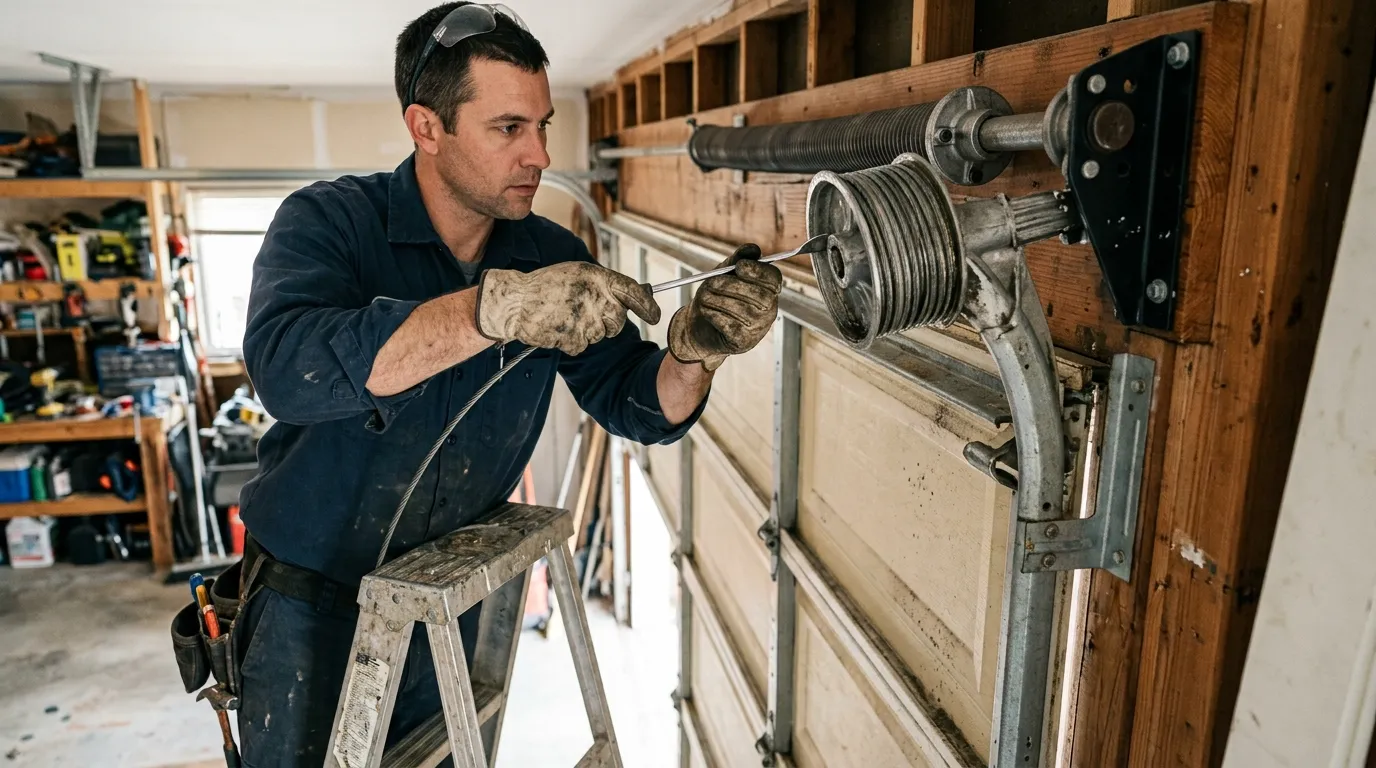
The repair is done, the door is set true and tested, and the work area left clean.

Serving Chicago, IL - tell us what your door’s doing and we’ll take it from there.

How we work

What to expect

Diagnosis firstEvery visit starts by finding what actually failed - not a pre-written parts list.
The right part for the doorSprings and openers matched to the door’s weight and age, so the fix holds up.
Straight answersWhen a repair makes more sense than a replacement - or the reverse - you hear it plainly.
Clean, careful workTension released safely, hardware set true, the door tested under power before we leave.
2,664,452Residents in Chicago
8Garage door services
8Neighborhoods & suburbs
ILServing Chicago, IL
Questions

Frequently asked

Straight answers about garage door repair in Chicago. Still unsure? Ask us directly.

Is my garage door spring original to the house if it was built in the 1960s?

Very possibly, yes. A lot of Burbank homes date to right around 1965, and if nobody's mentioned replacing the spring, it's likely still the one installed with the door. Original springs from that era can still be running, but they're well past the point where failure is a matter of when, not if.

Do you have a location in Burbank?

No. We run out of Chicago, about 8 miles away, and travel out for calls rather than working from a Burbank counter or branch. That doesn't change the repair itself, just means there's no drop-in option - everything's scheduled as a visit.

Why does my door make more noise in winter?

Cold stiffens grease and shrinks metal slightly, which is harder on original steel rollers and aging bearing plates than on newer nylon parts. This area sits in a cold climate band with real seasonal swings, so a door that's fine in July can start grinding in January without anything new having broken.

Should I replace the whole door or just fix the spring?

If the panels, track, and opener are sound, a spring and cable job is usually the right call and far cheaper than a full replacement. We'd only recommend replacing the door itself if the panels are rusted through or badly dented, which we can tell you honestly on the visit.

Ready to get your garage door sorted?

Tell us what it’s doing and where you are in Chicago - we’ll take it from there.

Request a QuoteCall