Getting It Booked In
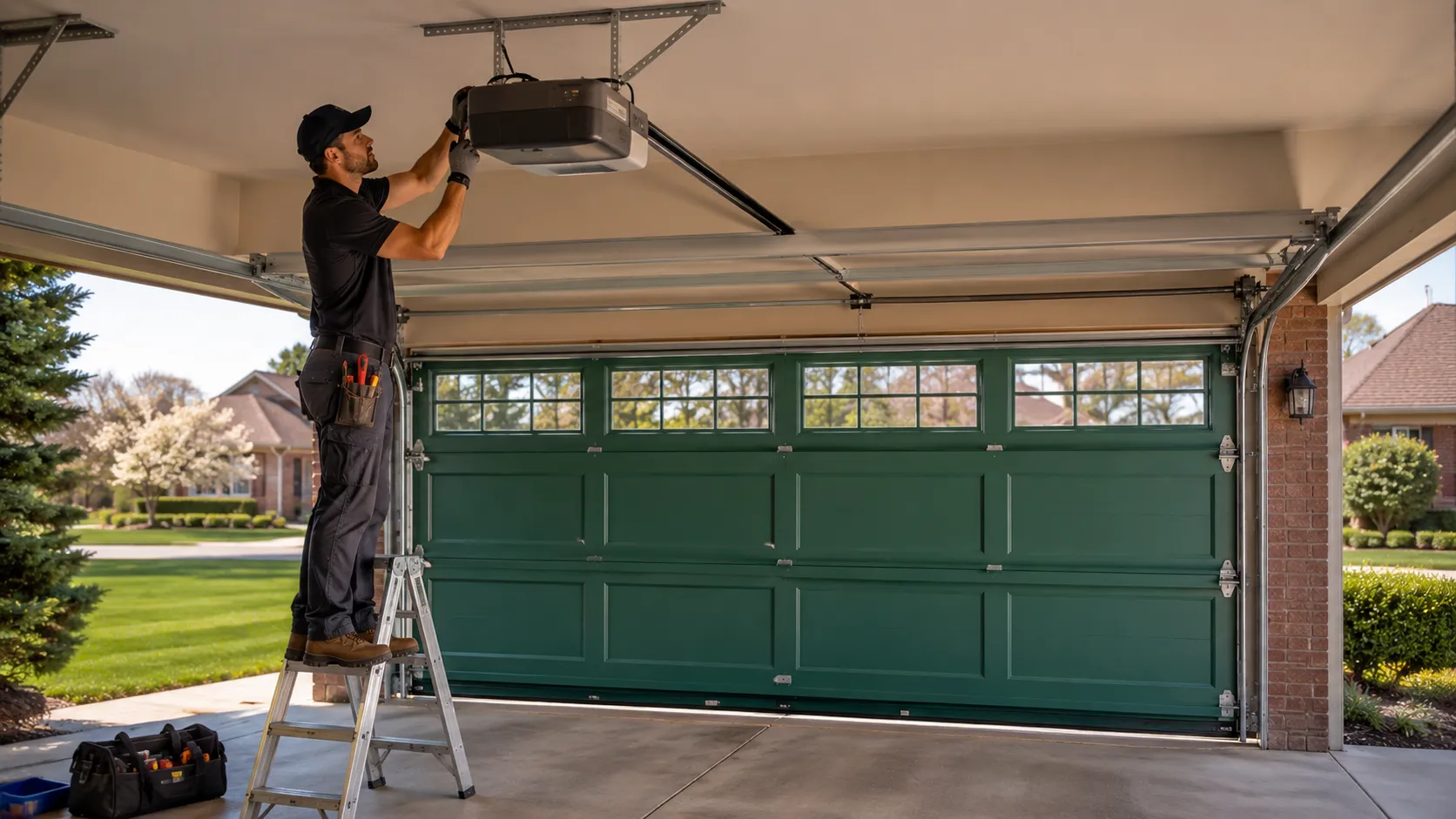
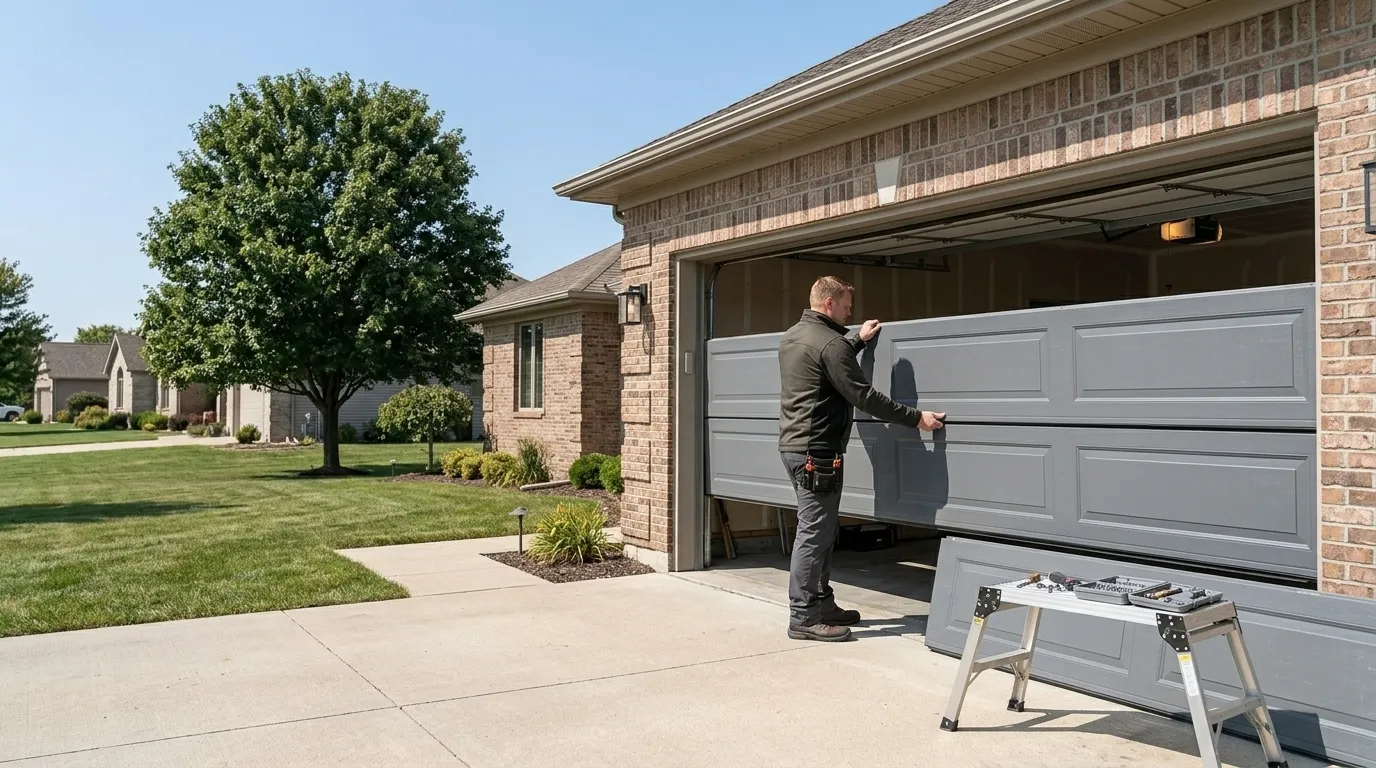
We run this job out to Burbank from Chicago, so there's no branch on this side of the map and no promise of a same-hour window - we'll give you a realistic time when you call, not a number pulled from a script. What we can tell you up front is what we're likely walking into. Burbank's housing stock centers on 1965, almost sitting at the midpoint of the wider service area's 1938-to-1994 build range. That's not a wide spread of eras like you'd find closer into the city - it's a tight band, which means a lot of these openers went in around the same handful of years and a lot of them are failing for the same reasons at the same time. Tell us the age of the house and whether the opener has ever been swapped, and we'll come with the right gear set, capacitor, or logic board options loaded rather than guessing on site. At eight miles out, we're not doing return trips for a part we should have brought the first time.
What You Are Seeing
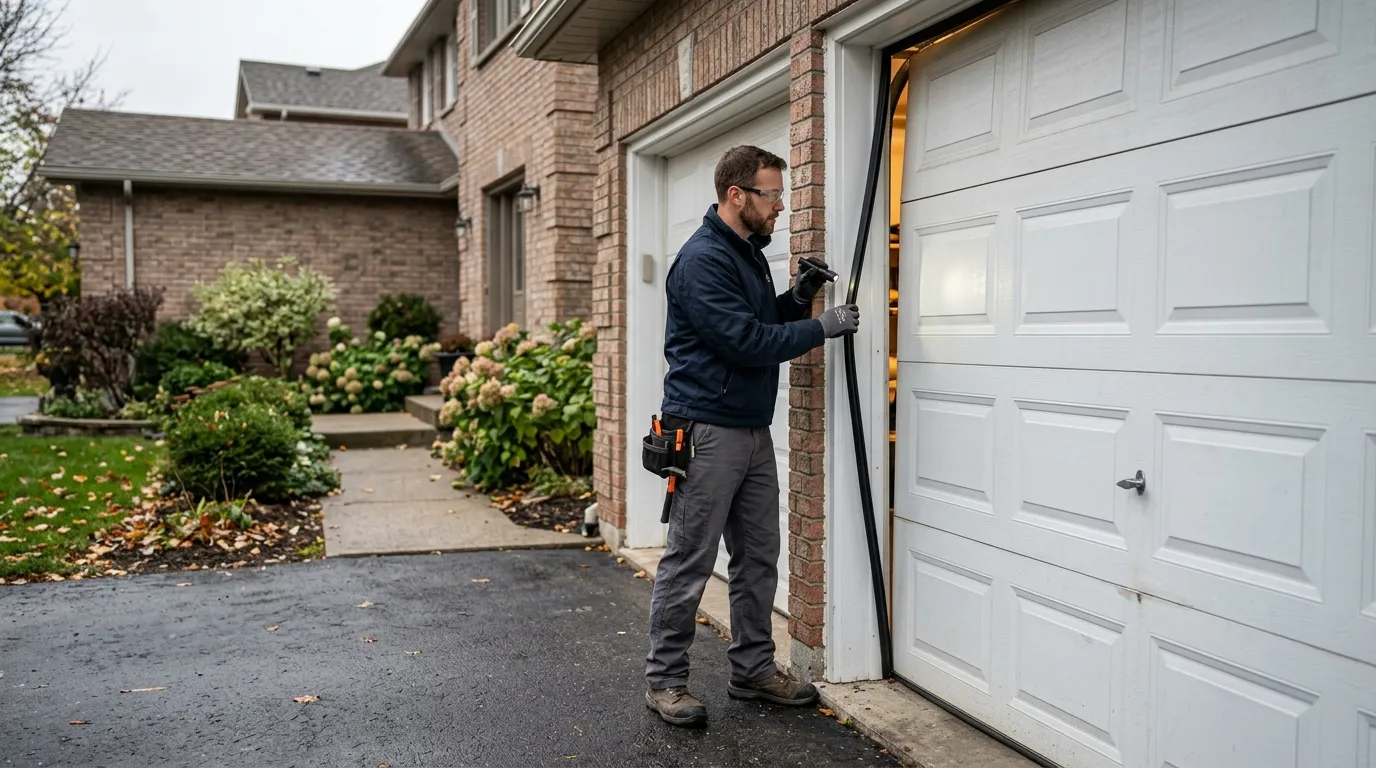
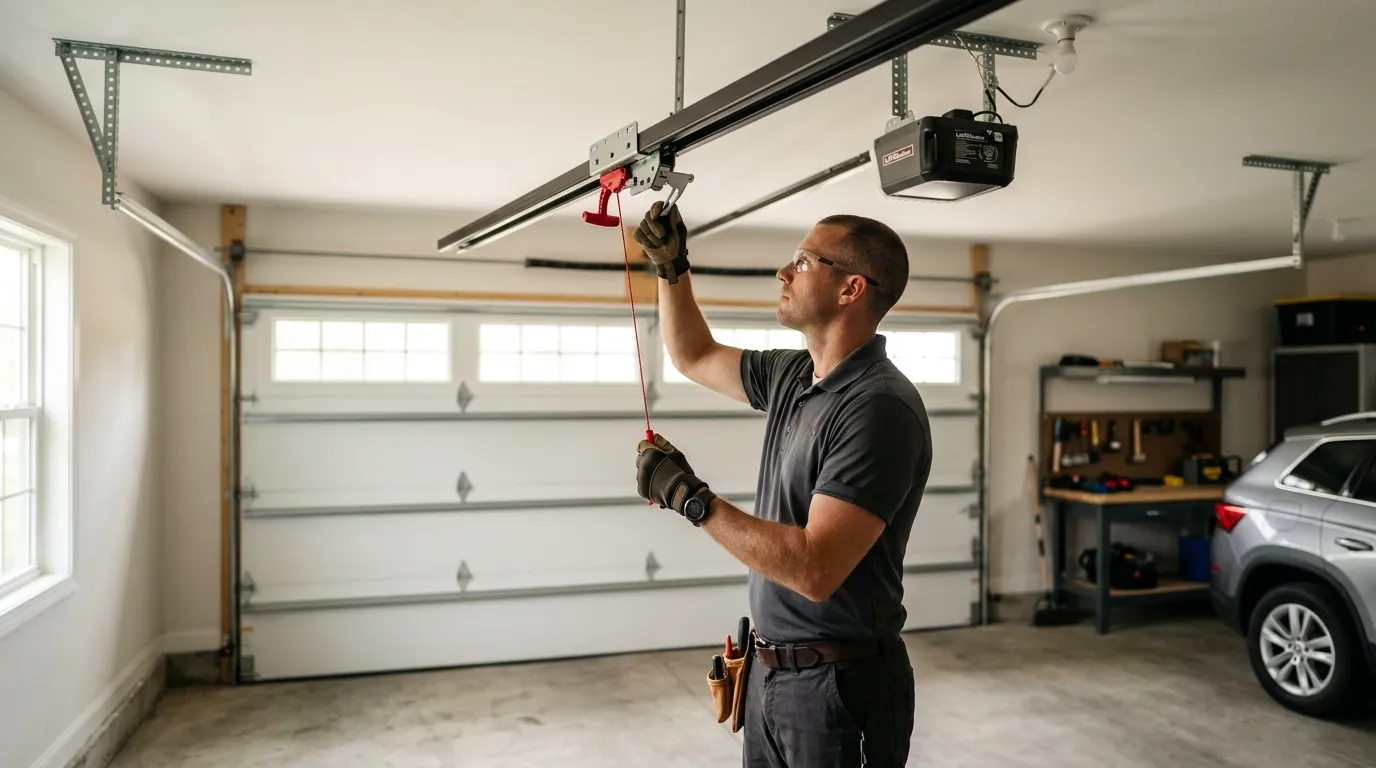
The most common call is an opener that runs the motor but the door doesn't move, or moves an inch and stalls - that's a stripped drive gear, and on original units it's often the second or third one to go since the first replacement gear is usually a cheaper part than the original. Right behind that: a door that opens fine but won't close from the remote, only the wall button, which is almost always the safety sensor wiring, brittle after decades in an unheated garage. We also get a fair number of openers that run intermittently and then quit for good - that's the capacitor, and once it goes, it usually takes the start winding with it. If your opener is original to a 1965-era build, don't be surprised if the fix reveals a second failing part behind the first one you called about.
What the Fix Involves
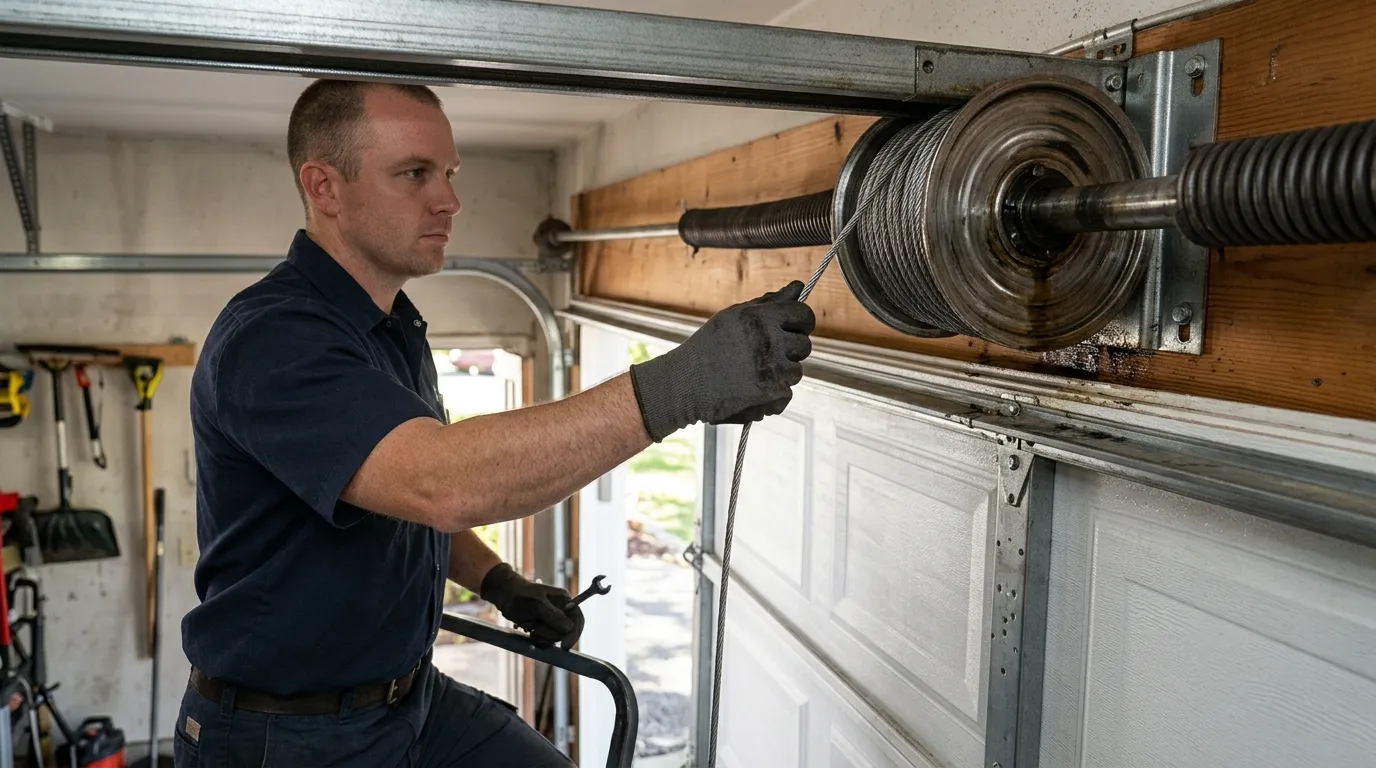
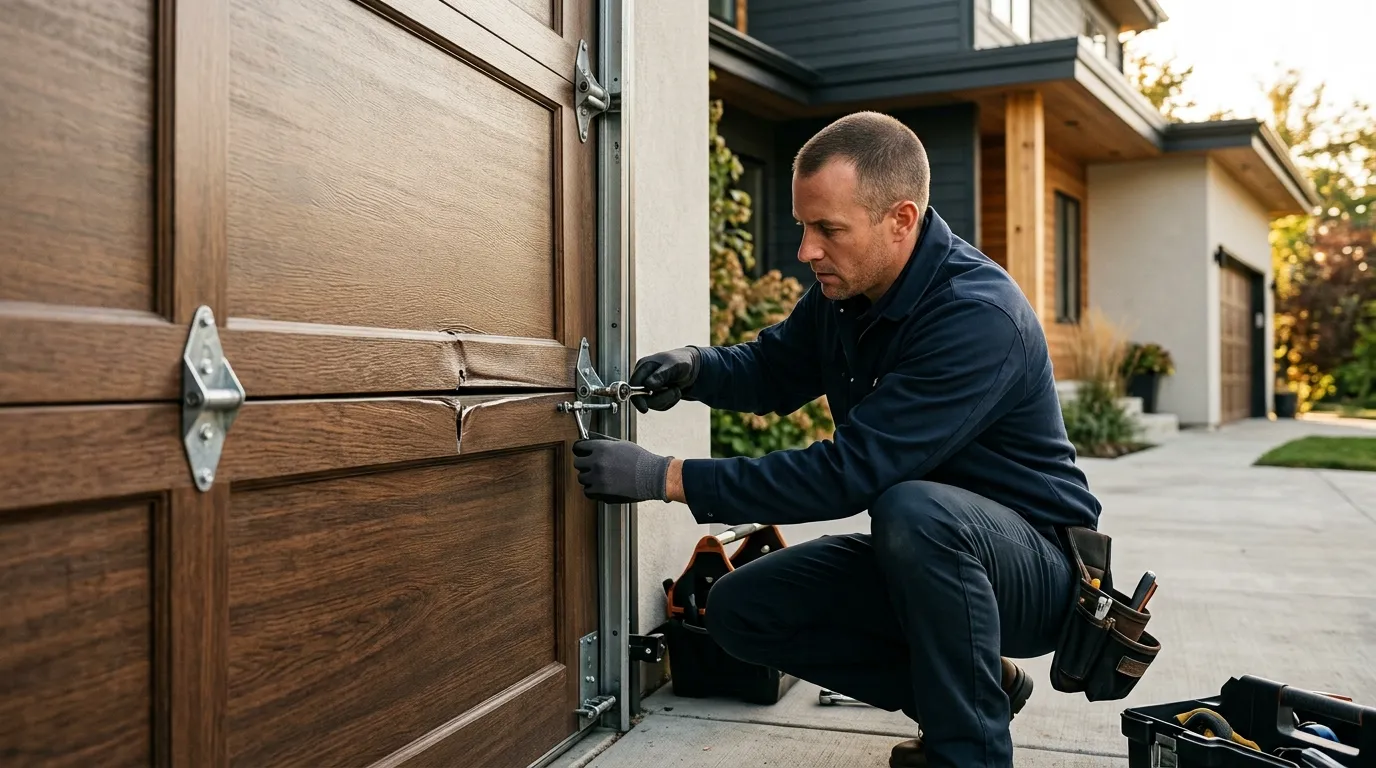
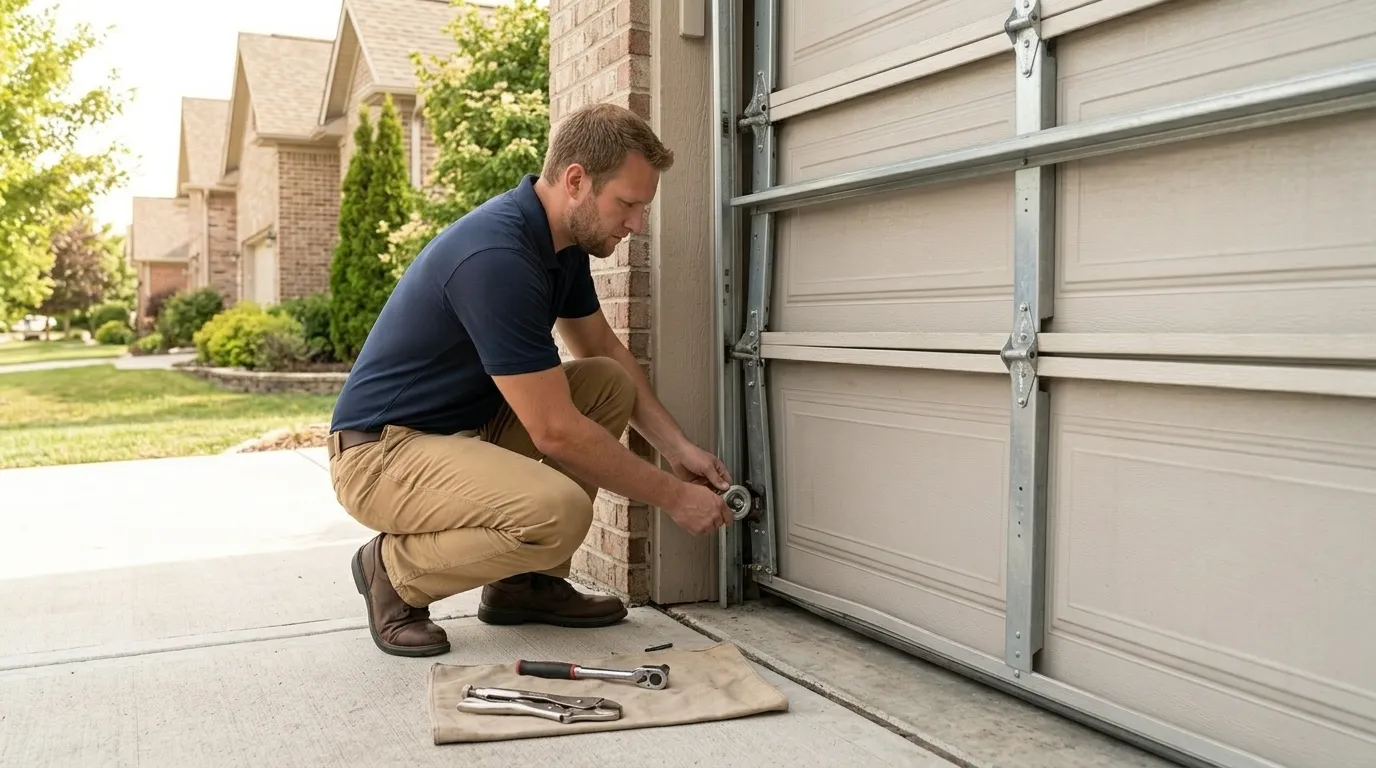
For a stripped gear or dead capacitor on a unit that's otherwise sound, we replace the part and test it under full load a few times before we leave - a gear that seems fine on an empty run can still bind once the door's weight is back on it. Sensor wiring gets fully replaced, not spliced, since old insulation cracks near the splice point next season anyway. Where we start talking replacement instead of repair: chain-drive units from the original 1965 build era with no battery backup, on 461,017 households' worth of housing stock we've seen this pattern across, rarely justify a parts repair once the motor windings go - the labor to source obsolete AC motor parts costs more than a new belt-drive unit with backup built in. Median income across the service area sits around $80,202, and we'll tell you straight which side of that line your job falls on before we start.