Getting It Booked In
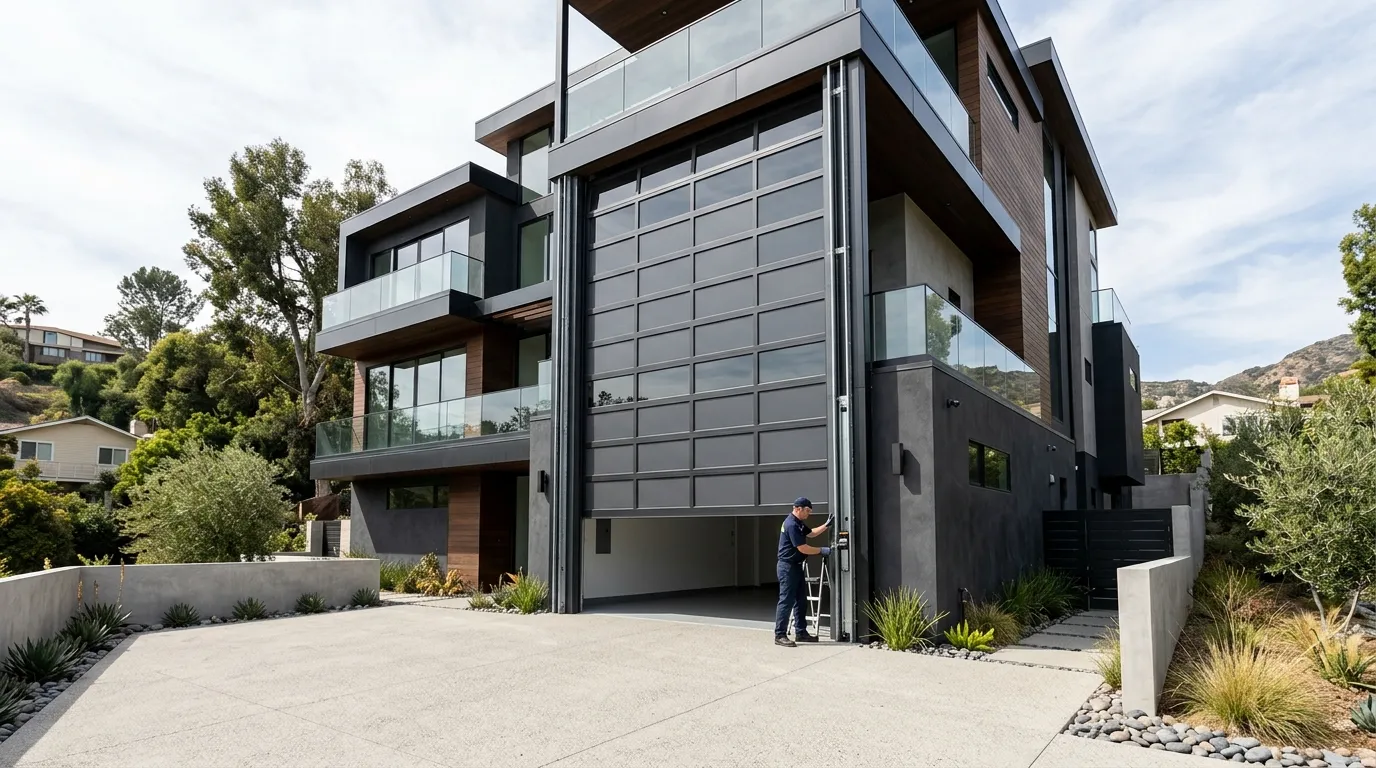
We run maintenance calls out to Elmhurst from our Chicago base, about 14 miles in. There's no branch office here, so booking means picking a day that works and we build the route around it - same as we do for the other communities in the service area. Because Elmhurst's housing is tighter in age than the citywide mix (built mostly around 1964, versus Chicago's 1938 to 1994 spread), we already have a good idea of what hardware we'll find before the truck leaves. That means less guessing on the phone and a shorter list of questions when we set the appointment. We ask for the door's age or the house's build year if you know it, whether the opener has been swapped since, and whether anything currently sticks, grinds, or hangs unevenly. That's usually enough to plan the visit properly rather than showing up and discovering the job halfway through.
What Is on the Truck
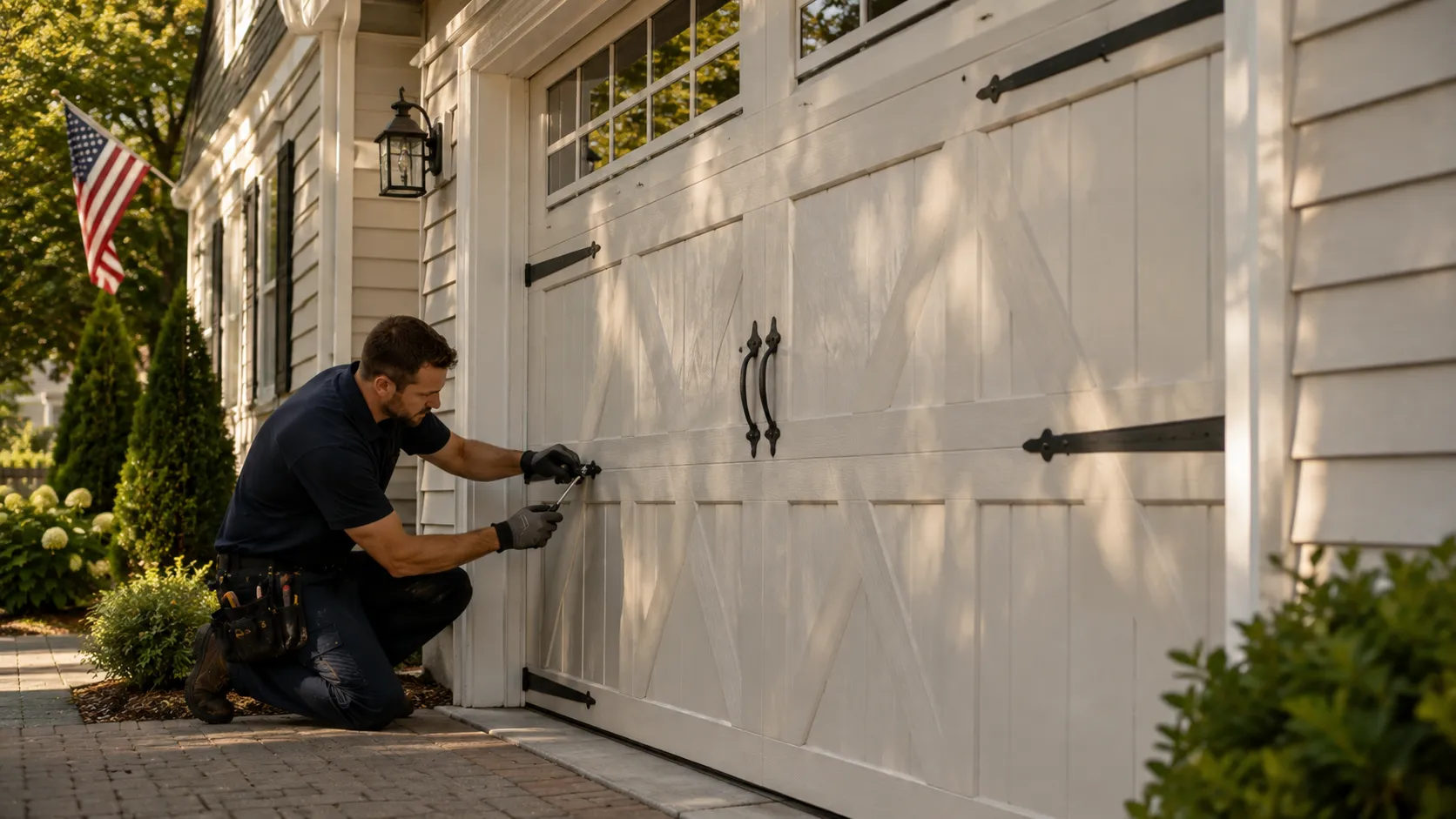
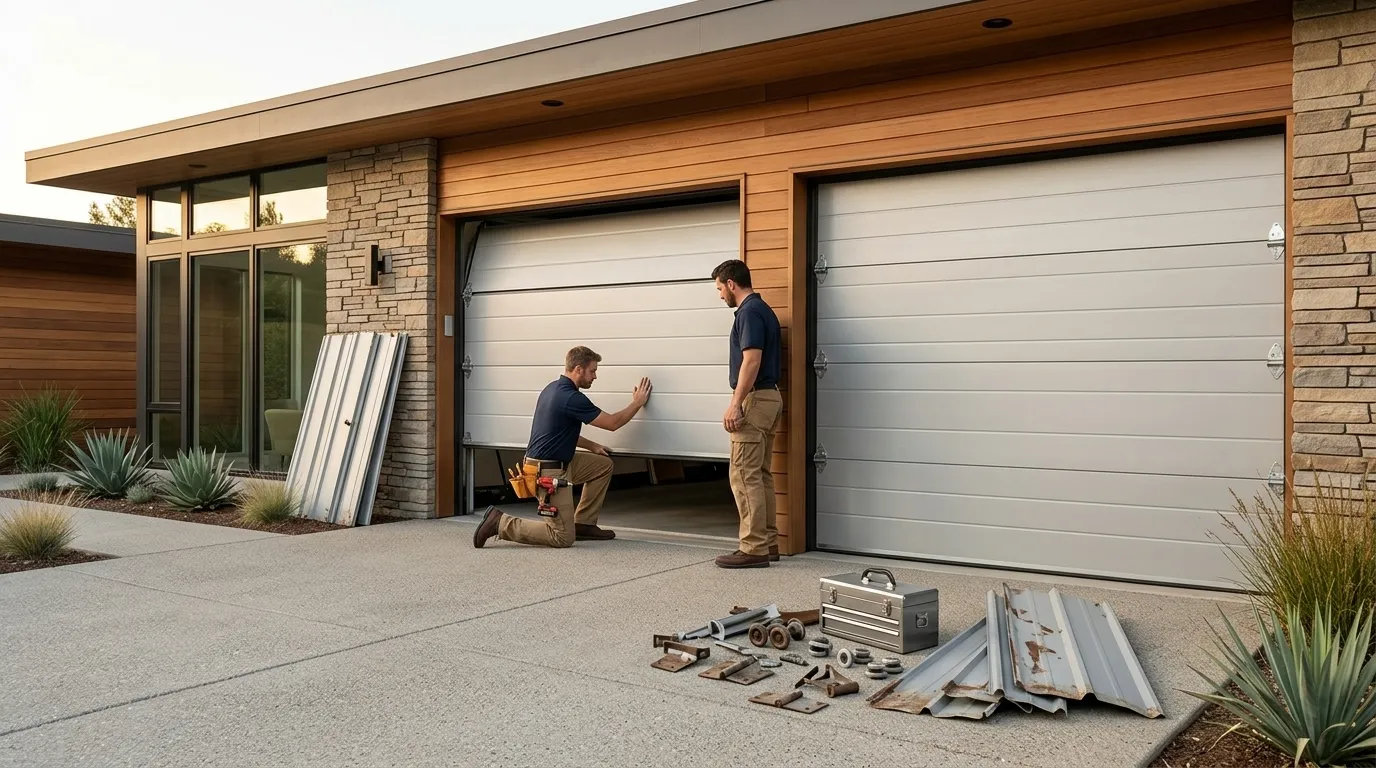
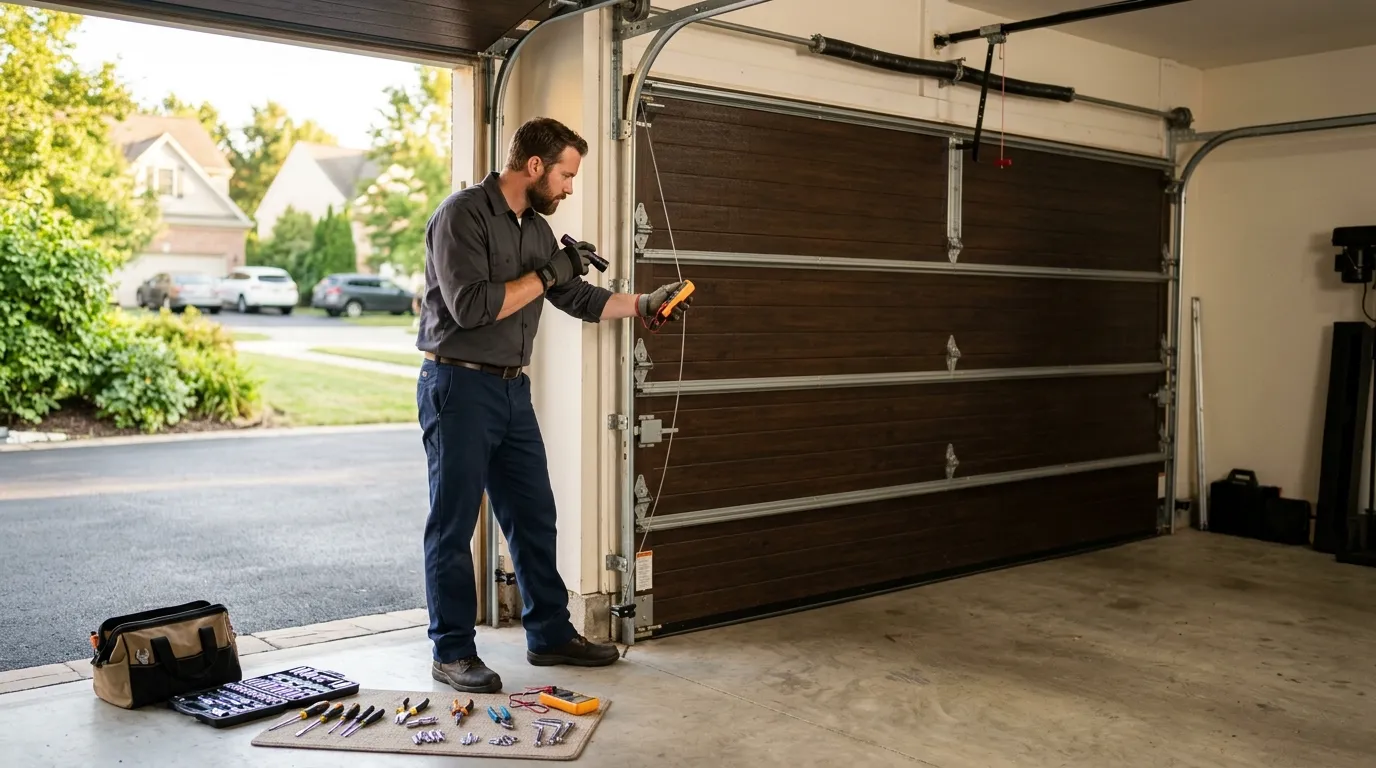
Standard maintenance stock covers what most doors from this era need: lubricant rated for cold-weather cycling, replacement rollers, hinge and cable hardware, and the tools to check spring tension and track alignment. What we don't carry is every obsolete part for openers or hardware original to a 1960s install - some of that has to be sourced, and we'll say so on-site rather than pretend otherwise. That's the one honest limitation worth stating plainly: if your door has hardware nobody's made in decades, a maintenance visit can tell you what's wearing out, but it may not be able to fix it that same trip. Most of the time the fix is straightforward - lubrication, adjustment, a swapped roller or two - and the truck carries what that takes.
What You Are Seeing
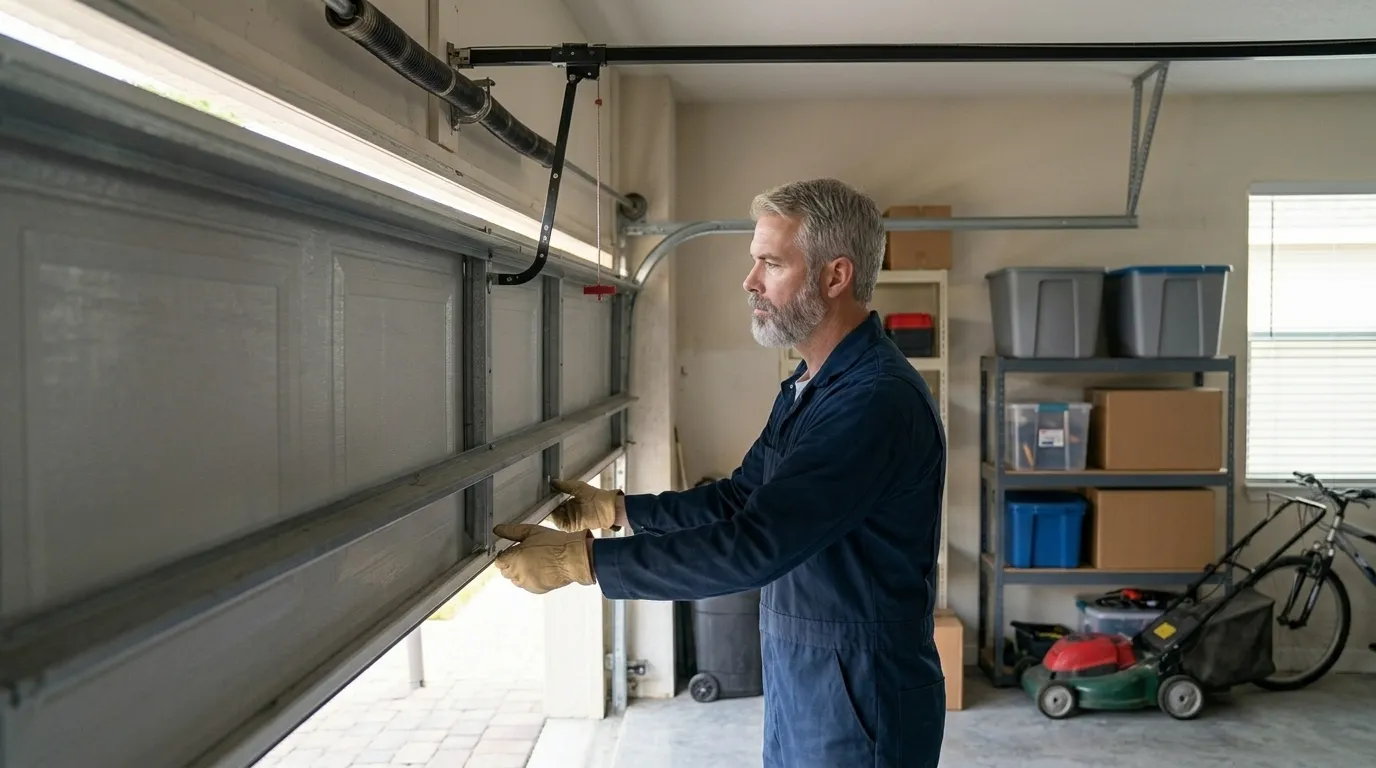
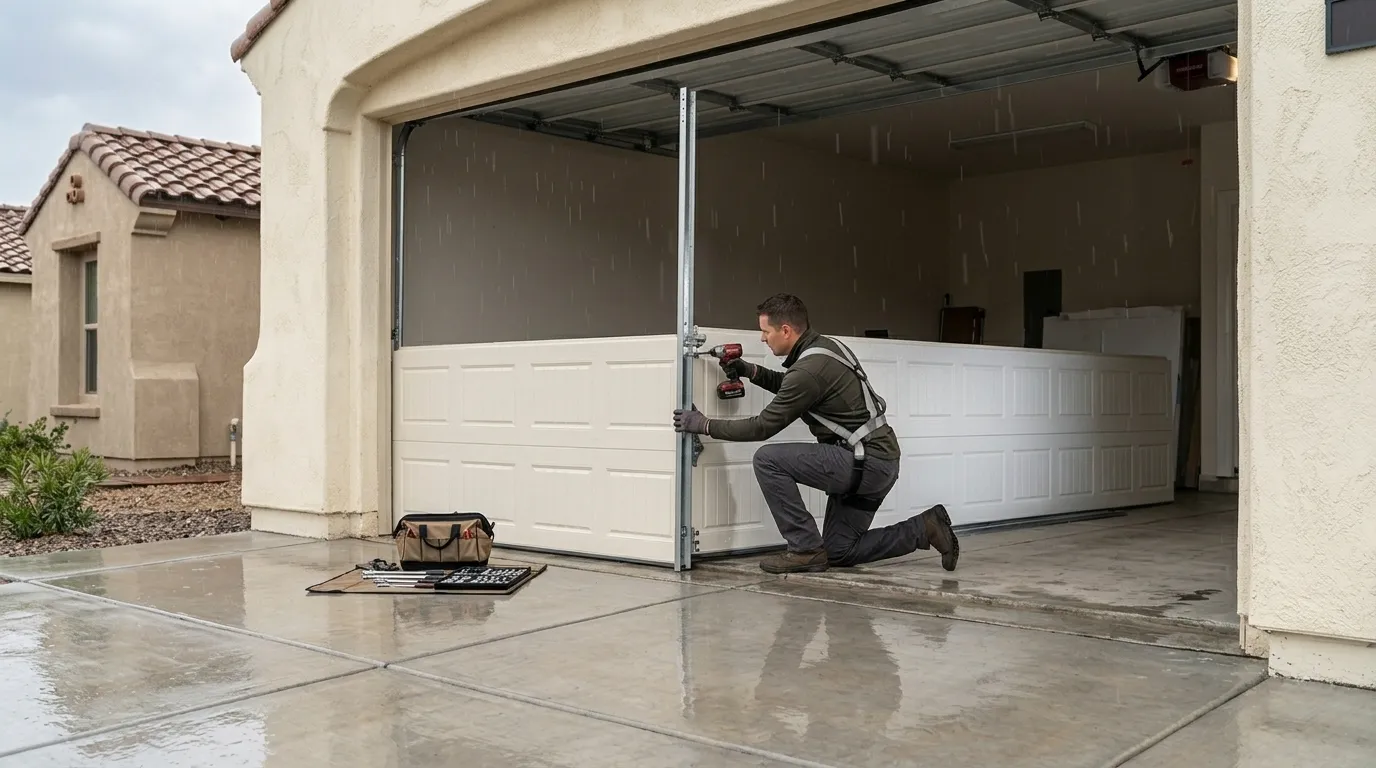
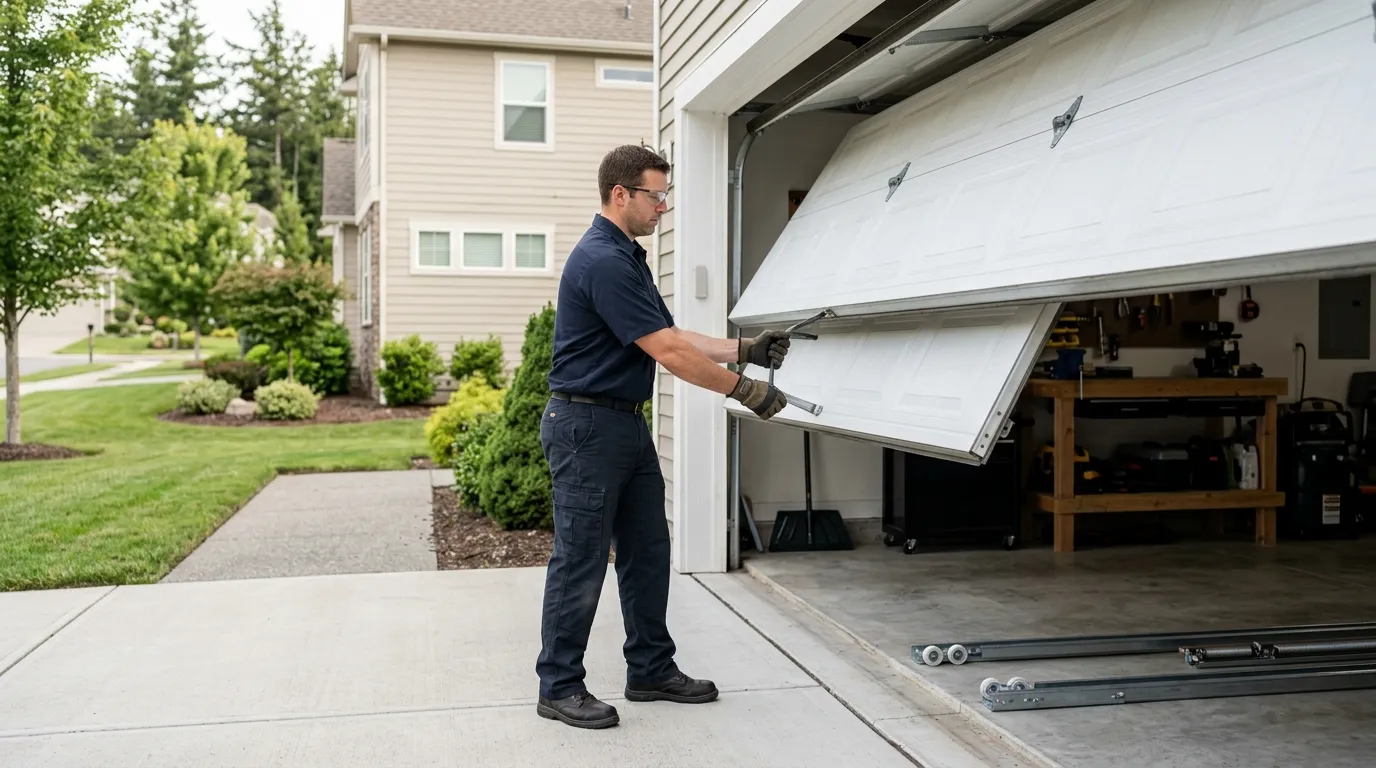
If your garage door groans when it opens, drags on one side, or the opener strains a little longer than it used to, that's wear talking, not necessarily failure. On houses from the 1960s the giveaway pattern is usually a spring that's lost tension unevenly, so the door lifts crooked before it catches. Rust at the roller brackets and hinge pins is common too, especially after a hard winter, since cold makes old lubricant gum up rather than spread. None of this means the door is done - it means it's due. Catching it during a maintenance visit, before a cable snaps or a spring lets go under load, is the difference between an adjustment and an emergency call.
How Long It Takes
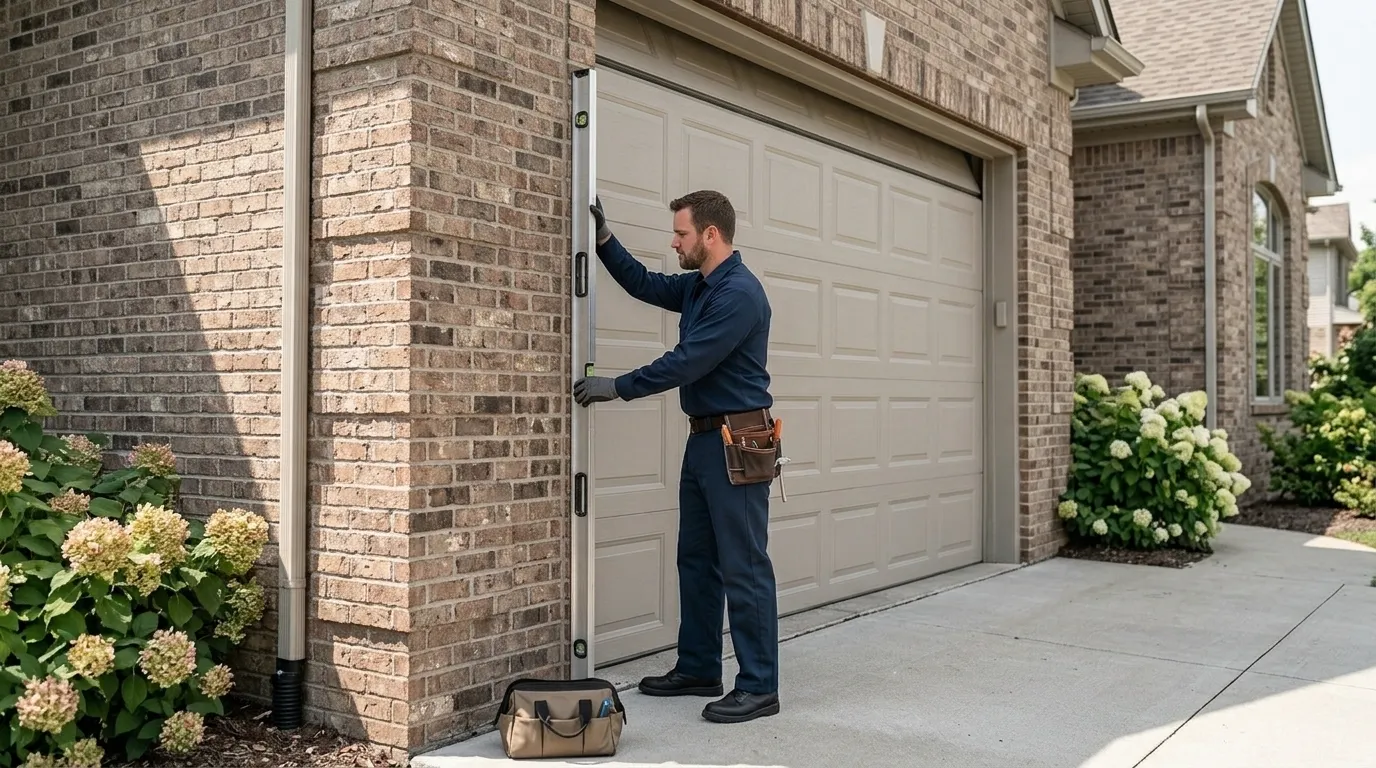
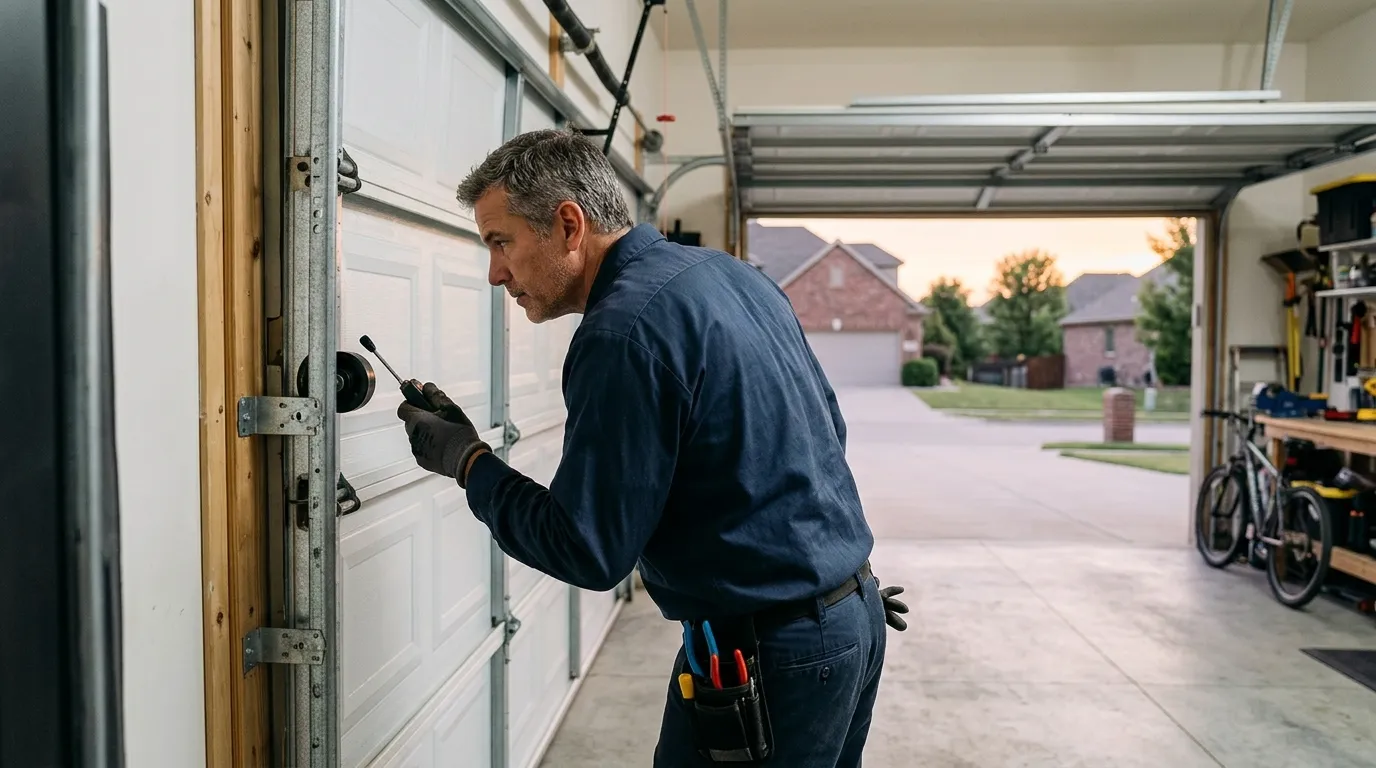
A maintenance visit is shorter than a repair call by design - that's the point of doing it before something breaks. We check spring tension, lubricate moving parts, tighten hardware, test the opener's force and travel limits, and look over cables and rollers for wear. If everything's within range, that's most of the visit. If we find a spring that's due or a roller that's cracked, we'll address it on the spot when the part's something we carry. What we won't do is stretch a fifteen-minute check into something longer just to fill time - if the door's in good shape, we tell you that and we're done.