Getting It Booked In
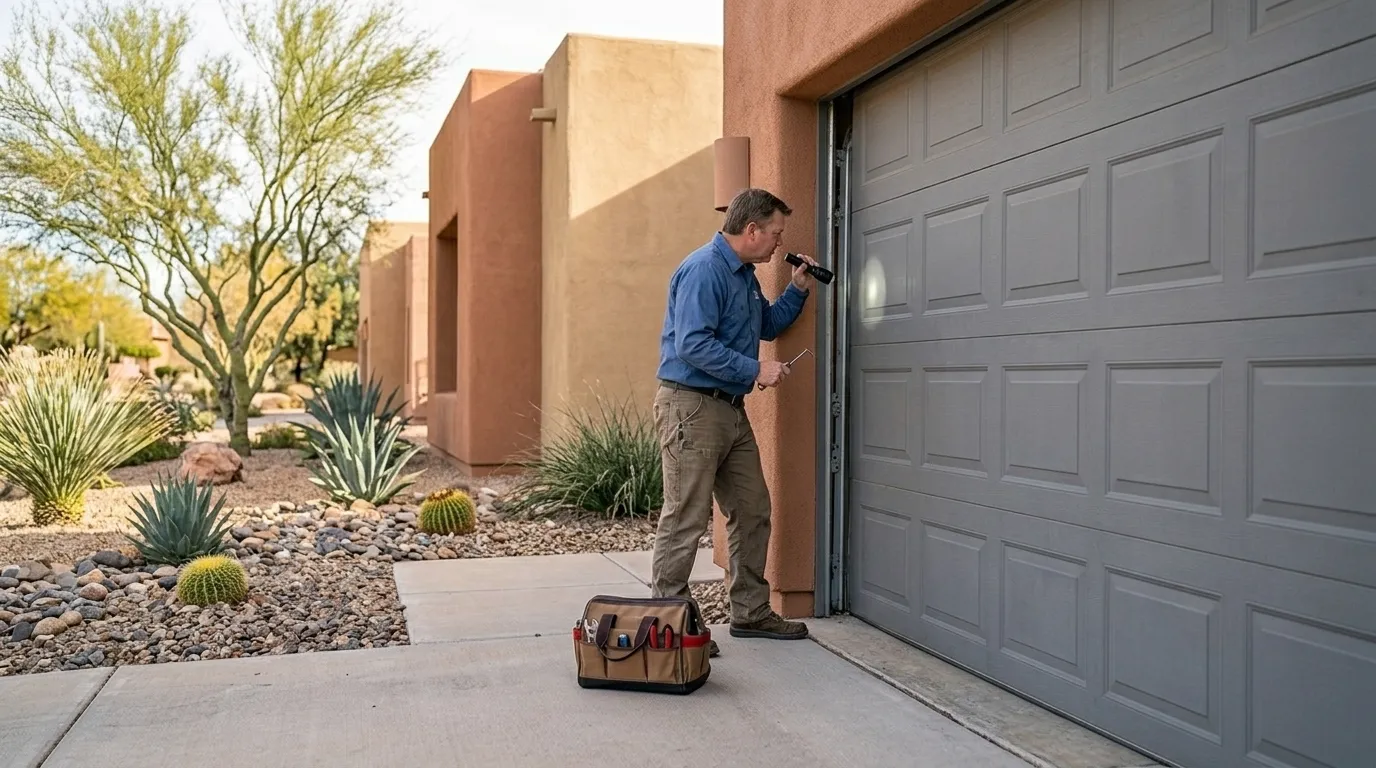
Elmhurst's housing stock runs 1938 to 1994 with a median build year of 1964 across the wider service area we work, and Elmhurst itself sits right on that median. That matters for spring work because a spring installed when the house went up has had close to sixty years to fatigue, and most owners never touch it until it snaps. We book the call, ask what the door is doing (won't stay up, slams down, makes a bang and then goes dead), and get a truck routed out. We're a Chicago-based crew and Elmhurst is about 14 miles out, so we schedule the run rather than promise a same-hour arrival - if the spring already broke and the door is stuck, tell us that when you call, since a door that won't open at all gets priority over one that's just noisy. We don't stock every torsion size on the truck for a same-day guess; if your opener or drum is an odd match for the door age, we may need to confirm the size before the second trip. That's the one thing we won't fake a promise on.
What Is on the Truck
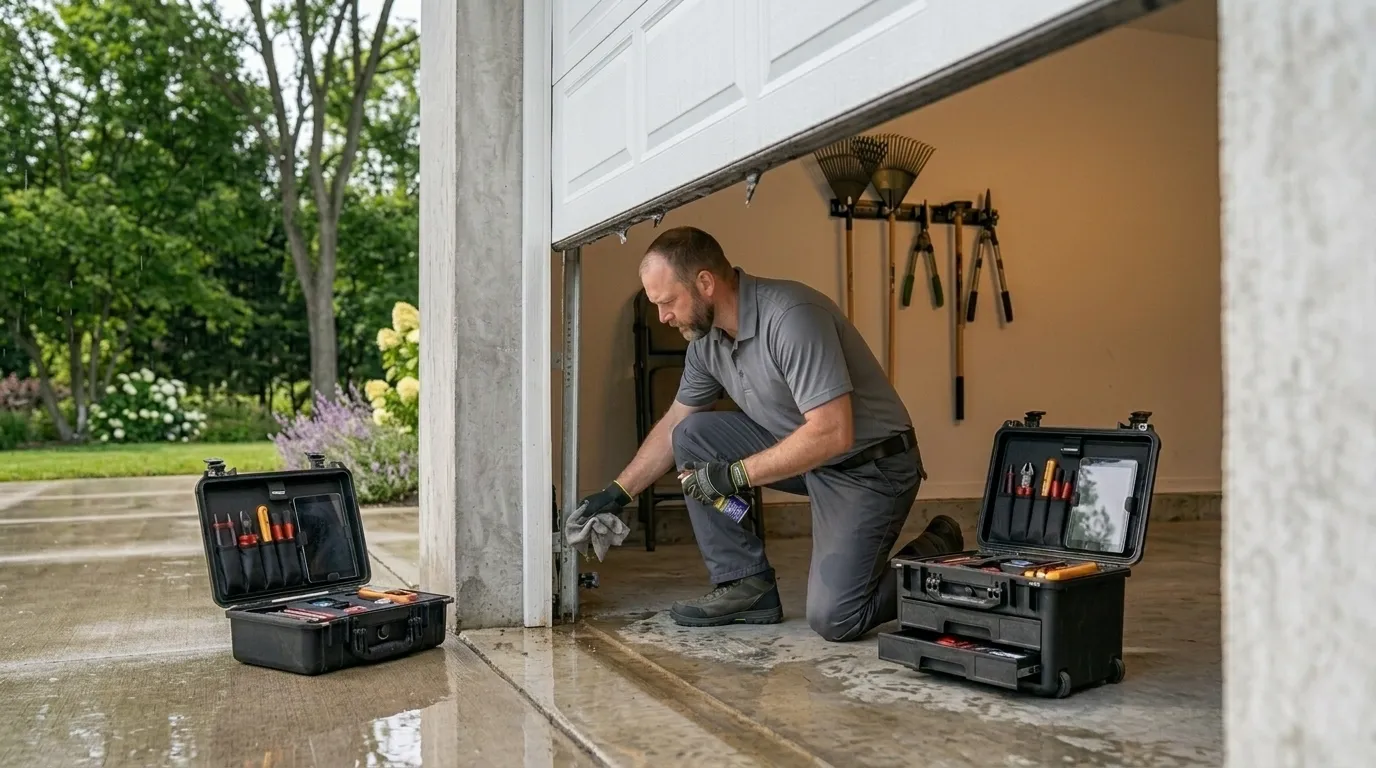
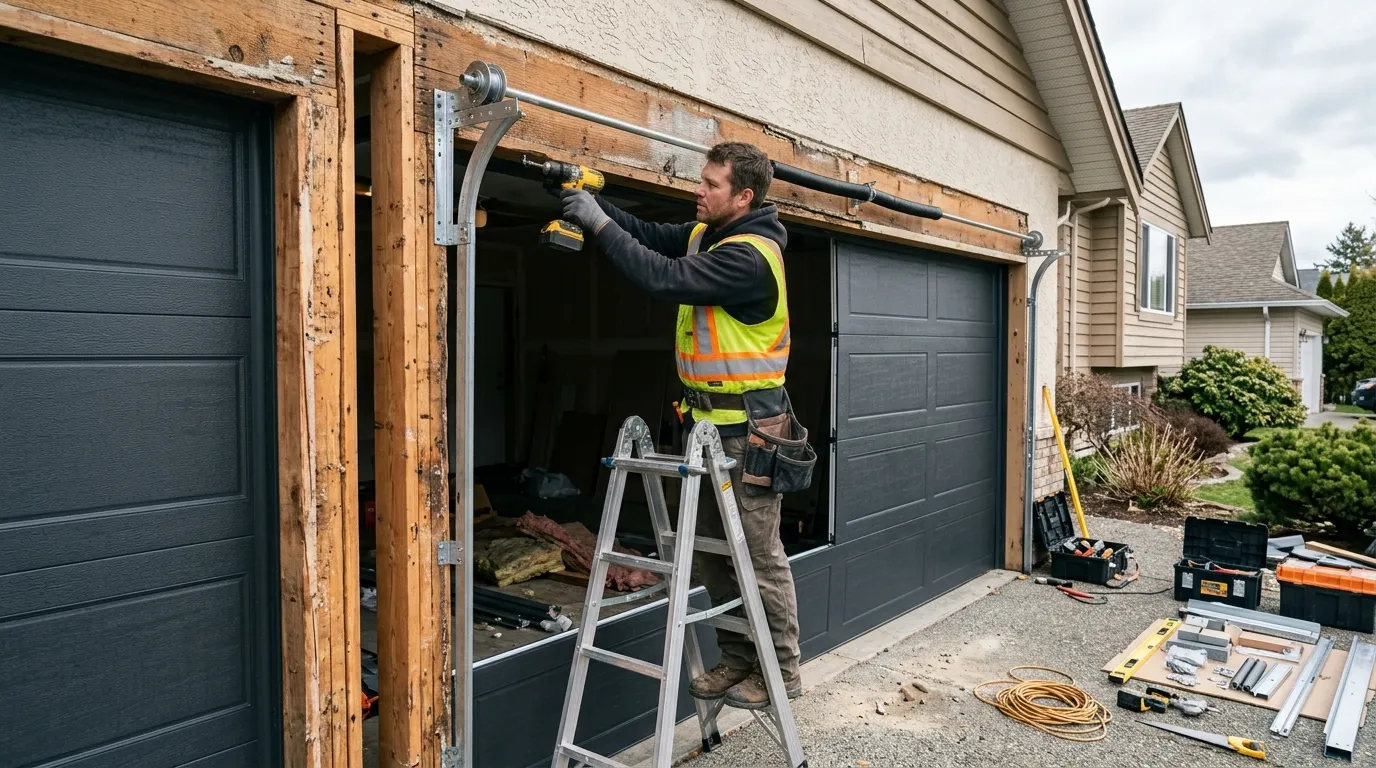
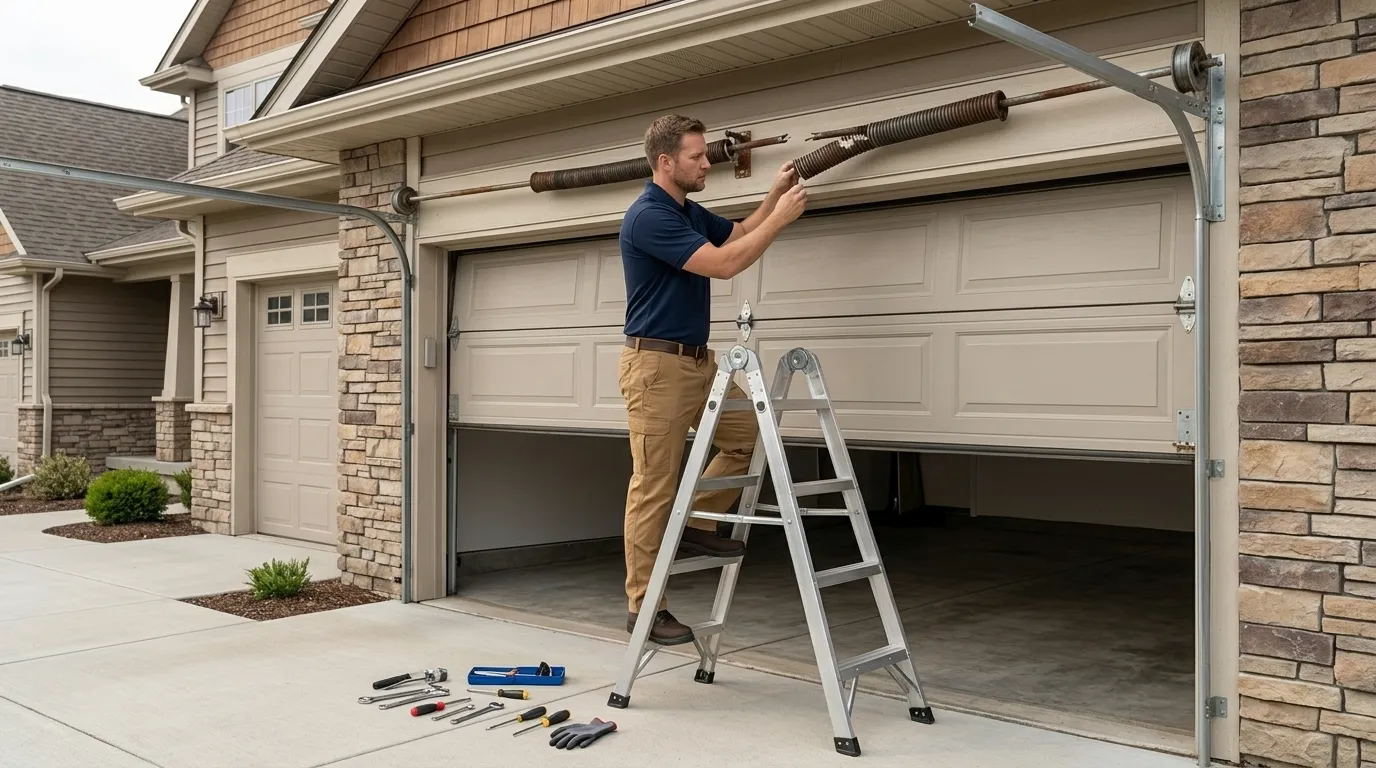
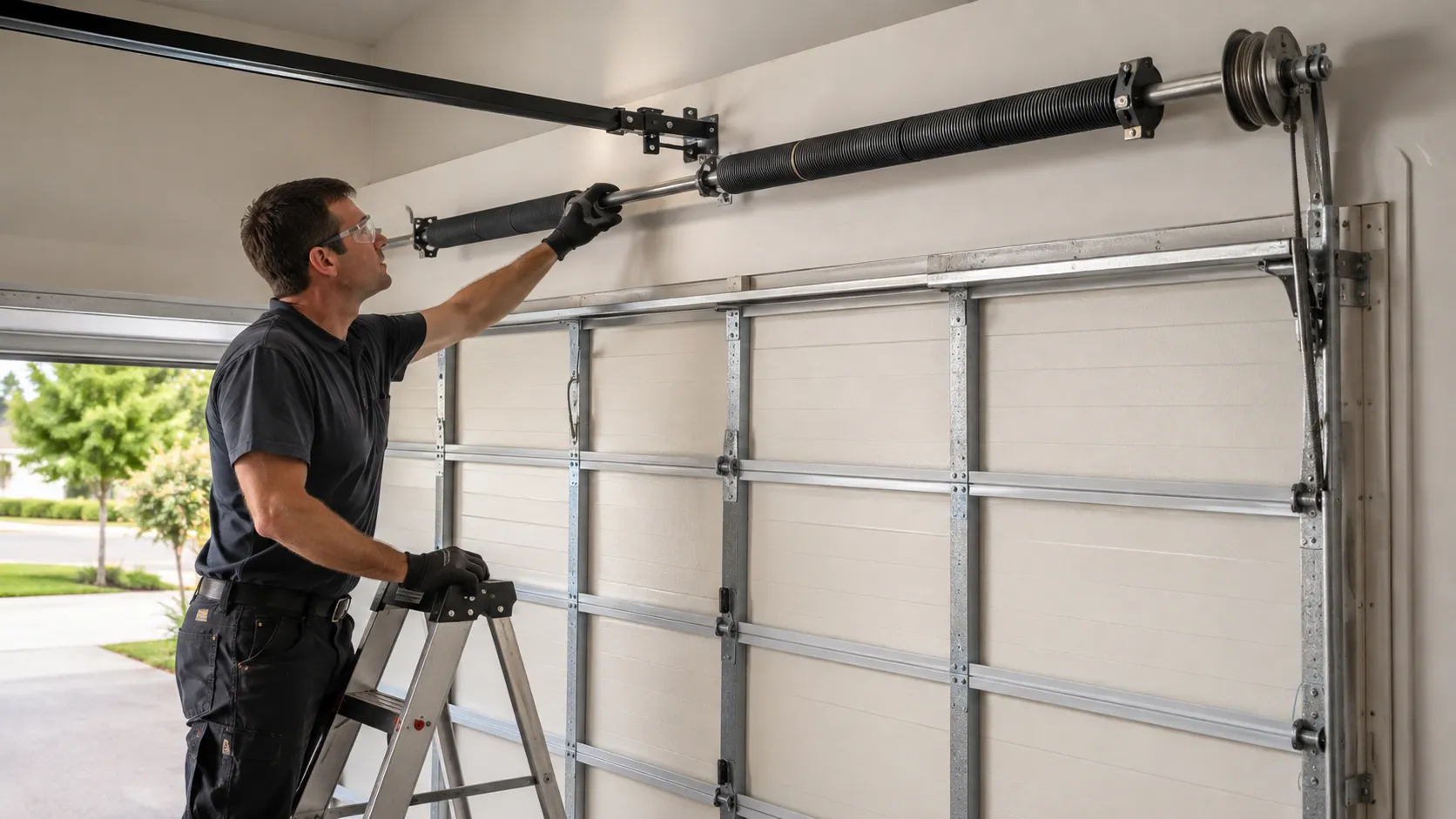
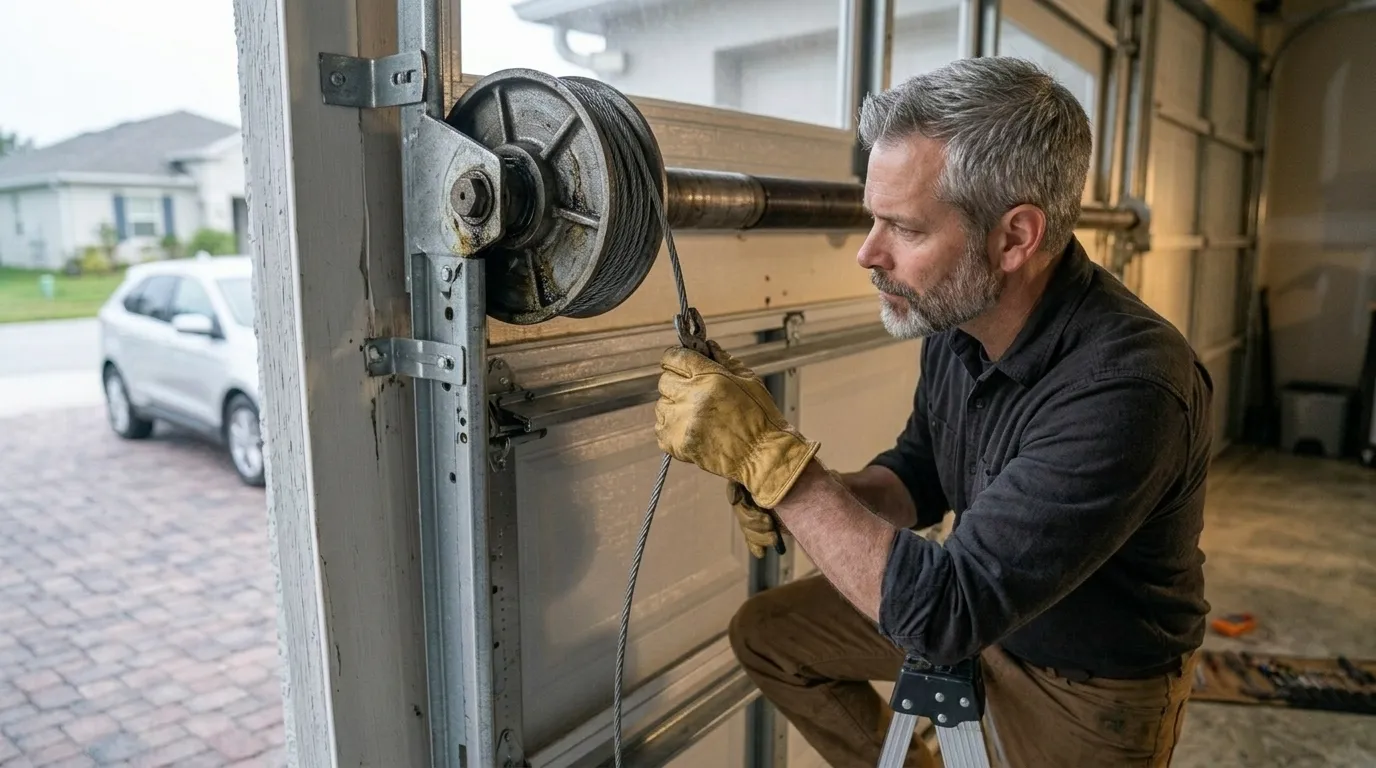
We carry torsion springs in the common sizes that match doors from the 1960s and 70s building era, along with the bearings, cables, and drums that tend to fail alongside them. What we don't carry is a guess. If your door has a spring that was already replaced with a mismatched size by a previous repair - which happens more than owners expect on houses this old - we measure the shaft and wire gauge on site rather than assume it matches the year the house was built. Extension springs on older two-door setups are a different part entirely, and we stock those separately. The honest limitation here: if the opener itself is original too and the spring failure took out the drive gear, that's a second part order, and we'd rather tell you that on the first visit than pretend one box on the truck covers every door built since 1964.
What You Are Seeing
The classic sign is a door that drops fast the last foot instead of settling, or one that won't budge and the opener just hums. Sometimes it's a loud bang from the garage with no warning - that's usually the spring itself giving out, not the opener. On original hardware this old, you might also see rust streaks on the spring coils or a visibly gapped coil where the wire has stretched unevenly. If the door is heavy to lift by hand once you've disconnected the opener, the spring isn't doing its job anymore and the cables are carrying weight they weren't built to carry alone. Don't try to force the door up on a broken spring - the cables are next in line to fail, and that's a heavier repair than the spring itself.
How Long It Takes
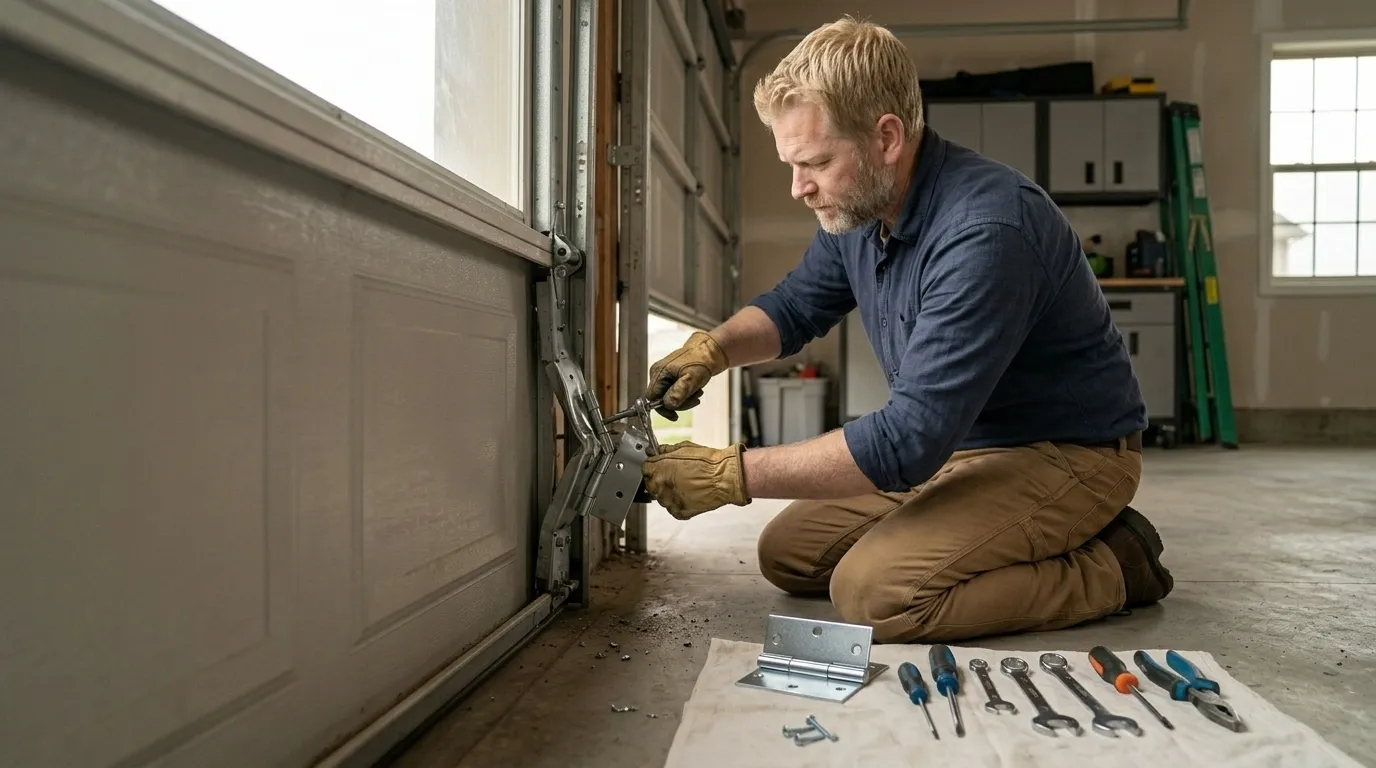
A standard torsion spring swap on a single door is a same-visit repair once we're on site and have the right size in hand. Add a bearing or a drum replacement and it's still one visit, just longer. Where it stretches to two visits is the mismatched-size cases mentioned above, or an opener drive gear that took damage from a spring failure - those need a part we may not carry on the truck for every door variant built across sixty years of stock. We'd rather tell you upfront it's a two-parter than push a rushed fix that fails again in six months.