Serving Chicago, IL & nearby
(708) 630-7529
Chicago, IL

Installing a New Garage Door in Elmhurst

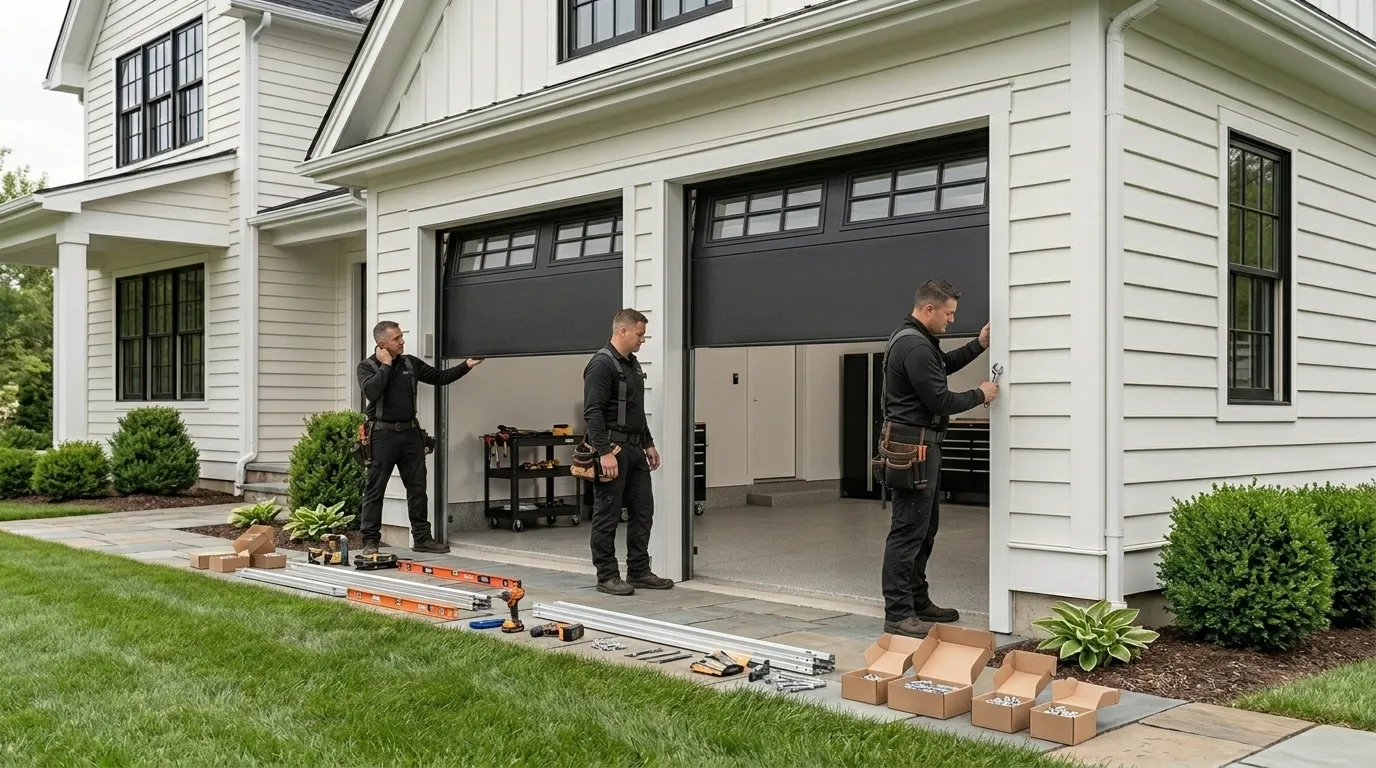
New garage door installation in Elmhurst, IL, covered from Chicago, 14 miles out - sized for the 1960s-era openings common in this suburb's housing stock.

Installing a New Garage Door in Elmhurst
Chicago, IL
8 services
8 service areas
Diagnosis first, then the fix

Getting It Booked In

Elmhurst sits about 14 miles out from Chicago, which is farther than a lot of what this crew covers day to day - places like sit five to seven miles closer. That distance doesn't change the work, but it does change how the visit gets planned. A new install here goes on the schedule as a dedicated trip: measure the opening, confirm track clearance, price the door, then come back with the unit built to that number. It isn't a job you fit in between two other calls across town. If you're weighing installation against a repair, the crew can look at that on the repair page first, since sometimes the existing door and opener are worth saving. Booking early matters more here than it would somewhere five minutes from base - once a measure visit and an install visit both have to be routed on the same drive out, tighter timing works better for everyone. Have your opening's rough width and height ready when you call, even a tape-measure guess, so the first visit isn't just a fact-finding trip.

The Complications

Houses in this part of the service area mostly went up between 1938 and 1994, with the midpoint landing around 1964 - which is exactly where Elmhurst's own housing sits too. That means a lot of openings were framed before doors came in today's standard widths. Some garages were built for a single 8-foot or even 7-foot door where a modern 9-foot section won't sit right without adjusting the jamb or trim. Others have a header height that was fine for a thin, non-insulated slab but leaves no room for a thicker insulated panel plus new rollers on wider track. None of that shows up until someone's standing in the opening with a tape measure. The other complication is simpler: a lot of these garages were never built with an opener in mind, so the ceiling framing above the door may not have a clean spot for a rail bracket. That's not a reason to skip the upgrade - it's a reason the first visit is a measure visit and not a guess over the phone.

What Is on the Truck

For a new install, the truck carries door sections in the common widths and heights, insulated and non-insulated cores, torsion springs sized by door weight rather than one universal size, new track sections, end bearing plates, and cable drums built to match the spring set. It also carries the opener hardware separately from the door itself, since not every install is replacing both at once. What doesn't ride along is anything built to a nonstandard opening size on spec - if the measure visit turns up something outside the common widths, that section gets ordered rather than guessed at, and that's the one honest limitation worth saying plainly: a custom-width door adds a wait before install day, it isn't a same-visit swap. Everything that does fit the standard sizing can usually go in on one visit once it's on the truck. The crew doesn't stock decorative overlay kits or glass-panel inserts as a default load-out either - those get specified and ordered ahead, not pulled off a shelf on site.

What You Are Seeing

If the door going out is original to a house from that 1938-1994 run, it's likely a single-layer steel slab with no insulation core, thin enough that you can hear weather hit it from inside the garage. No foam, no vinyl-backed insulation, often a bottom seal that's cracked or missing outright. On a cold-moderate winter like this region gets, that kind of door isn't holding any meaningful temperature difference between the garage and the driveway - it's just a steel curtain. You'll also sometimes see hardware that's been repaired piecemeal over the decades: a track section swapped for a slightly different gauge, a spring that doesn't match the panel weight it's lifting. None of that is unusual for houses this age, and none of it is a reason to be embarrassed about the door - it's a reason to have someone look at the whole opening rather than just order a replacement panel and hope it lines up.

The Cost of This Job

There's no flat number to quote here, because the door width, insulation level, and whether the opener is being replaced at the same time all move the price independently. What is worth saying: median household income in this part of the service area runs $145,374, well above the $80,202 figure across the broader area this company covers, and that shows up directly in what gets ordered. A lot more owners here choose insulated steel over the bare single-layer option, and a lot more ask about heavier-gauge panels or upgraded weatherstripping rather than the base-spec door. None of that is required - a standard non-insulated door still does the job of a garage door - but it's the pattern the crew sees on this side of the coverage area versus elsewhere. The one thing that reliably adds cost regardless of income is a nonstandard opening, since that means an ordered panel instead of one already sized to fit.

How Long It Takes

Because this is a scheduled trip from Chicago rather than a local drop-in, the timeline has two parts: the measure and the install, and they're usually not the same visit unless the opening turns out to be a common size that can be confirmed and ordered on the spot. Once the door is built to spec, the install itself - old door out, new track and hardware set, panel hung, opener reattached if it's being kept - is a single-visit job for a standard-width opening. What stretches it out is the same thing that complicates the job in general: a header height or opening width that doesn't match anything in the common sizing, which means a wait on the specific panel before the crew can come back. There's no way to promise a number of days here since that part depends on the door manufacturer's lead time, not on the drive from Chicago.
How it works

From “it’s stuck” to “it’s fixed”

1
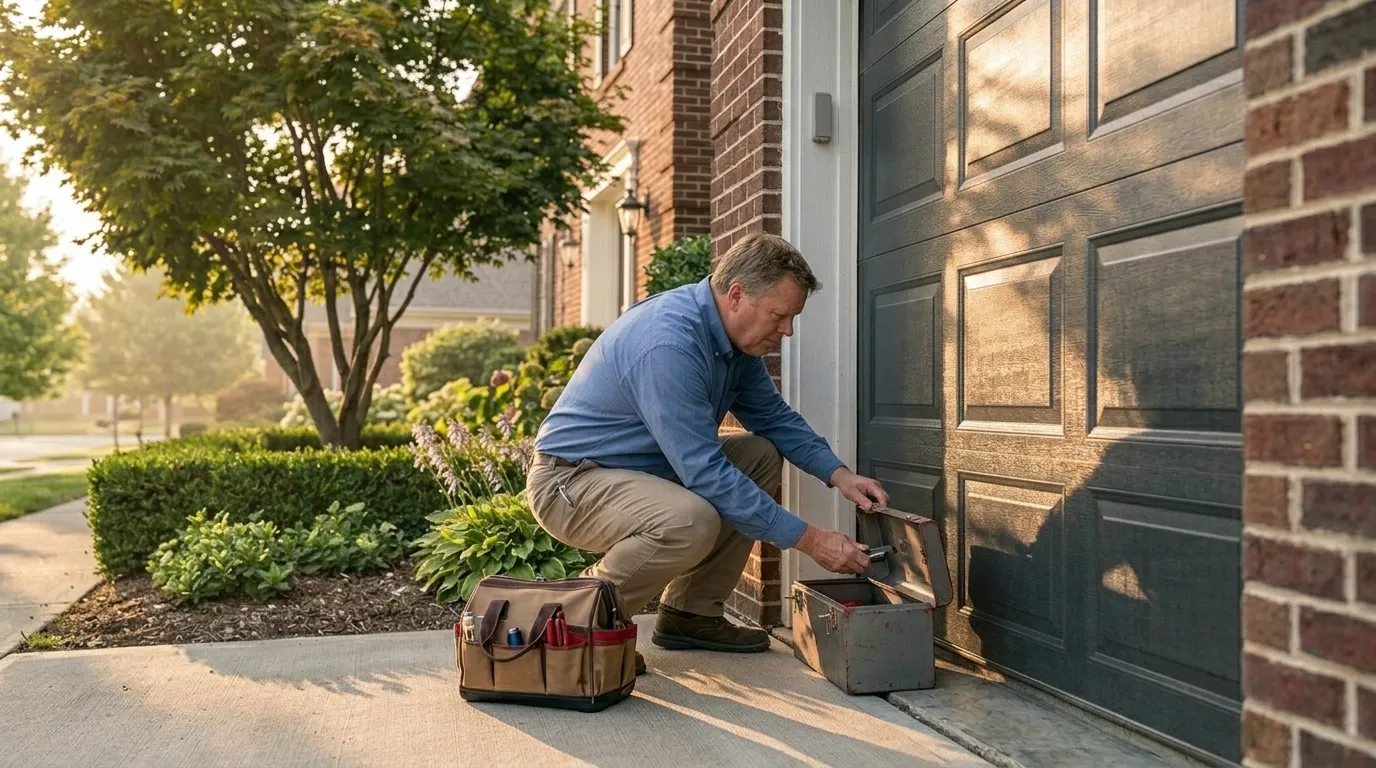
Tell us what’s wrong - Chicago garage door service

Tell us what’s wrong

Describe the symptom - won’t open, loud bang, opener runs but the door won’t move.

2
On-site diagnosis - Chicago garage door service

On-site diagnosis

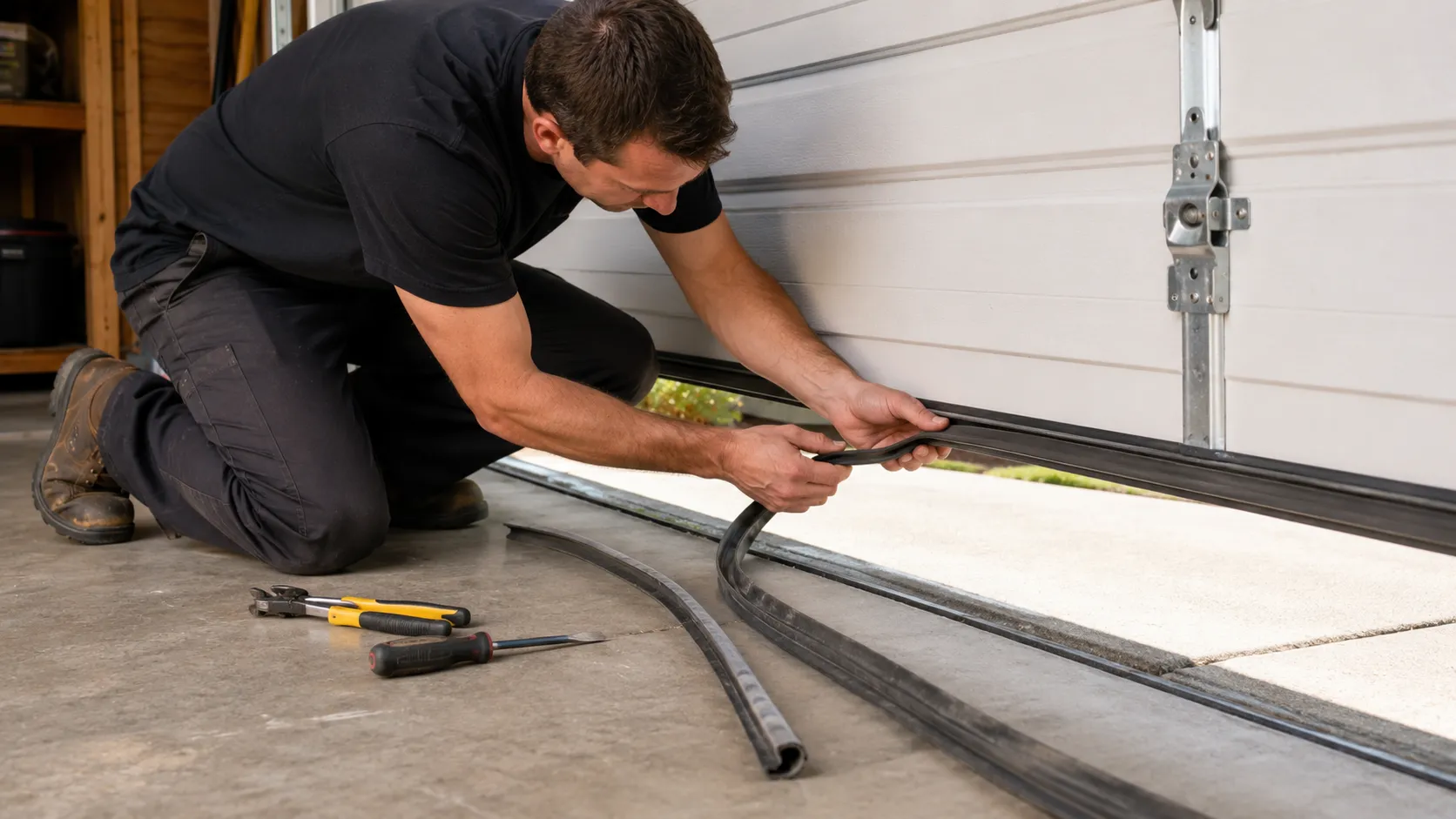
A technician tests the door under power and by hand and finds what actually failed.

3
Clear, up-front plan - Chicago garage door service

Clear, up-front plan

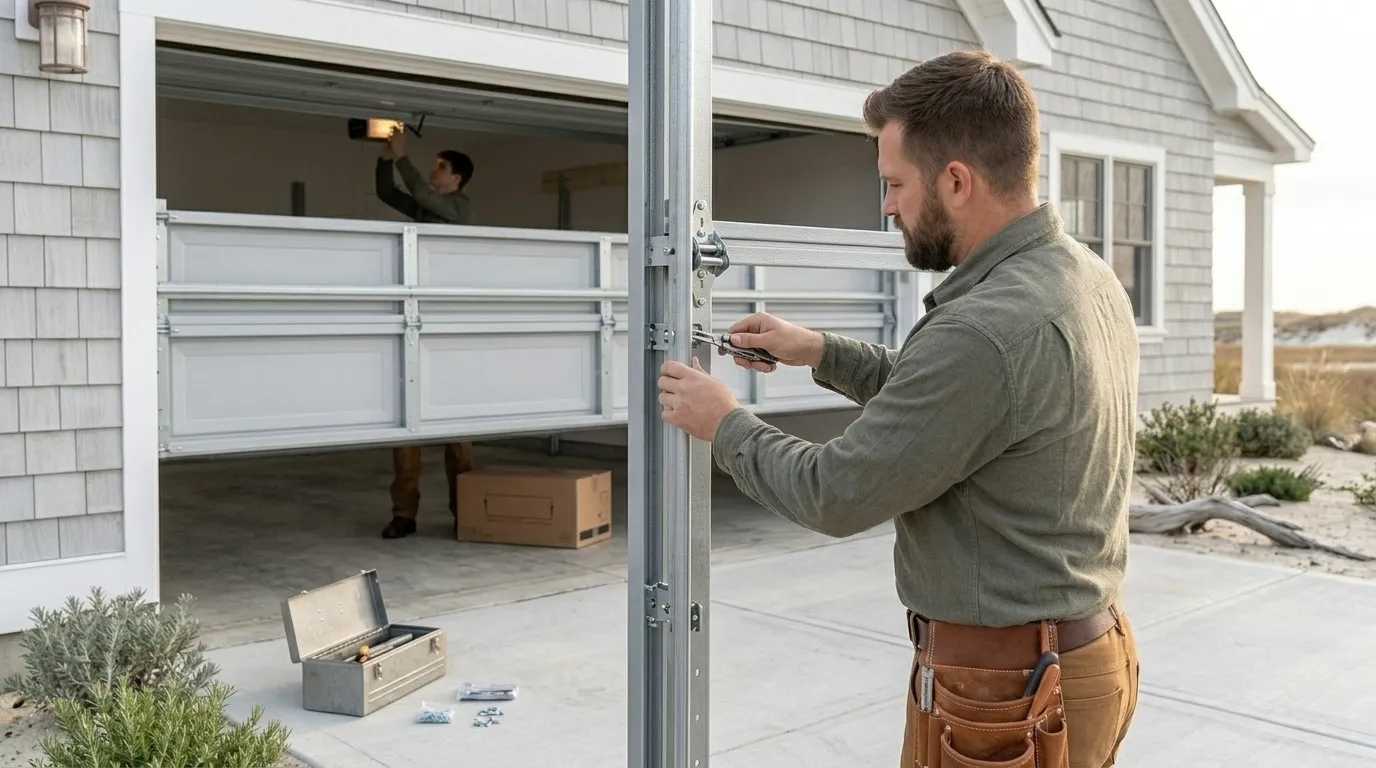
You get the fix that’s needed and what drives the cost - before any work starts.

4
Repaired & tested - Chicago garage door service

Repaired & tested

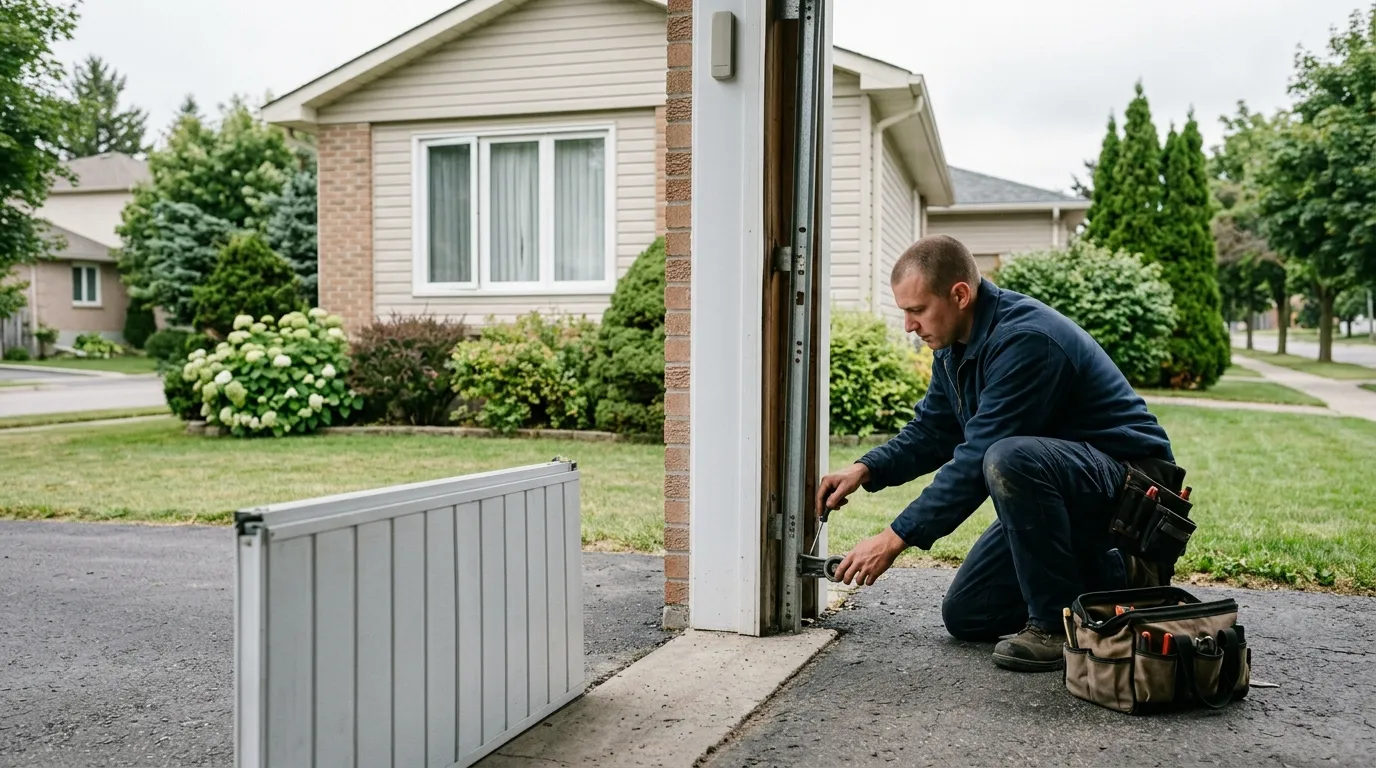
The repair is done, the door is set true and tested, and the work area left clean.

Serving Chicago, IL - tell us what your door’s doing and we’ll take it from there.

How we work

What to expect

Diagnosis firstEvery visit starts by finding what actually failed - not a pre-written parts list.
The right part for the doorSprings and openers matched to the door’s weight and age, so the fix holds up.
Straight answersWhen a repair makes more sense than a replacement - or the reverse - you hear it plainly.
Clean, careful workTension released safely, hardware set true, the door tested under power before we leave.
2,664,452Residents in Chicago
8Garage door services
8Neighborhoods & suburbs
ILServing Chicago, IL
Questions

Frequently asked

Straight answers about garage door repair in Chicago. Still unsure? Ask us directly.

Is a 14-mile drive from Chicago going to slow down my install?

It changes how the visit is scheduled, not the work itself. Because the crew is coming from Chicago, a new install usually means a measure visit followed by a separate install visit rather than a same-day walk-up, especially if your opening isn't a standard size. Book both once you're ready rather than expecting a same-day swap.

My house was built in the 1960s - will a new door just fit the old opening?

Often, but not always. A lot of openings framed in that era were sized for narrower doors or lower headers than today's standard panels. The measure visit checks the actual opening against the door you want before anything gets ordered, so you're not guessing.

Do I need an insulated door if I'm not heating the garage?

Not required, but worth considering here. Winters in this area sit in the cold-moderate band, and an original non-insulated steel slab from an older house does very little to buffer that. Plenty of owners in this part of the service area upgrade to insulated cores even without heating the space, mainly for noise and temperature swing on the wall it shares with the house.

Can you install just the door and keep my existing opener?

Yes, that's a normal split for this job. The opener gets reattached to the new door and track if it's in working shape and compatible with the new panel weight. If the spring sizing changes because the new door is heavier or lighter, the opener's force settings get adjusted to match.

Ready to get your garage door sorted?

Tell us what it’s doing and where you are in Chicago - we’ll take it from there.

Request a QuoteCall