The Cost of This Job
What drives the price on a cable job isn't the cable itself - it's what came with it. A single frayed lift cable on a door that's otherwise sound is a smaller job than a cable that snapped and let the door drop, because a sudden drop usually bends a track or racks a panel on its way down. If both cables are original to the door and one has gone, we tell most owners to do both while the door is already apart rather than pay a second call-out fee in a year or two.
At a median household income of $250,001, most Hinsdale owners we talk to choose the full cable-and-drum replacement over patching a single strand, even when the second cable still looks fine. That's a judgment call, not a rule - a cable with no visible fraying and normal tension can run another few years. We'll tell you what we see, not push the bigger ticket.
We don't quote a number without seeing the door. Spring condition, drum wear, and whether the opener has been fighting a bad cable for weeks all move the price, and none of that shows up from a phone description.
What You Are Seeing
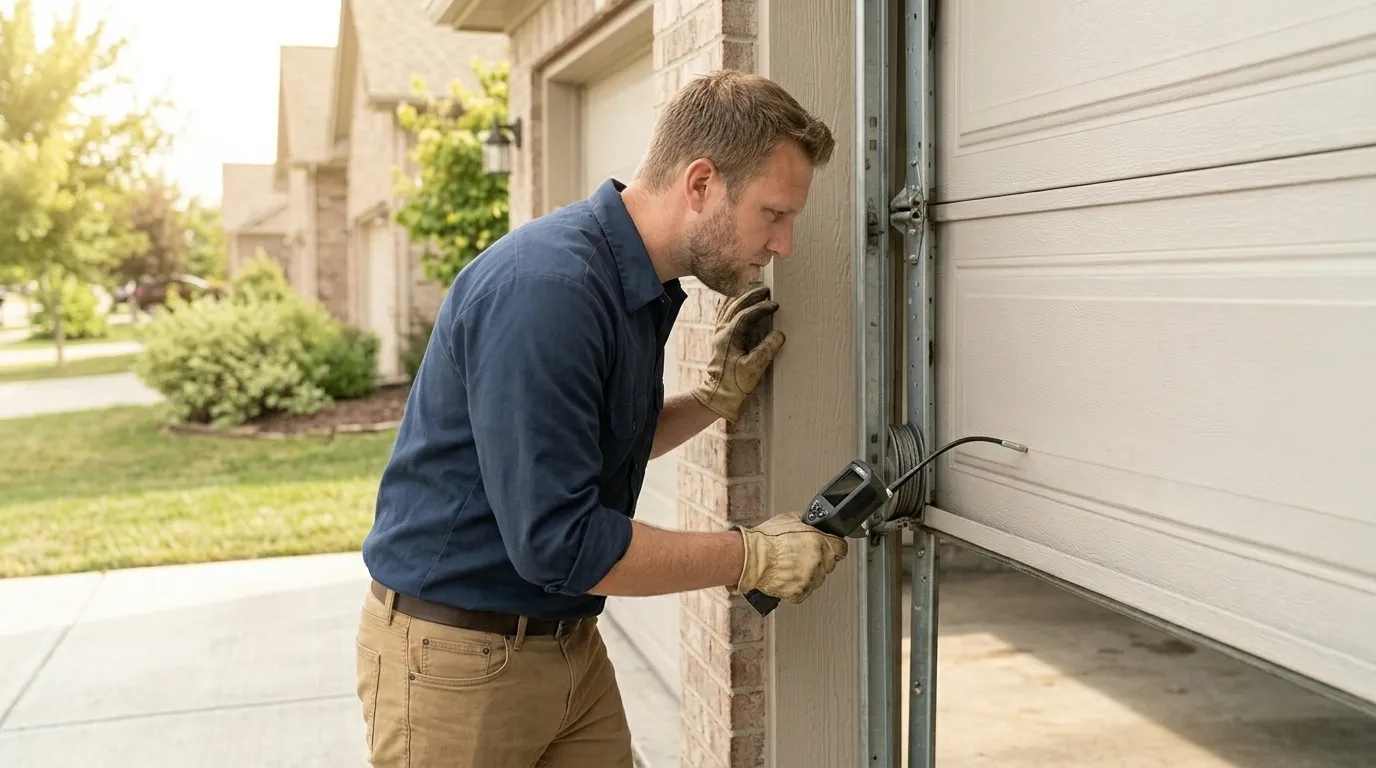
A cable that's about to go usually gives some warning: a door that hangs slightly crooked when it's partway open, a visible strand or two of frayed wire near the bottom bracket or up at the drum, or a faint clicking sound as a loose strand catches on the track guide during travel. If you see any of that, stop using the opener until it's looked at - a cable under tension that lets go can drop the door fast.
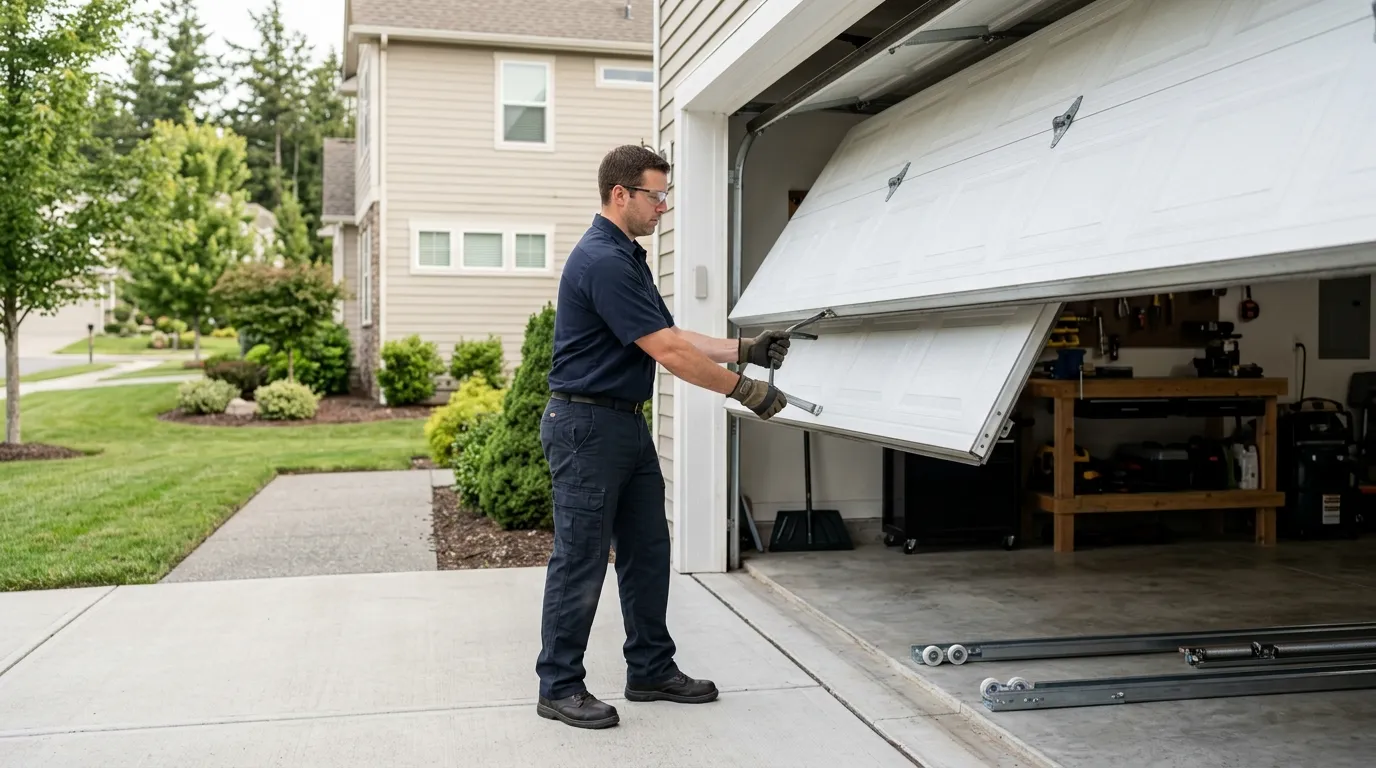
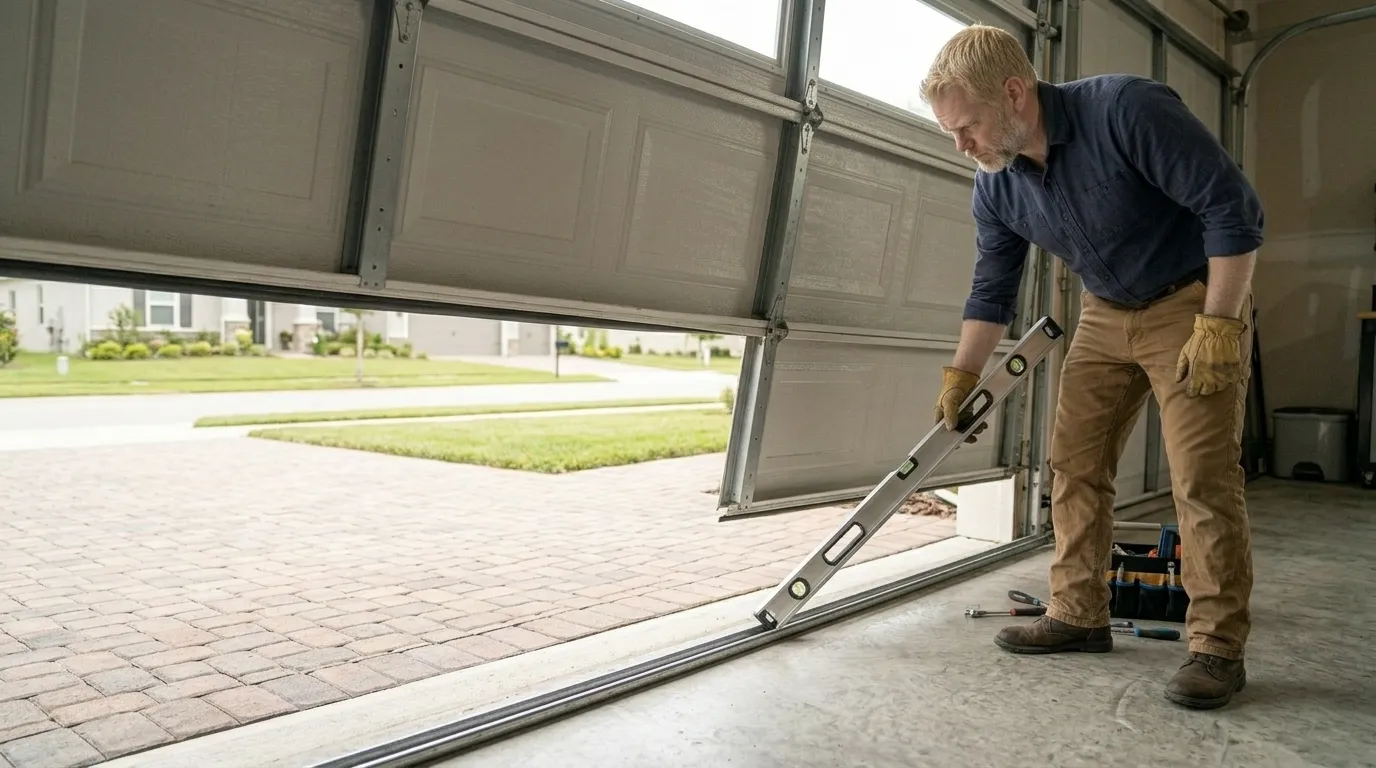
If the door has already dropped and won't move, or one side is noticeably lower than the other with the door partway up, that's a cable that's already failed on one side while the spring is still under load on the other. Don't force the opener or try to lift it by hand at that point - the door is off balance and the remaining hardware is carrying weight it wasn't built to carry alone.
A door that closes unevenly, dropping faster on one side, is often the earliest sign, well before any visible fraying shows up at the drum or bracket.
The DIY Question
A cable under tension from a wound torsion spring is not a safe DIY repair, full stop. The spring holds enough stored energy to cause a serious injury if it lets go while someone's hand is near the drum or the winding cone, and replacing a cable almost always means working right at that point. This is one of the clearest lines in garage door work between what a handy homeowner can do and what needs a second pair of trained hands and the right winding bars.
What you can safely do yourself: look at the cable from a distance, note where it's fraying, check whether the door is hanging level, and shut off power to the opener so nobody accidentally triggers it while you're looking. That's the extent of it.
We won't talk anyone through winding or unwinding a torsion spring over the phone, and we'd say the same thing if we lived on your street. It's the one honest limit on this job - there's no shortcut version of it that's actually safer.
What the Fix Involves
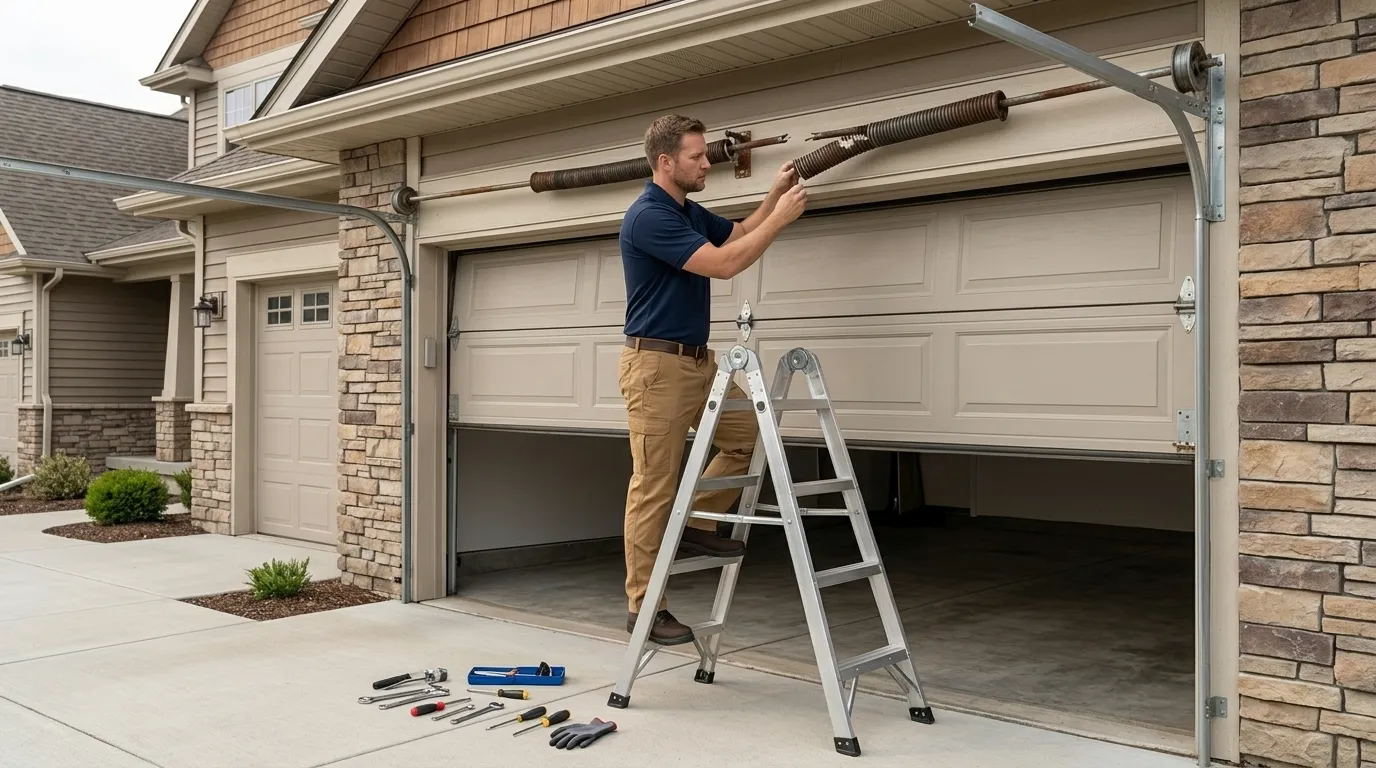
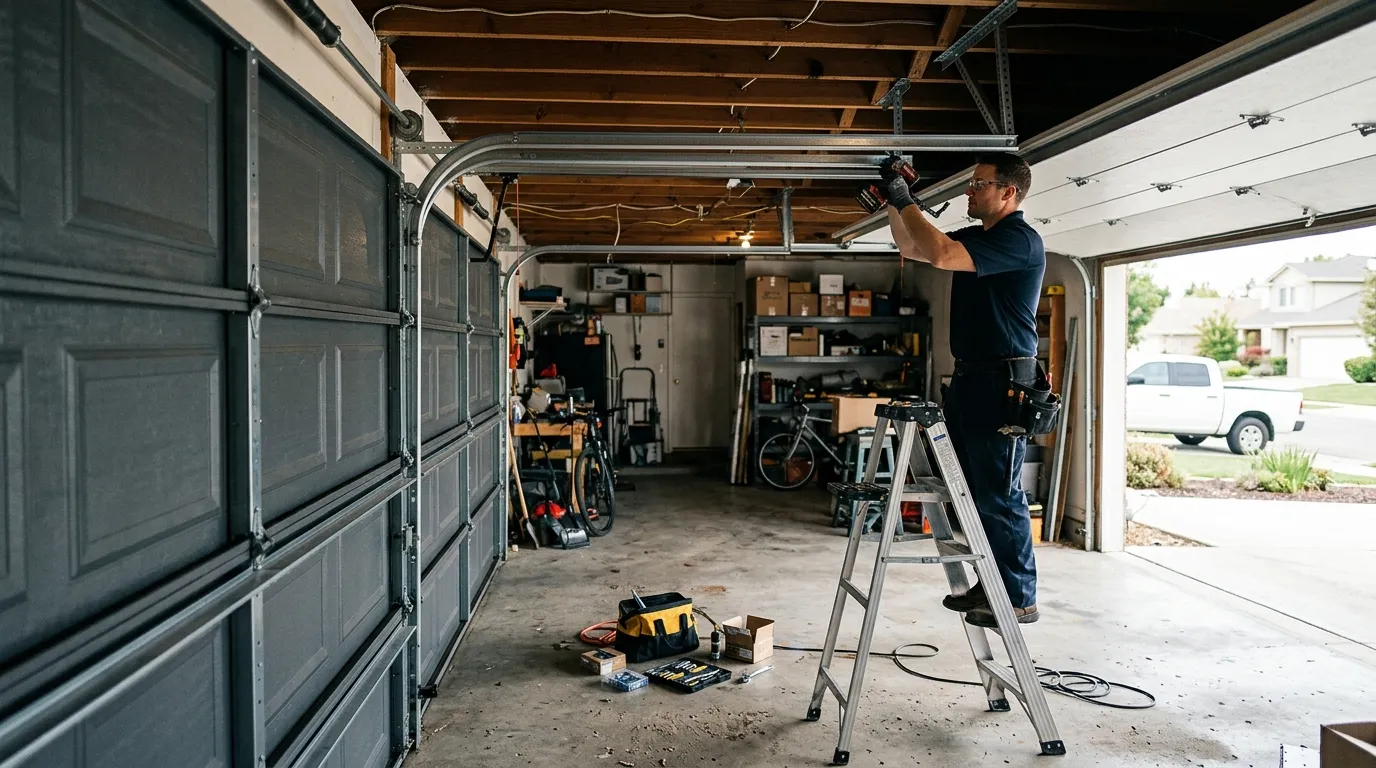
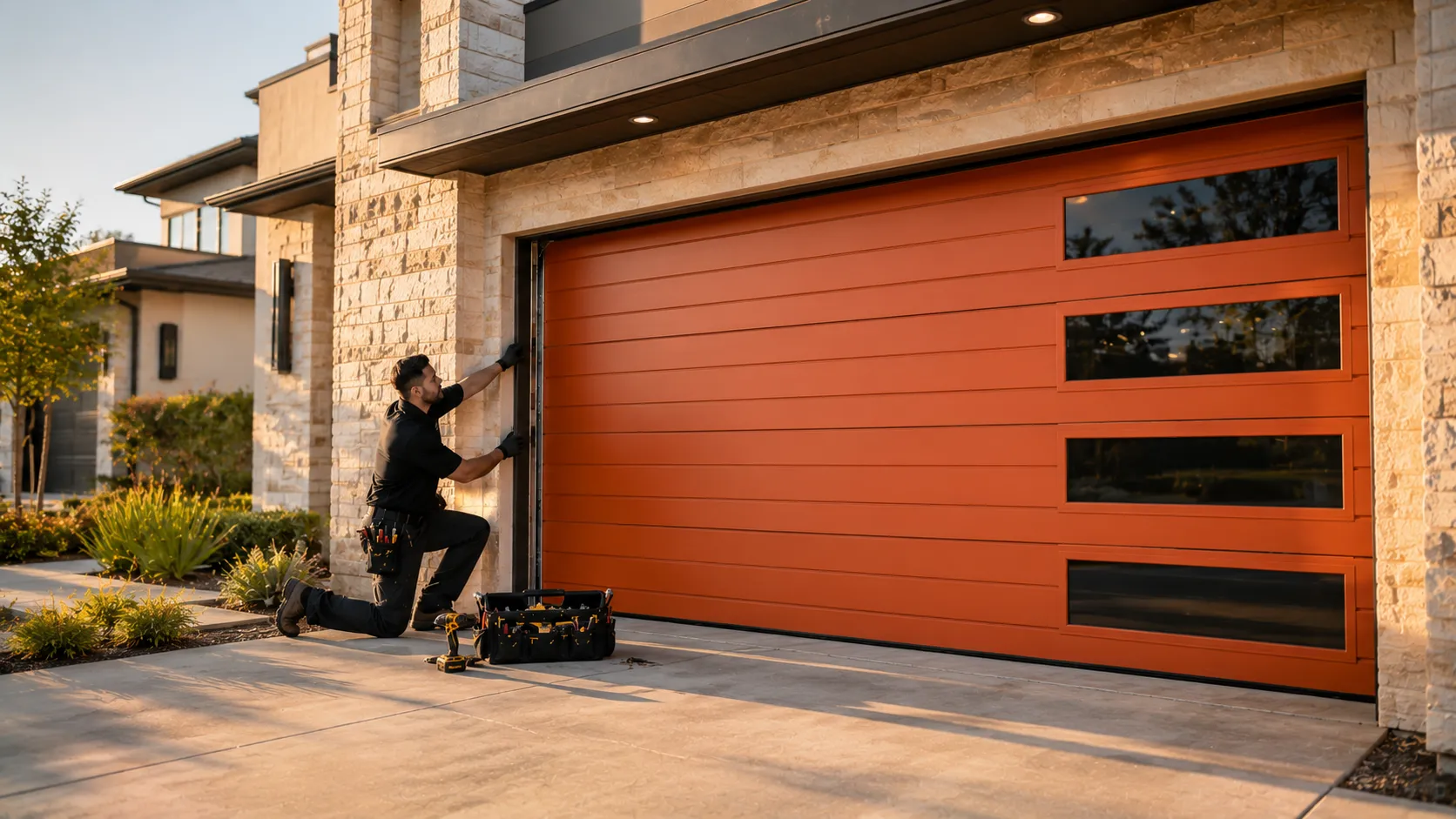
Once we've got the door secured and the spring tension controlled, the cable itself comes off the drum, off the bottom bracket, and gets replaced with new galvanized aircraft cable cut to the right length for that door's height. We check the drum for grooving or slippage on the shaft while it's off, since a worn drum will just fray the next cable the same way.
Across the wider service area homes run from 1938 to 1994, but Hinsdale's own housing sits close to the newer end of that range at a 1979 median, so the torsion hardware we're working on is usually original-spec rather than a mismatched replacement from an earlier repair. That makes parts easier to match, not harder.
After the new cable's on, we rewind the spring to proper tension, run the door through a full cycle by hand before touching the opener, and check that both sides travel evenly. A door that's balanced on the cable but not tracking straight afterward means something else got bent in the original failure, and we'll flag that separately rather than call the job done.