The Cost of This Job
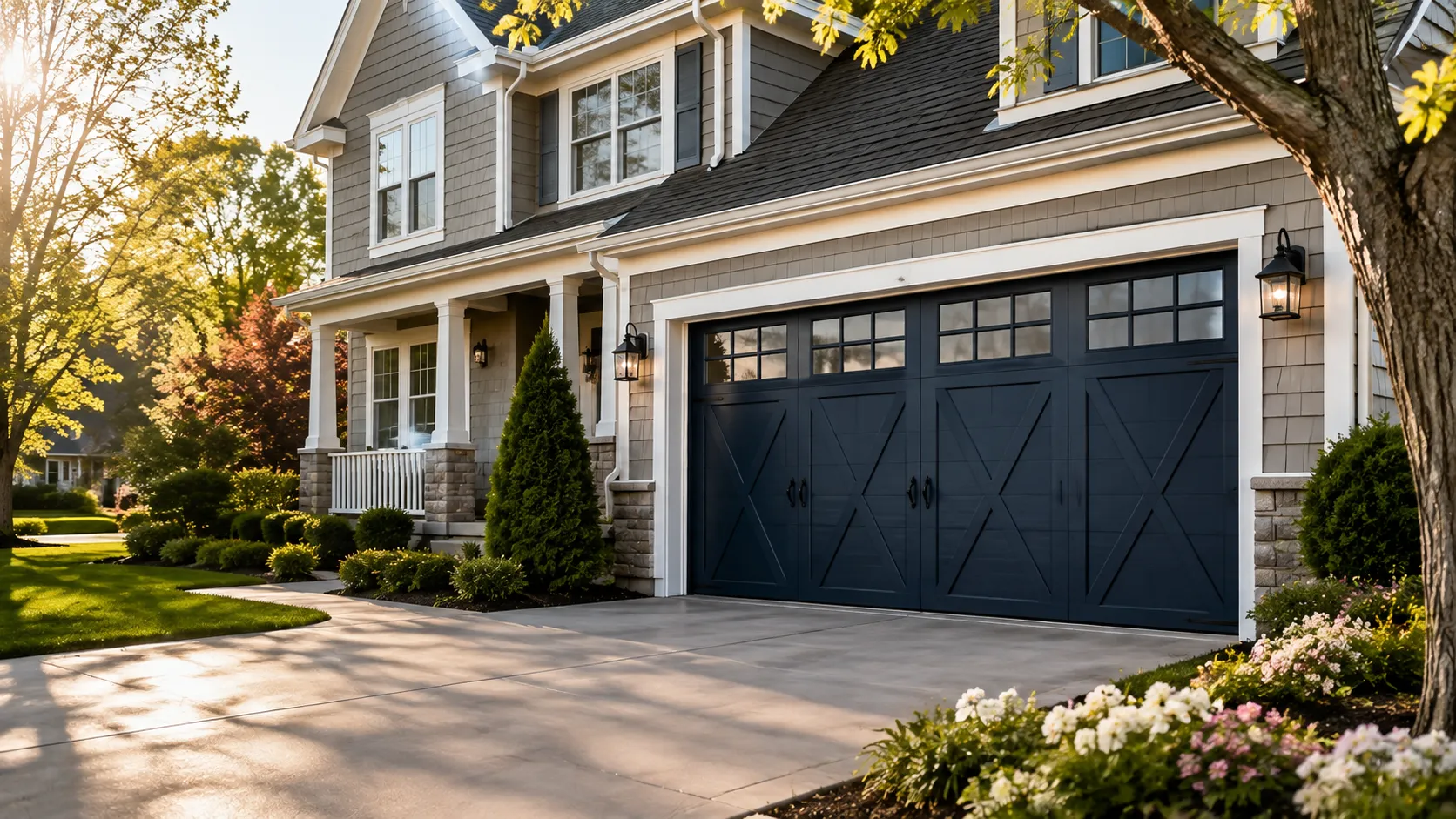
Across the wider service area, median household income sits at $80,202. Hinsdale's own median runs to $250,001 - more than three times that. That gap shows up directly in what we're asked to install here. Fewer builder-grade steel doors, more insulated doors with factory-finished wood-look overlays, more requests for quiet belt-drive openers instead of the cheapest chain-drive unit on the shelf. None of that is us upselling; it's what gets specified when we quote the job.
What it costs depends on the door width, the insulation package, the opener, and whether the old track and springs get reused or replaced along with everything else. We won't quote a number here that isn't tied to your actual opening - a single 9-foot door and a double 16-foot door aren't priced the same way, and neither is a steel door against a custom-clad one. What we can tell you is that in a market where the median household income triples the regional figure, the door people choose to put on the front of the house tends to reflect that, and the labor and material cost follows the spec, not the town.
What You Are Seeing
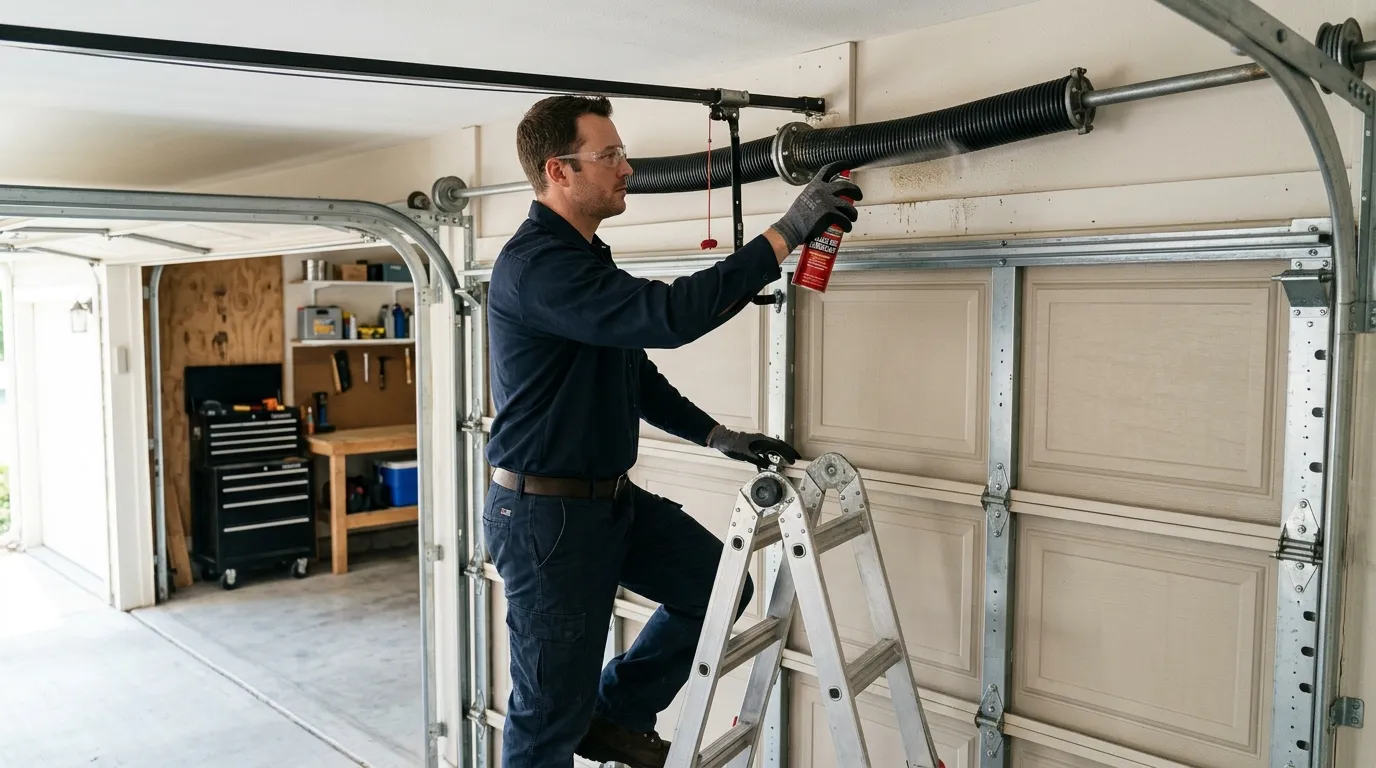
A door original to a 1979-built home is now well past the point where parts wear out gradually - it's at the point where they fail. Torsion springs rated for a certain cycle count don't announce they're near the end; they just snap, usually on a cold morning. Rollers on 40-plus-year-old track have often been repacked with grease more than once and still bind. Panels on steel doors from that era, if uninsulated, dent and rust from the inside out where condensation collects, which you won't see until the bottom section is soft to the touch.
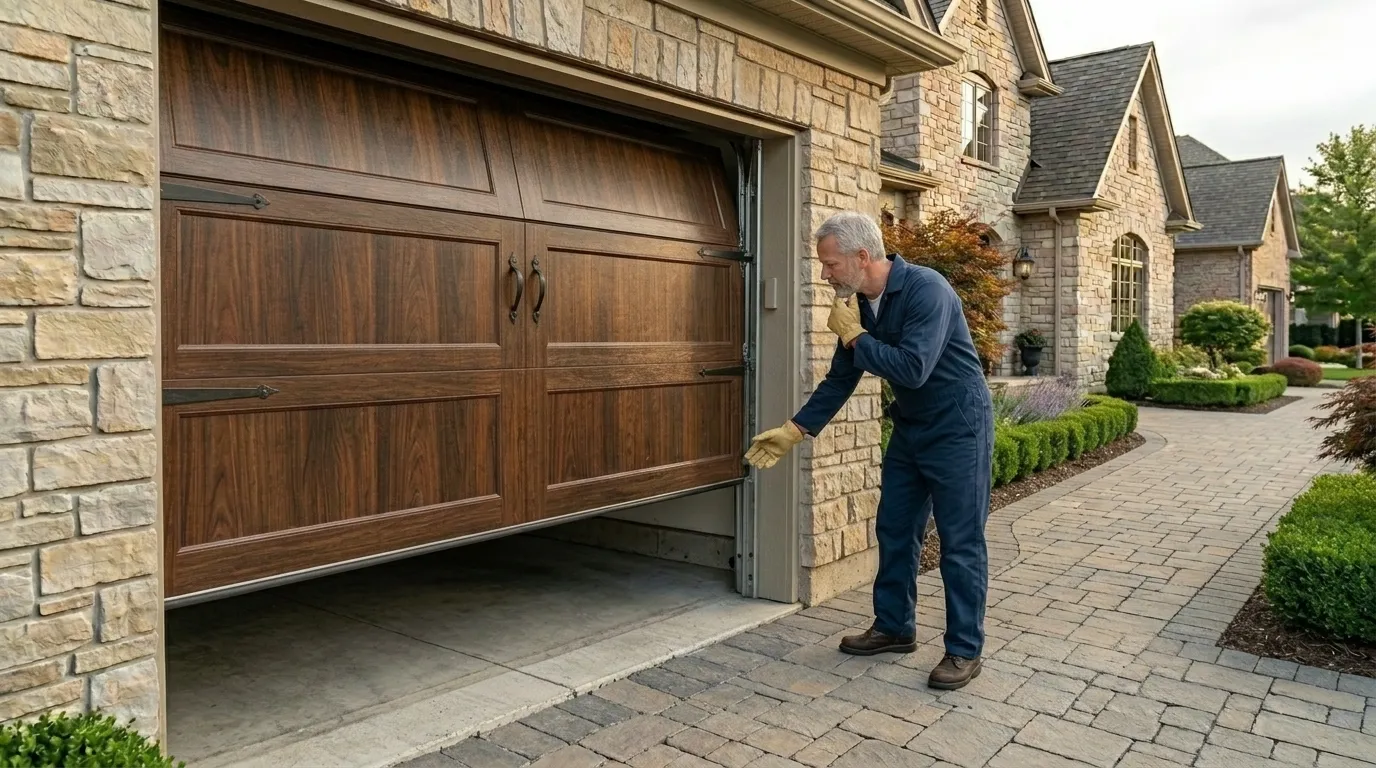
We're in a COLD climate band here, moderate but real, and an uninsulated 1979 door loses heat through the panel all winter in a way a newer insulated door doesn't. If what you're seeing is a door that's noisy, slow to close, or visibly sagging at the bottom panel, that's usually less a repair question and more a replacement one - the hardware and the door are both at the end of their run at the same time.
The DIY Question
Measuring your own opening and picking a door style off a website is fine. Setting the torsion spring, aligning new track to an old jamb, and getting the opener's travel limits and force settings right on a heavier insulated door is not a project to learn on a ladder. A torsion spring under load can put someone in the hospital, and a door that's out of level after a bad DIY install will bind against the track and wear out its rollers in a season instead of a decade.
Honest limitation: if your existing opening is out of square or the header framing is undersized for a wider insulated door, that's carpentry work before it's a garage door install, and it's outside what we do on the truck. We'll tell you straight if that's what we're looking at rather than force a door into an opening it doesn't fit.
What the Fix Involves
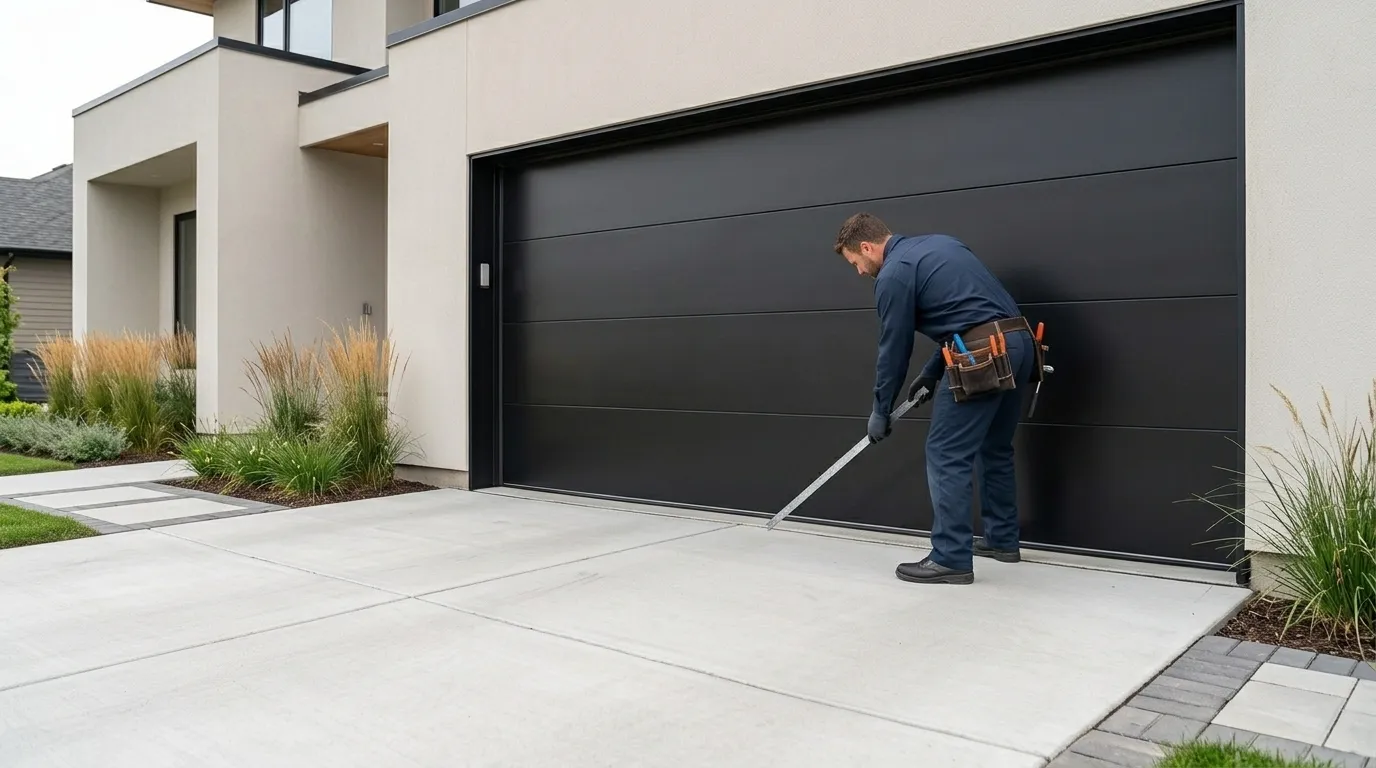
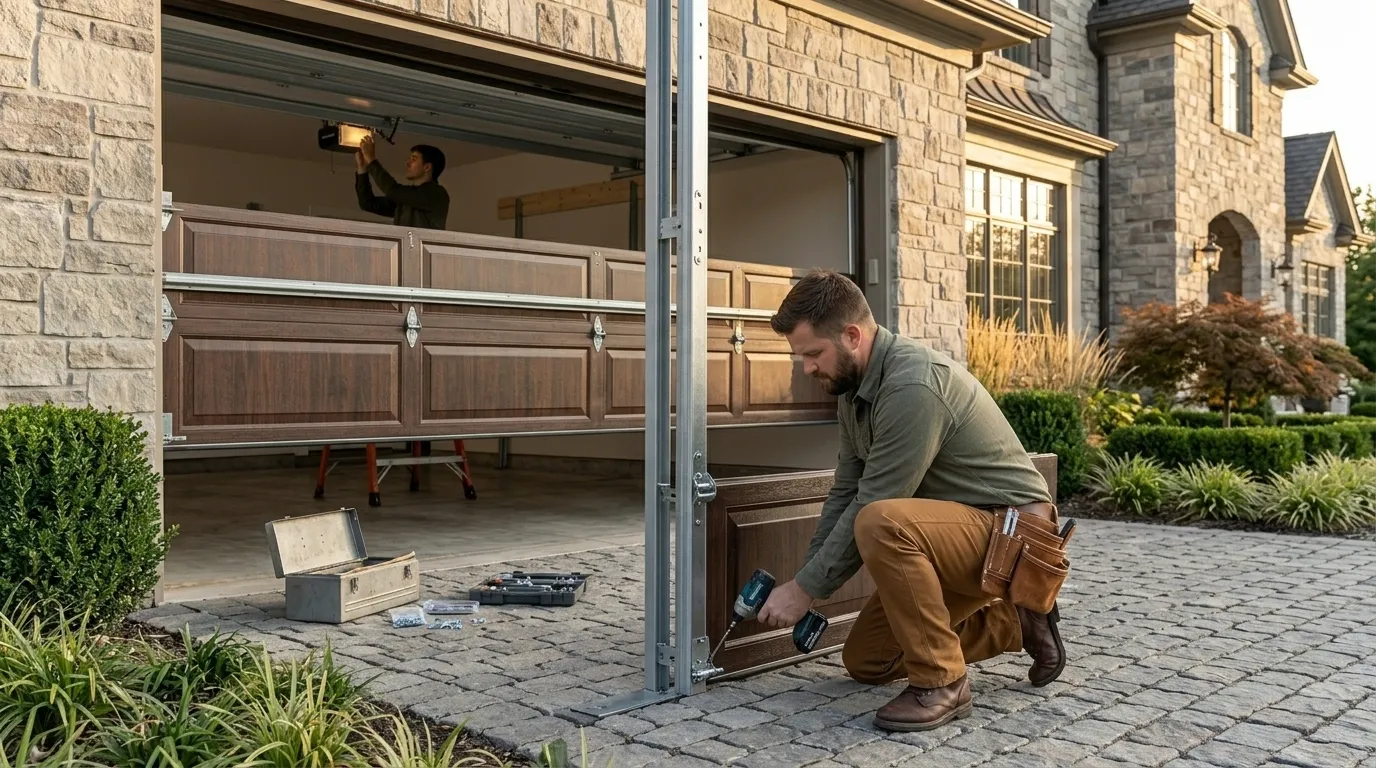
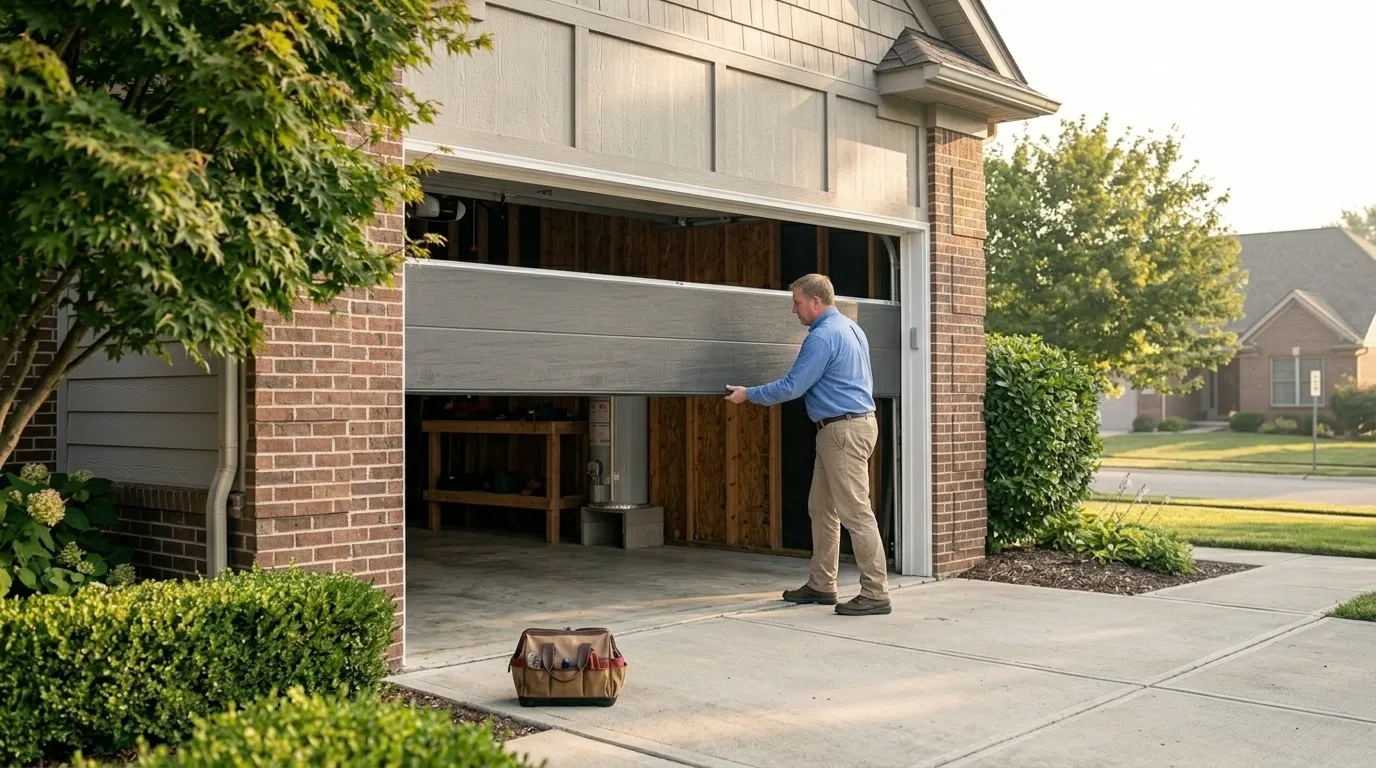
The job starts with measuring the actual opening and header clearance, not assuming it matches a standard size - something we don't skip on a home built later than most of the area's housing stock. The old door comes off in sections, the old track and hardware come down, and we check the jamb for square before anything new goes up.
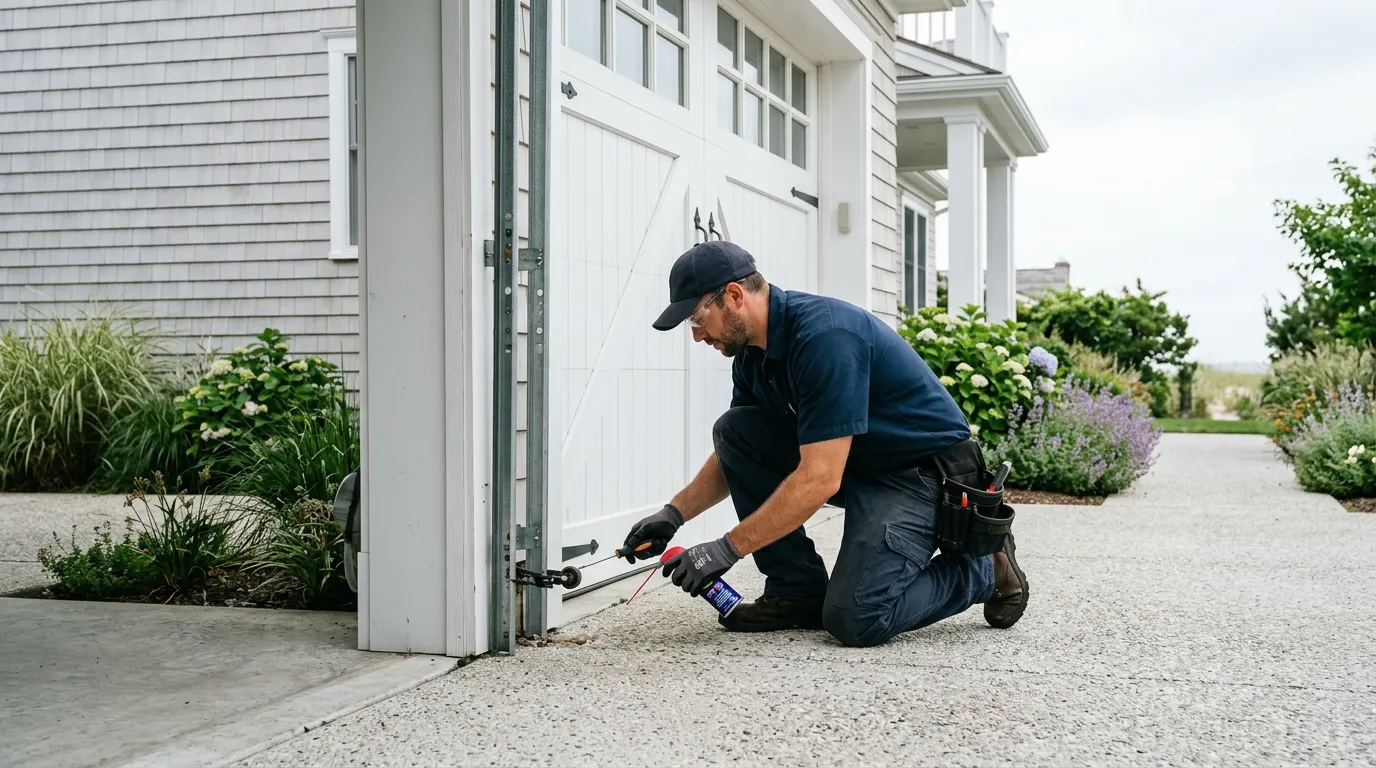
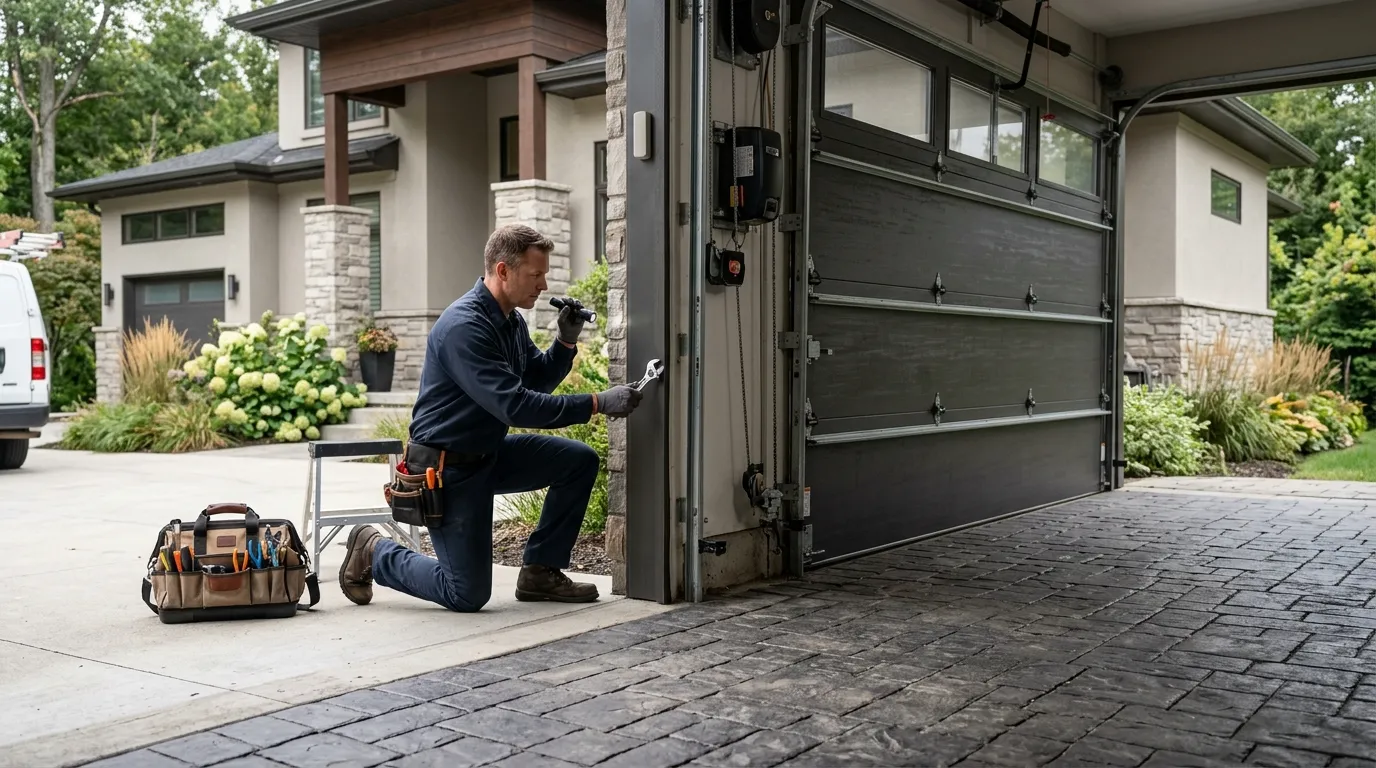
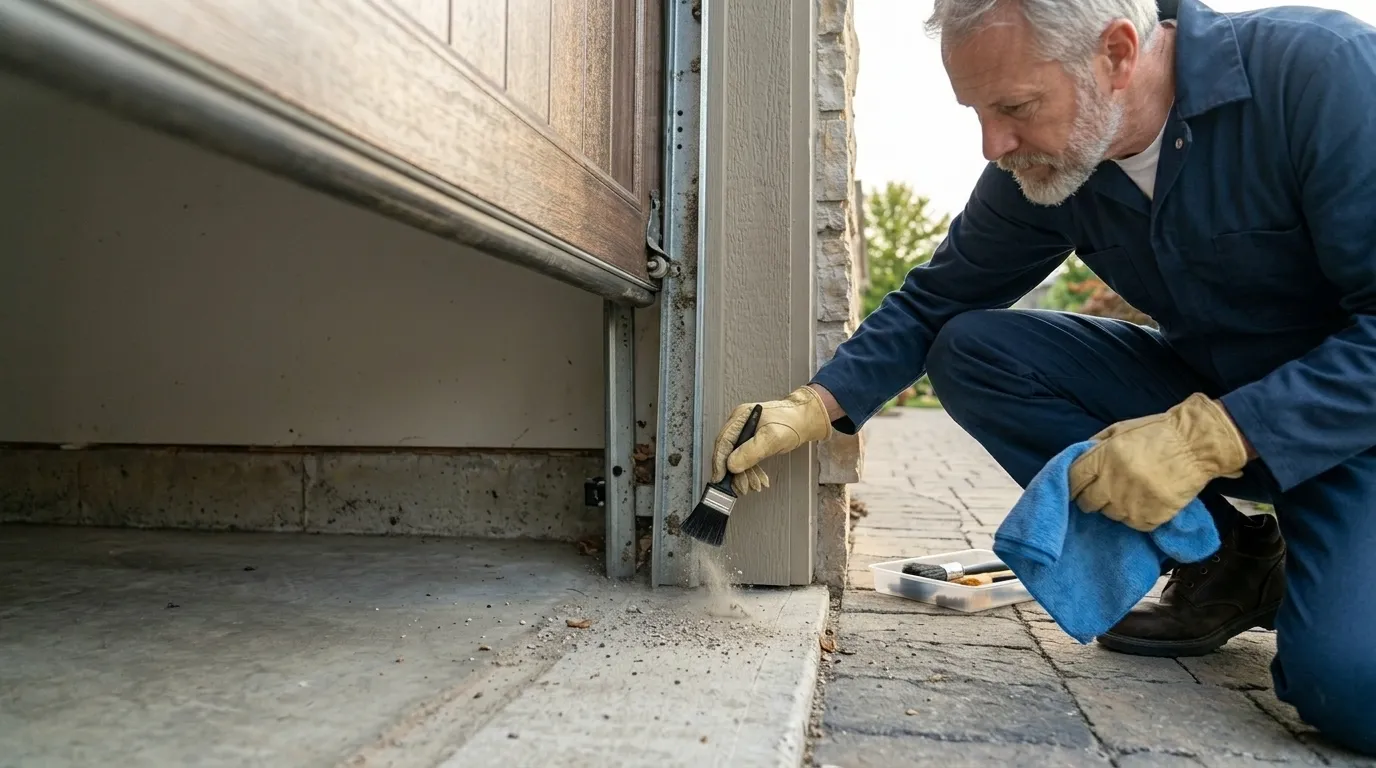
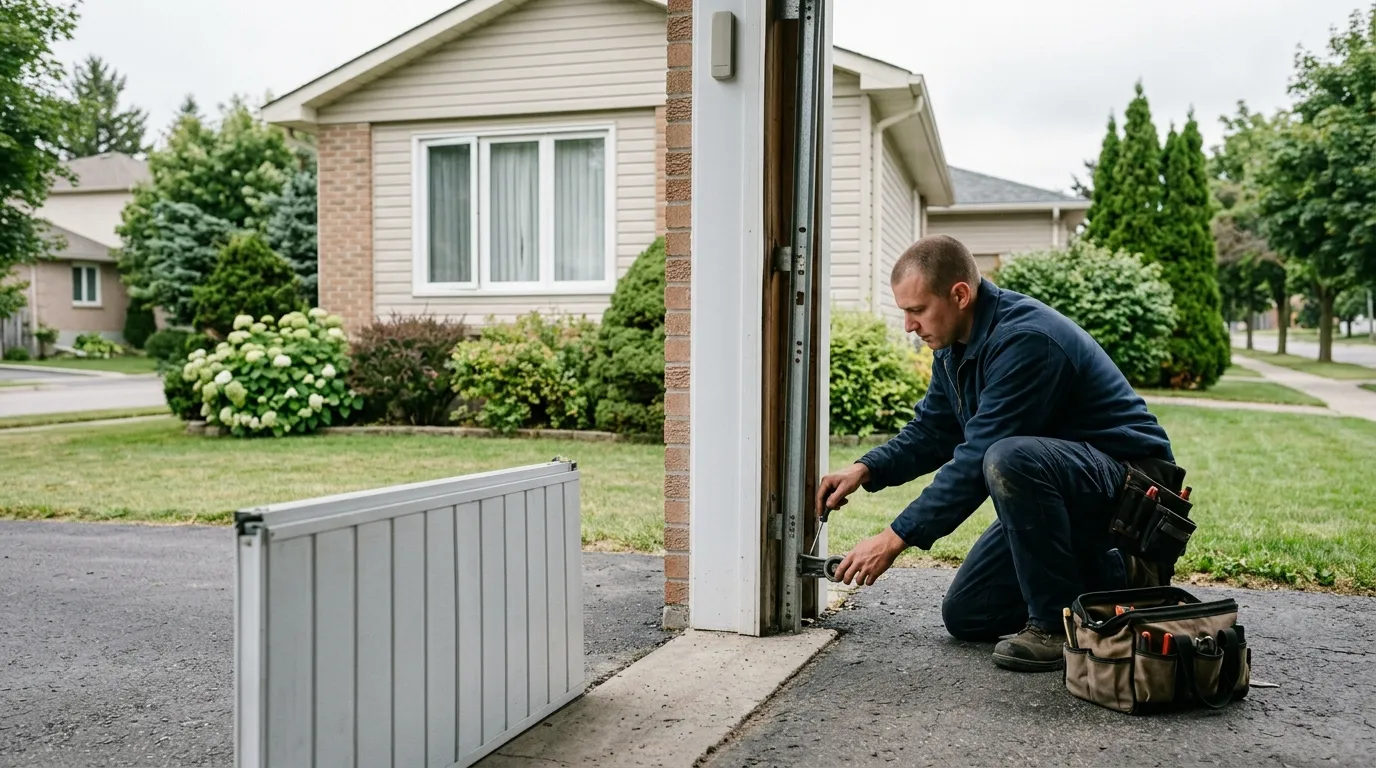
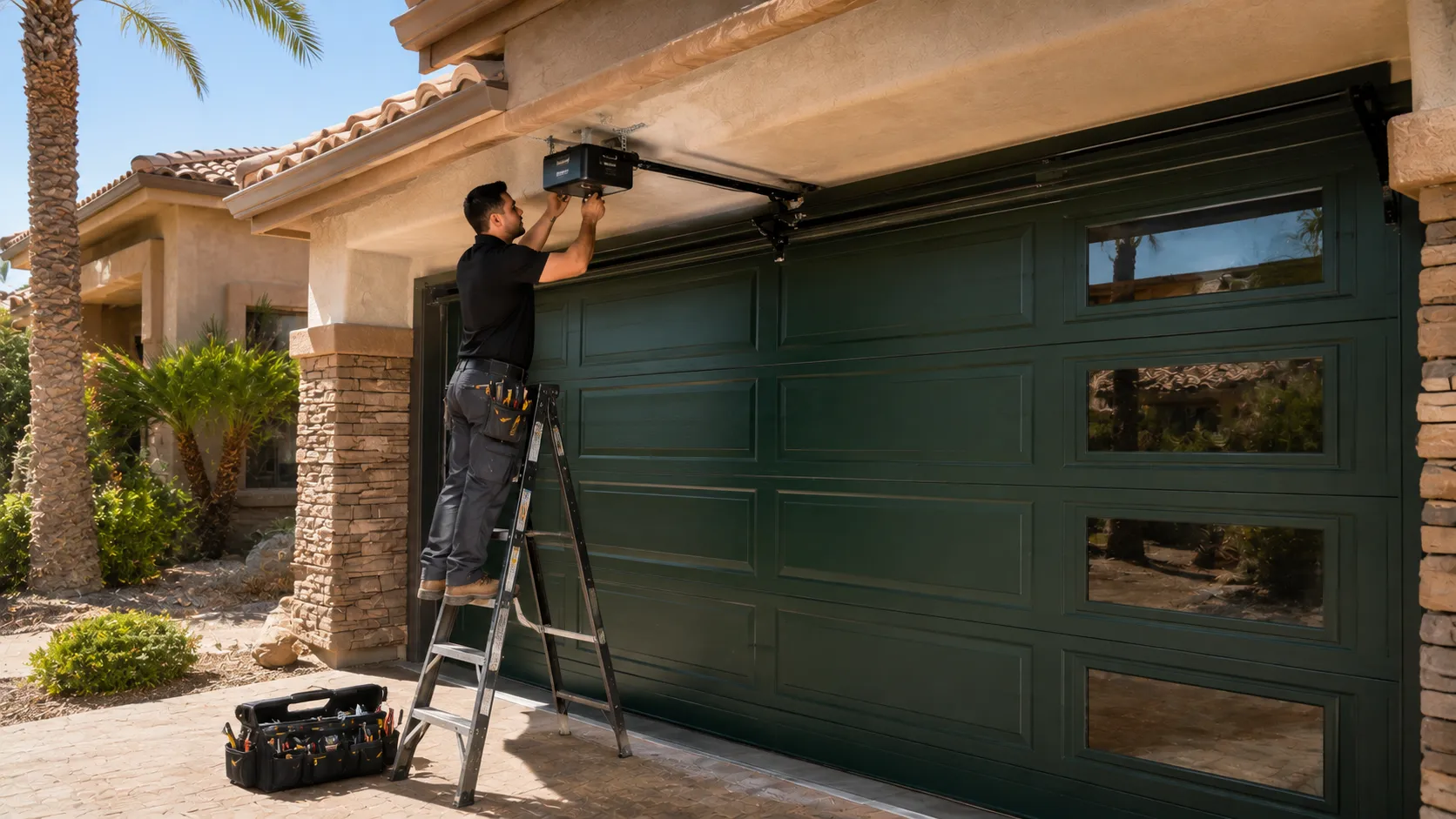
New track gets set and shimmed level, the door goes in section by section, and the torsion spring gets wound to match the door's actual weight - this is the step that gets someone hurt if it's rushed or guessed. The opener gets mounted, travel limits set, and the safety sensors aligned and tested before we call it done. For an insulated door in a COLD climate band, we also check weatherstripping fit at the bottom and sides, since a door that seals poorly around the frame loses most of its insulation value regardless of what's inside the panel. We test the full cycle, check balance by hand with the opener disconnected, and walk the homeowner through the opener's settings before we leave.