The Cost of This Job
Median household income in Hinsdale sits at $250,001, well above the $80,202 figure we see across the wider service area. That number matters more than it sounds like it should, because it changes where the repair-or-replace line falls. On a house where a $400 spring job is a rounding error, a lot of owners skip the patch-it-up conversation entirely and just ask for a new operator and a matched panel set. We don't push that. If a torsion spring snapped clean and the track is straight, replacing the spring is still the right call regardless of what the house is worth. But we've noticed that in this town, more people choose to replace an aging opener at the same visit rather than wait for it to fail on its own, simply because the cost difference isn't the deciding factor it is elsewhere. knowing before you call: we quote the job in front of you, not over the phone, because spring size, track type and opener age all move the number, and guessing at any of those from a description usually guesses wrong.
What You Are Seeing
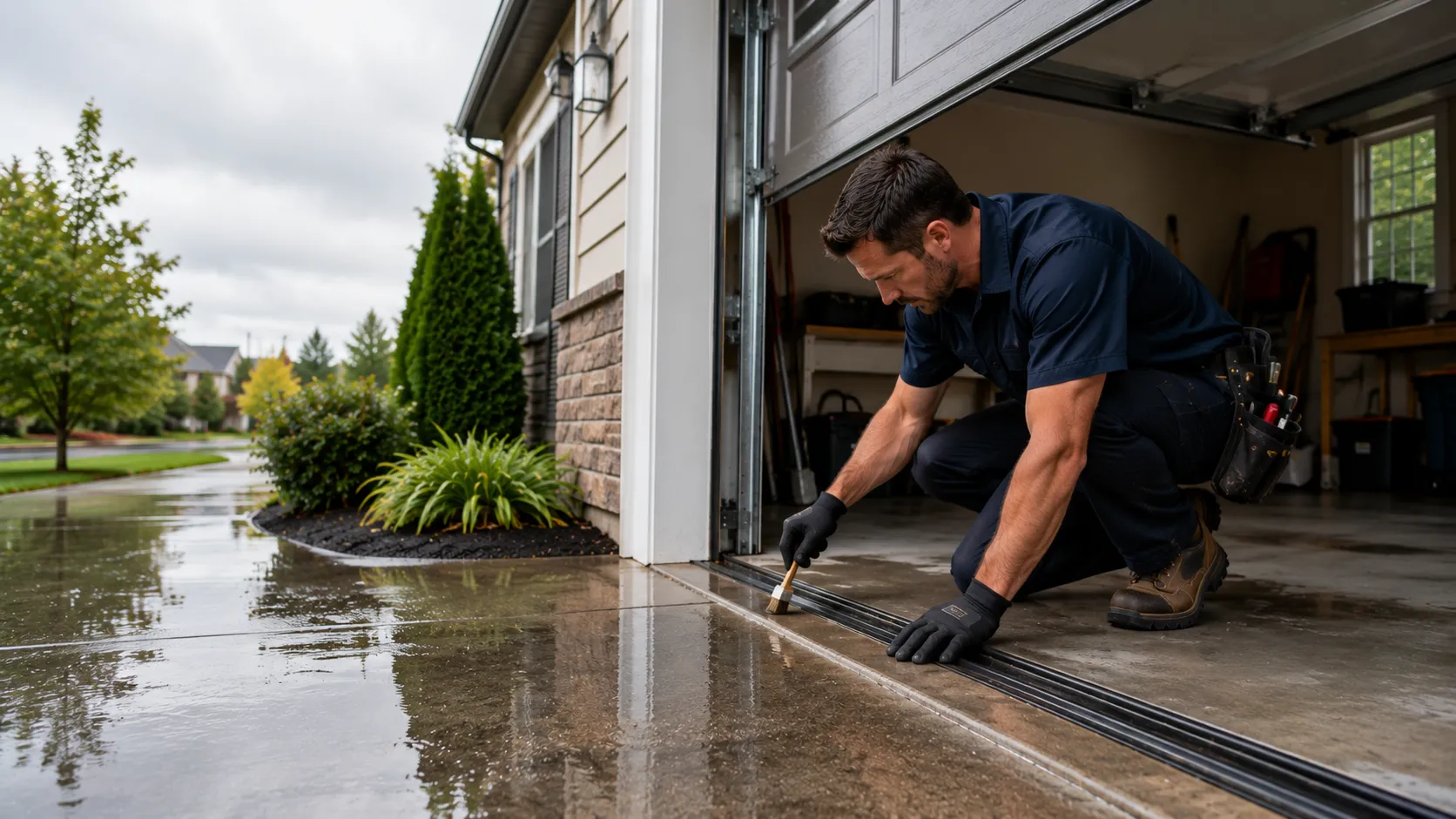
The complaints we hear from this town tend to cluster around age-appropriate wear rather than storm damage or rot, which fits a building stock centered on 1979. That's an opener motor that's finally quit after running fine for decades, a spring that's lost tension slowly rather than snapped suddenly, or nylon rollers that have worn enough to make the door bind or bang on the way up. Cold-weather stiffening shows up here too - the service area sits in a cold, moderate climate band, and grease that's thickened overnight can make a door feel heavy or hesitant on the first open of the day, especially in an unheated garage. That's not usually a repair issue on its own, but if the door was already close to needing a spring adjustment, cold mornings are what push someone to finally call. What we don't see much of in Hinsdale is the older extension-spring failure pattern more common on the pre-1950s stock nearer Chicago - the housing age here mostly puts you past that.
The DIY Question
A cable that's frayed but hasn't let go, a sensor that's out of alignment, a remote that needs reprogramming - those are fair to try yourself, and doing them yourself costs nothing but time. A torsion spring is not on that list. The spring on a standard double door is wound under enough tension to break a wrist or worse if the winding bar slips, and that risk doesn't scale down with a nicer house. If the door won't budge, don't force it with the opener - that's usually how a stripped gear or a bent track turns into a bigger bill. Our honest limitation here: we don't do same-day emergency response in Hinsdale. We're based in Chicago and this town is about 13 miles out, so if your only working door is stuck shut at 6pm, plan for a next-visit fix rather than a same-hour one. For most spring and opener failures that's not a real problem - a door that's stuck closed is safer left alone overnight than forced open by hand.
What the Fix Involves
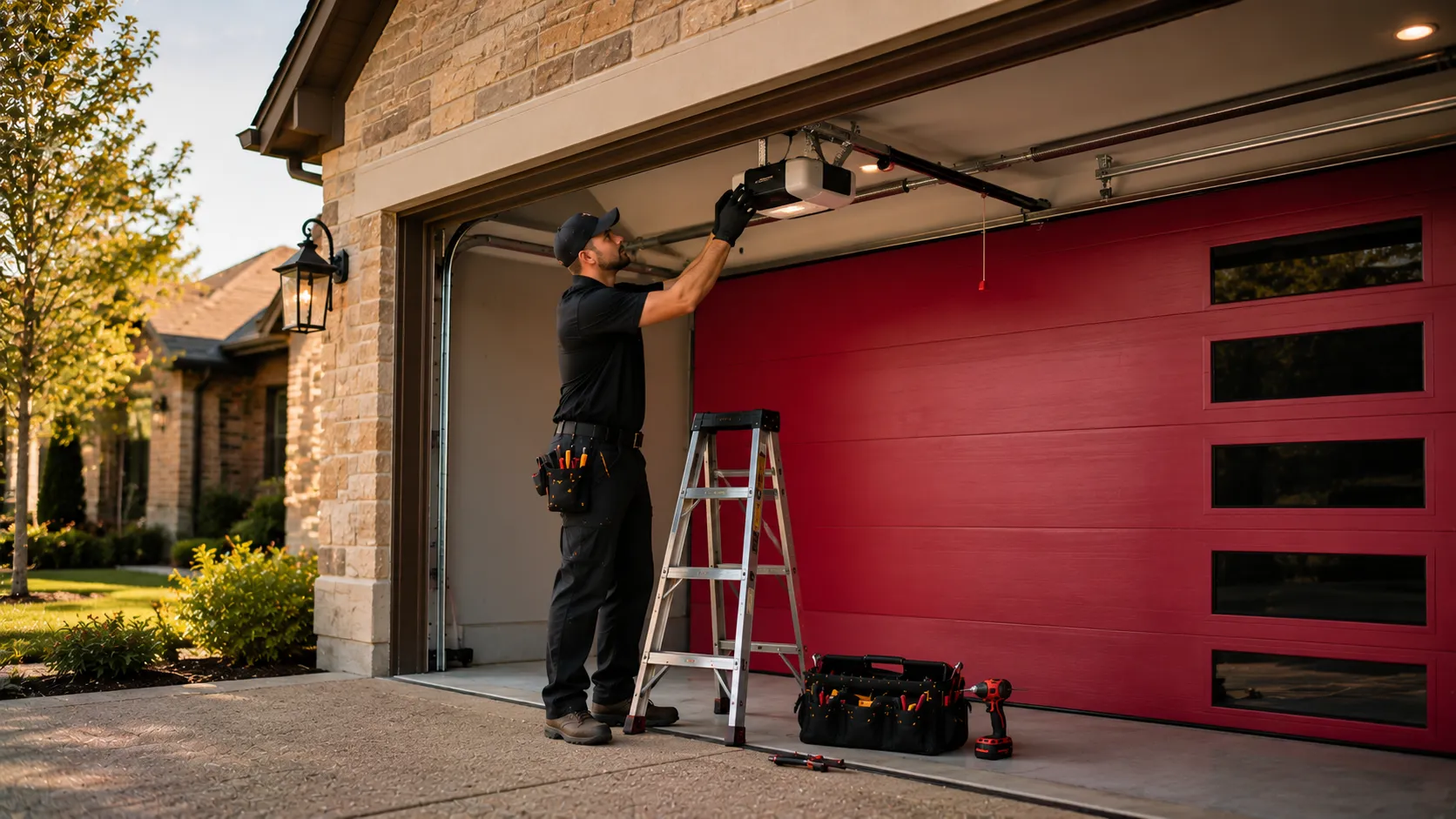
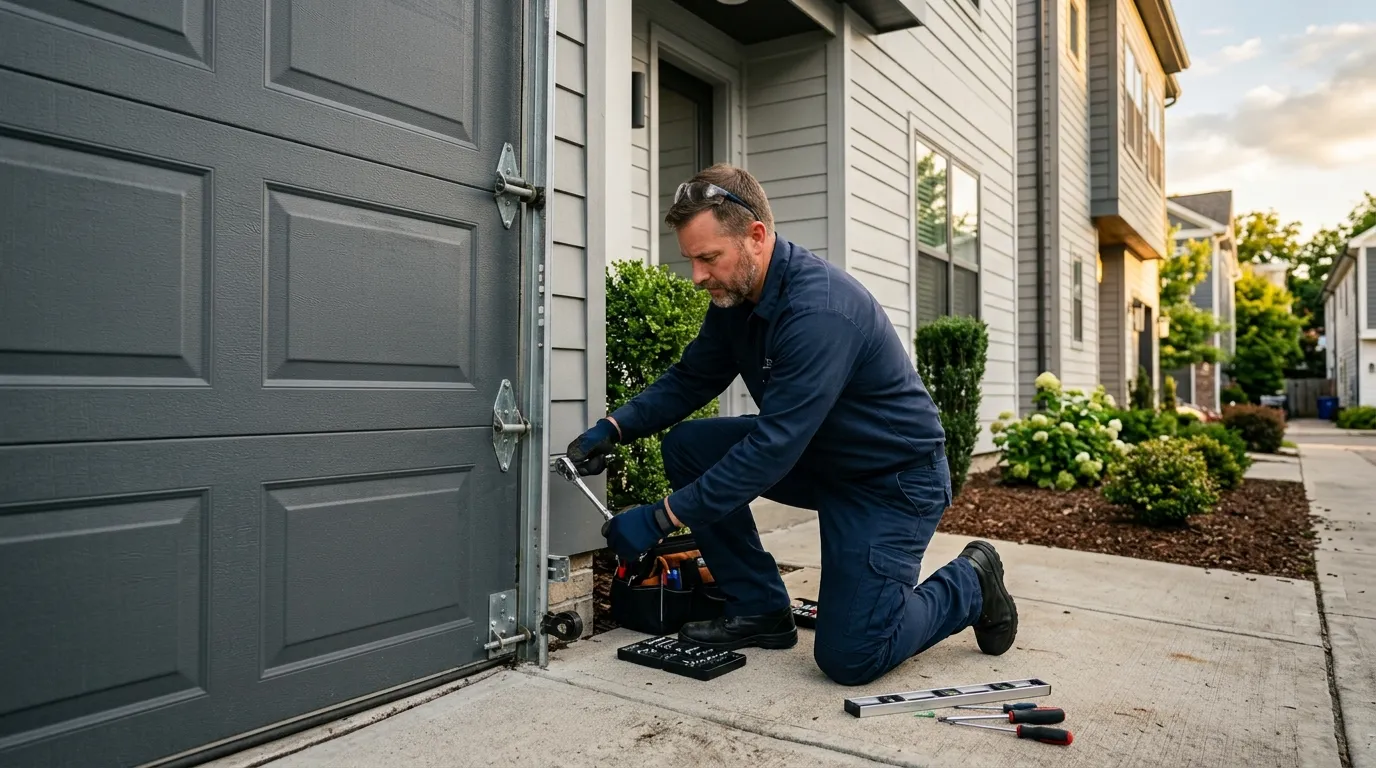
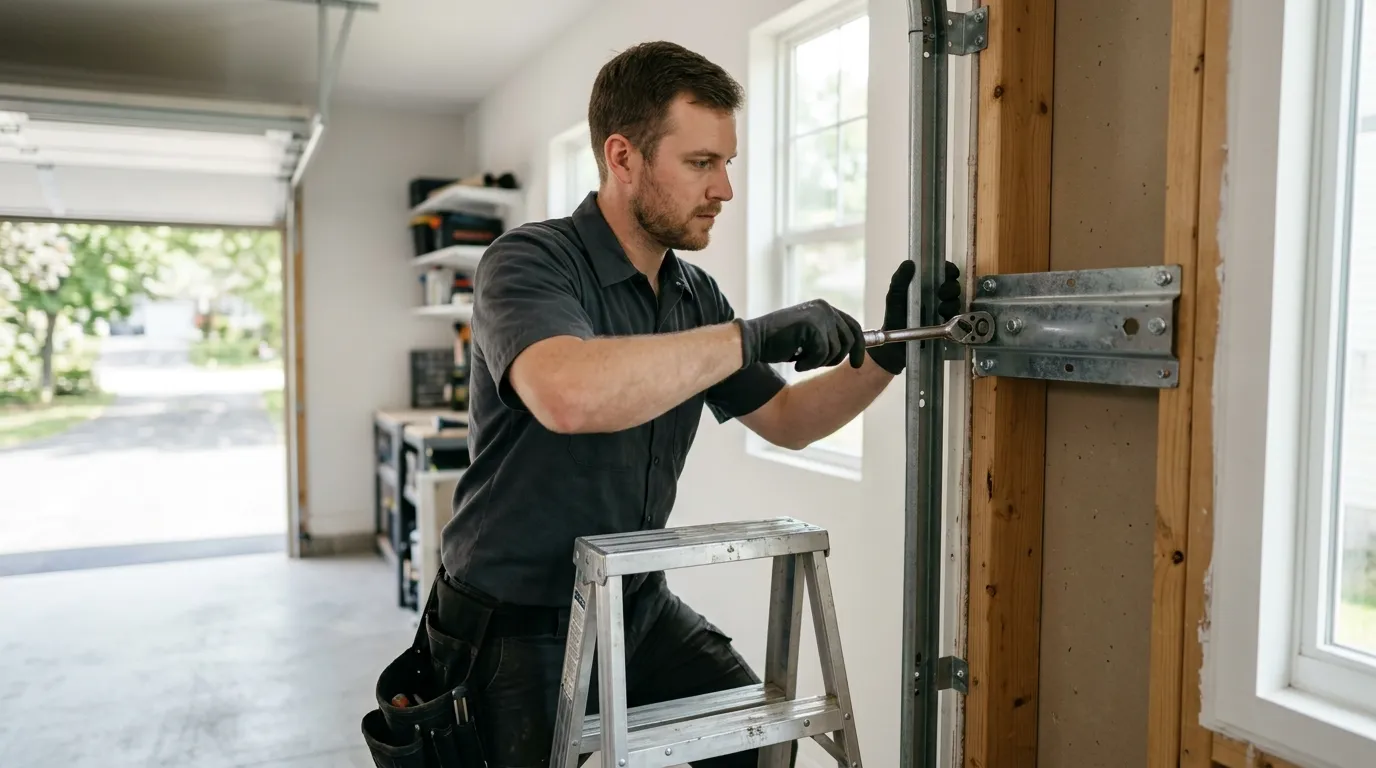
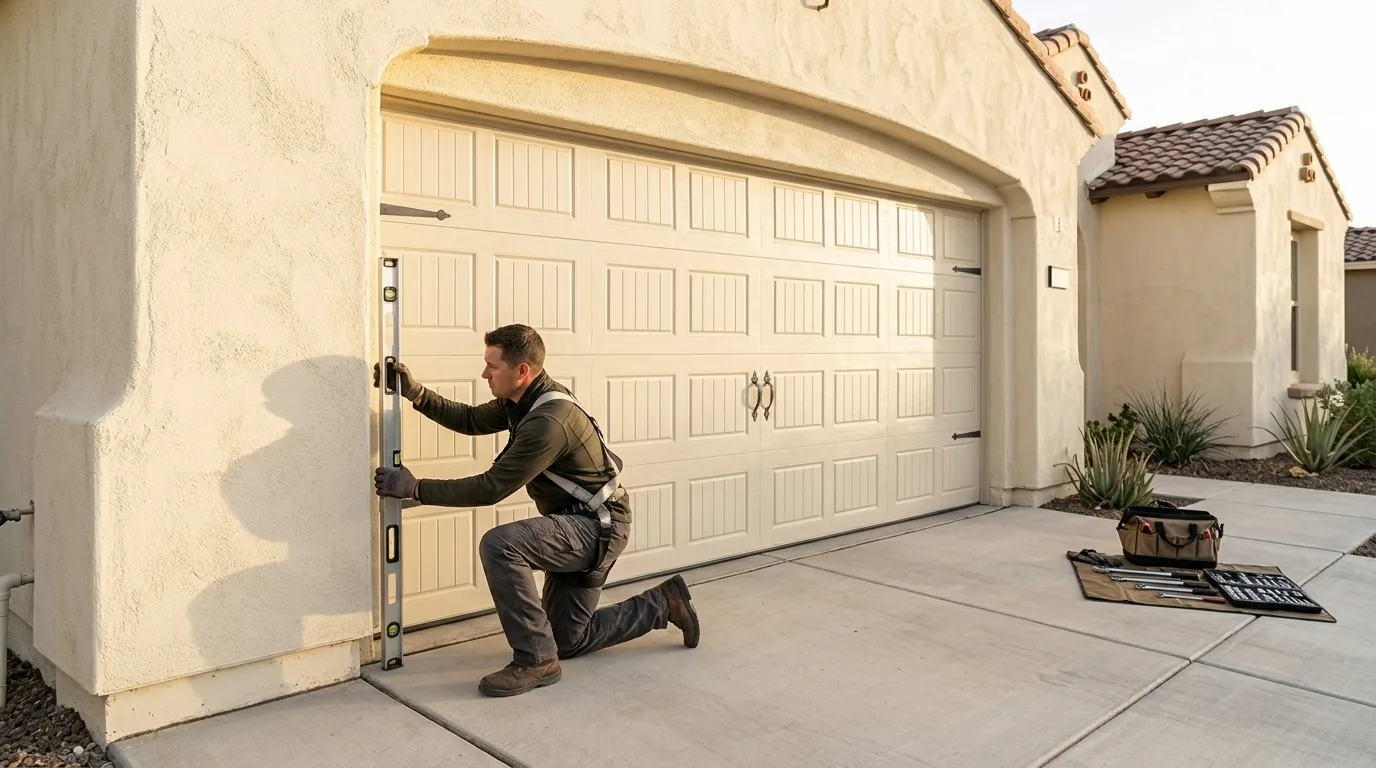
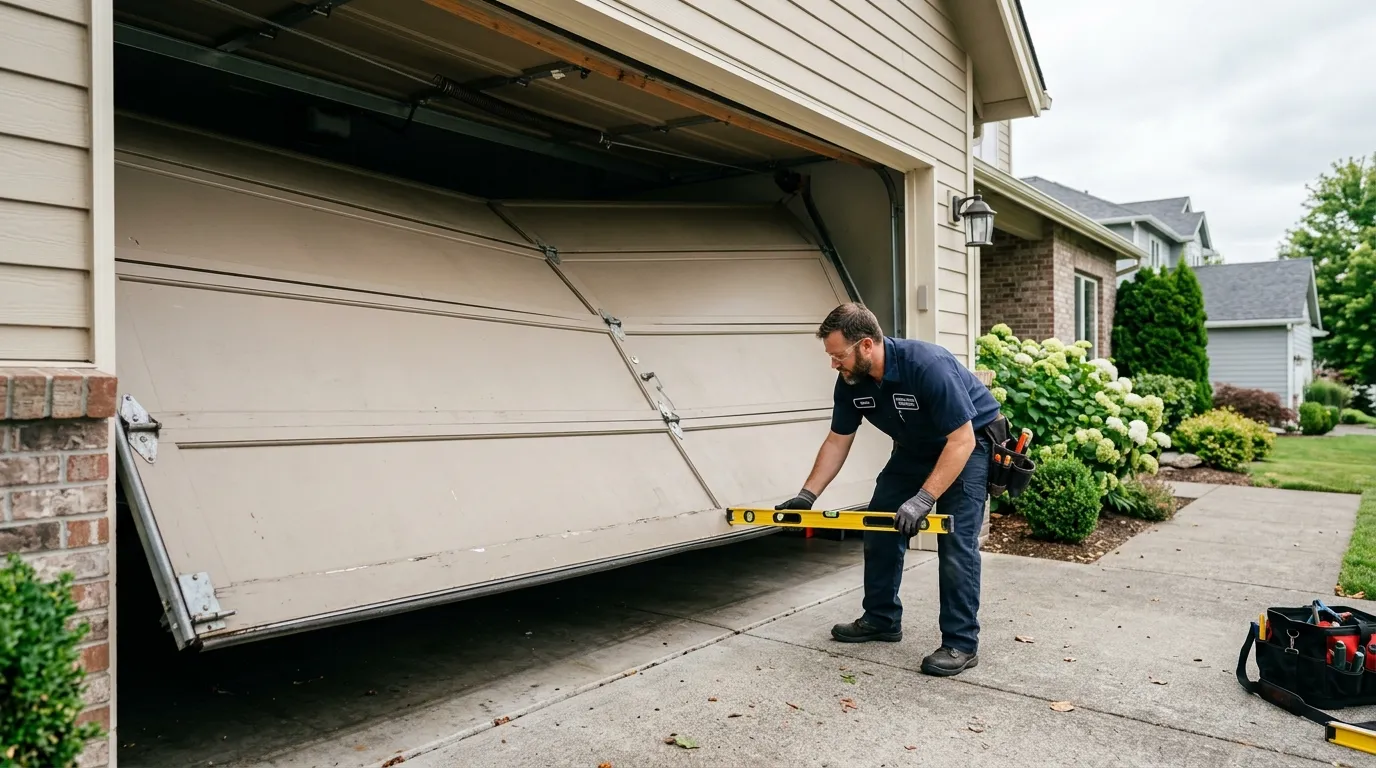
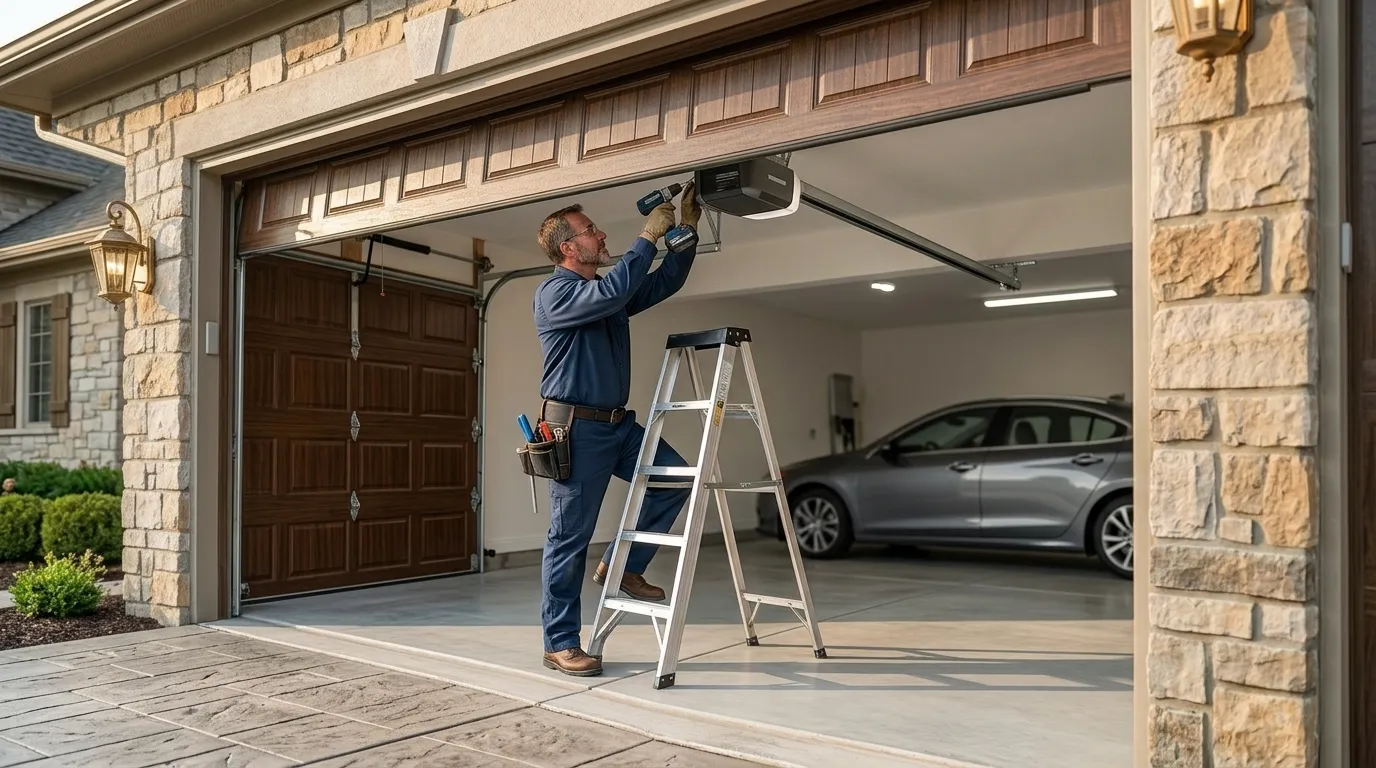
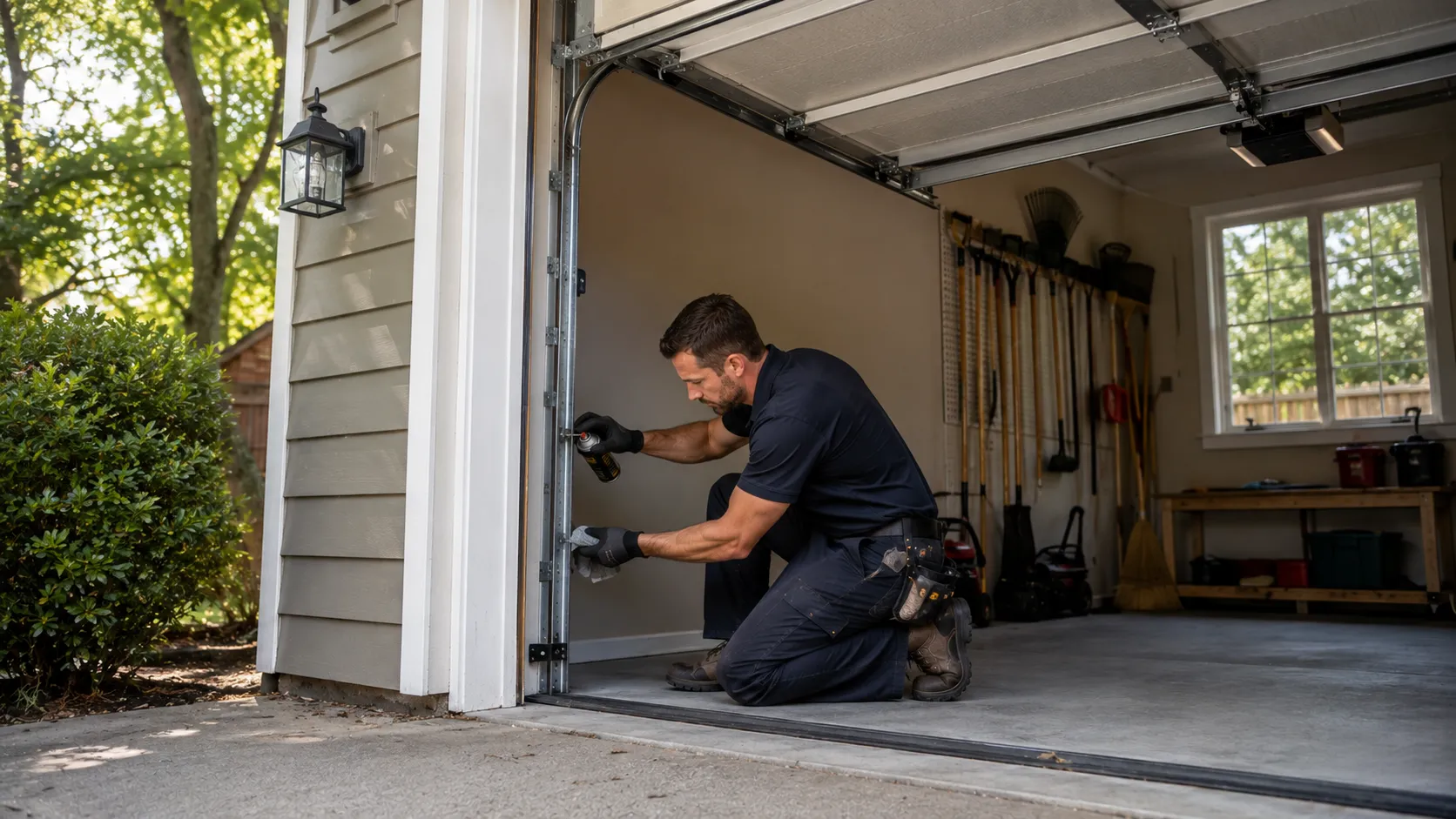
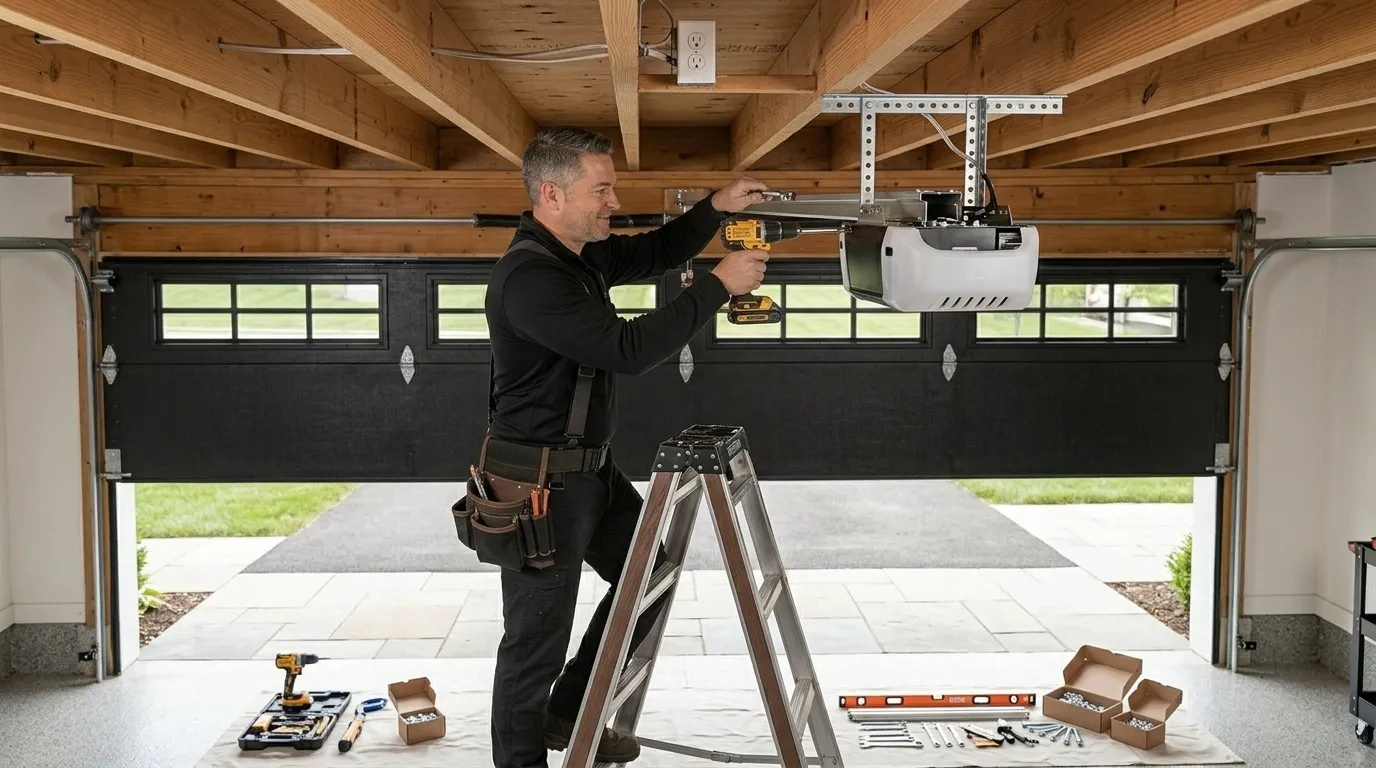
Most jobs break down the same way regardless of house value: we test the door under power first to see what the opener is actually doing versus what the spring and cables are doing, because those two failure modes get confused a lot. If it's a spring, we relieve tension, swap the coil, rebalance the door so it holds at any point on the track, and check the cables while we're in there since a fraying cable is the next thing to fail. If it's the opener, we check whether the issue is the motor, the logic board, or just a limit switch that's drifted - a lot of