The Cost of This Job
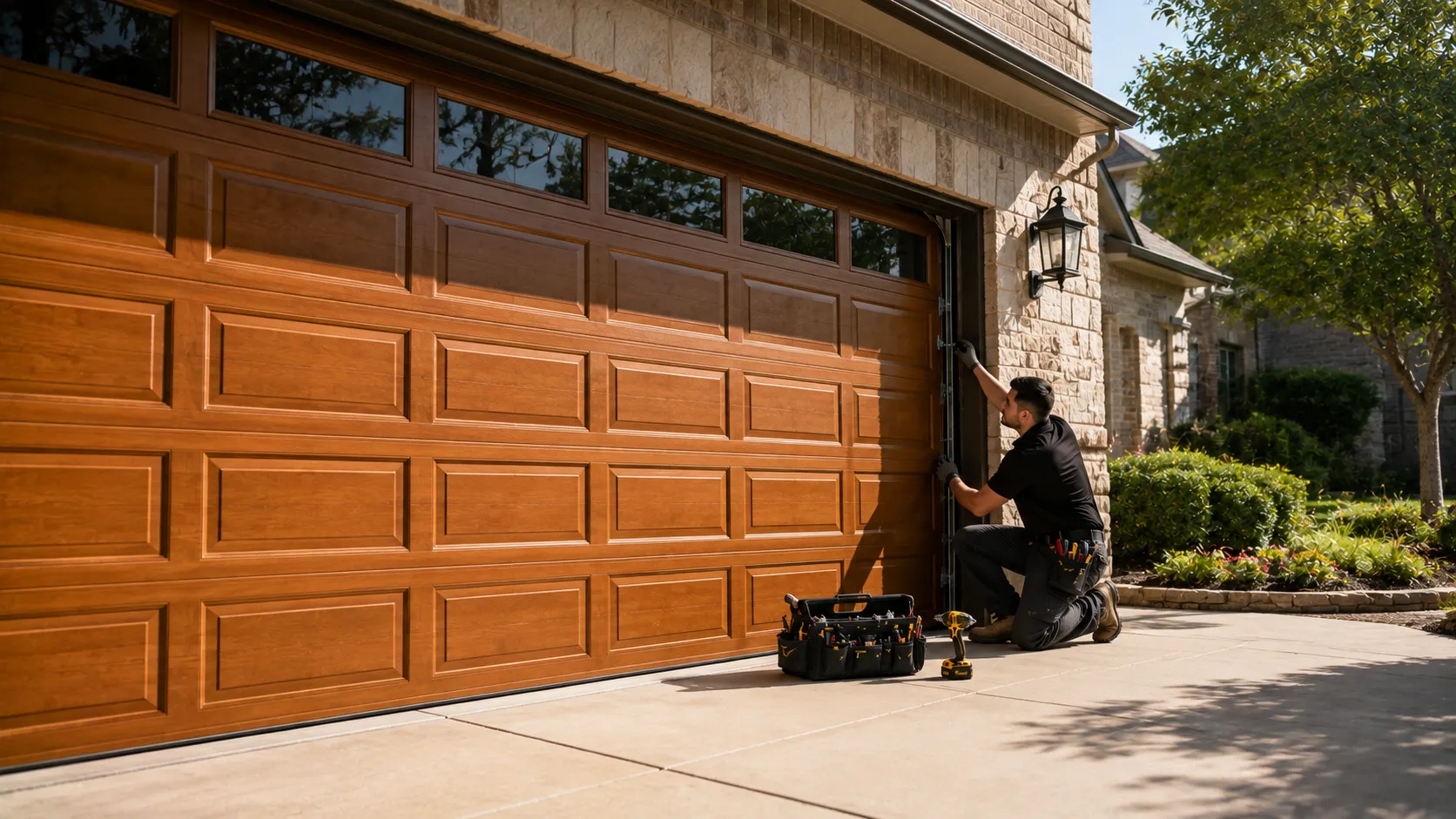
A standard maintenance visit on a Hinsdale garage door isn't priced differently because of the ZIP code - it's priced by what's actually on the door. A single steel sectional torsion door with two springs and eight rollers takes less time and less material than a double door with an insulated composite skin, which is more common here given the income band of the area. We don't have a flat number to quote you without seeing the door, and we won't pretend otherwise. What we can tell you is that a door built around 1979, which is when most of this housing stock went up, is now well past the point where springs and rollers should be running on factory grease. That's the baseline job: spring lube and tension check, roller inspection, track alignment, hardware torque, weatherstrip check. Anything beyond that - a bent track, a failing opener, a cracked panel - gets priced separately once we're looking at it. If a spring has already gone, that's not a maintenance call, that's a repair call, and it's priced and handled differently.
What You Are Seeing
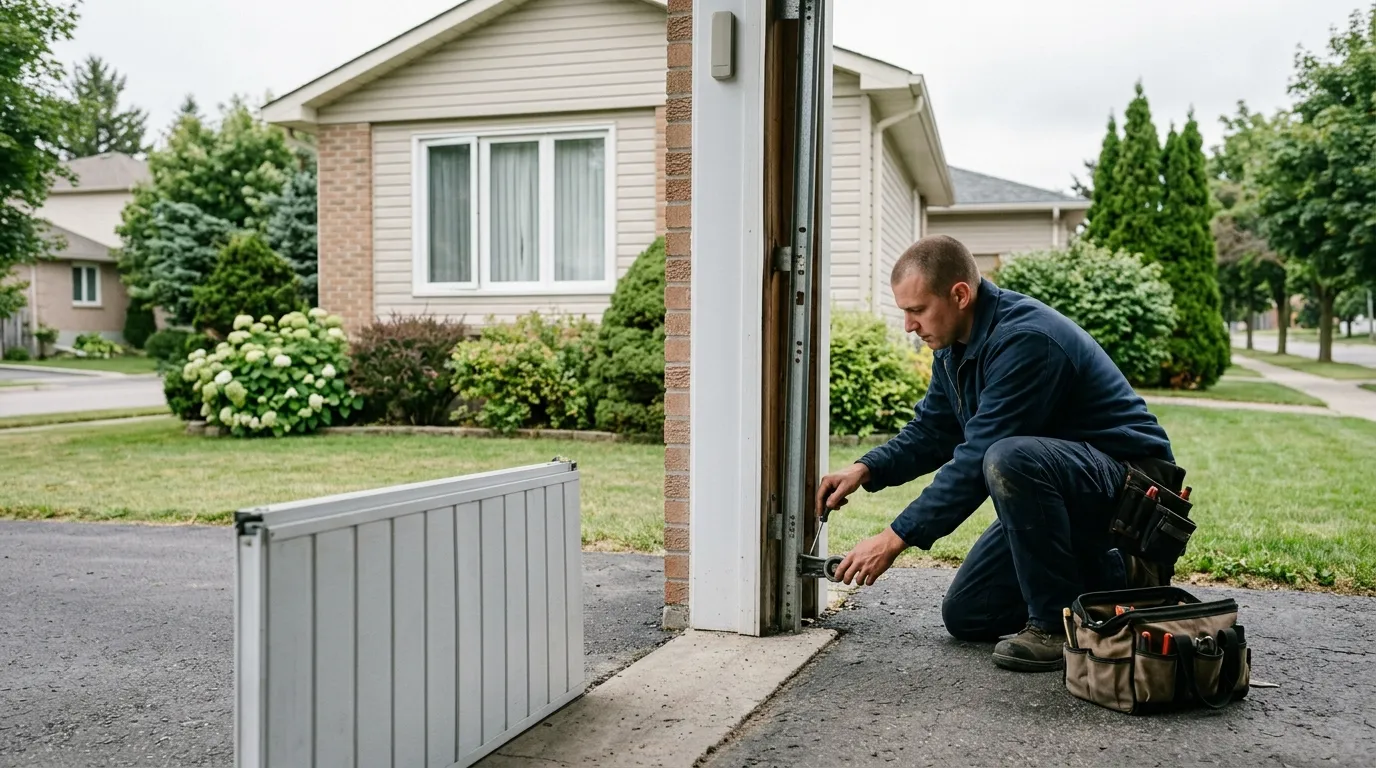
If your door is groaning on the way up, or the opener strains and stutters at the halfway point, that's usually a spring losing tension, not a motor problem - and on a door this age, tension loss is expected, not a defect. A door that drifts closed on its own, or won't stay up when you disconnect the opener, is telling you the same thing. Rollers that clunk or bind as they pass the track bend are worn nylon or steel rollers overdue for replacement, common on a door running its original hardware since 1979. Cold-weather stiffness - a door that moves fine in summer and drags in January - points to hardened lubricant or a slightly bent track, both things a maintenance visit catches before they turn into a broken spring or a jumped cable on a cold morning.
The DIY Question
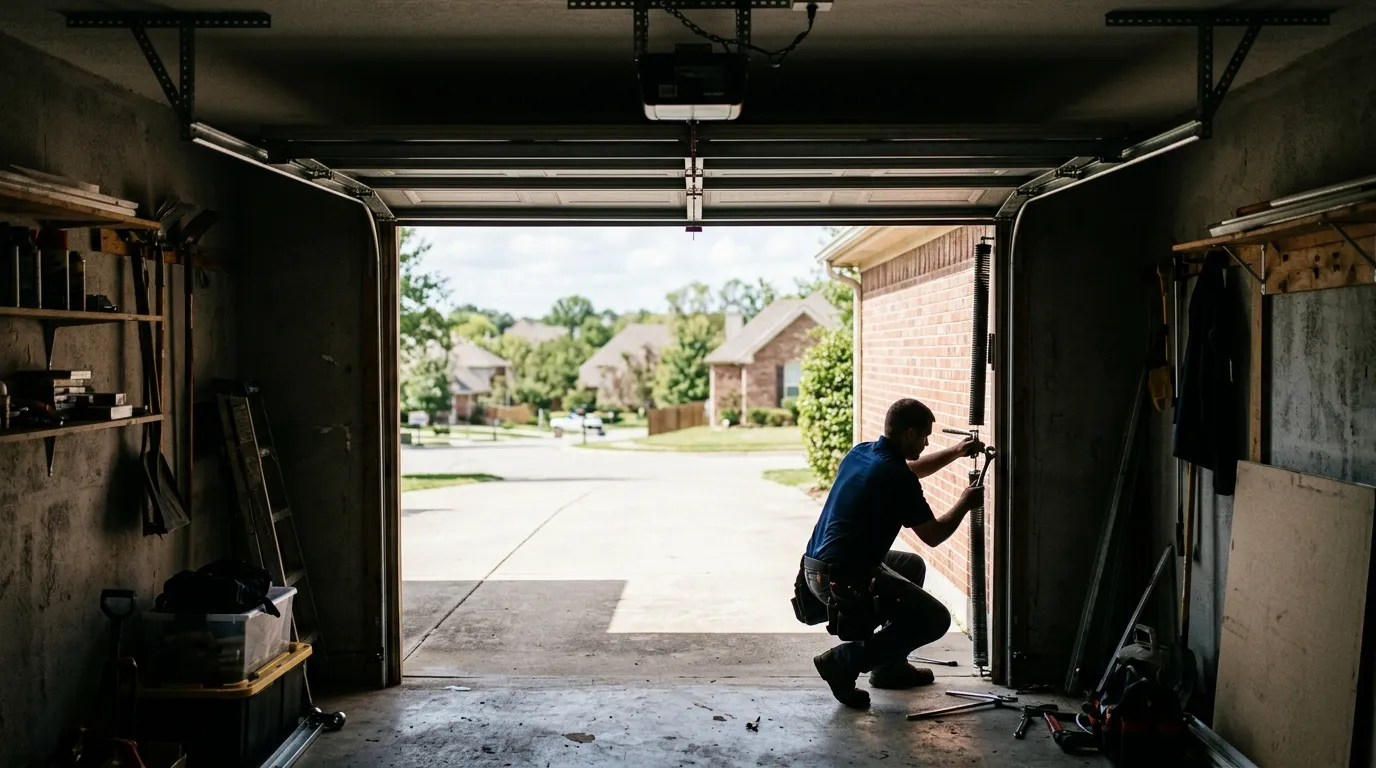
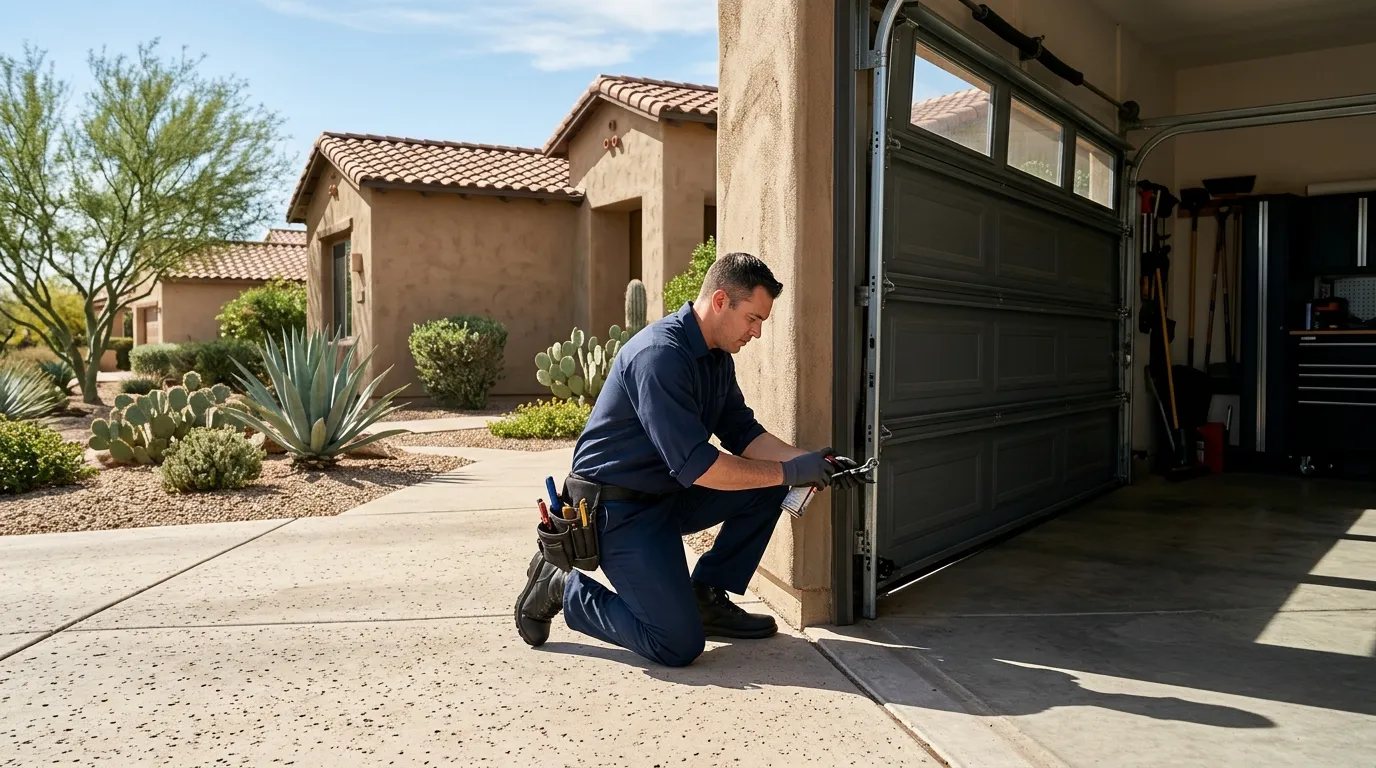
Lubricating hinges and rollers with the right garage door lubricant, twice a year, is a job any homeowner can do safely, and it's the single best thing you can do between visits. Checking that the door reverses when it hits an obstruction is also fine to do yourself. What you shouldn't touch is the torsion spring itself - the tension on a spring sized for a residential sectional door is enough to break bones, and adjusting or replacing one without the right winding bars is not a weekend project. If your door has already stopped working, or a spring has let go, that's a repair, not maintenance, and we've written that up separately at /hinsdale-garage-door-repair/. Maintenance is preventive work on a door that still runs; once something's broken, you're past that.
What the Fix Involves
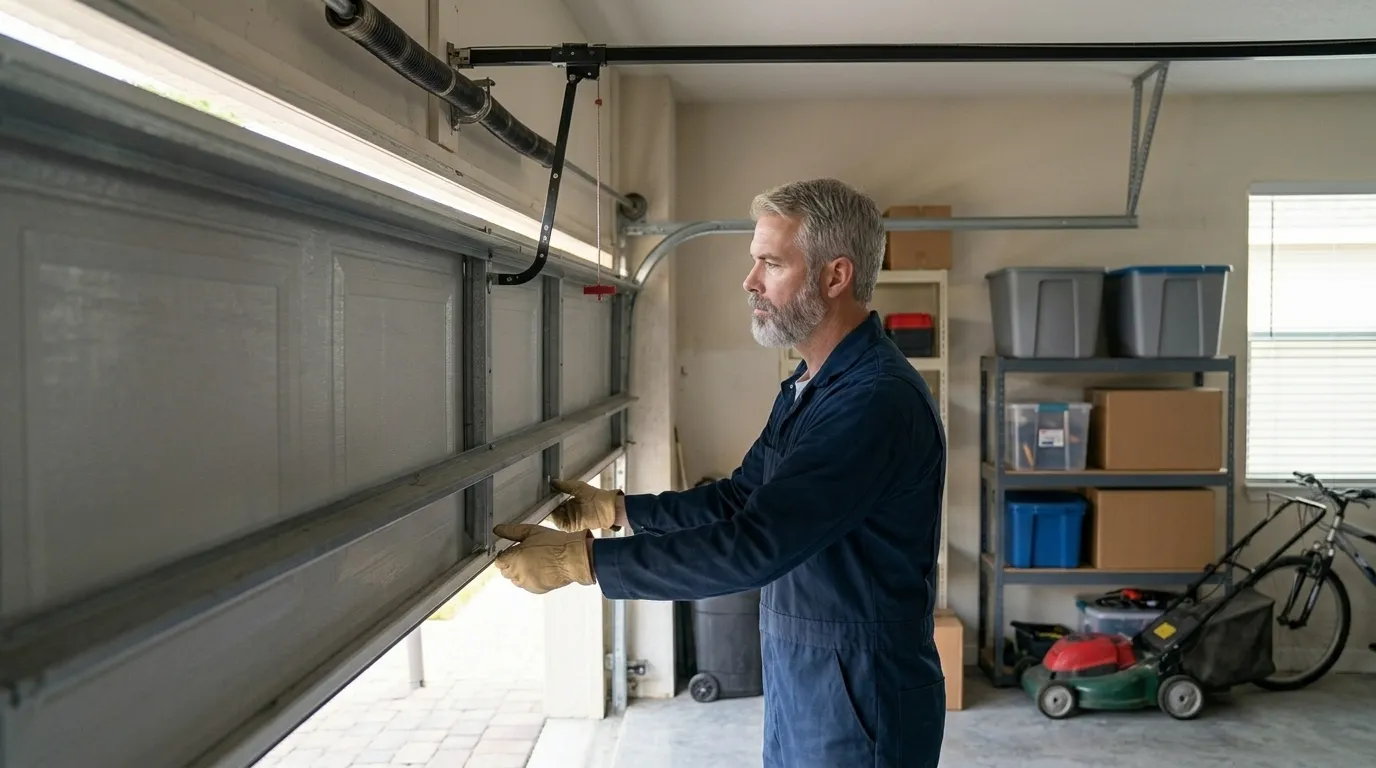
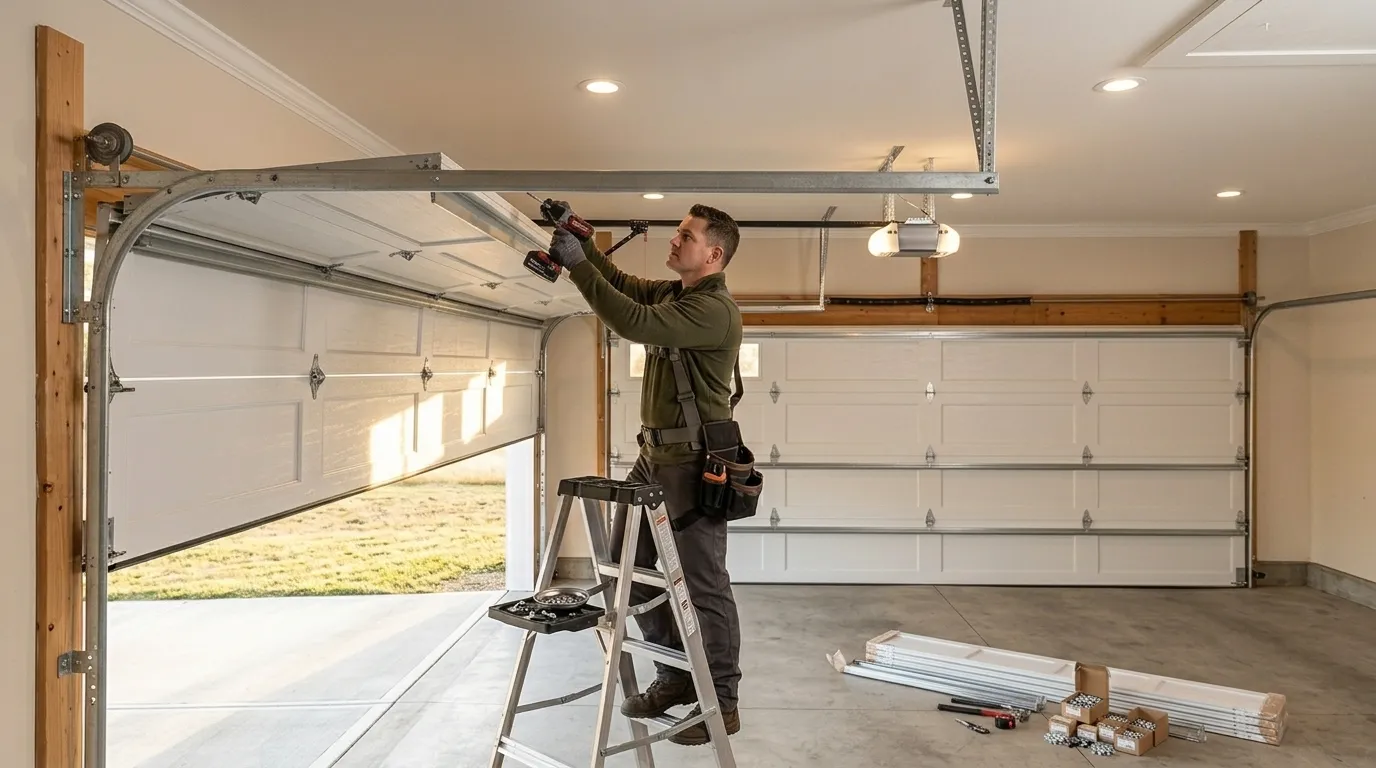
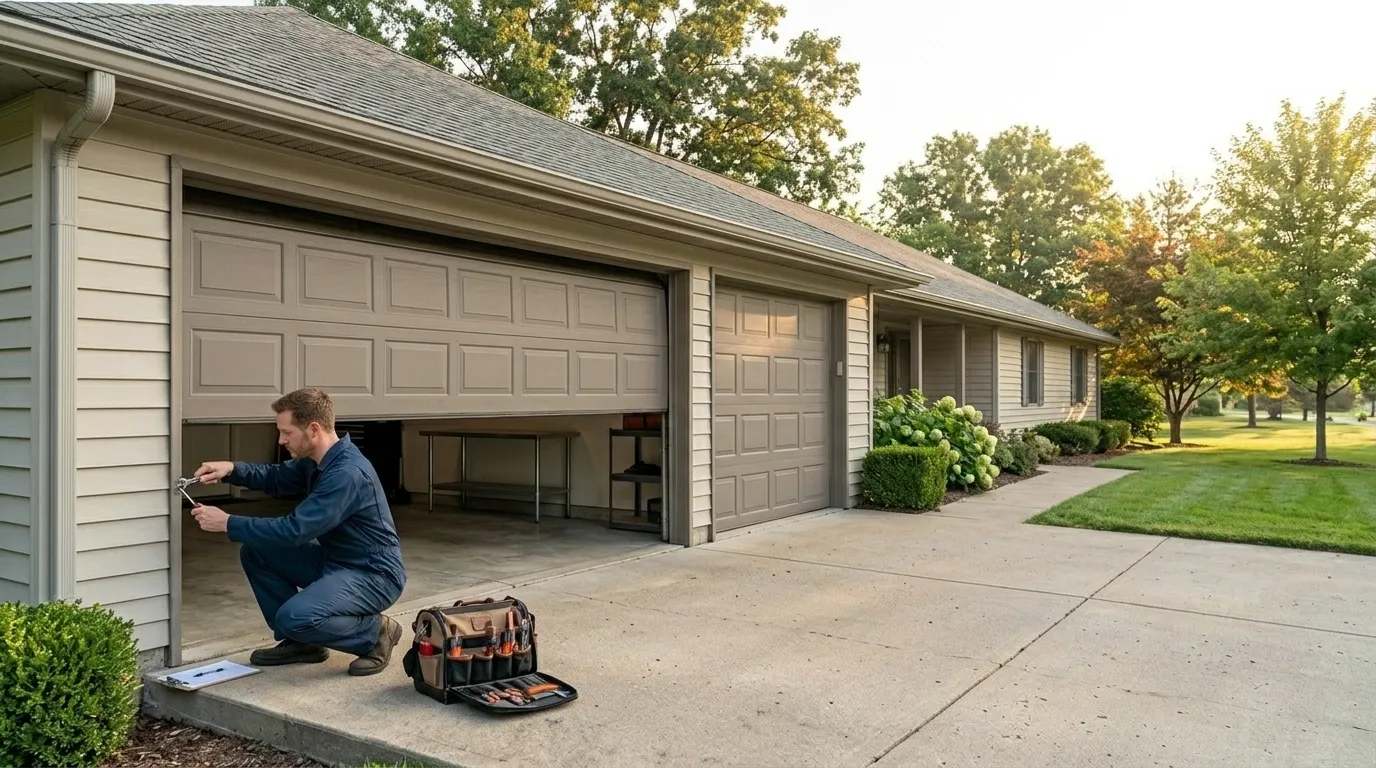
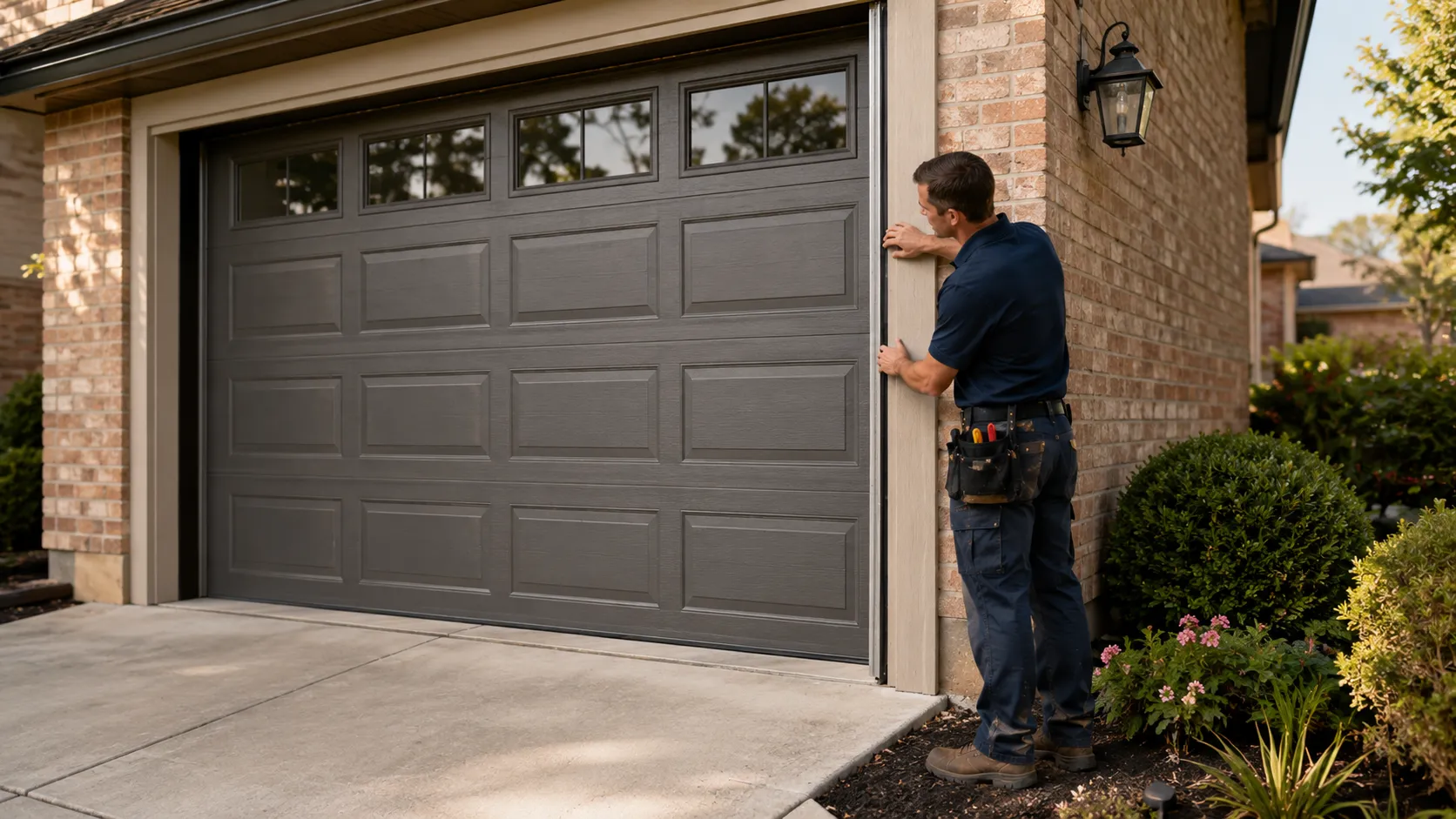
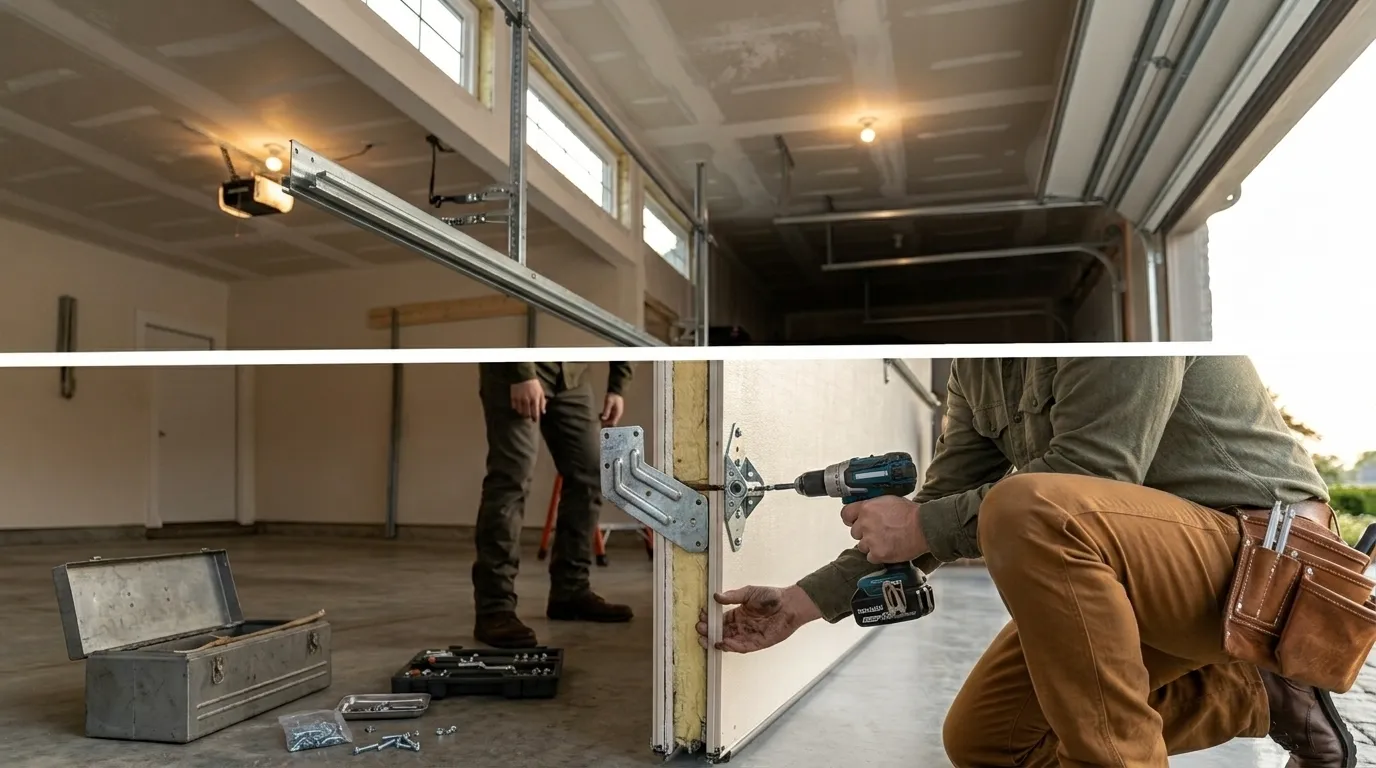
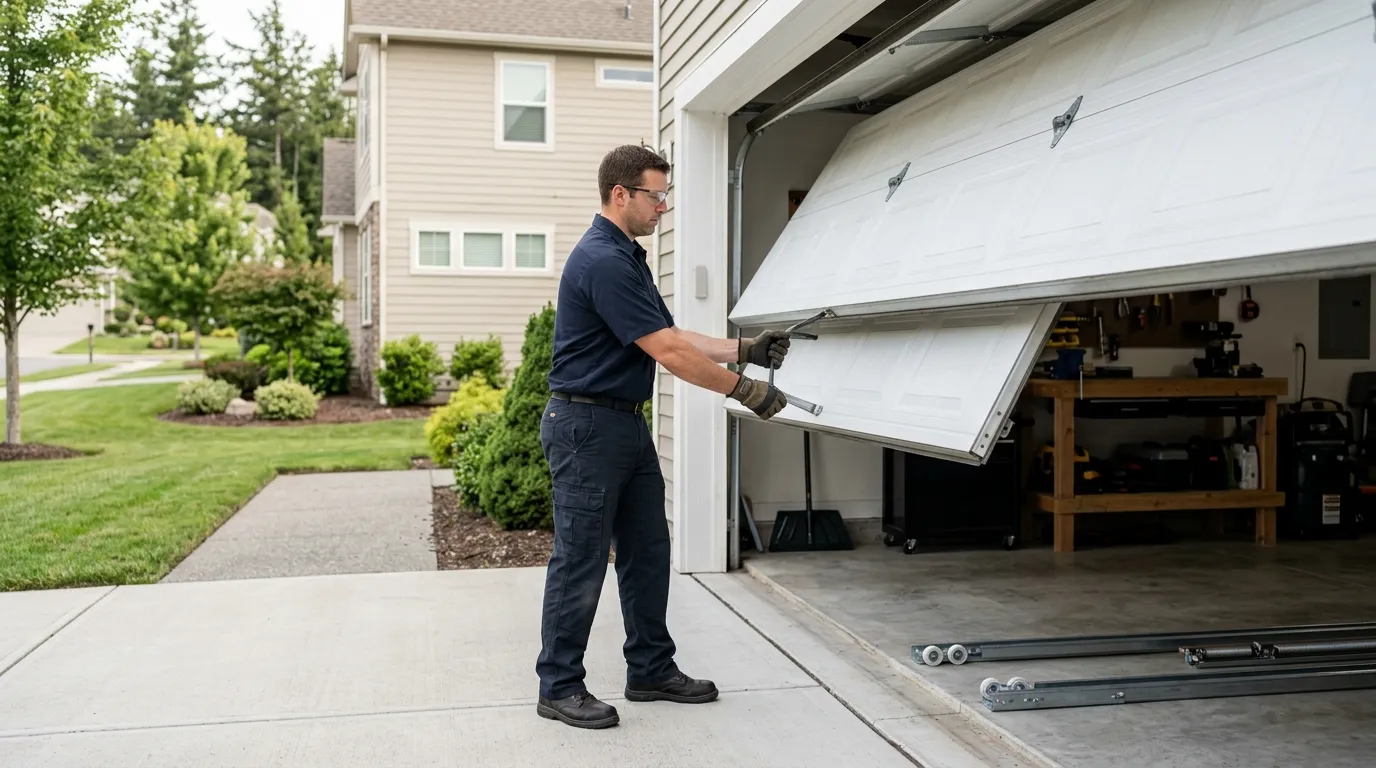
A standard maintenance visit runs through the door track by track: tension check and adjustment on both springs, inspection and replacement of worn rollers, lubrication of hinges and bearing points, a check of cable wear at the drums, and a look at the weatherstripping along the bottom and sides, which matters more in this climate band than people expect - cold, dry air is hard on rubber seals over a full winter. We also check the opener's force settings and safety reversal, since a door that's been recalibrated by hand over the years sometimes drifts out of factory spec. On a door of this age and construction - steel sectional, torsion spring, original to a house built around 1979 - that's usually a forty-five minute to hour-long job, done once the door's on the truck's schedule for the day. We don't sell you parts you don't need; if the hardware's still within spec, we say so and move on.