24/7 Emergency Service Open 7 days · 7am–8pm Serving Chicago, IL & nearby
(708) 630-7529
Chicago, IL

What Fits When You Replace a Garage Door in Chicago

Most houses near Chicago went up between 1938 and 1994, mostly 1960s-70s stock, with openings and hardware that new doors don't always match. Measure first.

What Fits When You Replace a Garage Door in Chicago

The Situation

Most houses near this shop went up between 1938 and 1994, with the bulk from the 1960s and 70s, so original openings often run narrower than today's standard sizes. That construction era shows up across 86 named areas in the service territory, not just one pocket of the city. With 223,261 owner-occupied houses across the service area, a lot of them share that same era of construction and the same narrow rough opening, which matters more than most people expect when a new door shows up too wide or too tall for the frame that's been there since the place was built.

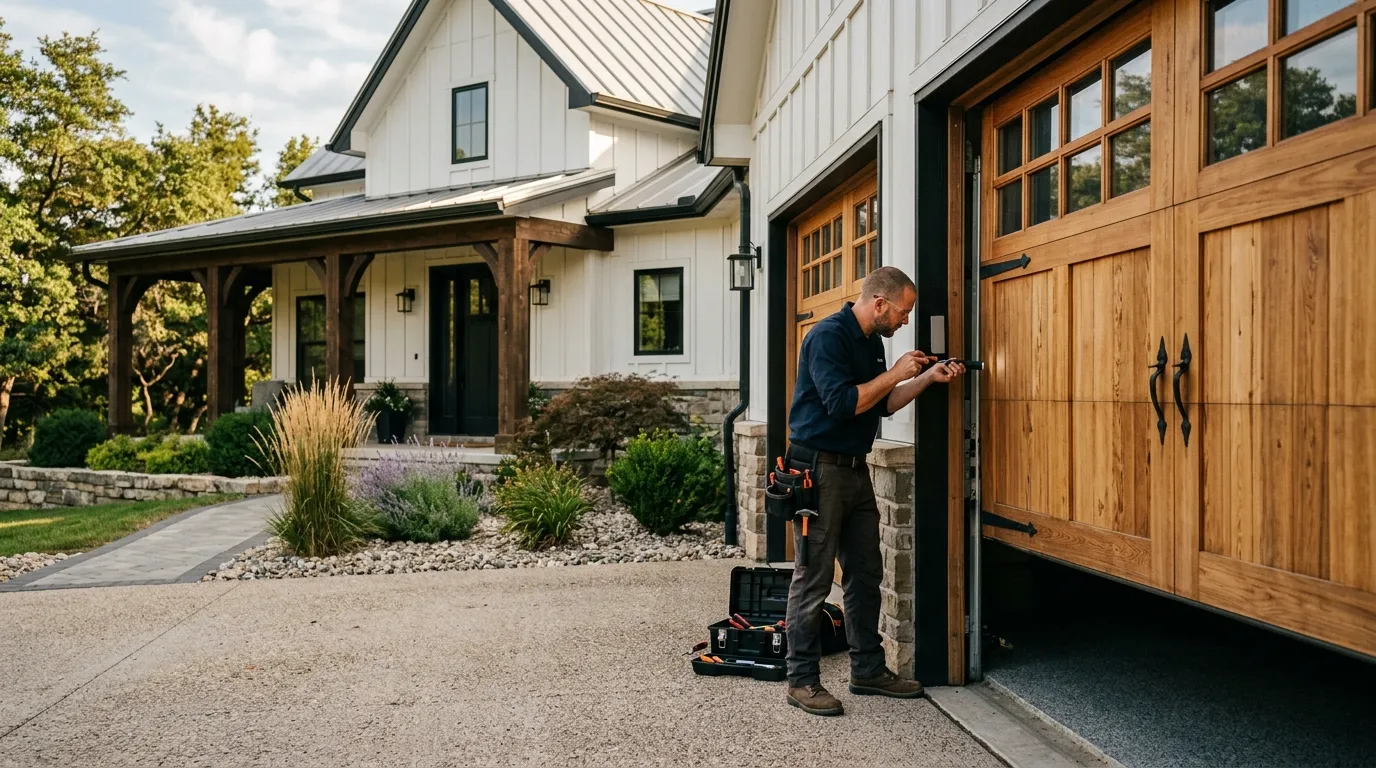
Houses in nearby areas like Little Village, Bridgeport, and McKinley Park, all within a couple miles, share that same 1960s-70s opening size, along with the header height and track clearance that came standard back then. A homeowner ordering online off a size chart built for new construction can end up with a door that needs the framing cut open just to fit. It's not a defect in the door. It's a mismatch between two different building eras, and it's the single most common reason a replacement job runs long.

What the Weather Here Does to It

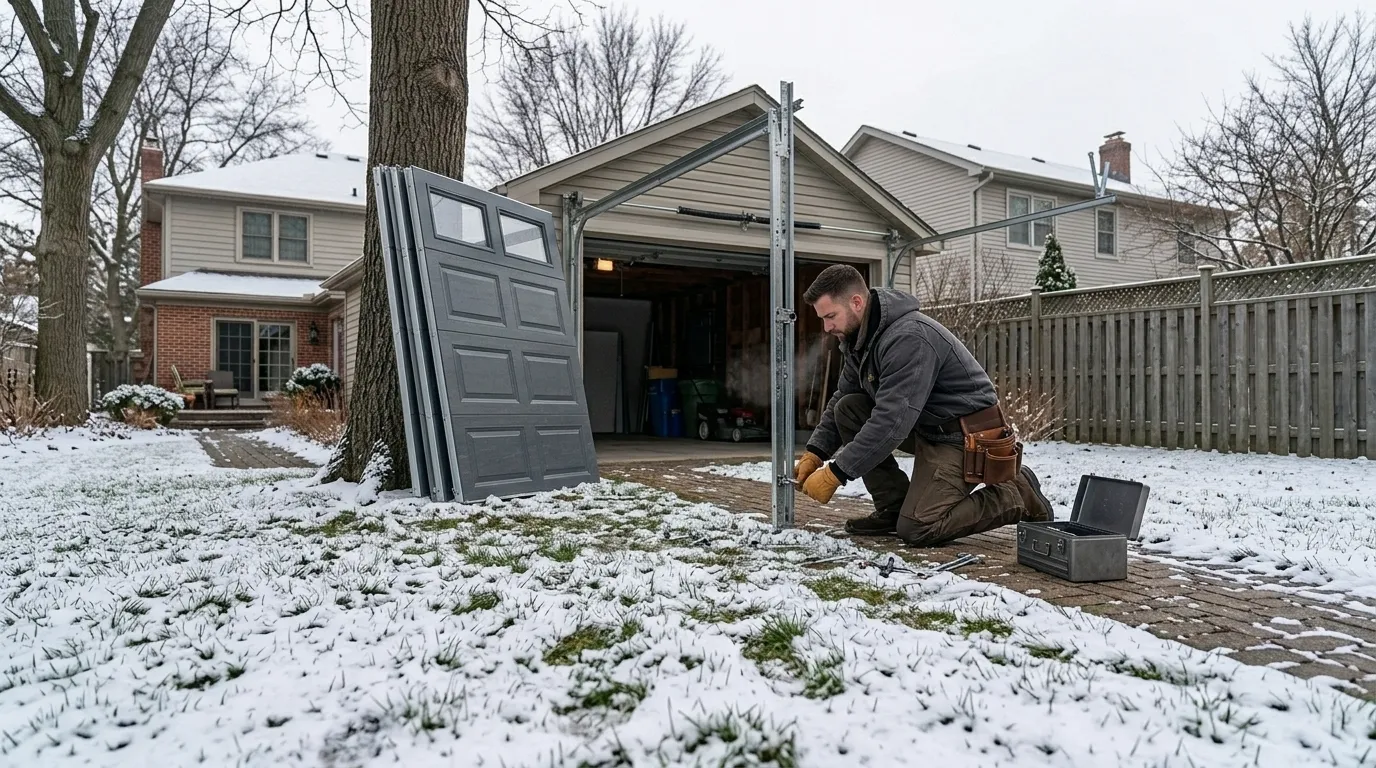
The cold climate here means a steel door without a thermal break loses heat fast on a below-freezing night in the attached garage. On a house from the 1938-1994 window, that's often exactly what's hanging in the opening now: a single layer of steel with no polystyrene or polyurethane core, because insulated doors weren't standard when a lot of this stock went up.

Cold does two things to an old door before it ever fails outright. It stiffens the weatherstrip along the bottom until it cracks and lets air through, and it shrinks the steel panels just enough that seams that were tight in July start to gap in January. Neither one means the door is done. But if you're replacing anyway, an insulated panel earns its keep here in a way it wouldn't in a milder climate band, since the swing between summer and a cold snap is wide enough to work a door hard twice a year instead of once.

Checking It Yourself

Before you call anyone, look at three things. First, the gap along the bottom weatherstrip on a cold morning - daylight showing through in more than a spot or two means the seal's given up, which is common on doors that have sat through several winters on that original 1960s-era frame. Second, the rollers: rust streaking down the track or a roller that's worn to an oval instead of round is a sign the door's been fighting a slightly out-of-square opening, which happens on houses this age as the framing settles over decades.

Third, measure the actual opening yourself - width, height, and headroom above the top of the frame - before you shop for a replacement. Don't trust the old door's stated size; doors get swapped over the years and the listed dimension on a decades-old unit isn't always what's actually installed.

Here's the limit of what a self-check tells you: it won't tell you whether the spring is undersized for the door's weight, and guessing wrong on that is how people get hurt. That part needs a hand on the door, not a look at it.

When to Call Someone

Median household income across the area sits at $80,202, which puts a mid-range insulated steel door within reach without stretching for a premium model, and that's usually the right tier for a house from this construction era - not the cheapest single-layer option, not the top-end custom line.

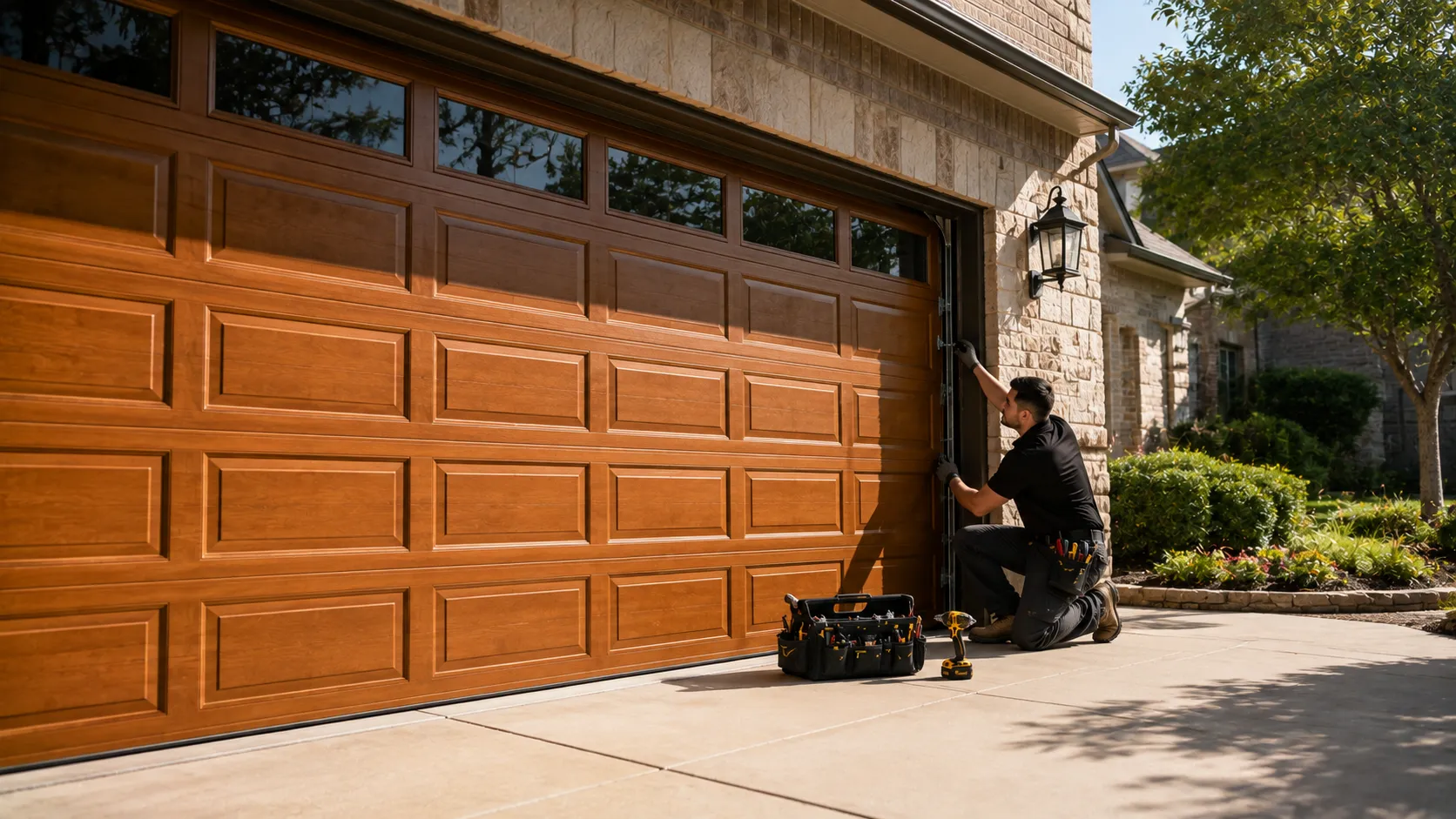
Call before you order if the opening doesn't match a standard size, if the header height is tight, or if you're not sure whether the track hardware bolted to a house this old will accept a new door at all. A lot of replacement jobs on stock from the 1938-1994 window aren't a straight swap - they need a bracket changed or the jamb shimmed, and that's easier to plan for before the new door arrives than to discover after.
How it works

From “it’s stuck” to “it’s fixed”

1
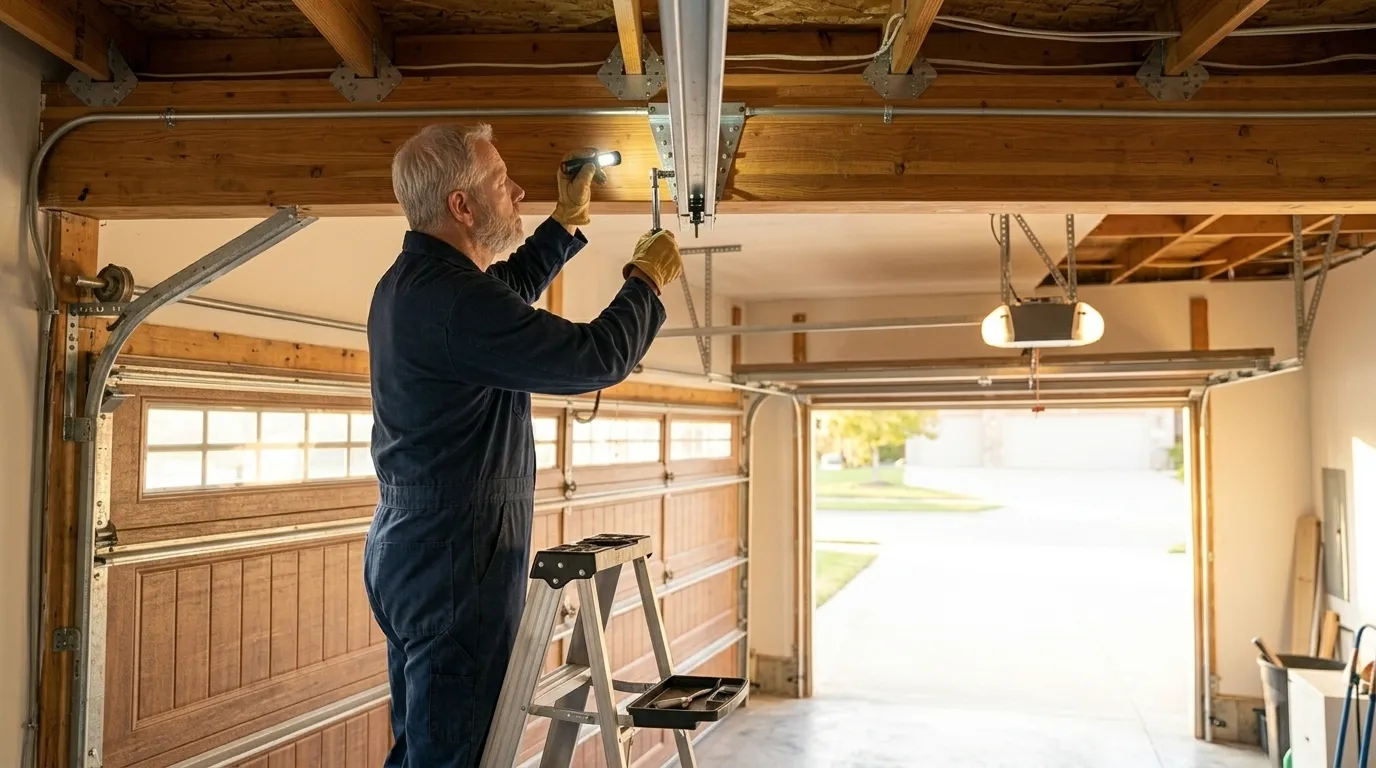
Tell us what’s wrong - Chicago garage door service

Tell us what’s wrong

Describe the symptom - won’t open, loud bang, opener runs but the door won’t move.

2
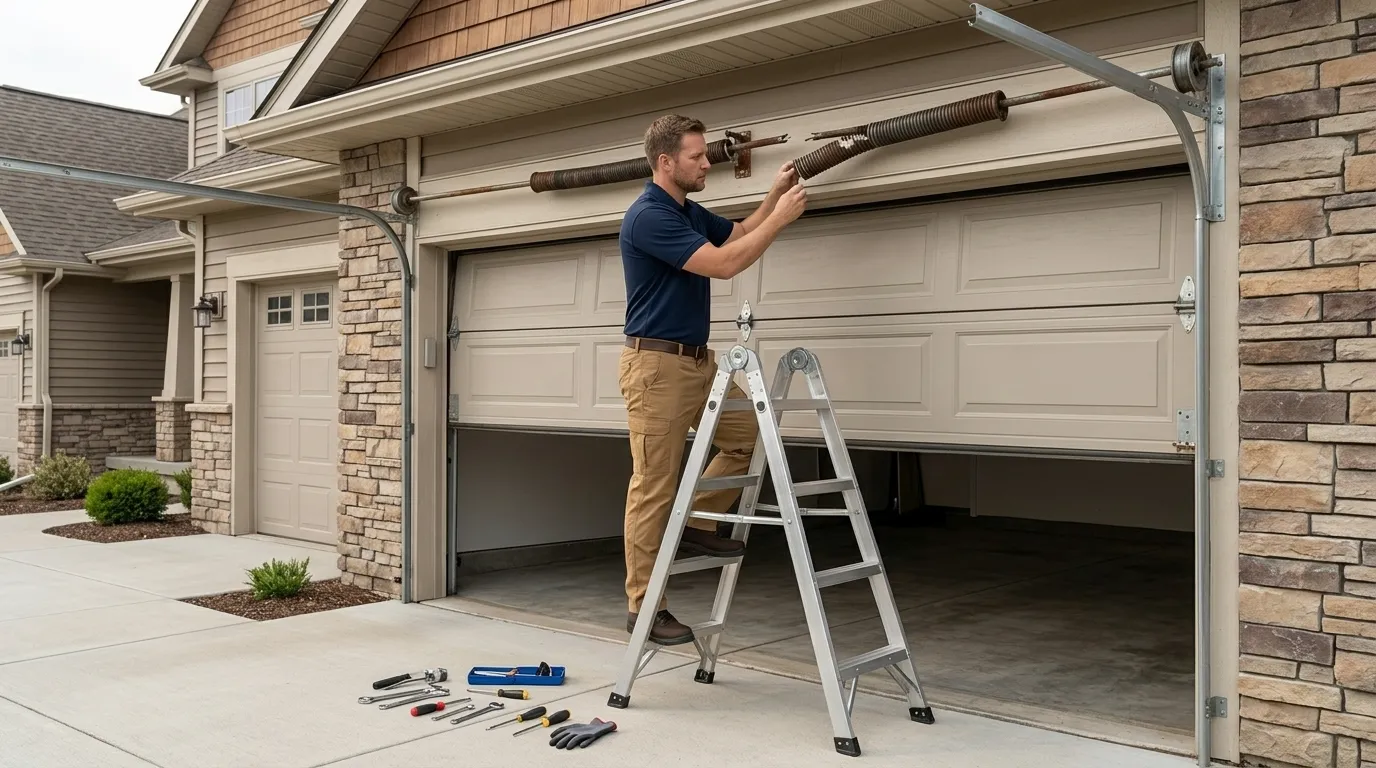
On-site diagnosis - Chicago garage door service

On-site diagnosis

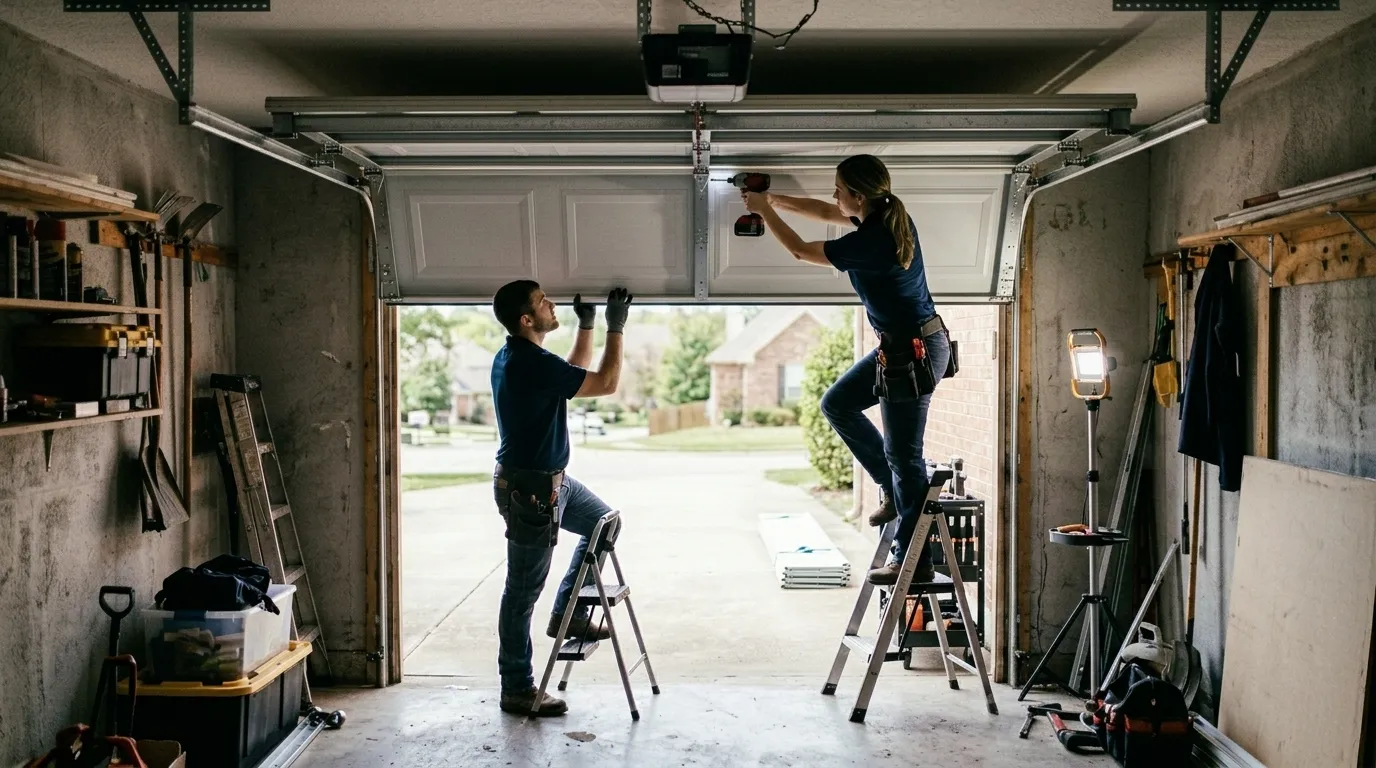
A technician tests the door under power and by hand and finds what actually failed.

3
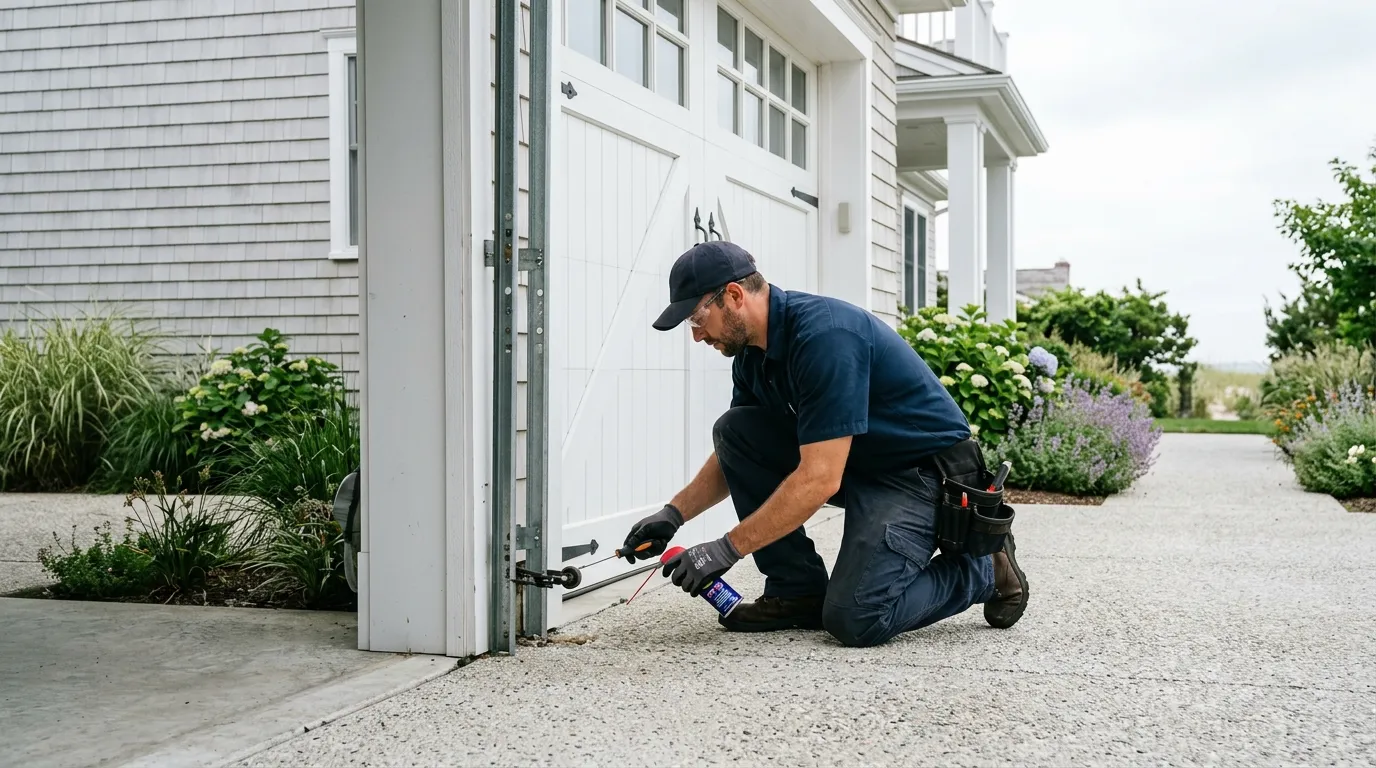
Clear, up-front plan - Chicago garage door service

Clear, up-front plan

You get the fix that’s needed and what drives the cost - before any work starts.

4
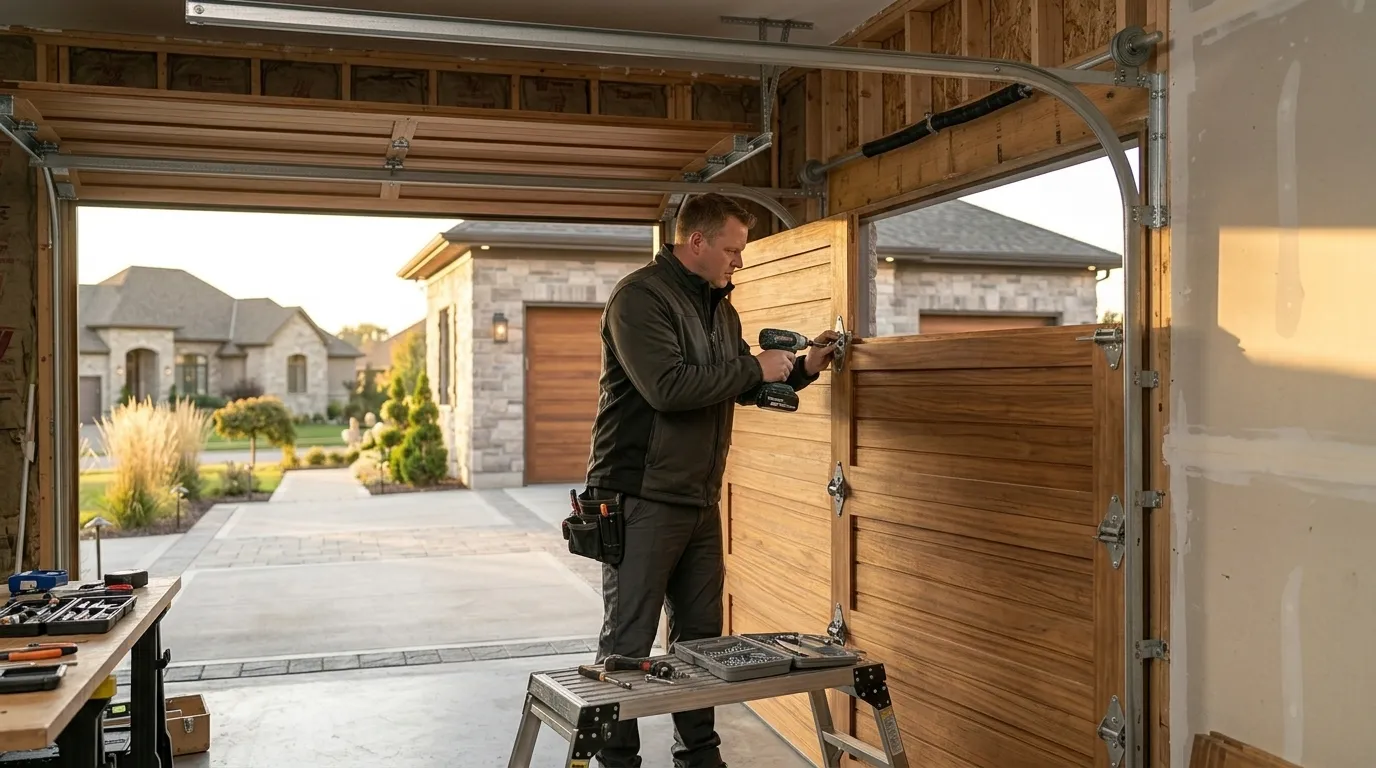
Repaired & tested - Chicago garage door service

Repaired & tested

The repair is done, the door is set true and tested, and the work area left clean.

Serving Chicago, IL - tell us what your door’s doing and we’ll take it from there.

How we work

What to expect

Diagnosis firstEvery visit starts by finding what actually failed - not a pre-written parts list.
The right part for the doorSprings and openers matched to the door’s weight and age, so the fix holds up.
Straight answersWhen a repair makes more sense than a replacement - or the reverse - you hear it plainly.
Clean, careful workTension released safely, hardware set true, the door tested under power before we leave.
Questions

Frequently asked

Straight answers about garage door repair in Chicago. Still unsure? Ask us directly.

Will a new garage door fit my old opening without any framing work?

Sometimes, but not always. Houses built between 1938 and 1994 often have openings sized to standards that changed since then. Measure your actual width, height, and headroom before ordering, and expect that a bracket or jamb adjustment is sometimes part of the job on older stock.

Is an insulated door worth it in Chicago's climate?

Given the cold winters here, yes, especially if the garage is attached or the room above it is used. A door without a thermal break loses heat fast on a below-freezing night, and a lot of the original doors on houses from the 1960s and 70s were never insulated to begin with.

How do I know if it's a repair or a full replacement?

Weatherstrip and roller wear can usually be repaired. If the panels are dented, the track is bent from age, or the door doesn't match the current opening standard, replacement is usually the better use of money on a house this old.

Can you match the size of my current door exactly?

We measure the actual opening on site rather than trusting the size of the door that's currently installed, since doors on older houses get swapped over the decades and the original size isn't always what's there now.

Ready to get your garage door sorted?

Tell us what it’s doing and where you are in Chicago - we’ll take it from there.

Request a QuoteCall