What Is on These Garages
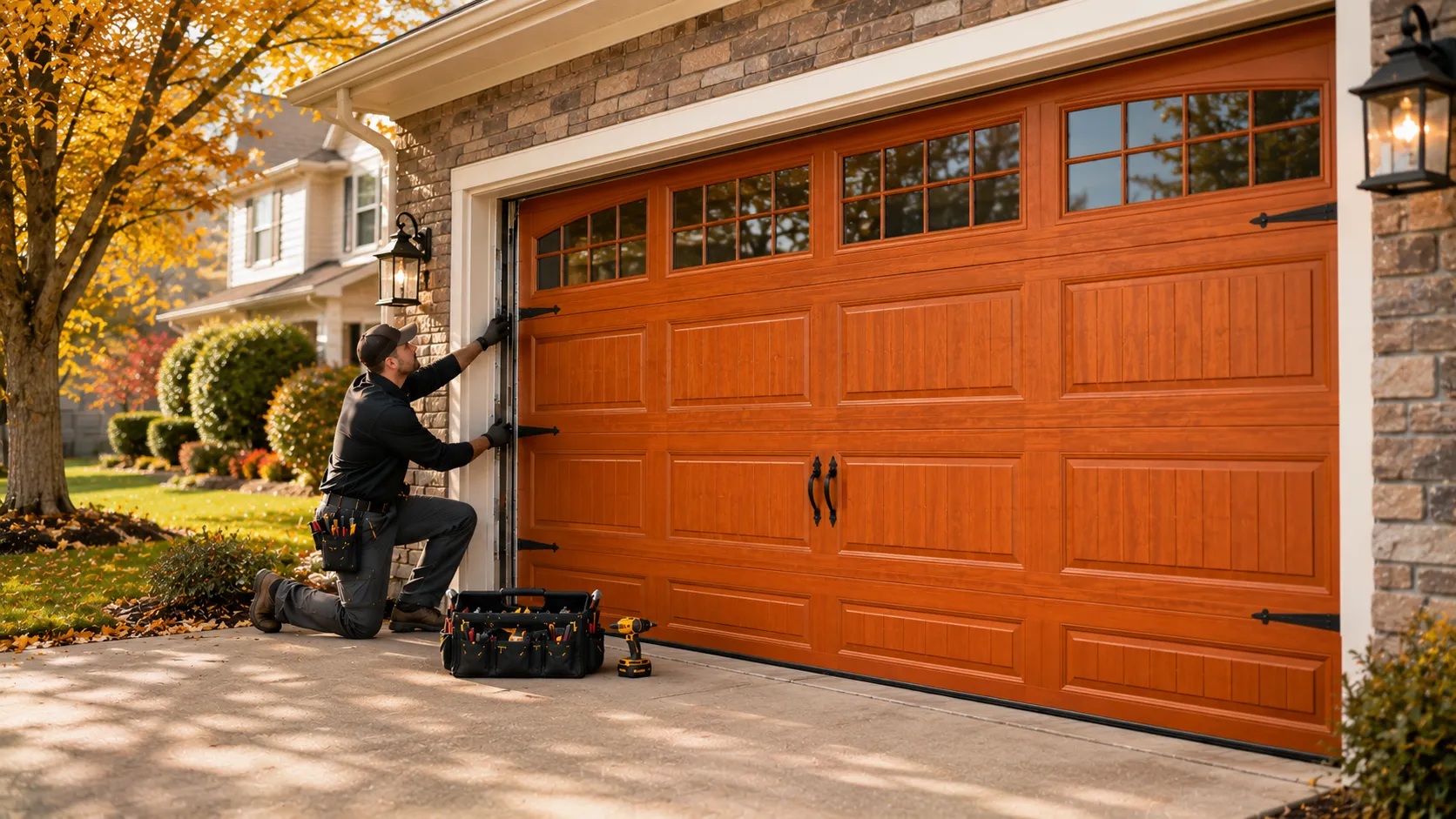
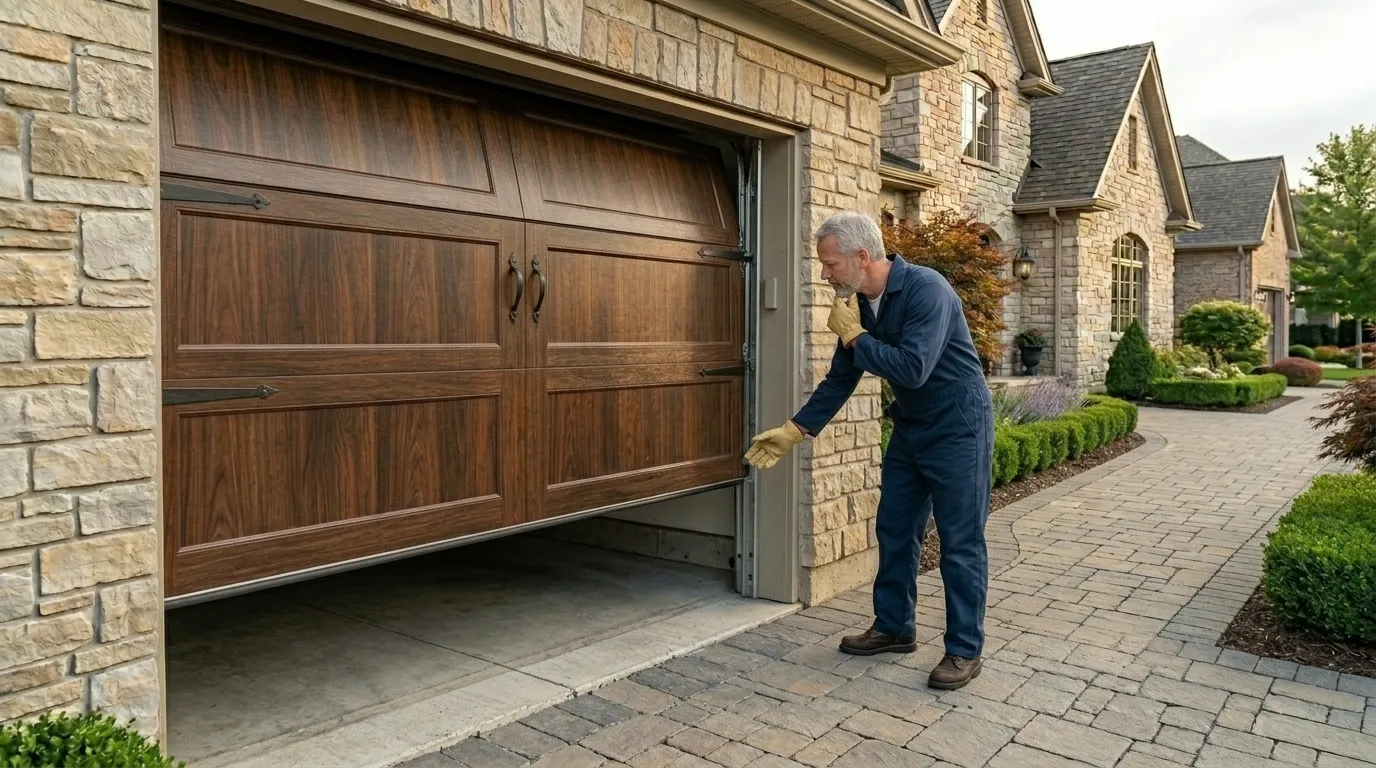
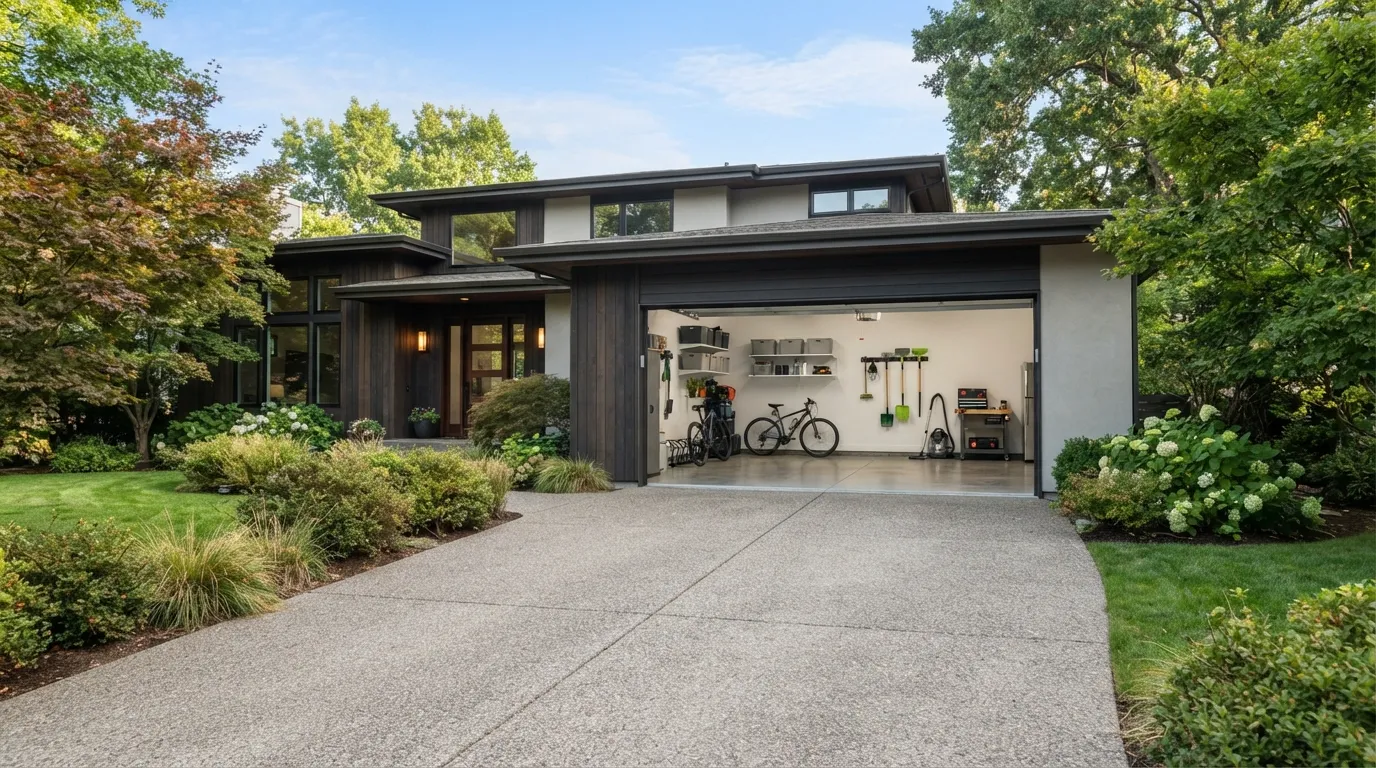
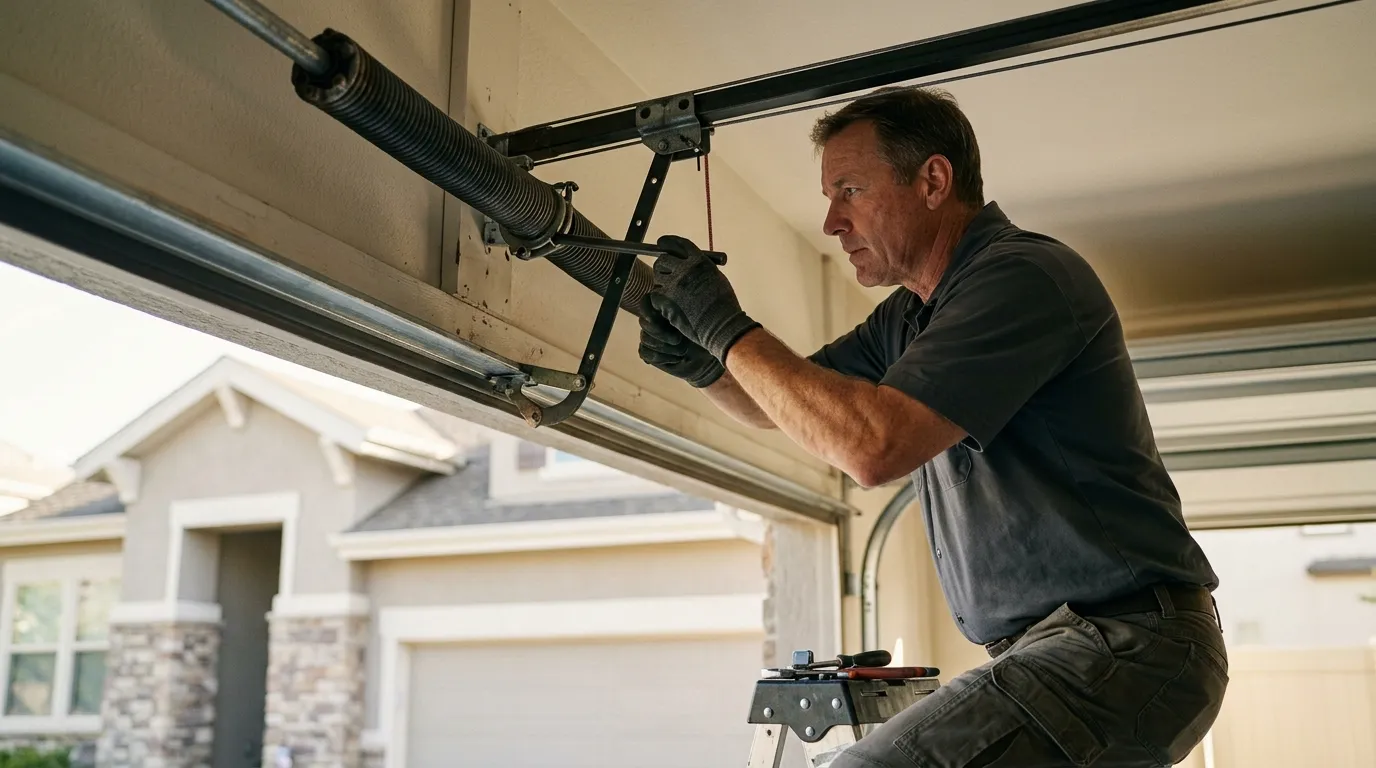
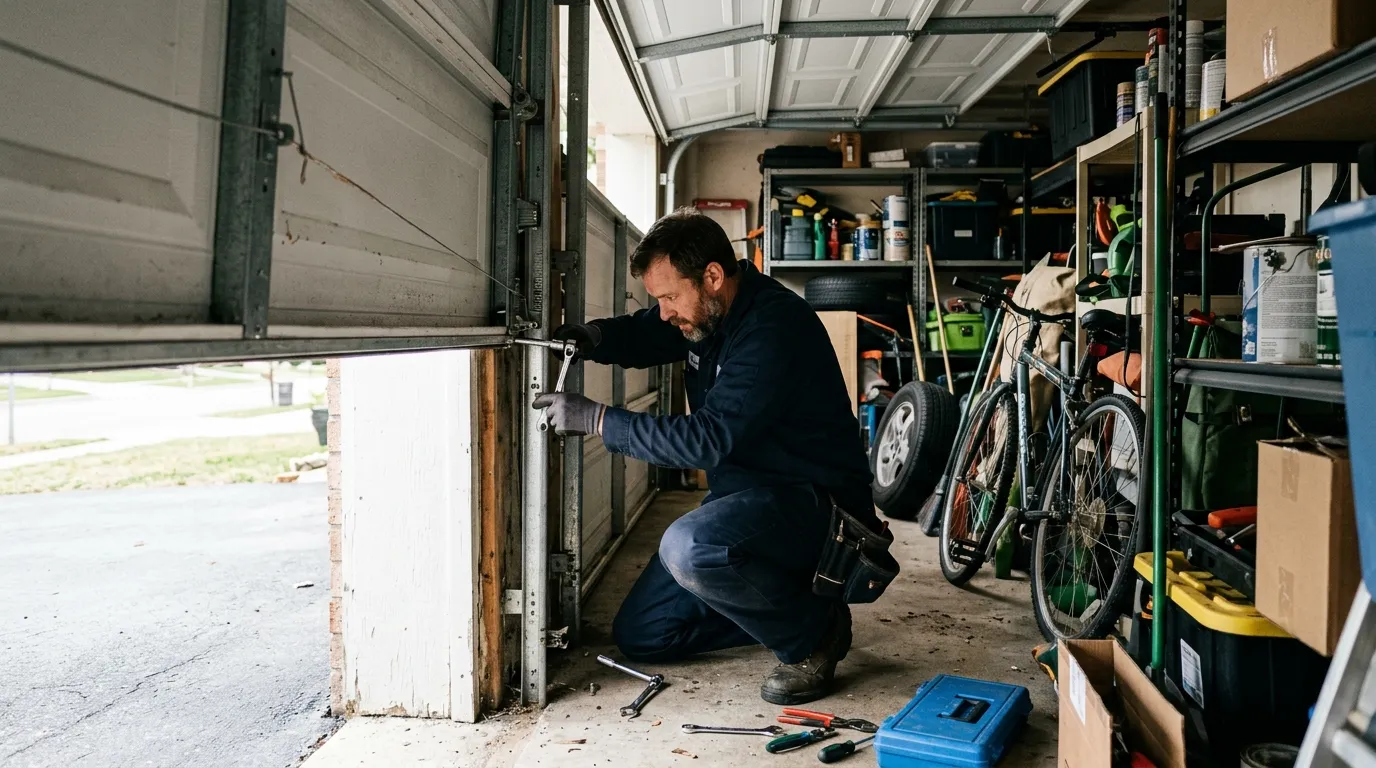
Near South Side sits about 4 miles ENE of our shop, and the doors we see out here match the building stock for this stretch of the city: torsion springs sized for openings built when steel doors were replacing the old wood panel ones, plus a fair number of openers installed later as garages got converted from storage into daily-use parking. Housing in this service area generally dates from 1938 to 1994, with a median build year of 1964, and that mid-century window shows up in the hardware. You'll find single-torsion setups on narrower openings and, on the buildings with wider two-car garages, double-spring systems that were probably upgraded once or twice since the original install. We don't guess at what's behind a door before we look - a lot of these garages have had partial replacements over the decades, so a photo from a phone call doesn't tell us if the track is original or from a 2005 fix. What we can say is that the springs on housing this age are due, or overdue, if nobody's touched them.
Where You Are
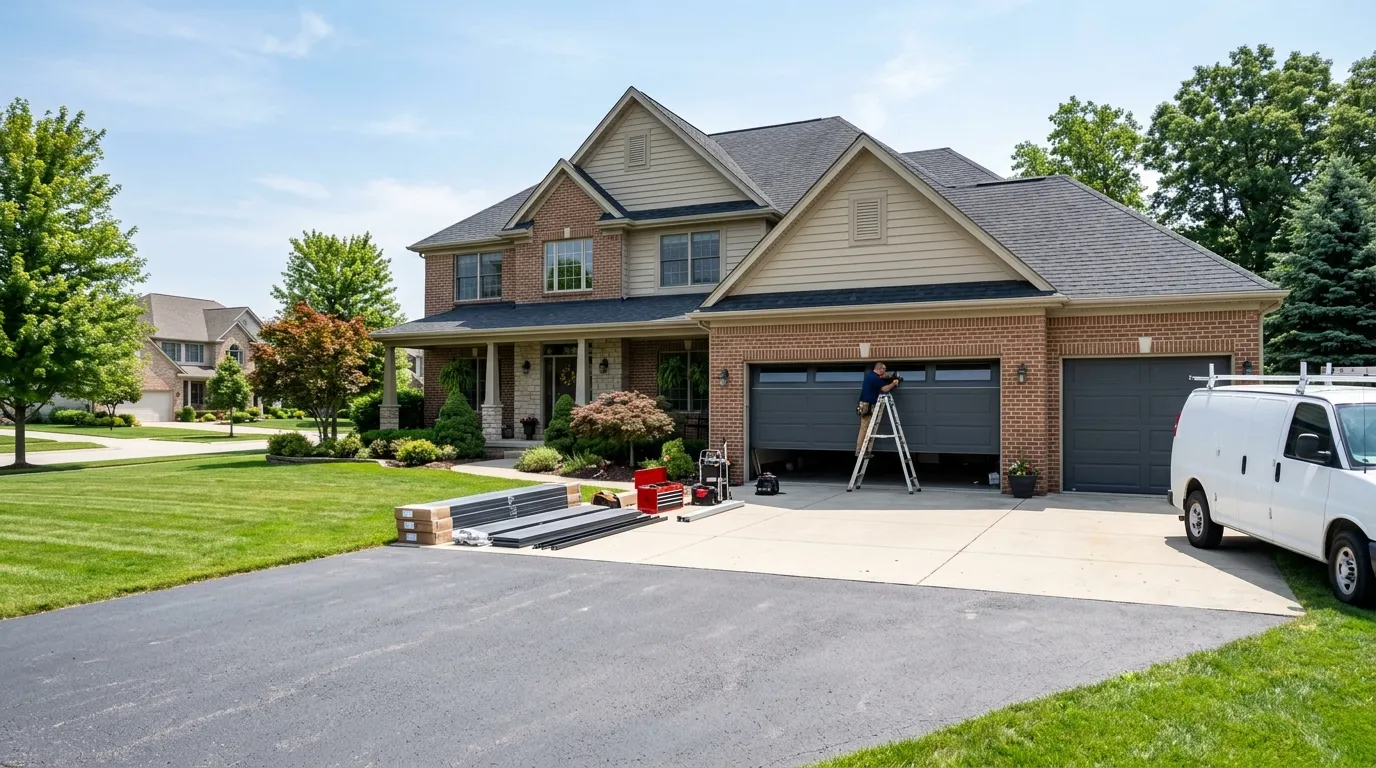
Near South Side is about 4 miles east-northeast of our shop's center point, which puts it within a normal same-day service radius for us. We work this whole side of the city - our coverage runs out through dozens of named areas and suburbs in the region, and Near South Side is inside that footprint, not on the edge of it. Winters here fall into what we'd call a cold, moderate climate band: enough freeze-thaw cycling each year to matter for garage door hardware, especially springs and rollers that see temperature swings but not the deep-freeze extremes of places further north or west. That's the kind of climate where a spring lasts its rated cycle count but doesn't get much of a bonus for mild weather. We don't treat this stretch differently than the rest of the service area - the trucks come through regularly.
Typical Work
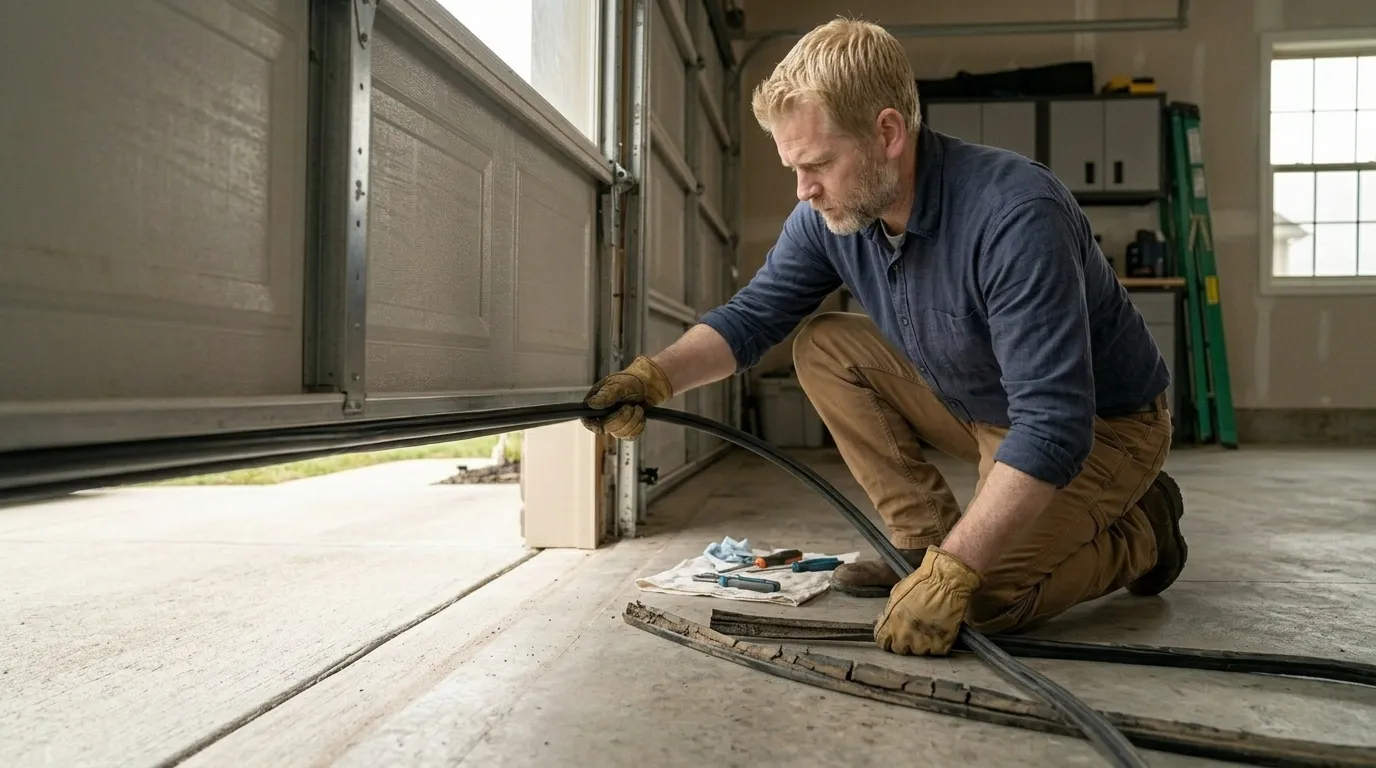
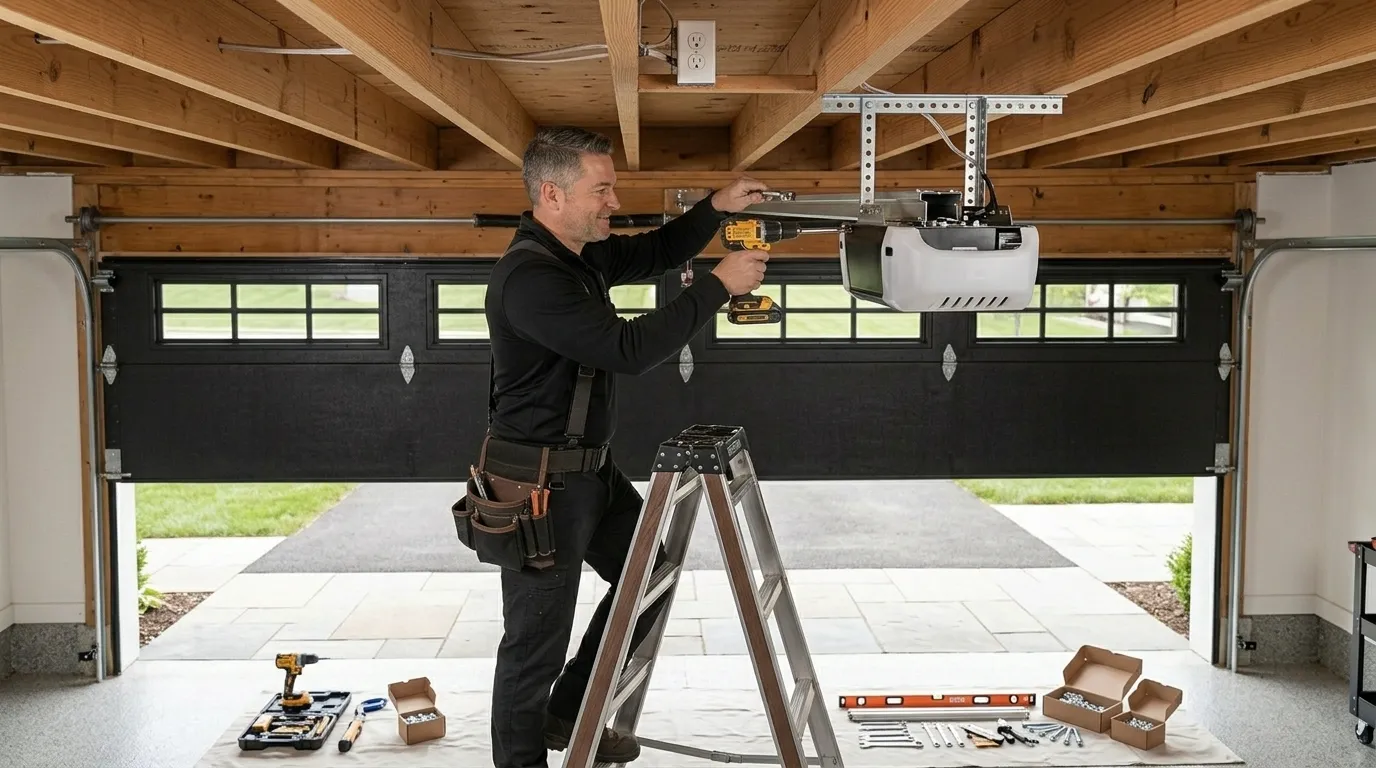
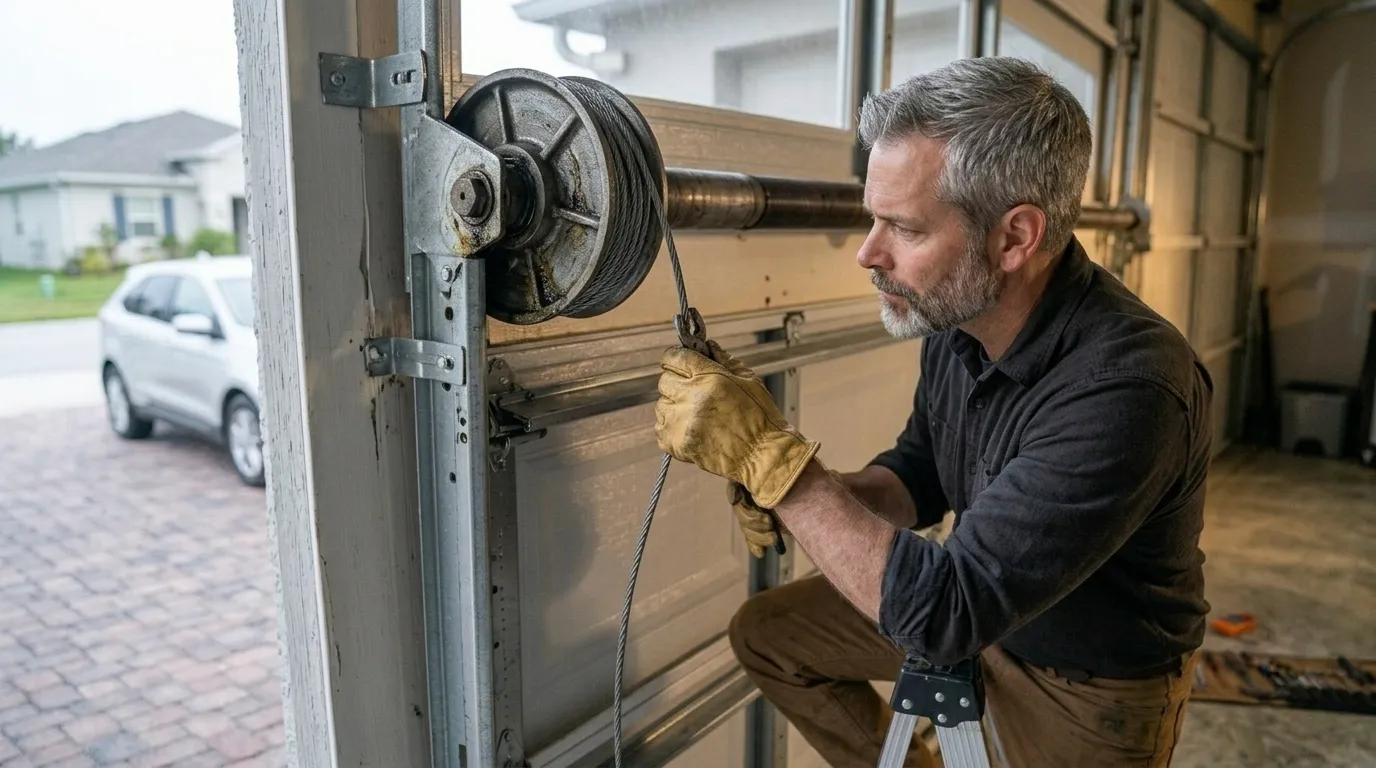
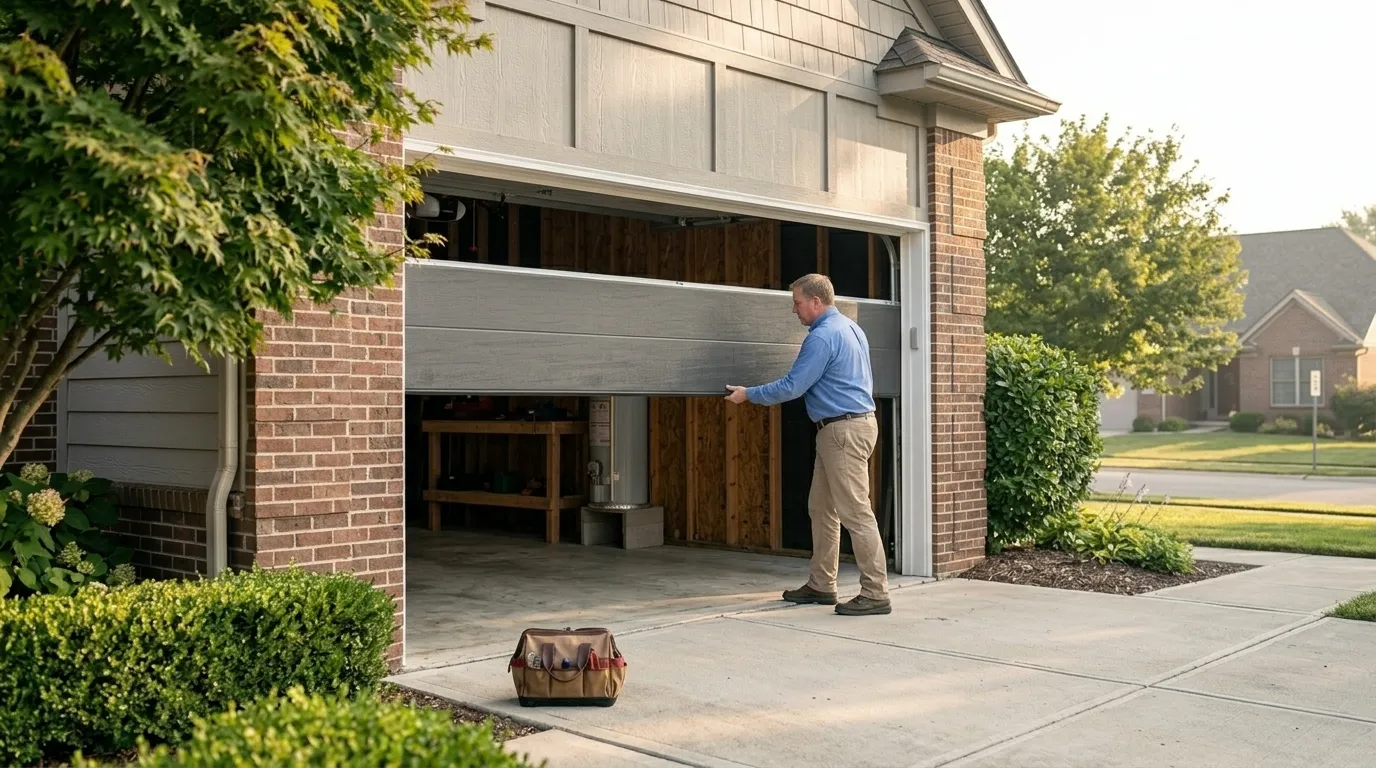
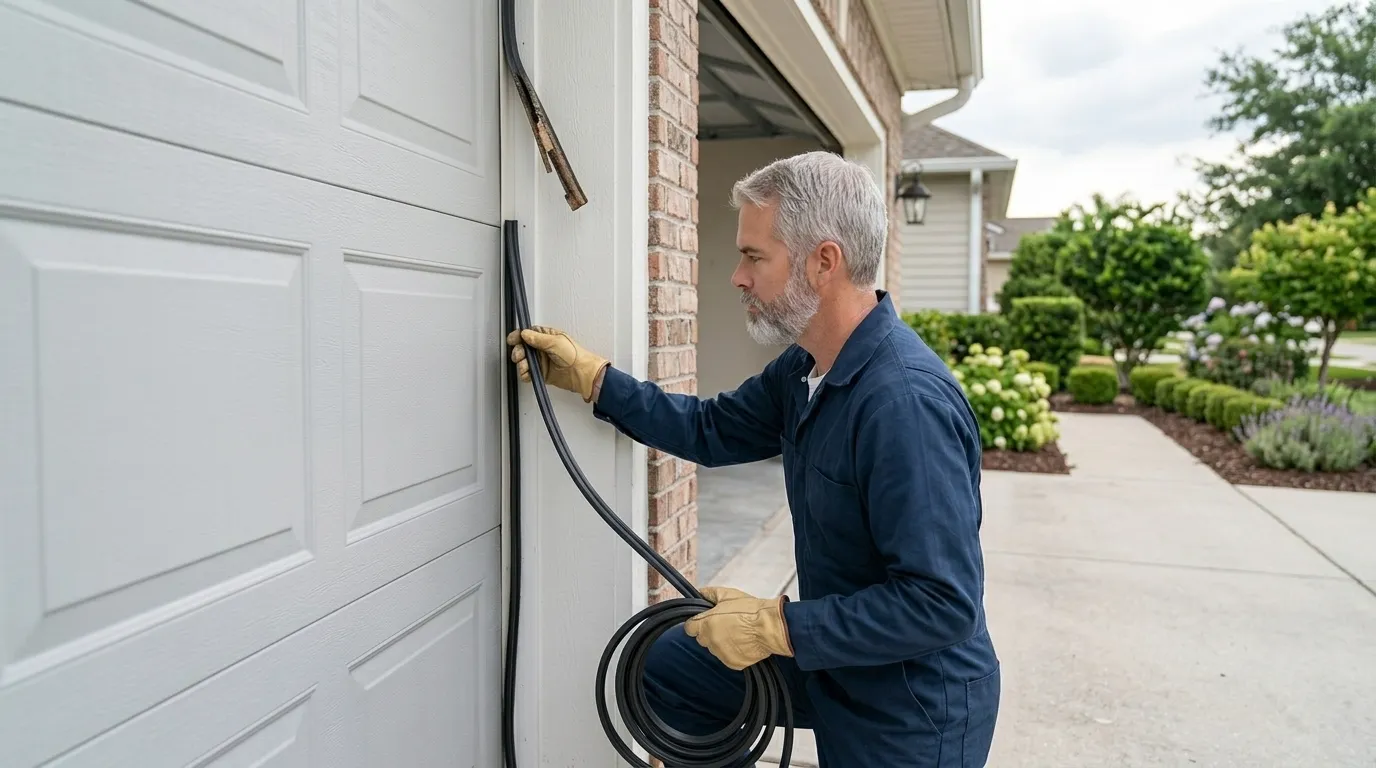
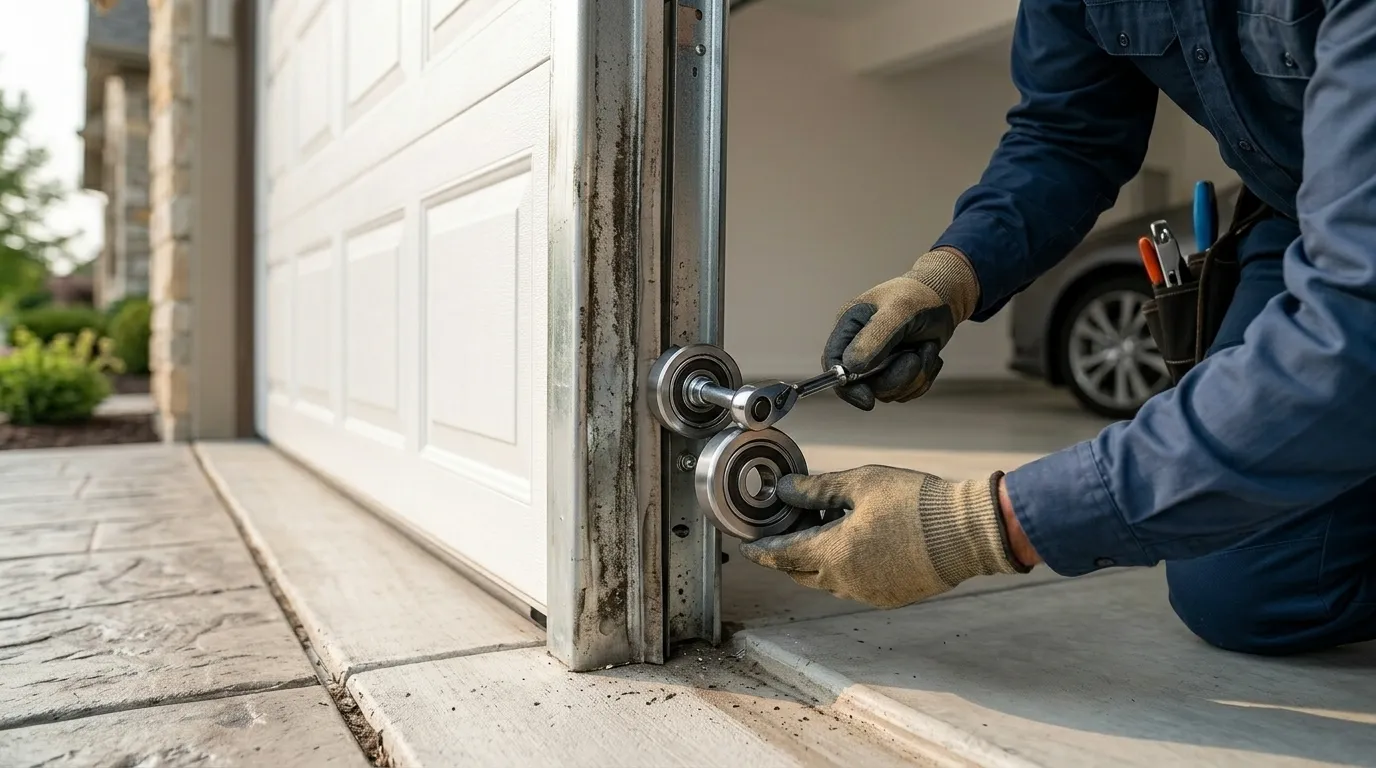
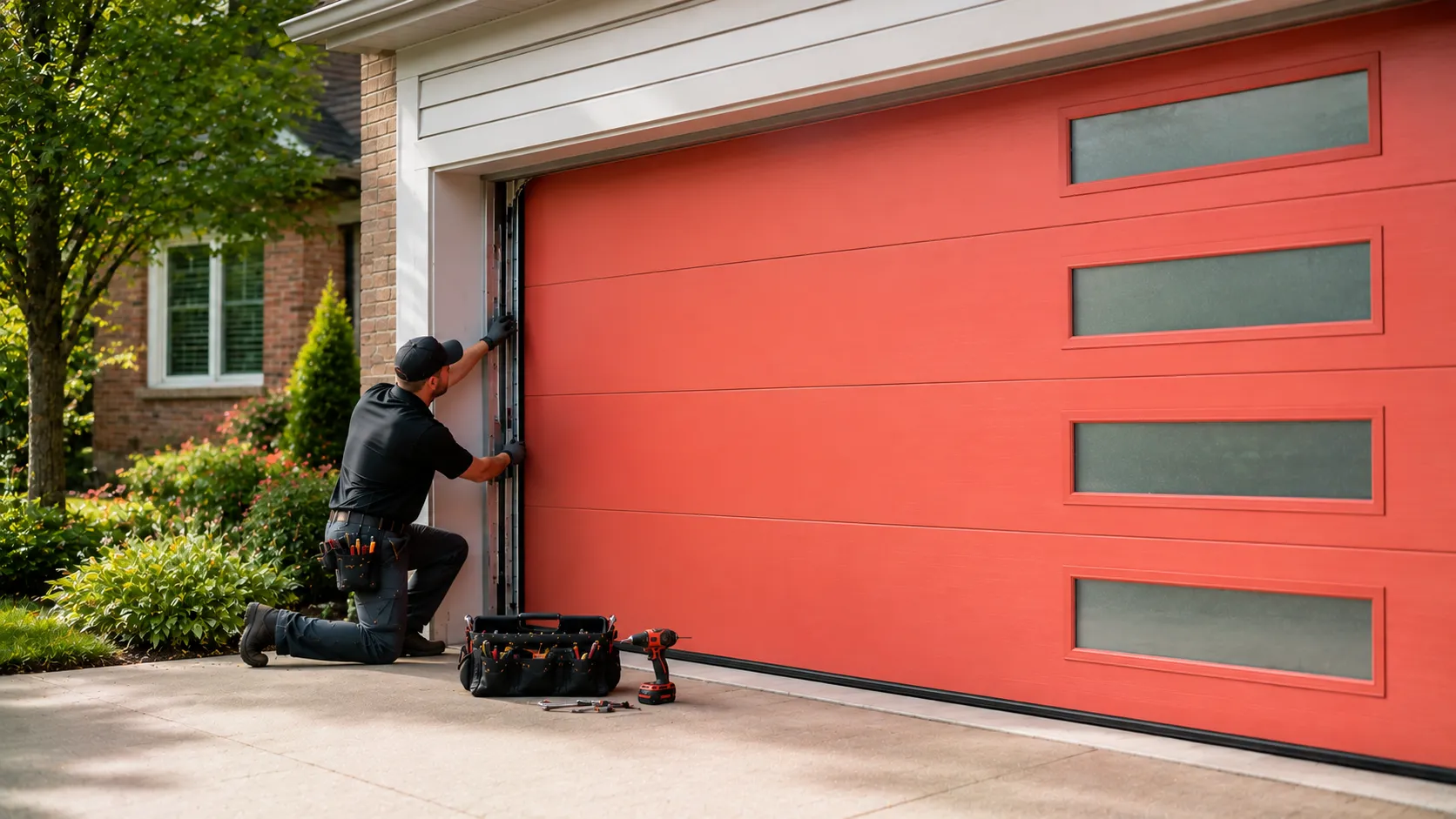
Most calls out this way break down into a handful of repeat jobs: torsion spring replacement on doors that are original to a 1960s or 70s build, roller and cable swaps where the track has started to bind, and opener replacements when a chain-drive unit finally gives out after years of daily use. We also get calls where the fix isn't worth it - a door with a bent track and a cracked panel, on a garage that's due for a full opening rebuild anyway, is a case where we'll say so instead of patching it. Income levels across this broader service area run a median household figure around $80,200, and household counts sit near 461,000 total with roughly 223,000 of those owner-occupied - that's the kind of density that keeps a repair crew busy with routine spring and opener work rather than one-off oddities. We stick to the door and its hardware. If you need a landing page for something outside that, this isn't it.