The Situation
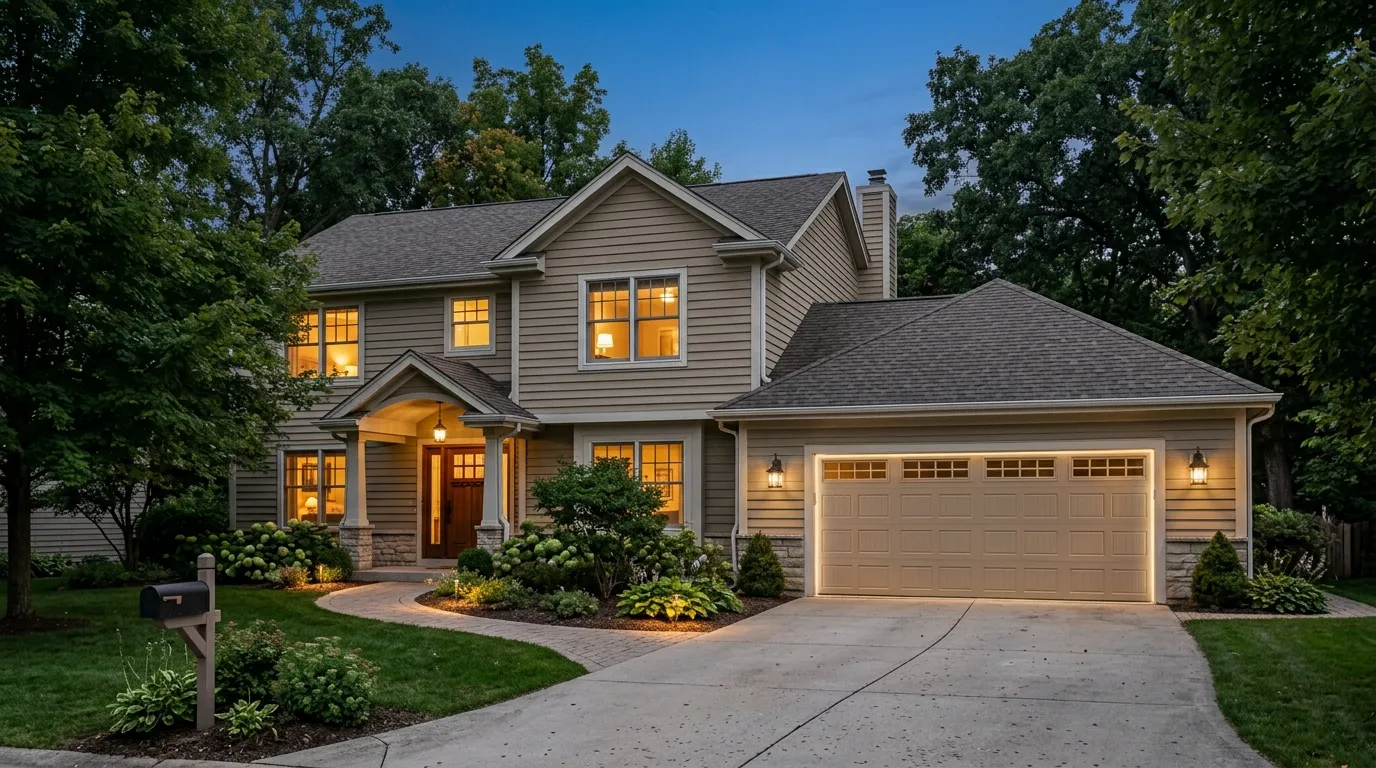
Most of the housing stock in this service area went up between 1938 and 1994, with the heaviest wave in the 1960s and 70s. That means a lot of the garages attached to these houses still have their original torsion hardware, or a replacement unit installed decades ago when the house was already twenty years old. Across the 223,261 owner-occupied houses in this area, that hardware is doing sixty years of work on parts rated for maybe fifteen to twenty. A spring, a cable, or a roller doesn't fail because someone slammed the door. It fails because steel fatigues on a schedule, and that schedule has already run out on a huge share of these garages. The question we get a lot isn't "can you fix this" - almost anything can be fixed once. It's whether fixing it again is the right call, or whether you're paying to patch a door that's going to need the next part in six months anyway. That's a fair question, and it deserves a real answer instead of an upsell.
Checking It Yourself
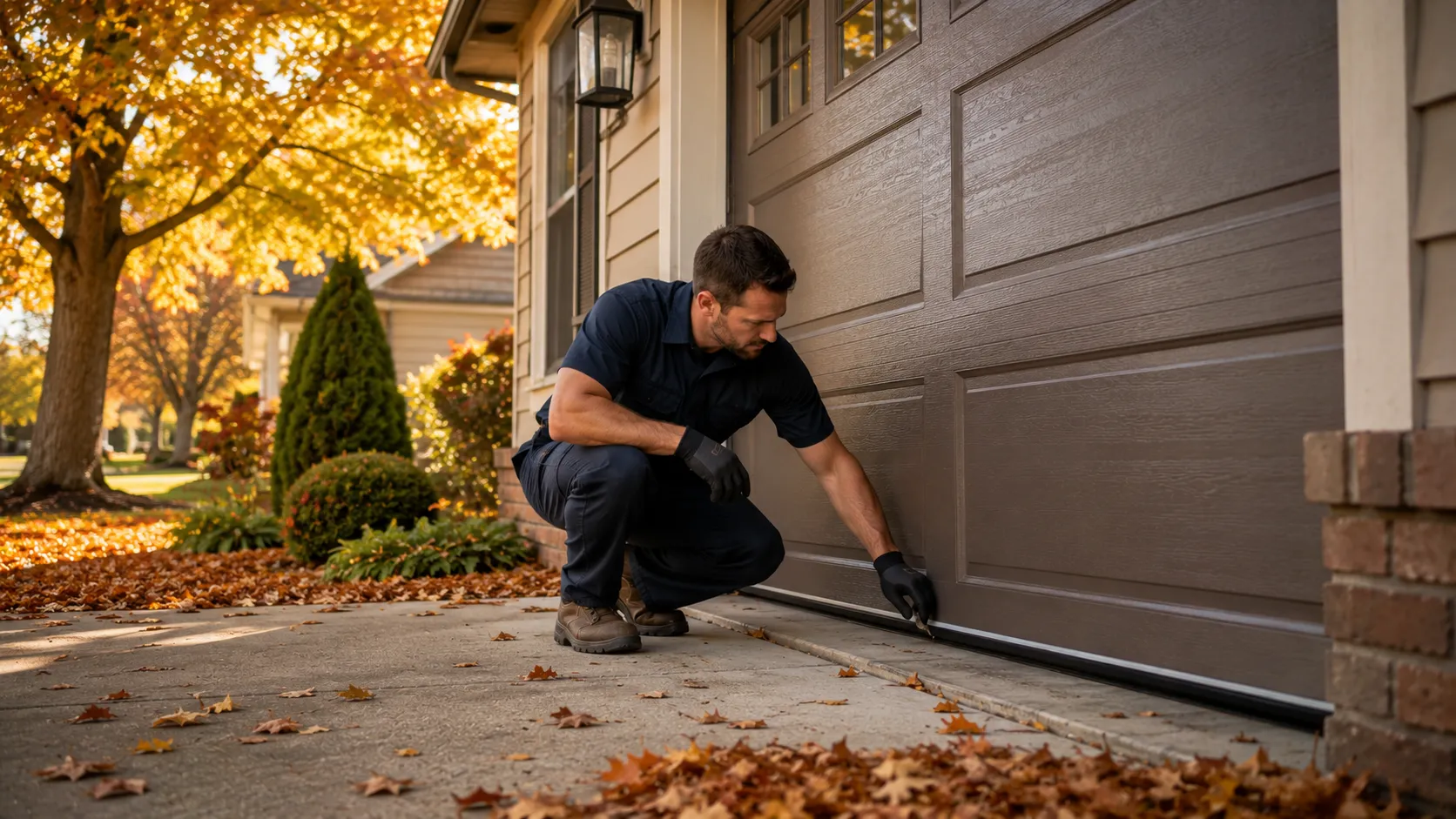
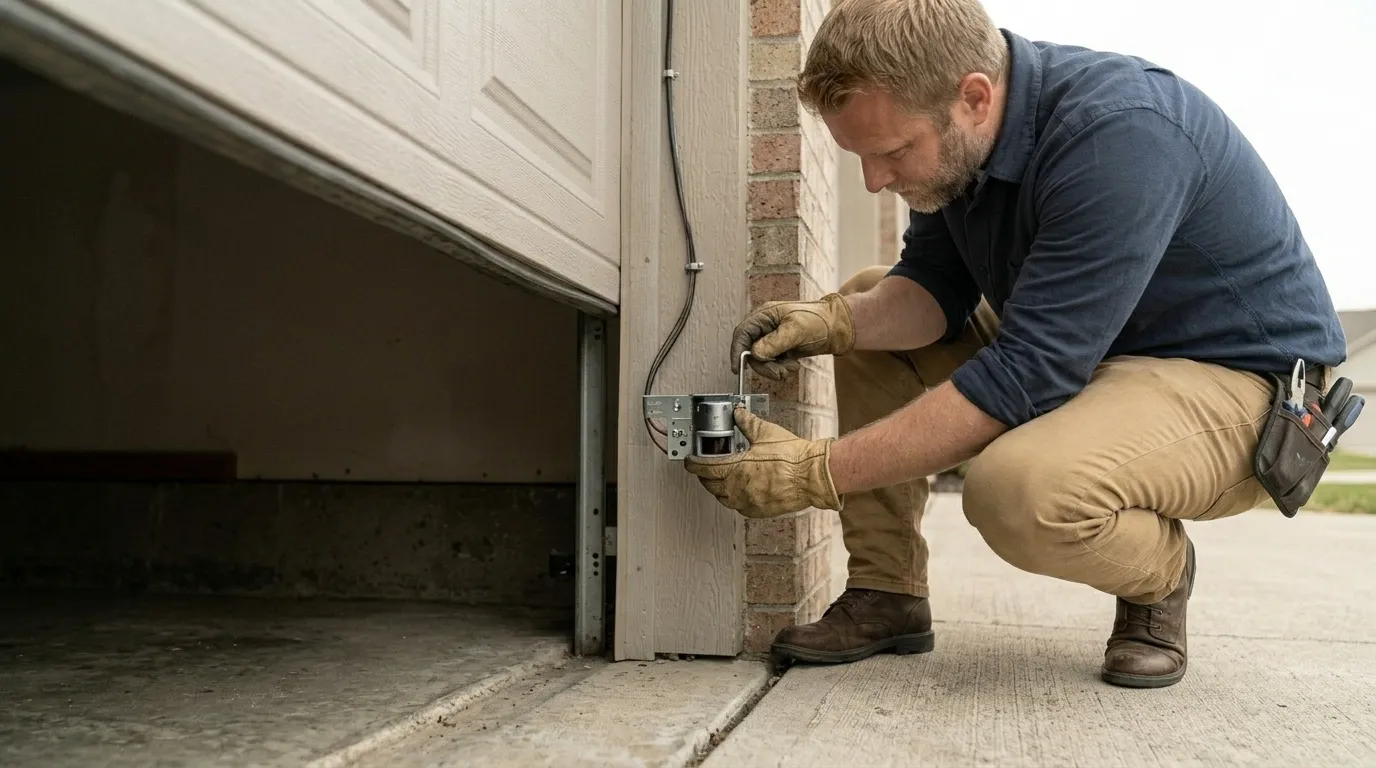
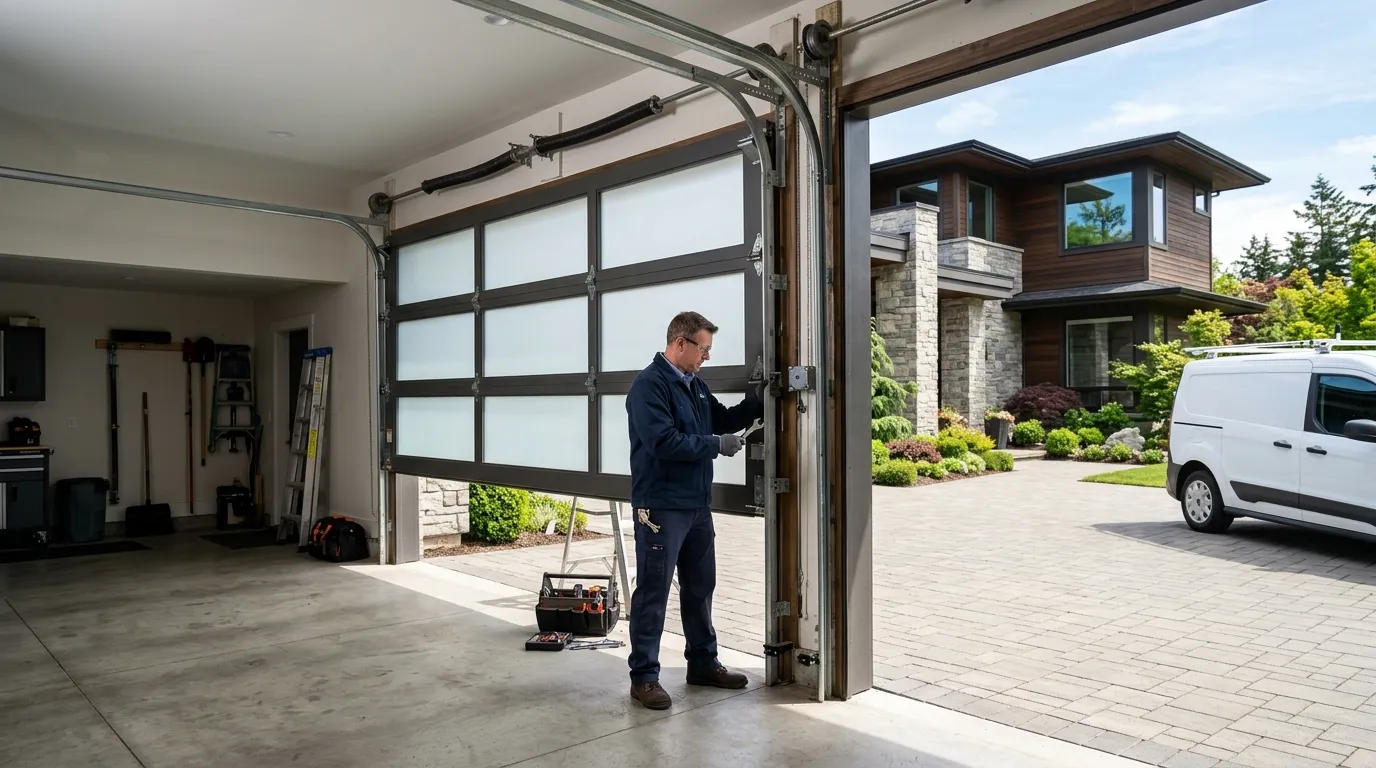
Before you call anyone, look at three things. First, the springs: rust pitting, gaps between coils, or a spring that looks stretched compared to its twin on the other side means it's near the end, not just noisy. Second, the track: if it's bent, bowed, or pulling away from the frame rather than just dirty, that's a structural problem, not a lubrication one. Third, listen to the opener under load - a motor that strains, hesitates, or reverses on its own is often fighting worn springs rather than a bad opener, and replacing the opener alone won't fix that. If you've got an older one-piece door, common on the older side of this housing stock, check for delamination or sag across the panel width; wood doors from that era don't take kindly to sixty winters. We'll say plainly what we can't do from a phone call: we can't tell you if a spring is safe to keep loading by description alone. Some things need a hand on the door.
When to Call Someone
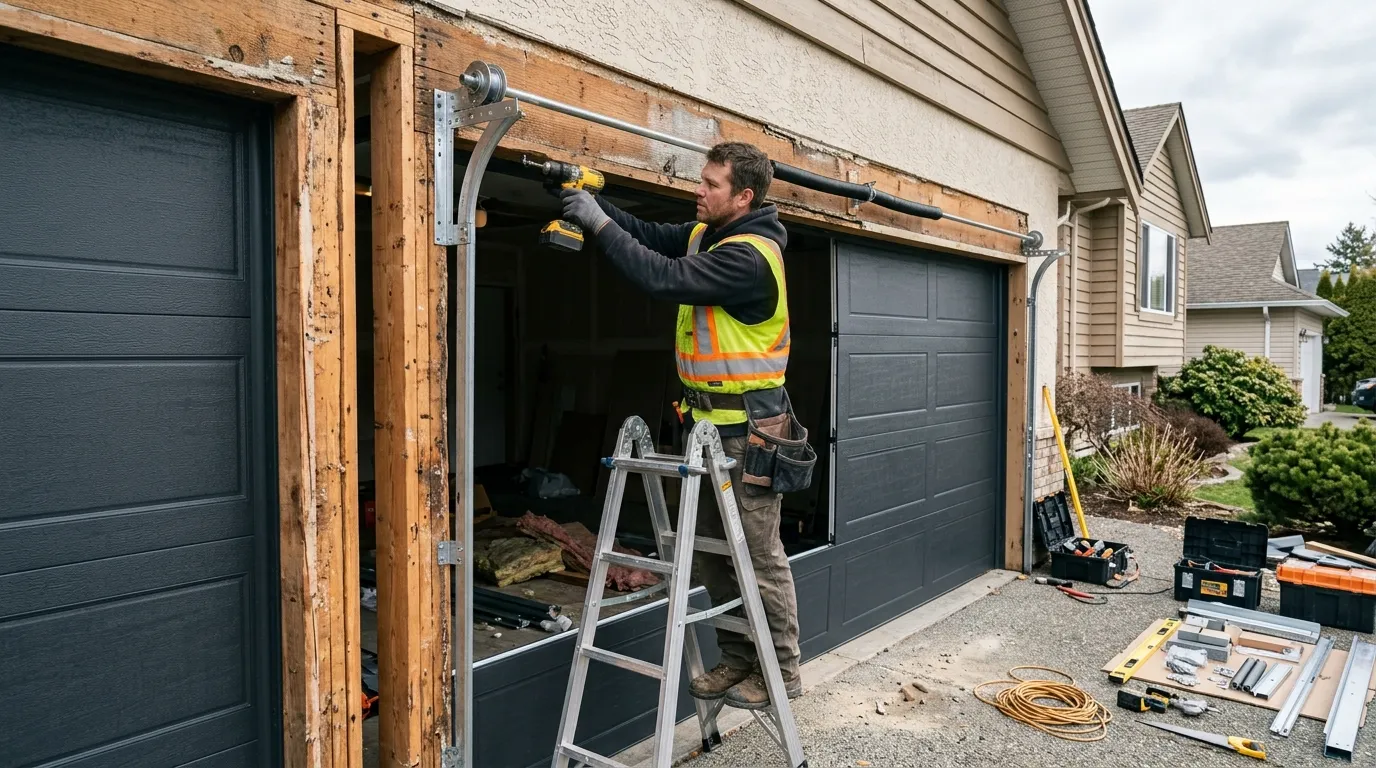
Call before the door fails completely, not after. A torsion spring that's visibly stretched or pitted should be replaced on a schedule you control, not on the morning it snaps a cable and drops a panel on something. If you're on your second or third repair to the same section of a garage door built in that 1938-1994 wave that covers most of this area, replacement usually costs less over time than another round of parts and labor on hardware that's already near its natural end. With a median household income of $80,202 across this service area, a full door or opener swap is within reach for most owners here, and it often makes more financial sense than another patch job on something original to a fifty-year-old house. If your garage is newer, or the hardware's already been updated once, straight repair is usually still the right call. The line isn't about age alone - it's about how many times you've already paid to fix the same failure point.