
What Is on These Garages
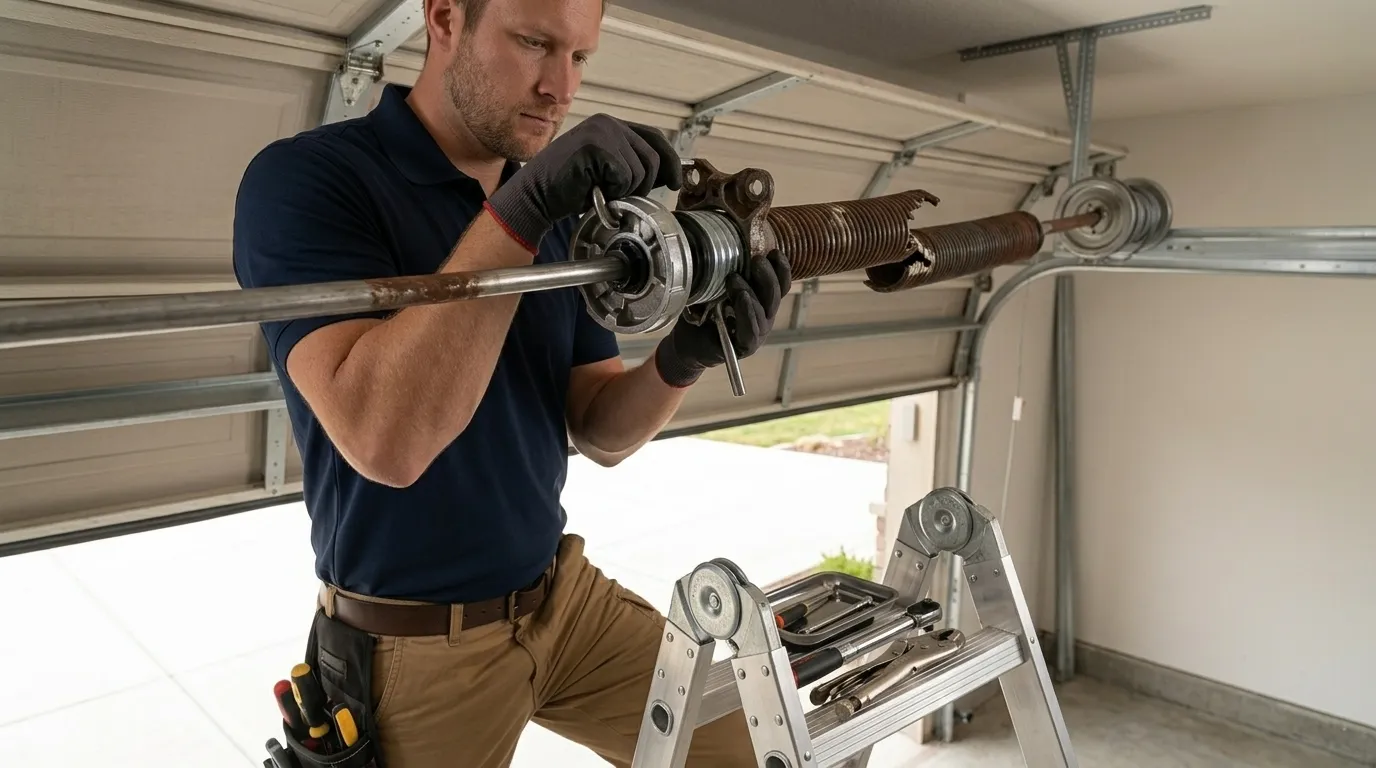
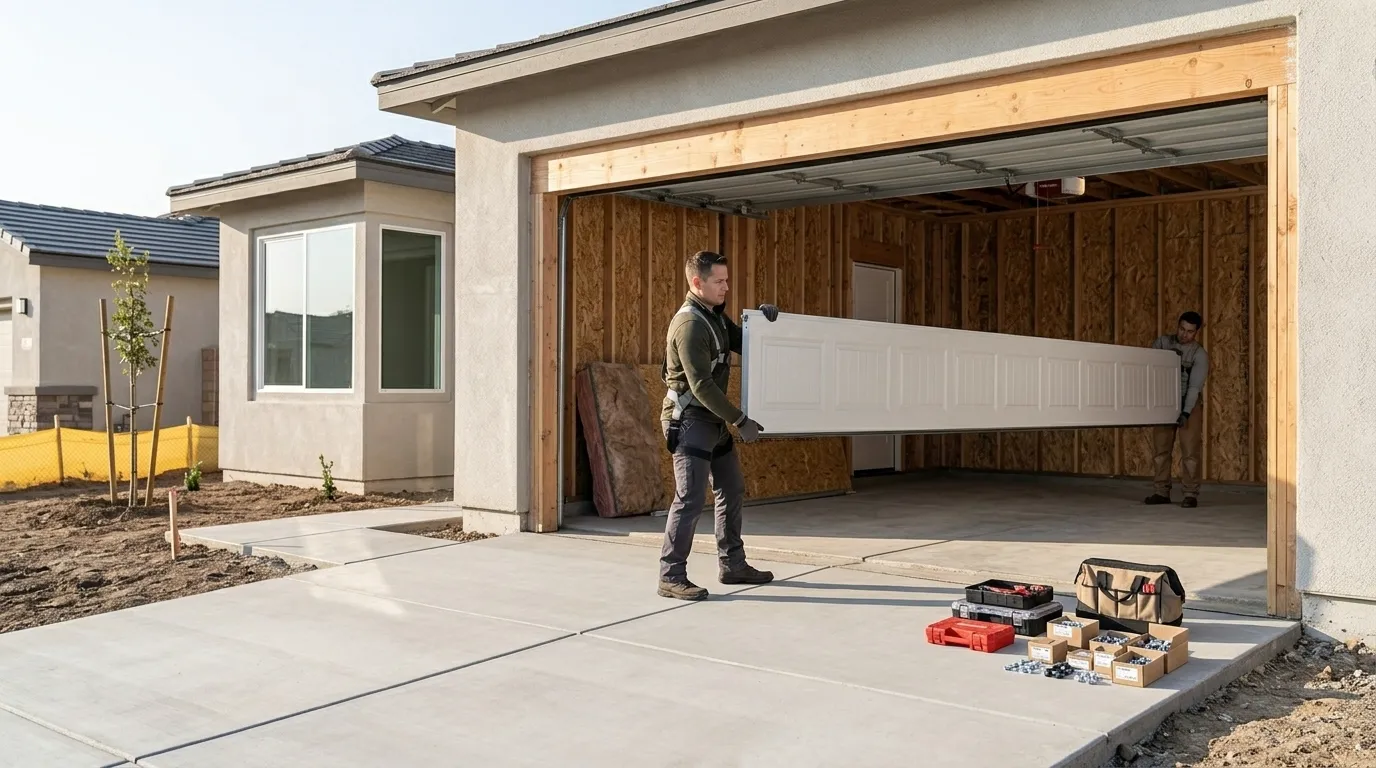
Heart of Chicago sits inside a service area where the housing stock runs 1938 to 1994, with the median build year landing around 1964. That puts most garages here on the older end of torsion spring hardware - the kind that was standard before extension springs got cheap and openers got common on every job. If your garage went up anywhere close to that median year, you're likely looking at a single torsion spring on a short track, sized for a lighter door than what gets sold today. Panels from that era were often steel, sometimes with a wood-look overlay added later, and the tracks were bolted to framing that's had sixty-plus years to settle. That settling is why doors that used to open smooth now drag on one side or bind halfway up. We don't guess at what's behind the panel - on a build this old, the spring size, drum type, and cable routing all vary block to block, so the first thing on any call is a look at what's actually mounted, not what should be there by the book.
Where You Are
Heart of Chicago sits about a mile NNE of the center of the service area we cover, which spans 461,017 households and 223,261 owner-occupied houses stretching out toward places like McKinley Park, Bridgeport, Little Village, and Marshall Square, all within a couple miles. Median household income across that service area runs $80,202, which tracks with what we see on the ground: owners who fix a door rather than replace it wholesale when the repair makes sense, and who ask for the straight answer on which one that is. Being this close in means we're not driving far to get to a call here - it's one of the tighter-radius neighborhoods we run, not an edge-of-territory stop.
Typical Work
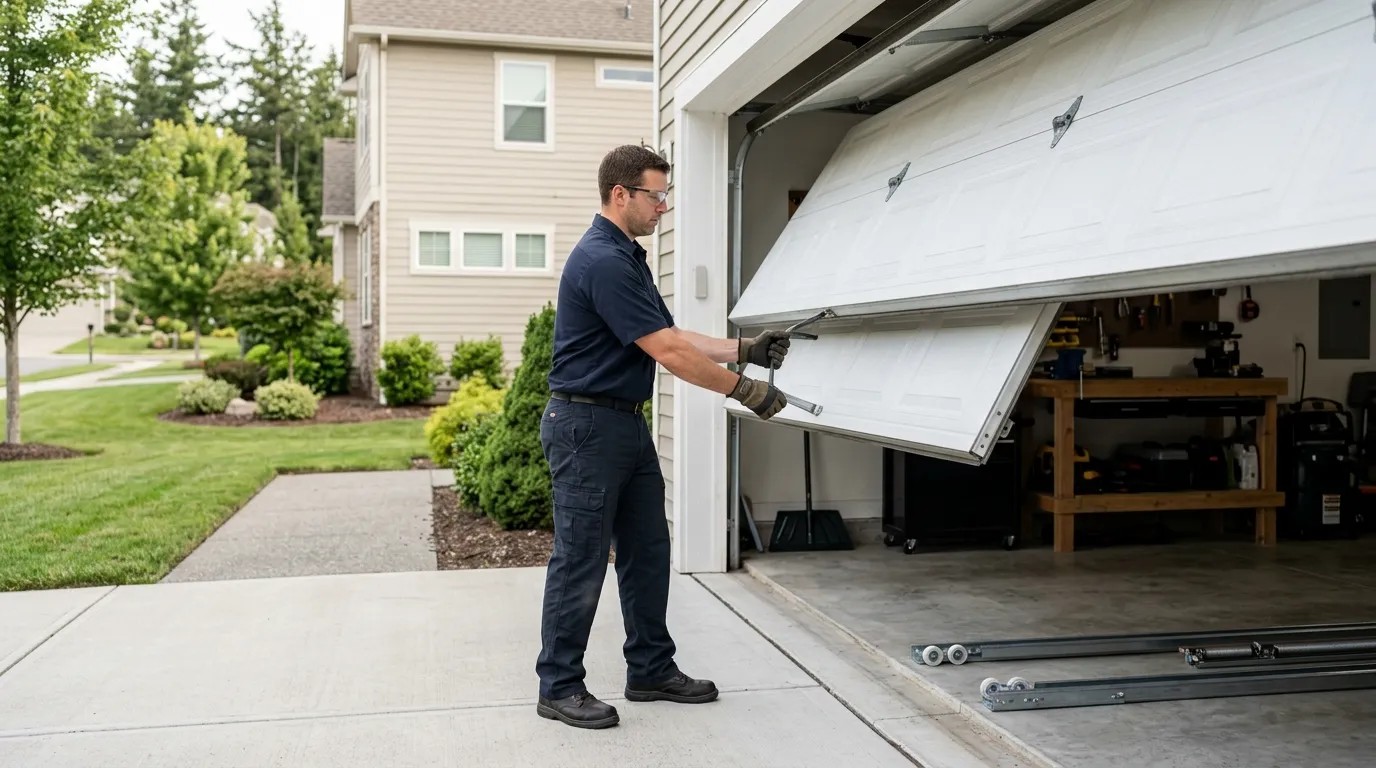
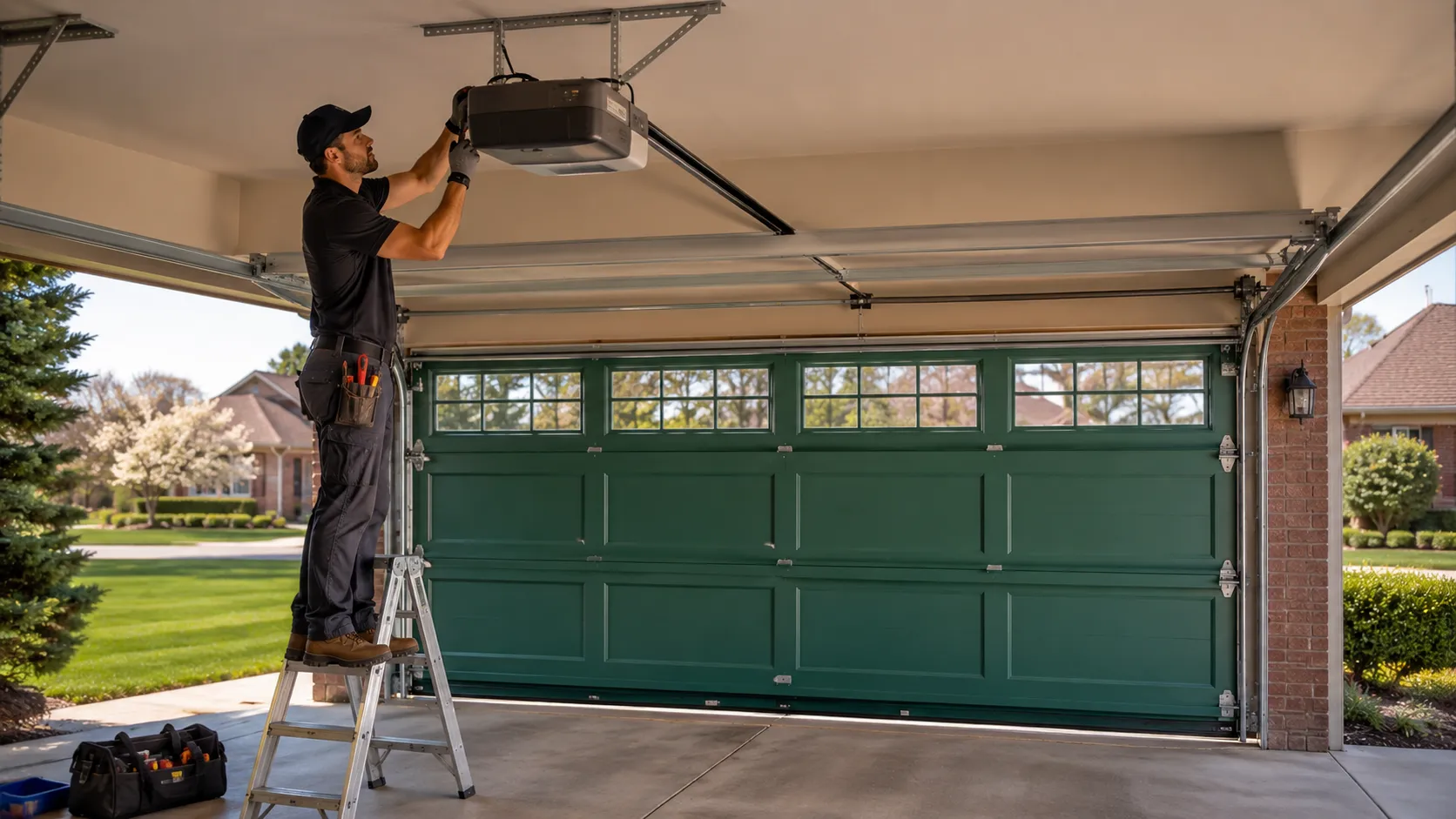
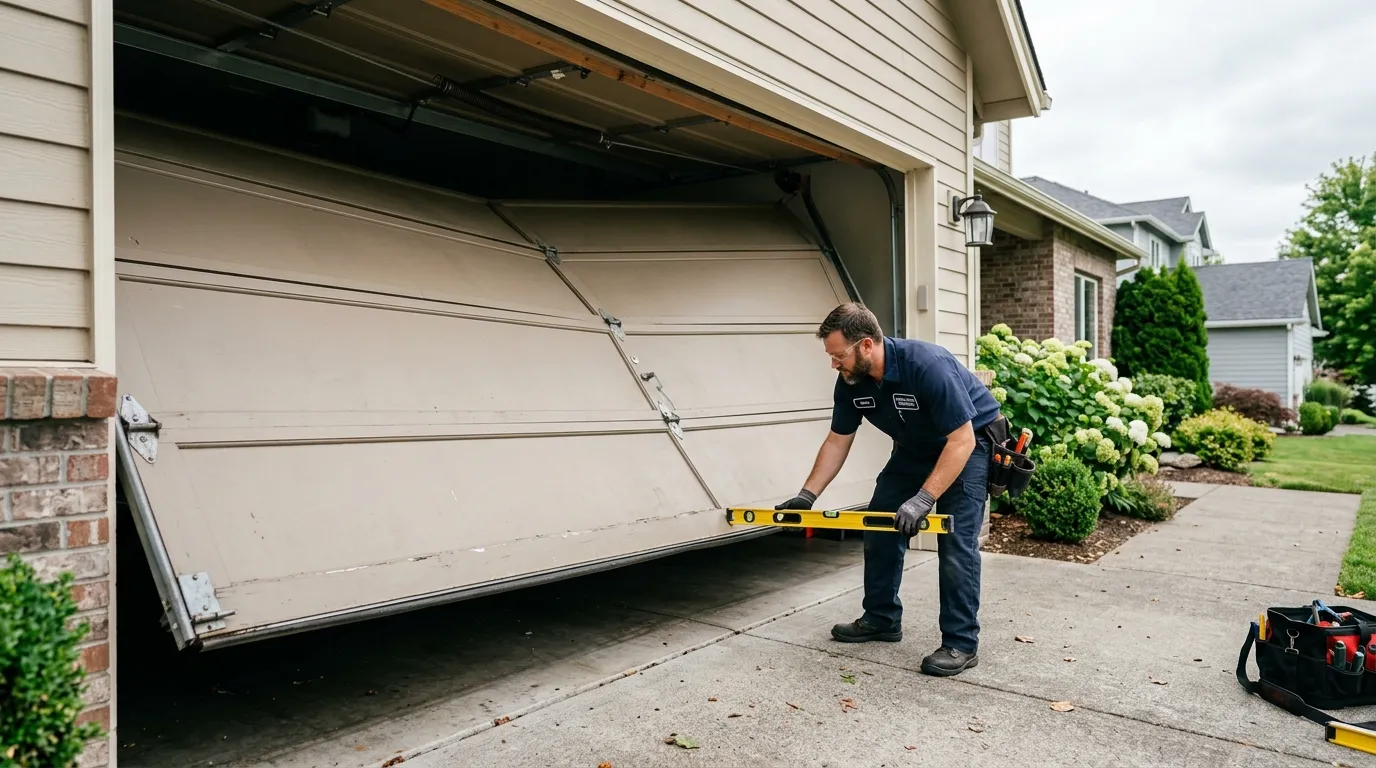
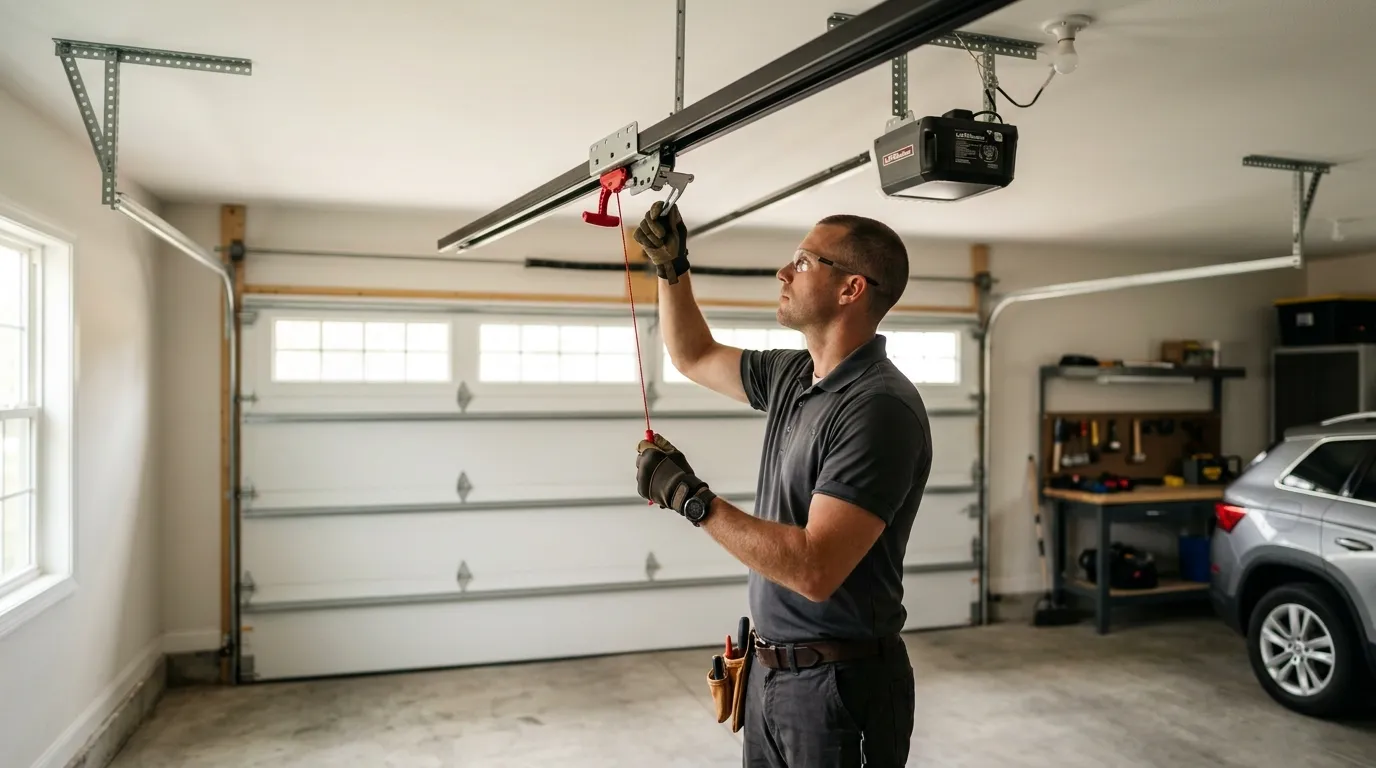
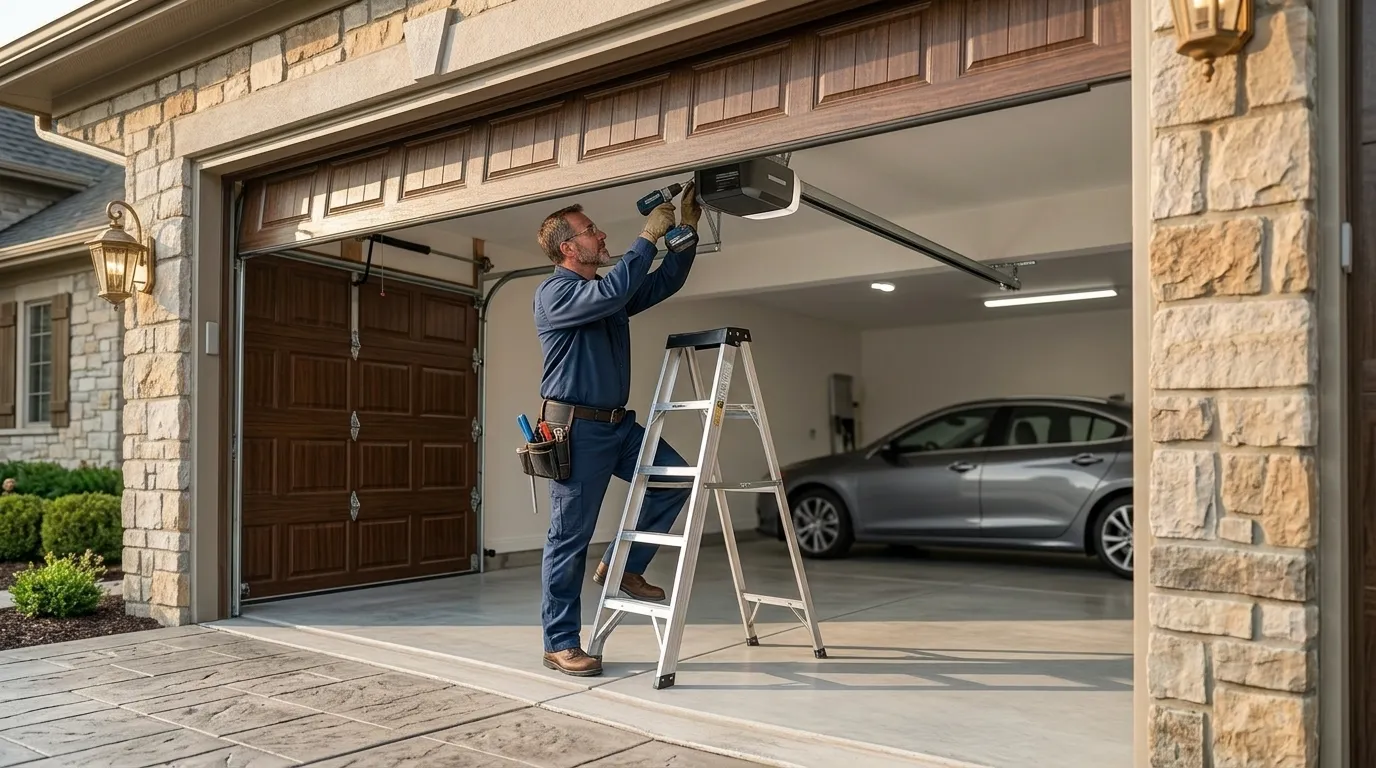
On houses from this era, the calls run predictable: a torsion spring that's finally worn through after decades on the same tension, rollers that have gone from steel to nylon somewhere along the way and are due again, and openers that were retrofit onto original track rather than installed with the door. We replace springs matched to the actual door weight, not a generic size, and we'll tell you straight if a track is too bent or a jamb too out of square for a repair to hold. One limit worth naming: on doors this old, matching an exact original panel style usually isn't possible - parts from the 1960s aren't stocked anymore, and a full-panel replacement often means replacing the whole door rather than patching one section.