What Is on These Garages
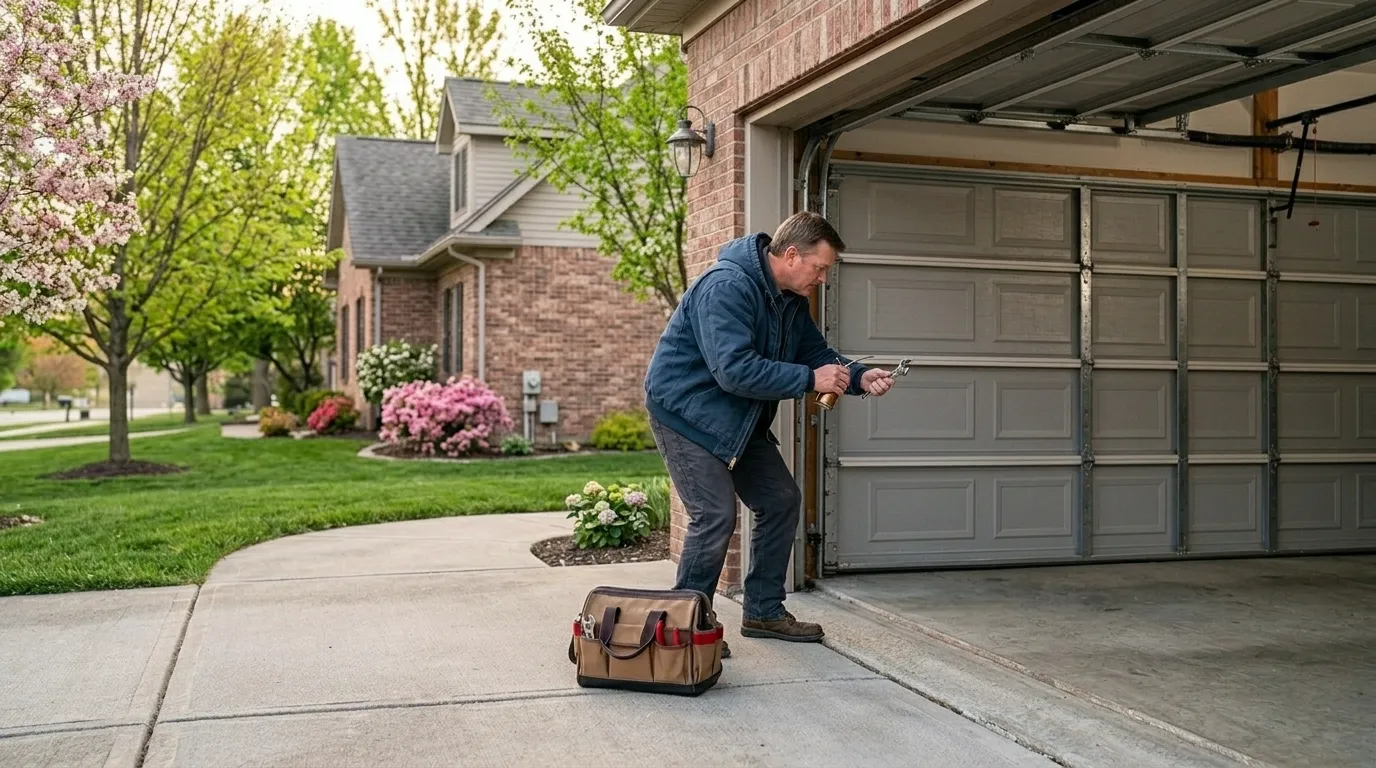
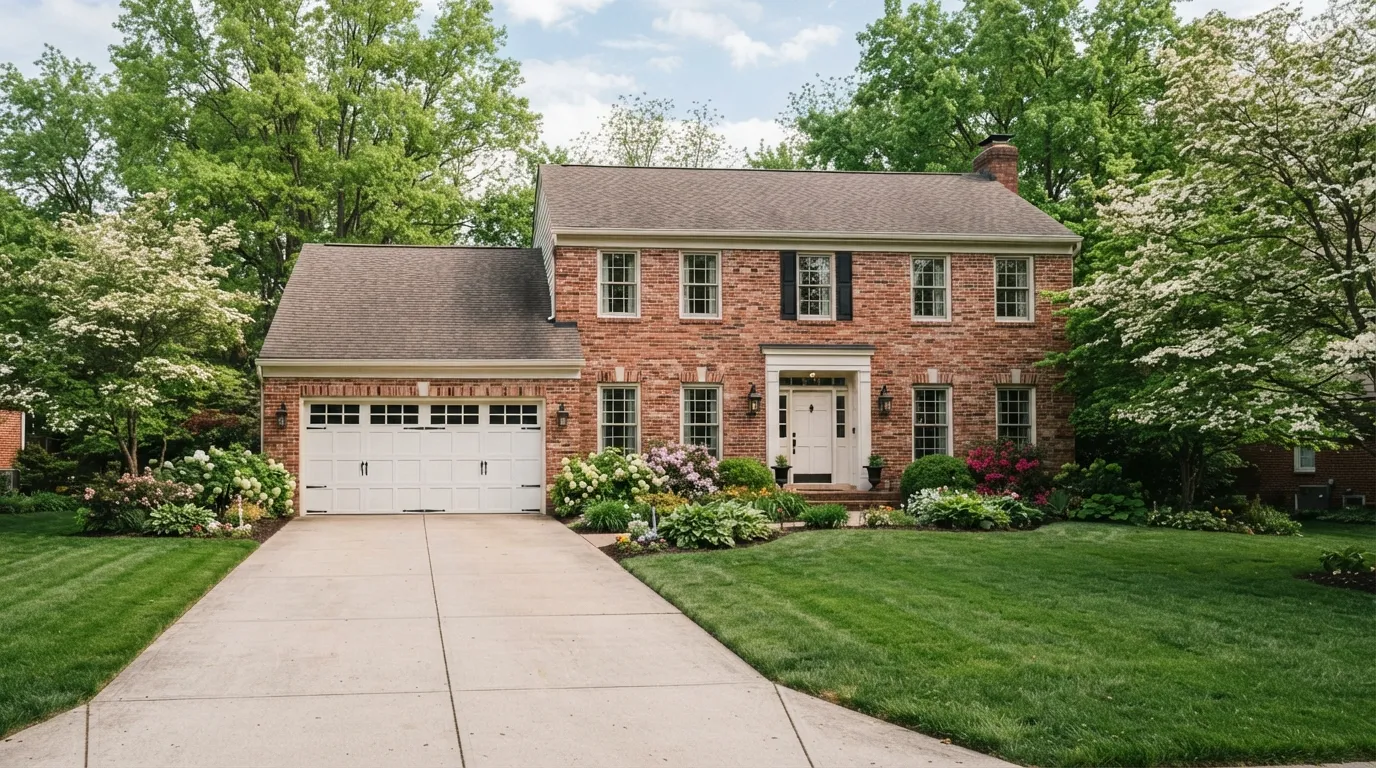
Englewood sits inside a service area where the housing stock runs mostly 1938 to 1994, with the bulk of it built in the 1960s and 70s. That puts a lot of these garages on older single-car and detached setups, built when torsion springs were sized smaller and openers weren't standard equipment yet. A good number of doors here have been retrofitted at least once - a newer opener bolted onto old track, or a steel door hung on hardware that predates it. That mismatch is common and it's not a defect, it's just what forty-plus years of small upgrades looks like.
Because the winters here sit in a cold, moderate climate band, steel panels see real temperature swings between a January morning and a July afternoon. That cycling is hard on weatherstripping and on spring tension, which loosens and tightens with the metal. If your door drags in cold weather and moves fine by June, that's the door telling you something about its age, not about that one cold snap.
Where You Are
Englewood is about 5 miles SSE of the center of the service area we cover, which runs out through 461,017 households and 223,261 owner-occupied houses across 86 named areas. Nearby, at their own distances and directions from that same center point, sit Back of the Yards (2 mi SSE), Brighton Park (2 mi SSW), and McKinley Park (1 mi ESE) - a stretch of the city with a similar age and build pattern in its housing. We don't claim landmarks or cross streets we haven't confirmed, but the position and the general housing era hold across that stretch.
What that means practically: a truck routed to Englewood is already working this side of the coverage area, not driving in from across town for a single call.
Typical Work
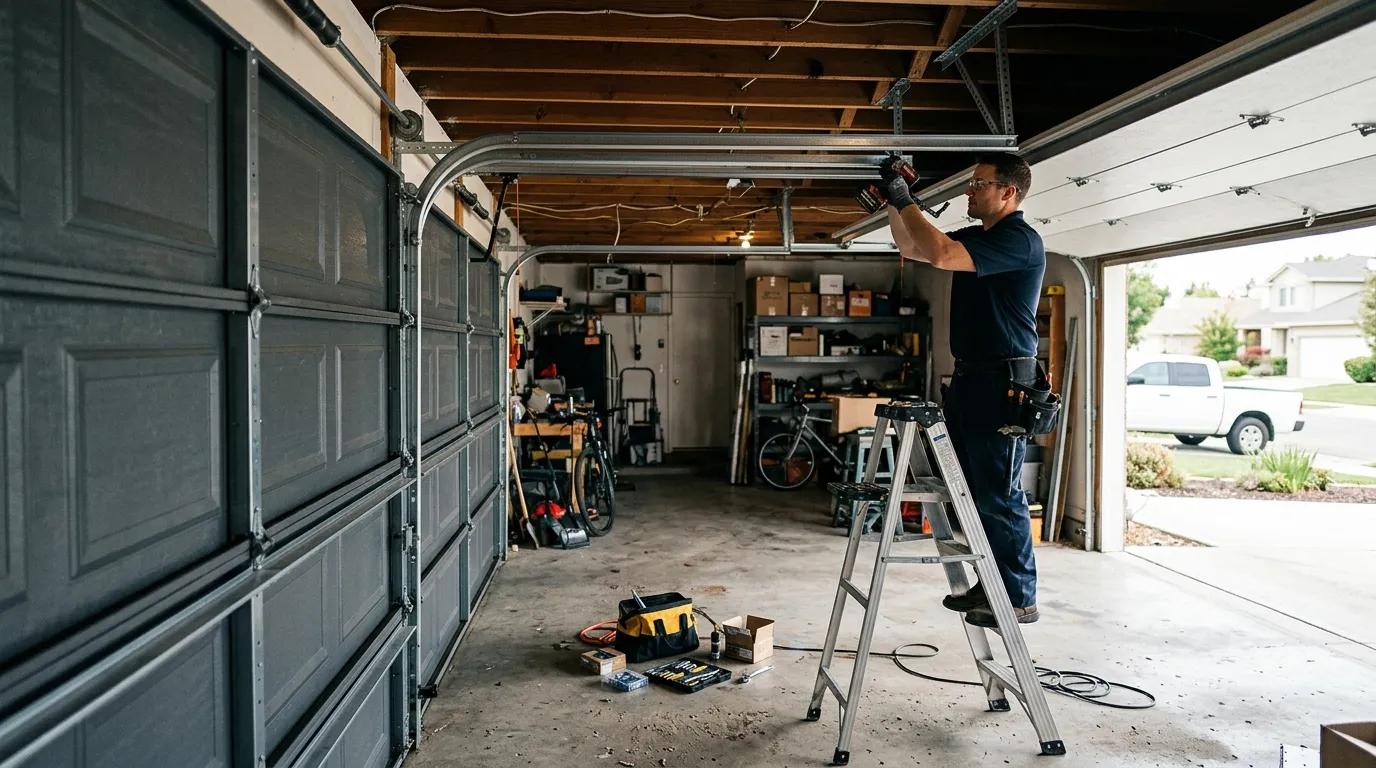
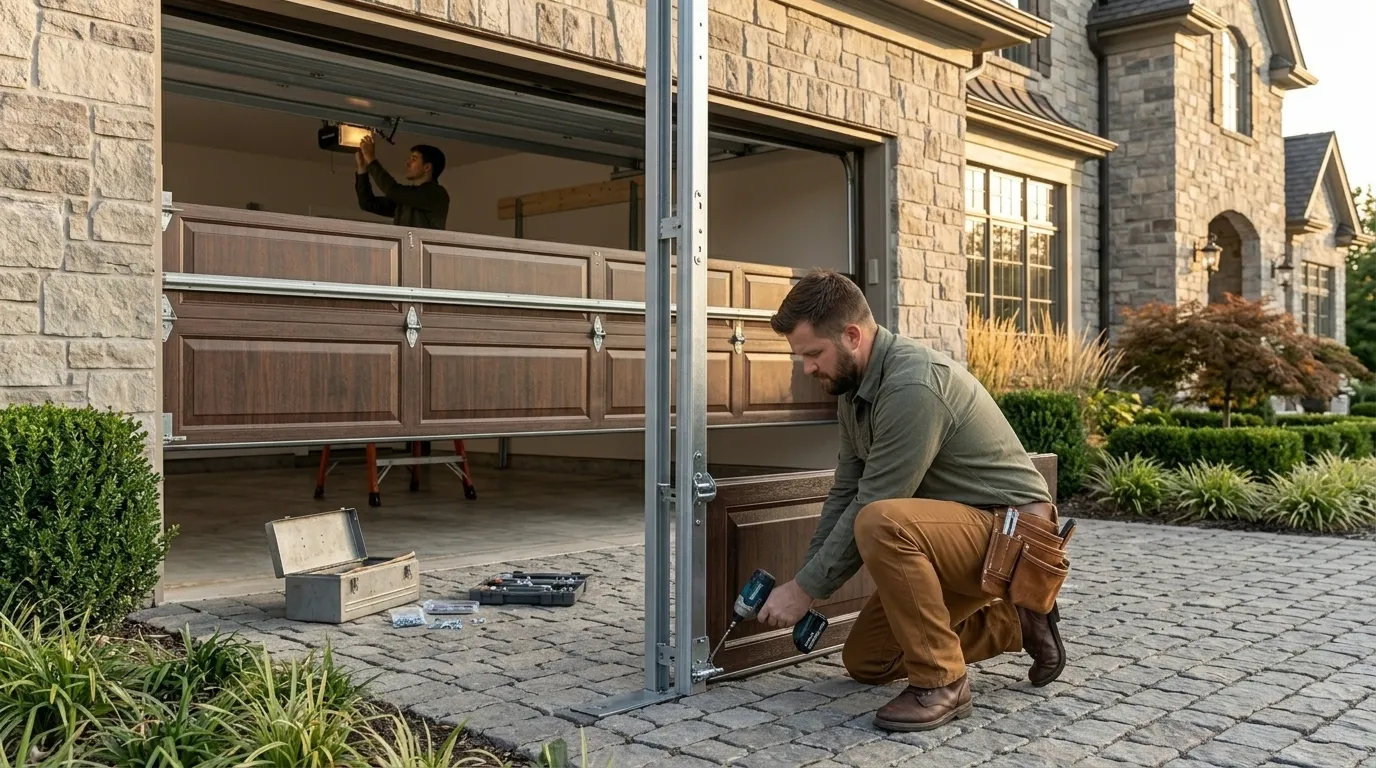
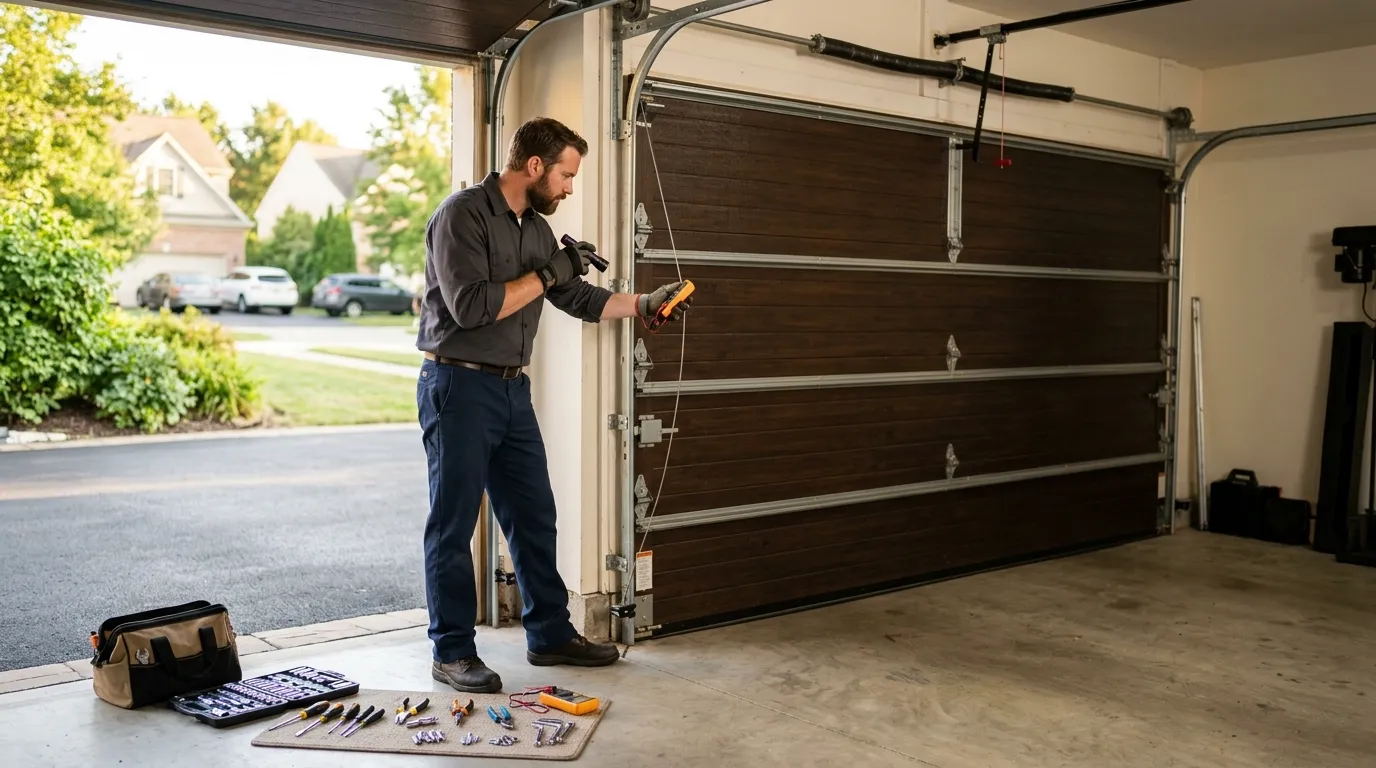
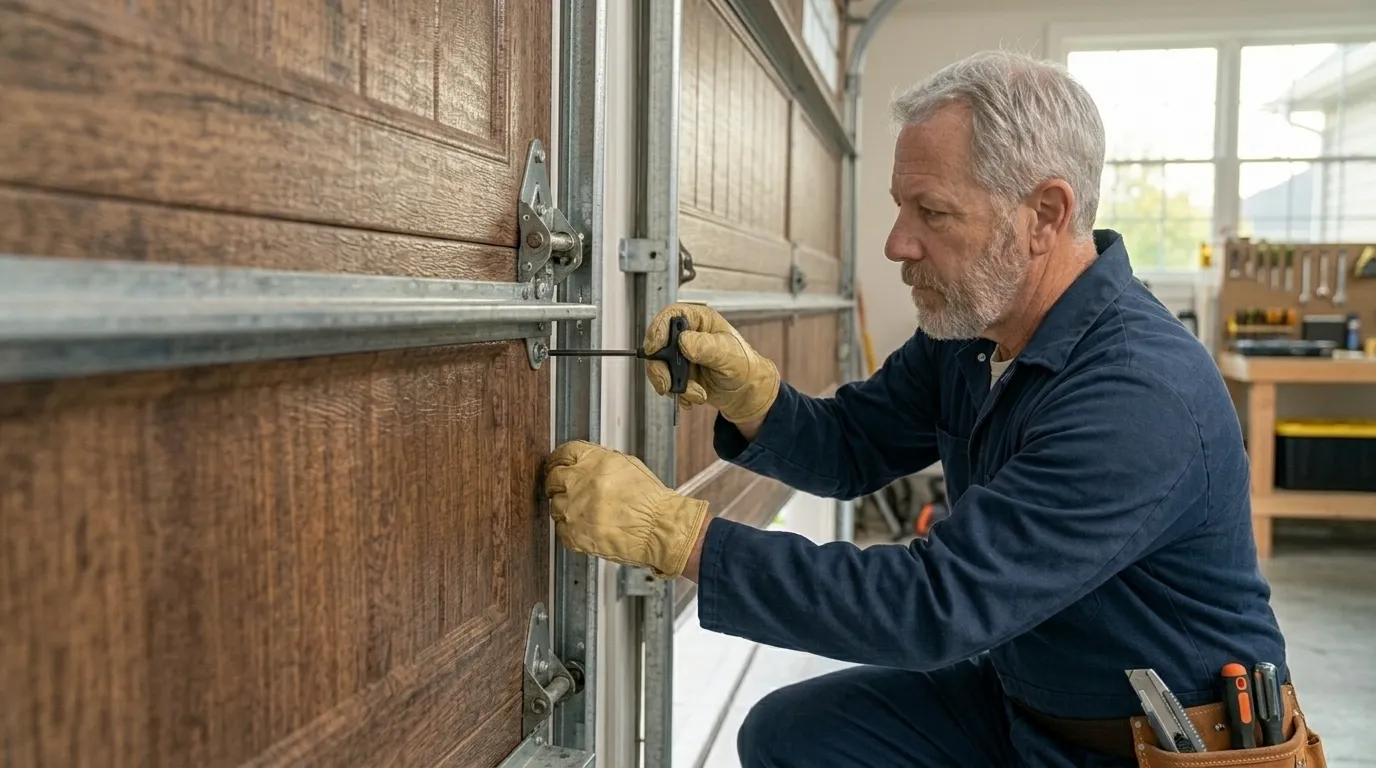
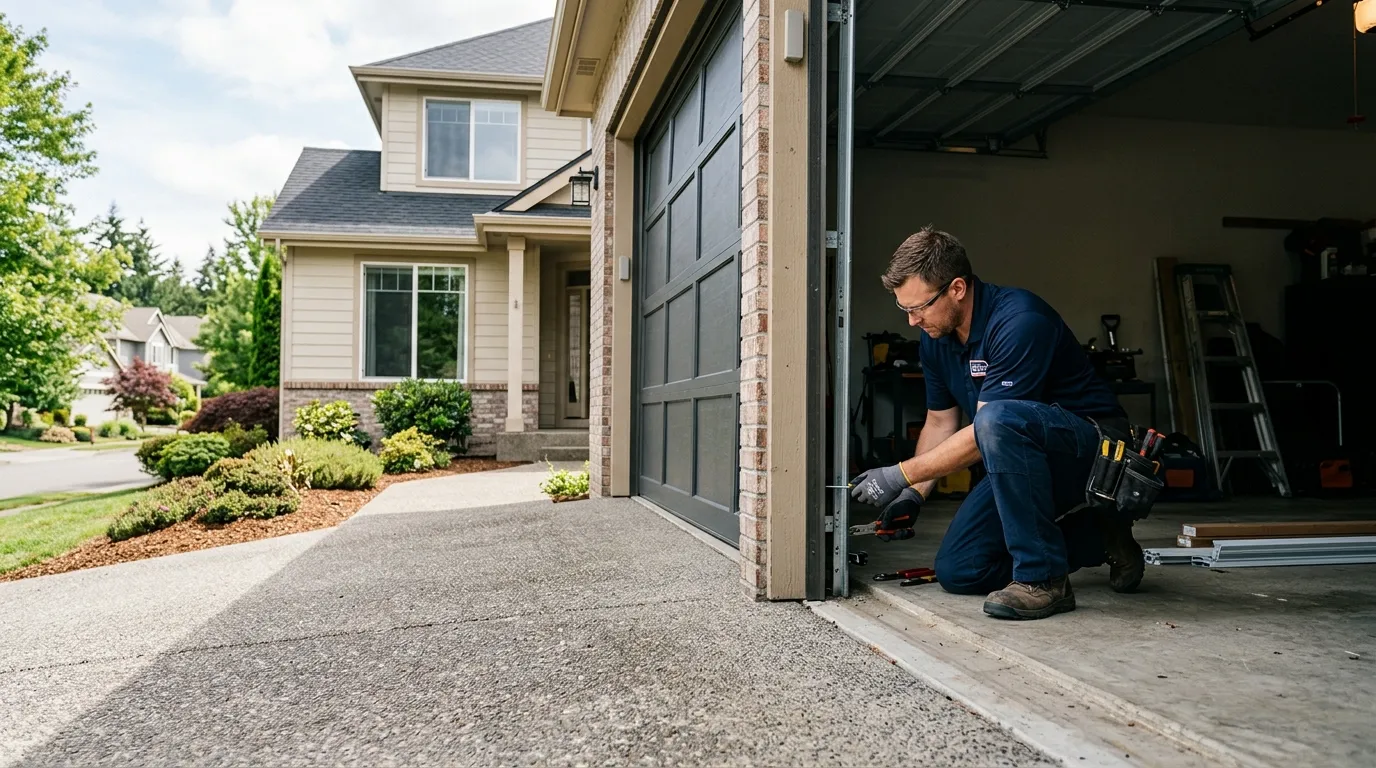
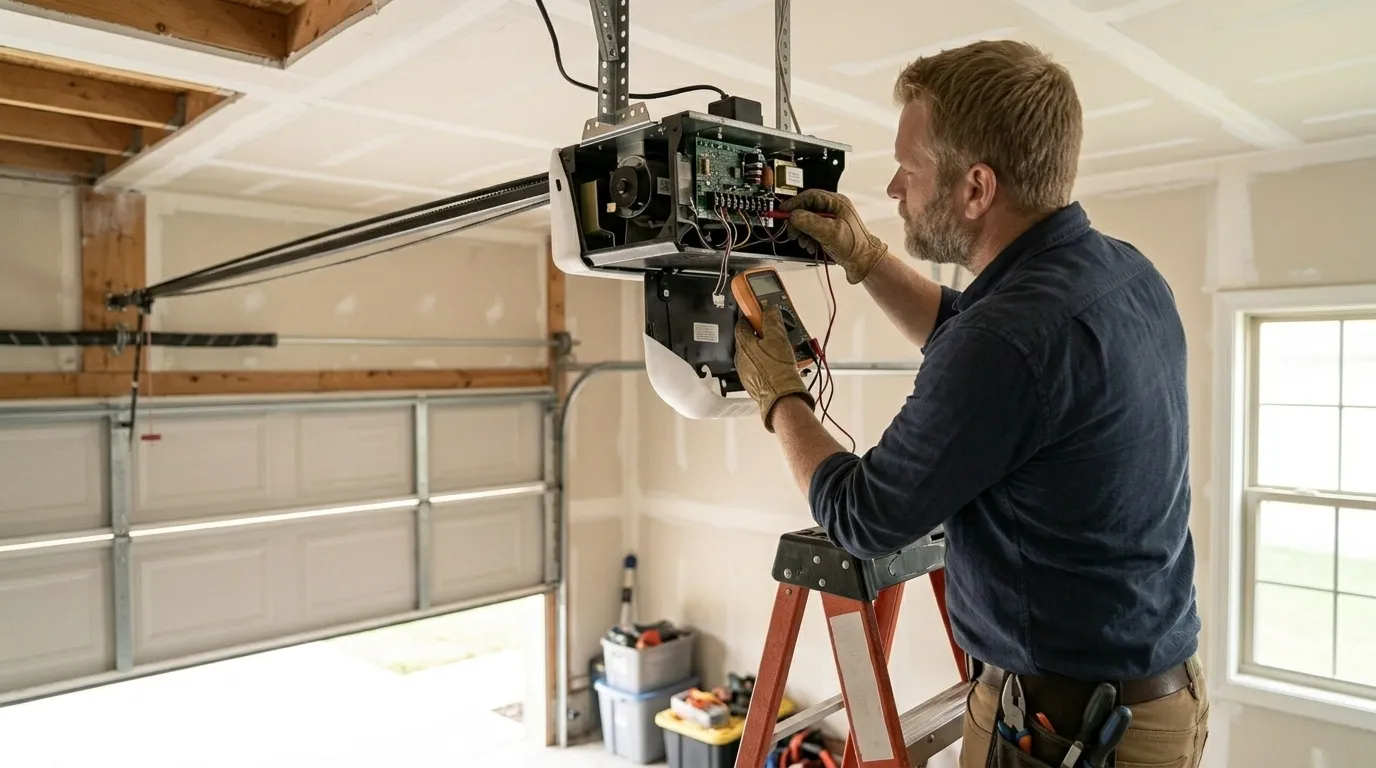
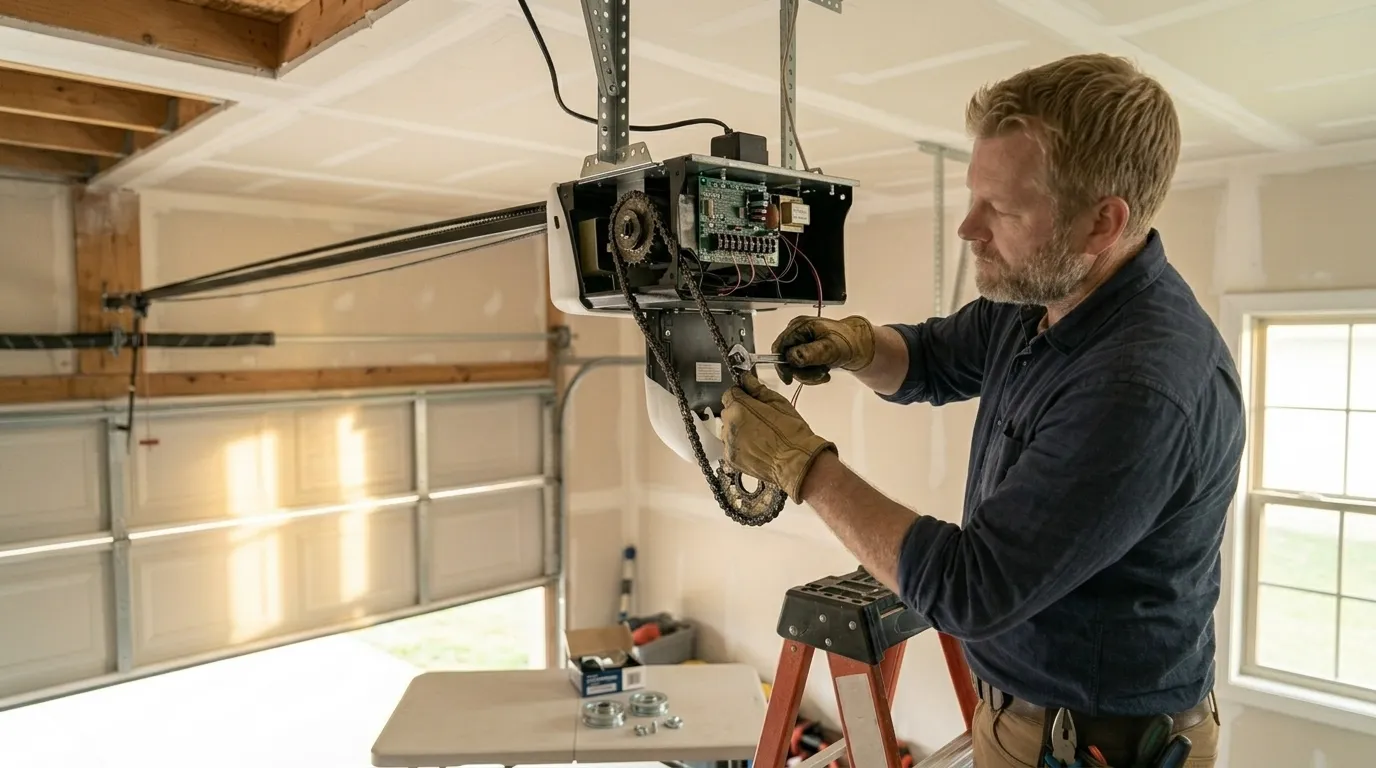
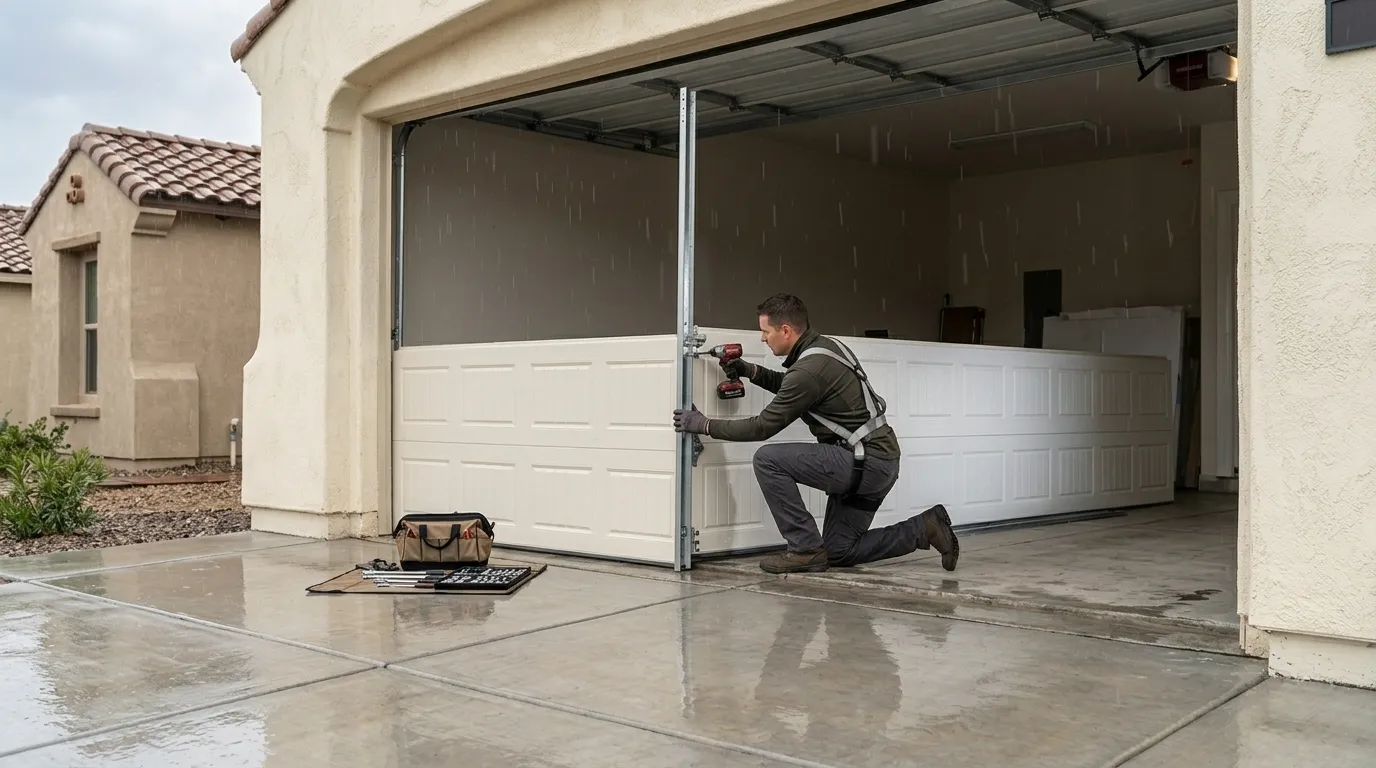
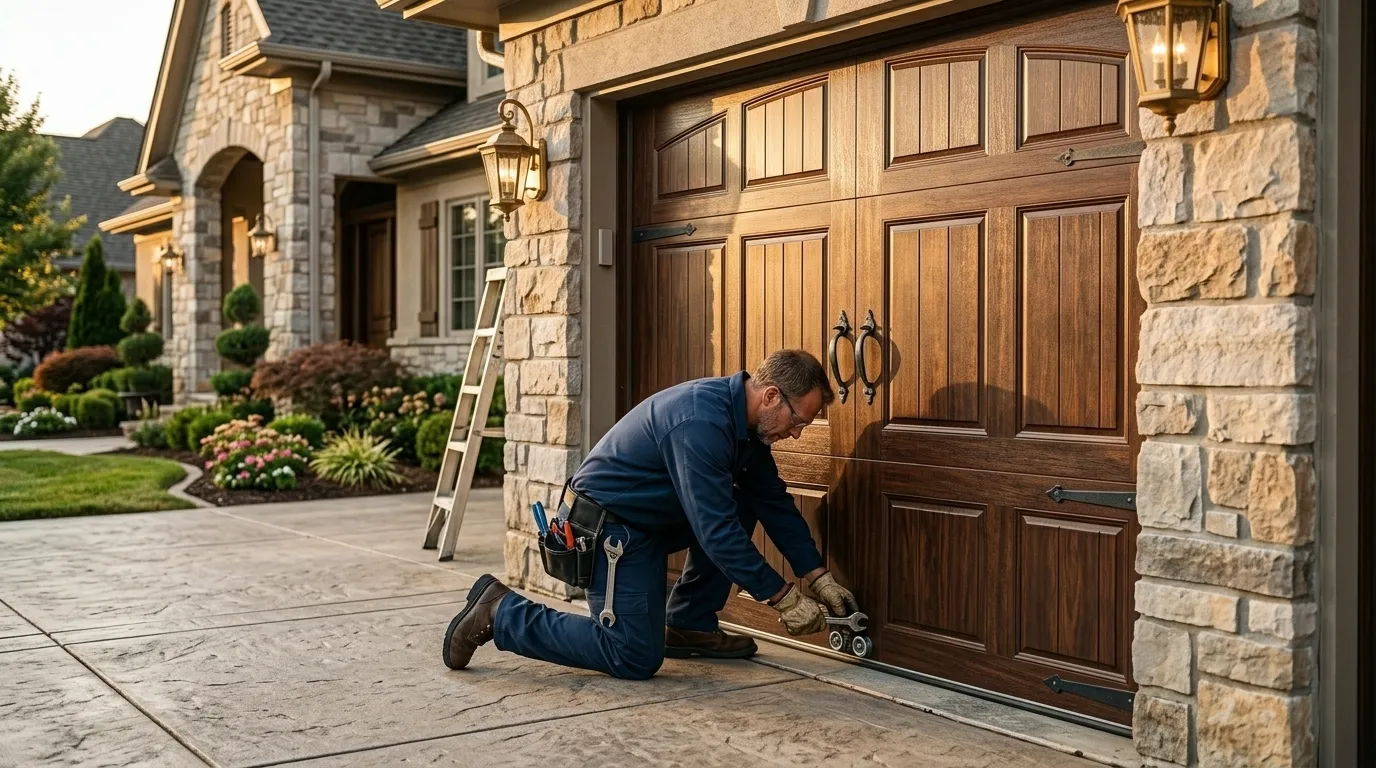
On garages built in the 1938-1994 window, the calls we get most are torsion spring replacement on doors that have gone stiff or dropped suddenly, roller and track realignment on garages where the frame has settled a little over the decades, and opener swaps where the original chain-drive unit finally gives out. Cable fraying shows up more often on the older single-car doors that never got upgraded hardware.
We don't do full structural garage rebuilds - if the framing itself has shifted enough that the door won't square up no matter what hardware goes in, that's a carpentry job first, and we'll say so rather than force a door fix onto a problem the door isn't causing. For everything short of that, spring, track, panel, and opener work on this era of garage is the bulk of what we do here.