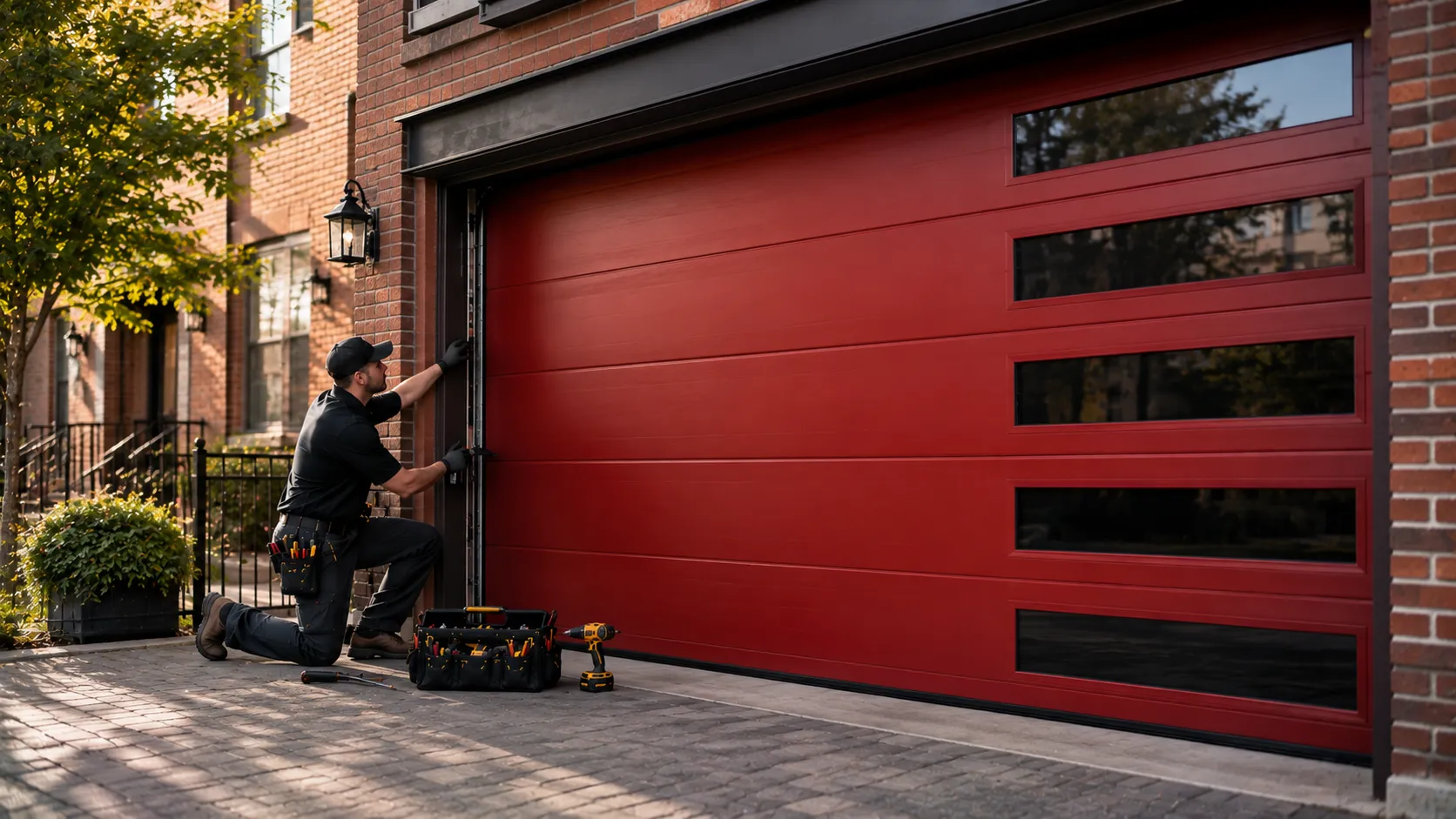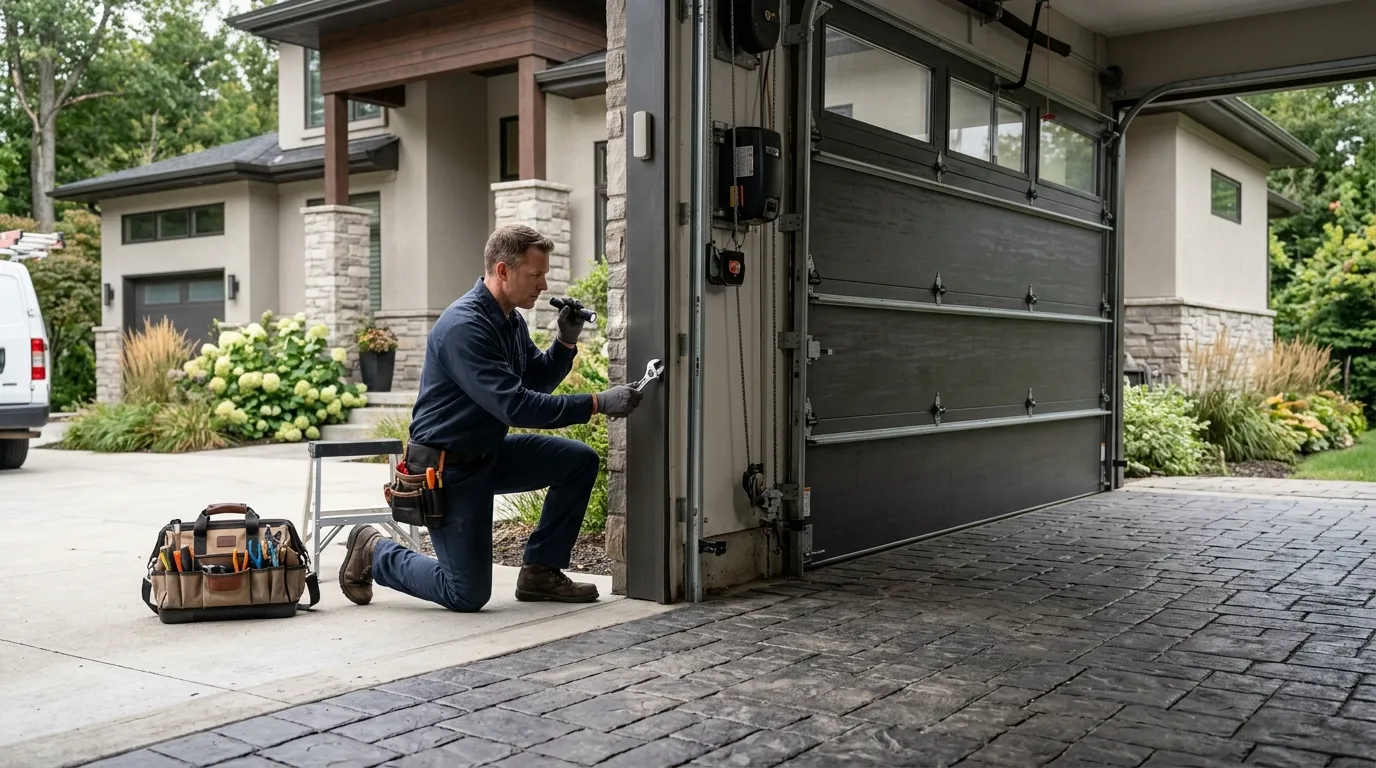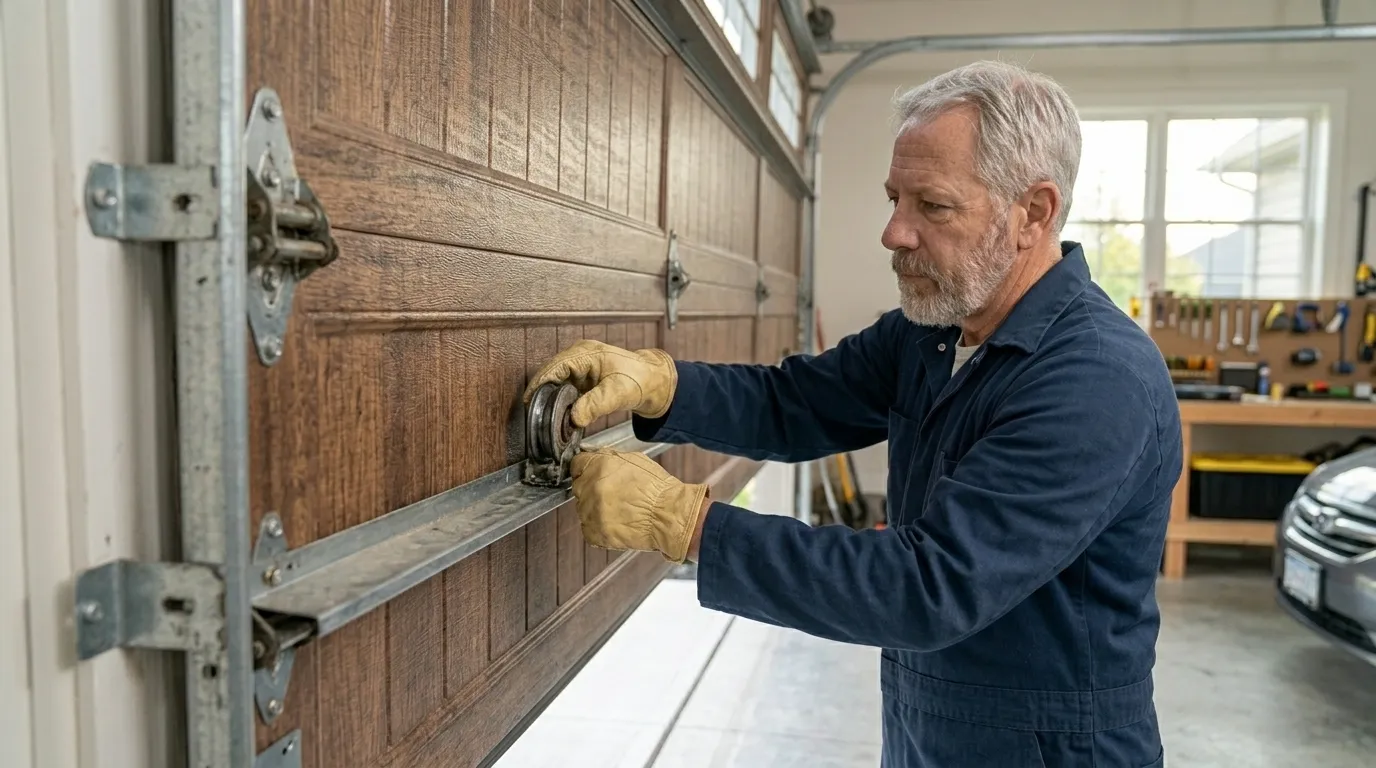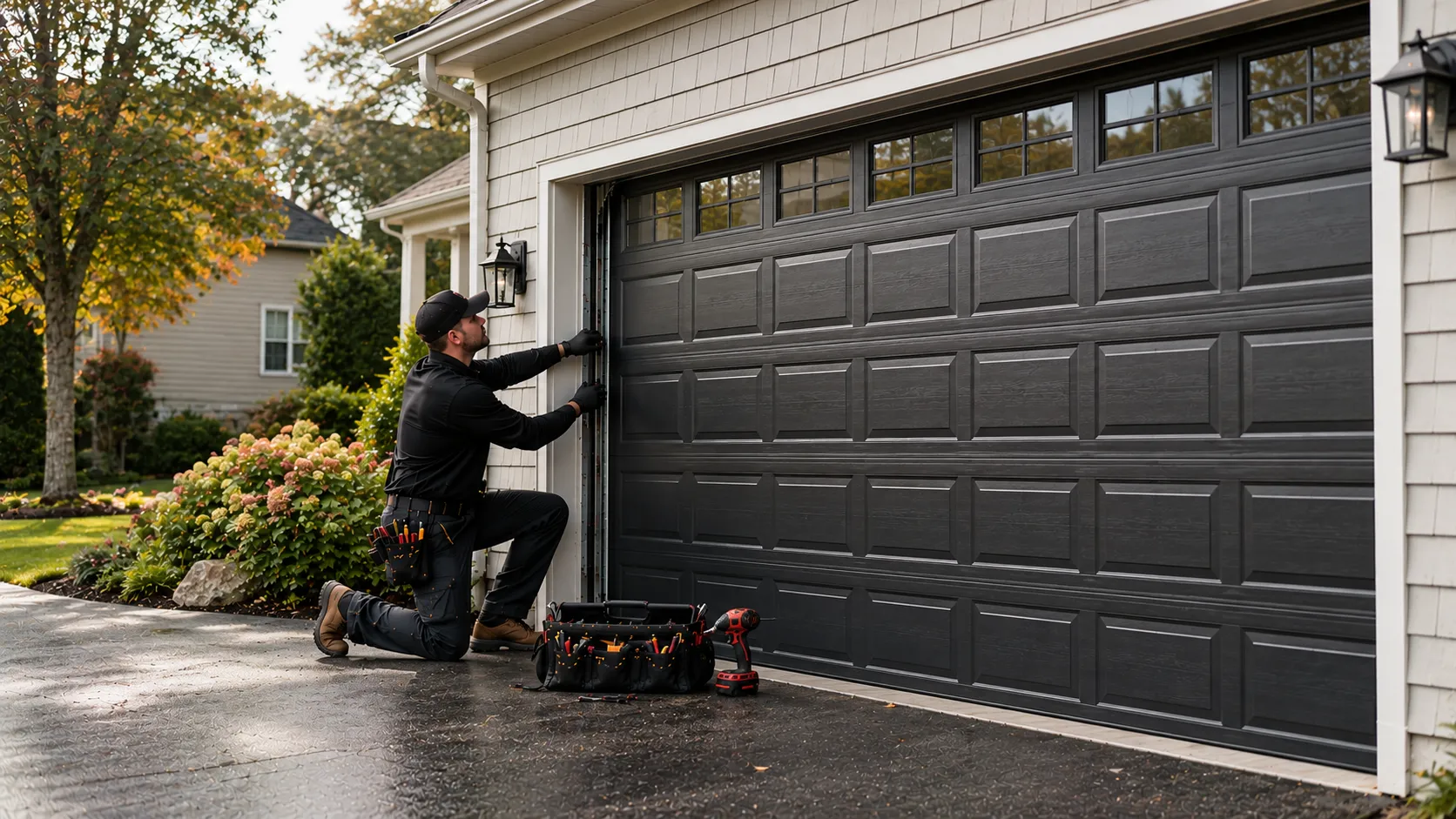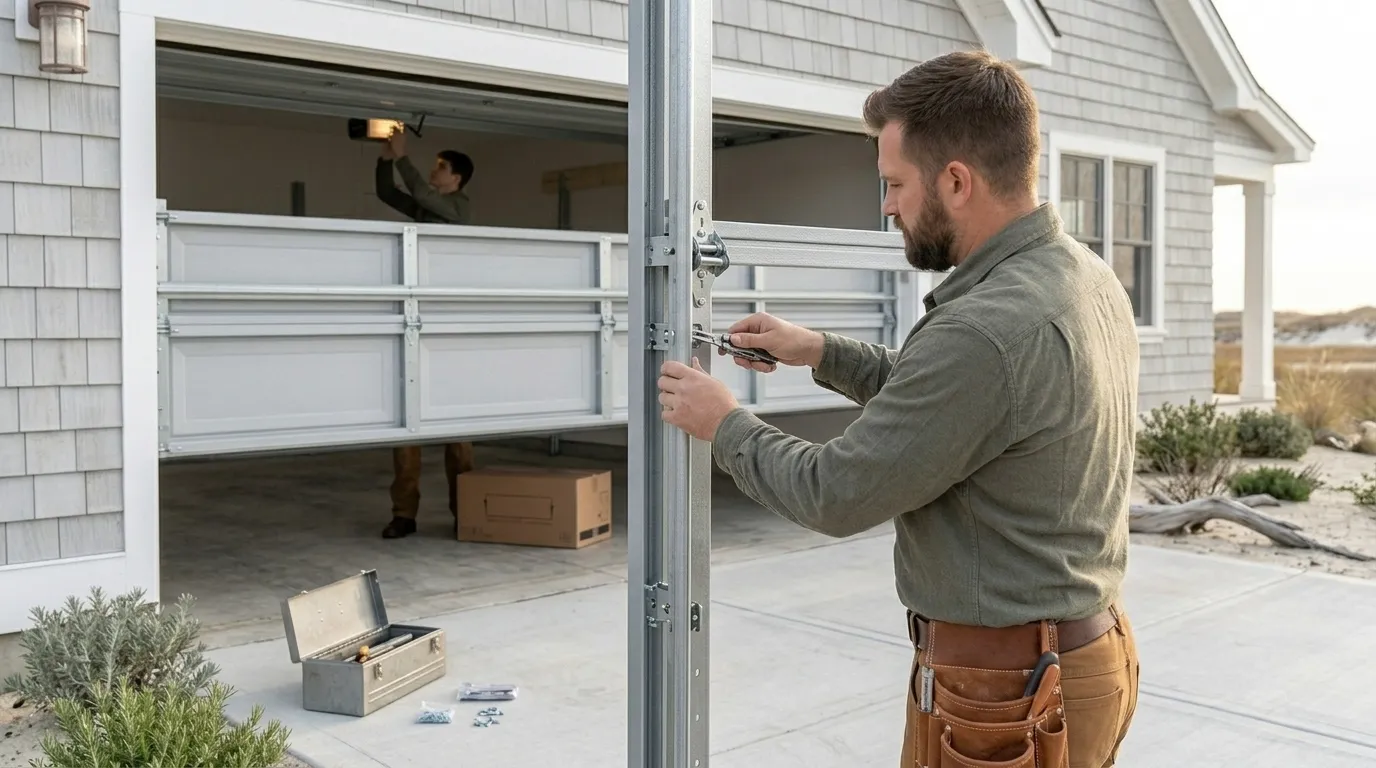
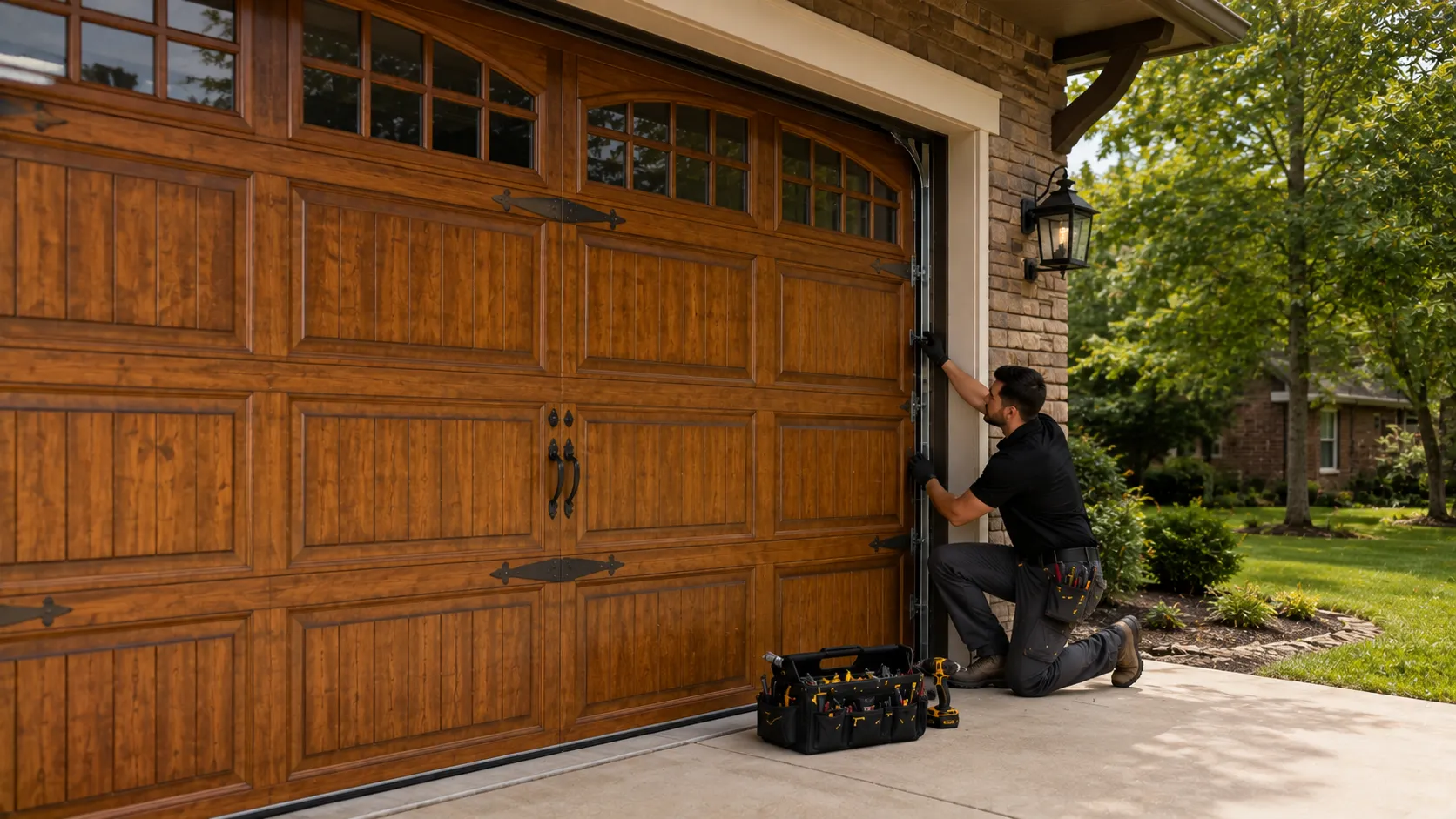
What Is on These Garages
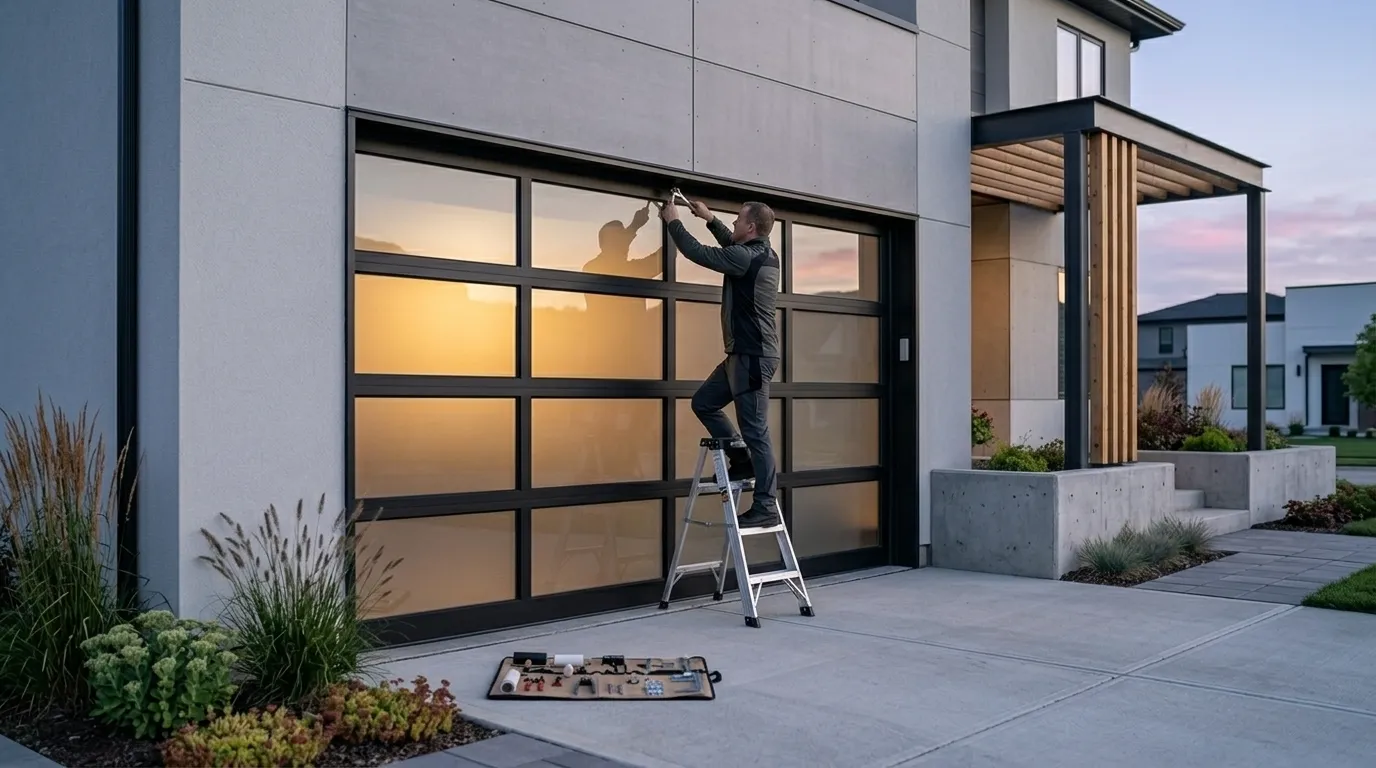
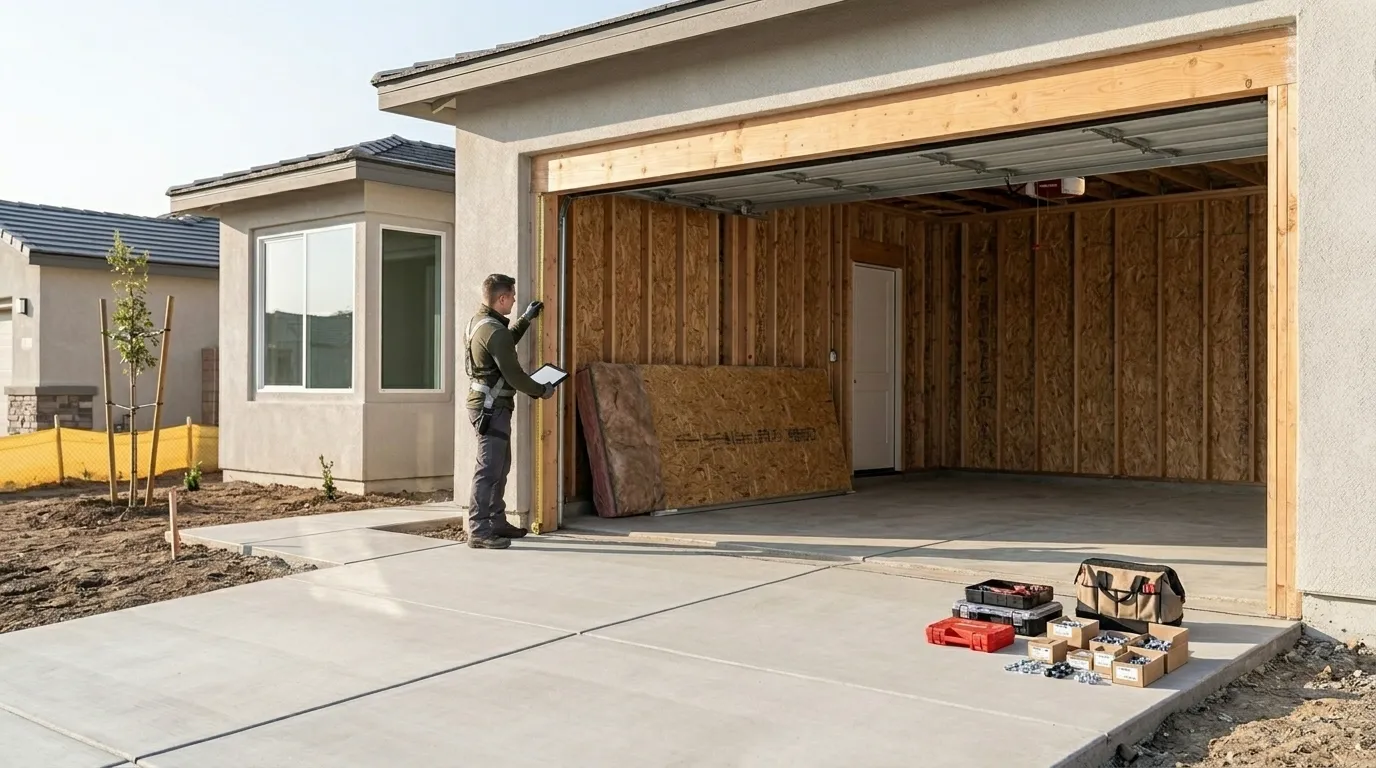
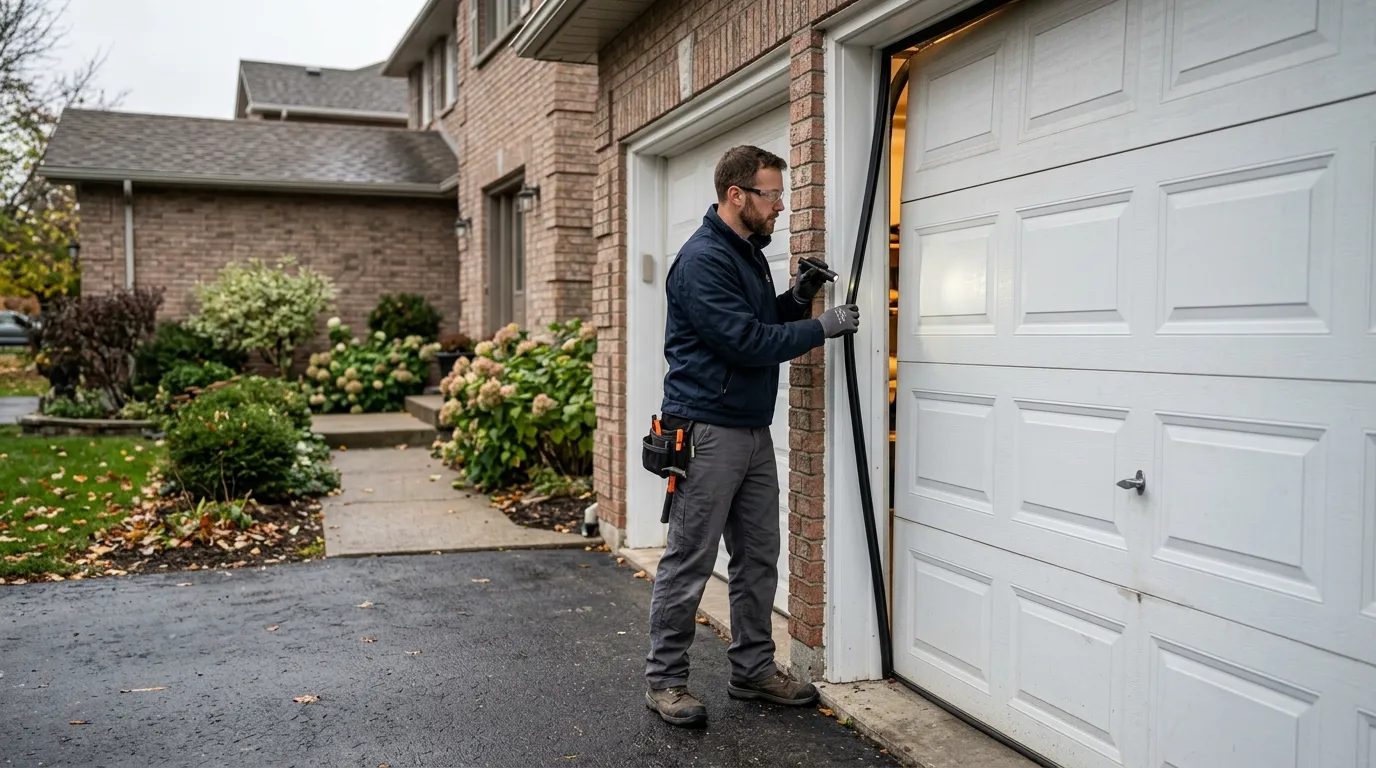
Archer Heights sits about 3 miles southwest of downtown, in a stretch of Chicago where the housing stock runs from 1938 up through 1994, with most of it landing in the 1960s and 70s. That build era matters more than people think. A garage put up alongside a house from that window is usually a single-car or narrow two-car structure, often with a torsion spring setup that was standard for the time but has since been replaced by wider tracks and different drum sizes on newer doors. If your opener is original to the garage, it's likely a chain-drive unit with a lot of miles on the gears, not a belt-drive from the last decade. We see a lot of these same-era setups because the housing didn't change much block to block once it went up.
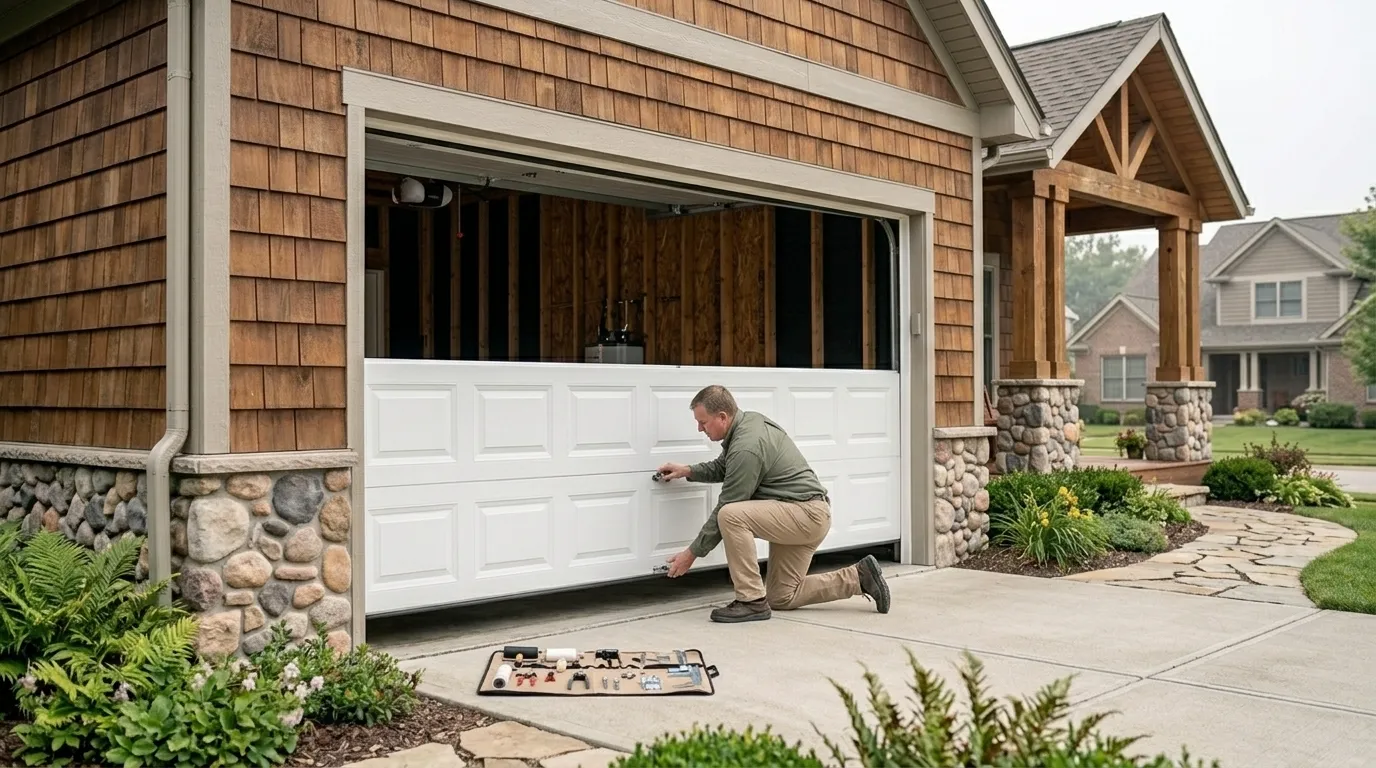
One thing we won't do is tell you a part is universal when it isn't. Older track widths and spring wind counts from this build period don't always match what's sitting on the shelf at a supply house, so a same-day fix sometimes means a same-day patch and a return trip for the exact part. That's not us dragging a job out, it's the reality of hardware from a 1960s garage.
Where You Are
Archer Heights sits roughly 3 miles southwest of the city center, close in to Brighton Park about 2 miles to the SSW-adjacent side and near Archer Heights' own numbered position among Chicago's West and Southwest side neighborhoods. It's tucked among a run of named Chicago community areas rather than out in a standalone suburb, which means density is higher and lots tend to be narrower than what you'd find further out toward places like Bedford Park or Summit, both a few extra miles from the center. That lot width shows up directly in garage sizing - narrower lots mean narrower garages, and narrower garages mean single doors are still common here even on homes built later in that 1938-1994 range.
Typical Work
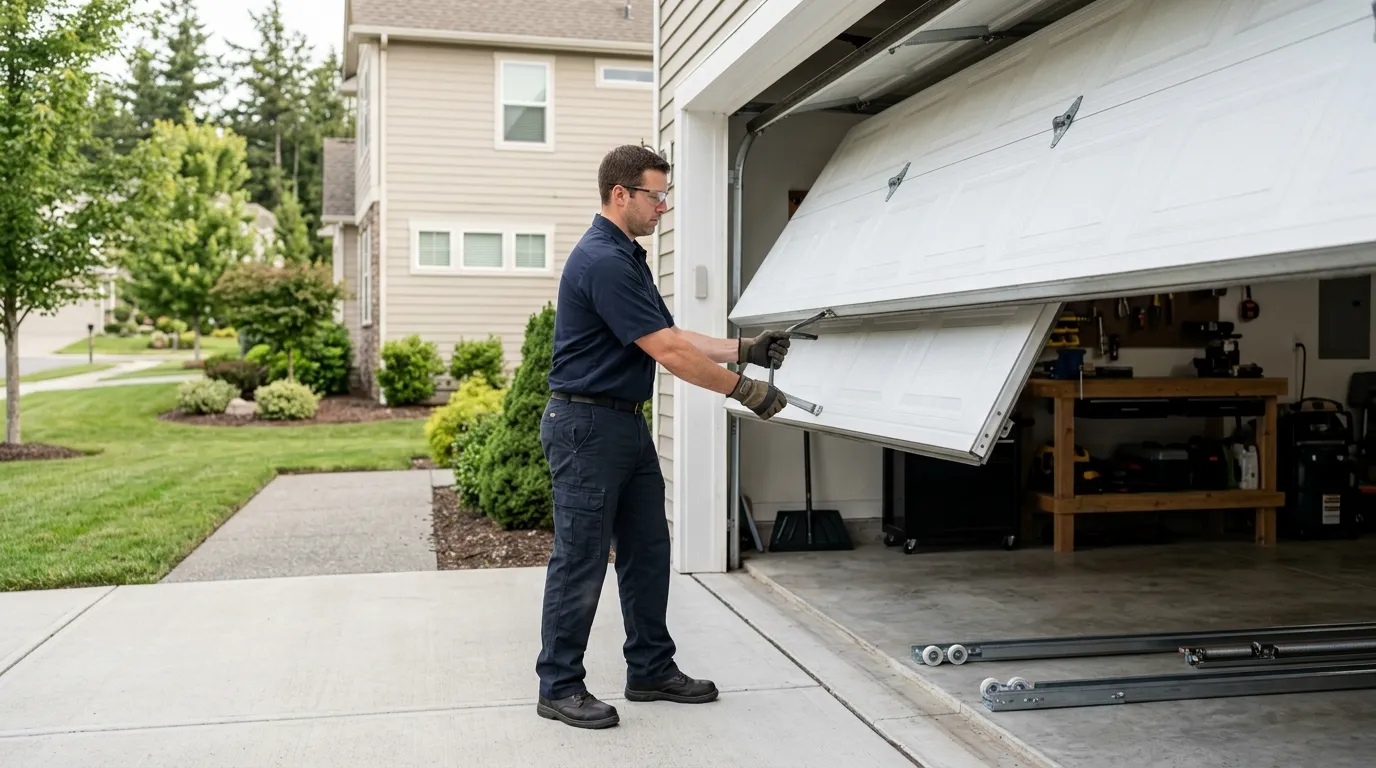
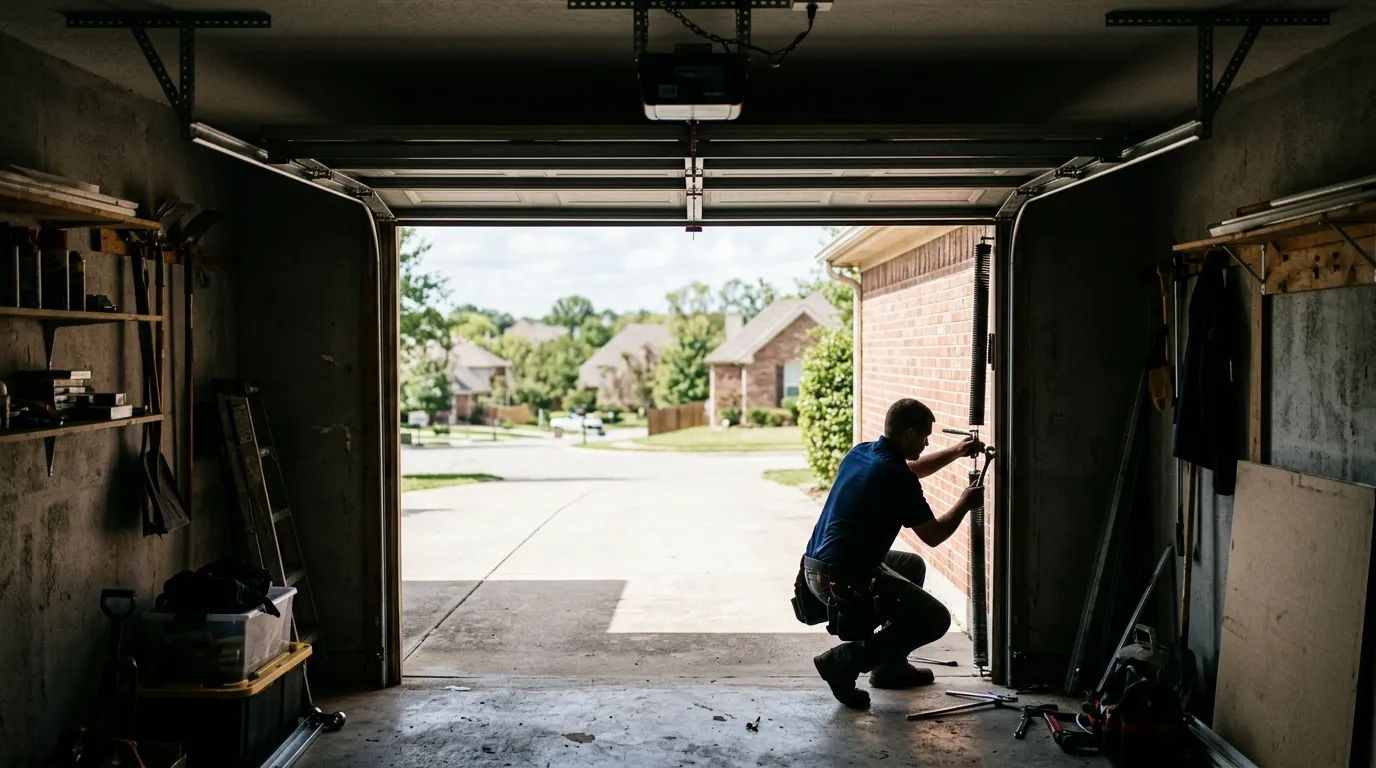
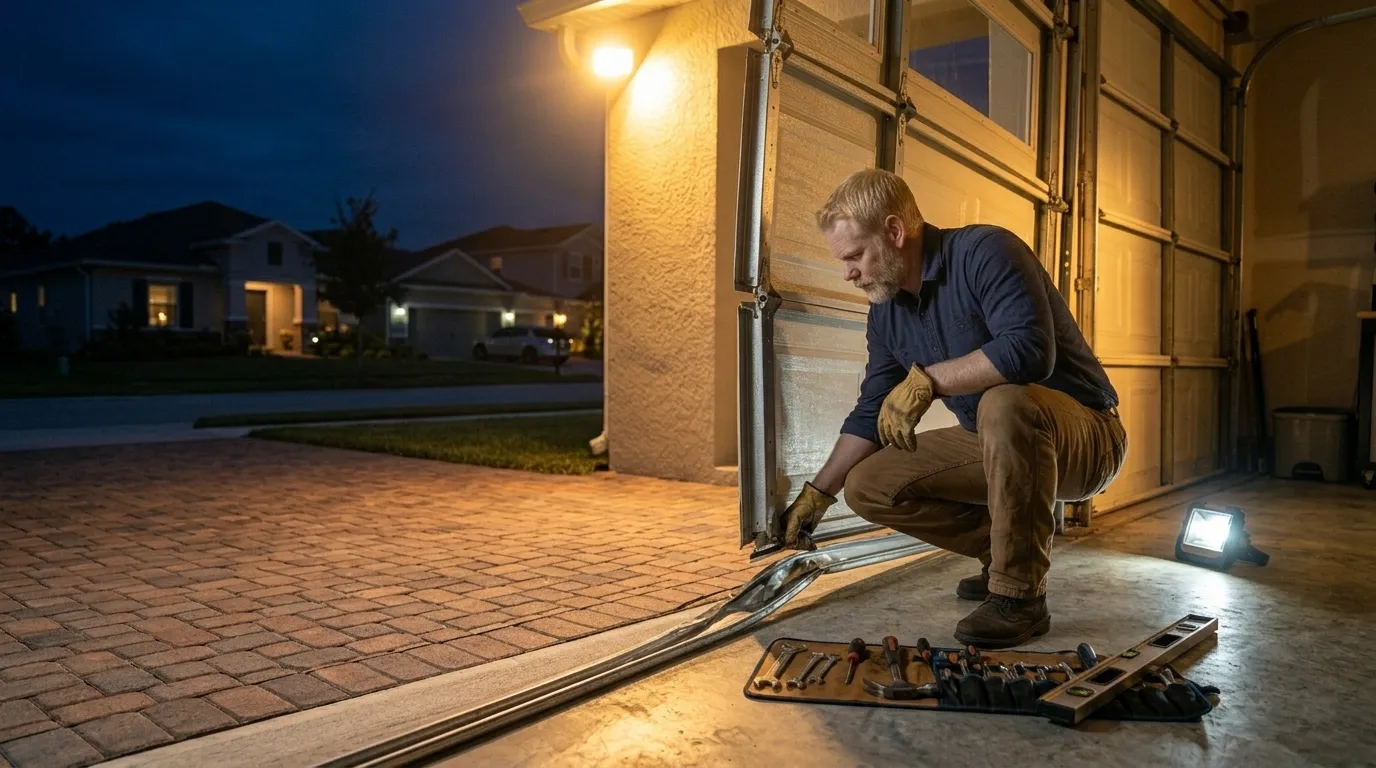
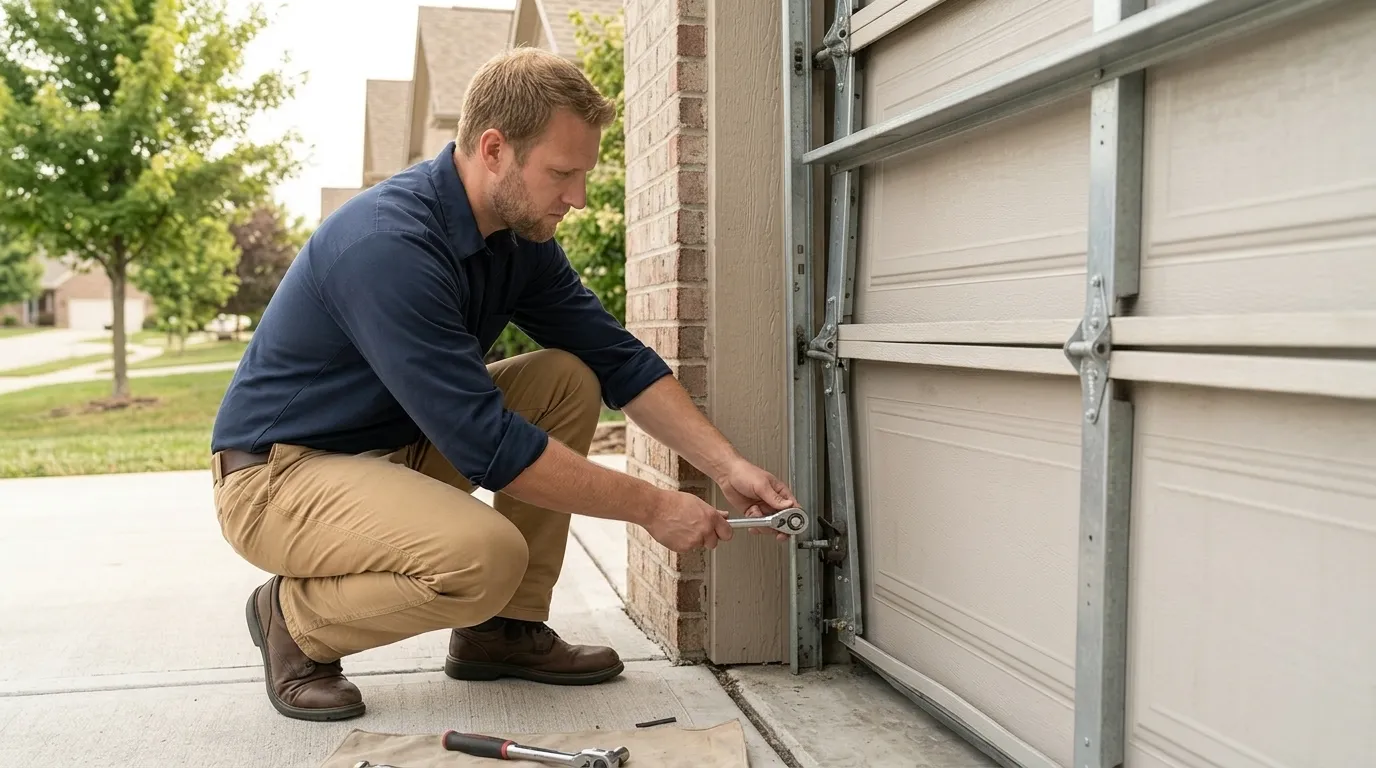
Cold moderate winters are the backdrop for most of what breaks. Steel contracts in the cold, torsion springs lose tension faster with the heat-cool cycle each winter brings, and older chain-drive openers strain harder pulling a heavier door on a frozen morning. On housing stock centered around 1964, we're mainly looking at spring replacement, roller and cable wear, and opener swaps where the original unit has finally quit after decades of chain drive.
We don't do custom architectural doors or anything requiring specialty ordering outside standard sizing - if you're after a wide carriage-style door on a garage built for a single-car opening in the 1960s, that's a structural conversation before it's a door conversation, and it's not something we take on as a quick job. For the standard repair and replacement work that fits these garages, we're set up for it.