The Situation
Most of the housing near McKinley Park, Little Village, and Bridgeport went up between 1938 and 1994, with the bulk clustered in the 1960s and 70s. That's the window a technician has in mind before the truck even stops. A door installed in that era has had decades to work through spring cycles, track wear, and at least one or two openers. Across the wider service area - 461,017 households, 223,261 of them owner-occupied houses - that same build pattern repeats across 86 named areas, from Bedford Park out to La Grange Park. It means the first check isn't really about the door in front of us. It's about guessing the era of the hardware behind the panel: torsion springs sized for a lighter door, tracks bent from decades of settling, an opener bracket that's been re-drilled once already. We start there because the fix that works on a door from 1990 is often the wrong fix for one from 1965, even if both look the same from the driveway.
Checking It Yourself
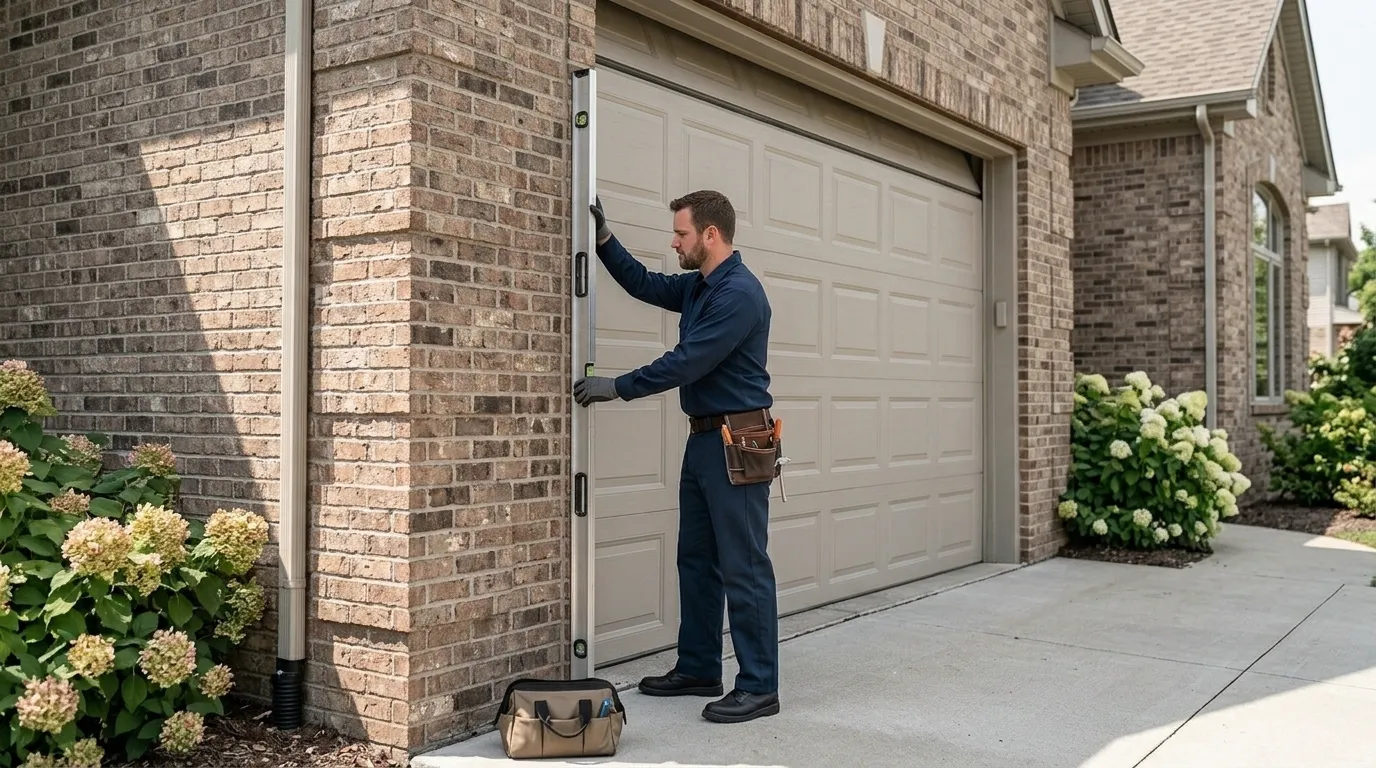
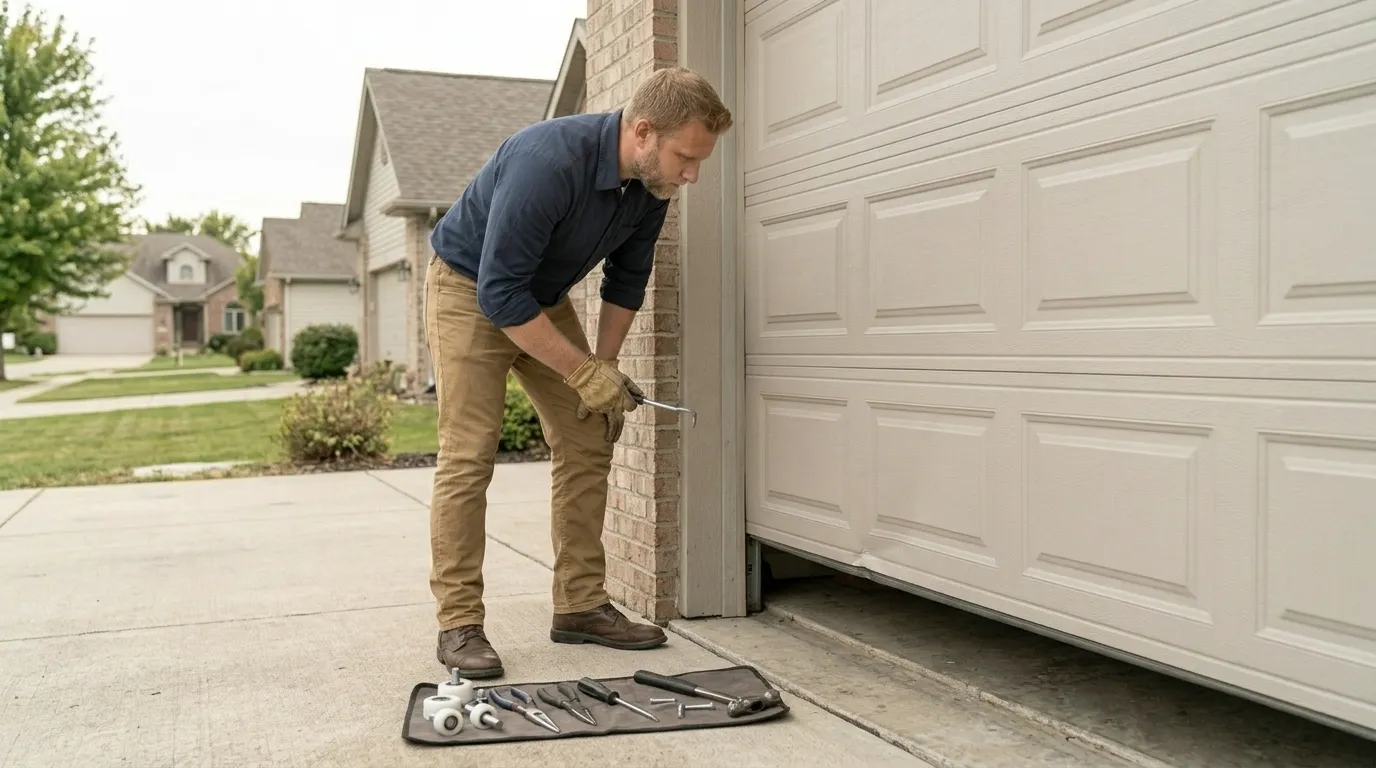
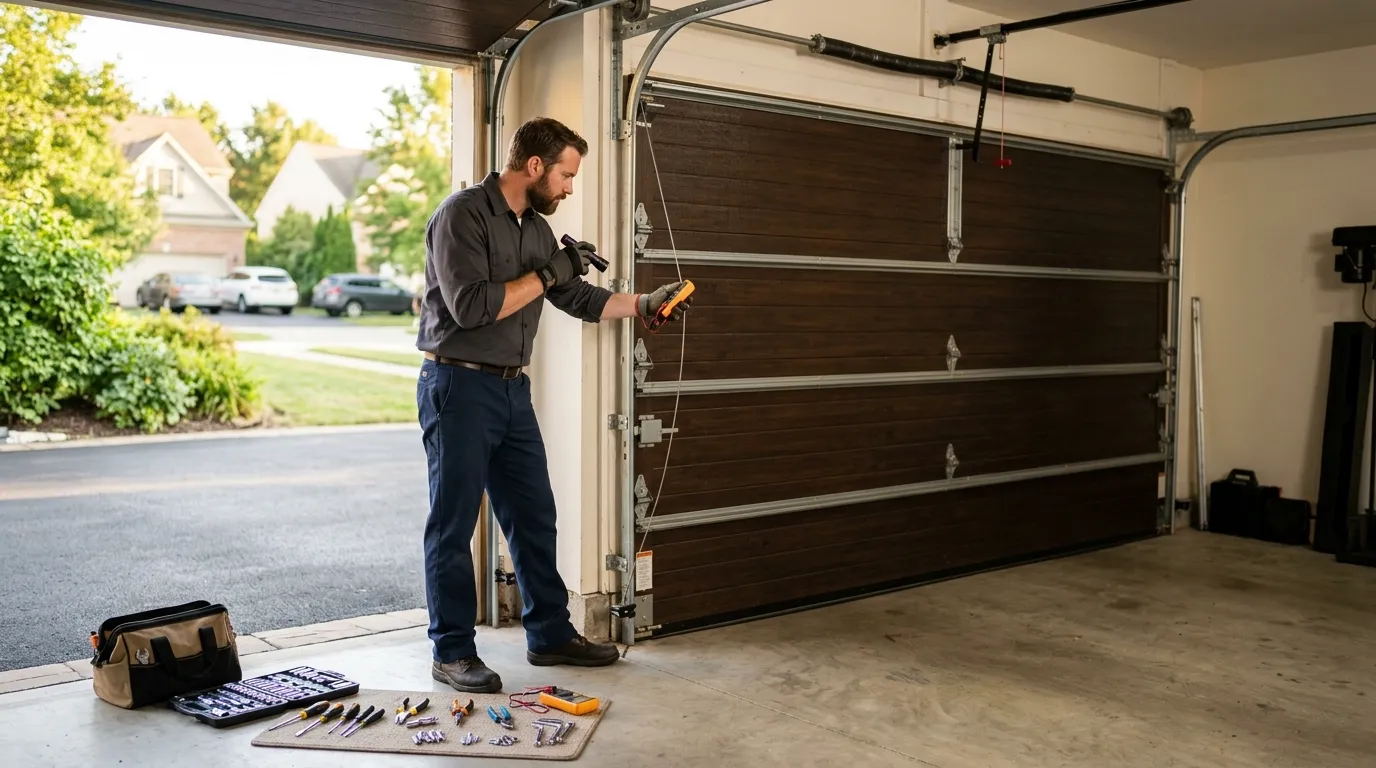
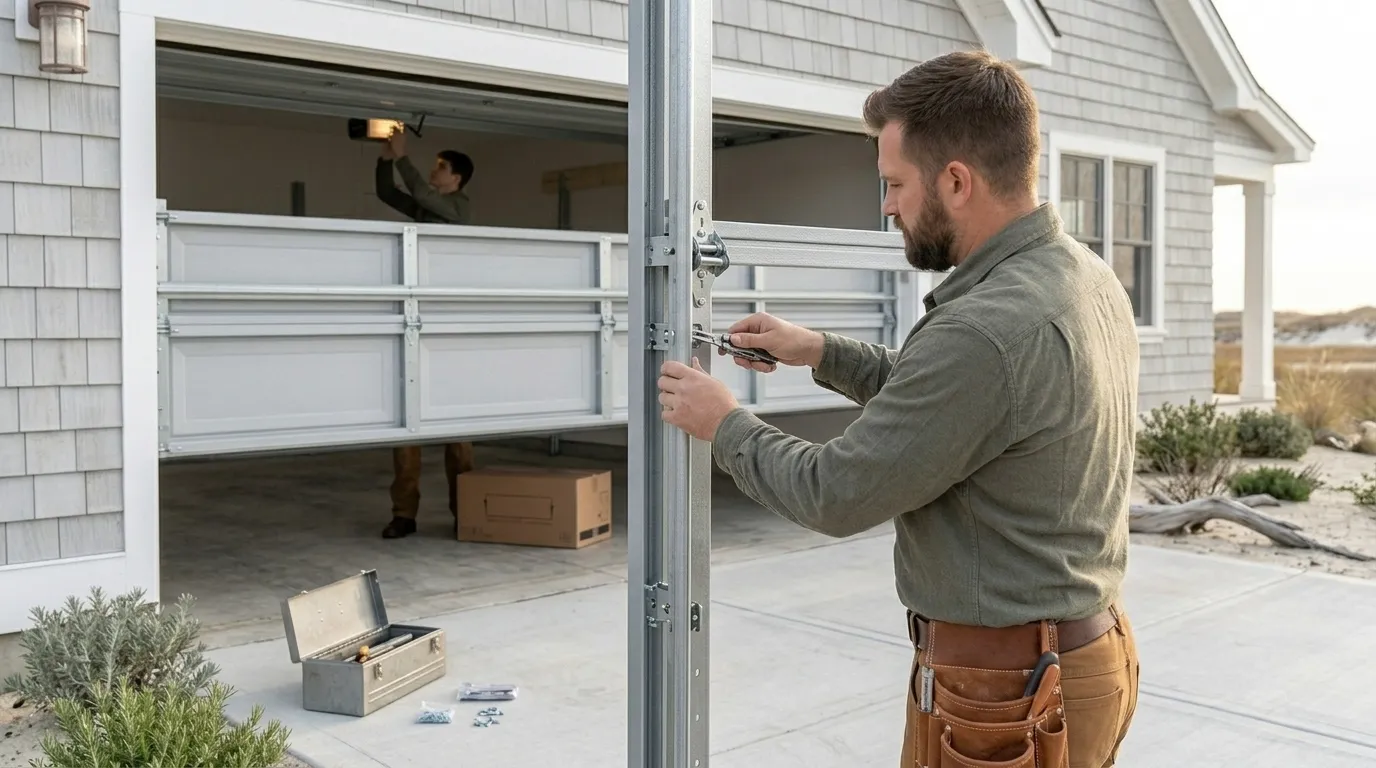
Before calling anyone, look at four things. First, the springs - with the door closed, is there visible gap or twist in the coils compared to when it was installed. Second, pull the manual release and lift the door by hand; if it's hard to lift past waist height or it drops on its own, the spring tension is off and that's not a DIY fix. Third, run a hand along the track for rust pitting or bent sections, which shows up more on doors from the 1960s and 70s that have never had the track replaced. Fourth, listen for the click-clack of the opener chain or belt slipping, which on older units built for lighter doors often means it's straining to lift something heavier than it was rated for. If the door is original to a house built well before 1994, there's a good chance more than one of these has aged out together, not separately.
When to Call Someone
Call when the door won't stay up on its own, when a cable looks frayed, or when you hear a spring bang - that's a broken torsion spring and it's under real tension, not a job to open up yourself. We'll also say plainly: on some of the oldest doors in this service area, the honest answer is replacement, not repair. If the track is bent in more than one place and the panels are original steel from the 1960s, patching the spring and calling it done just means another call in a year. With median household income across the service area at $80,202, most owners here choose the repair route when it's just the spring or a cable - and that's usually the right call. But we won't sell a repair on a door that's structurally done just to avoid saying so.