What Is on These Garages
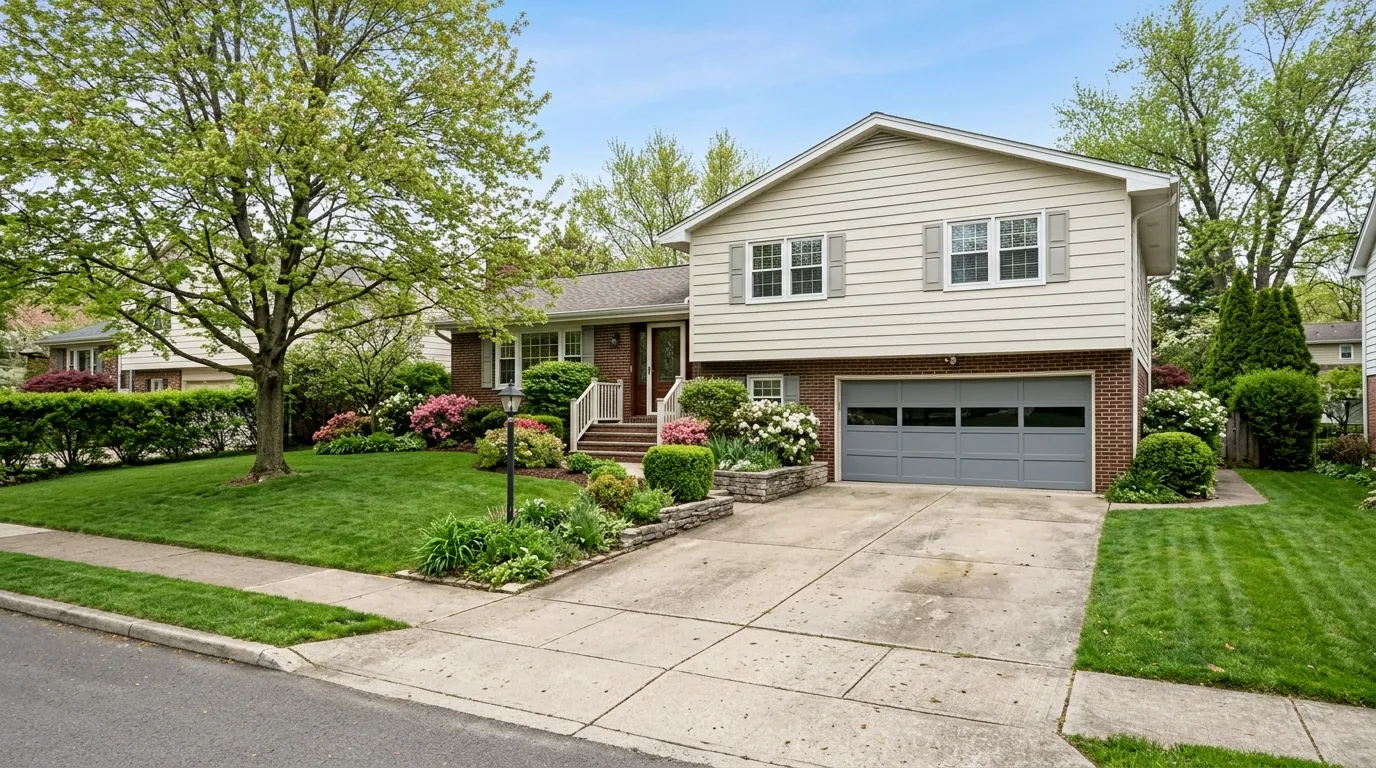
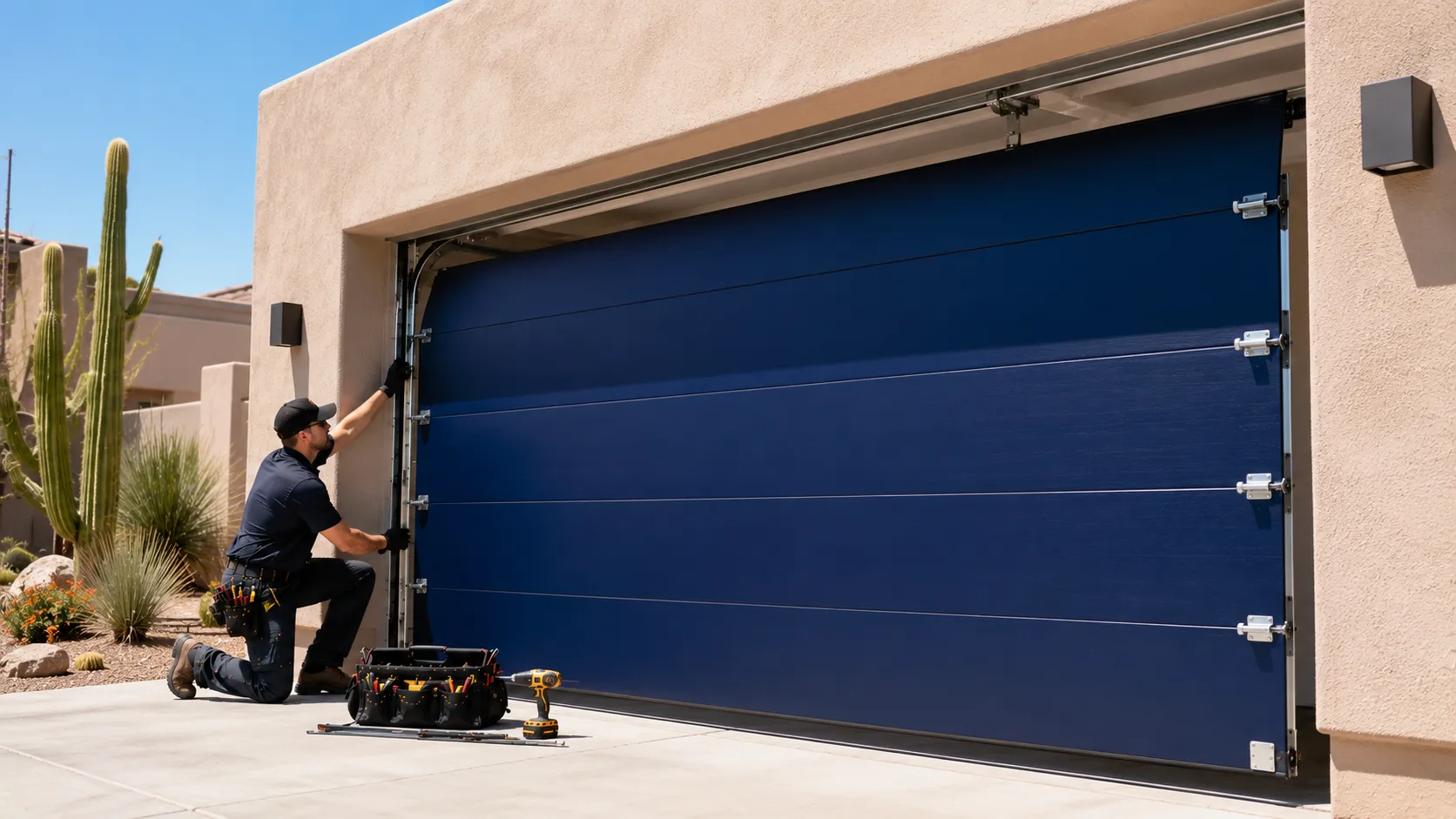
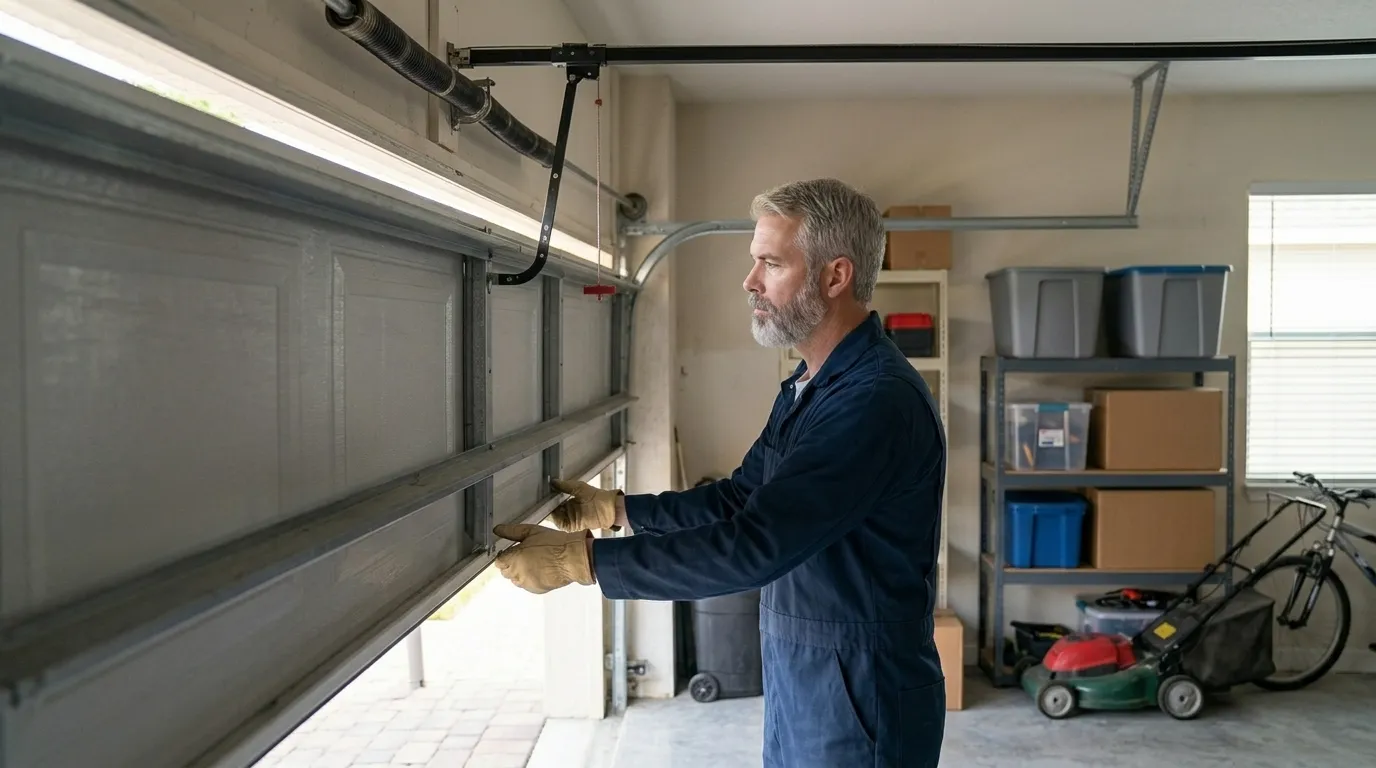
Greater Grand Crossing sits inside a service area where most housing went up between 1938 and 1964, and that build window shows up directly in the garages. A lot of what we find on these blocks is either the original steel sectional door from a mid-century remodel or a one-piece tilt-up door that's been patched more than once. Extension springs mounted along the horizontal track are common on the older single-car structures, since torsion hardware wasn't standard on every detached garage from that era. Openers vary more than the doors themselves - some houses still run older chain-drive units that were bolted on decades after the garage itself was built. We see rollers worn oval from age rather than heavy daily use, since a lot of these are one- or two-car garages serving a single household, not a commercial lot. None of this is exotic work. It's mostly parts that have simply outlived their expected life, on structures that were framed for a smaller car and a lighter door than what gets installed today.
Where You Are
Greater Grand Crossing sits about six miles southeast of the Loop, on the far edge of a service area that also covers close-in South Side communities like McKinley Park, Bridgeport, Back of the Yards, and Brighton Park, all within a couple of miles of downtown. Heading out toward Greater Grand Crossing means moving through blocks with a similar build era but different lot layouts, which is part of why we don't quote a job over the phone without seeing the garage. The service area as a whole covers 461,017 households and 223,261 owner-occupied houses, with a median household income of $80,202 - a wide mix of housing ages and garage types under one coverage map. Greater Grand Crossing's own stock leans toward that 1938-1964 build window, which puts it on the older end of what we cover, alongside other established South Side neighborhoods rather than the newer construction further out.
Typical Work
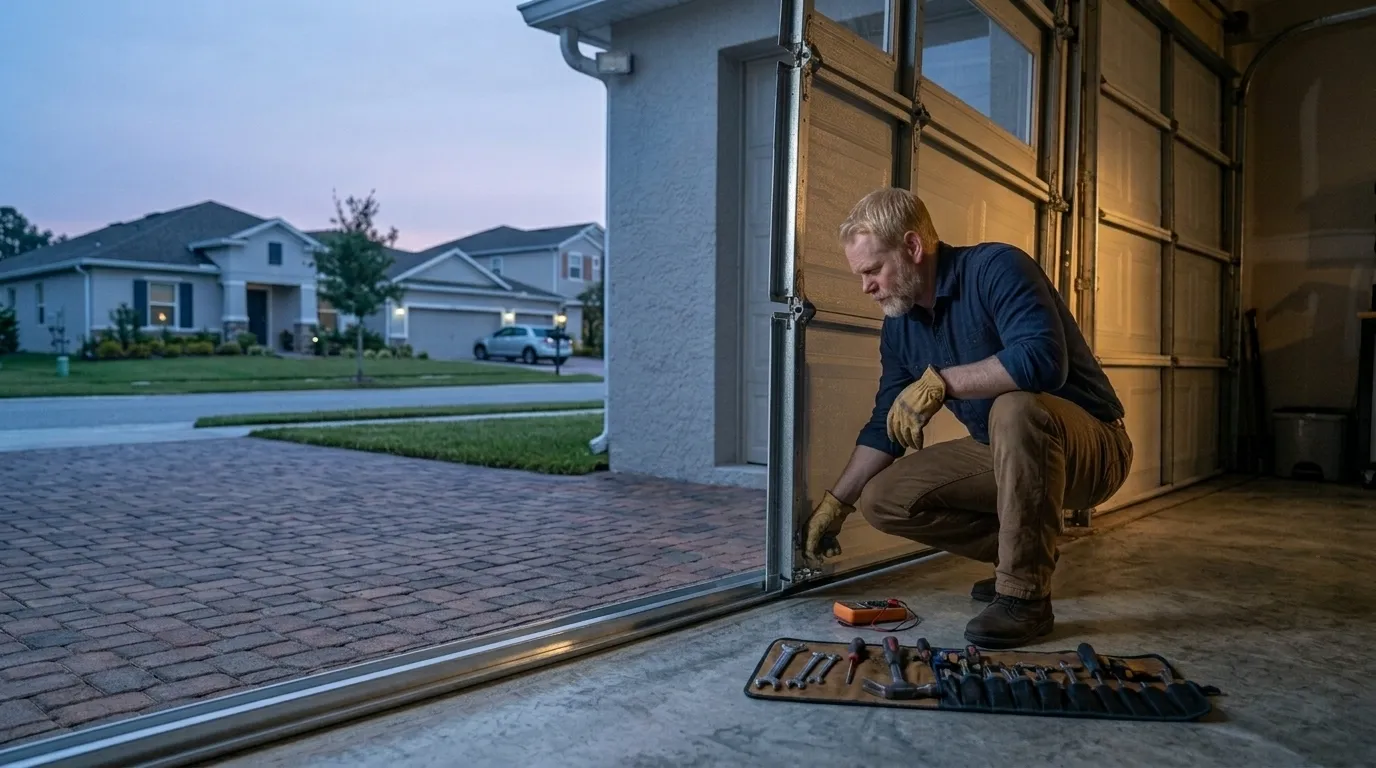
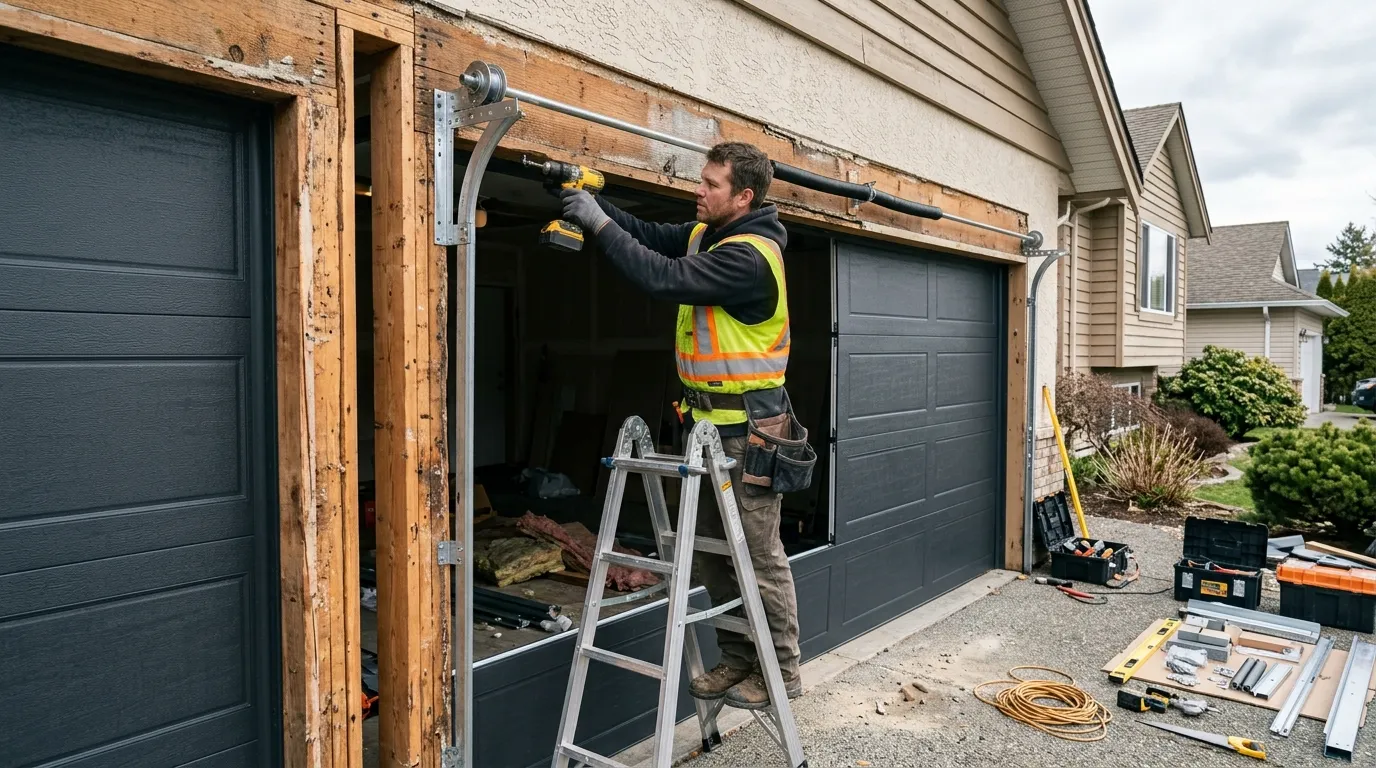
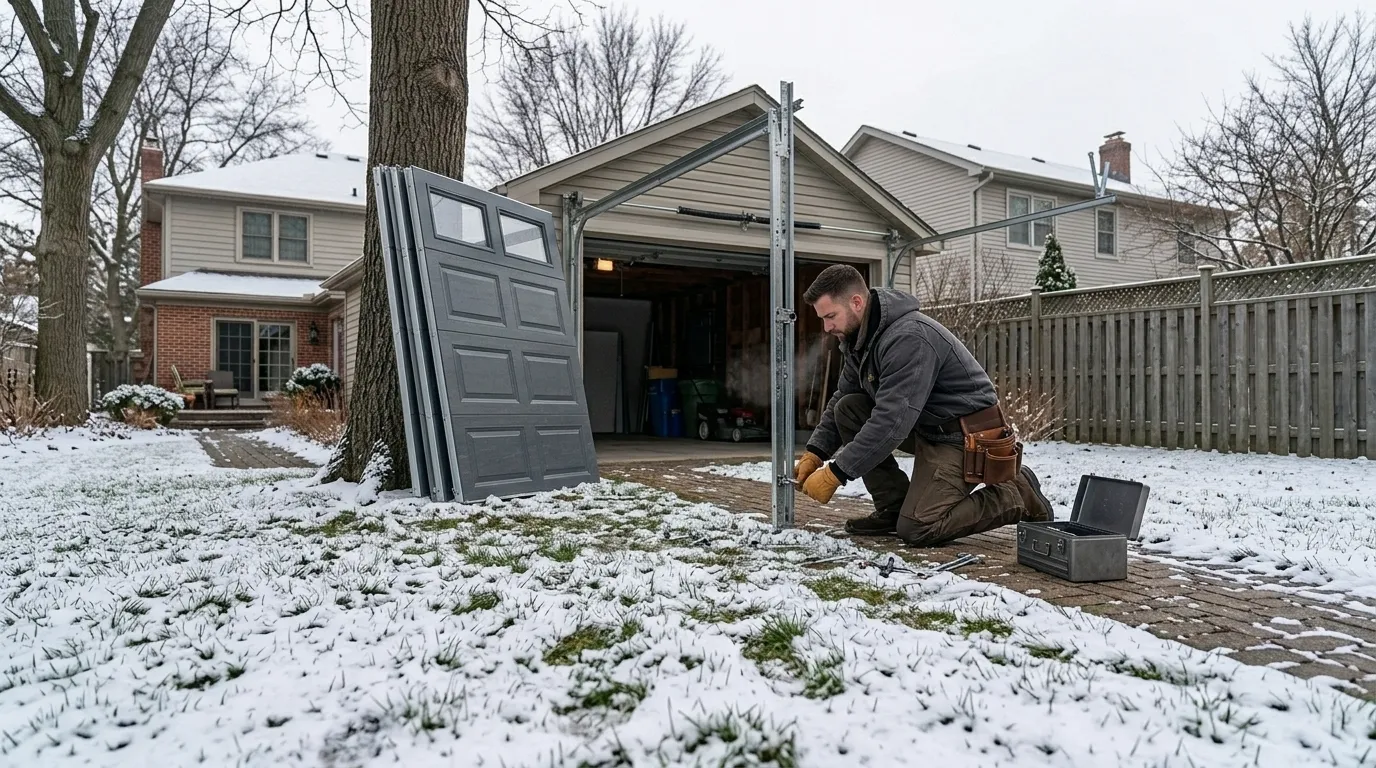
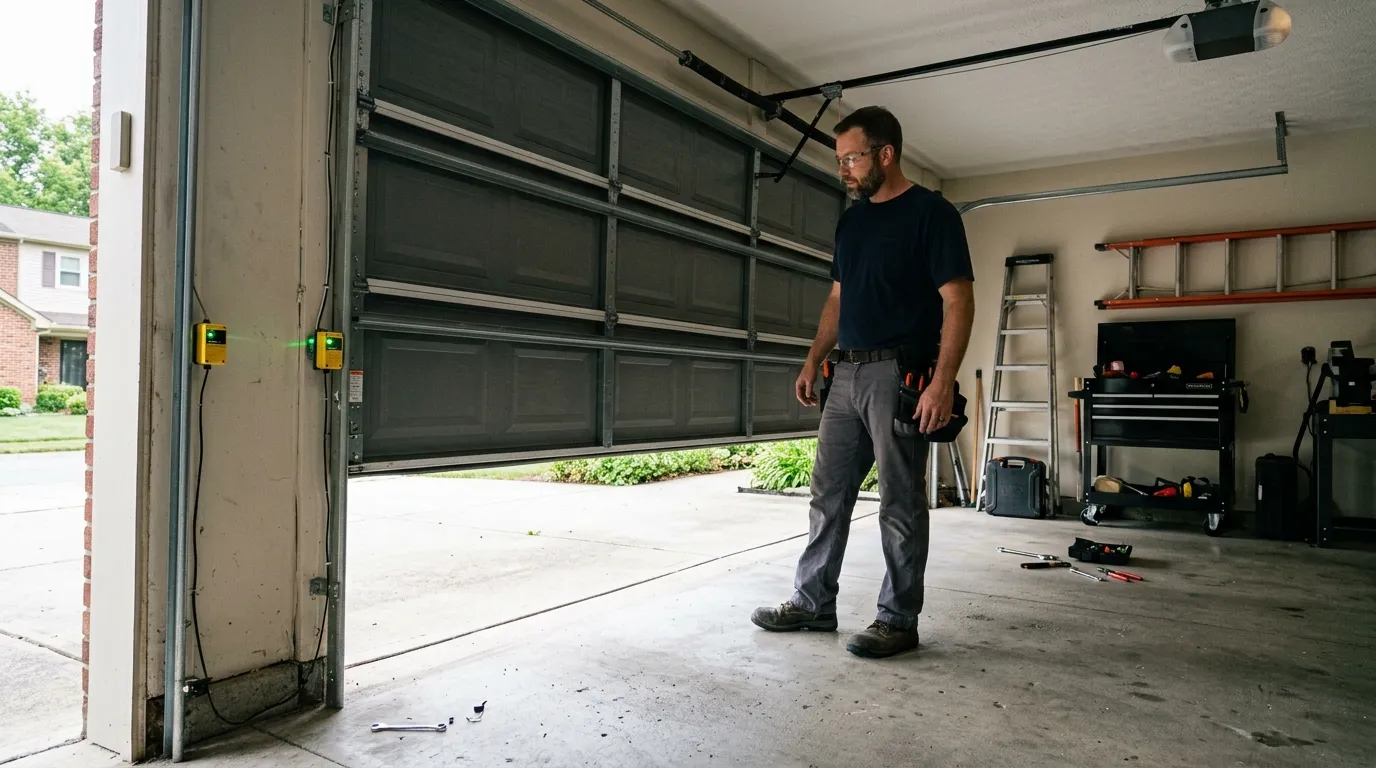
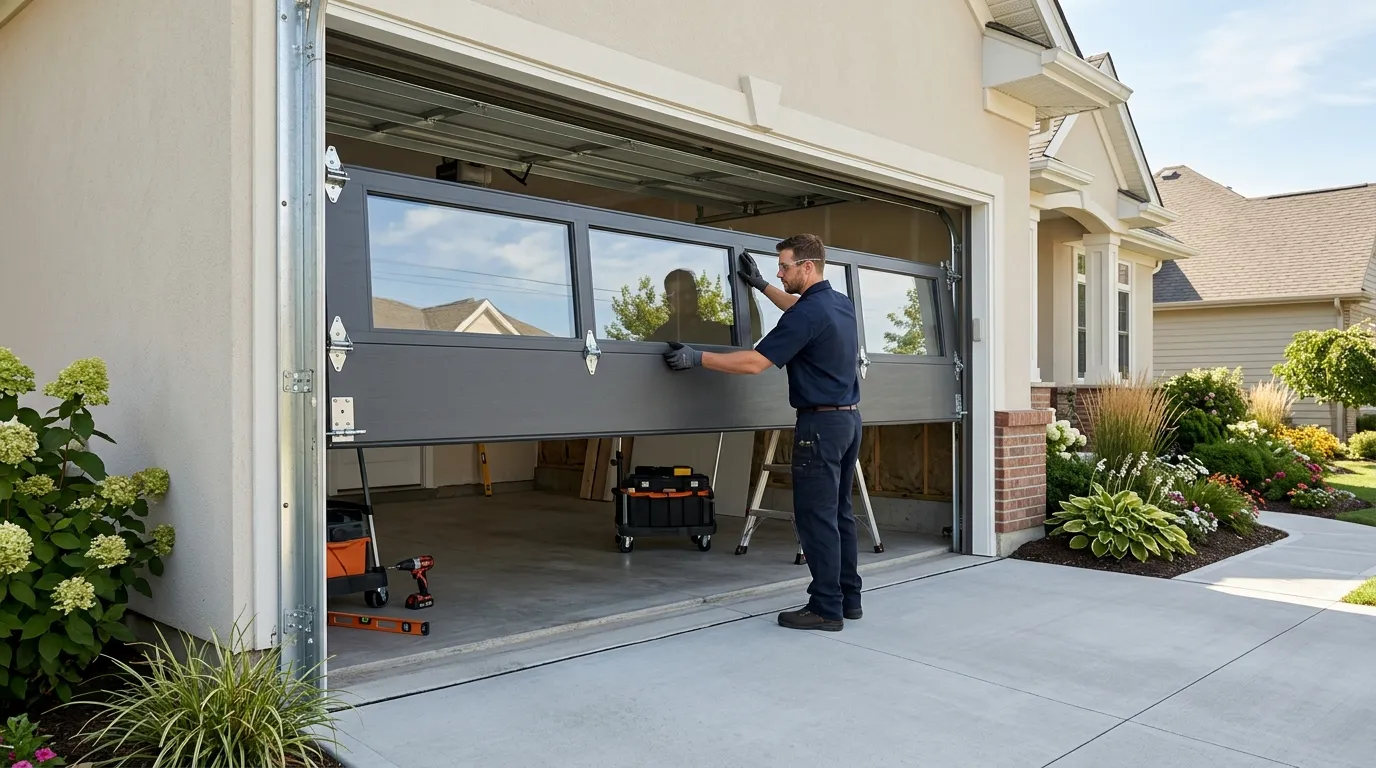
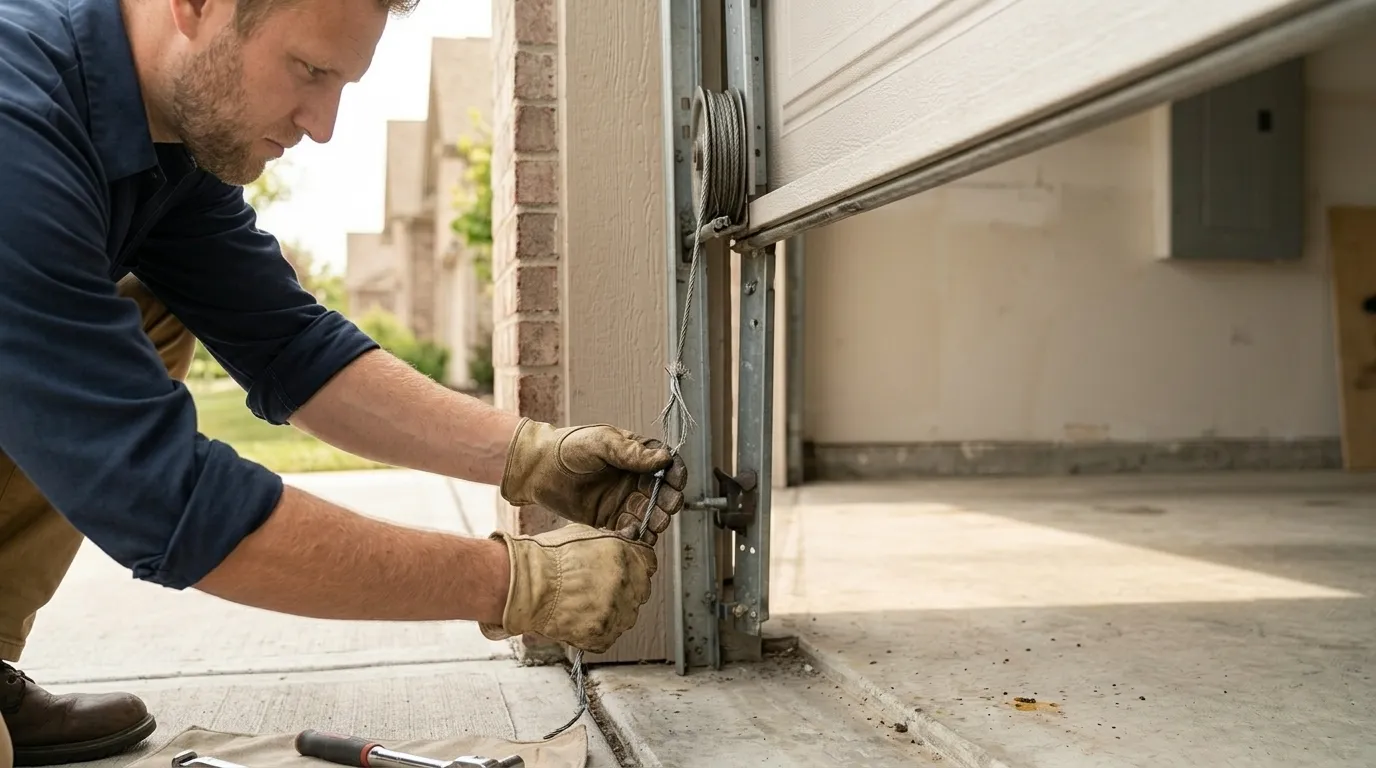
Most calls here are a broken torsion or extension spring, a cable off the drum, or an opener that's stopped responding to the wall button - the kind of failure you'd expect from hardware installed decades ago and never replaced. The cold-moderate climate here means metal contracts hard in a deep freeze, and a spring that's already fatigued from age is what usually lets go on the coldest morning of the year, not the mildest one. We also replace bottom brackets and rollers worn from decades of use on the same door, and we straighten or reinforce jambs on older detached garages before hanging a new door. One honest limit: if the jamb or header has rotted through rather than just gone out of square, patching it isn't worth doing twice - replacing the framing before the door goes back on is the only repair that holds. We don't do custom wood-clad doors; if that's what a house needs, that's outside what we stock or install.