24/7 Emergency Service Open 7 days · 7am–8pm Serving Chicago, IL & nearby
(708) 630-7529
Chicago, IL

Garage Doors in Marshall Square: Built for 1938-1964 Openings

Garage door repair for Marshall Square's 1938-1964 housing stock, a mile northwest of downtown Chicago, with work sized for original openings and hardware.

Garage Doors in Marshall Square: Built for 1938-1964 Openings
Chicago, IL
Licensed & insured
Free estimates
Residential & commercial

What Is on These Garages

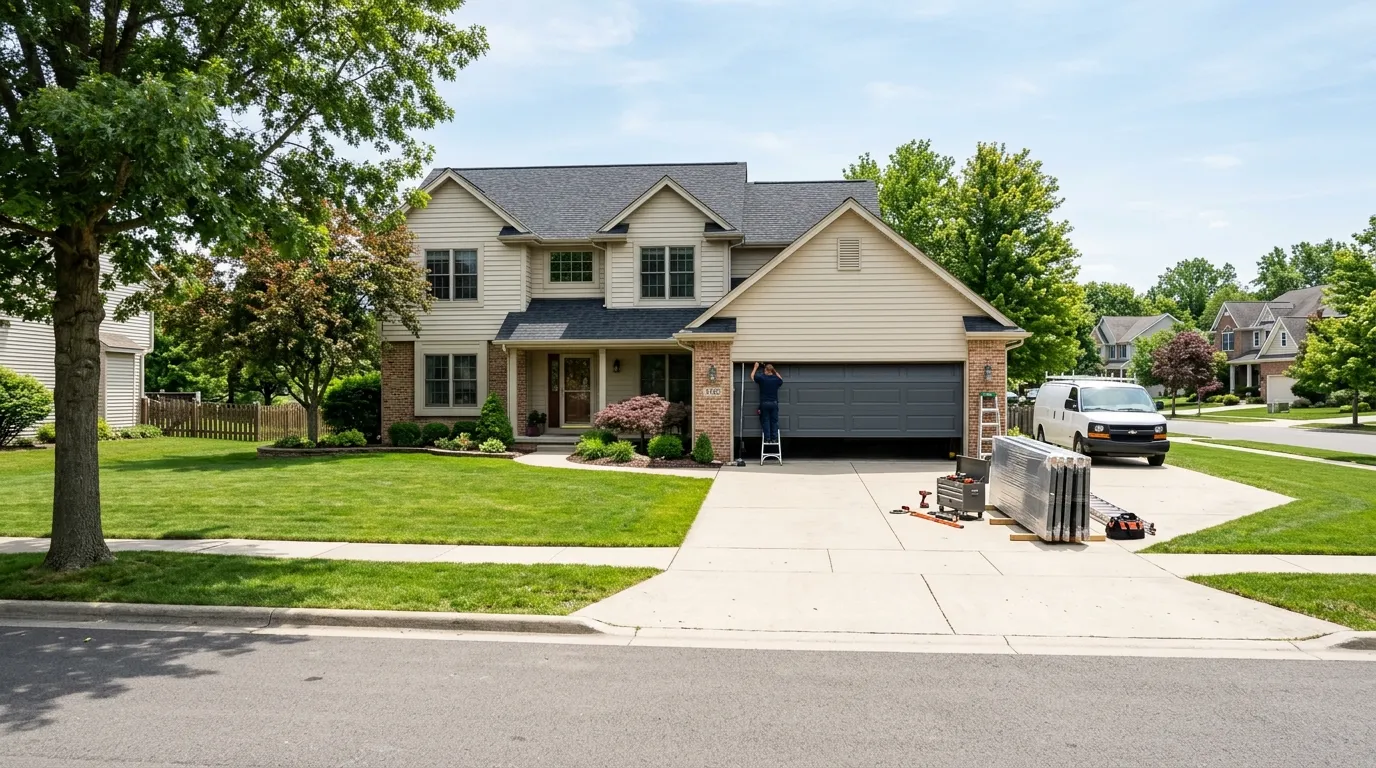
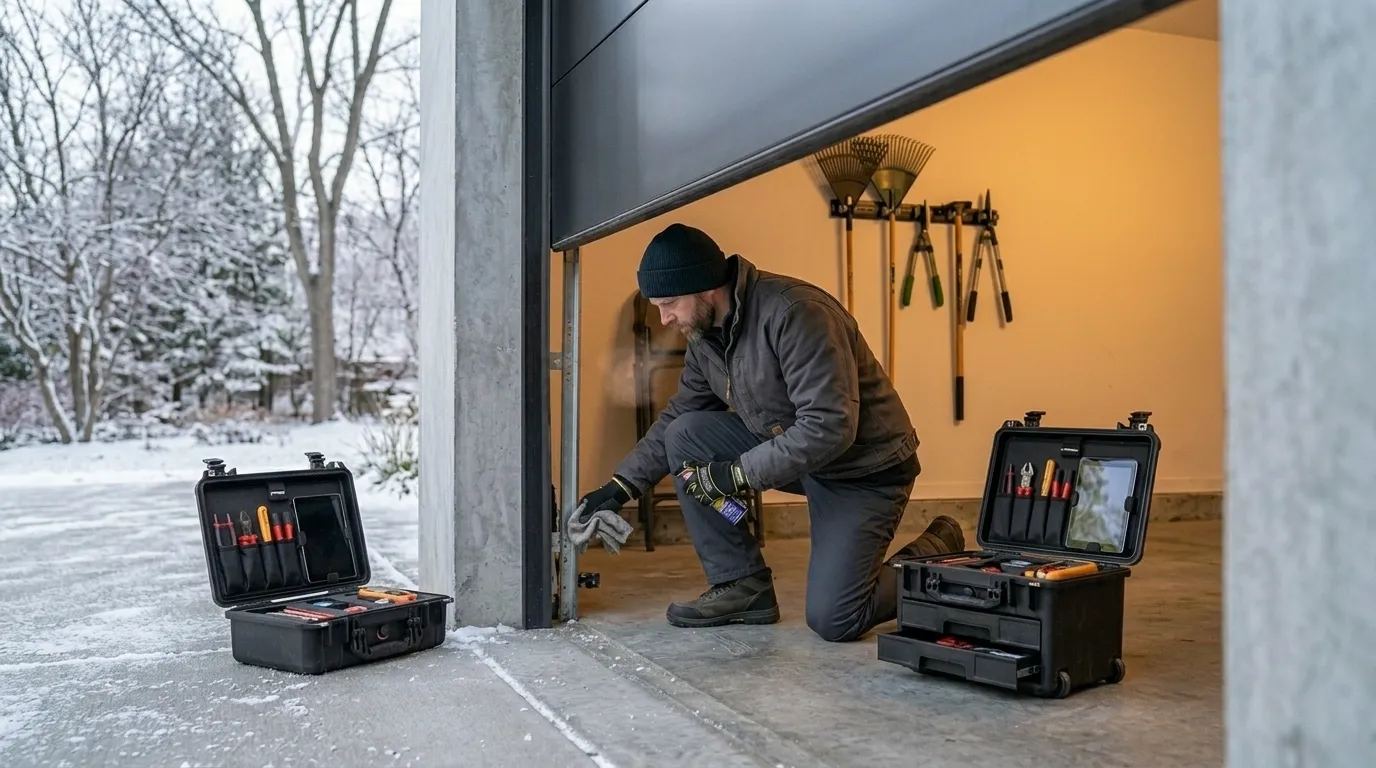
Marshall Square falls inside a stretch of Chicago where the housing went up mostly between 1938 and 1994, with the typical build year landing around 1964. That matters for garage doors because openings from that era were framed to different widths than what gets built today. A lot of the original garages still carry their first-generation steel doors or old wood sectional doors, sometimes with springs and track hardware that predate the parts most suppliers stock now. When a spring lets go on one of these, the replacement often isn't a straight swap - the drum, the shaft length, or the track radius can be slightly off from a modern kit, and the job takes a little more fitting than a newer build would. We don't stock every obsolete part on the truck, and on the oldest doors that can mean a short wait for the right piece rather than a same-day fix. Climate plays a part too. This part of Chicago sits in a cold, moderate climate band, so winters put real stress on hardware that's already sixty-plus years old - metal contracts, lubricant thickens, and a spring that's been marginal all summer tends to go in January.

Houses on These Streets

Without landmark or street-level detail for Marshall Square specifically, the honest picture comes from the housing era itself. A neighborhood built out mostly in the 1930s through the 1960s tends toward single-car garages, narrower door openings than modern two-car builds, and hardware installed once and rarely touched since. Torsion springs on doors this old are frequently undersized for the door weight if a heavier replacement panel went on at some point without upgrading the spring - a mismatch that shows up as a door that's hard to lift by hand or an opener straining on every cycle. Panels from this period were often steel over a wood frame, and moisture over sixty-plus years is the usual reason a bottom panel needs replacing before anything else on the door fails. We size springs and openers to the door in front of us, not to what a house that age should theoretically have, because by now most of these doors have had at least one part swapped or repaired along the way. That's typical of housing stock this old across this whole side of the city, not unique to any one block - but it's the reason a repair here often starts with checking what's actually installed rather than assuming factory-original parts.

Where You Are

Marshall Square sits about a mile northwest of the city center. Little Village is roughly a mile to the west-northwest, and Lower West Side is about a mile to the northeast, both close enough that a call here often lines up with a job on the same run. Heart of Chicago sits about a mile to the northeast as well, and McKinley Park is roughly a mile east-southeast. Moving out a bit, North Lawndale is two miles to the northwest and Brighton Park is two miles to the south-southwest - both still inside the tight cluster of neighborhoods immediately around Marshall Square. Farther out, Archer Heights runs about three miles to the southwest and East Garfield Park sits three miles north-northwest, with West Loop and Near South Side marking the four-mile edge of that closer group. We work this whole cluster, so a job in Marshall Square is never a special trip - it's part of the regular route through this side of the city.

Typical Work

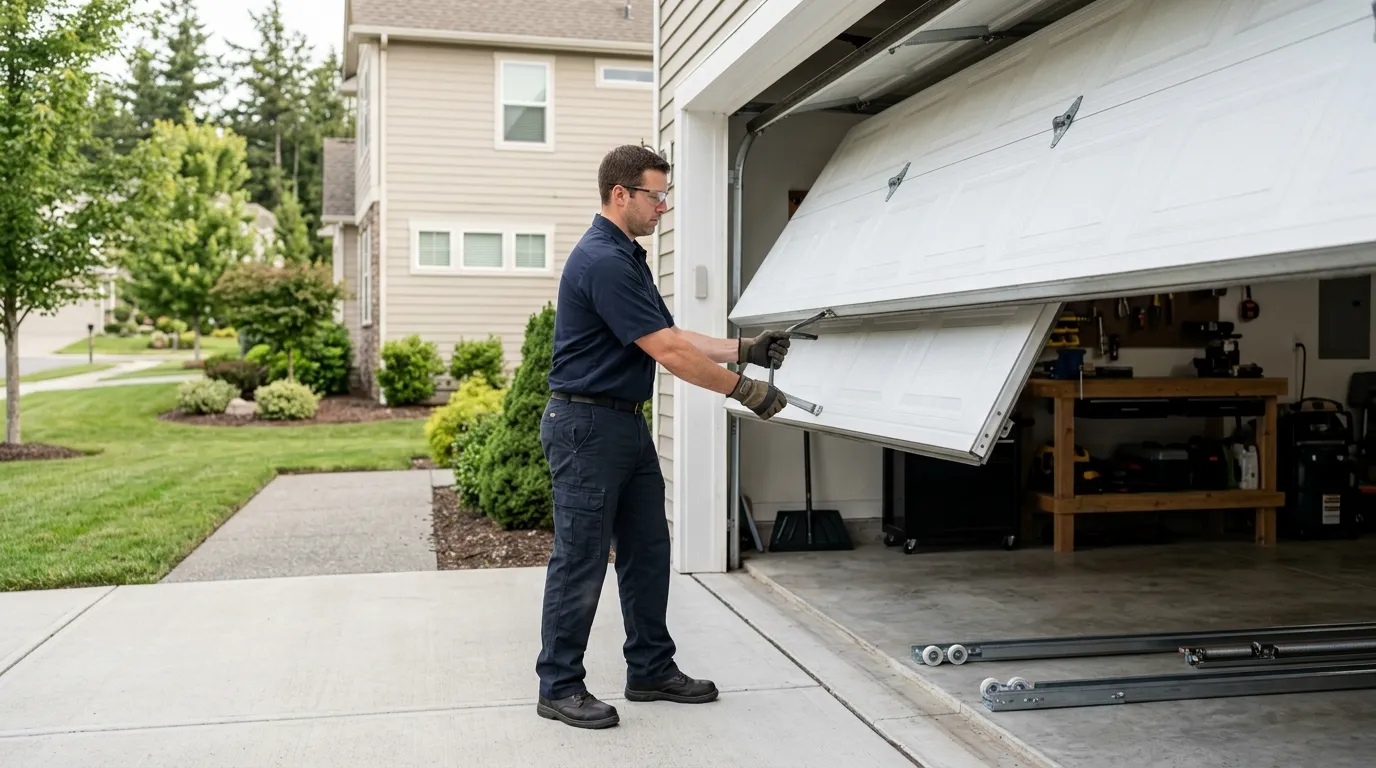
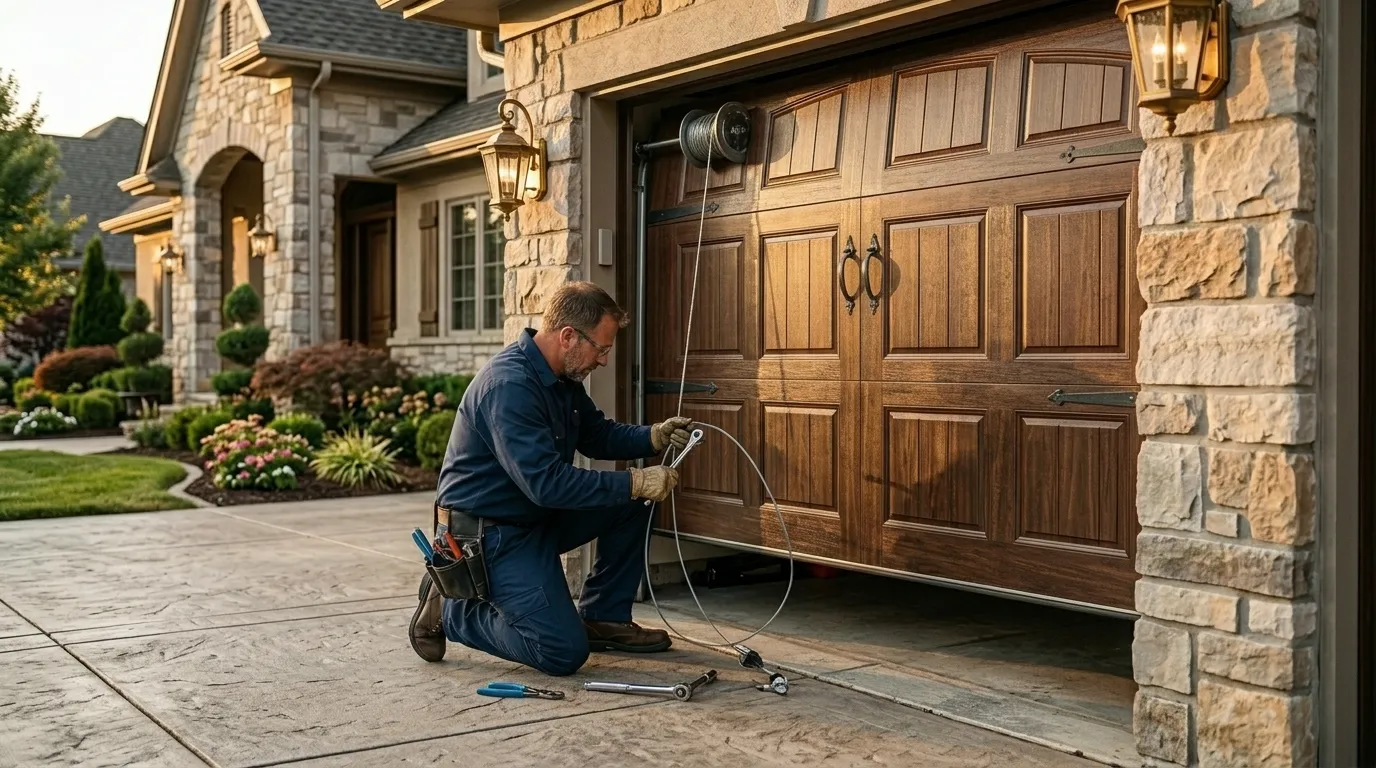
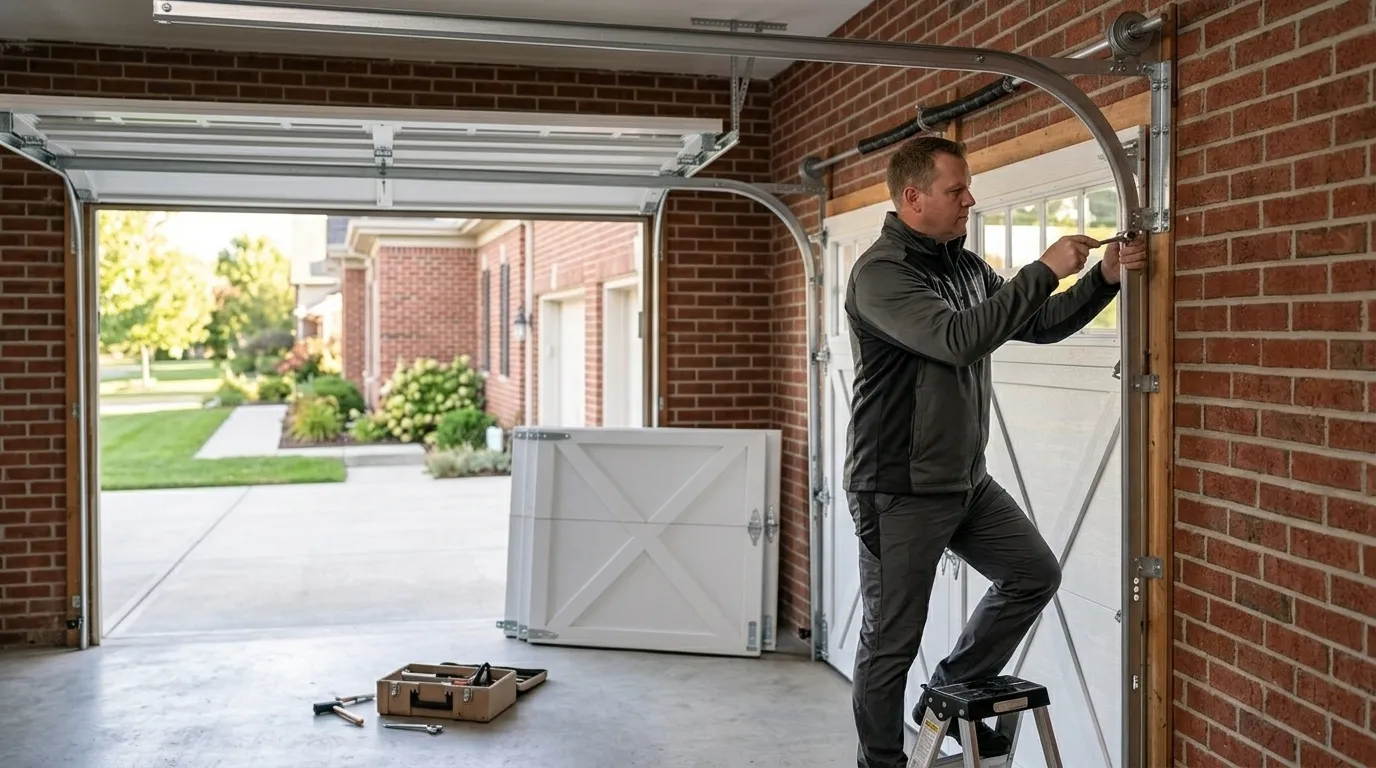
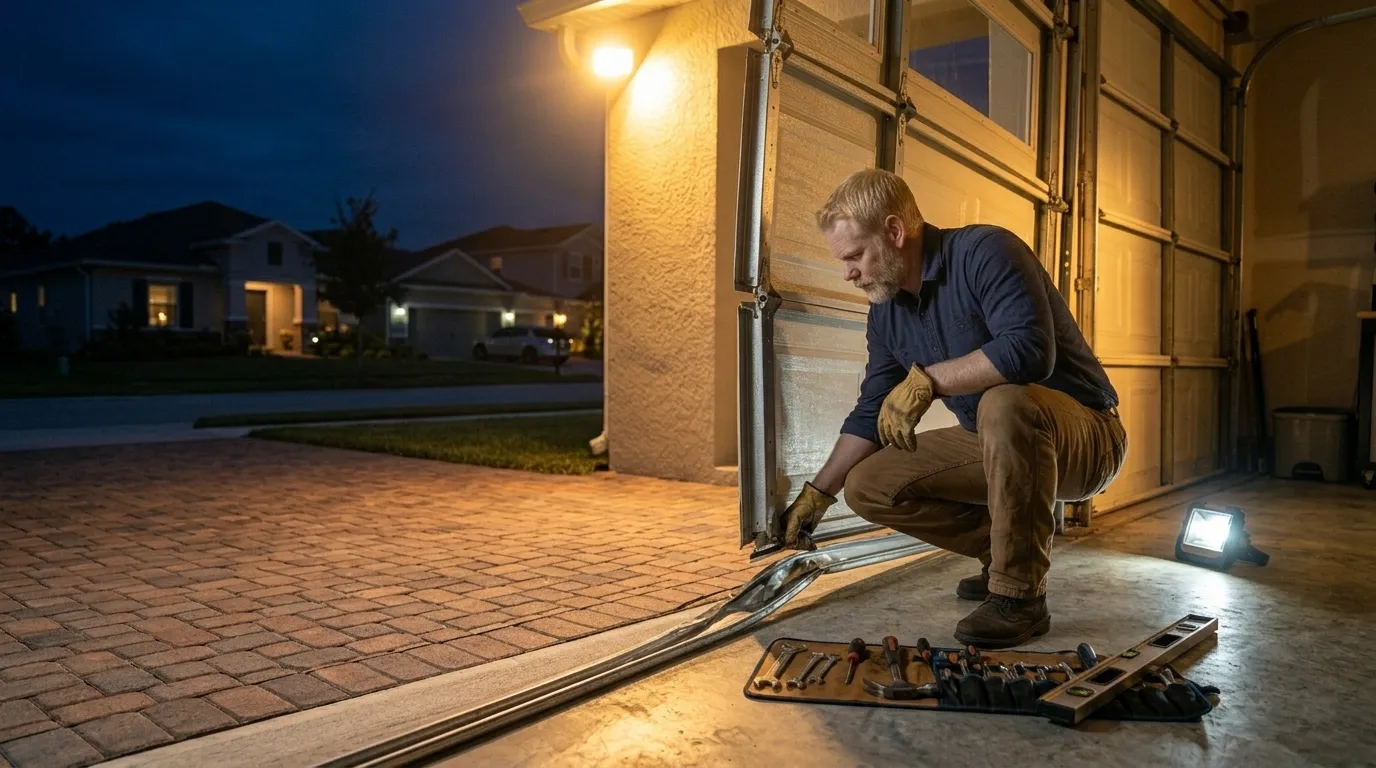
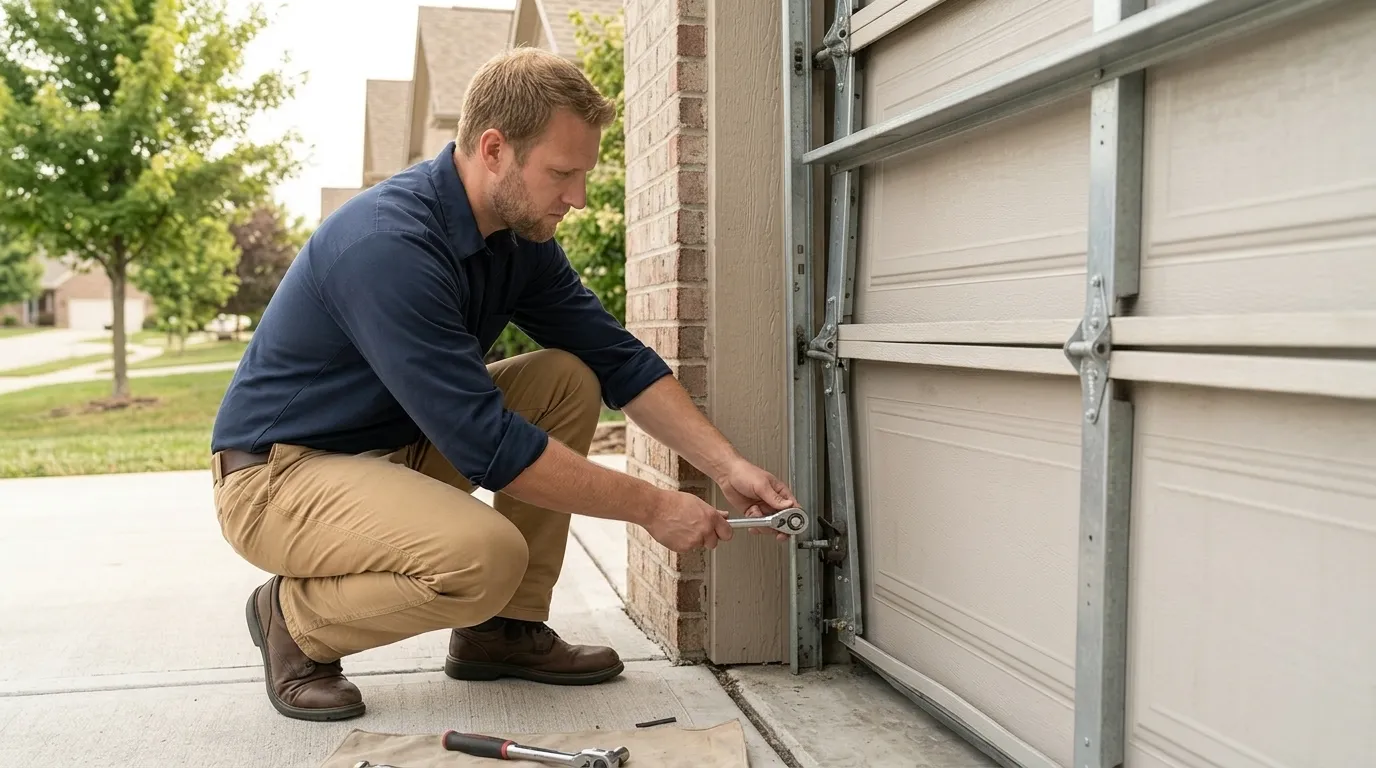
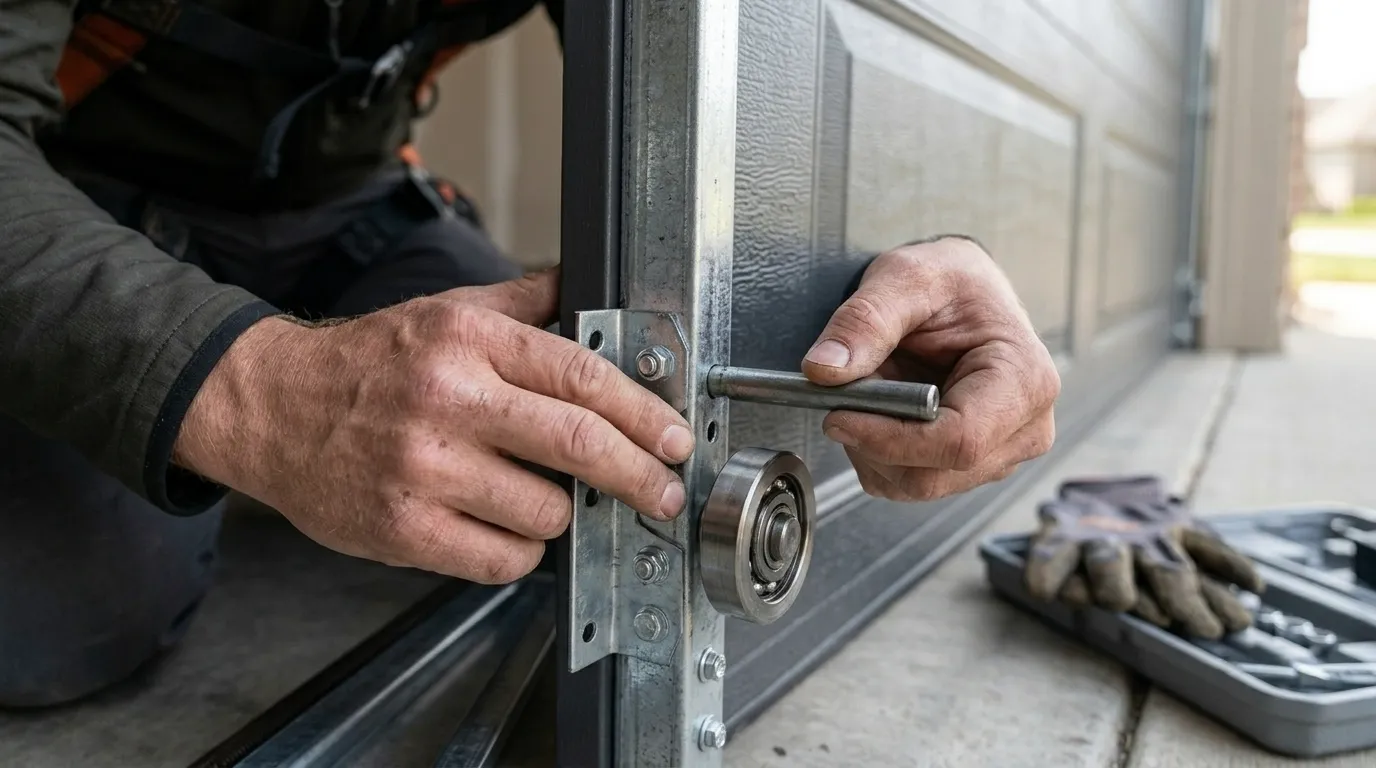
Most calls in a neighborhood with this housing profile break down into a handful of repeat jobs: torsion spring replacement on single-car doors sized for older openings, cable repair where the original cable has stretched or frayed over decades of cycles, and opener swaps where a unit installed years ago finally quits and the owner wants something newer with a battery backup, given how hard winters here can be on aging motors. Roller replacement comes up often too, especially on doors that have never had the track adjusted since installation. Where the panel itself is the problem - rust-through, warping, or a bottom section that's absorbed water for years - replacement usually makes more sense than patching, since a repaired panel on a door this old rarely matches the rest and doesn't hold up much longer anyway. We don't do full home remodeling or structural garage work, just the door, track, opener, and the hardware that runs them. If a job needs carpentry beyond the door frame itself, that's outside what we handle, and we'll say so upfront rather than take on work outside the trade.
How it works

From “it’s stuck” to “it’s fixed”

1
Tell us what’s wrong - Chicago garage door service

Tell us what’s wrong

Describe the symptom - won’t open, loud bang, opener runs but the door won’t move.

2
On-site diagnosis - Chicago garage door service

On-site diagnosis

A technician tests the door under power and by hand and finds what actually failed.

3
Clear, up-front plan - Chicago garage door service

Clear, up-front plan

You get the fix that’s needed and what drives the cost - before any work starts.

4
Repaired & tested - Chicago garage door service

Repaired & tested

The repair is done, the door is set true and tested, and the work area left clean.

Serving Chicago, IL - tell us what your door’s doing and we’ll take it from there.

How we work

What to expect

Diagnosis firstEvery visit starts by finding what actually failed - not a pre-written parts list.
The right part for the doorSprings and openers matched to the door’s weight and age, so the fix holds up.
Straight answersWhen a repair makes more sense than a replacement - or the reverse - you hear it plainly.
Clean, careful workTension released safely, hardware set true, the door tested under power before we leave.
2,664,452Residents in Chicago
4Garage door services
110Neighborhoods & suburbs
ILServing Chicago, IL
Who we help

Residential & commercial

Residential garage doors

Homes in Chicago

  • Single- and double-car garages
  • Spring, cable & opener repair
  • New door installation
See services
Commercial garage doors

Businesses & property

  • Rolling steel & sectional doors
  • Loading-dock doors
  • Built for higher cycle counts
See services
Questions

Frequently asked

Straight answers about garage door repair in Chicago. Still unsure? Ask us directly.

Are parts hard to find for older garage doors in Marshall Square?

Sometimes. Doors and hardware from the 1938-1994 building period this area falls into don't always match modern standard sizes, so a spring, drum, or track section occasionally has to be special-ordered rather than pulled off the truck. We'll tell you upfront if that's the case rather than guess.

Why does my old garage door get harder to lift every winter?

This part of Chicago sits in a cold, moderate climate zone, and cold makes lubricant thicken and metal contract. On a torsion spring that's already older and slightly weak, that extra resistance is often what finally shows up as a door you can barely lift by hand.

Do you cover neighborhoods near Marshall Square too?

Yes. We regularly work the close cluster around Marshall Square, including Little Village, Lower West Side, Heart of Chicago, and McKinley Park, all within about a mile, along with North Lawndale and Brighton Park a couple miles out.

Should I repair or replace an old steel panel?

If it's rusted through or the wood core behind it has taken on water over the years, replacement is usually the better call. A patched panel on a door this old rarely matches the rest of the door and won't hold up much longer than the original did.

Ready to get your garage door sorted?

Tell us what it’s doing and where you are in Chicago - we’ll take it from there.

Request a QuoteCall