The Cost of This Job
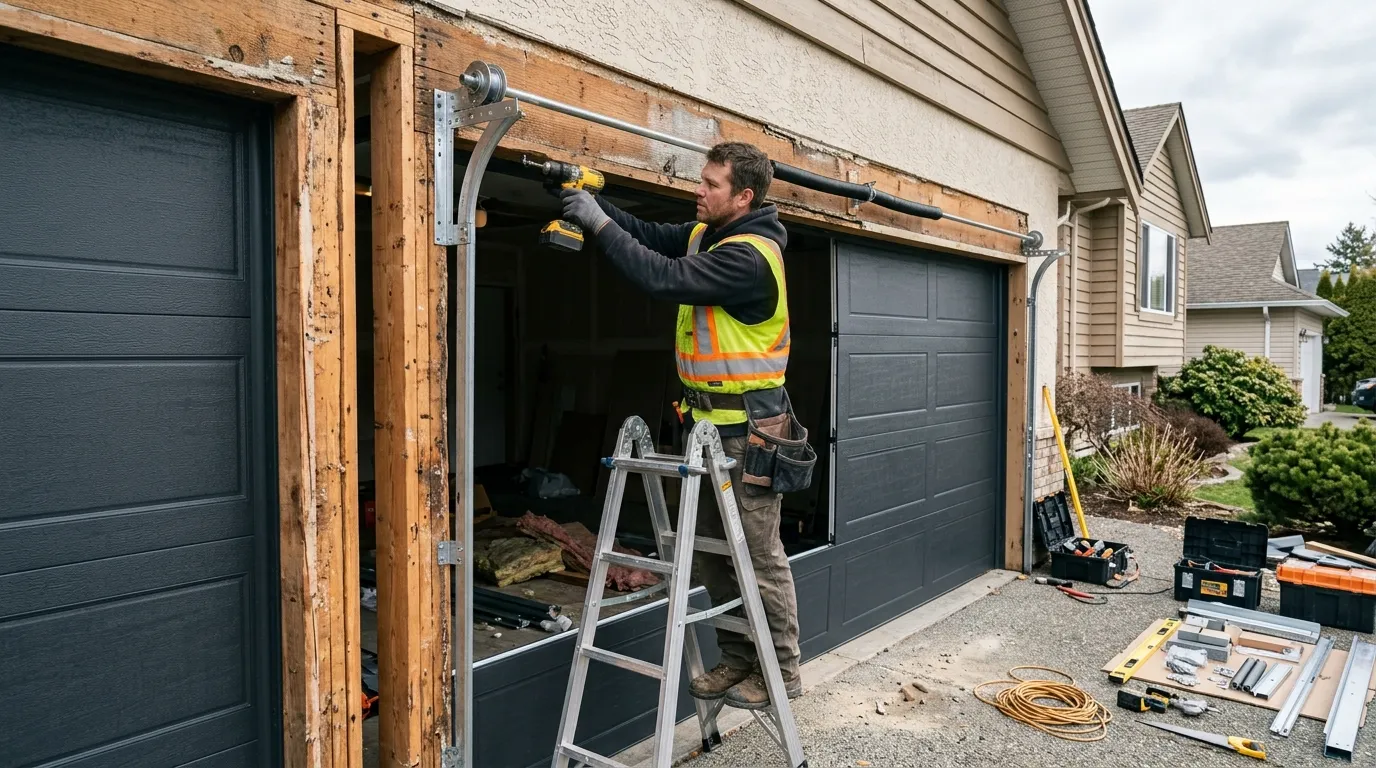
We can't give you a number until we see the opening. A single door install runs different from a double, and an insulated steel door with a matching opener costs more than a bare panel door with no automation. What we can tell you is what drives the price on most jobs here: door size, insulation rating, whether the existing track and header need rework, and whether the opener gets replaced at the same time.
With a median household income of $80,202 across the service area, most owners here are replacing a door once, not twice, so getting the sizing right the first time matters. That's the honest limitation of any quote given over the phone - we'd rather measure the opening and look at the framing than guess and come back twice.
What we don't do is push a full teardown when a panel swap or a track realignment solves the problem. If the frame is square and the drums are sound, replacing the whole door because the old one looks tired isn't the right call, and we'll say so on the walk-through.
What Is on the Truck
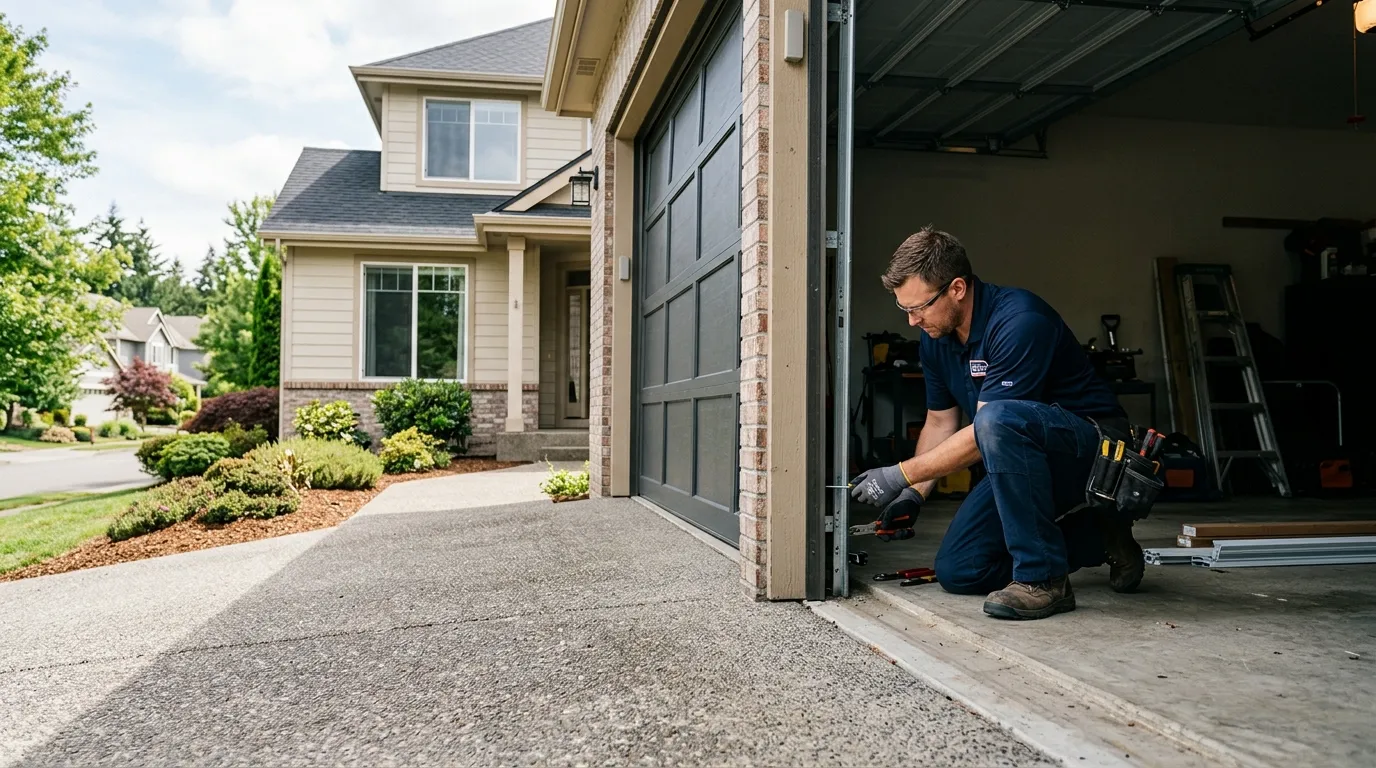
For installs we carry insulated steel doors in the standard residential widths, plus the track, drums, and torsion hardware sized to match openings from both the older framing common across this service area and newer standard construction. Insulated panels matter here - given the cold climate band this city sits in, a door without a thermal break is a poor match for the winters, and we default to insulated stock for that reason.
Across 461,017 households and 223,261 owner-occupied houses in this area, the openings framed in the 1960s often run narrower than today's standard 16-foot double door, so we carry hardware for both the older narrower spec and the current standard. That means torsion springs rated for a range of door weights, not one fixed size, and track sections we can cut to fit an opening that's been reframed or shimmed over the decades.
We stock the openers and safety sensors needed for a same-day install on most jobs, but a custom-width door or a specialty finish is special order, and that's a lead time we can't shorten - it comes from the manufacturer, not from us.
What You Are Seeing
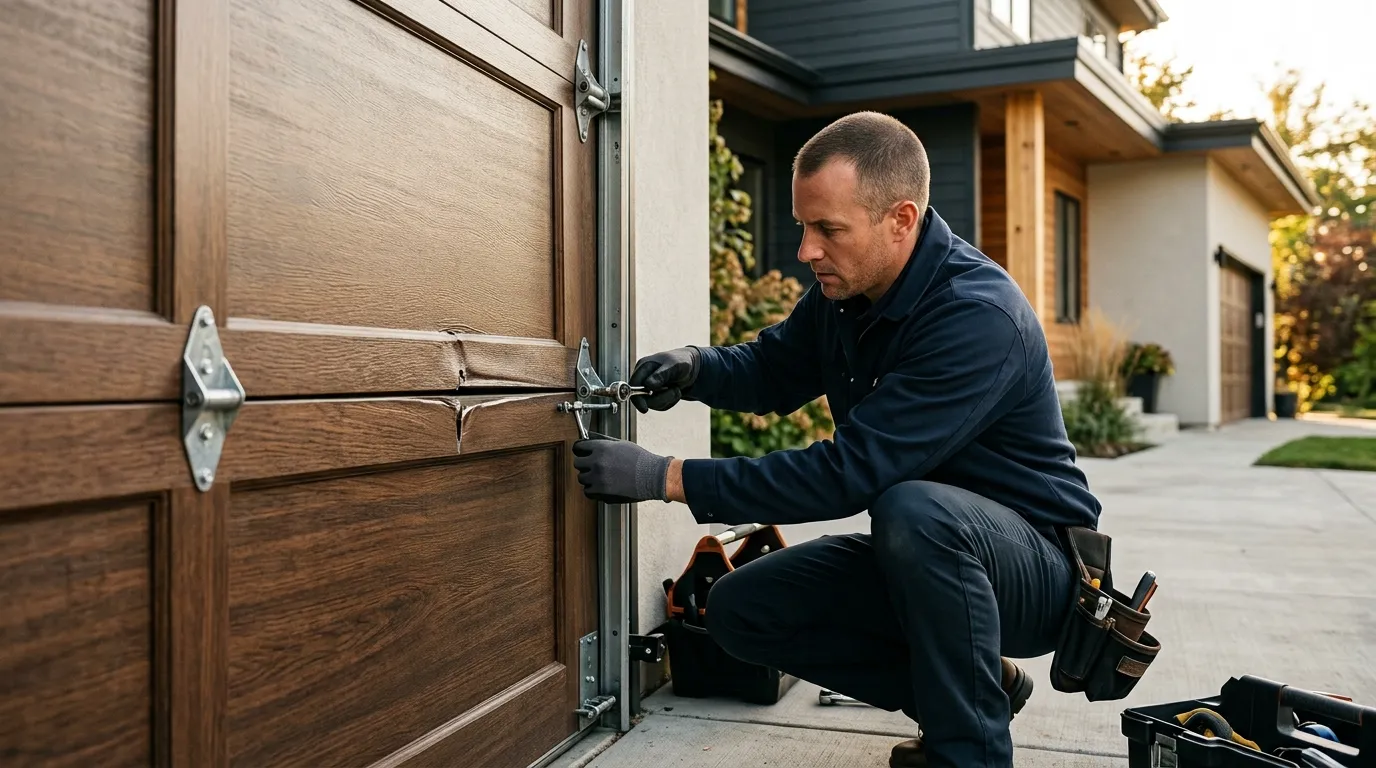
If your door is original to a house built in that 1938-to-1994 window, the signs are usually the same: panels that have gone wavy or rusted at the bottom corners, a door that's heavier to lift by hand than it should be, or an opener straining and reversing partway up. None of that means the opener is bad - it often means the door itself has picked up enough weight from rust and warping that the springs and opener are working against a door that's heavier than the one they were set up for.
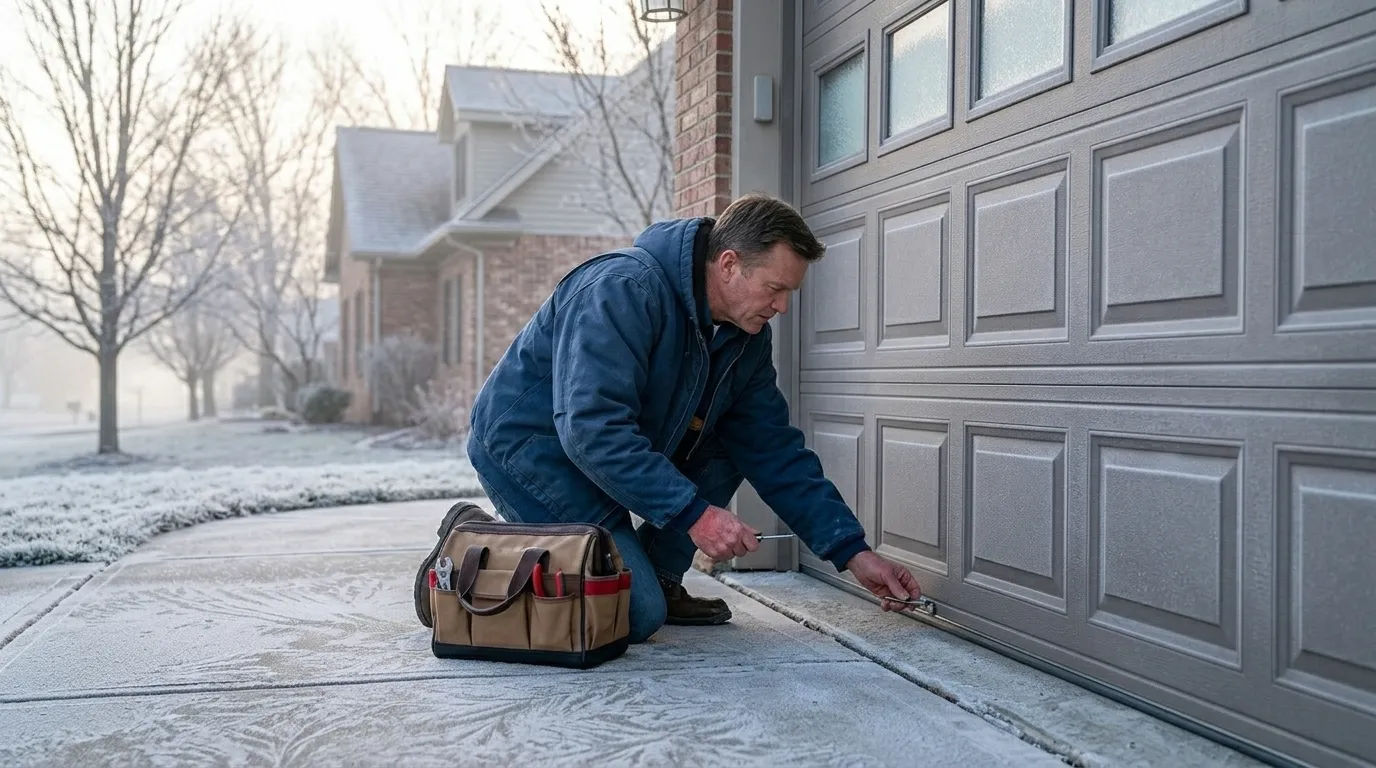
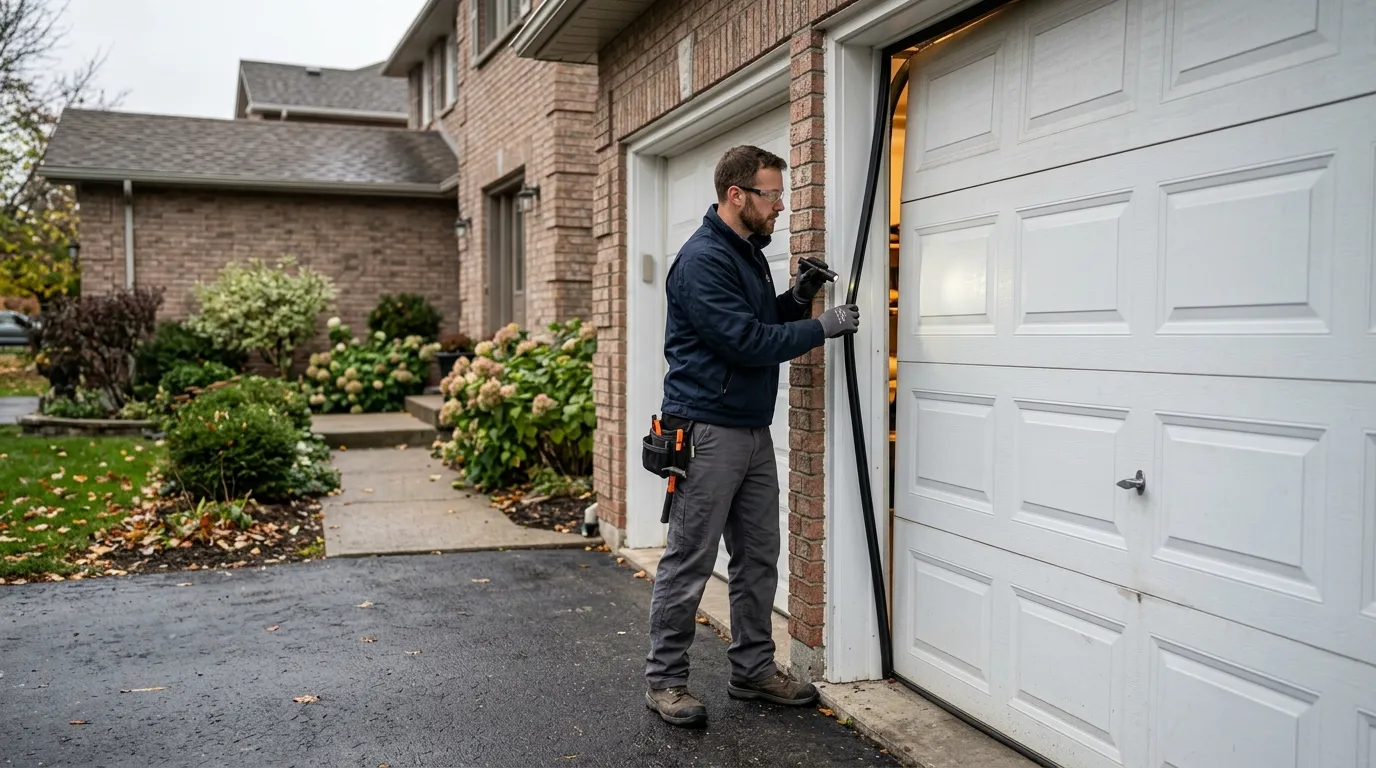
Gaps at the bottom or sides that let daylight through are common on doors from that era too, since the weatherstripping and even the panel seams were never built to the insulation standards used now. In a cold-climate city, that gap is more than a draft - it's where the cold gets in fastest.
If you're seeing a door that's still structurally fine but just outdated on insulation and looks, that's a different conversation than a door with bent track or a broken spring. We'll tell you which one you've actually got before we talk about replacing anything.