
24/7 Emergency Service Open 7 days · 7am–8pm Serving Chicago, IL & nearby
(708) 630-7529
Chicago, IL

Garage Doors in Lower West Side

Garage door repair for Lower West Side homes, most built between 1938 and 1994. We know the springs, tracks, and openers this housing stock actually has.

Garage Doors in Lower West Side
Chicago, IL
Licensed & insured
Free estimates
Residential & commercial

What Is on These Garages

Lower West Side sits inside a service area where the housing stock runs 1938 to 1994, with the median build year at 1964. That puts most garages here squarely in the torsion-spring era rather than the older extension-spring setups you find in pre-war blocks. A door installed when a house went up in the late 1950s or through the 60s and 70s usually came with a single torsion spring rated for a lighter, often single-layer wood or early steel panel door - not the heavier insulated doors people buy today. When a homeowner swaps in a heavier replacement door but keeps the original spring and drum, the spring wears out faster and the opener strains to lift it. That mismatch is one of the more common calls we get from blocks built in this window. We also see a fair number of openers that were added on later - chain-drive units bolted onto hardware that predates them by twenty or thirty years, which means brackets and header mounts that don't quite match modern install specs.

Houses on These Streets

Because the neighborhood's housing sits in that 1938-1994 build range, garages tend to fall into two rough groups: the older end from the late 30s through the 50s, where you'll still find some original wood jambs and narrower door openings, and the 60s-70s majority, where steel sectional doors on torsion hardware became standard. Either way, the hardware is decades old on a lot of these garages, and steel tracks from that era were often galvanized but not the heavier gauge used now, so bent tracks and worn rollers show up more than you'd expect on doors that otherwise still look fine. Chicago's cold winters make this worse - a track that's slightly out of alignment in October can be seized or grinding by January once the cold stiffens the grease and shrinks the metal tolerances slightly. We don't have a landmark or block-by-block list for this one, so we're speaking to the era, not the address. If your garage doesn't match this general profile, the fix is still usually spring, track, or opener - we just size the job once we're there.

Where You Are

Lower West Side sits close to the middle of a dense pocket of Chicago neighborhoods we work in regularly: McKinley Park is about a mile to the ESE, Heart of Chicago about a mile NNE, Marshall Square a mile NW, and Little Village a mile WNW. Bridgeport is roughly two miles east and Near West Side about two miles NNE, with Little Italy around three miles NE. That puts Lower West Side inside a tight cluster of older Chicago housing stock rather than out on the edge of the service area, which matters for parts and scheduling - we're not driving across town for a single call here. The broader service area covers 461,017 households and 223,261 owner-occupied houses, and median household income across that area runs $80,202, which is useful context but not specific to any one block in Lower West Side. We don't have named streets or landmarks for this neighborhood, so we're not going to invent any - what we know is the housing era and the geography around it.

Typical Work

Given the build era here, the calls we expect are torsion spring replacement on doors that have never been serviced, roller and track work on hardware that's outdated but not necessarily damaged, and opener swaps where a homeowner is replacing a unit that's outlived its motor but keeping the same door. Cold-weather issues are real in this climate band - metal contracts, lubricant thickens, and a door that worked fine in September can bind in January. One honest limit: if a door's track or jamb is original to a house built in the 40s or 50s and it's badly rusted or rotted, sometimes the right call is replacing the whole unit rather than patching hardware that's fifty-plus years past its design life. We'll tell you that instead of billing you for a repair that won't hold. We don't do full structural carpentry - if the header or framing around the opening has failed, that's a call for a contractor before we hang new hardware.
How it works

From “it’s stuck” to “it’s fixed”

1
Tell us what’s wrong - Chicago garage door service

Tell us what’s wrong

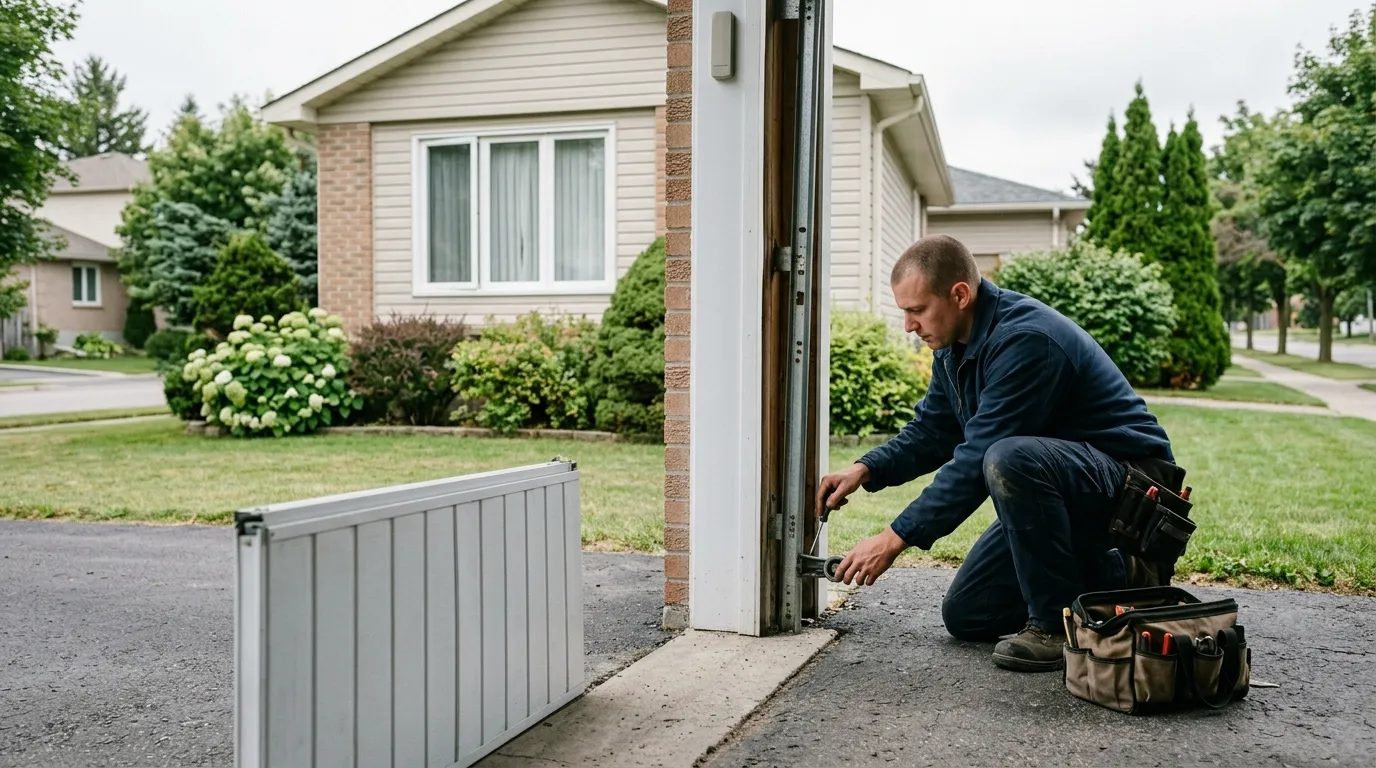
Describe the symptom - won’t open, loud bang, opener runs but the door won’t move.

2
On-site diagnosis - Chicago garage door service

On-site diagnosis

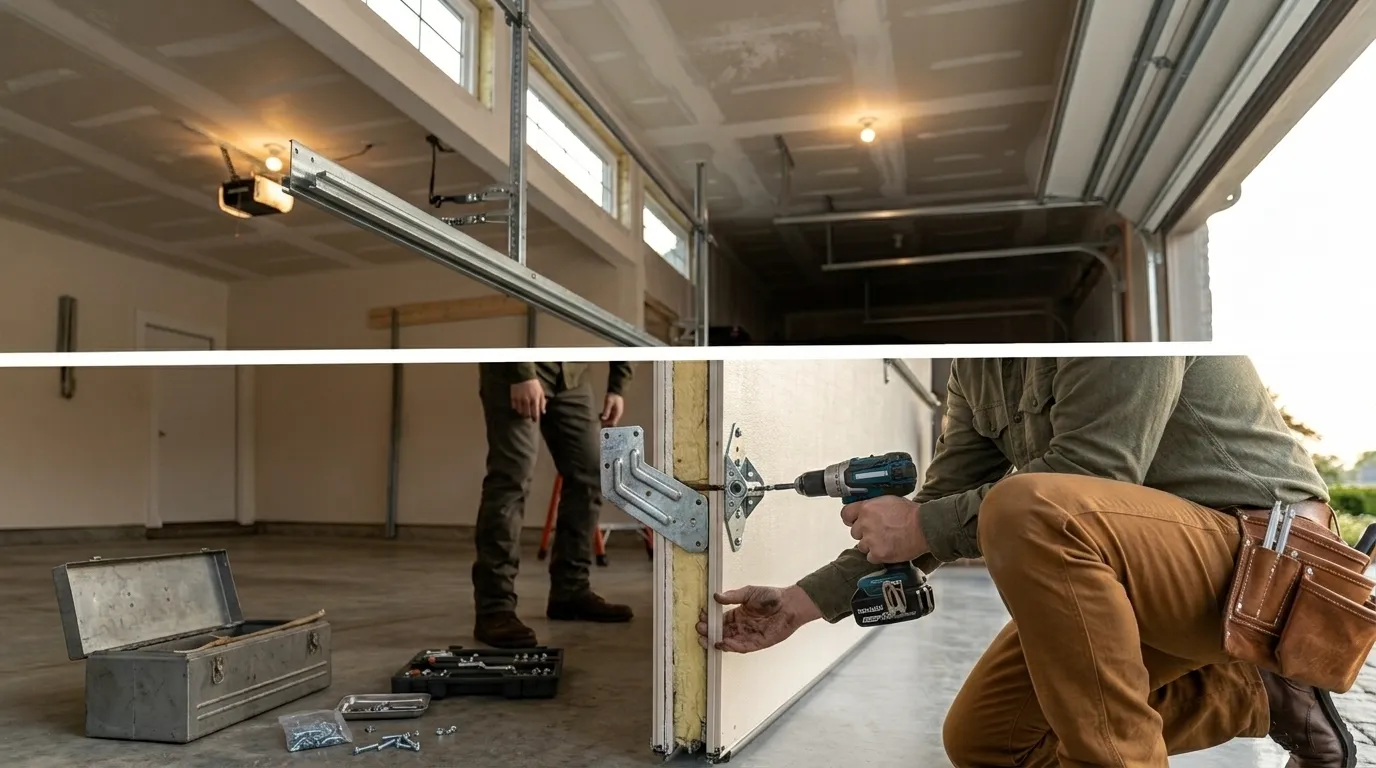
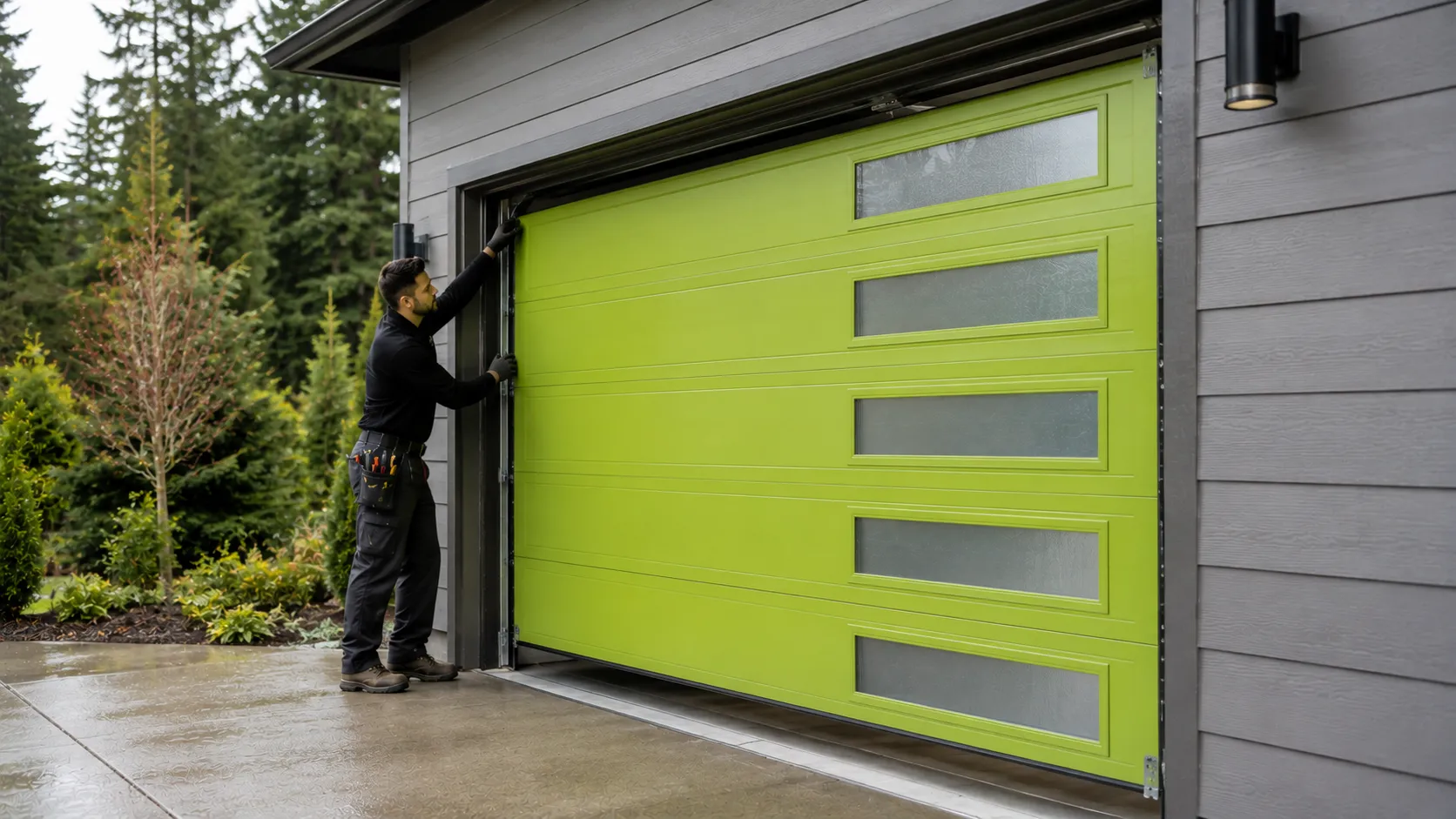
A technician tests the door under power and by hand and finds what actually failed.

3
Clear, up-front plan - Chicago garage door service

Clear, up-front plan

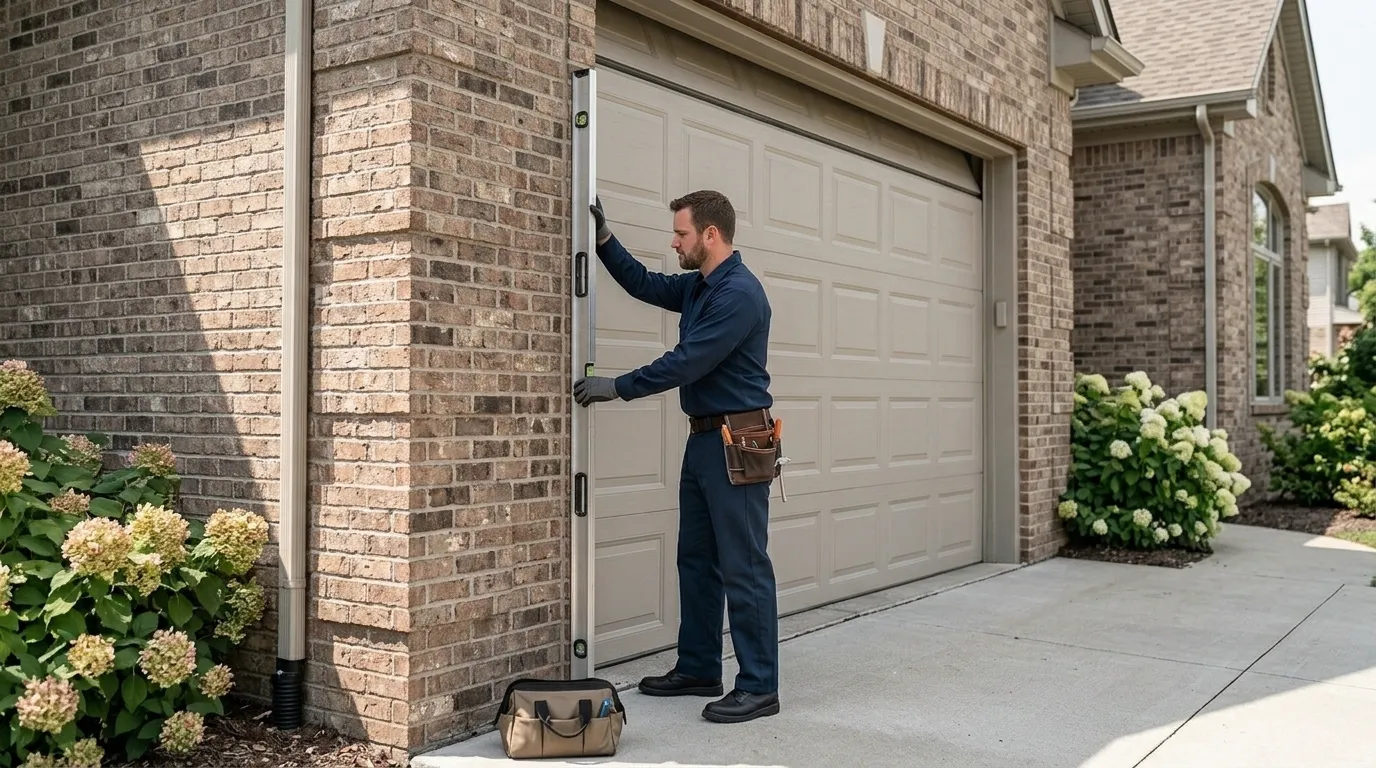
You get the fix that’s needed and what drives the cost - before any work starts.

4
Repaired & tested - Chicago garage door service

Repaired & tested

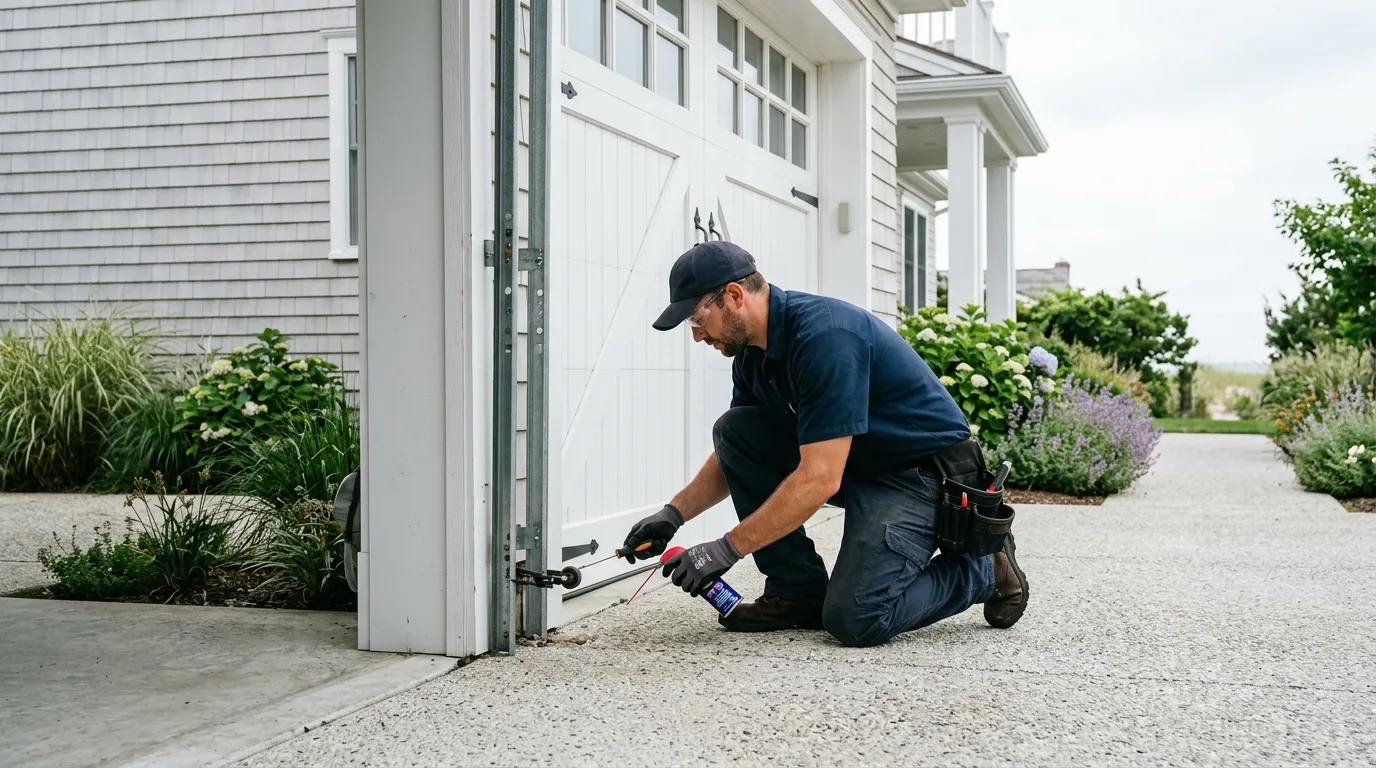
The repair is done, the door is set true and tested, and the work area left clean.

Serving Chicago, IL - tell us what your door’s doing and we’ll take it from there.

How we work

What to expect

Diagnosis firstEvery visit starts by finding what actually failed - not a pre-written parts list.
The right part for the doorSprings and openers matched to the door’s weight and age, so the fix holds up.
Straight answersWhen a repair makes more sense than a replacement - or the reverse - you hear it plainly.
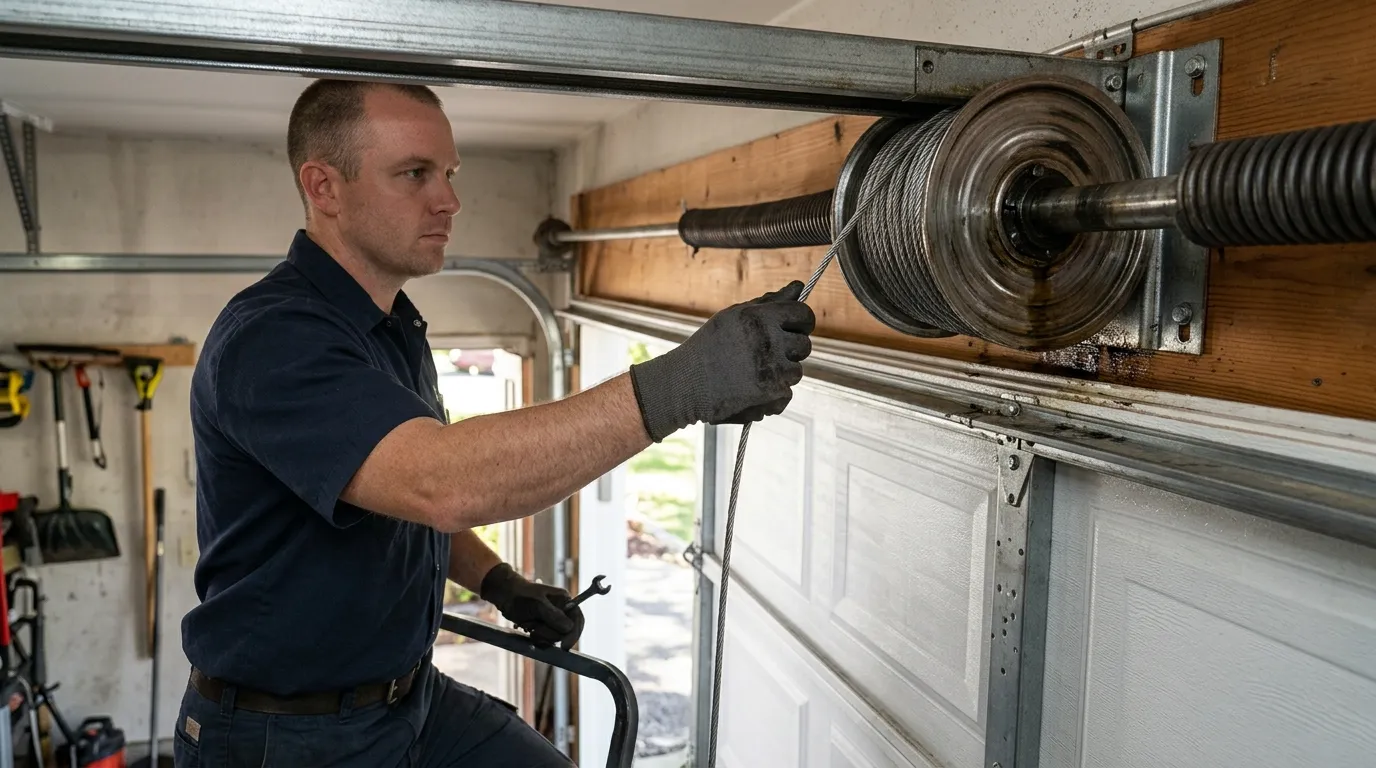
Clean, careful workTension released safely, hardware set true, the door tested under power before we leave.
2,664,452Residents in Chicago
4Garage door services
110Neighborhoods & suburbs
ILServing Chicago, IL
Who we help

Residential & commercial

Residential garage doors

Homes in Chicago

  • Single- and double-car garages
  • Spring, cable & opener repair
  • New door installation
See services
Commercial garage doors

Businesses & property

  • Rolling steel & sectional doors
  • Loading-dock doors
  • Built for higher cycle counts
See services
Questions

Frequently asked

Straight answers about garage door repair in Chicago. Still unsure? Ask us directly.

Why does my garage door feel harder to open in winter?

Cold makes steel tracks contract slightly and thickens old grease on rollers and springs, so a door that's marginal in fall can bind or grind once temperatures drop. This is common in this climate band, especially on older torsion hardware that hasn't been serviced in years.

My house was built in the 1960s - is the garage door original?

It's possible, though most original doors from that era have been replaced at least once. What often survives is the track and spring hardware, which is usually rated for a lighter door than what's installed now if a heavier replacement went in later without upgrading the spring.

Do you know the specific streets in Lower West Side?

We don't have a landmark or street list for this neighborhood, so we won't pretend to. What we do know is the housing era for the area and how that plays out in garage hardware - torsion springs, steel tracks, and openers added on after the original build.

Ready to get your garage door sorted?

Tell us what it’s doing and where you are in Chicago - we’ll take it from there.

Request a QuoteCall