24/7 Emergency Service Open 7 days · 7am–8pm Serving Chicago, IL & nearby
(708) 630-7529
Chicago, IL

What Chicago's Winters Do to an Old Garage Door

Chicago homes built between 1938 and 1994 face real cold-weather stress on garage door seals, tracks, and springs. Here's what to check before winter hits.

What Chicago's Winters Do to an Old Garage Door

The Situation

Most of the garage doors in this part of Chicago sit on houses built between 1938 and 1994, with the bulk going up in the 1960s and 70s. That's not a small detail. A door and its hardware installed during that stretch was built to a different standard than what's sold today, and a lot of it is still doing the job it was hired for decades ago.

Walk a few blocks in McKinley Park, Little Village, Marshall Square, or Heart of Chicago and you'll see it: original steel panel doors, older extension or torsion setups, and weather seals that have been replaced once, maybe twice, since installation. Same story in Brighton Park and North Lawndale a couple miles over. The housing stock across this whole service area skews older, so the failures we see aren't random - they cluster around age.

That matters for what you should expect from your own door. If your house was built anywhere near the middle of that 1938-1994 window, the door's rubber bottom seal, the track alignment, and the spring are all candidates for wear tied directly to age, not just bad luck. Newer builds in the same neighborhoods sometimes get a pass on this for another decade or so.

What the Weather Here Does to It

Chicago sits in a cold, moderate climate band, and that means your garage door lives through a real freeze-thaw cycle every winter, not just an occasional cold snap. The rubber weather seal along the bottom of the door hardens as temperatures drop, and once it's hard it stops doing its job - that's when you start feeling draughts along the garage floor and seeing the thin line of daylight under the door on a bright morning.

Cold also changes how steel behaves. Panels contract slightly, tracks that were a hair out of alignment in July can bind in January, and torsion springs under tension work harder to move a door that's stiffer than it was in summer. None of this is dramatic on its own, but stacked together over a Chicago winter it's why openers strain, springs fail more in cold months, and seals need attention every year rather than every five.

Weather seals and draughts are the two complaints we hear most from November through March. It's not that the door broke overnight - it's that a marginal seal or a slightly stiff track finally gave out under sustained cold. If your seal already looks cracked or flattened going into fall, it won't get better once the temperature drops.

Checking It Yourself

You can catch a lot of this before it becomes a call. Start with the bottom seal: press a thumb into the rubber. If it feels stiff, cracked, or doesn't spring back, it's past its useful life and cold weather will only make the gap worse. Check the corners first - that's usually where it fails.

Next, look at the weather stripping along the sides of the door frame if your setup has it. Gaps here are common on houses from the 1960s and 70s stock that make up so much of this area, since the door and frame have shifted slightly over sixty-plus years of settling.

Run the door by hand with the opener disconnected and feel for resistance or grinding partway through the track - that's often an alignment issue that gets worse, not better, in cold weather. Listen for a spring that sounds like it's working harder than it should.

One thing to be honest about: a visual check tells you a lot but not everything. A spring can look fine and still be near the end of its cycle count, and that's not something you can eyeball reliably from the garage floor.

When to Call Someone

Call if the door is noticeably harder to lift by hand than it used to be, if you hear a bang or pop followed by the door refusing to open, or if the gap under the door has gotten wide enough that you can see daylight along most of its width. Those are spring and seal problems that get worse with more cold, not better.

Across this service area - roughly 461,017 households and 223,261 owner-occupied houses - a lot of garages are original to construction from that 1938-1994 window, and older torsion hardware sometimes doesn't match parts sold off the shelf today. That's worth knowing before you assume a quick fix is available same-day; sourcing an exact match spring or track bracket for an older setup can take longer than a standard replacement job.

We won't tell you to replace a whole door when a seal and a service call will do, and we won't tell you a seal will fix a spring that's actually failing. If you're not sure which one you're looking at, that's the actual reason to call rather than guess - a misdiagnosed spring problem in freezing weather is not a safe thing to keep testing yourself.
How it works

From “it’s stuck” to “it’s fixed”

1
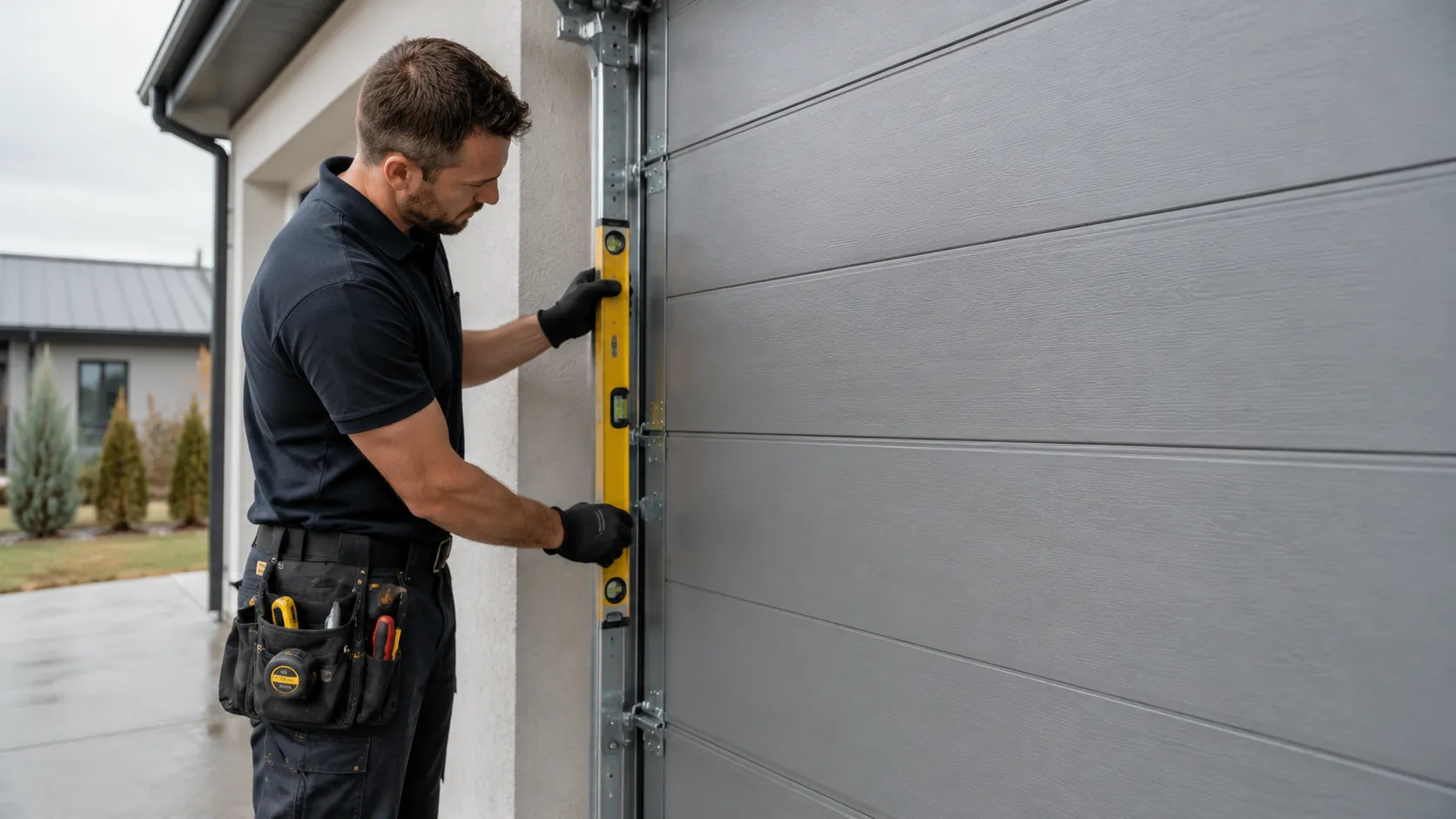
Tell us what’s wrong - Chicago garage door service

Tell us what’s wrong

Describe the symptom - won’t open, loud bang, opener runs but the door won’t move.

2
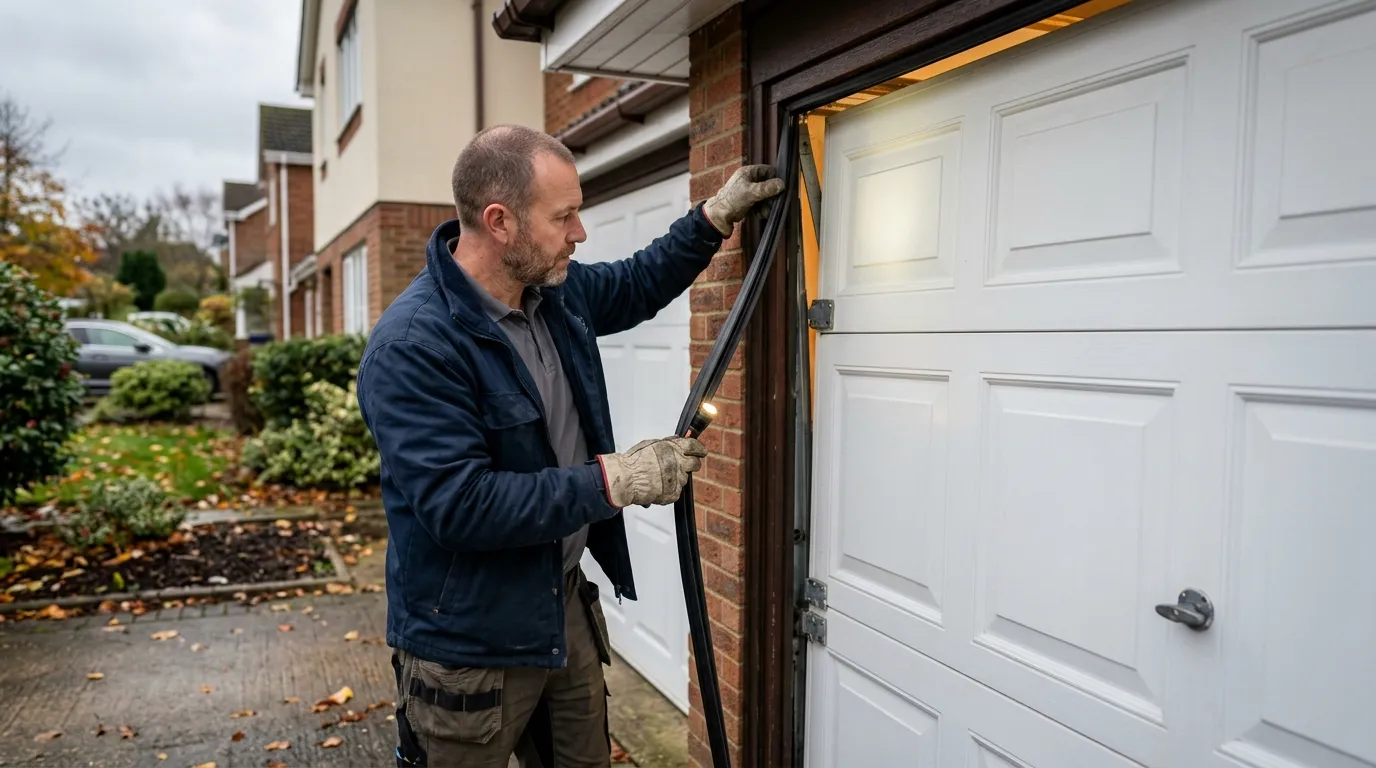
On-site diagnosis - Chicago garage door service

On-site diagnosis

A technician tests the door under power and by hand and finds what actually failed.

3
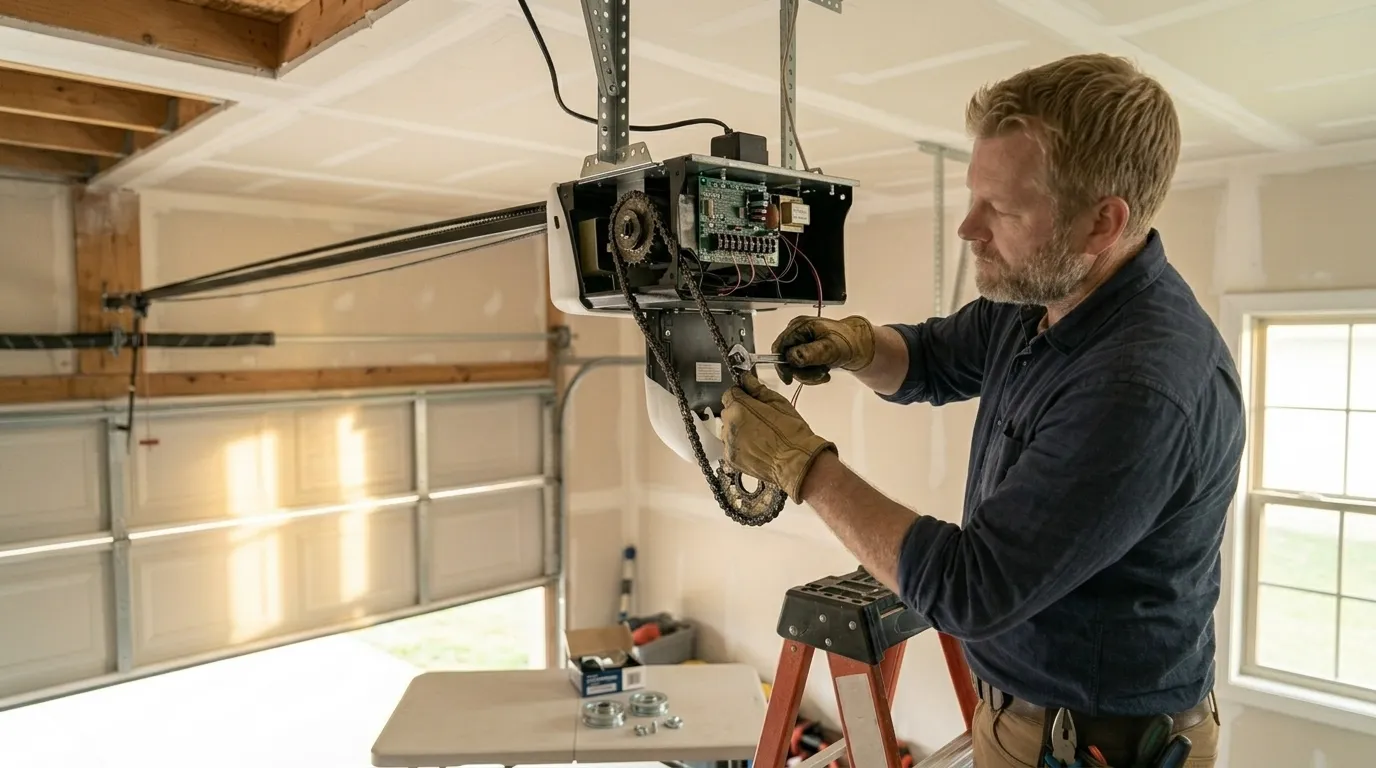
Clear, up-front plan - Chicago garage door service

Clear, up-front plan

You get the fix that’s needed and what drives the cost - before any work starts.

4
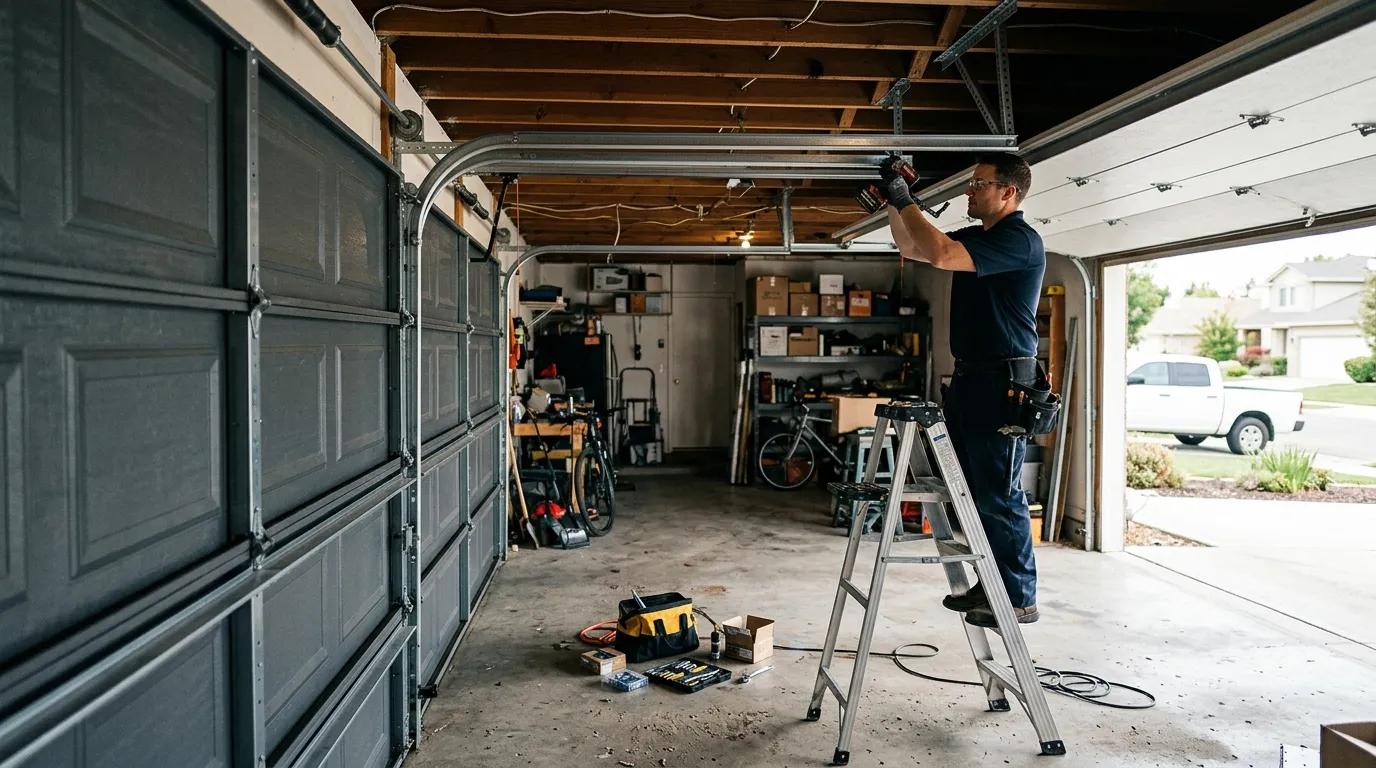
Repaired & tested - Chicago garage door service

Repaired & tested

The repair is done, the door is set true and tested, and the work area left clean.

Serving Chicago, IL - tell us what your door’s doing and we’ll take it from there.

How we work

What to expect

Diagnosis firstEvery visit starts by finding what actually failed - not a pre-written parts list.
The right part for the doorSprings and openers matched to the door’s weight and age, so the fix holds up.
Straight answersWhen a repair makes more sense than a replacement - or the reverse - you hear it plainly.
Clean, careful workTension released safely, hardware set true, the door tested under power before we leave.
Questions

Frequently asked

Straight answers about garage door repair in Chicago. Still unsure? Ask us directly.

Why does my garage door feel stiffer in winter than summer?

Cold makes the steel panels contract slightly and hardens the rubber weather seal along the bottom, so the door has more resistance moving through the track. In Chicago's cold climate band, that stiffness shows up every winter, and it's a common reason springs strain harder from November through March.

How old is a typical garage door in this part of Chicago?

Housing across this service area was mostly built between 1938 and 1994, with the heaviest concentration in the 1960s and 70s. A lot of doors and hardware in neighborhoods like McKinley Park or Brighton Park date back close to that original construction.

Can I just replace the weather seal myself?

You can check it yourself - press the rubber and look for cracking or flattening at the corners. Replacing it is a smaller job than most people expect, but if the door is also binding in the track or the spring sounds strained, the seal isn't the whole problem.

Is it worth replacing an old door instead of repairing it?

Depends what's failing. A cracked seal or a misaligned track is usually a repair. A spring near the end of its life on an older torsion setup with hard-to-match hardware sometimes tips the math toward replacement - we'll tell you which one you're actually looking at rather than default to either.

Ready to get your garage door sorted?

Tell us what it’s doing and where you are in Chicago - we’ll take it from there.

Request a QuoteCall