What Is on These Garages
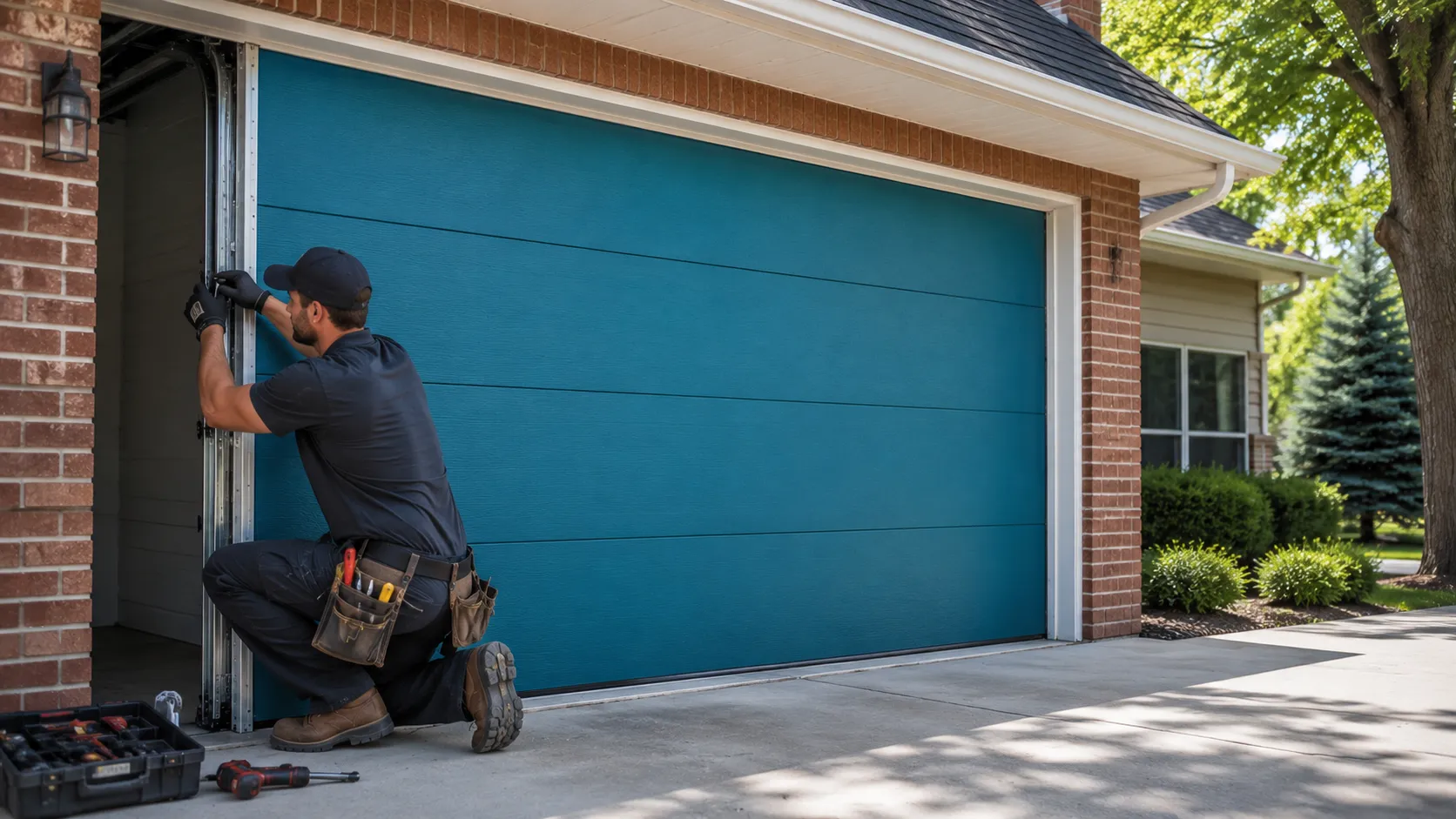
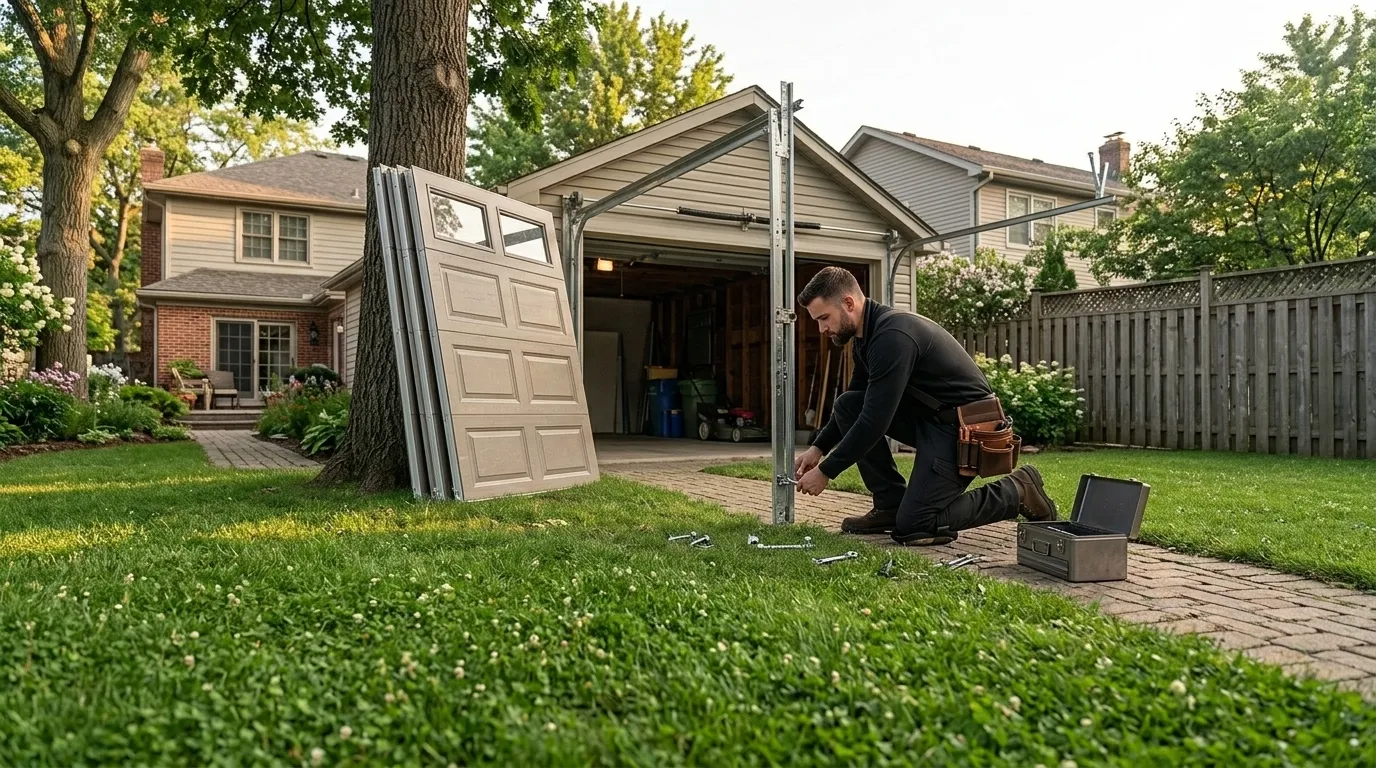
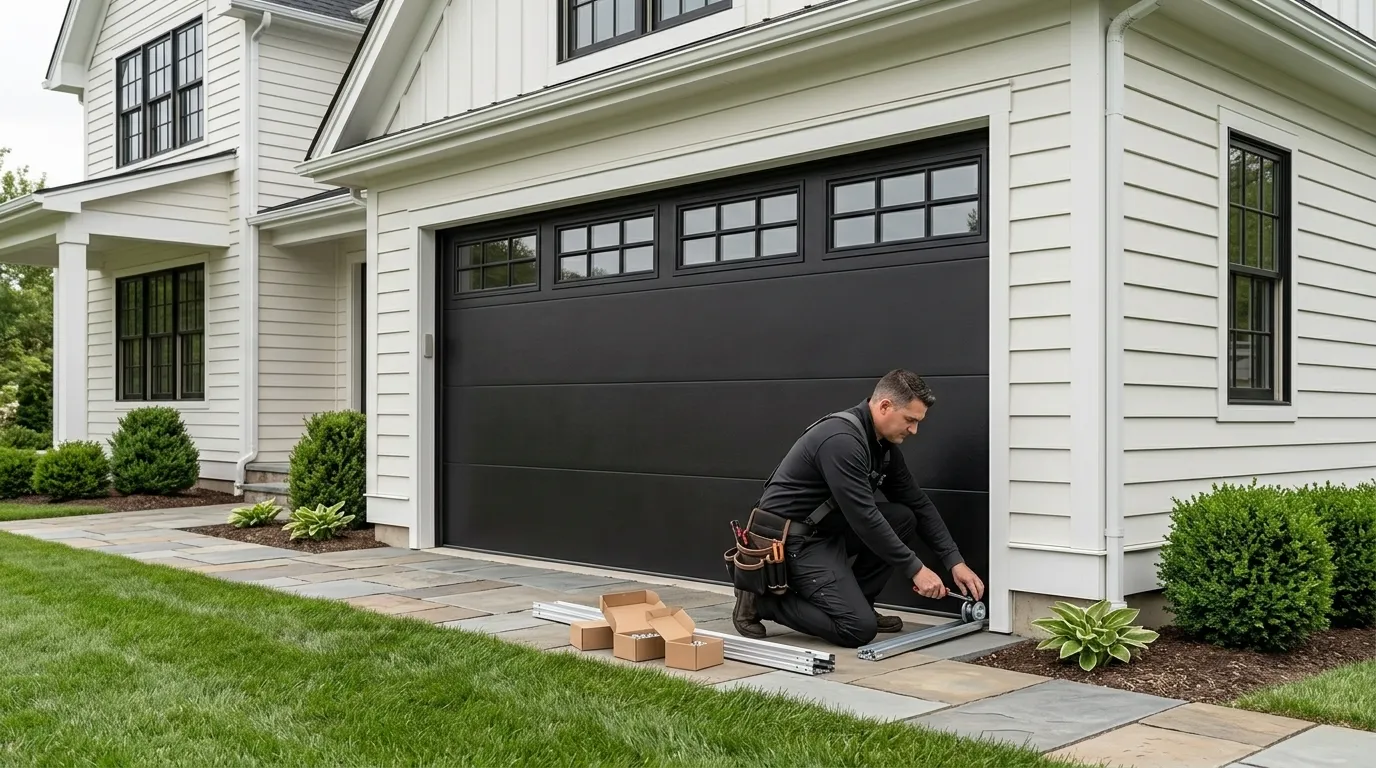
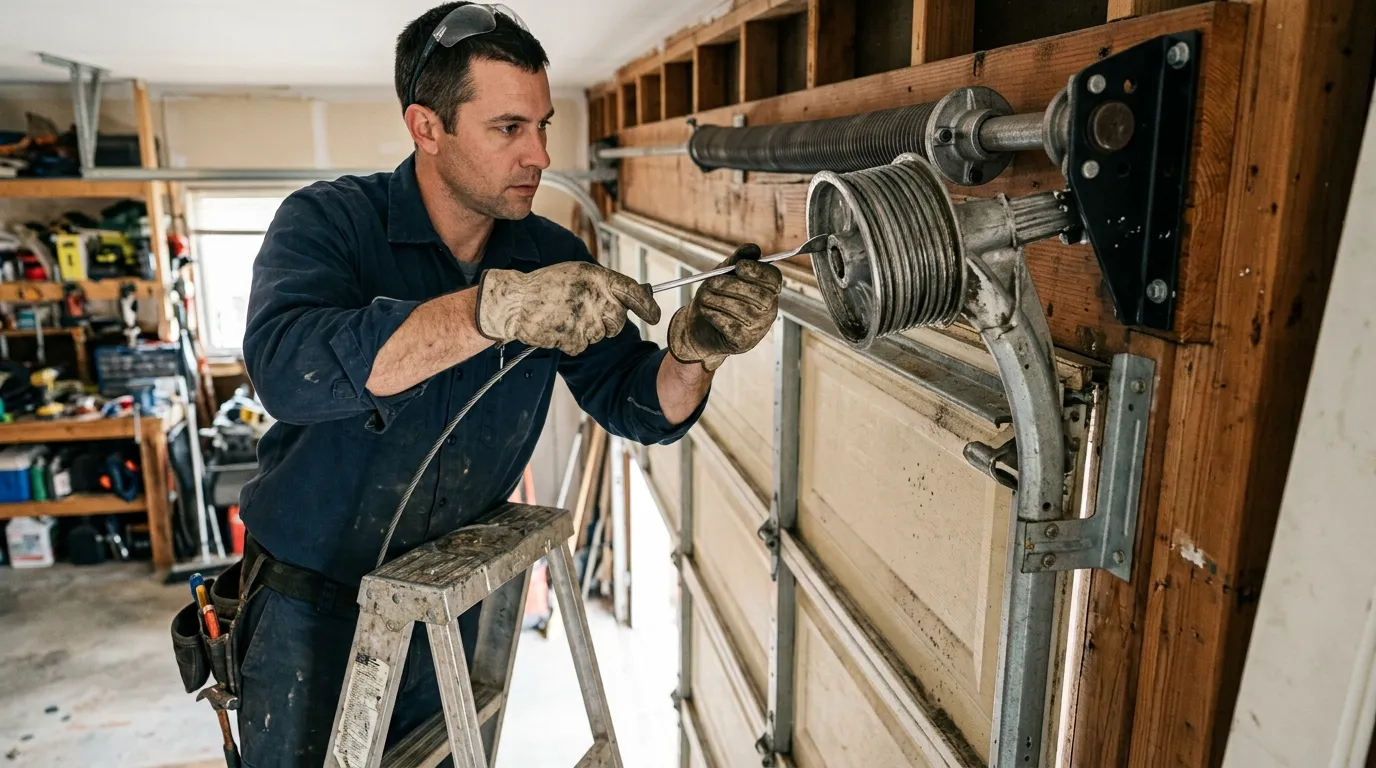
Bridgeport sits about 2 miles east of the center of our service area, and the garages here match the housing stock built across this part of Chicago between 1938 and 1994, with most of it dating to the 1960s and 70s. That era means single-car and narrow two-car garages, a lot of them detached and set off an alley, built with steel or wood panel doors and torsion springs sized for openings that run smaller than what you see in newer construction. We don't have a landmark list or street-by-street breakdown for Bridgeport, so we're not going to pretend we do. What we can tell you is what the age of the housing tells us about the doors: original hardware on many of these garages has been through 50-plus winters, and that wears springs, rollers, and cable differently than a door installed in the last decade. If your door feels heavier to lift by hand than it used to, that's usually the spring giving out, not the opener.
Where You Are
Bridgeport is about 2 miles east-northeast of the center point we use for this service area, with Little Italy roughly 3 miles to the northeast, McKinley Park about a mile to the west-southwest, and Bridgeport itself bordered by neighborhoods like Lower West Side and Near South Side within a few miles. Farther out, towns like Berwyn, Cicero-adjacent Stickney, and Forest Park sit 5 to 8 miles away and fall into the same climate band we plan around. We mention distance because it affects how we route trucks and stock parts for a given day, not because there's anything scenic to point to. If your address falls near a boundary line between listed areas, tell us when you call and we'll confirm coverage before we schedule.
Typical Work
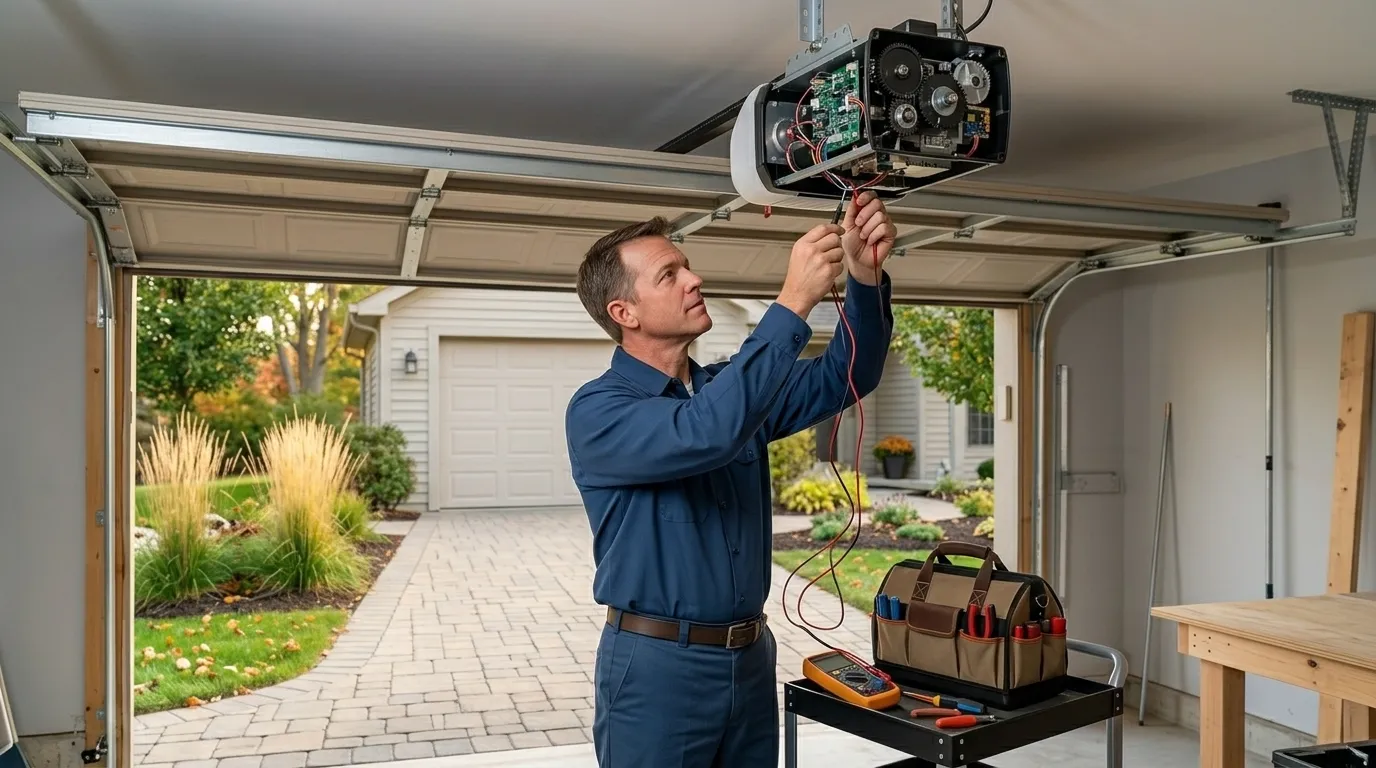
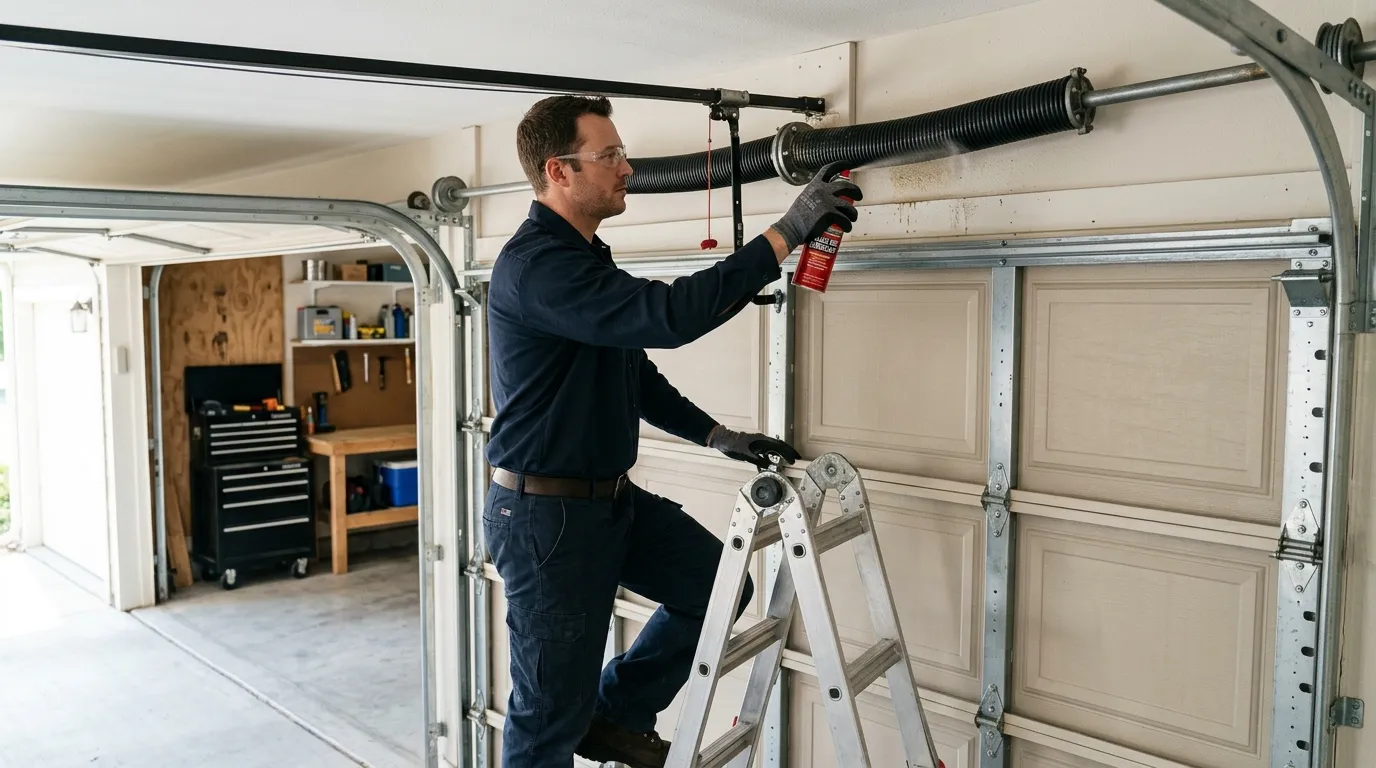
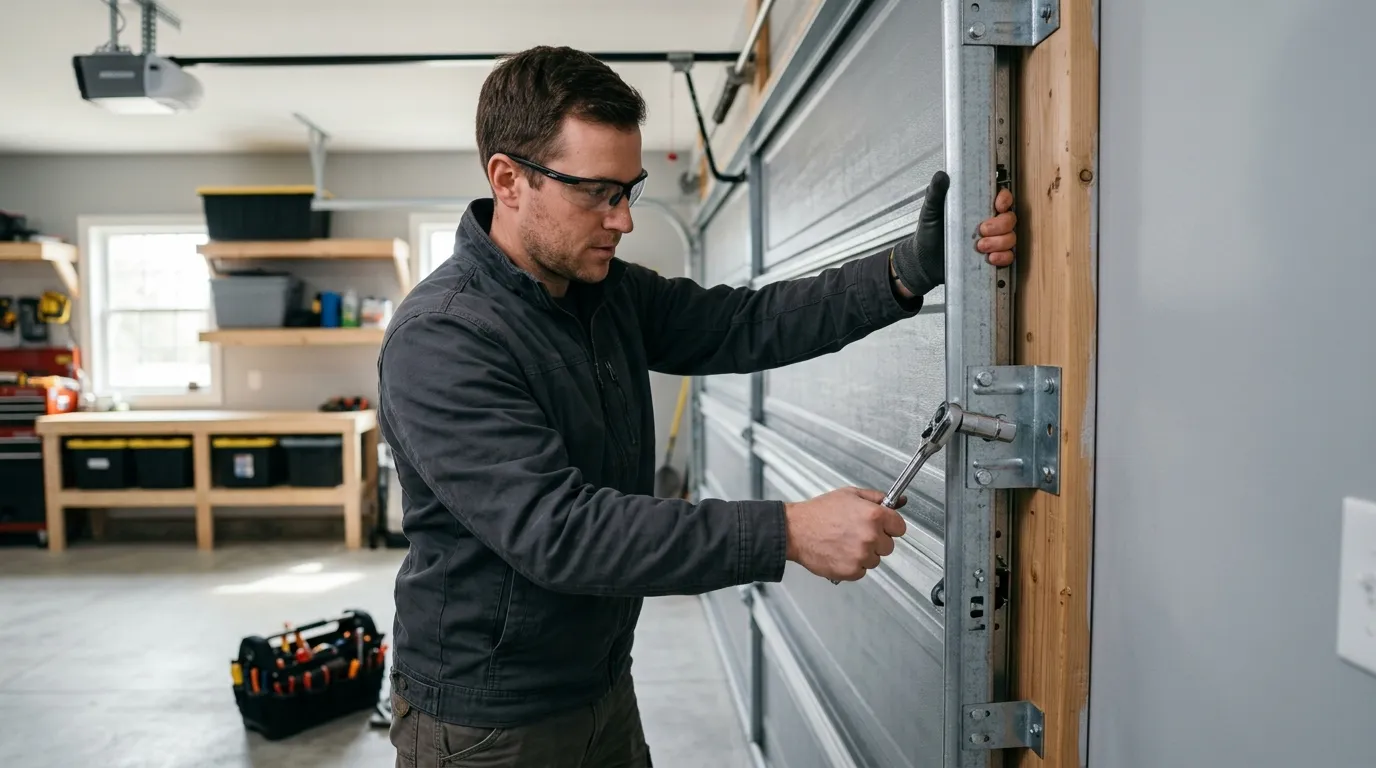
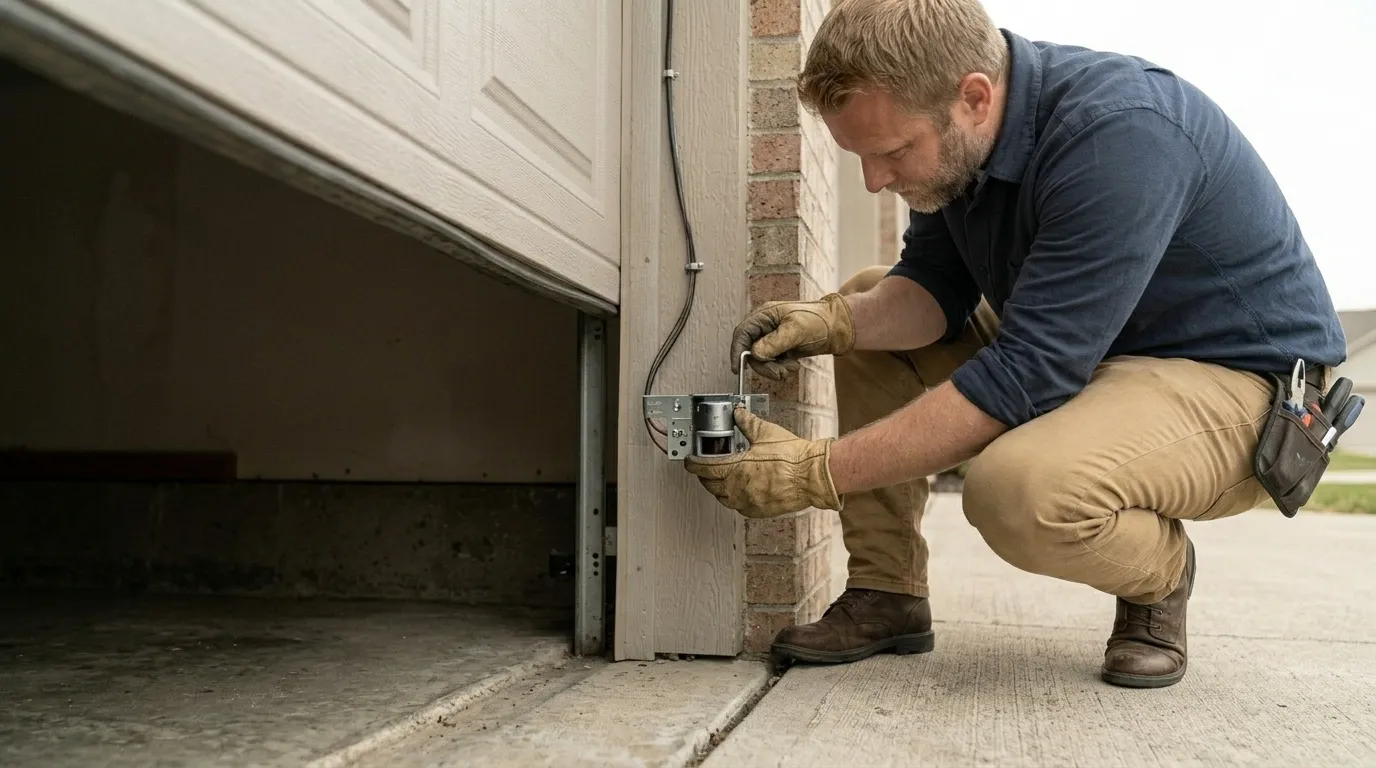
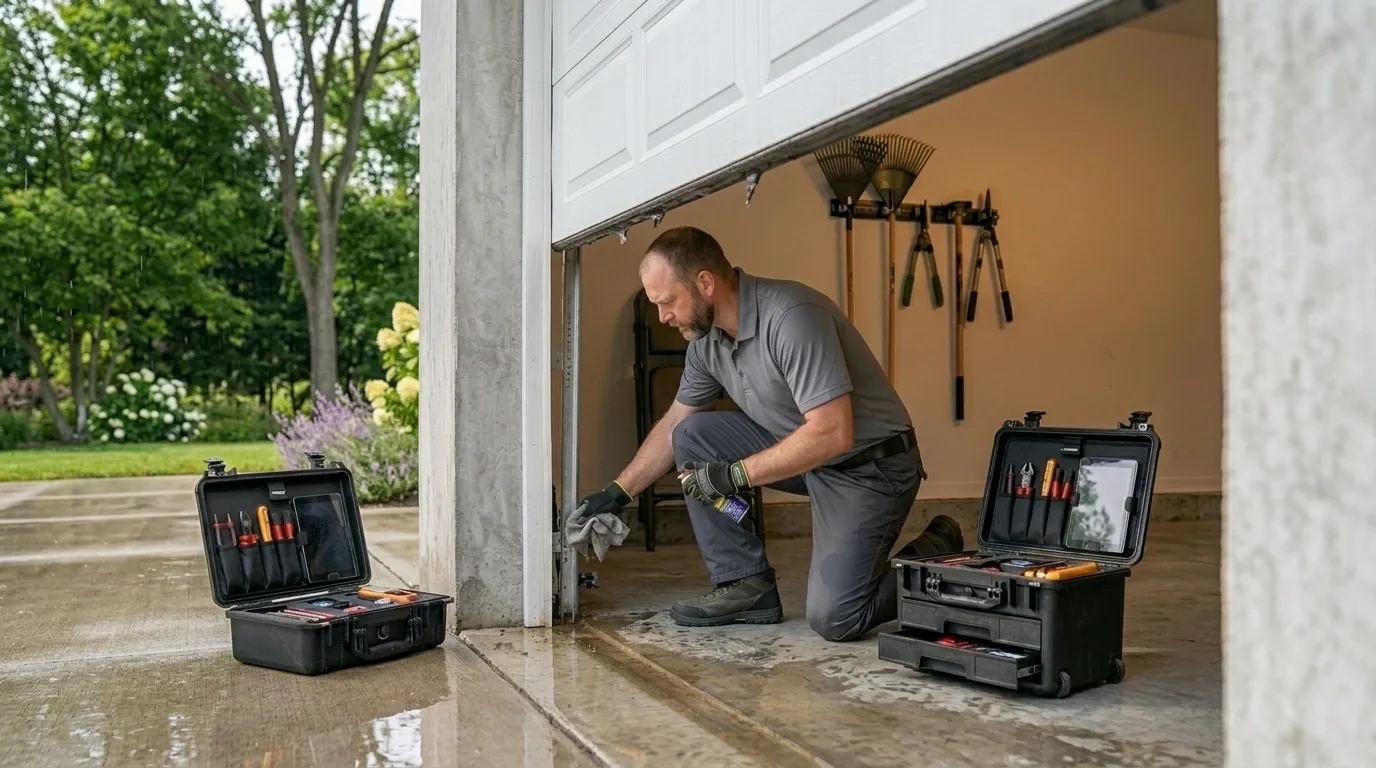
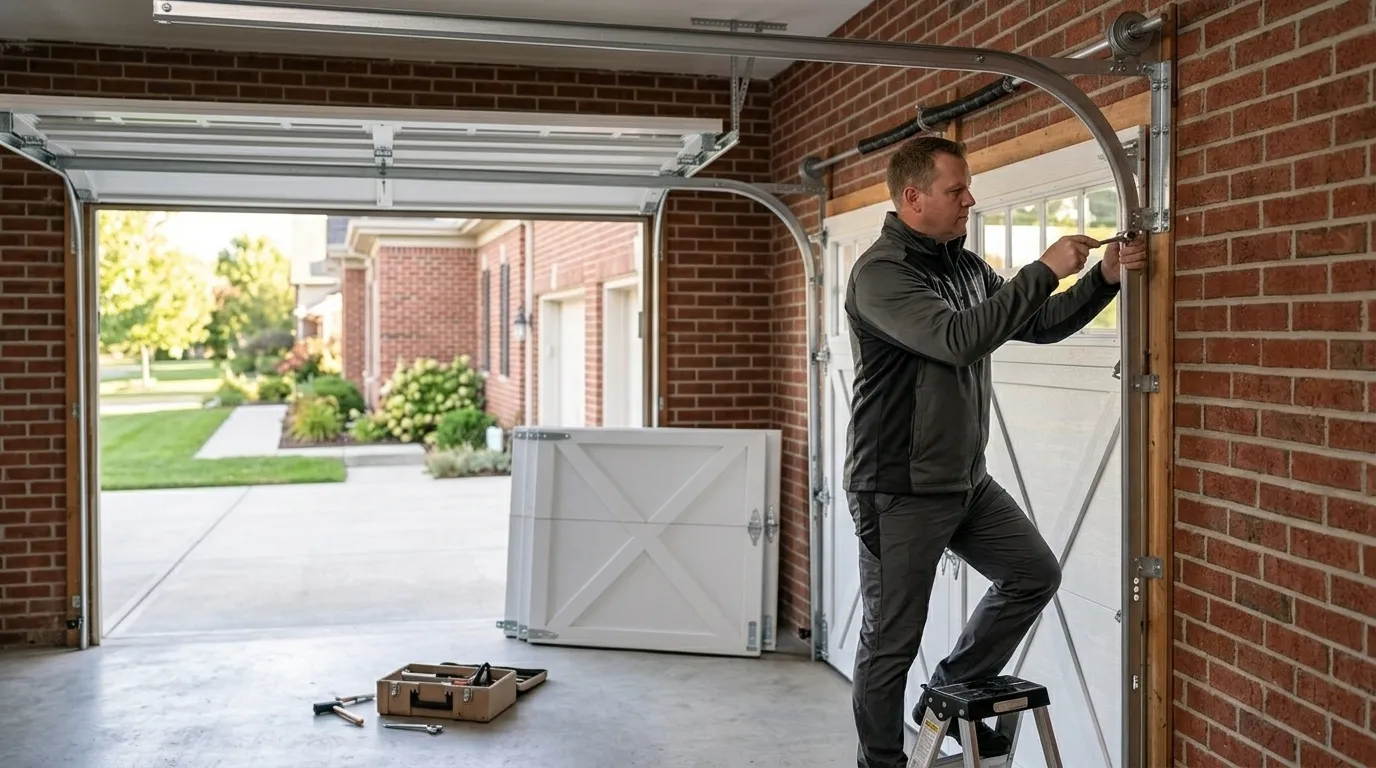
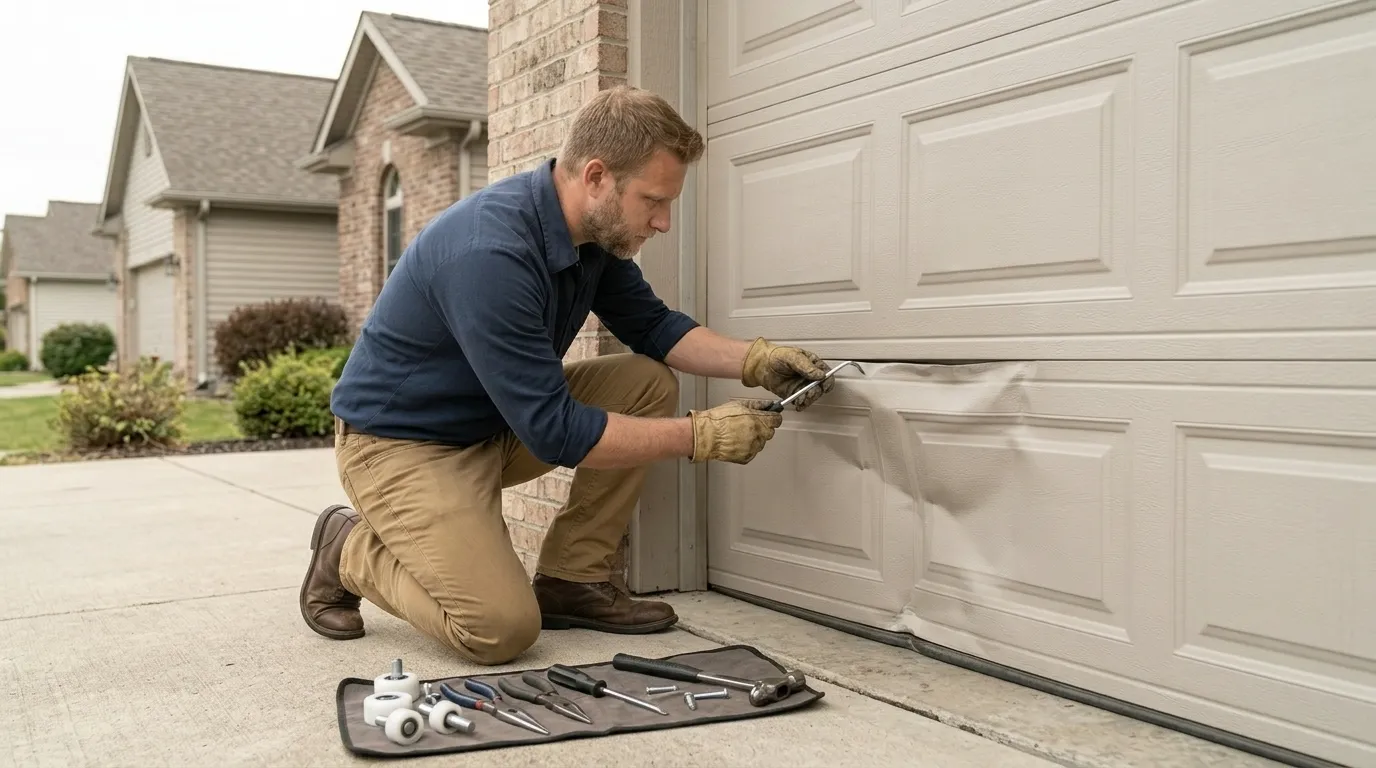
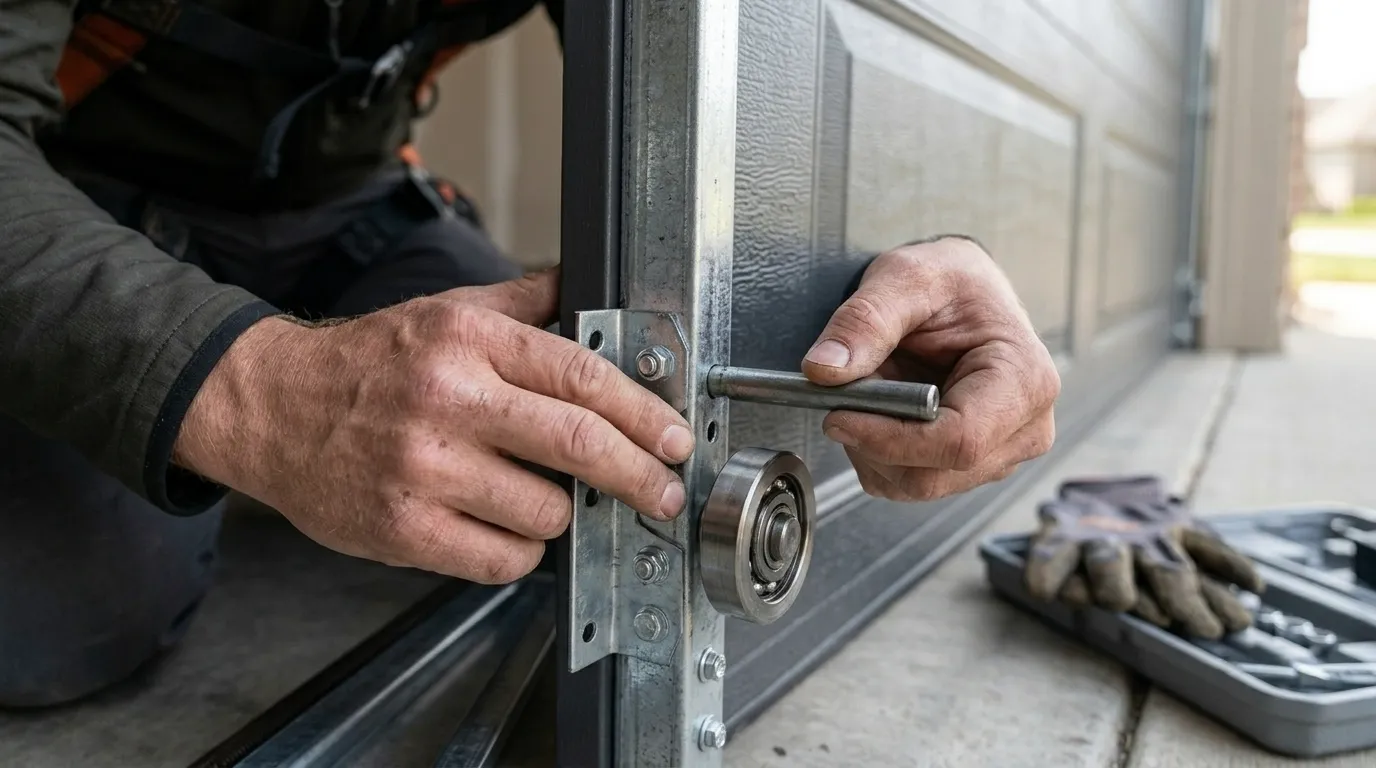
On housing from this era we see broken torsion springs most often, followed by worn rollers and cable fraying at the drum, all of which show up faster in a COLD climate band where temperature swings stiffen lubricant and stress steel. We also replace openers that have simply outlived their motor life, and we adjust track alignment on doors that have racked slightly with age. What we don't do is guess at a fix over the phone before seeing the door. If a spring has failed on an original 1960s-era door and the drum or track shows real wear, replacement of the full assembly is often the more honest answer than patching one part and having you call again in six months. We'll tell you which situation you're in before we start work, not after.