The Cost of This Job
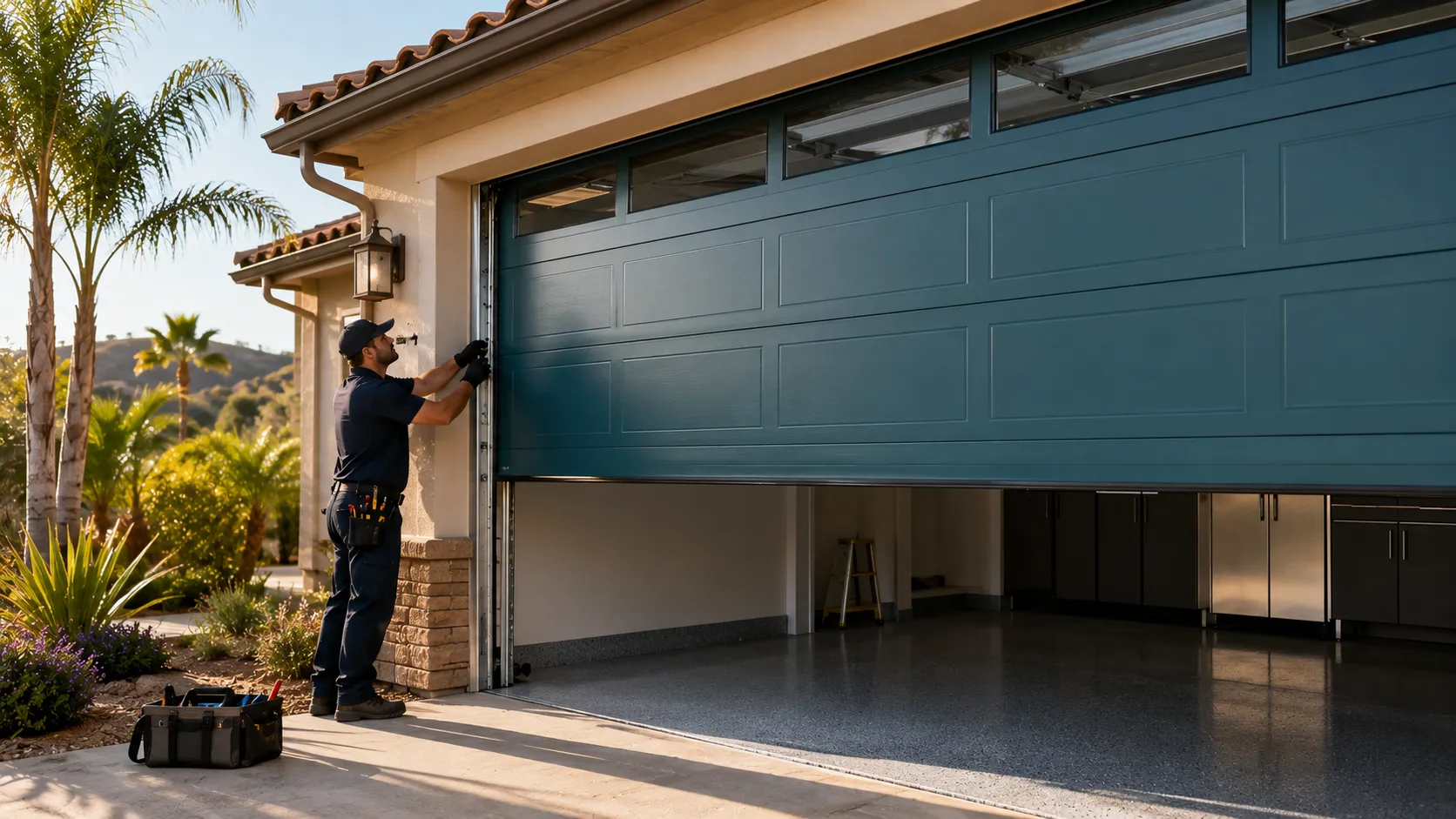
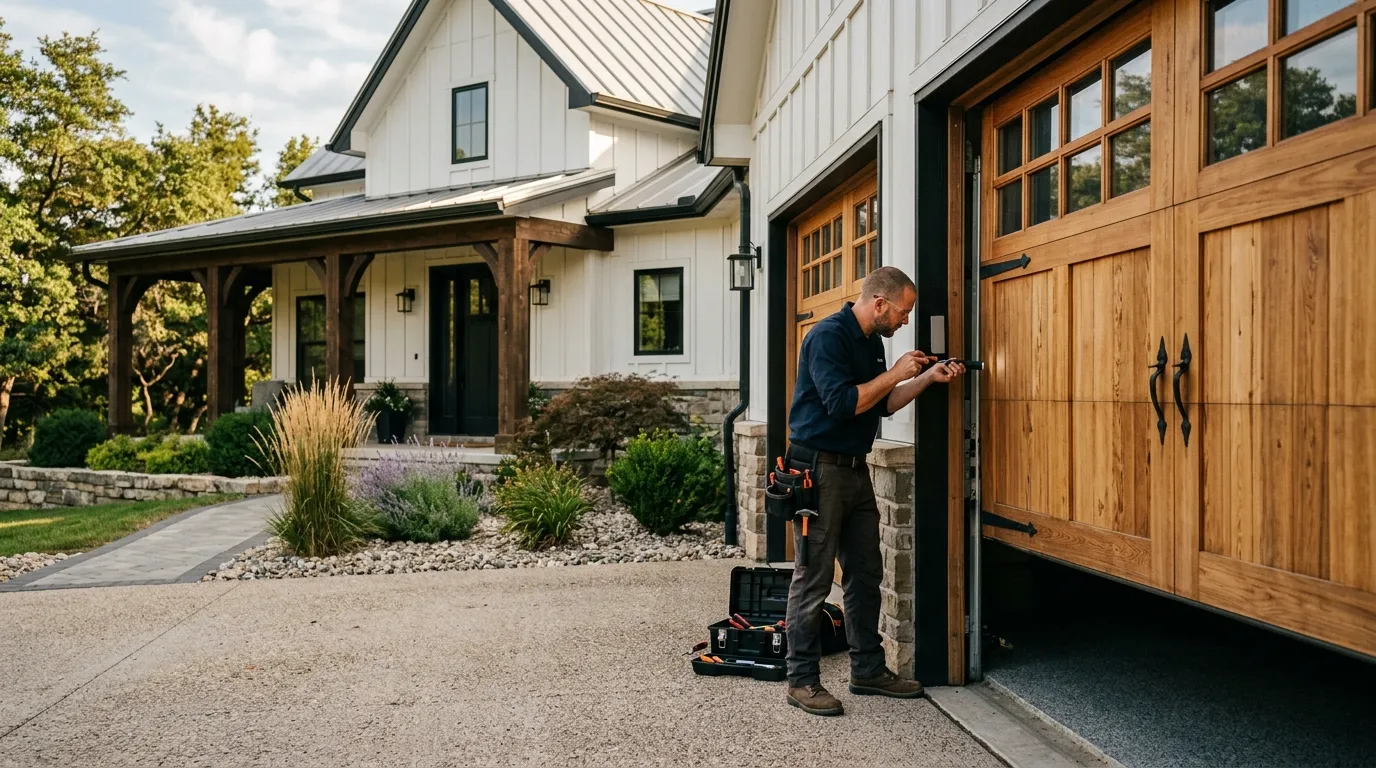
What a call costs depends on what's actually wrong, and we won't quote a number over the phone before we've looked at the door. A worn roller job is a different bill than a broken torsion spring on a double-wide door, and that's a different bill again from an opener that's finally quit after running on the same gearset since the house was built. What we can tell you is what drives the cost up in this part of the city: doors on houses built in the 1960s and 70s often carry hardware sized for panels that don't match what's sold off the shelf today, so a straight swap isn't always straight. Steel spec changed over the decades too, which means a spring pulled off a house built in 1964 isn't necessarily the same wind or wire gauge as one from a house built in 1990. We carry a working range on the truck, but a nonstandard track width or an odd-length shaft can mean a return trip while we source the right part. That's the honest limitation here - we'd rather tell you a job needs a part we don't carry than force a fix that won't hold through a Chicago winter.
What Is on the Truck
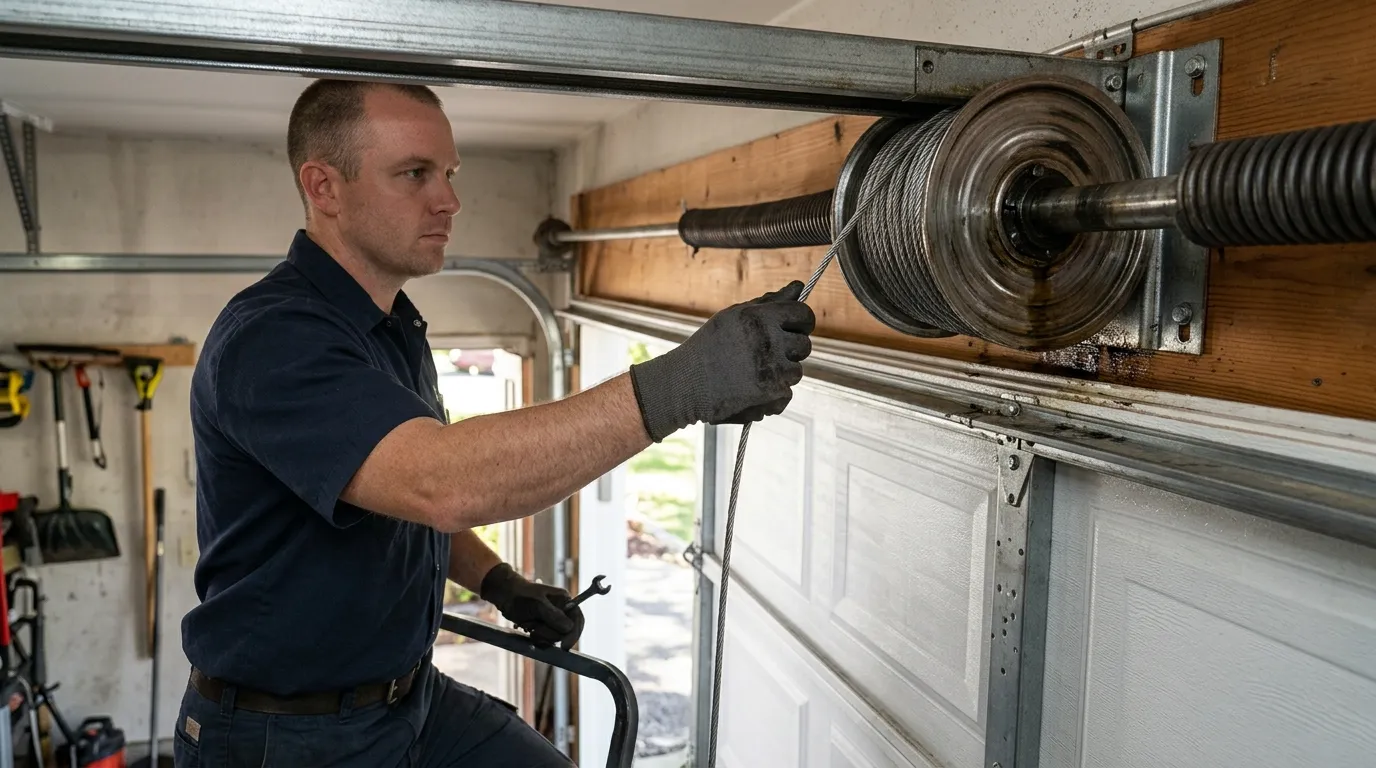
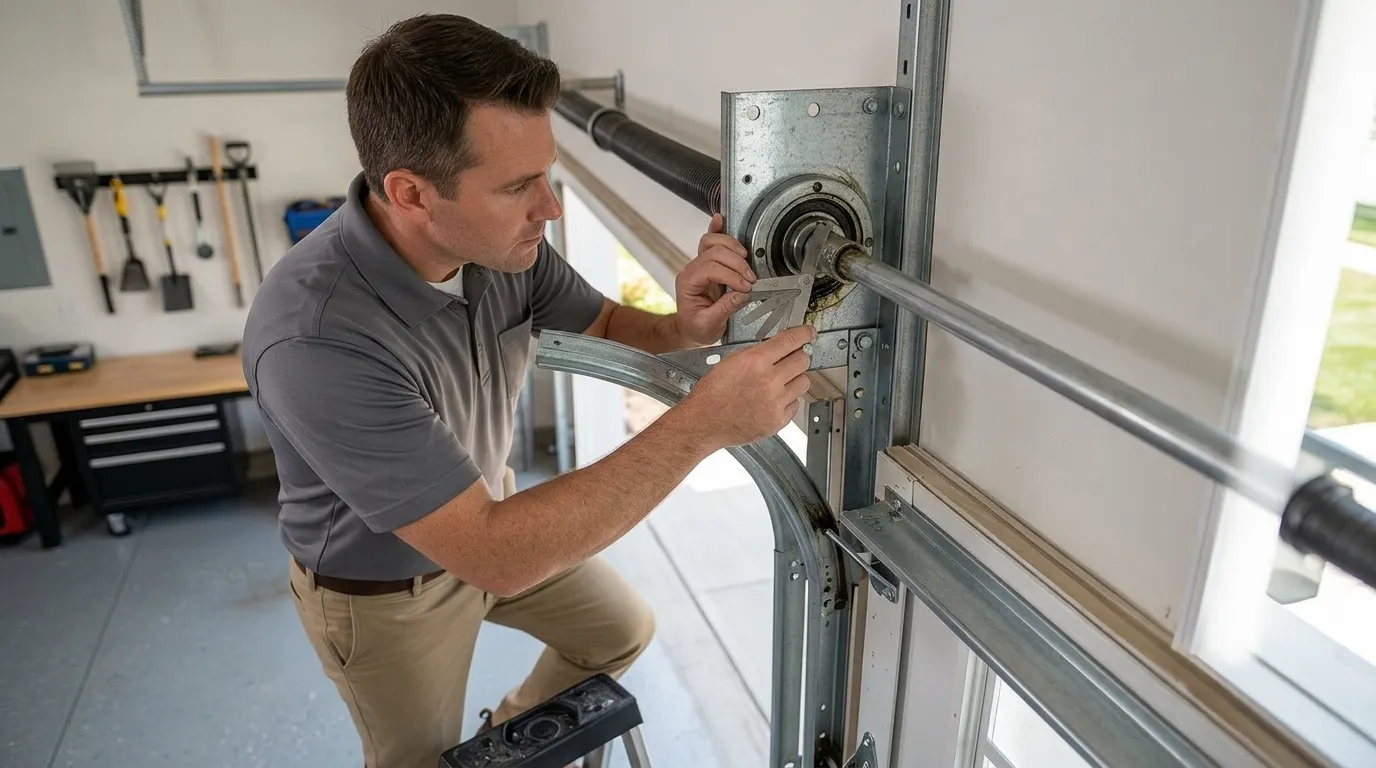
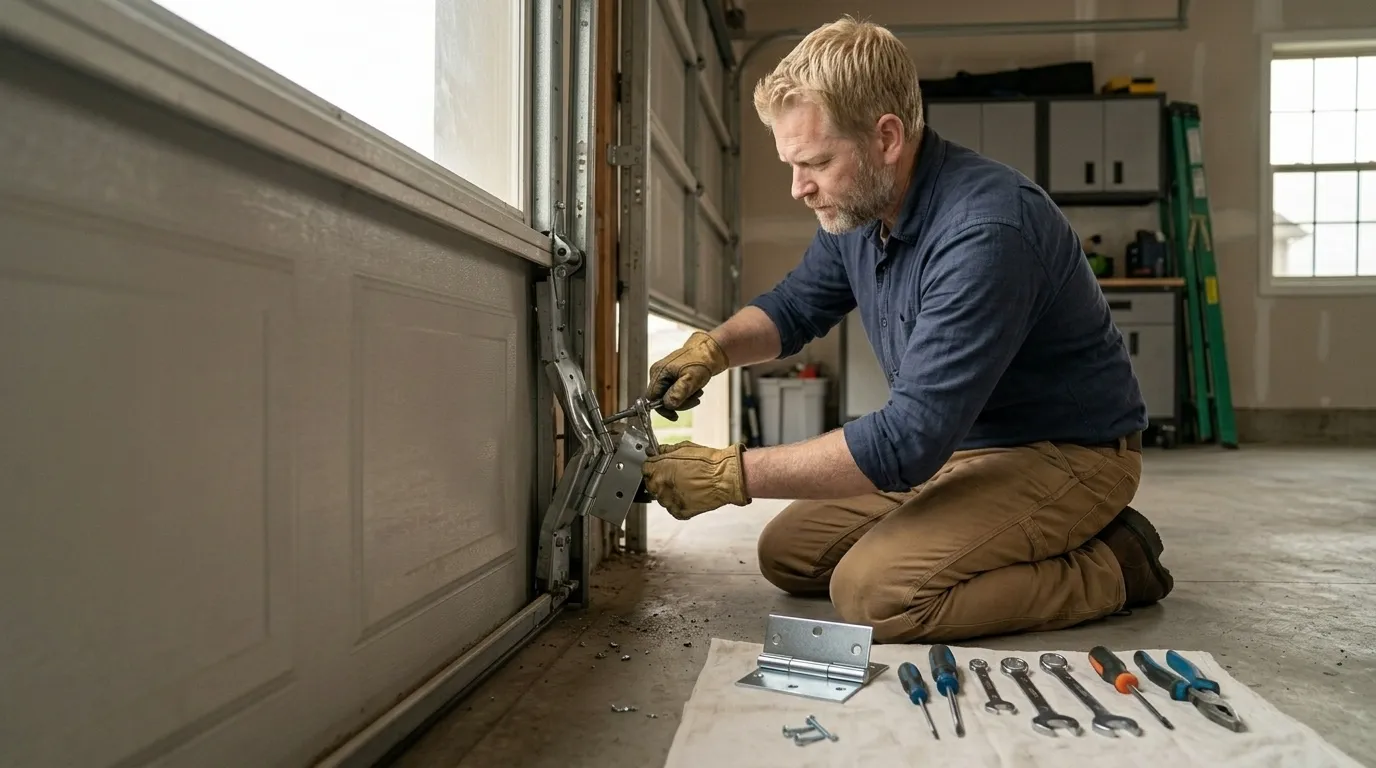
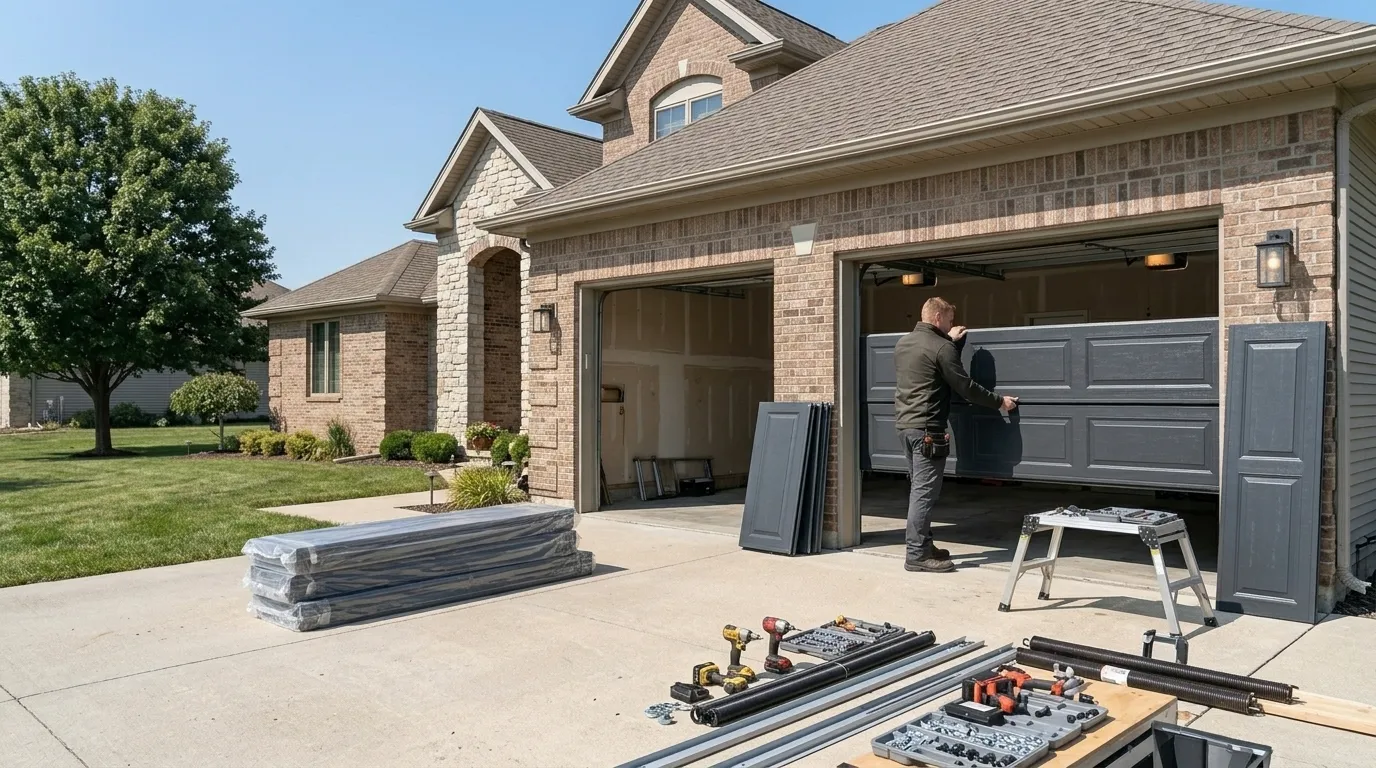
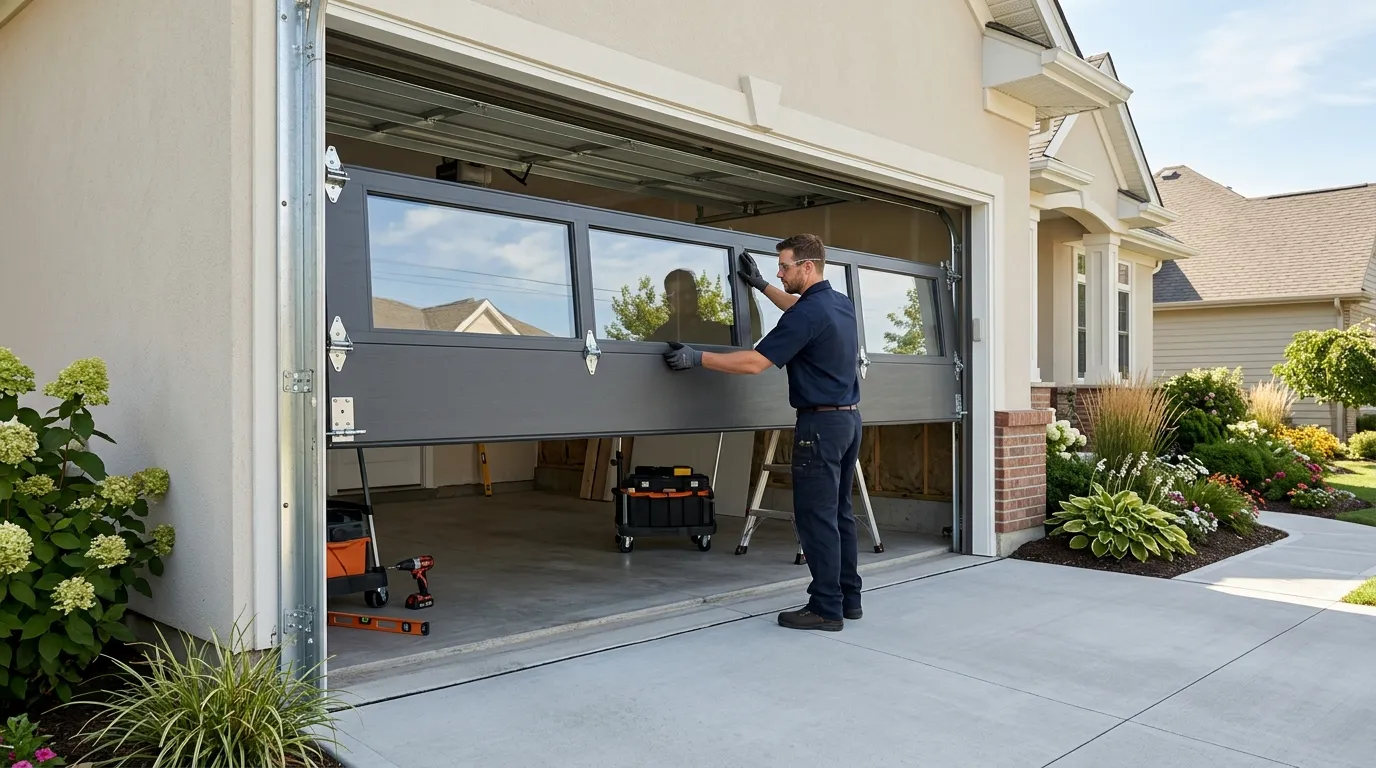
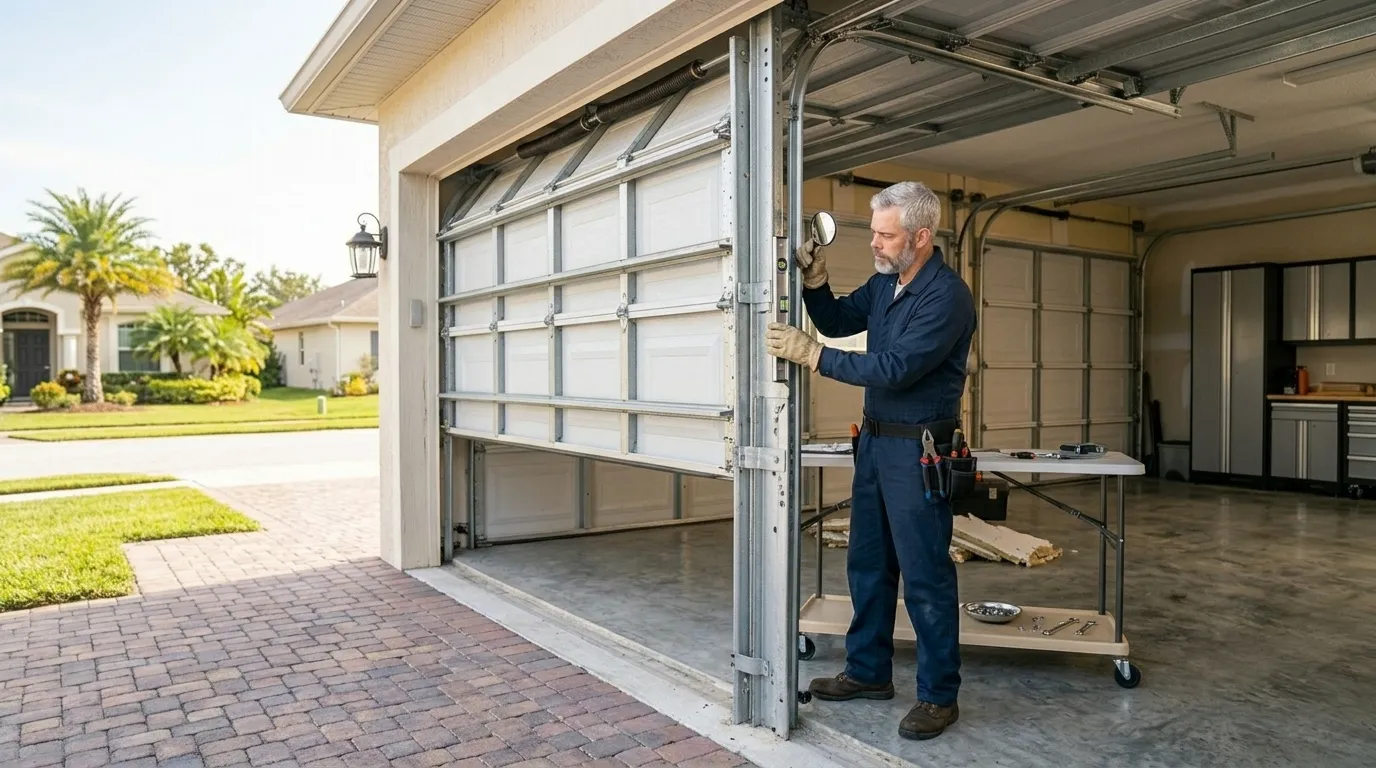
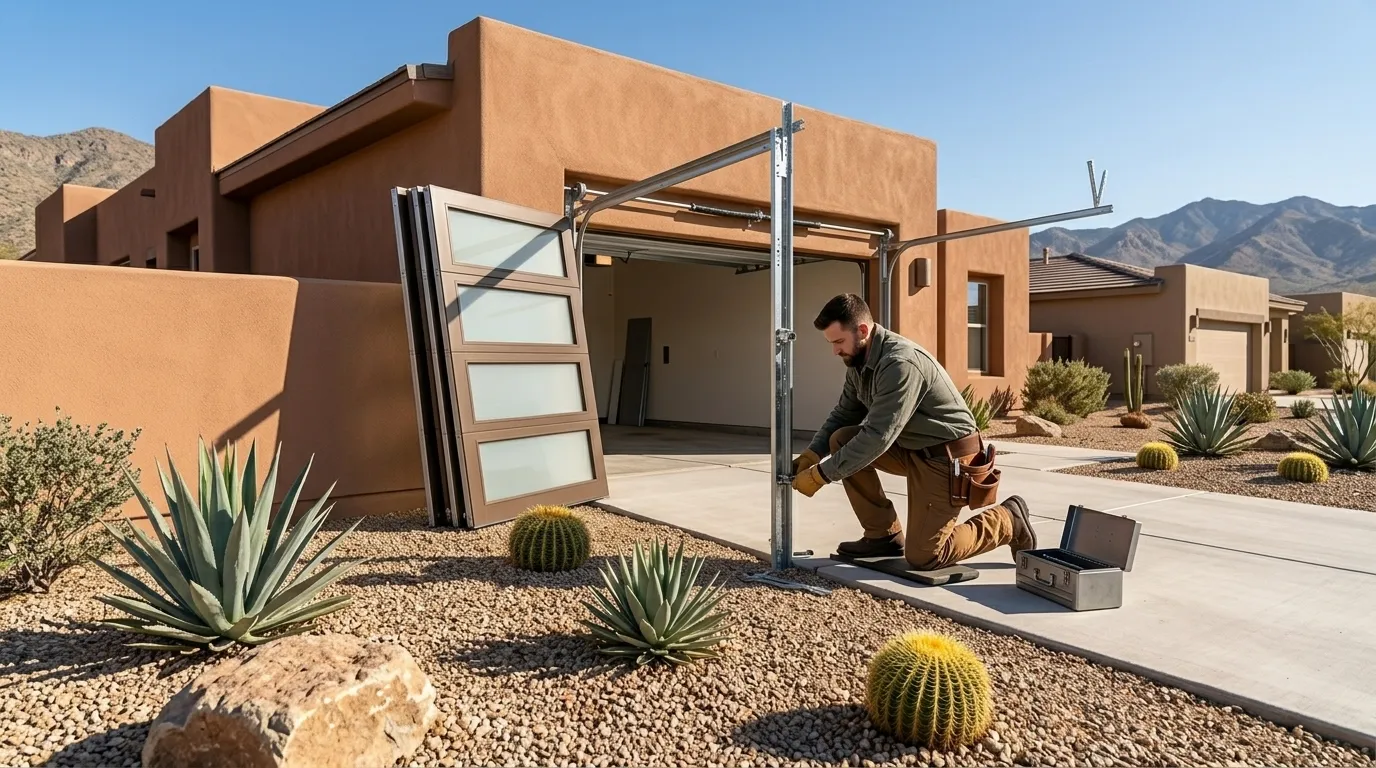
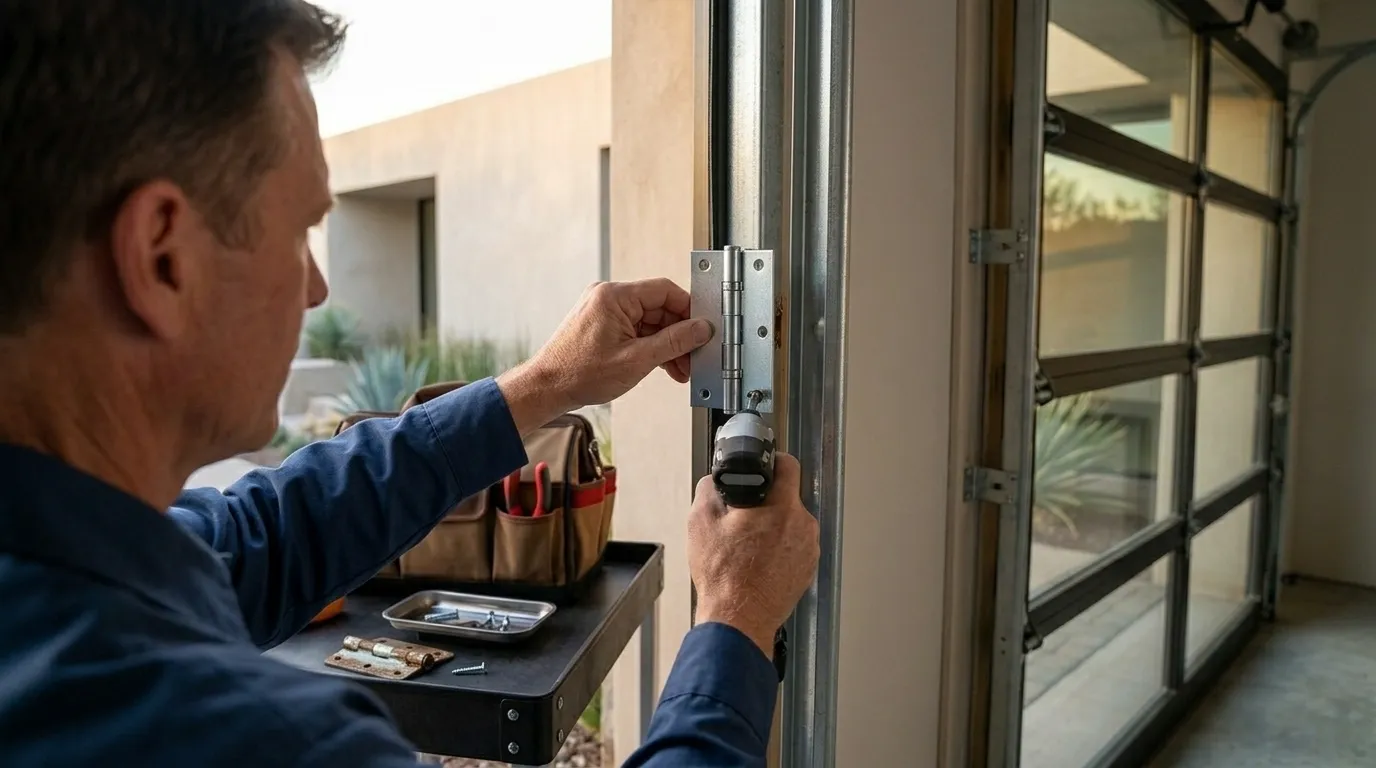
We stock torsion springs across the common wind and wire-gauge ranges you'll find on doors from the 1938-1994 building era, plus standard-lift cables, rollers in nylon and steel, and hinges sized for both older heavy panel doors and lighter modern ones. Openers on the truck cover chain and belt drive, since both show up across this housing stock depending on when a door was last replaced. We carry track sections in the lengths most common on single and double garage openings, along with the fasteners and hardware to reset a track that's drifted out of square. What we don't carry is every obsolete part. If a door still has its original 1960s hardware and a piece has been discontinued, we'll tell you that on site rather than promise a part that doesn't exist anymore - sometimes the honest fix is a hardware upgrade, not a like-for-like replacement.
What You Are Seeing
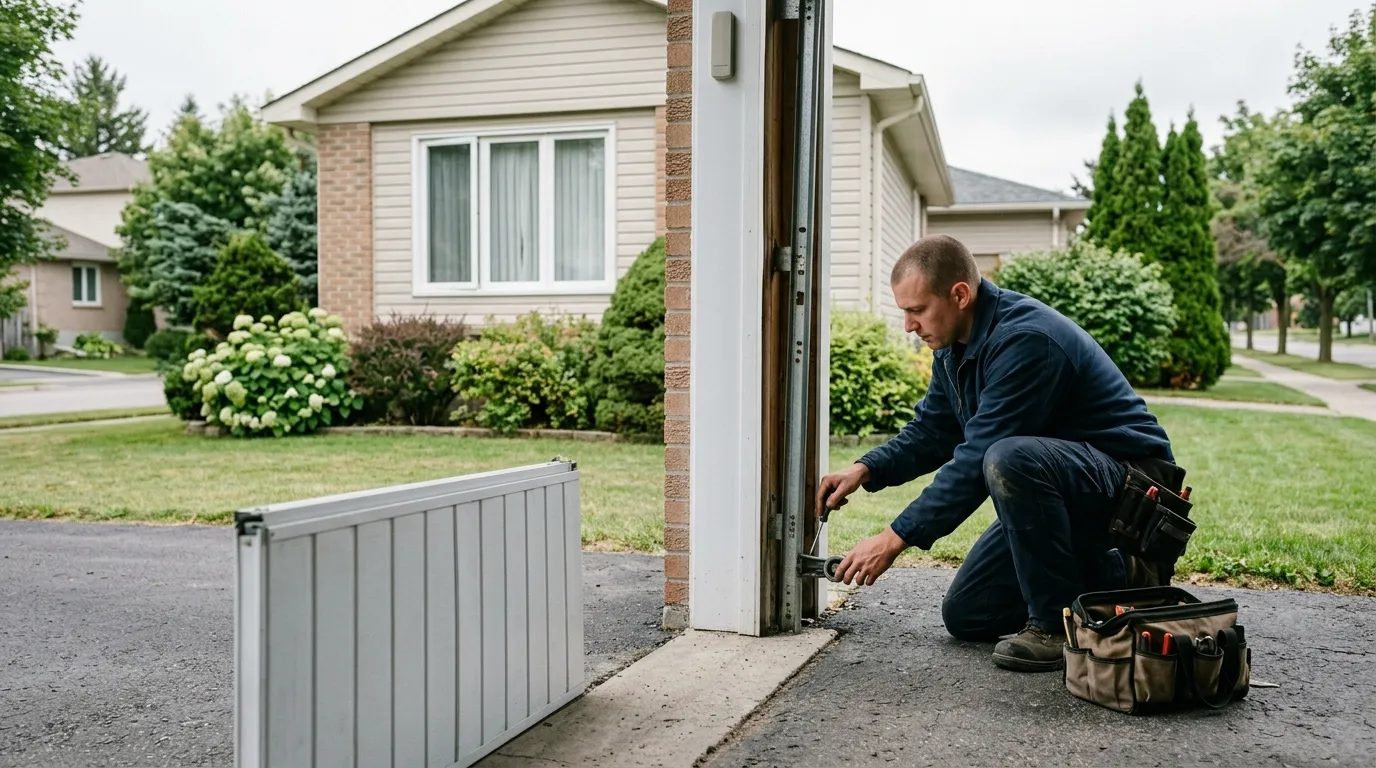
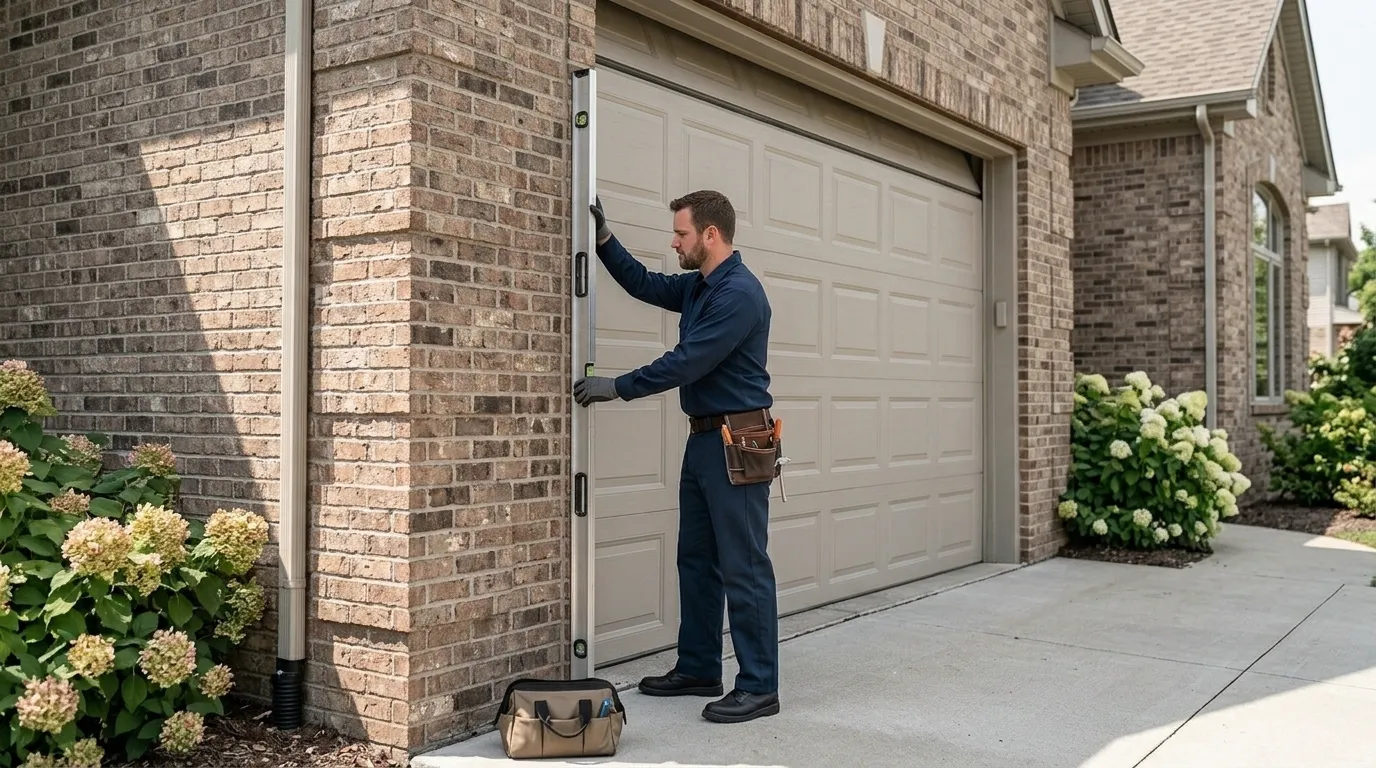
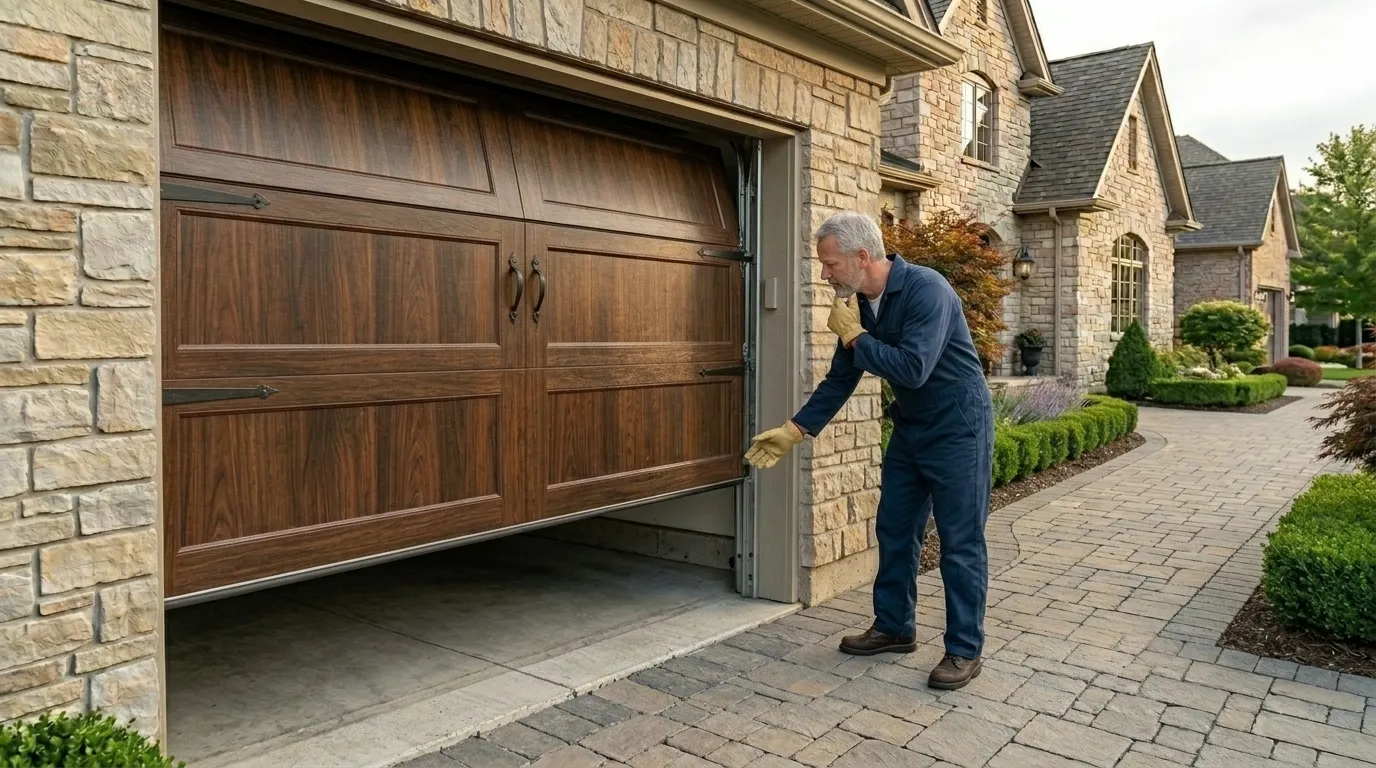
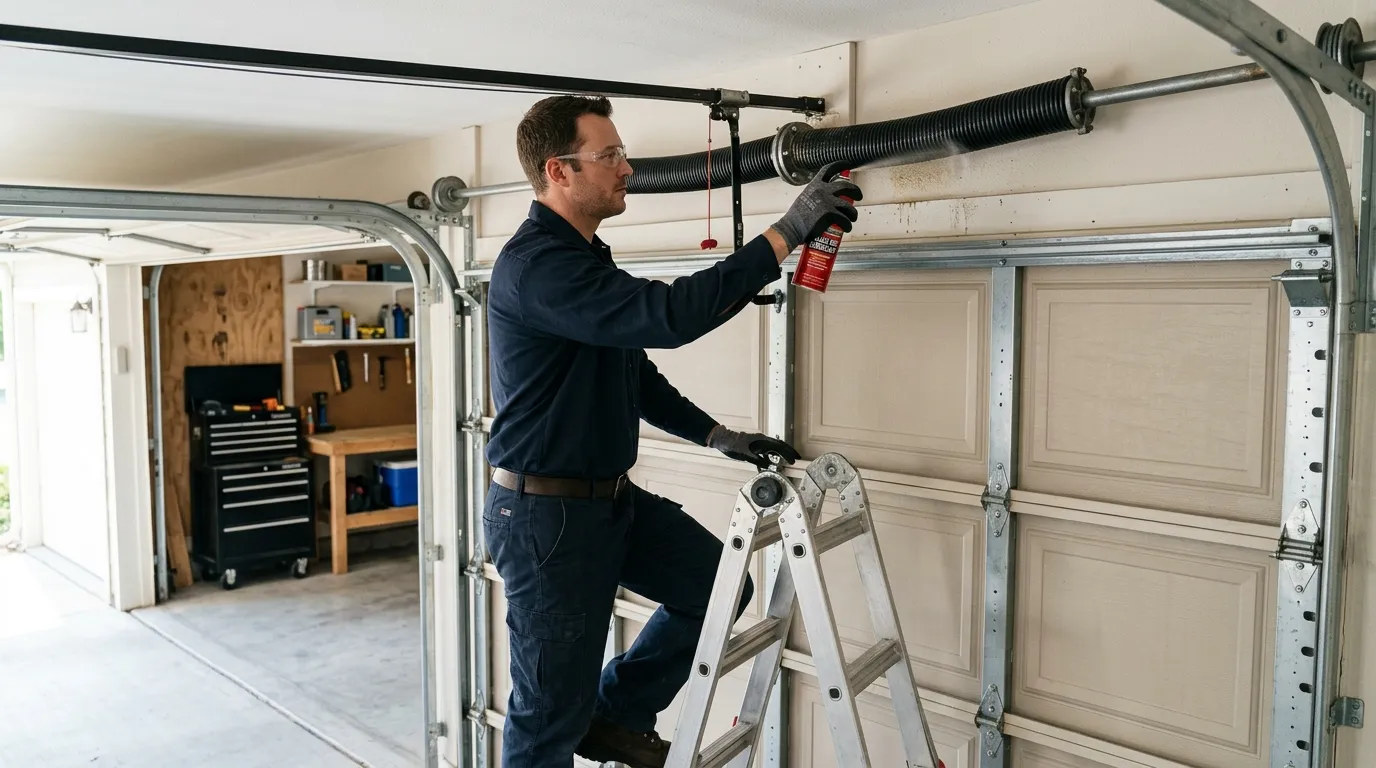
If the door is heavy to lift by hand, or it slams down the last foot instead of settling, that's usually a torsion spring that's lost tension or broken outright - common on doors from this area's older housing stock that have carried the same spring for decades. A door that judders, jumps, or drags on one side points to a bent track or a roller that's worn out its bearing, more likely after a winter with a lot of freeze-thaw cycling. If the opener runs but the door doesn't move, or it reverses before it closes, that's often a limit switch or gear issue on an older chain-drive unit. A door that opens fine but won't stay down, creeping back up on its own, usually means the spring tension and the door's weight are out of balance. None of these are the same repair, and none of them get better on their own - a spring that's lost partial tension puts more strain on the opener with every cycle until something else fails too.