The Cost of This Job
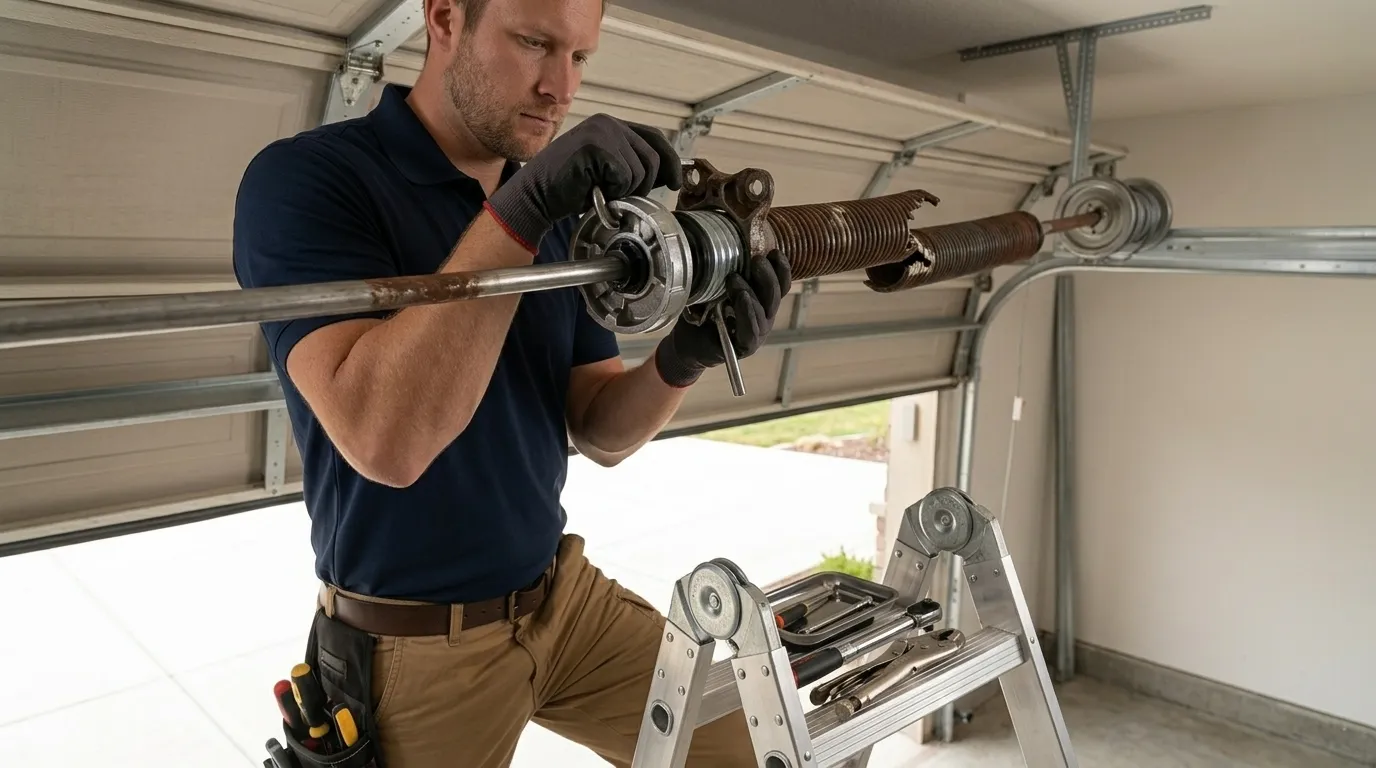
We don't post a flat number for garage door repair because the job itself isn't flat. A broken torsion spring on a two-car door is a different bill than a bent track from a car backing out wrong, and a burned-out opener motor is different again. What we can tell you is what drives the price up or down on most calls: whether the part is still made, whether the drum or shaft is rusted enough to need replacing along with the spring, and whether the door is original to the house.
That last one matters more here than in newer towns. A lot of the doors we open in this service area are original to homes built in the 1960s and 70s, and original hardware on a 60-year-old door often needs more than the one broken part - the rollers are shot, the hinges are stretched, the cable is frayed from riding a bent drum. We'll tell you straight if fixing the spring alone is a patch or a real fix.
Honest limitation: if the door itself is warped, rusted through at the bottom panel, or the track is bent beyond a clean pull-back, we'll say so and tell you replacement beats repair. We're not going to keep billing you for parts on a door that's done.
What Is on the Truck
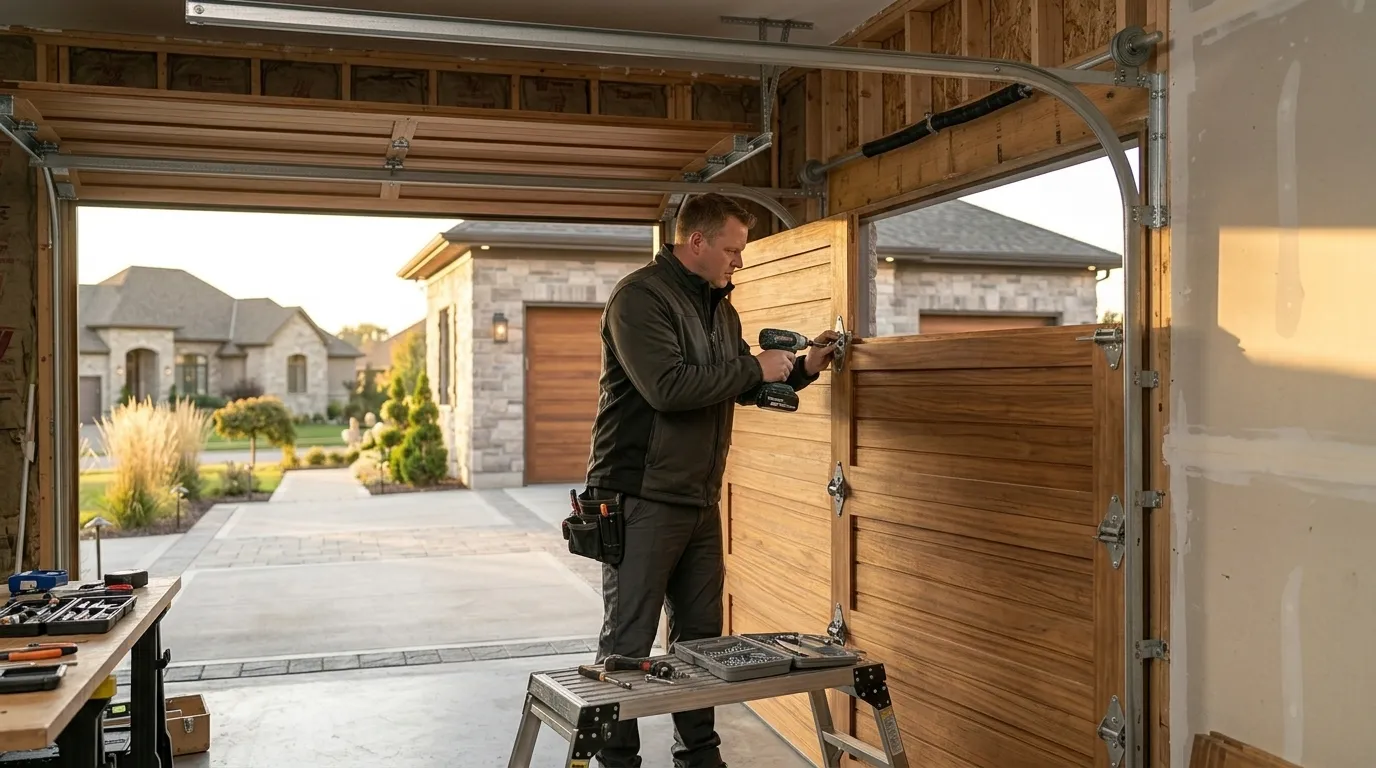
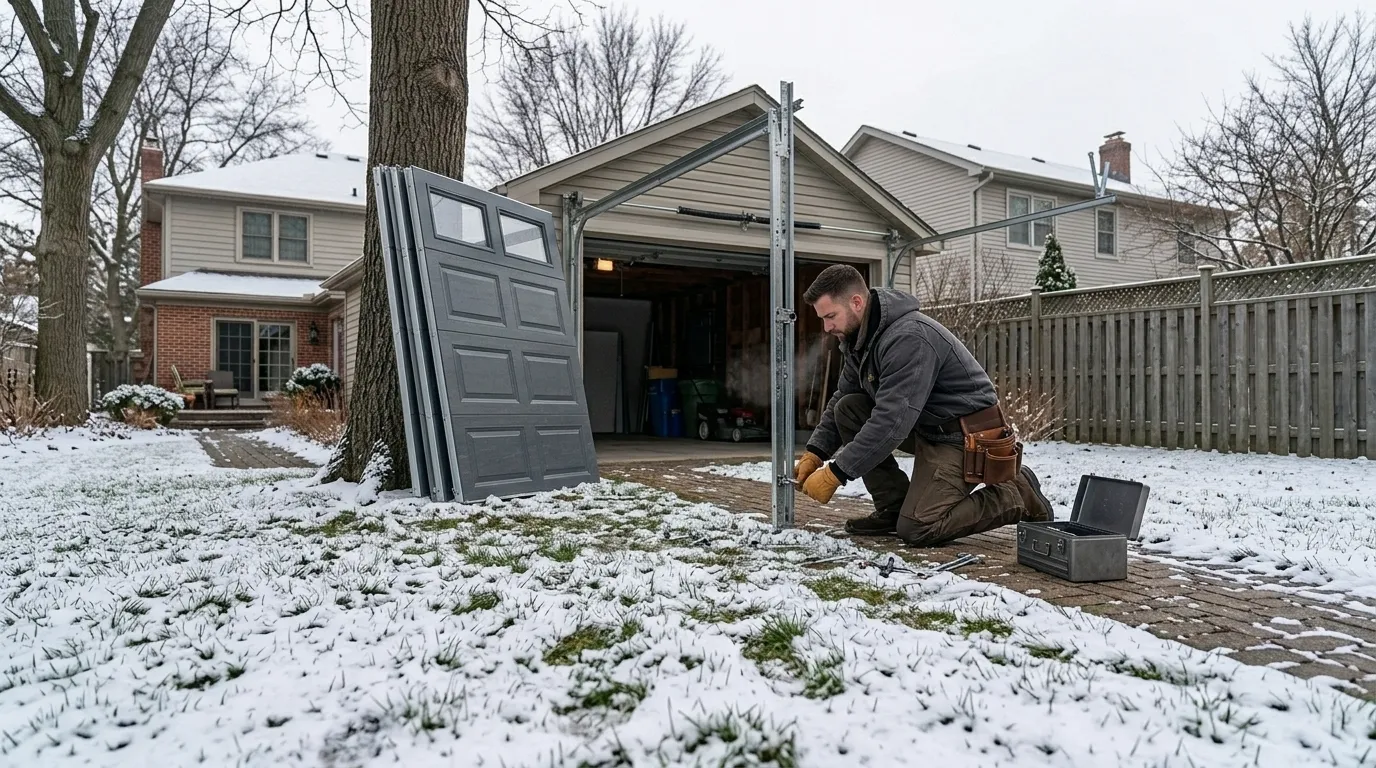
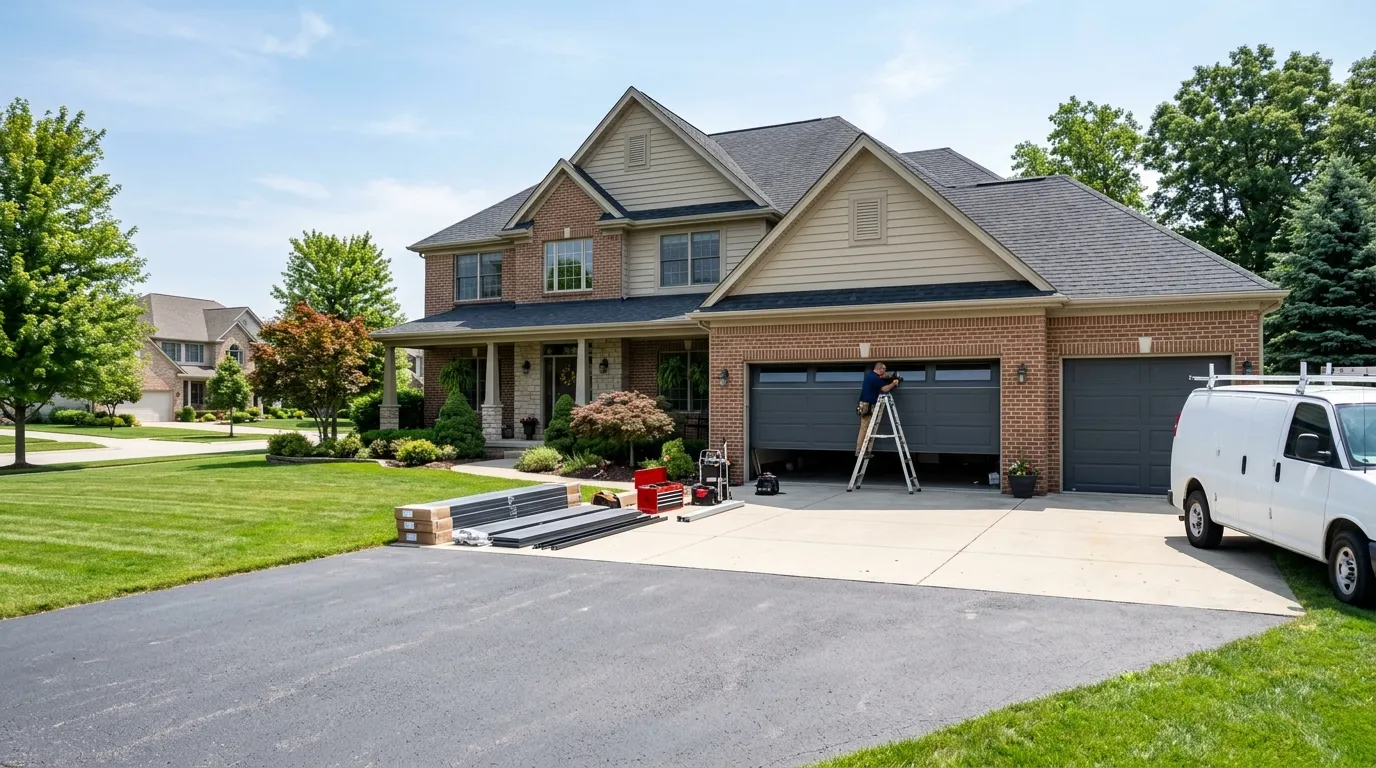
Because so much of the housing stock here dates to the 1938-1994 window, we carry torsion springs sized for the shaft diameters that were standard on doors from that era, not just what's common on new construction. Same with drums, cables, and the hinge sets that fit older galvanized track - a lot of that hardware isn't a universal fit, and running to a supply house mid-job costs you a second trip charge.
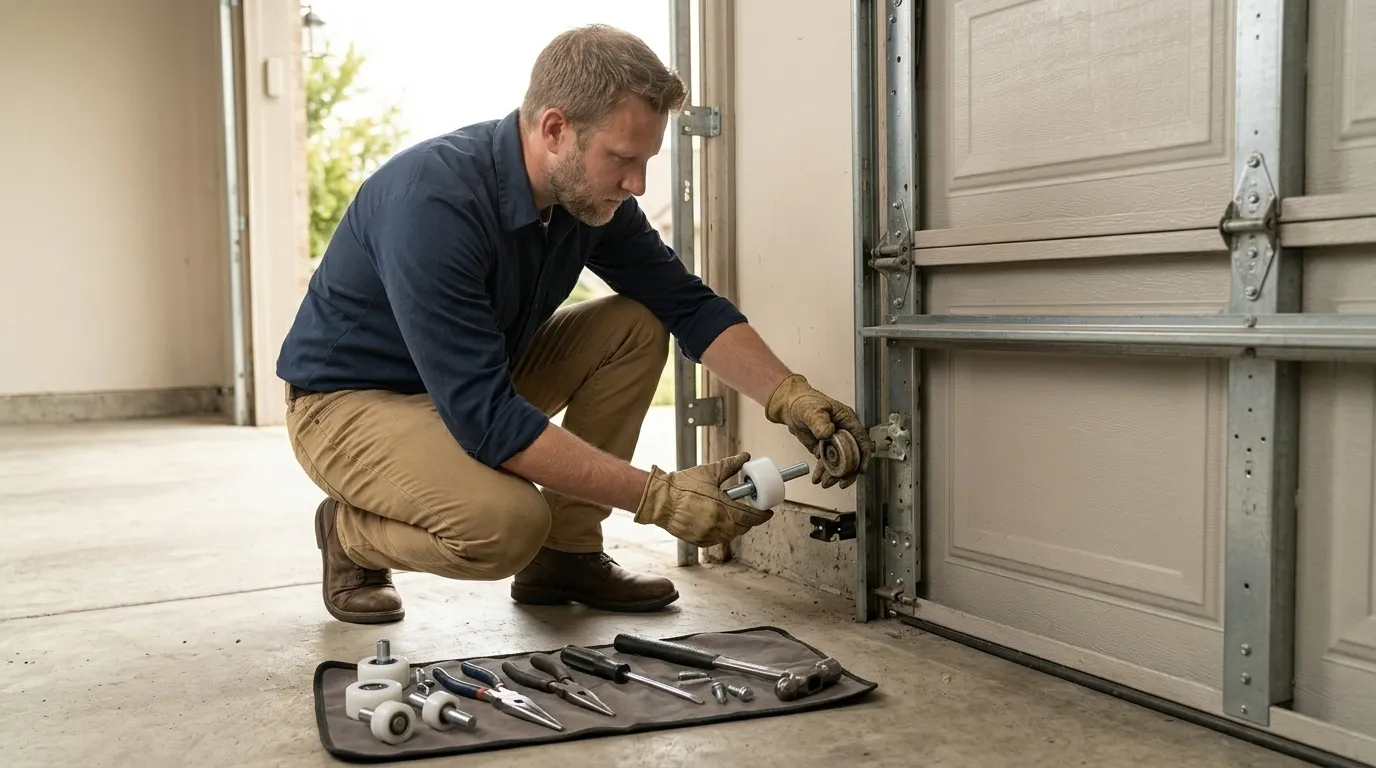
We stock a range of nylon and steel rollers, since roller failure shows up constantly on doors that have been through 50-plus winters of freeze-thaw cycling. Opener boards and drive gears for the more common chain and belt drive units are on the truck too, along with the sensors that tend to fail from age and vibration rather than any single event.
What we don't carry: parts for doors so old or so specialty that they're out of production entirely. If your door needs a part nobody's made in years, we'll tell you that on the spot rather than stringing you along, and we'll walk you through what a replacement door would run instead of a repair that won't hold.
What You Are Seeing
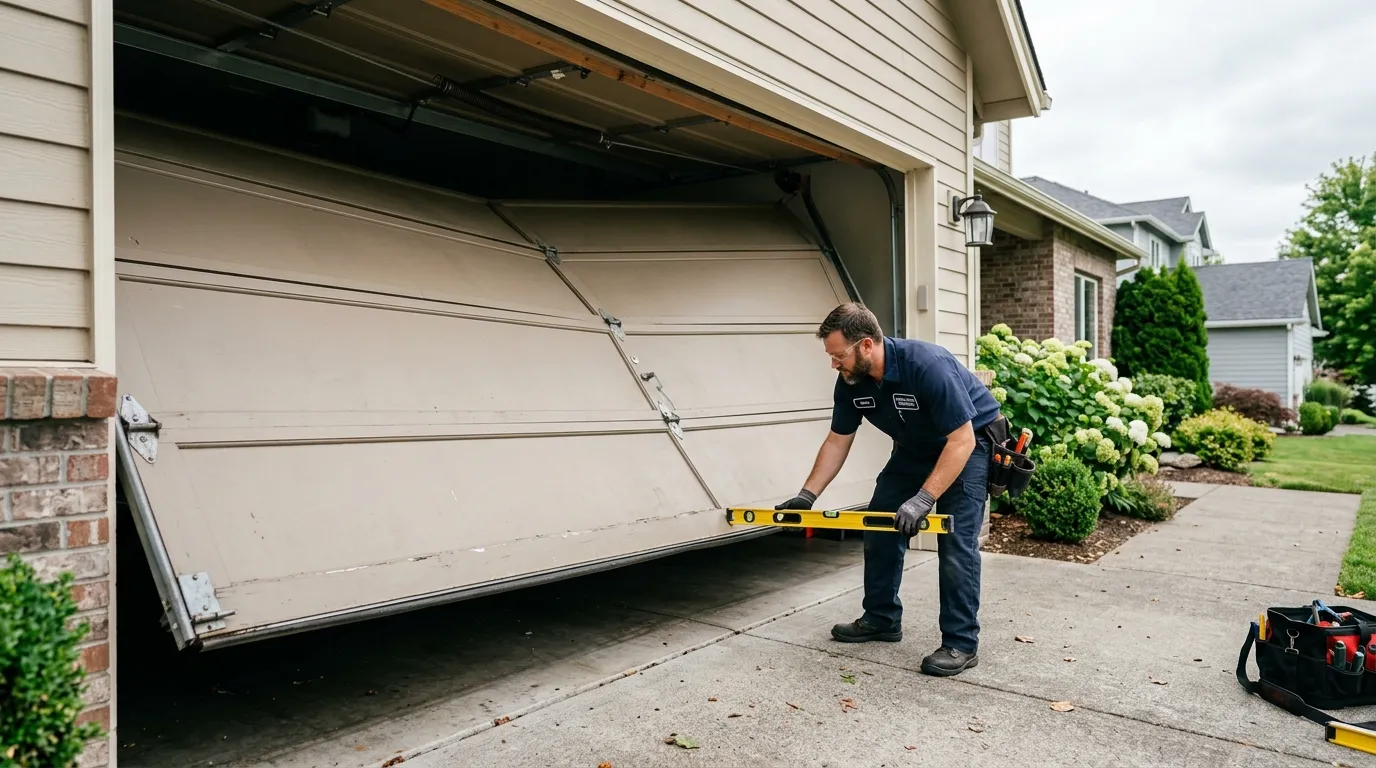
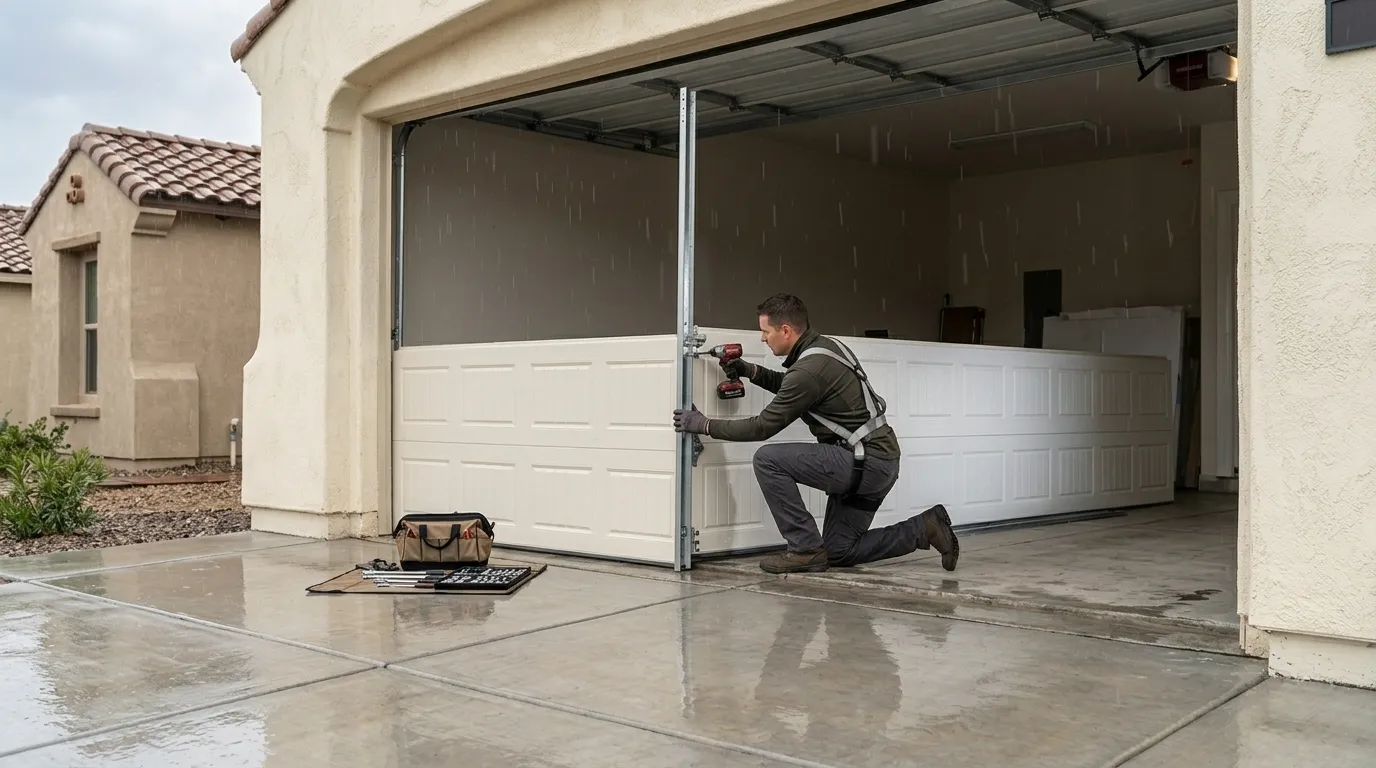
If the door won't budge and the opener motor hums but the door doesn't move, that's almost always a broken torsion spring - common on original hardware from the 1960s-70s wave of construction once the coil count runs out. A door that shudders, drops unevenly, or comes off track partway up usually means a bent track or a cable that's slipped off a worn drum, both more likely on older galvanized track that's taken decades of freeze-thaw movement.
A door that's noticeably heavier to lift by hand than it used to be, or an opener that strains and reverses on its own, points to rollers gone stiff from hardened grease - a cold-climate problem more than a hot one. Grinding or popping sounds during a cold snap often mean metal fatigue finally catching up with a spring or hinge that's been flexing for years.
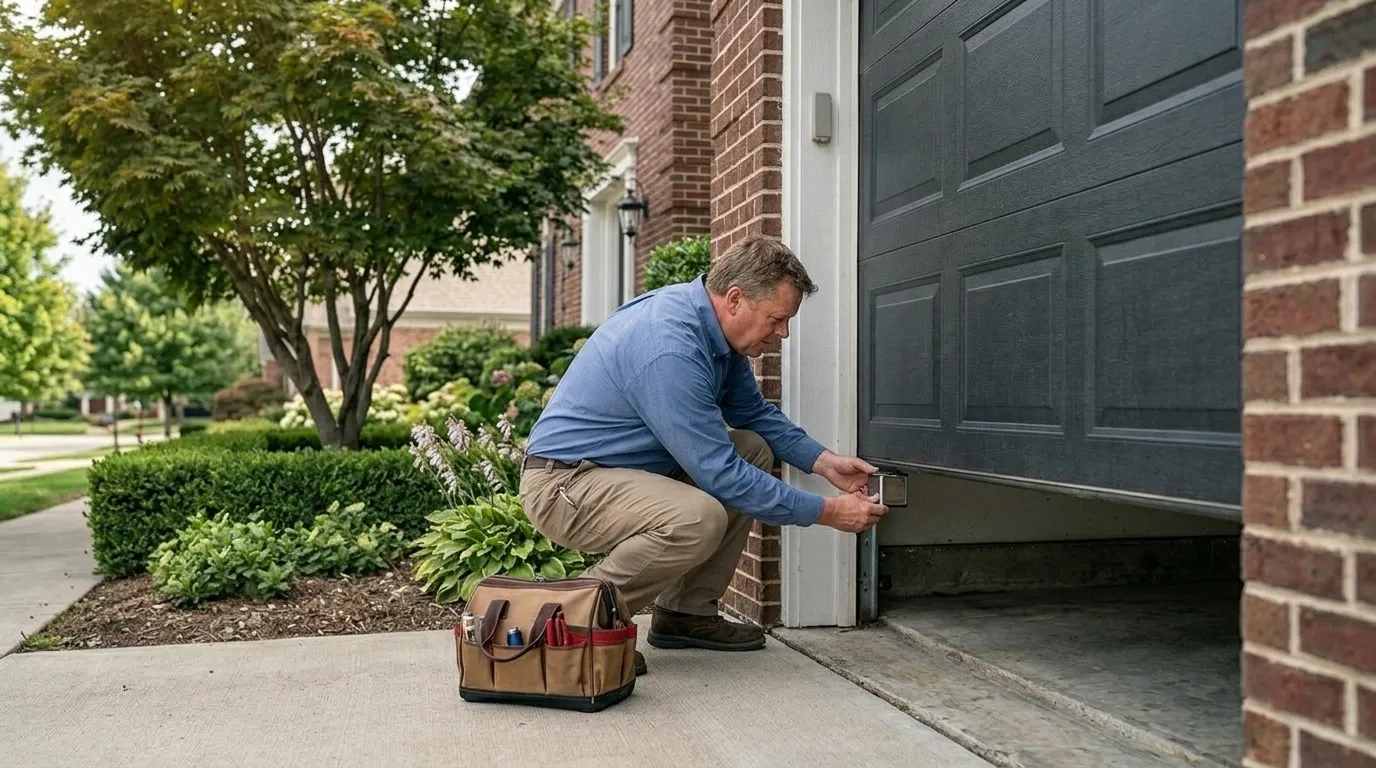
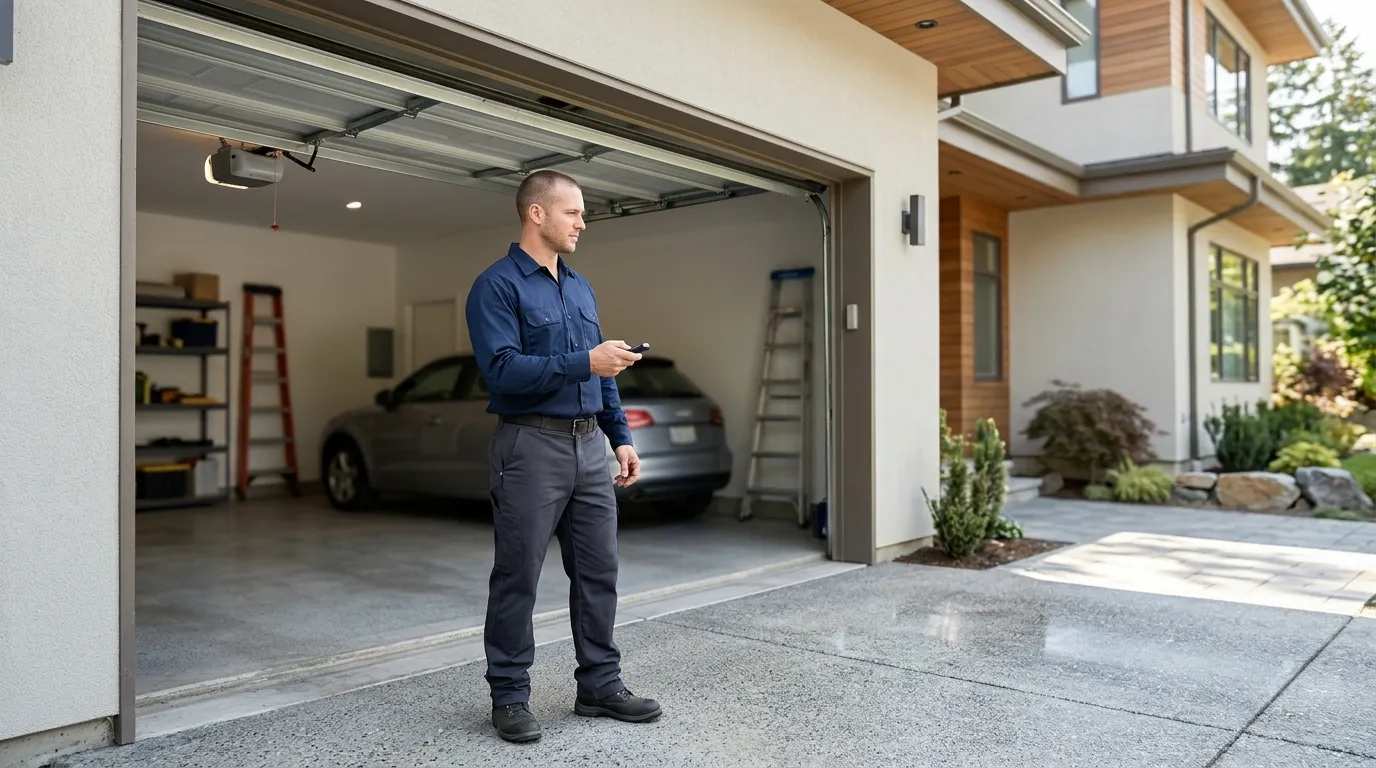
If the opener runs but the door doesn't respond at all, check the sensors first - years of vibration and temperature swings knock the eyes out of alignment more than any single impact does. None of these are exotic problems. They're what happens to hardware this old in a climate that swings through freezing all winter.