This Area's Housing
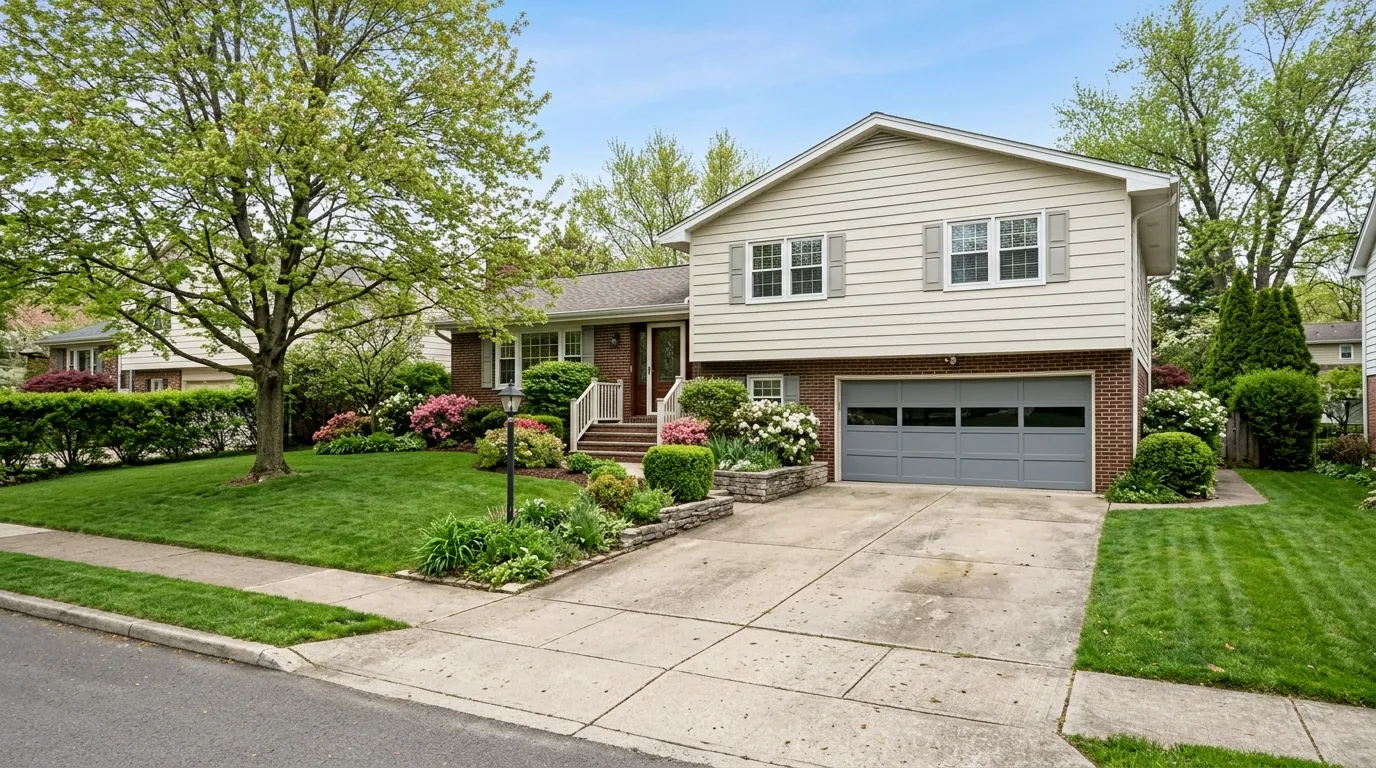
Addison's housing stock centers on 1972, a good eight years newer than the median for our wider service area (1964, spanning homes built 1938 to 1994). That later build date matters more than it sounds. By the early 1970s, builders here had mostly moved off the old wood-panel, extension-spring setups and into steel sectional doors on torsion springs mounted above the opening - the layout most repair trucks carry parts for today.
With 13,074 households in Addison and a median income of $87,587, this pocket runs a bit above the broader area's $80,202 median. That doesn't change what breaks on a door, but it does mean more owners here are replacing worn openers and hardware outright rather than patching them repeatedly, since the cost difference is less of a stretch.
We don't have census figures broken out finer than the town level, so we can't tell you which block your house falls into for build year. What we can tell you is that a door original to a 1972 build is now over fifty years old, and if yours still has the factory opener, it's well past the point where replacement parts are easy to find.
What That Means for Doors
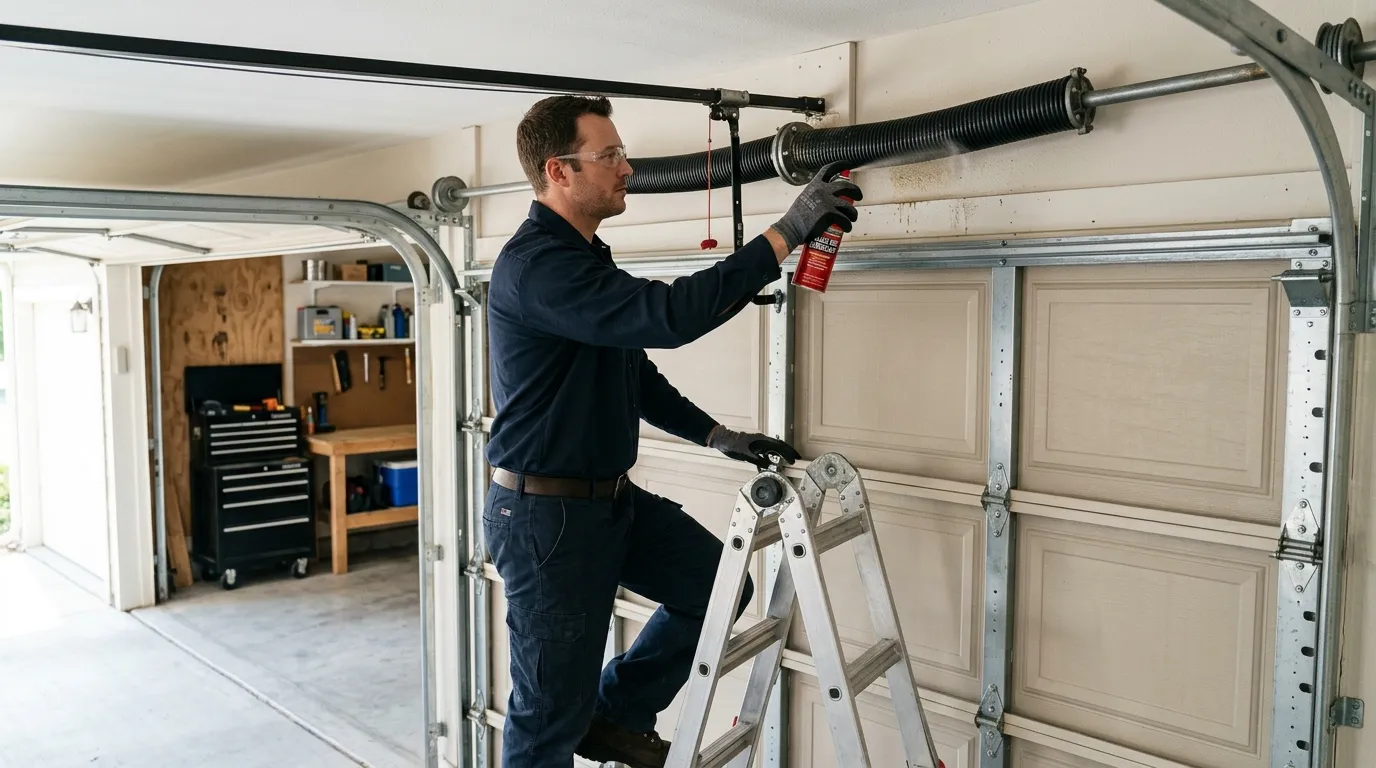
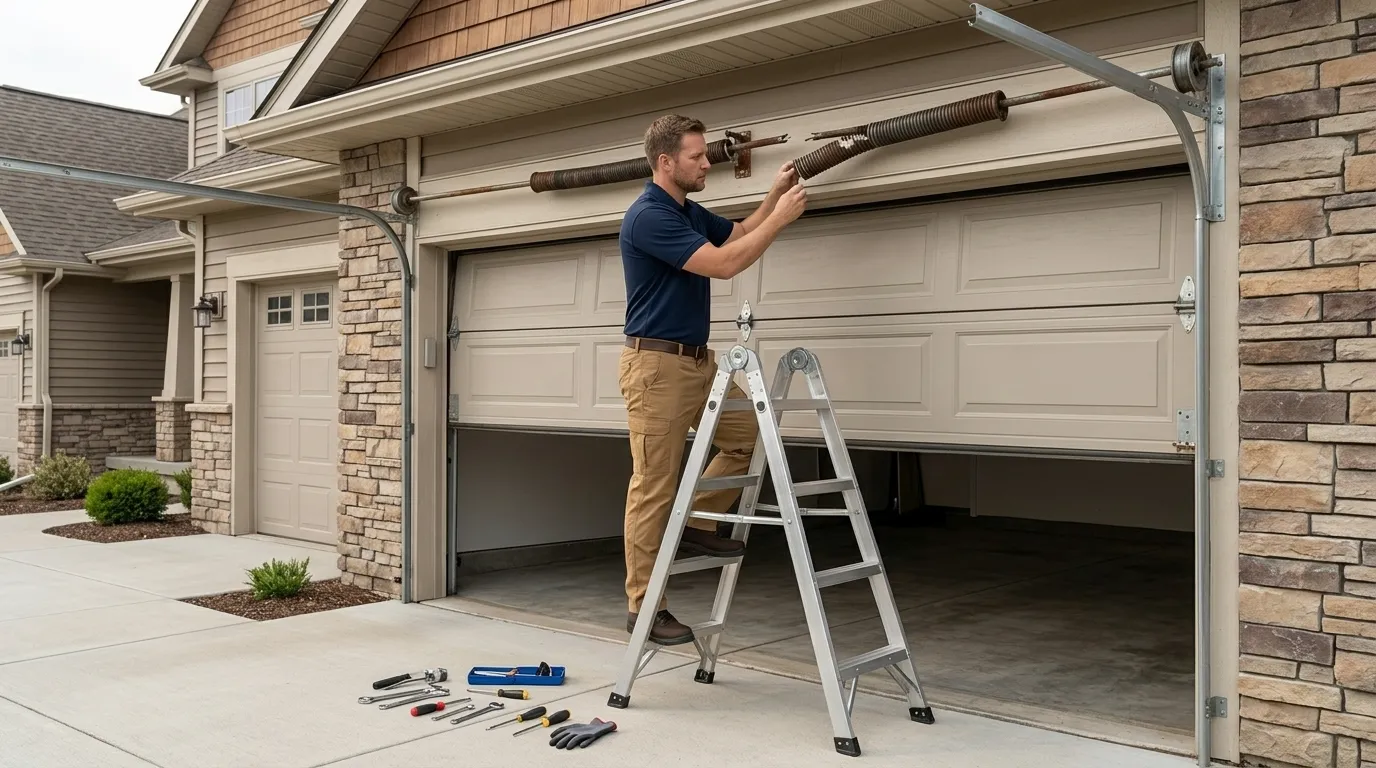
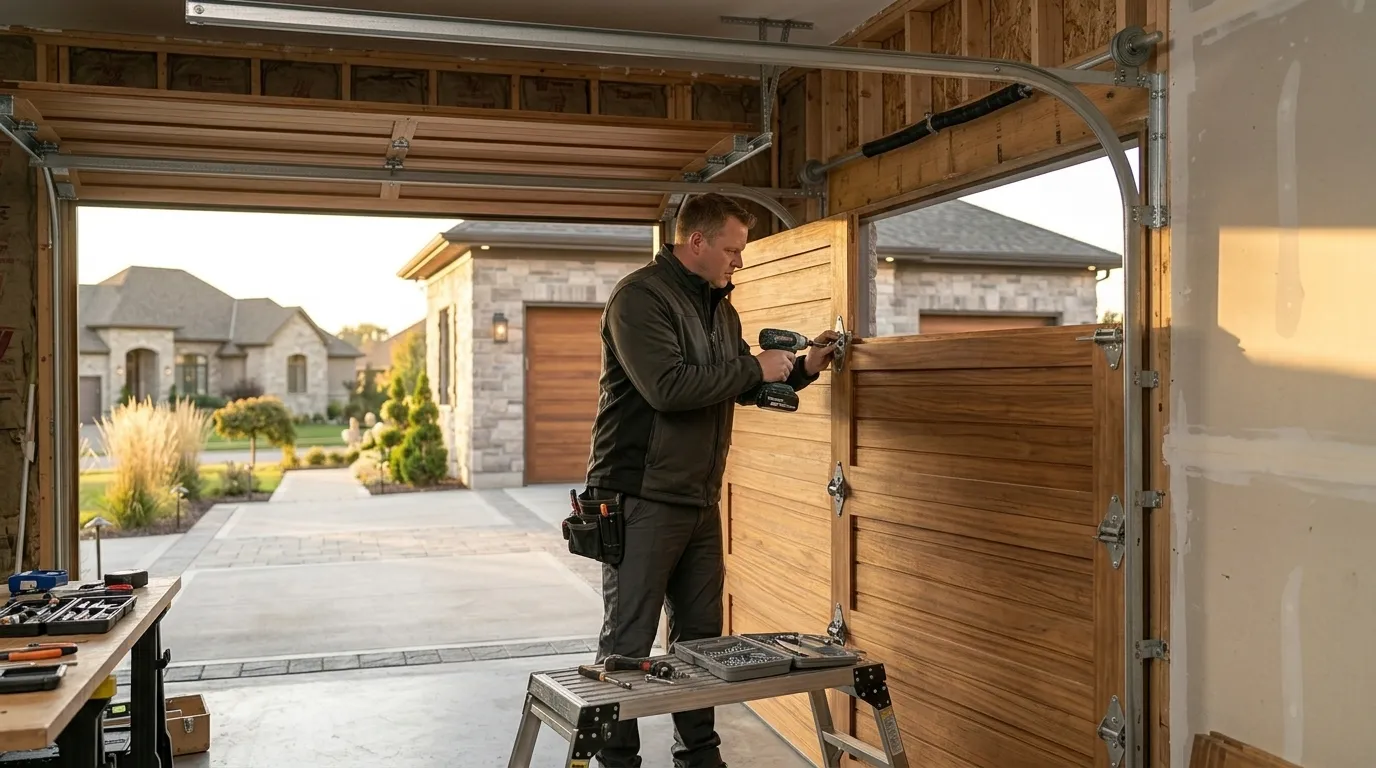
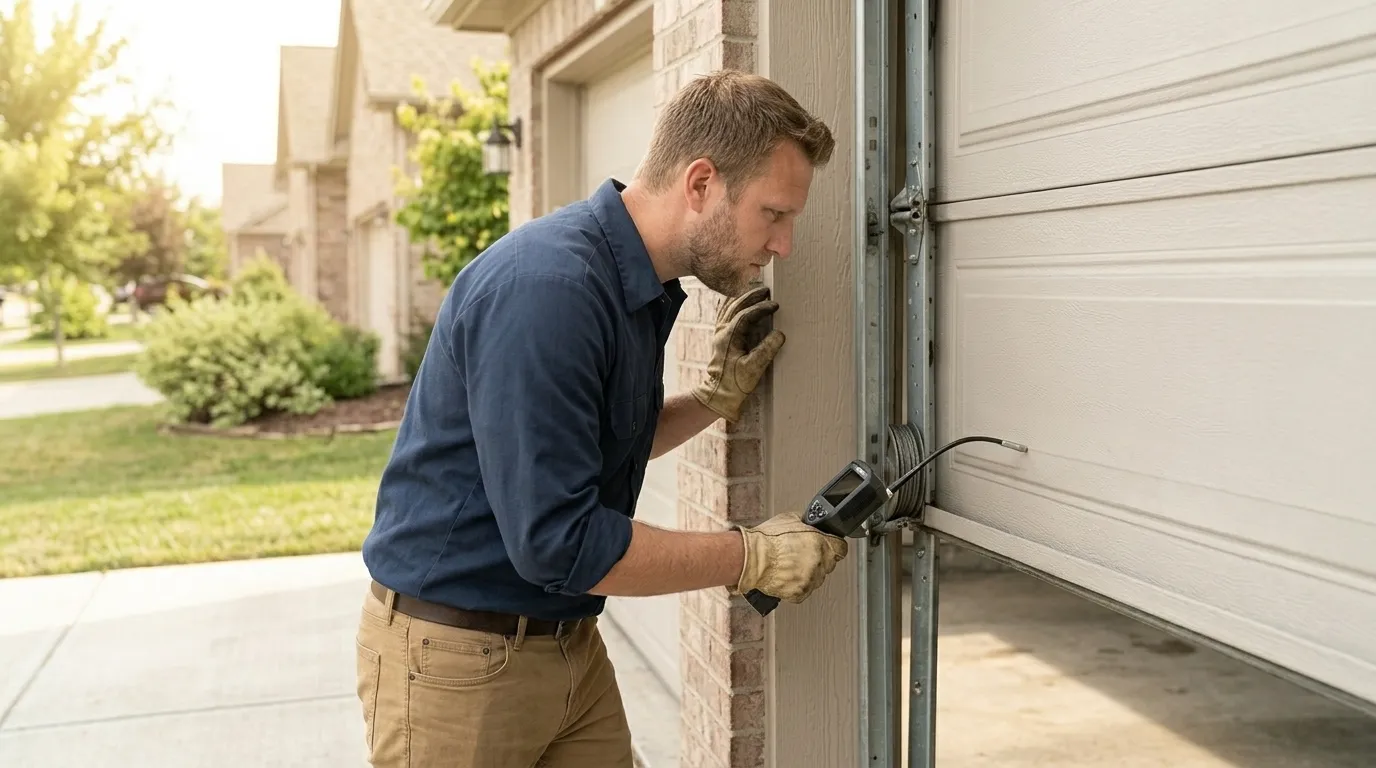
A door installed around a 1972 build date is very likely on torsion spring hardware mounted on a header above the opening, not the older side-mounted extension springs you'd find on pre-1960s stock. Torsion springs fail differently - usually a clean snap rather than a slow stretch - and they're under enough tension that they're not a homeowner repair.
Steel sectional panels from that era also tend to run without the insulation and modern weatherstripping you'd see in anything built in the last fifteen or twenty years. In a cold-moderate climate, that shows up as a door that's harder to lift on the coldest mornings, because the steel itself has stiffened and the old rollers haven't seen grease in years.
We can't tell you the exact spring cycle life without seeing the door, and doors get modified over fifty-plus years - replaced openers, added insulation kits, swapped panels - so a 1972 build date is a starting point, not a certainty about what's actually on your garage right now. If the whole unit is original, replacement is usually the better call over another round of patch repairs.
What People Here Ring About
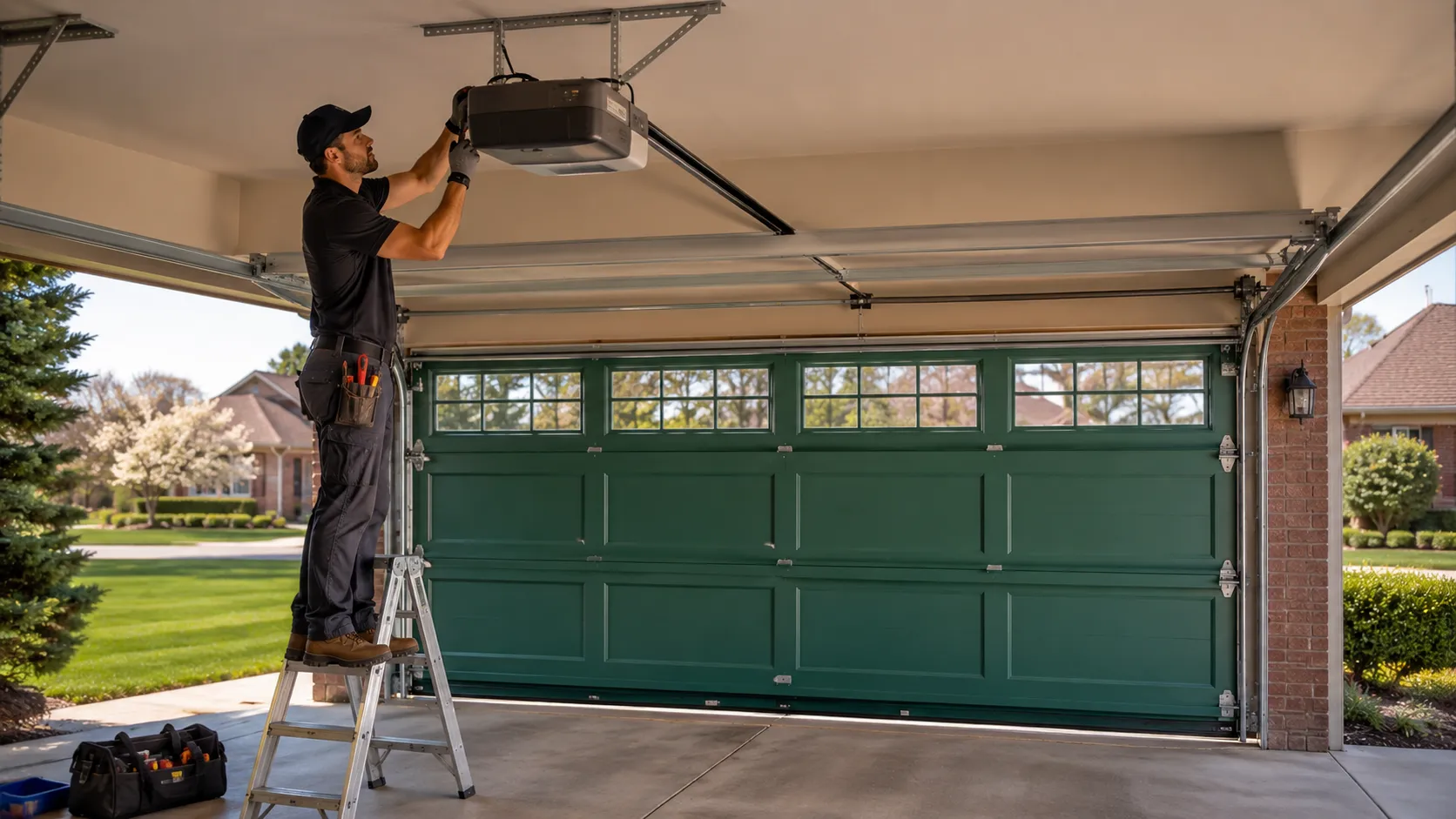
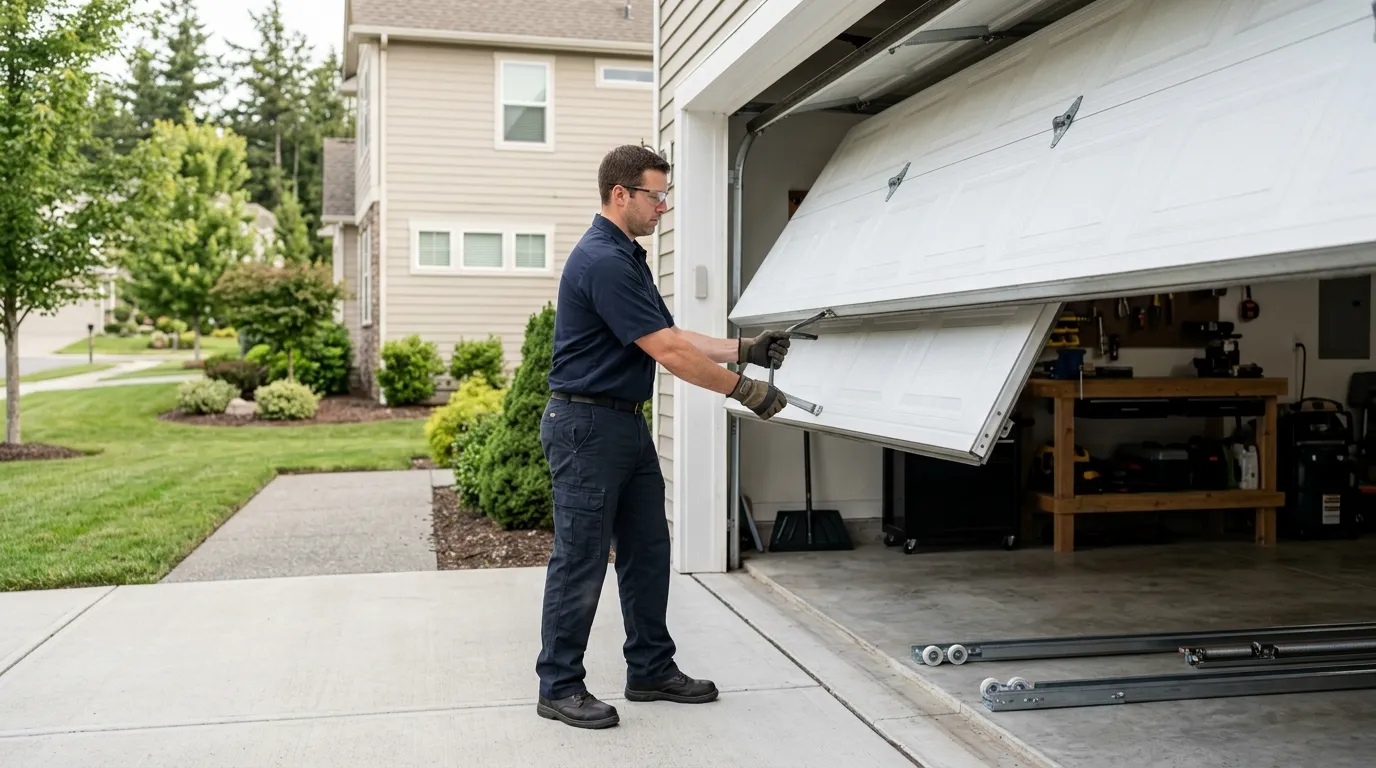
Given the age of the housing here, the calls tend to cluster: a torsion spring that let go without warning, an opener that's stopped responding to the remote, or a door that reverses partway up and won't finish the cycle. All three track with hardware that's been in service since the early 1970s and is simply running out of road.
Cold mornings bring their own version of the same complaints - a door that groans, catches, or won't budge until the sun's been up a while. That's consistent with the cold-moderate climate band this area sits in, where steel contracts enough overnight to bind tracks that were never perfectly aligned to begin with.
We don't get many calls here about high-end insulated doors or smart-opener integration, and that tracks with a housing stock built well before that gear existed. If you've already upgraded, your issues will look more like a newer install than the pattern we're describing - worth mentioning when you call, so we bring the right parts on the truck.