This Area's Housing
Alsip's median build year sits at 1974, which puts it a full decade past the 1964 median we see across the wider service area, where houses commonly date back to 1938. That gap matters more than it sounds. A house built in 1974 was framed for a garage door opener as standard equipment, not an add-on retrofit, so the header and track mounting tend to be more consistent than what you find in the older 1940s and 1950s stock elsewhere in the area. Doors installed when these houses were new are long gone by now, but the framing and rough openings from that era are still what any replacement door has to work with. With 7,780 households in Alsip, most sitting on lots built out in that same narrow window, you get a lot of doors that are the same age, wearing out around the same time, on openings that were cut to the same 1970s standard sizes. That's different from a block where one house is a 1940s bungalow and the next is a 1980s infill - here the housing is more uniform, which usually means the fix on one door tells you something about the door two doors down.
What That Means for Doors
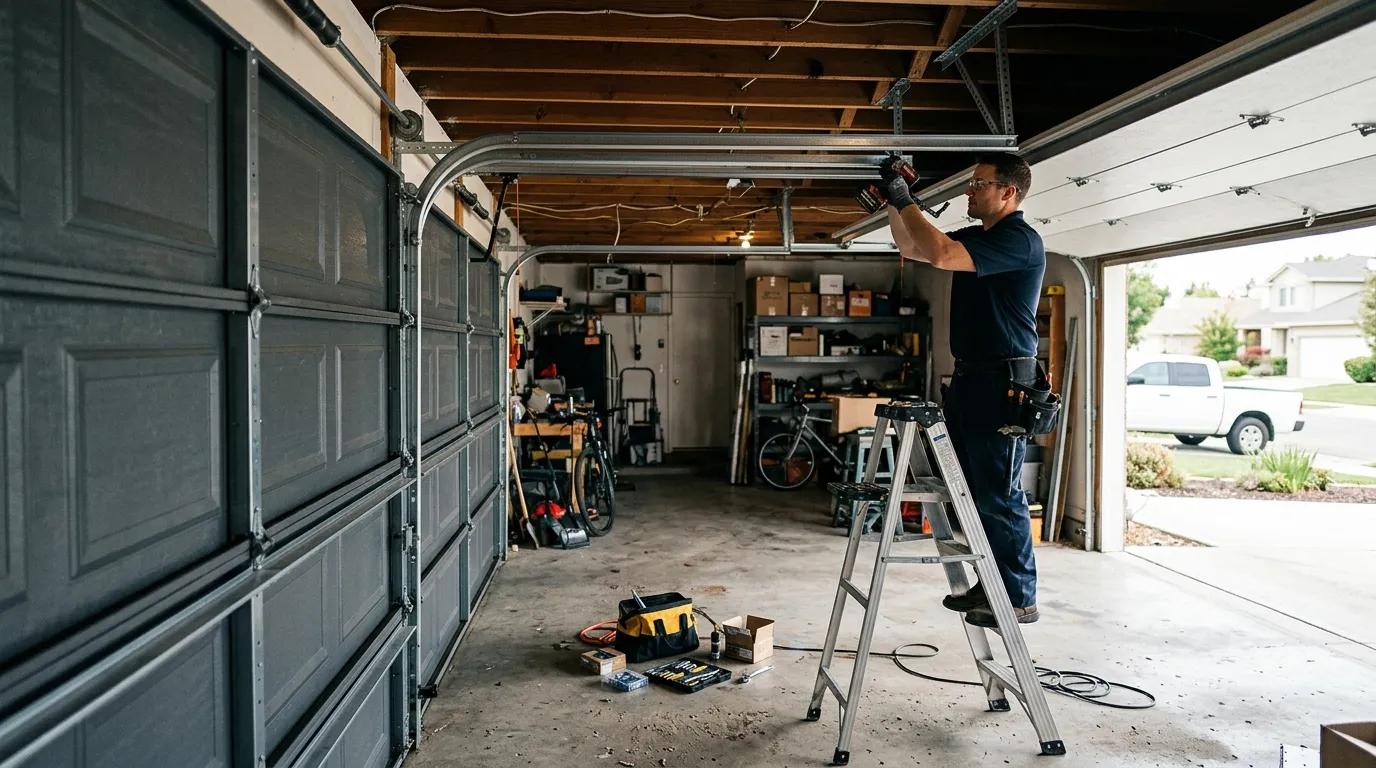
Houses from 1974 usually came with extension springs or early torsion setups, and by now most of those original systems have been replaced at least once - but the openers bolted on later often don't match the door's actual weight or track geometry, because whoever installed the opener wasn't always the same crew who sized the door. That mismatch shows up as an opener straining on lift, or a door that reverses partway up for no obvious reason. The service area's cold moderate climate band also matters for hardware from this era: steel doors from the 1970s and the galvanized track hardware that came with them corrode at the joints and fasteners after decades of freeze-thaw cycles, even without visible rust on the panel face. We'll tell you straight when a spring swap or roller replacement solves it, and when the door's old enough - pushing 50 years on the original frame - that a full replacement costs less over five years than another round of patch repairs.
What People Here Ring About
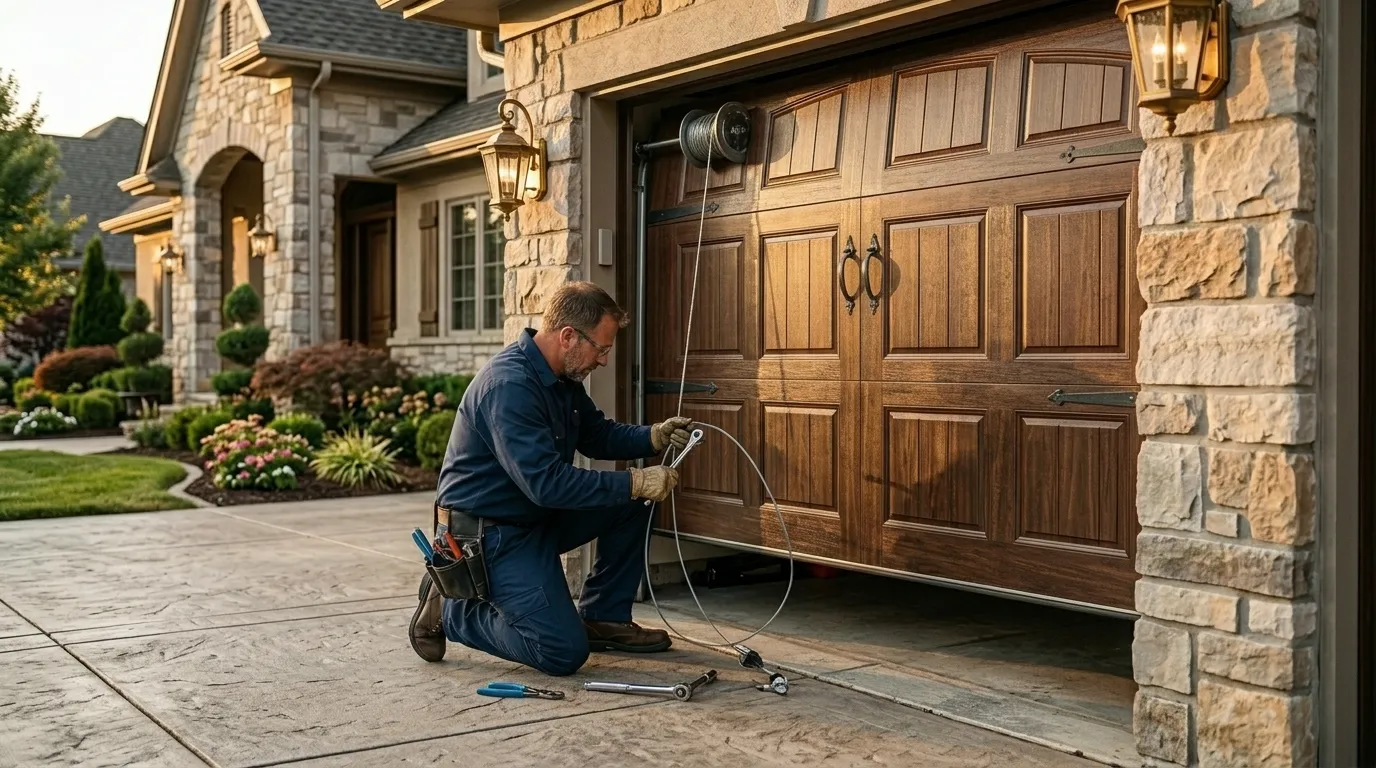
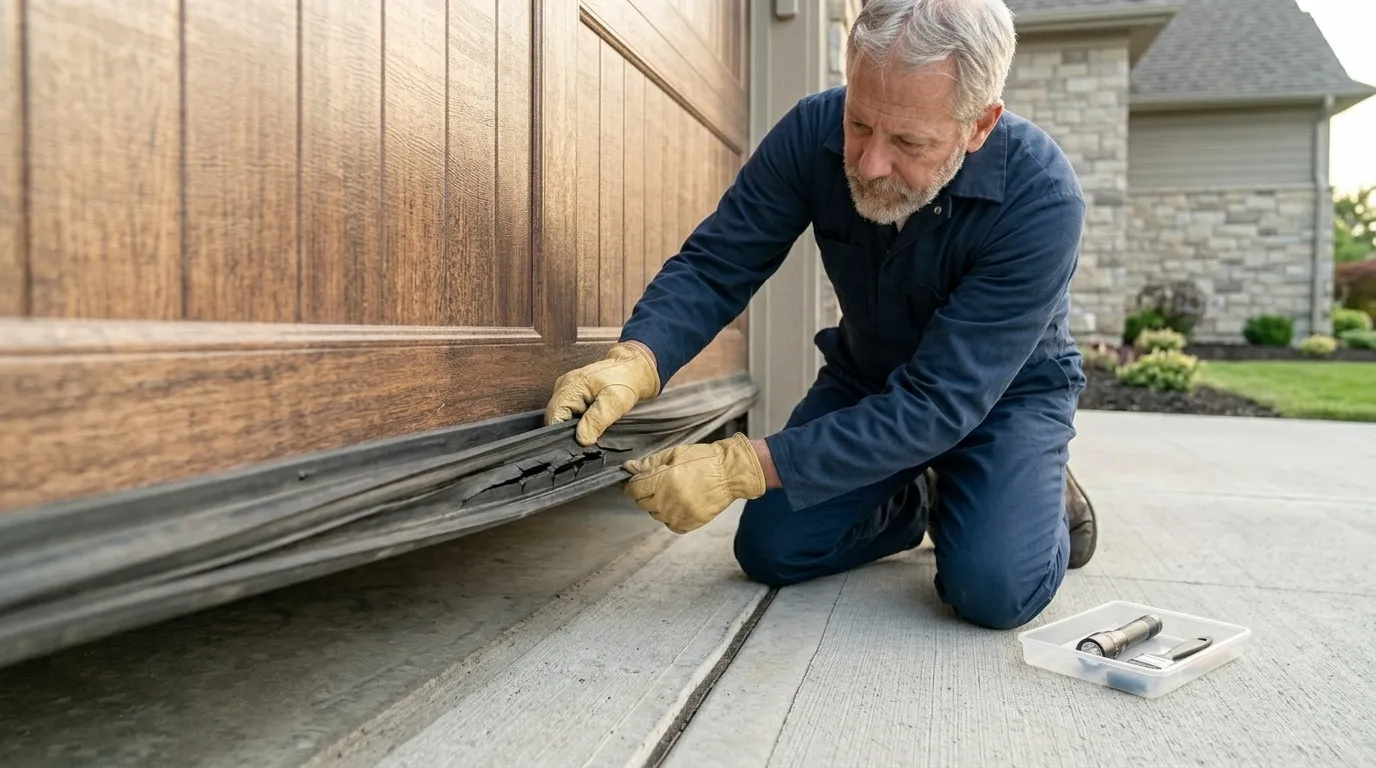
The calls out of Alsip lean toward worn torsion springs and openers that are the second or third one bolted to an original 1970s track - not surprising given the age of the housing stock. Median household income here runs $67,557, noticeably below the $80,202 median across the wider service area, and that shows up in how people approach a repair call: more requests for a straight repair-or-replace read before any work starts, fewer open-ended 'do whatever it takes' jobs. We give that assessment honestly. A cable that's frayed but not snapped, or a panel with a dent that doesn't affect the seal, often doesn't need the full-door conversation - just the specific part. We won't upsell a door that still has years left in it just because it's old.