This Area's Housing
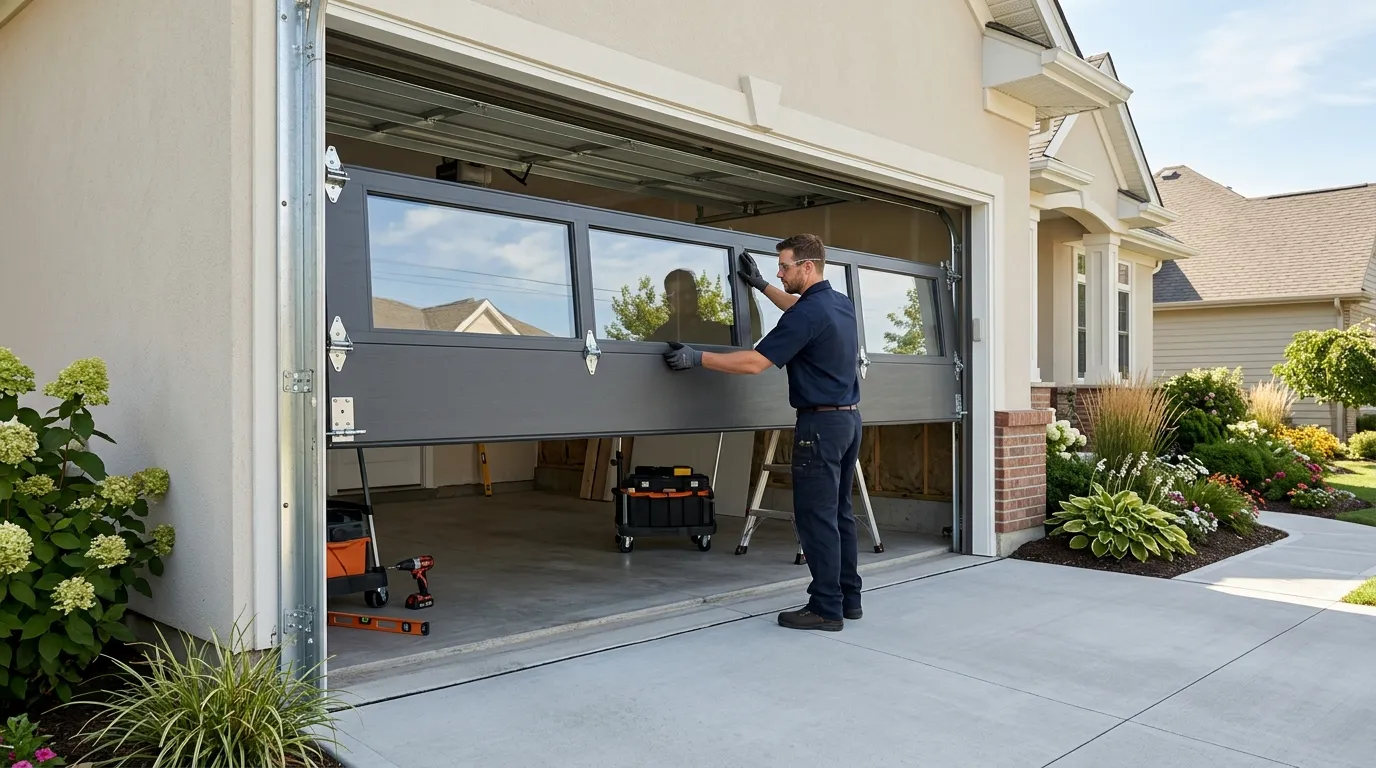
Bedford Park's residential pocket is small - the area carries a median build year of 1947, older than the broader service area's 1938-1994 span and its 1964 median. That difference matters more than it sounds like it should. A house built in the late 1940s usually has a narrower garage opening, often a single bay, and the original door track was sized for a lighter, thinner panel than what gets sold today. With only around 196 households in the area, you're not going to find a big box of matching replacement parts sitting in a warehouse waiting for you. We've worked on doors from this era across the broader Chicago area, and the pattern holds: the header above the opening was framed for a specific track radius, and swapping in a modern steel door without checking that clearance is how installers end up cutting into trim they shouldn't touch. If your door still has its original hardware, that's worth mentioning when you call, because it changes what we bring on the truck.
What That Means for Doors
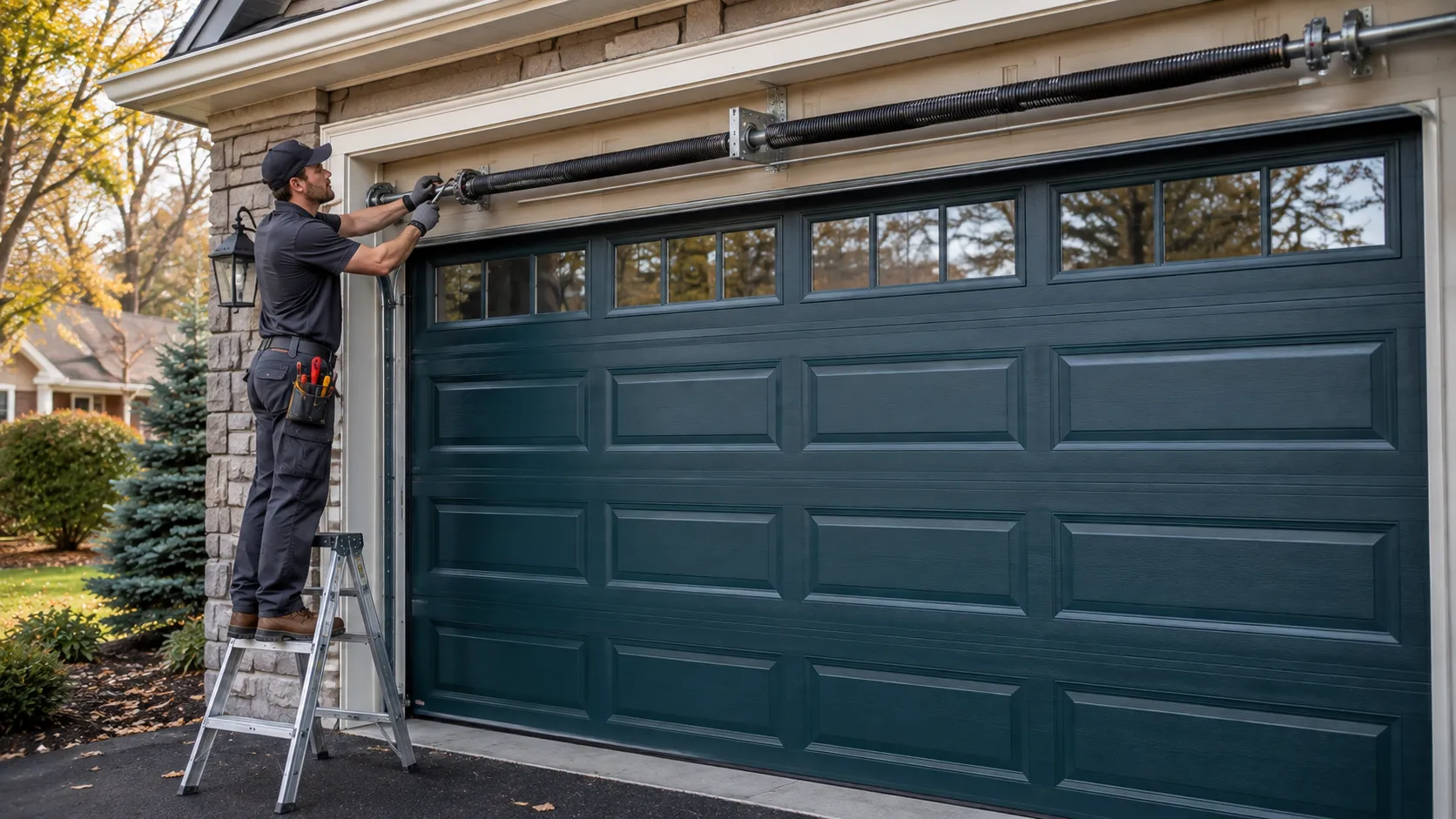
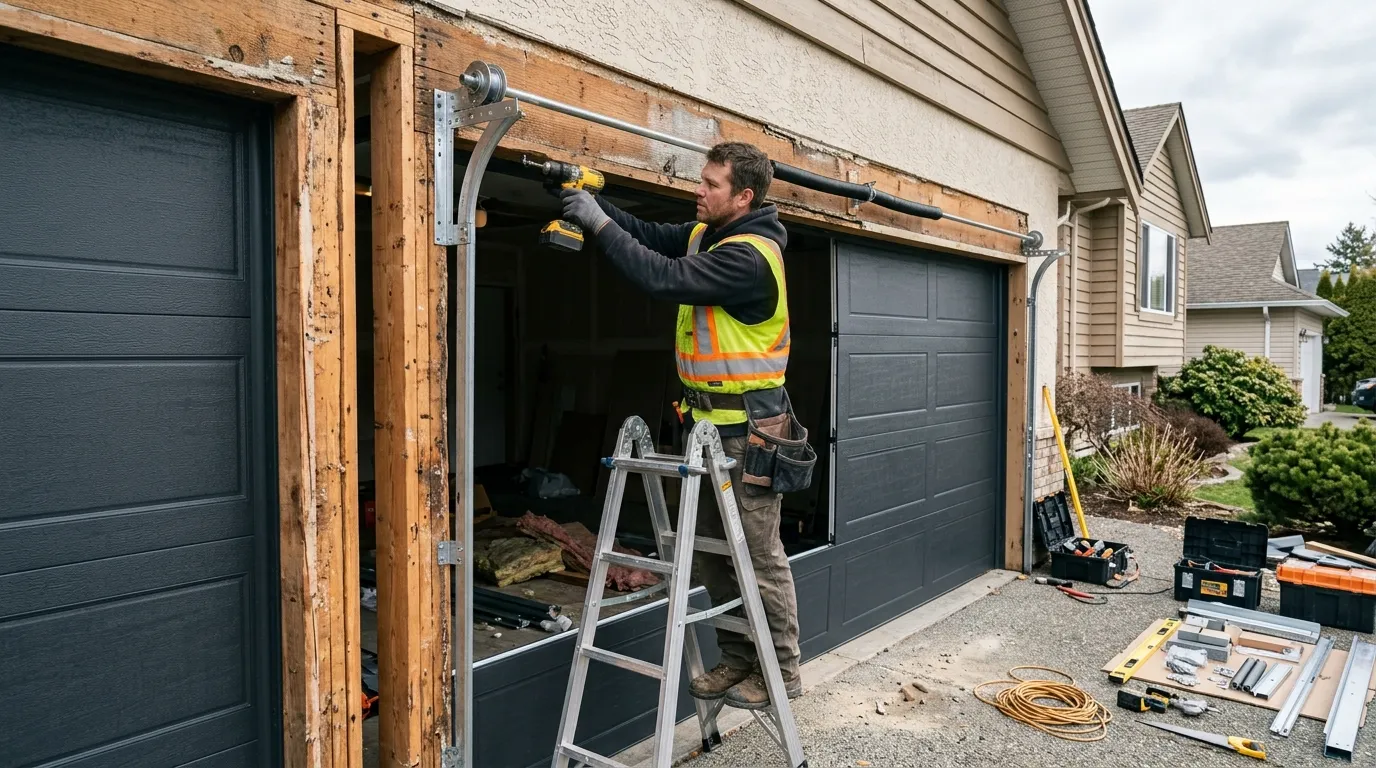
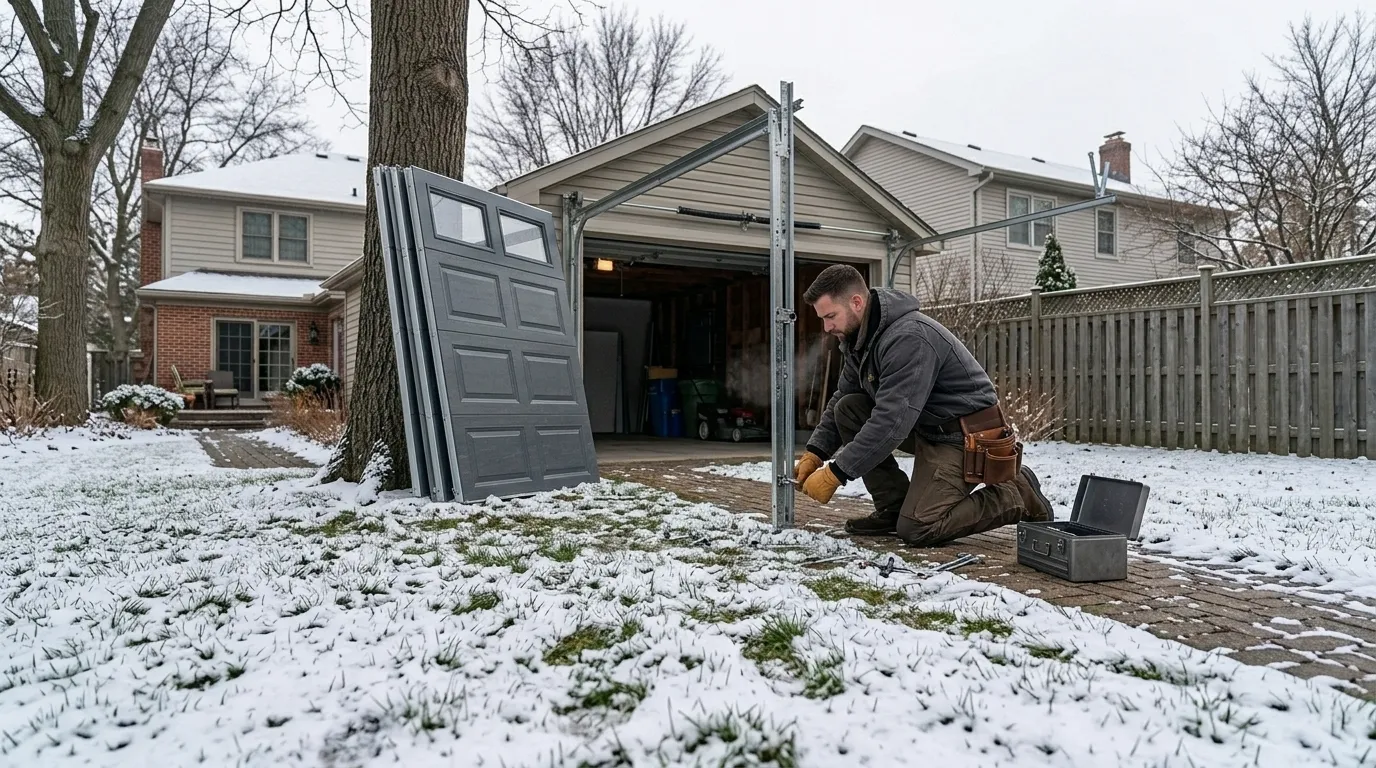
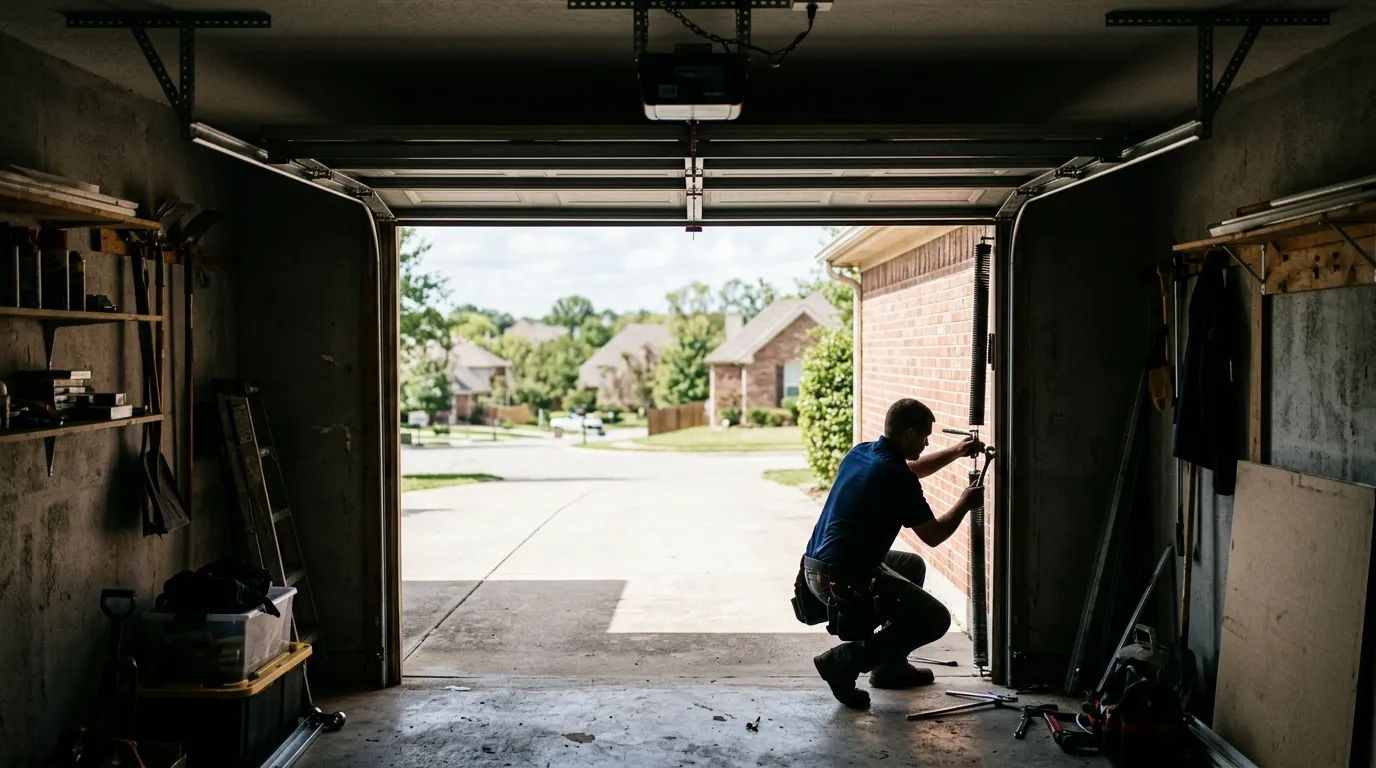
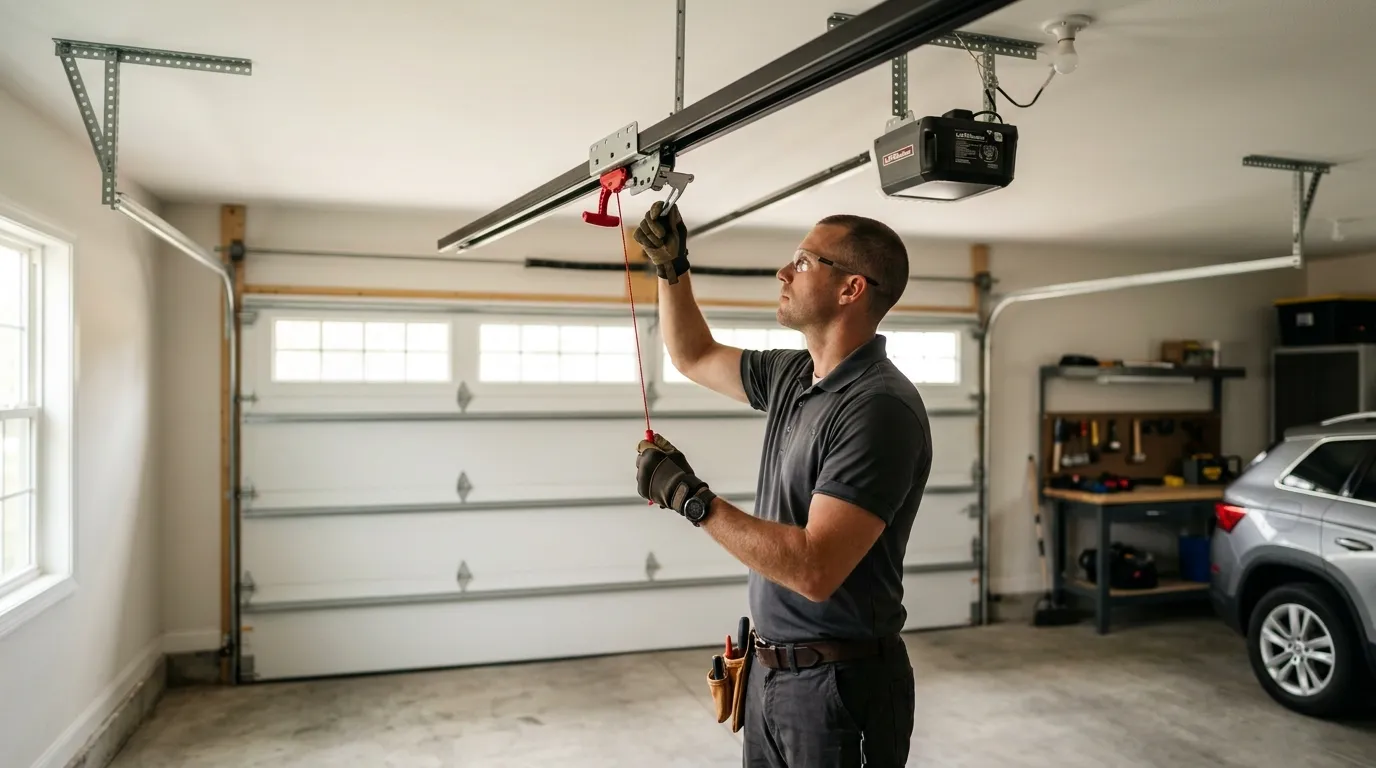
Because so much of the housing here predates 1950, the failures we see skew toward hardware age rather than weather damage alone. A torsion spring rated for a lighter 1940s-era wood door often gets replaced at some point with a heavier insulated steel panel, and nobody recalculates the spring size to match - that mismatch shows up as a door that slams down or won't stay open on its own. Extension springs on older side-mounted setups are also more common here than in newer stock, and they wear differently than the torsion systems most modern doors use. The area sits in a cold, moderate climate band, so metal fatigue from repeated freeze-thaw cycling on old track bolts and hinges is a real factor, not just a talking point. One honest limitation: if the opening itself is out of square from decades of settling, a new door won't fix the underlying frame problem, and we'll tell you that instead of selling you a door that won't seal right.
What People Here Ring About
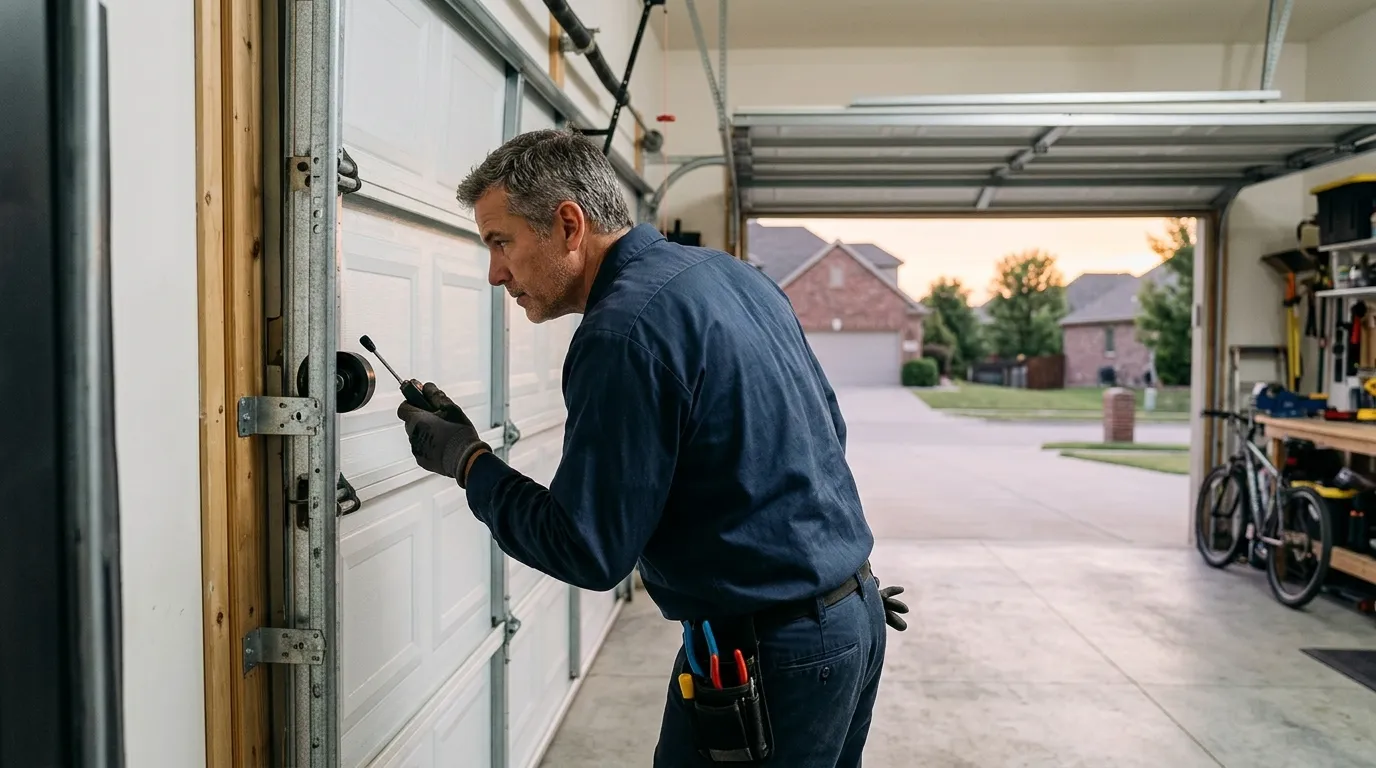
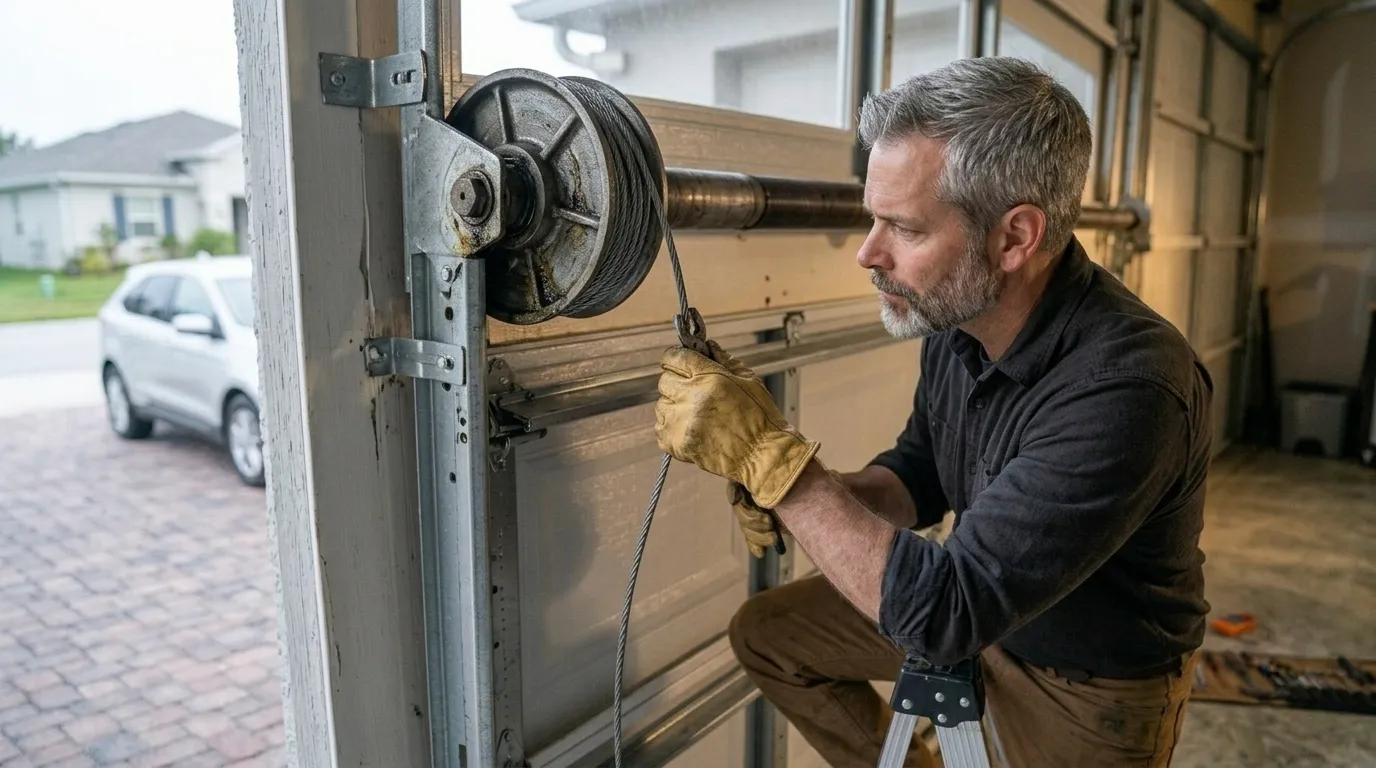
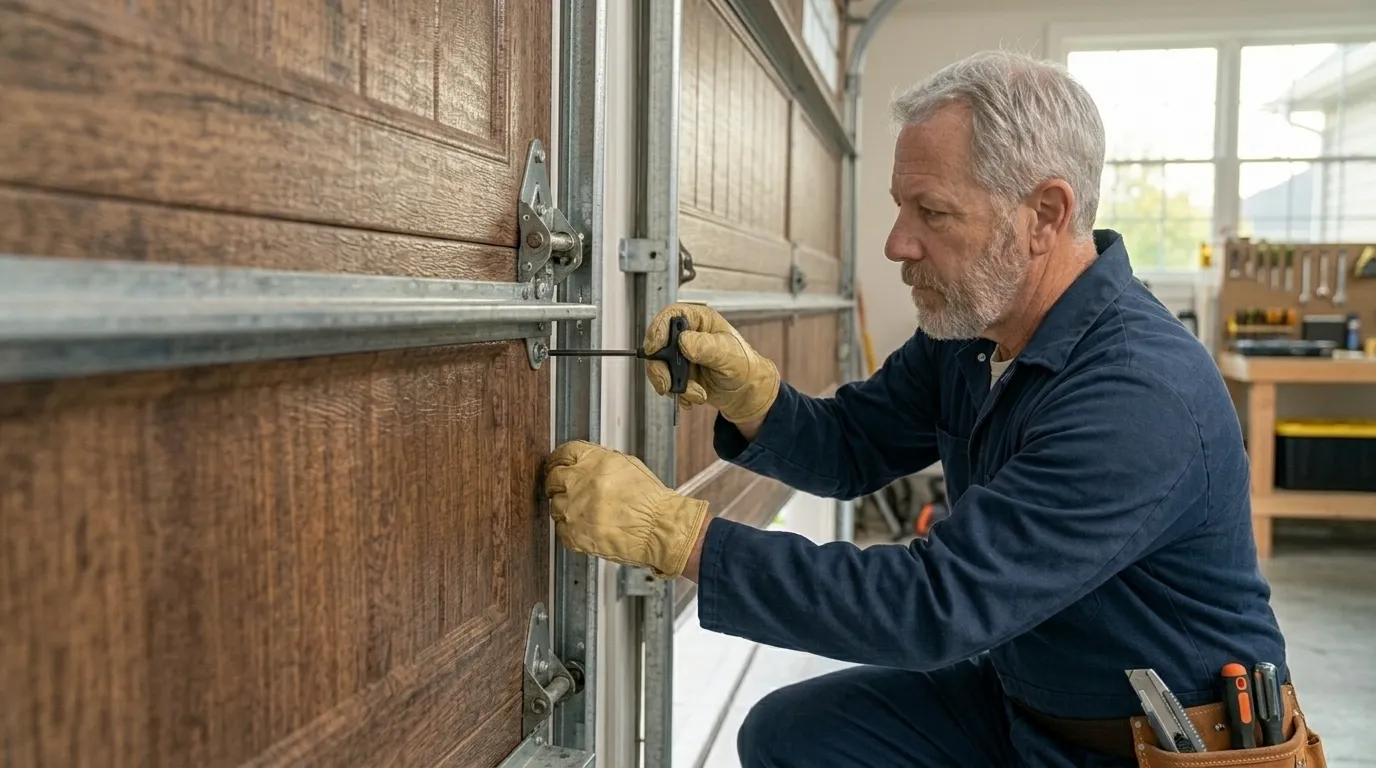
Given the age of the housing, the calls we get from this pocket tend to be about hardware that's simply worn out rather than storm damage. Torsion springs that were sized for a lighter door decades ago and are now straining under a heavier replacement panel. Rollers and hinges on original track that's never been swapped since the house was built in the late 1940s. Openers that are either original units nobody makes parts for anymore, or newer units bolted onto old track that was never meant to carry that load. With household incomes in the area running well above the broader service-area median, we also get more calls asking about full replacement rather than patch repairs - people here are often looking to solve the problem once rather than defer it.