This Area's Housing
Bellwood's median year built is 1955, which puts a lot of the housing stock here about a decade older than the wider service area's 1964 median. That gap matters more than it sounds. A house built in the mid-1950s usually got its garage door and opener installed or replaced sometime in the 1970s or 80s, long before today's safety-sensor and spring-cycle standards existed. With 6,103 households in Bellwood, that's a meaningful concentration of original or first-generation-replacement hardware still in daily use.
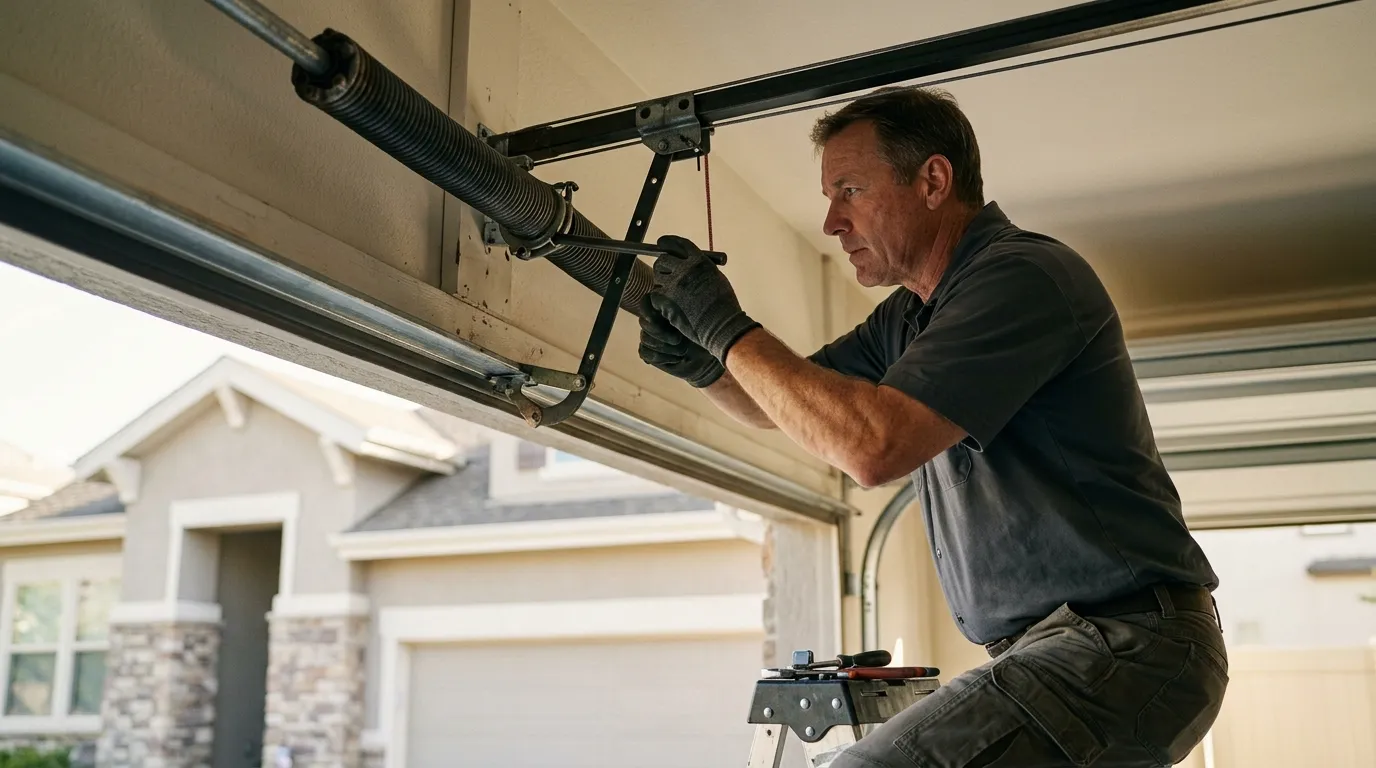
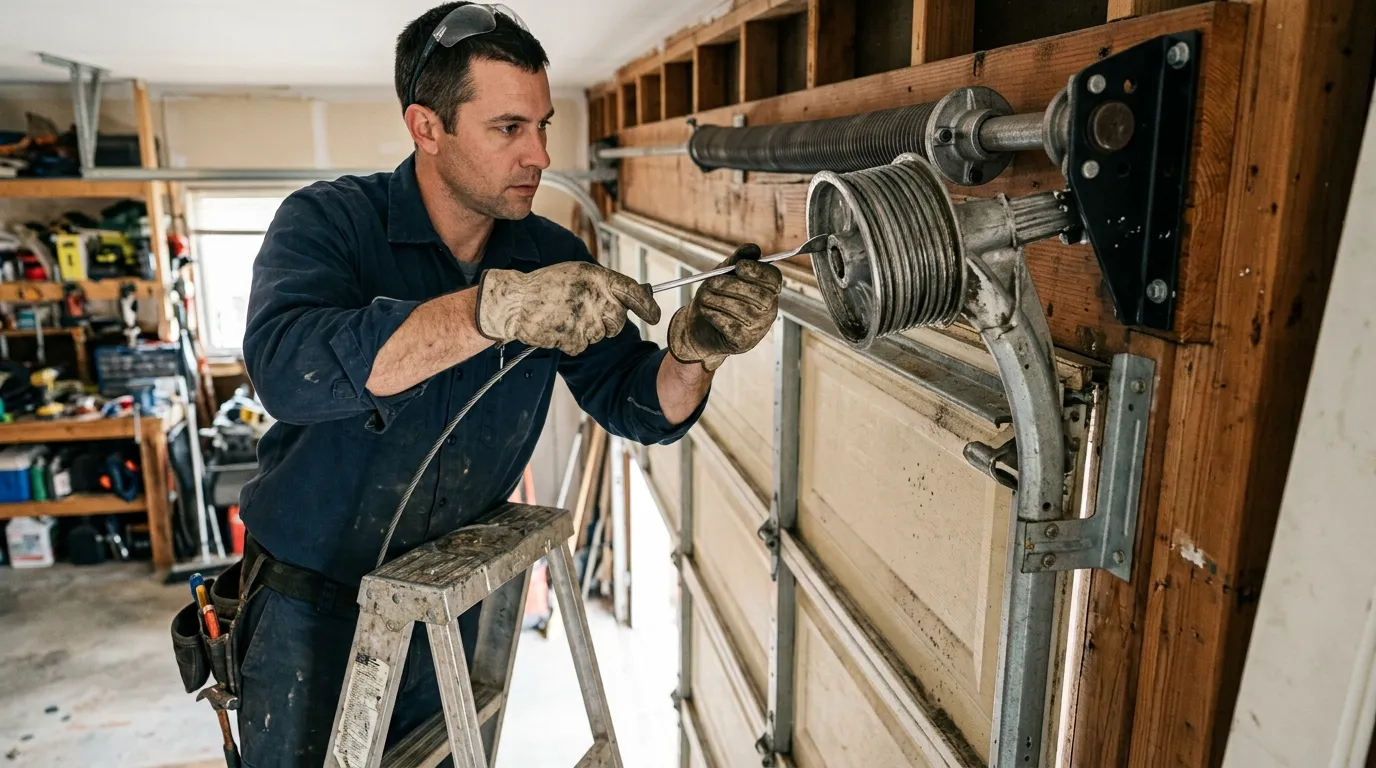
We see it in the springs first. Older torsion setups here often run a single spring on a double door, sized for a lighter wood or early steel panel - not the insulated steel doors homeowners buy today when they replace. Swap in a modern door without checking the spring rating and you get a door that slams down or won't stay open. Median household income in Bellwood is $76,990, which tells us most jobs here are repair-and-extend rather than full teardown-and-rebuild, and we price accordingly when a fix makes more sense than a replacement.
What That Means for Doors
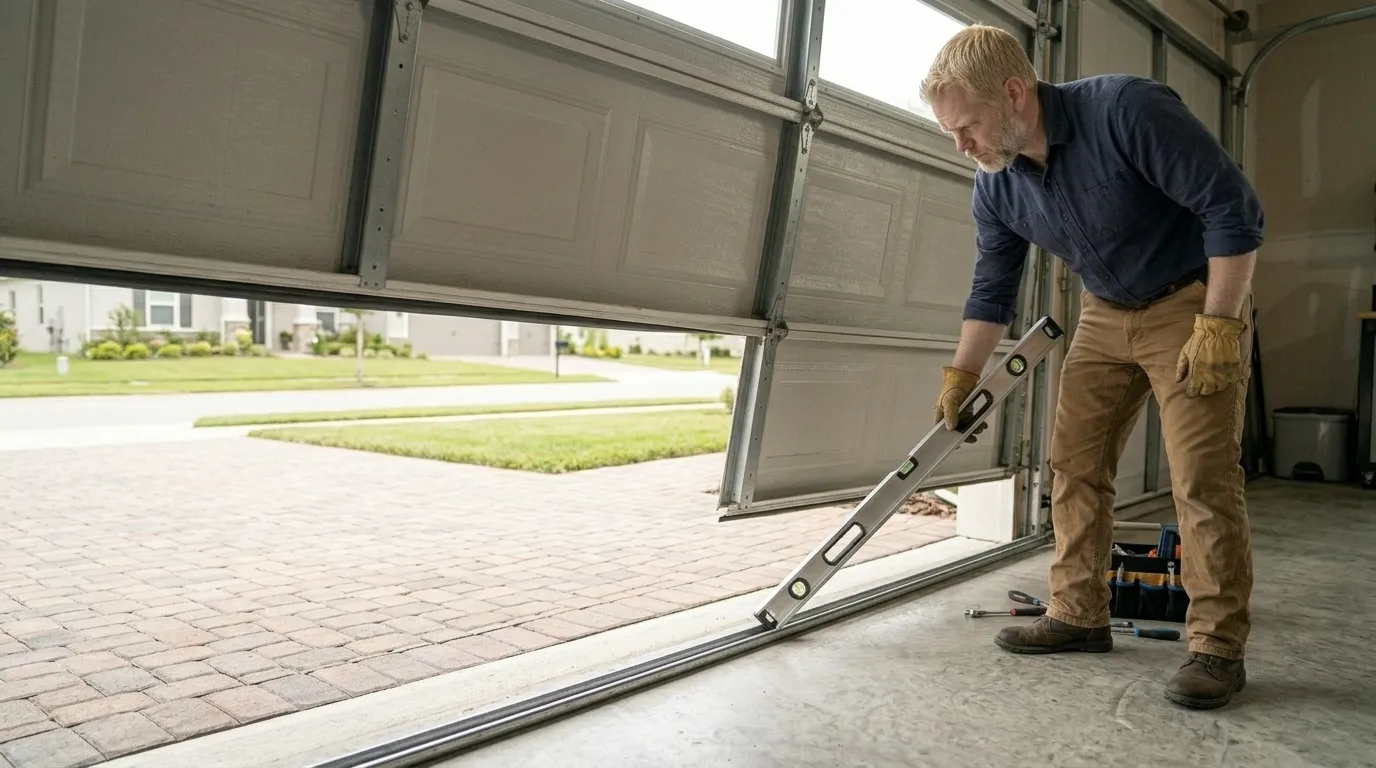
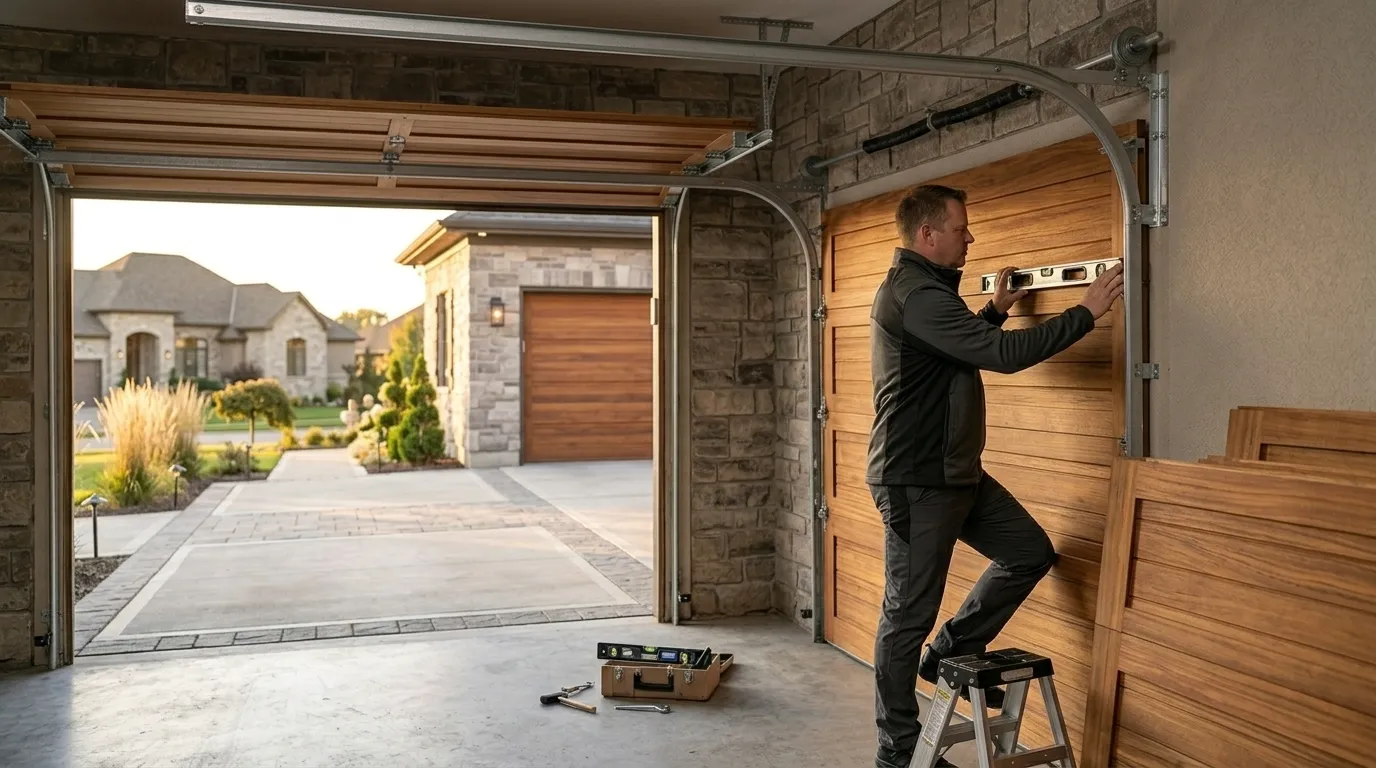
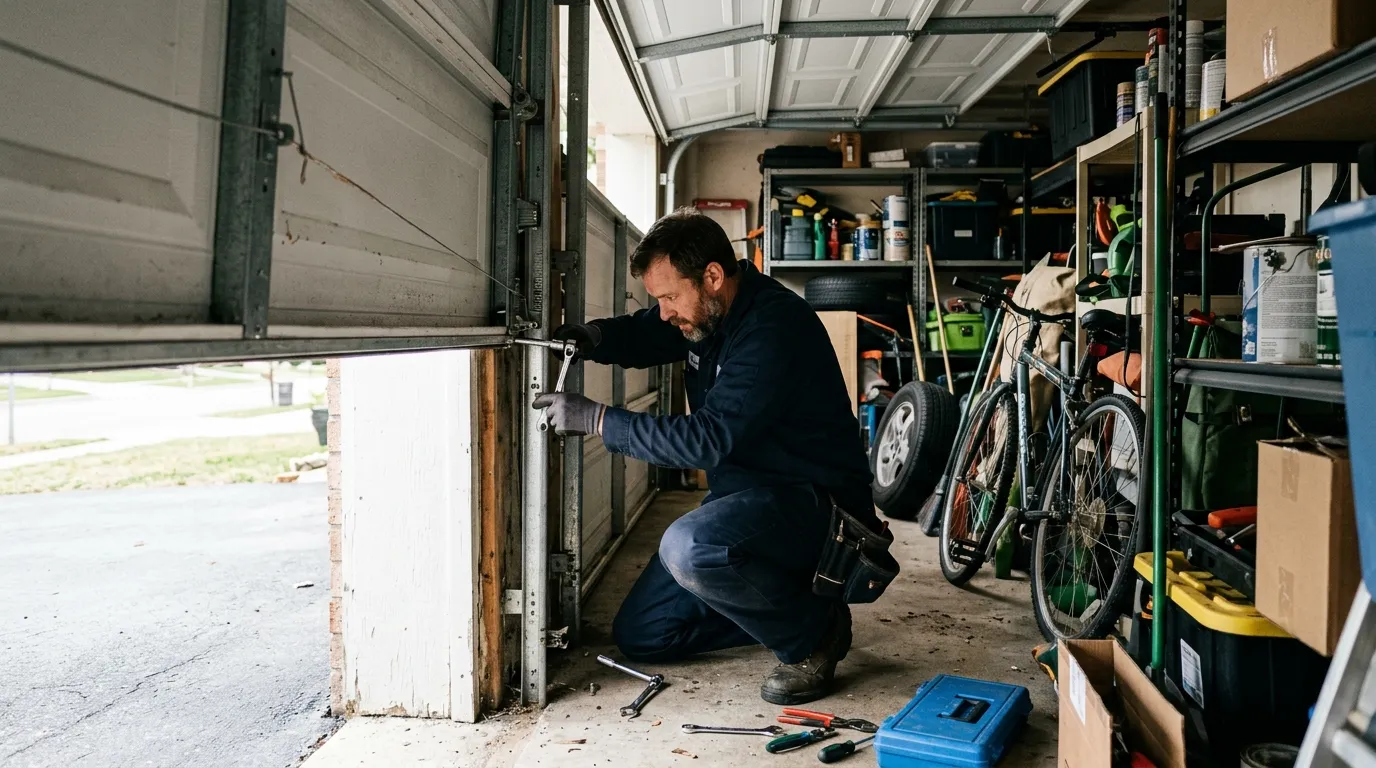
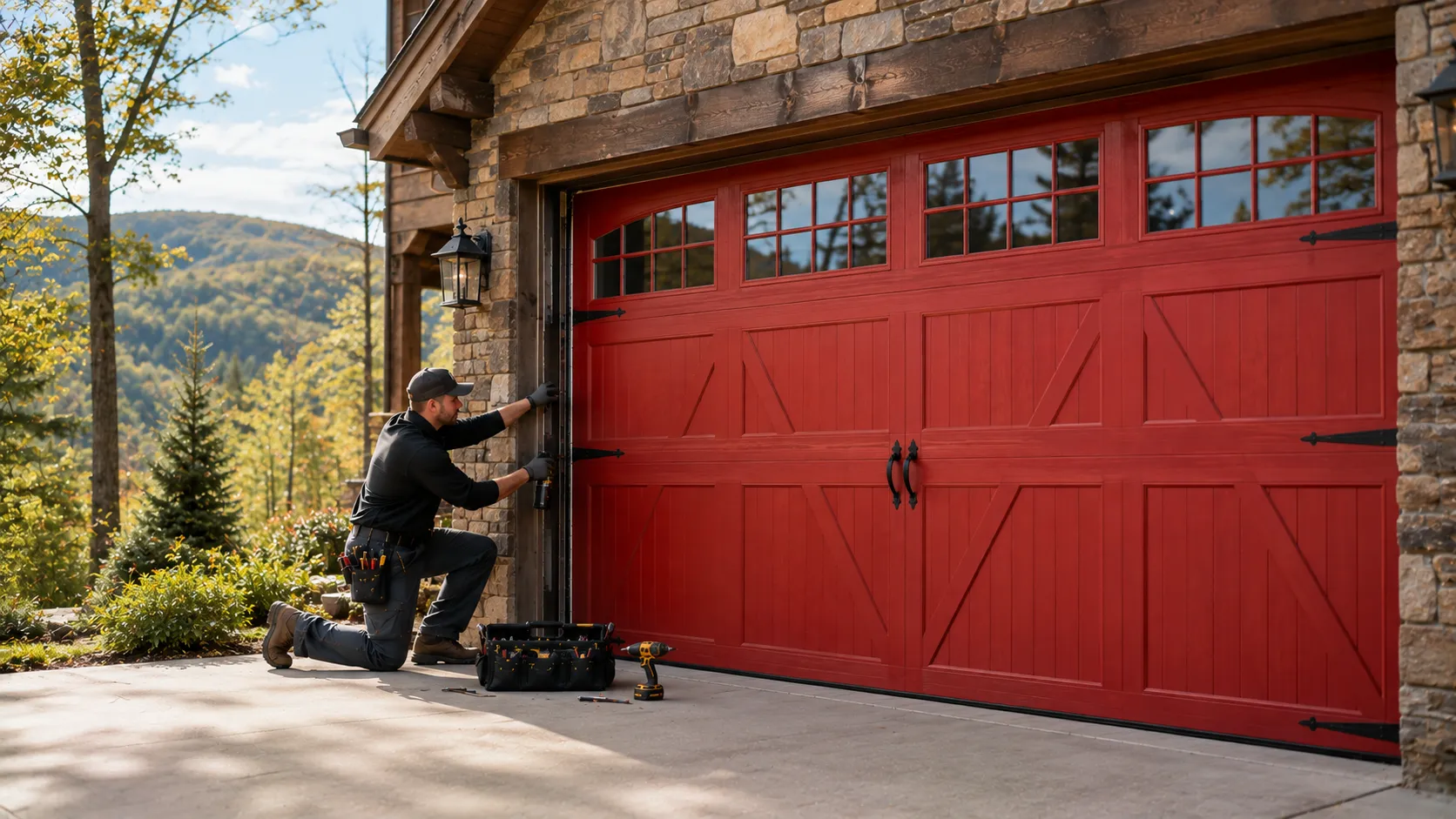
A door installed to match a 1955-era garage opening is often narrower than what's standard now, and the framing around it hasn't always been squared up over seventy-plus years of settling. That combination - an older frame plus older hardware - is where we spend most of our time in Bellwood: adjusting track alignment before touching the spring, because a door that's binding on a warped track will chew through a new spring just as fast as the old one.
The area sits in a cold, moderate climate zone, which over decades means repeated freeze-thaw cycling on any door that isn't sealed well at the bottom panel. On original 1950s-70s doors that never got a proper bottom seal retrofit, that cycling is often what finally cracks a panel or seizes a roller. It's not dramatic, it's just accumulation - one more reason older doors here fail at the hardware level before they fail as doors.
What People Here Ring About
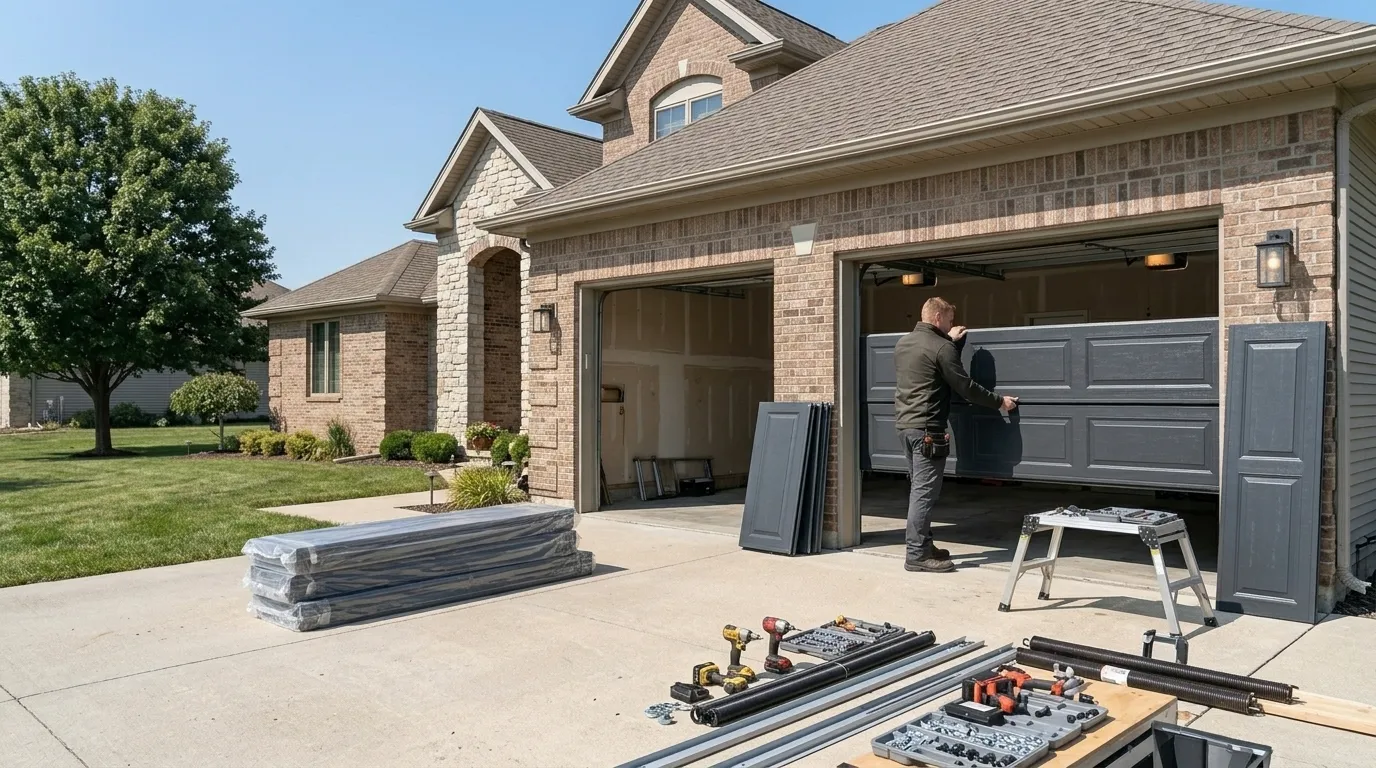
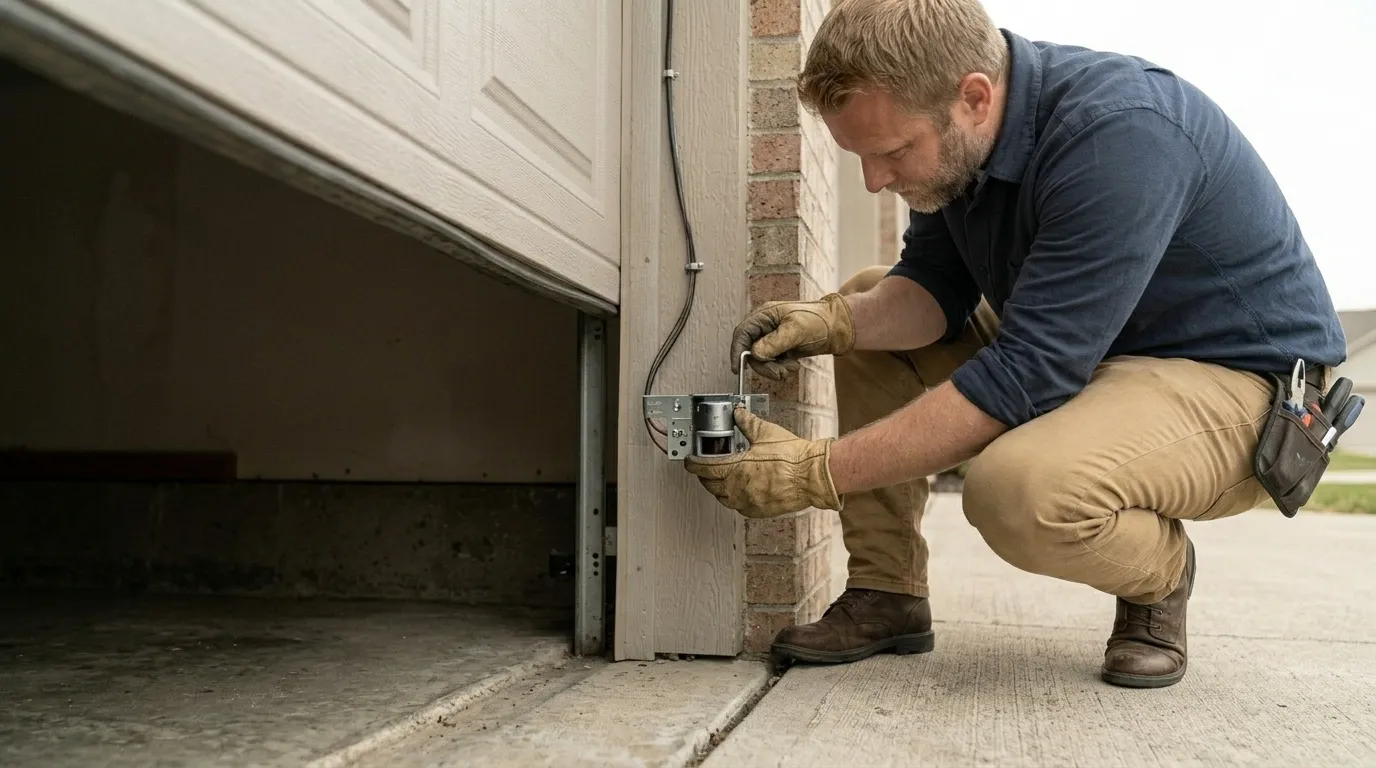
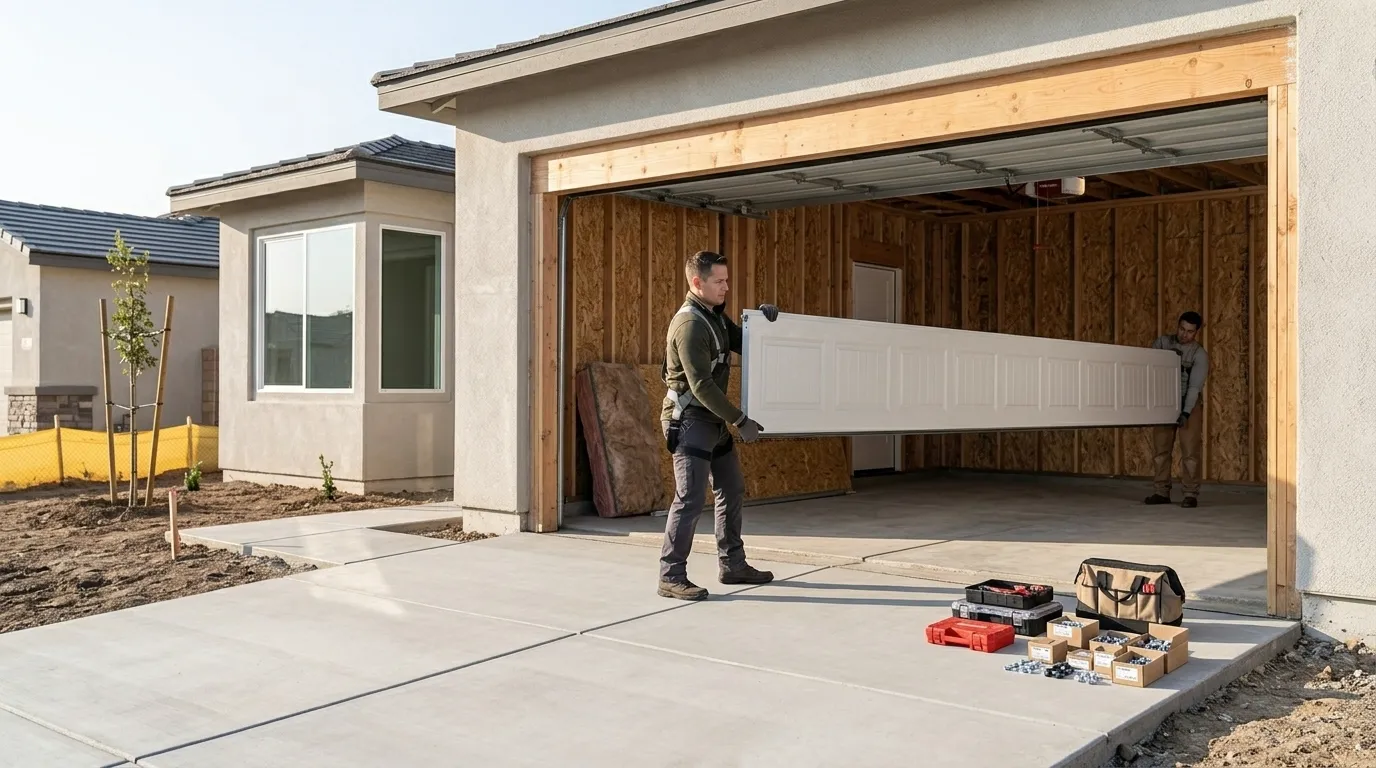
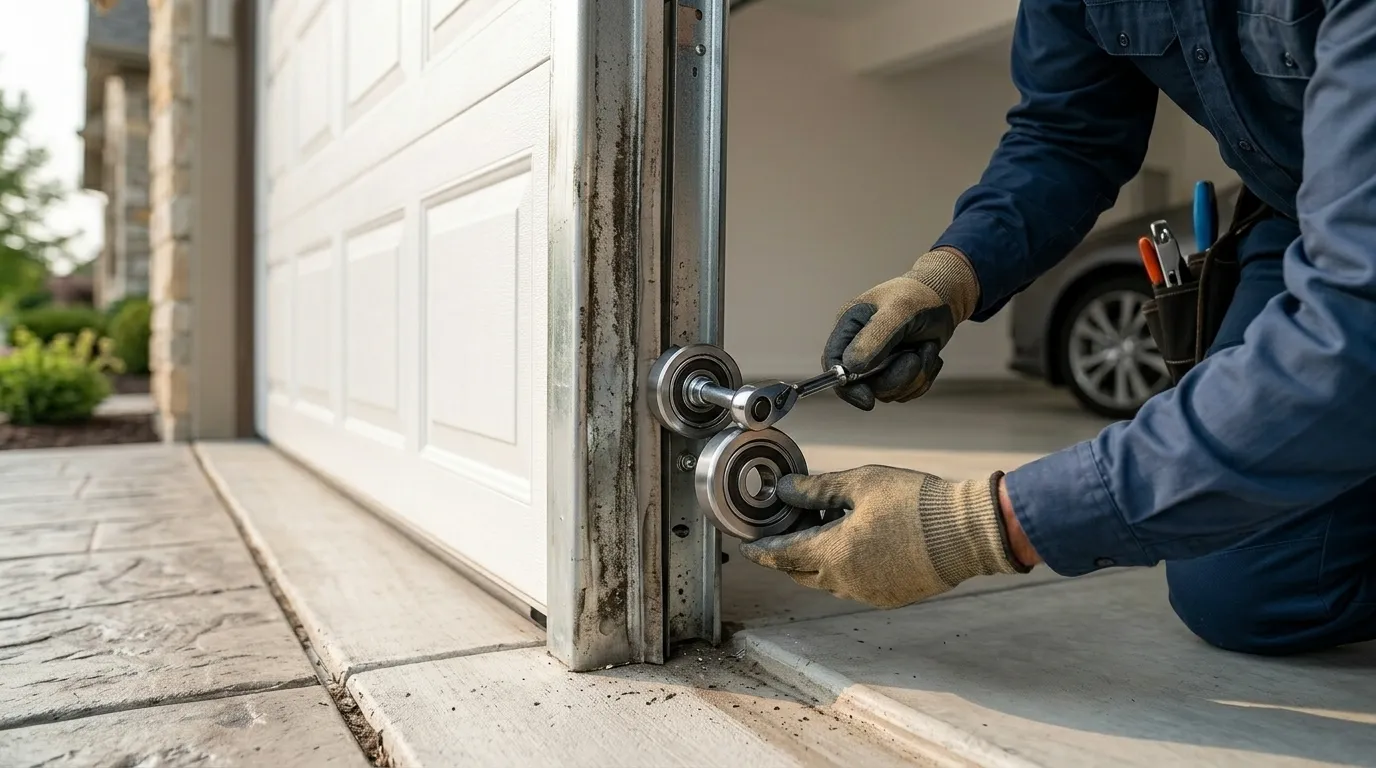
Most calls from Bellwood are for torsion springs that finally give out after decades of cycling, openers original to a 1970s or 80s retrofit that are simply worn through, and rollers that have gone loud or stiff on tracks that were never resquared. We also get calls where a homeowner has already bought a new insulated door and needs it hung on existing, older framing - that's a job where the hardware often needs upgrading alongside the door itself, not just a straight swap.
One honest limit: if a panel set is decades old and no longer made, we won't pretend to match it exactly. Sometimes the right call is a full door replacement rather than chasing a discontinued panel, and we'll say so rather than stretch out a repair that won't hold.