This Area's Housing
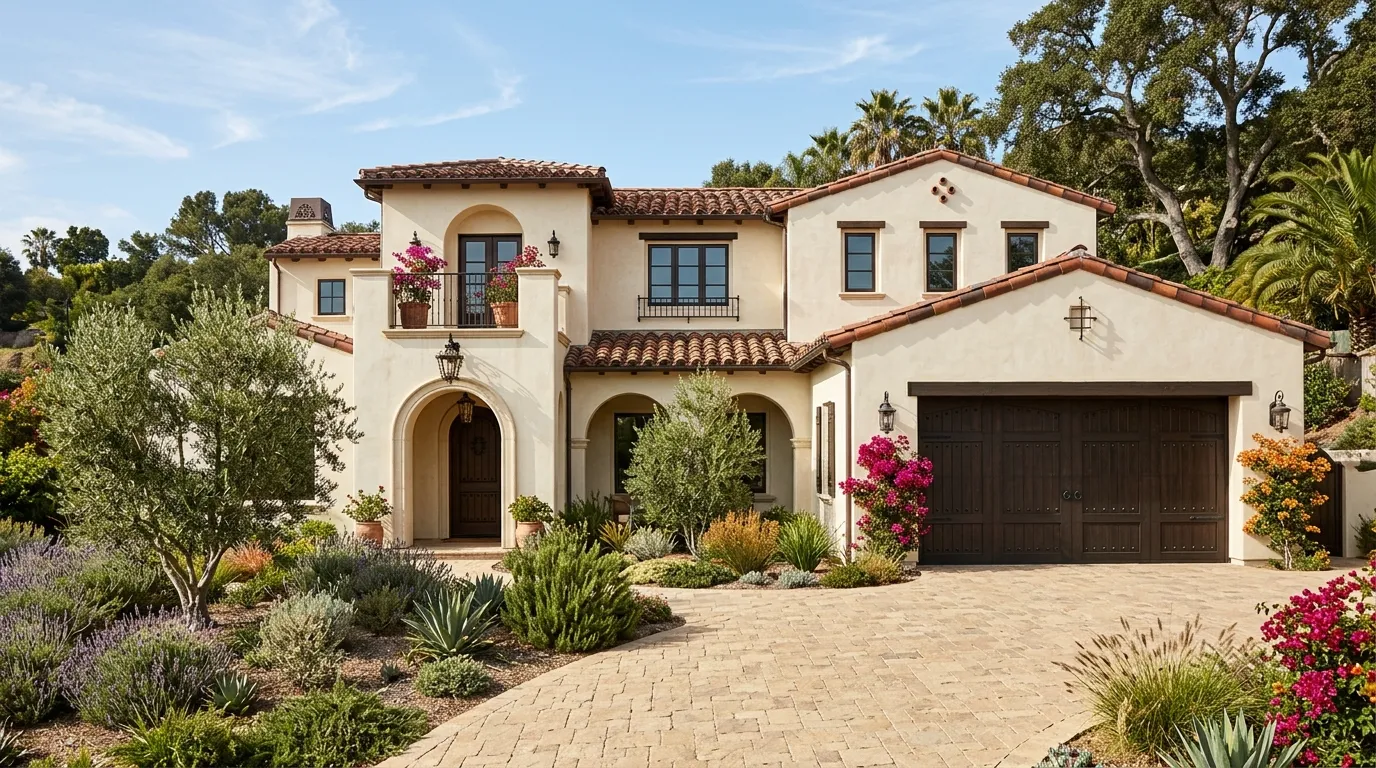
Berkeley's houses cluster around a median build year of 1955, which puts most of the town's garages a decade earlier than the wider service area's 1964 median. That decade matters. A house built in 1955 usually got a single-car or narrow two-car garage opening, often with a wood jamb and a door hung on hardware sized for lighter panels than what's sold today. Across the broader area, homes went up mostly between 1938 and 1994, but Berkeley sits on the older end of that range. With roughly 1,997 households in town, this isn't a huge market, but it's a consistent one: original openings, original framing quirks, and in a good number of cases, original spring hardware that's outlived several openers bolted to it. When we get a call from a house in this age bracket, we're usually not surprised to find a torsion spring system that predates the current owner, or a track that's been reshaped by decades of settling. It's worth knowing before a repair truck shows up, because the fix on a 1955 opening isn't always the same fix as a house built in 1985 three towns over.
What That Means for Doors
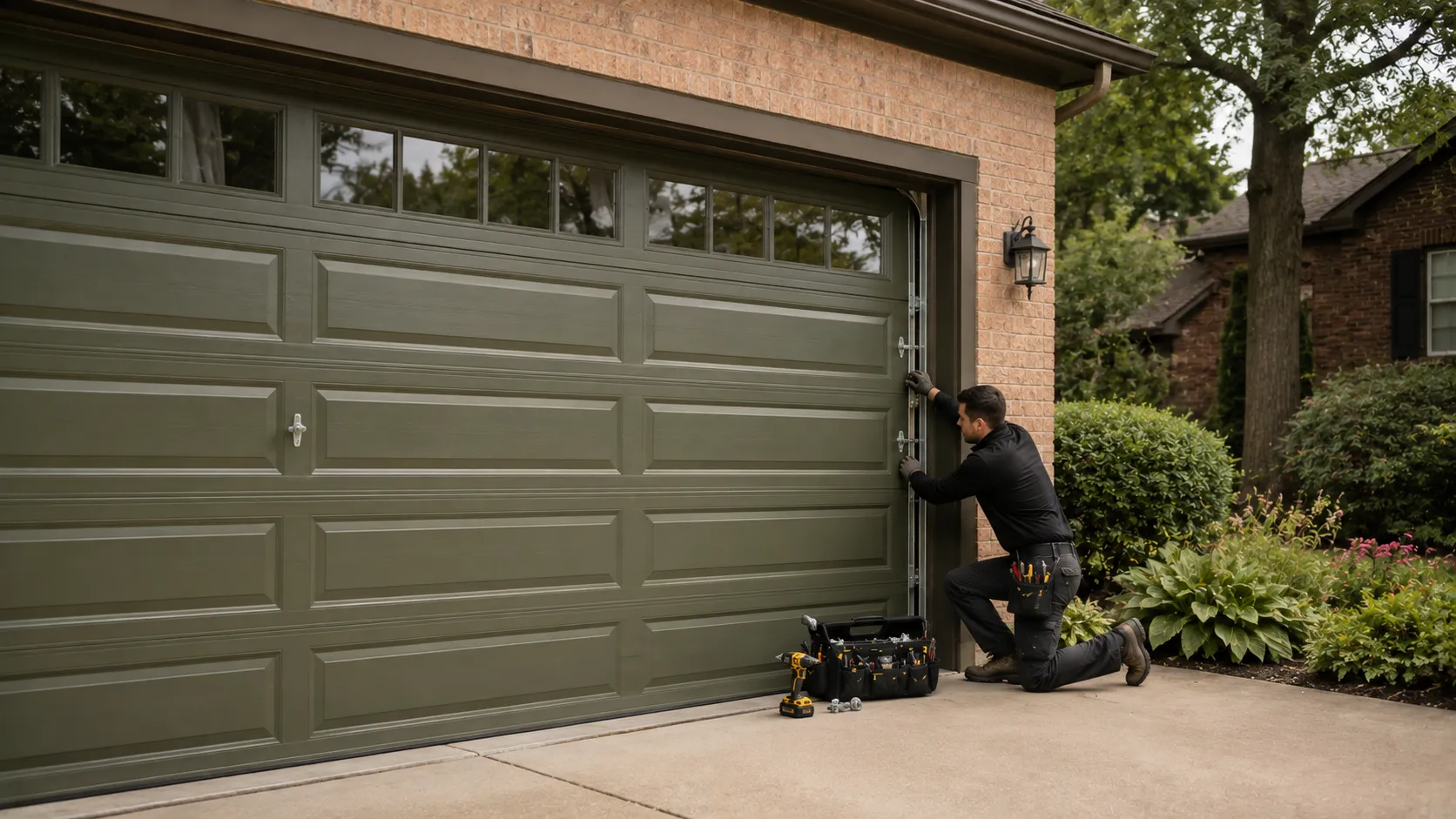
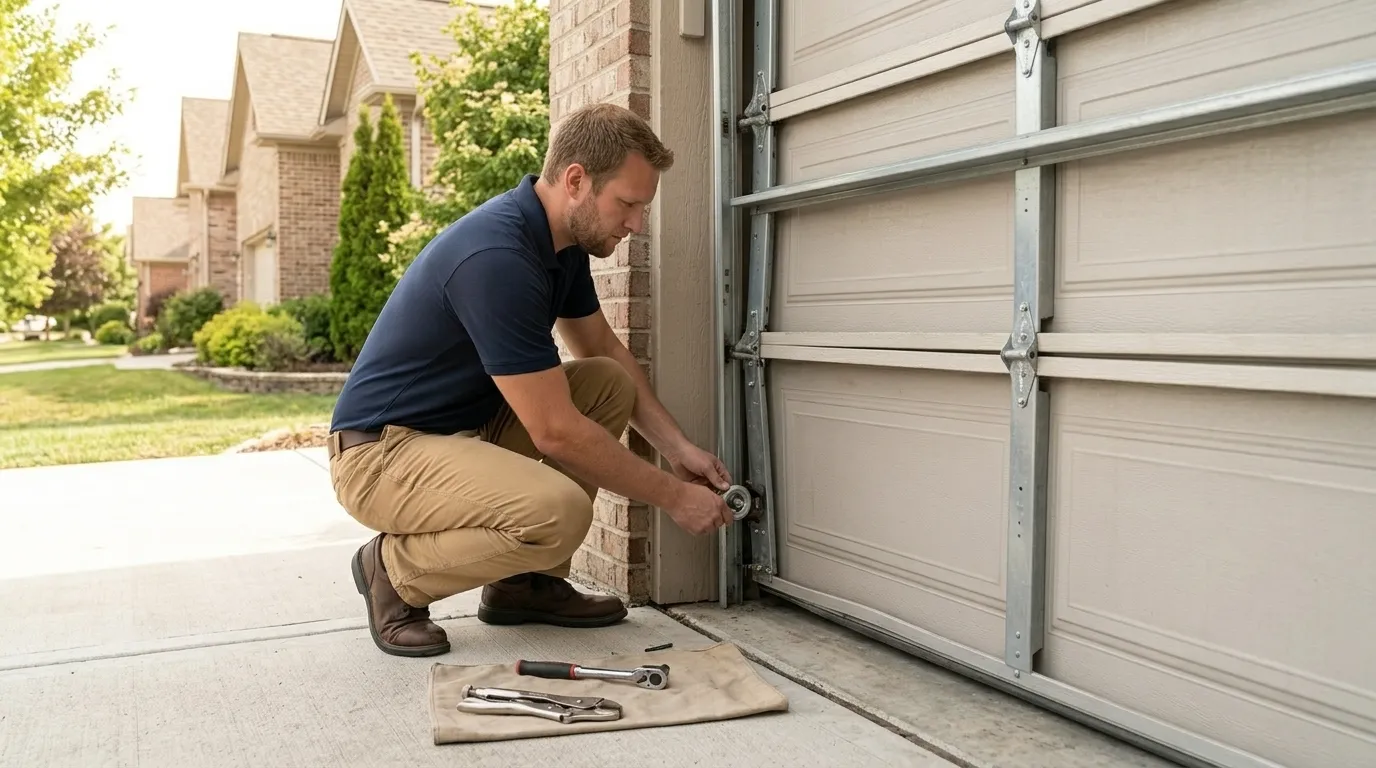
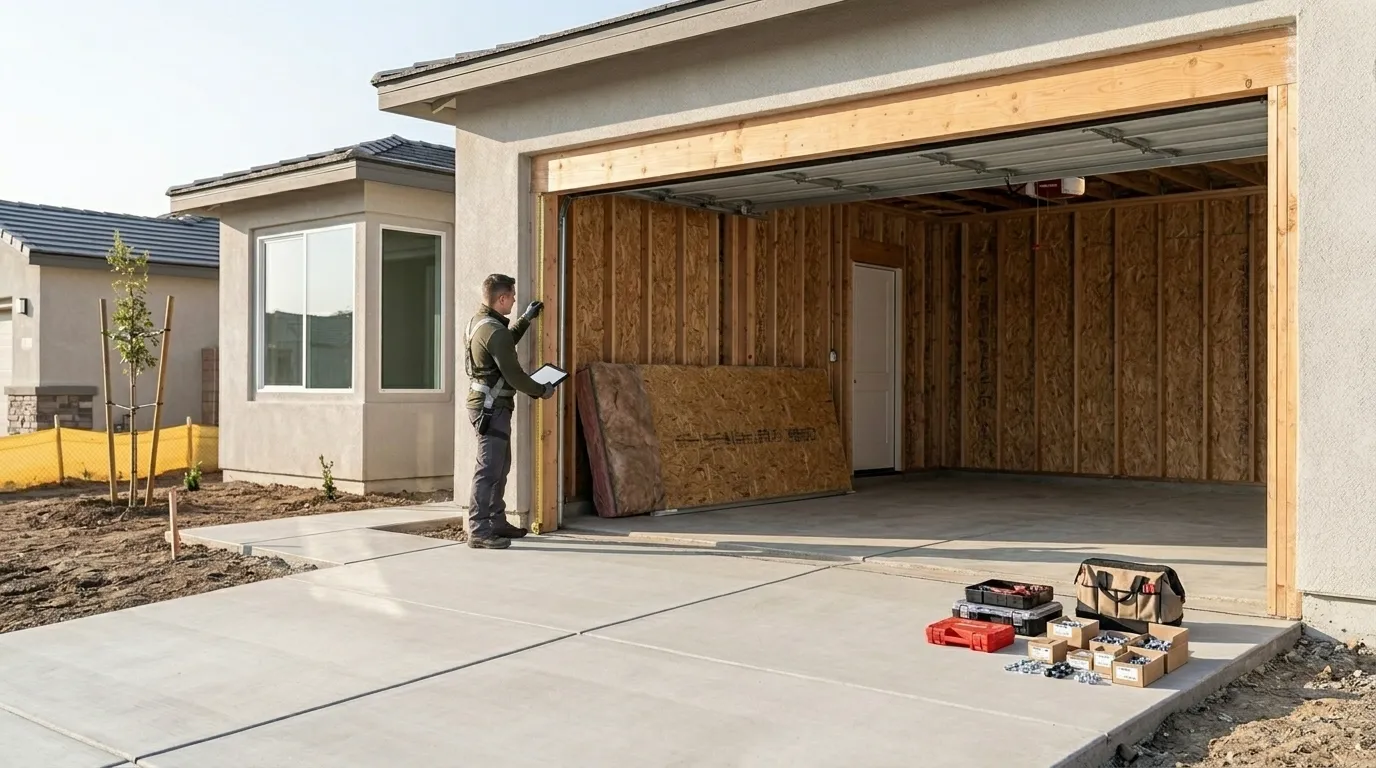
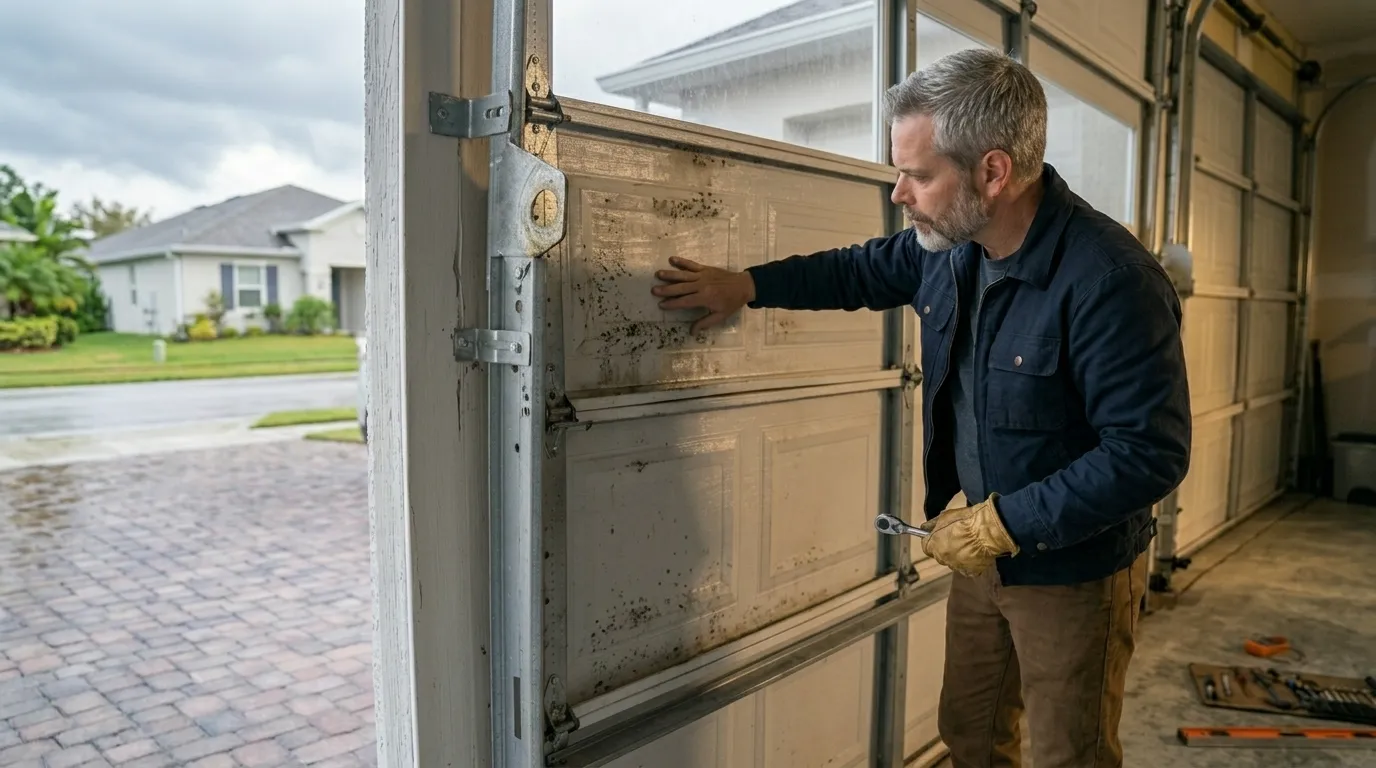
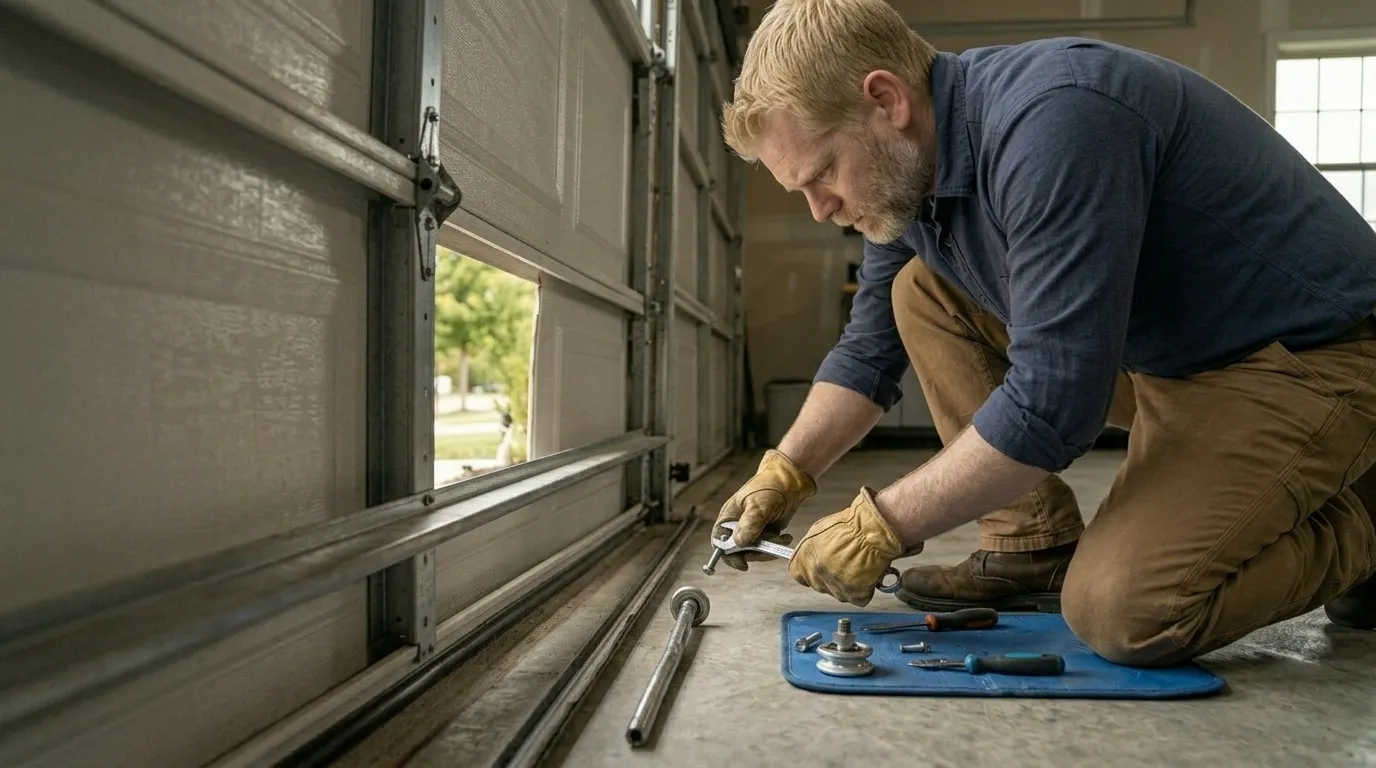
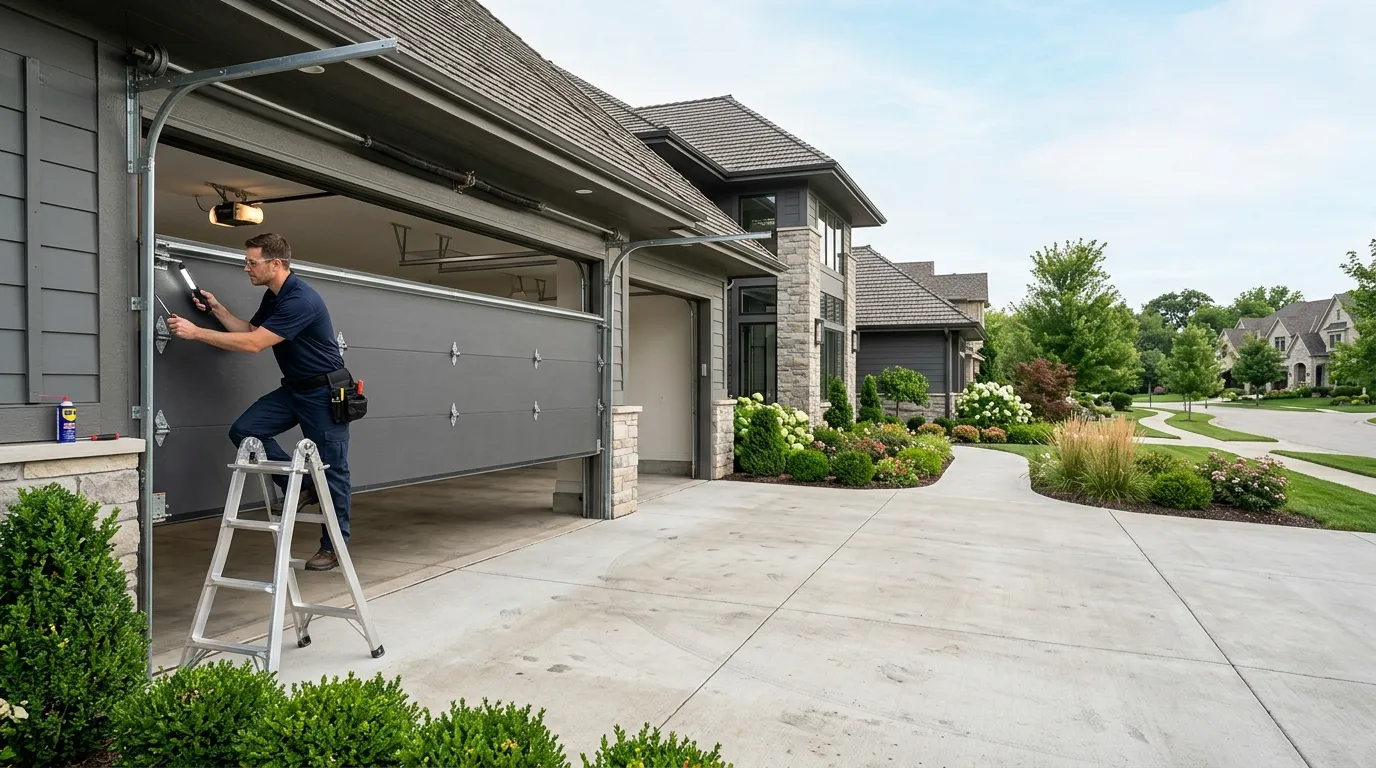
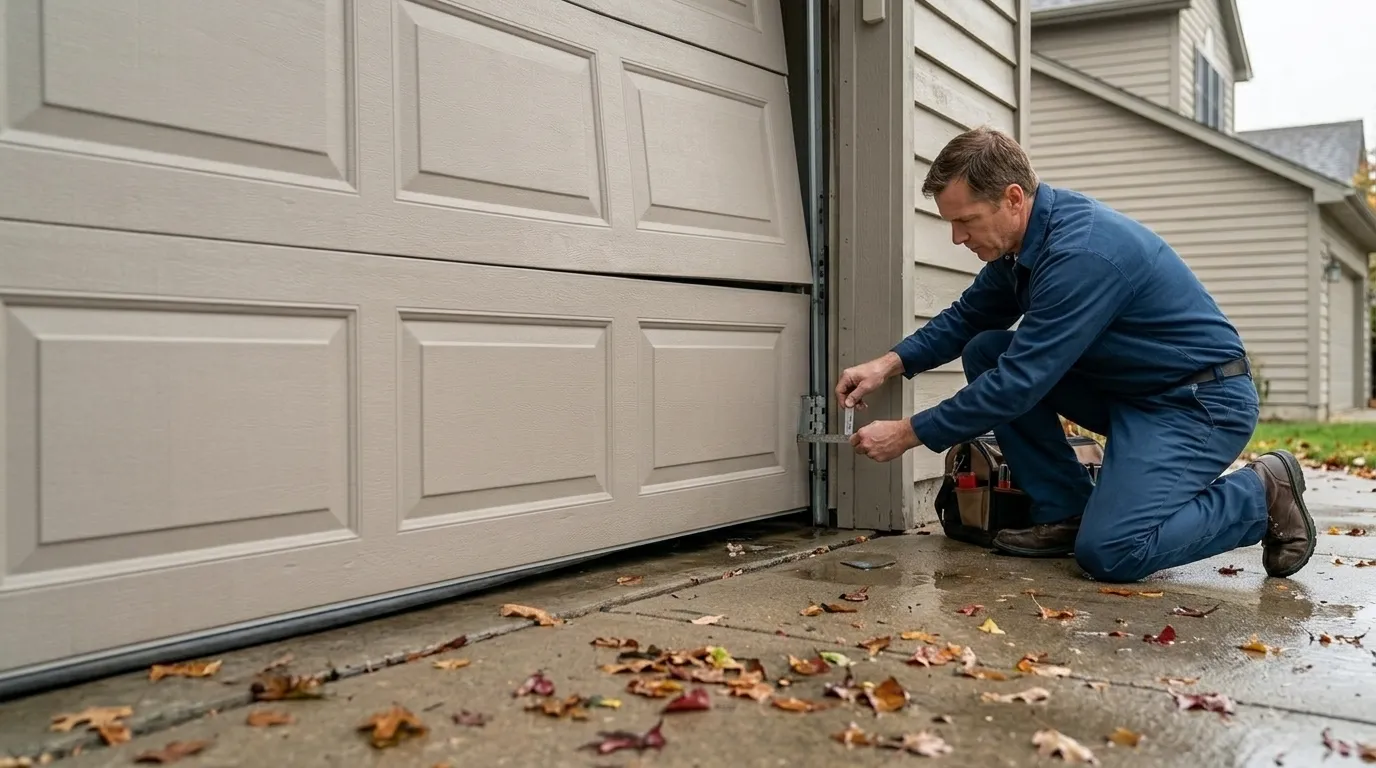
Because so much of Berkeley went up around 1955, the doors we find are frequently narrower than modern stock sizes, and the springs are often sized for lighter, older-generation panels. Swap in a heavier insulated steel door without checking the torsion spring rating, and you get a door that slams down or won't stay open - a mismatch we see often in housing from this era. Track alignment is another recurring issue: original wood jambs shift over sixty-plus years, and the vertical tracks that were plumb in 1955 rarely still are. On the cold moderate climate band this area sits in, temperature swings tighten steel cables and stiffen lubricant in openers that haven't been serviced, which shows up hardest on hardware that's already older. One honest limitation: if a spring or track is original to a 1955 install and badly corroded, we'll usually recommend replacing the whole assembly rather than patching it - sourcing parts to match 70-year-old hardware isn't something we do, and it isn't worth the labor to try.
What People Here Ring About
The calls we get from this part of the service area lean toward age-related failure more than storm damage or accident. A torsion spring that finally gives out after decades of cycling is common, especially on doors that were never upsized when a heavier replacement went in. We also hear about openers that grind or stall - often units installed on original 1955 track that was never re-leveled. With median household income here around $83,224, most owners want a straight answer on repair versus replacement rather than the most expensive fix pitched first, and that's the conversation we try to have. Cable fraying near the bottom bracket comes up too, usually on doors that haven't had a full hardware check in years. None of this is exotic work, but it's specific to the age of the building stock, and a shop unfamiliar with 1950s-era openings can waste a visit swapping parts that were never the actual problem.