This Area's Housing
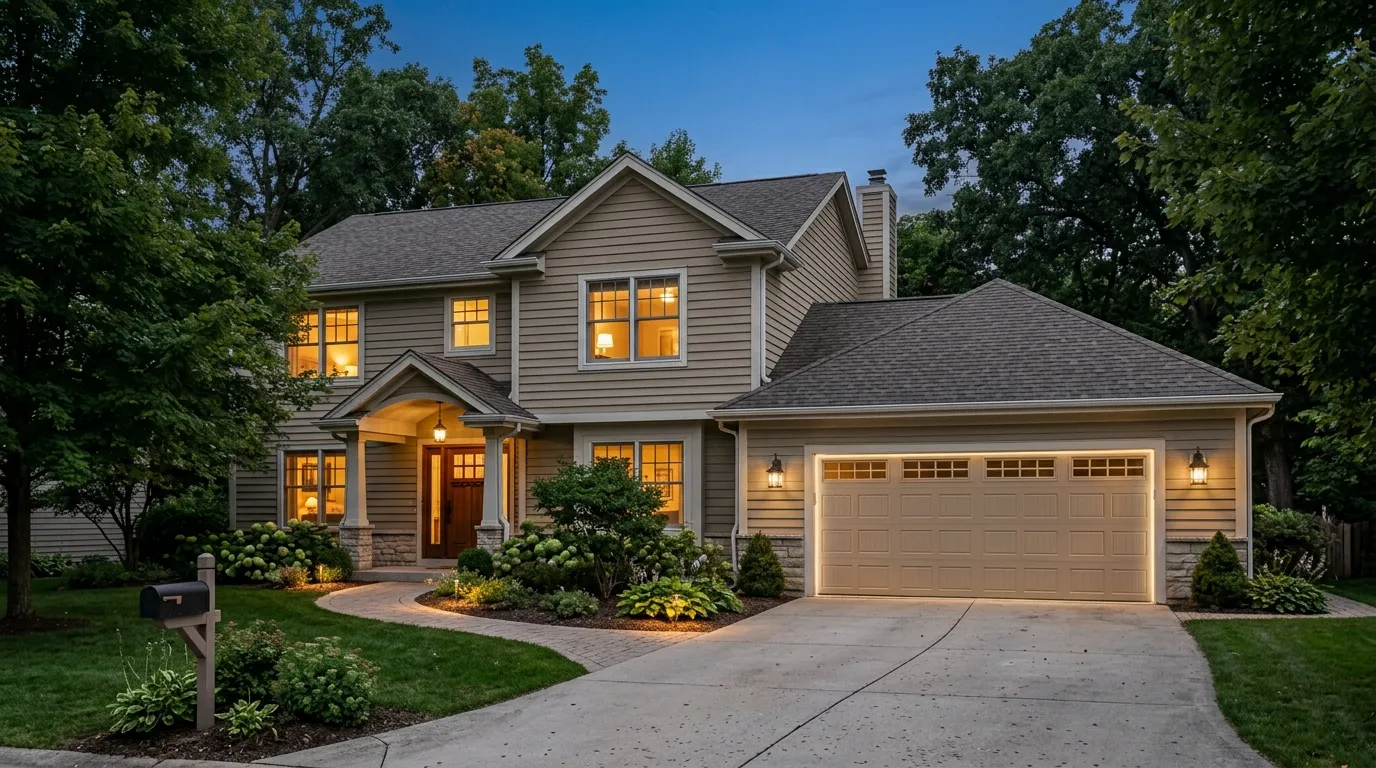
Blue Island's houses cluster tighter around one era than most of the towns we cover. The median build year here is 1961, a few years ahead of the 1964 median across the wider service area, and that area itself spans homes built anywhere from 1938 to 1994. What that means on the ground: fewer newer subdivisions to average things out, more original garages built to match the bungalows and small capes going up on these blocks in the late '50s and early '60s.
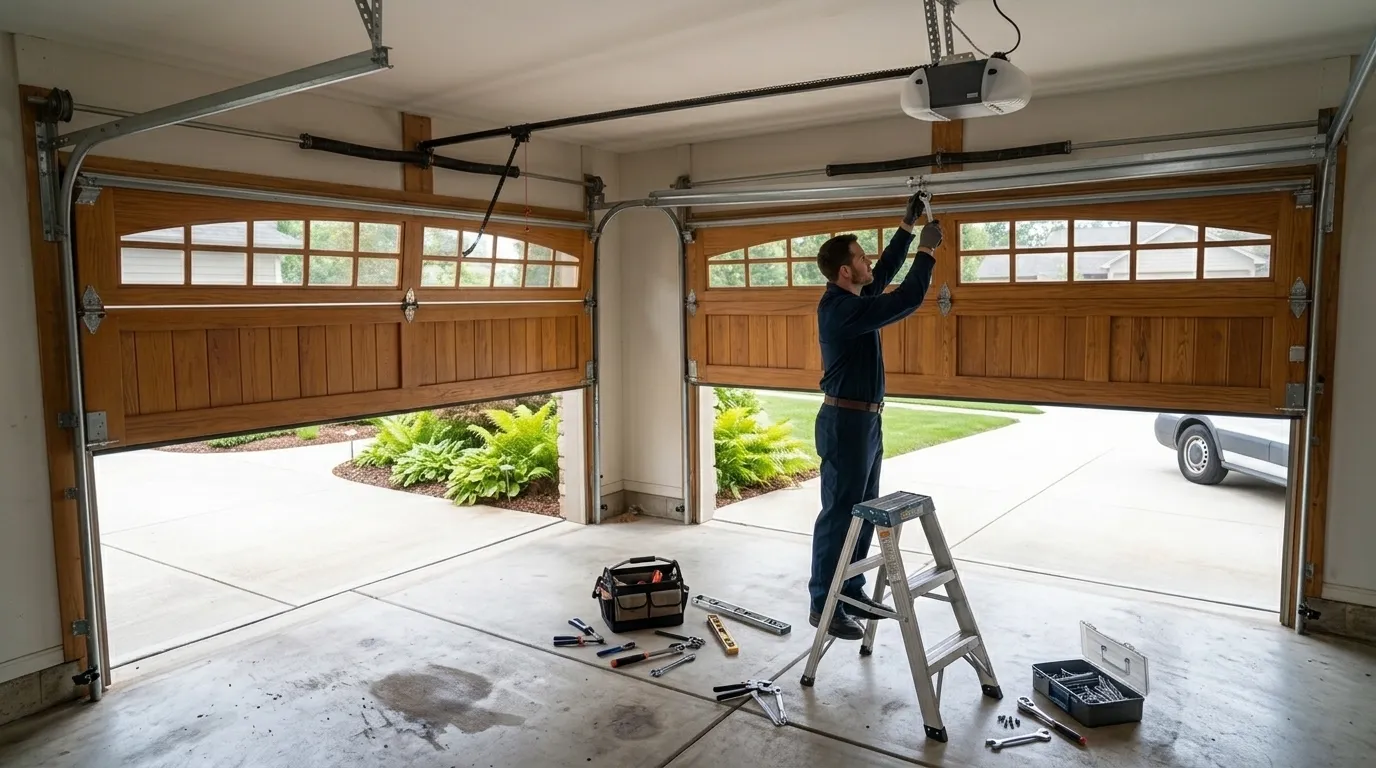
An 1,100-square-foot house from that period usually has a single-car garage opening, sometimes converted or widened later, with hardware that's never been swapped out because nobody's had a reason to touch it. The doors on these openings tend to be original steel sectional units or early replacements, mounted on torsion springs sized for a lighter door than what's often hanging there now after a panel swap or two over sixty-plus years.
We're not guessing at this from a city-wide average. It's the actual concentration of build years in Blue Island itself, and it's why the calls we get here skew toward specific spring sizes and bracket types that a newer suburb wouldn't produce as often.
What That Means for Doors
A door built or replaced to fit a 1961-era opening usually runs lighter gauge steel than what's sold today, and the torsion spring wound for it is sized accordingly. Problems start when someone swaps in a heavier insulated door decades later without upsizing the spring to match. The door lifts hard, the opener strains, and eventually either the spring gives out early or the opener's gears wear down trying to compensate.
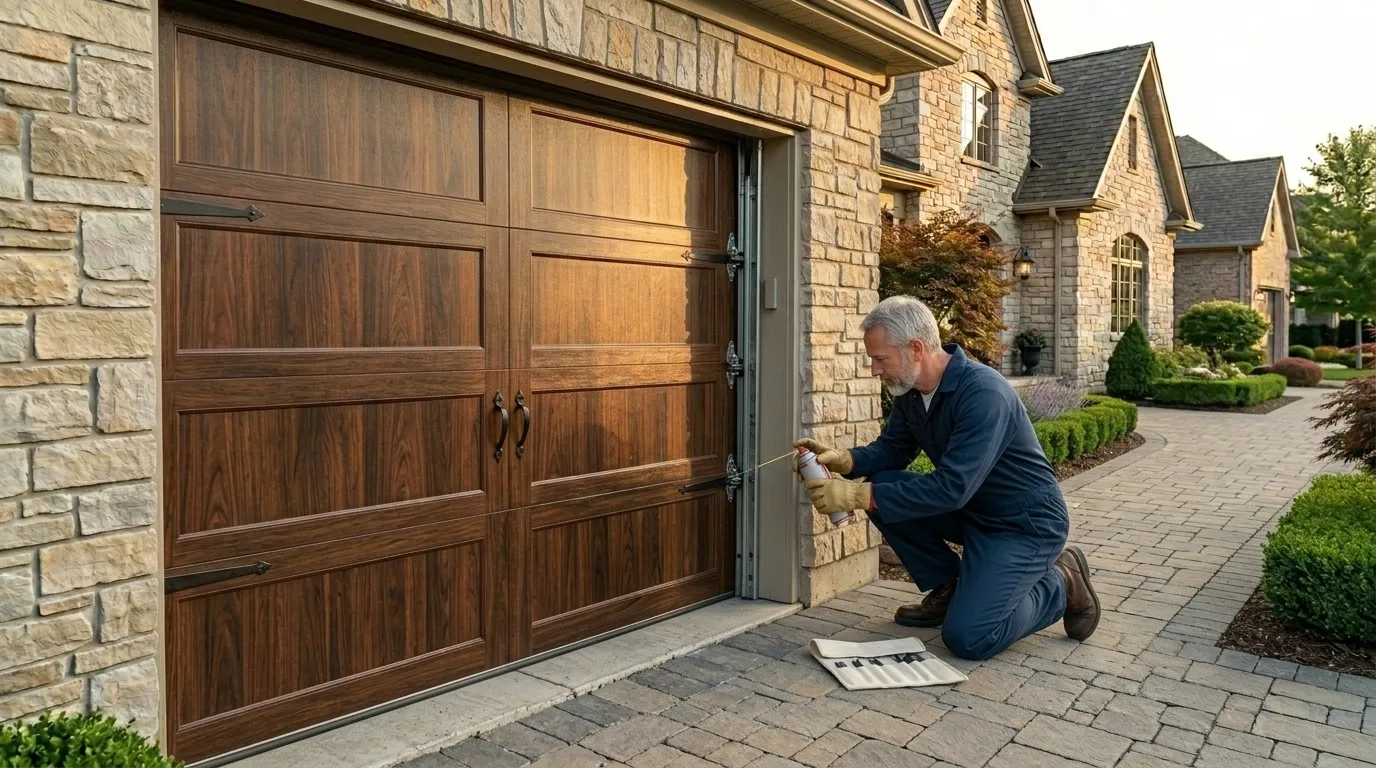
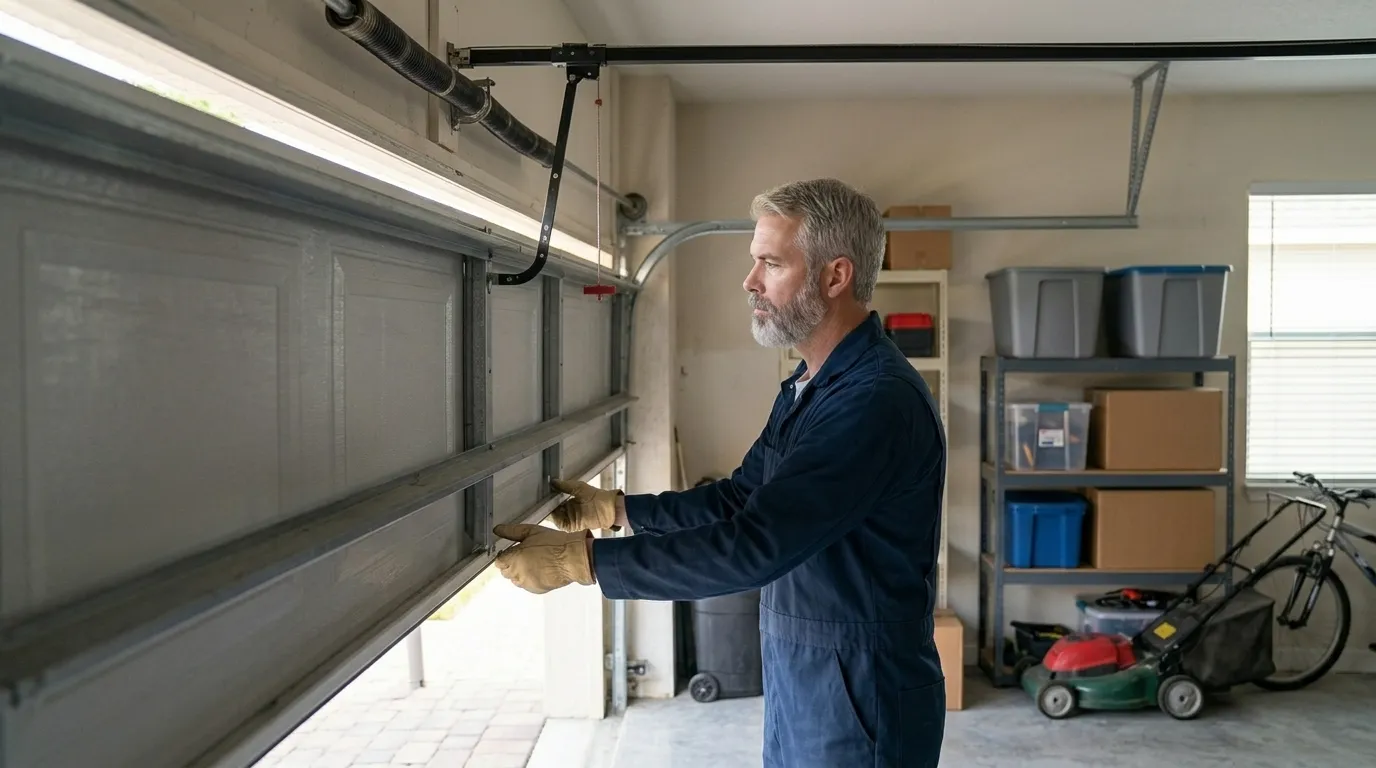
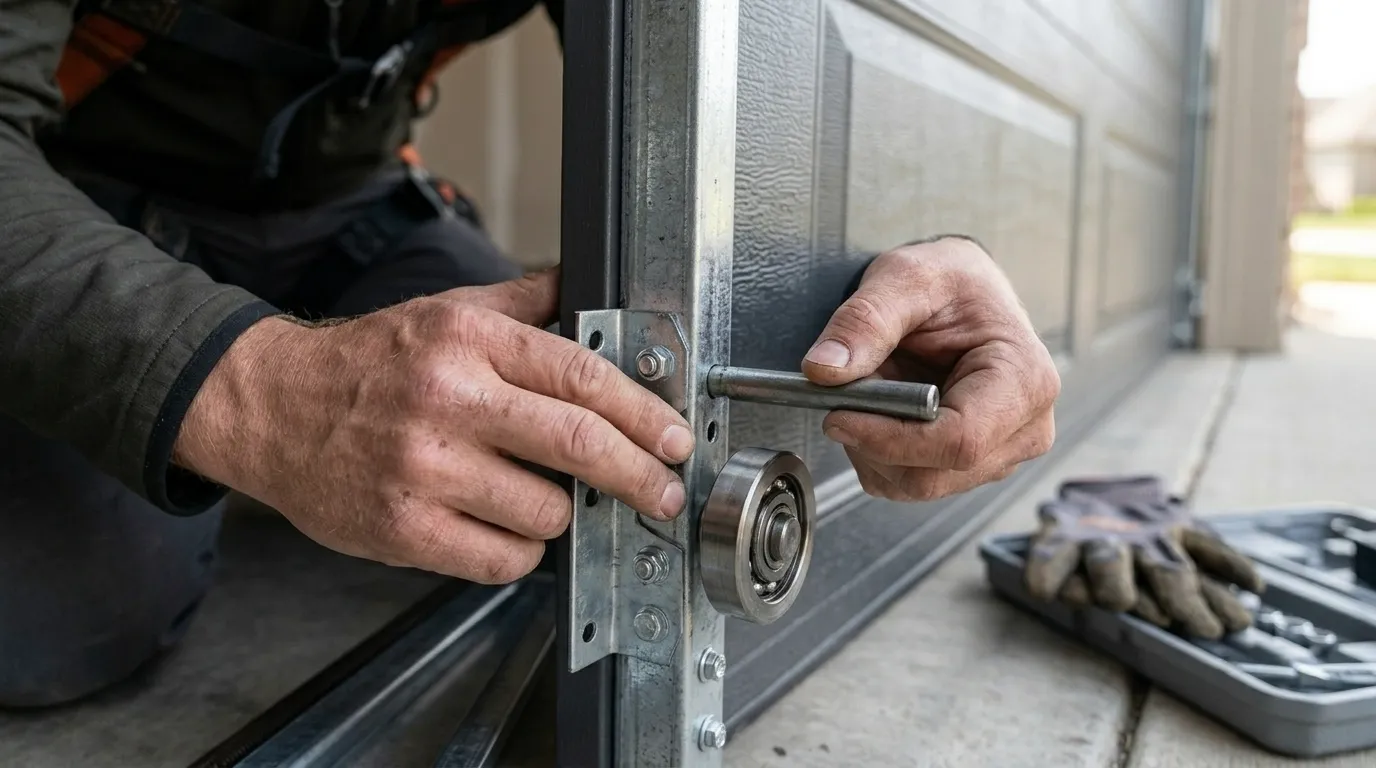
Rollers and hinges from that same era of hardware are often the original steel type, not nylon, which means more noise and more wear on the track over time. If the track itself has never been reset or shimmed since the house was built, a slightly bowed section is common and shows up as a door that binds partway through its travel.
We don't replace a whole door and opener setup just because the spring is original-era. Plenty of these systems are worth repairing rather than tearing out, and we'll say so on the call rather than upselling a full replacement when a spring and roller service does the job.
What People Here Ring About
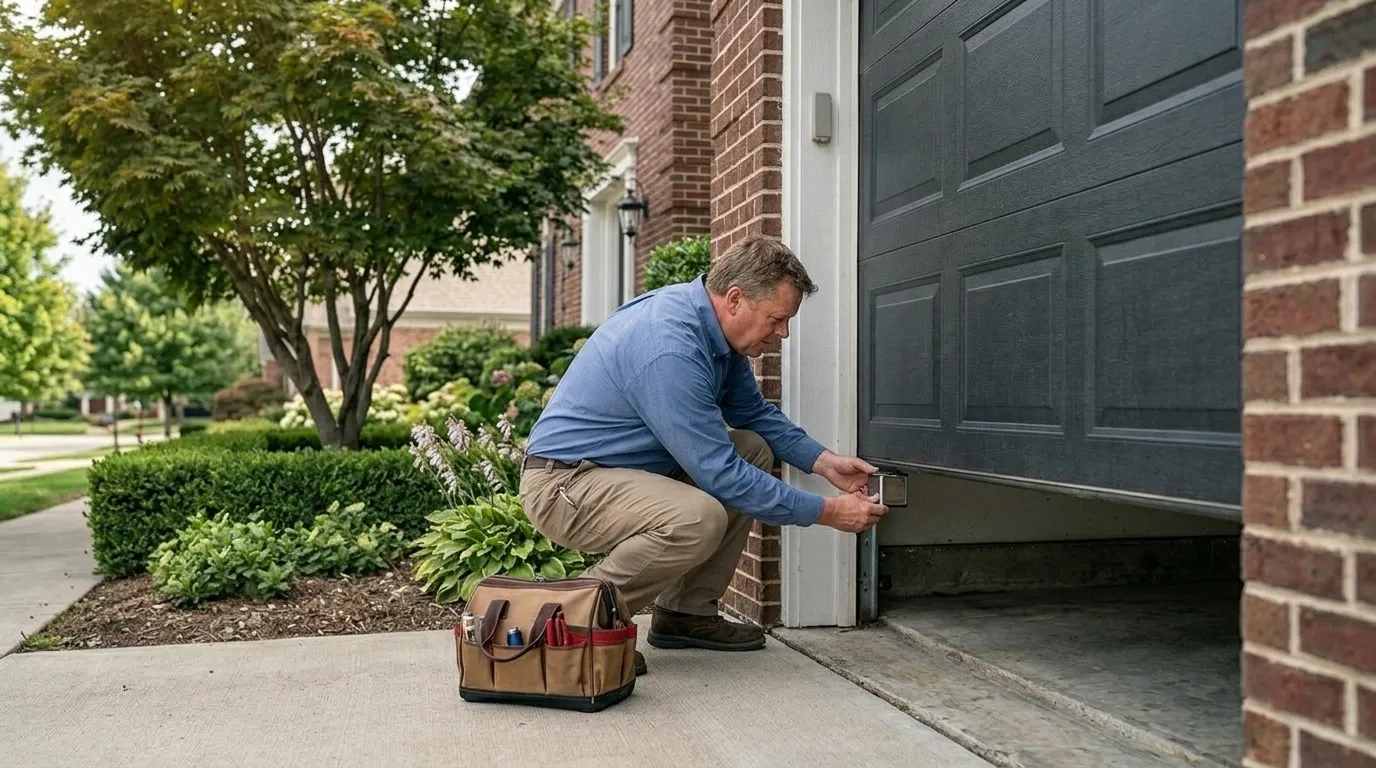
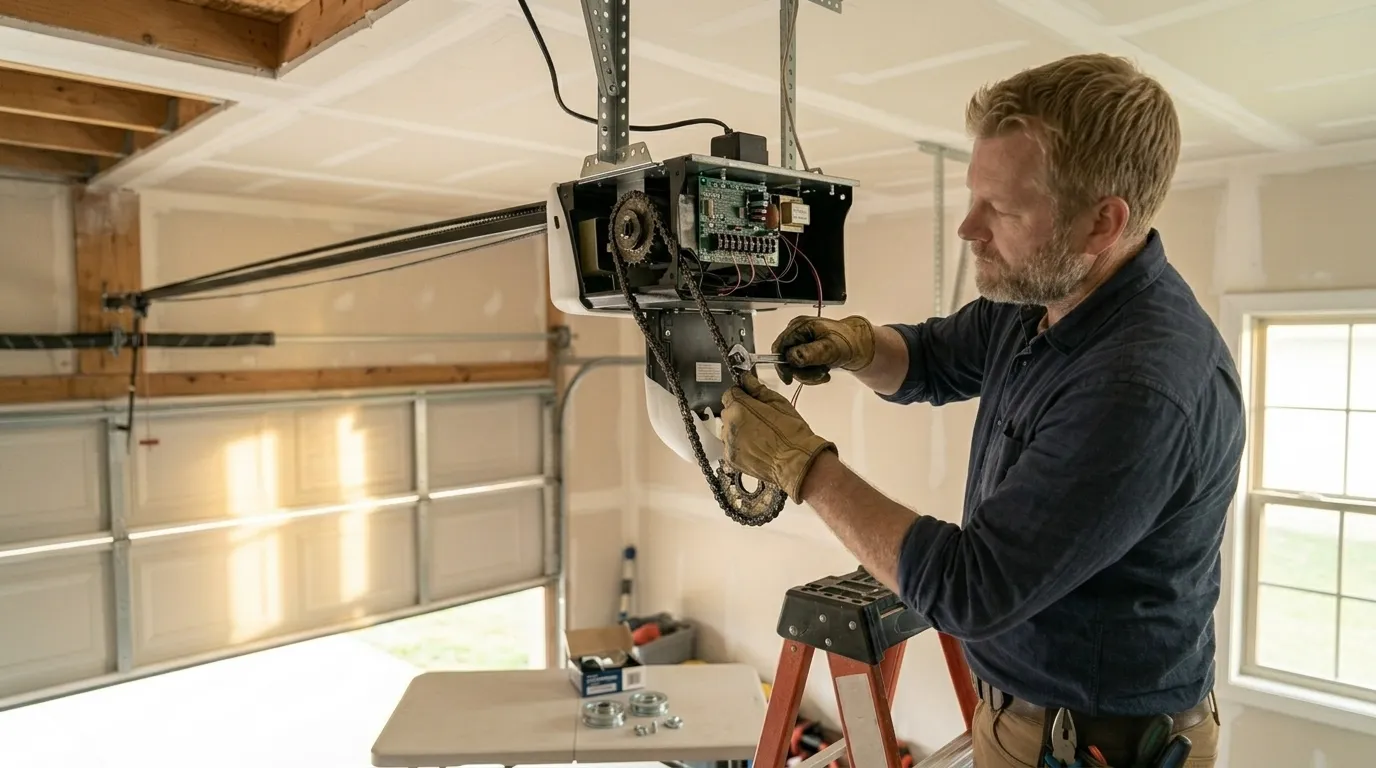
The most common call from this area is a broken torsion spring, usually on a door that's had at least one panel or opener swap since the house was built but never a matching spring upgrade. Second most common is a chain-drive opener from an earlier replacement cycle that's finally worn out its gear kit, sticking or reversing partway through a close.
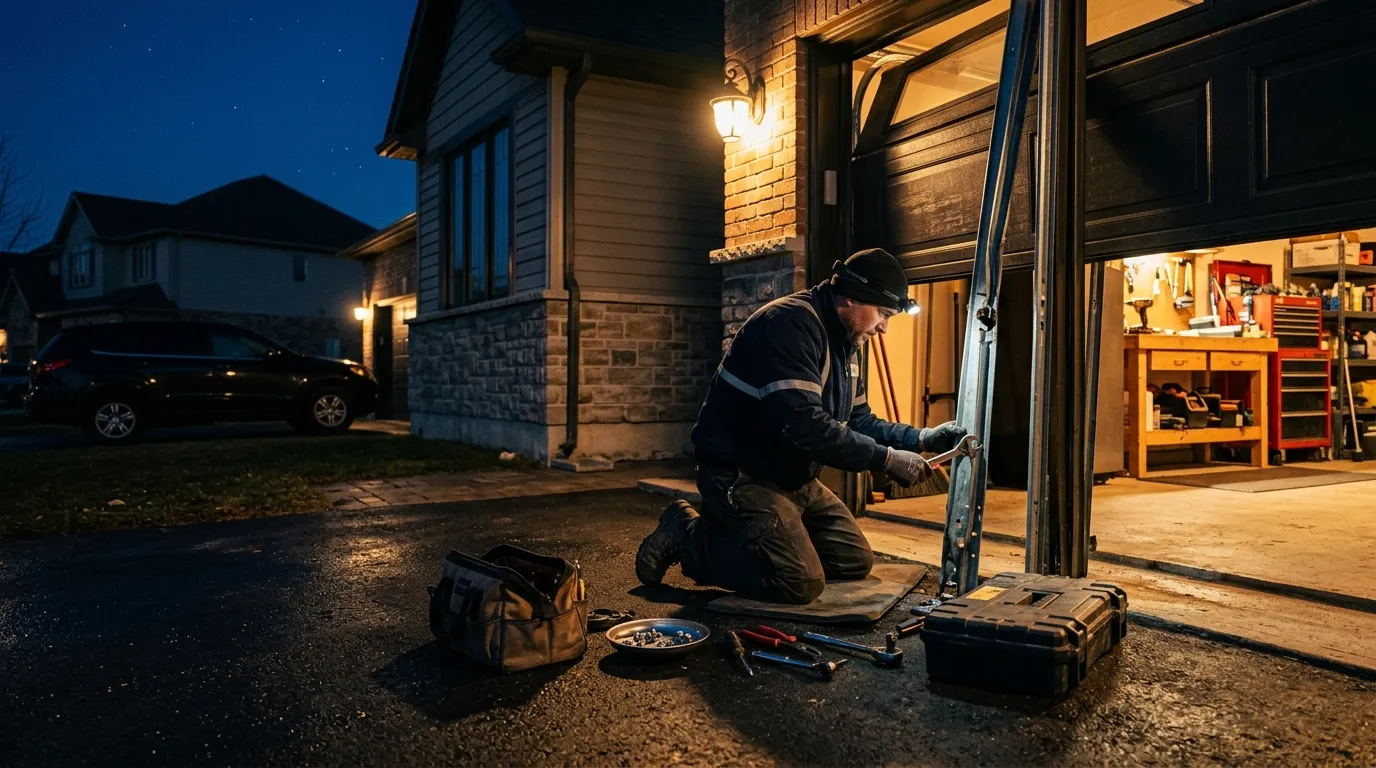
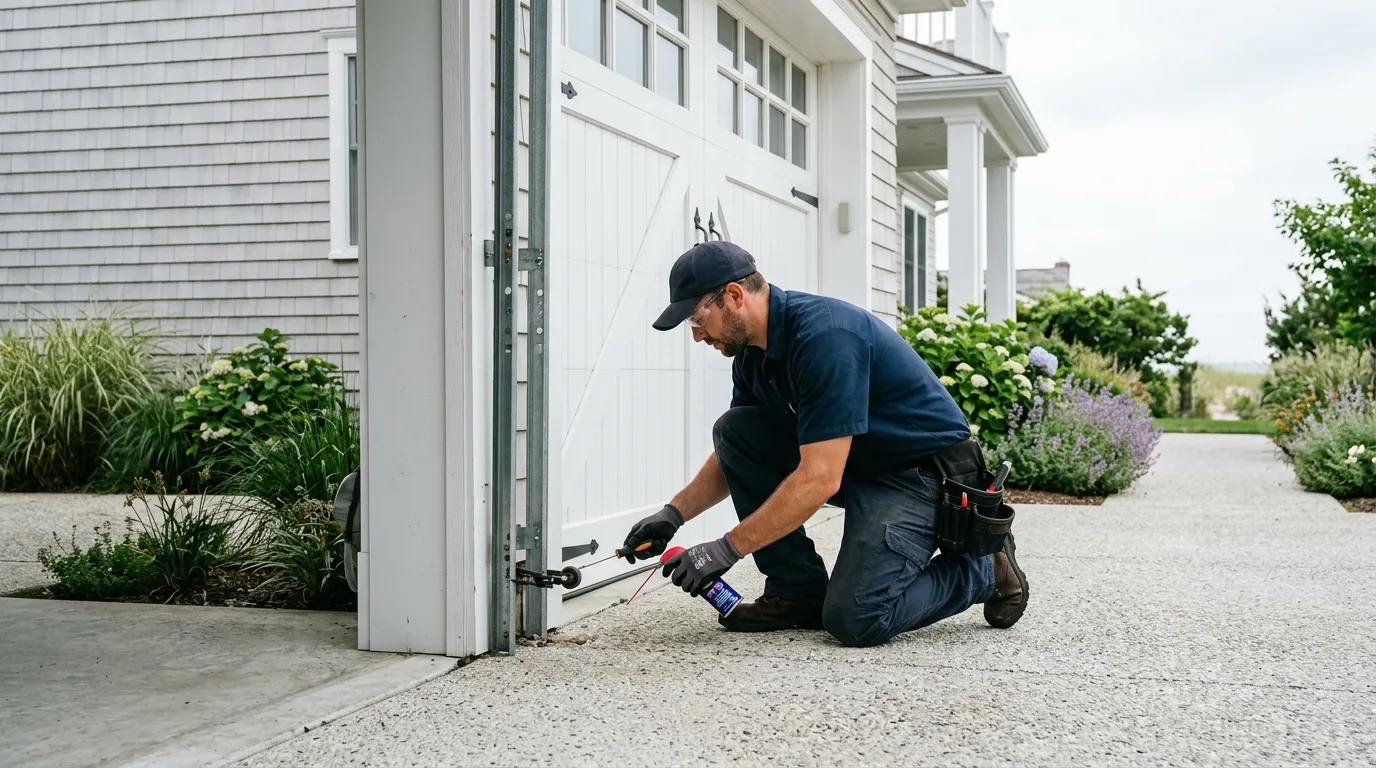
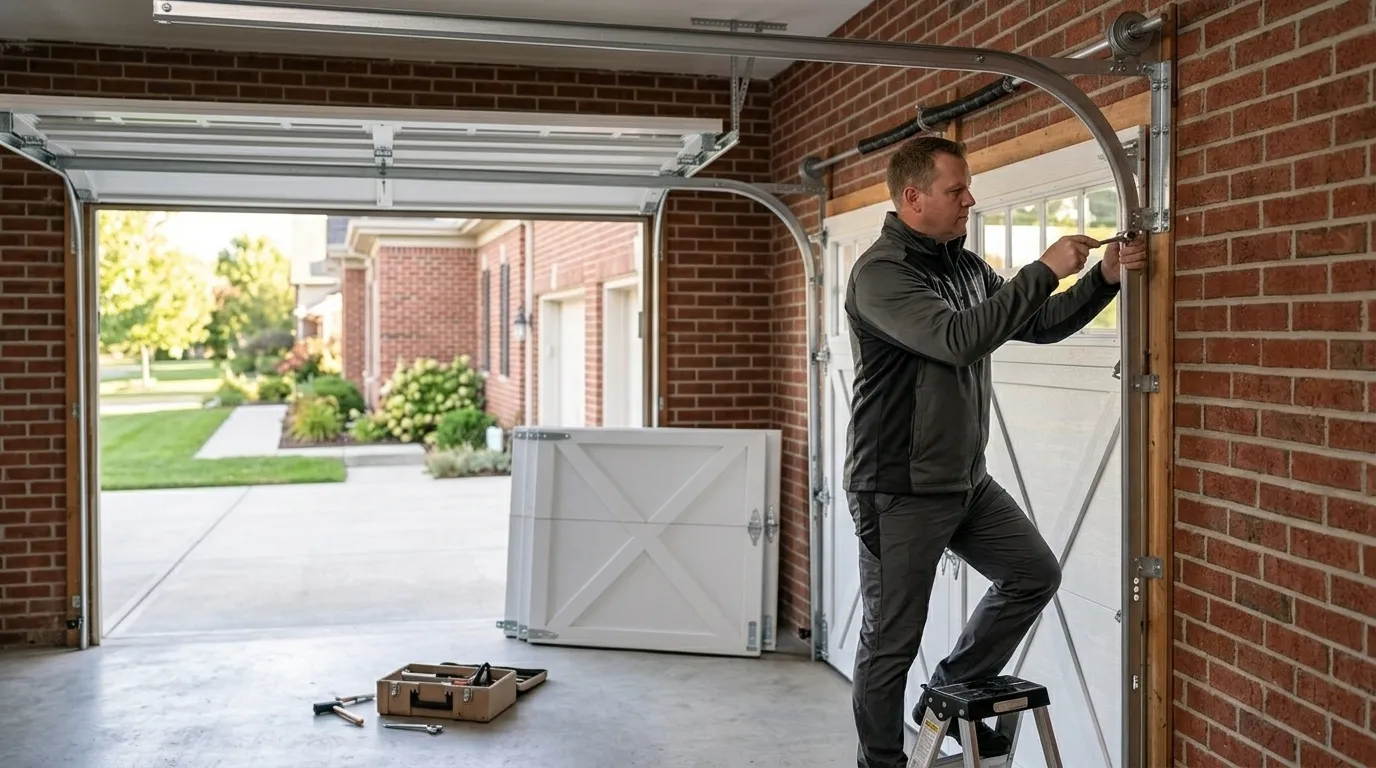
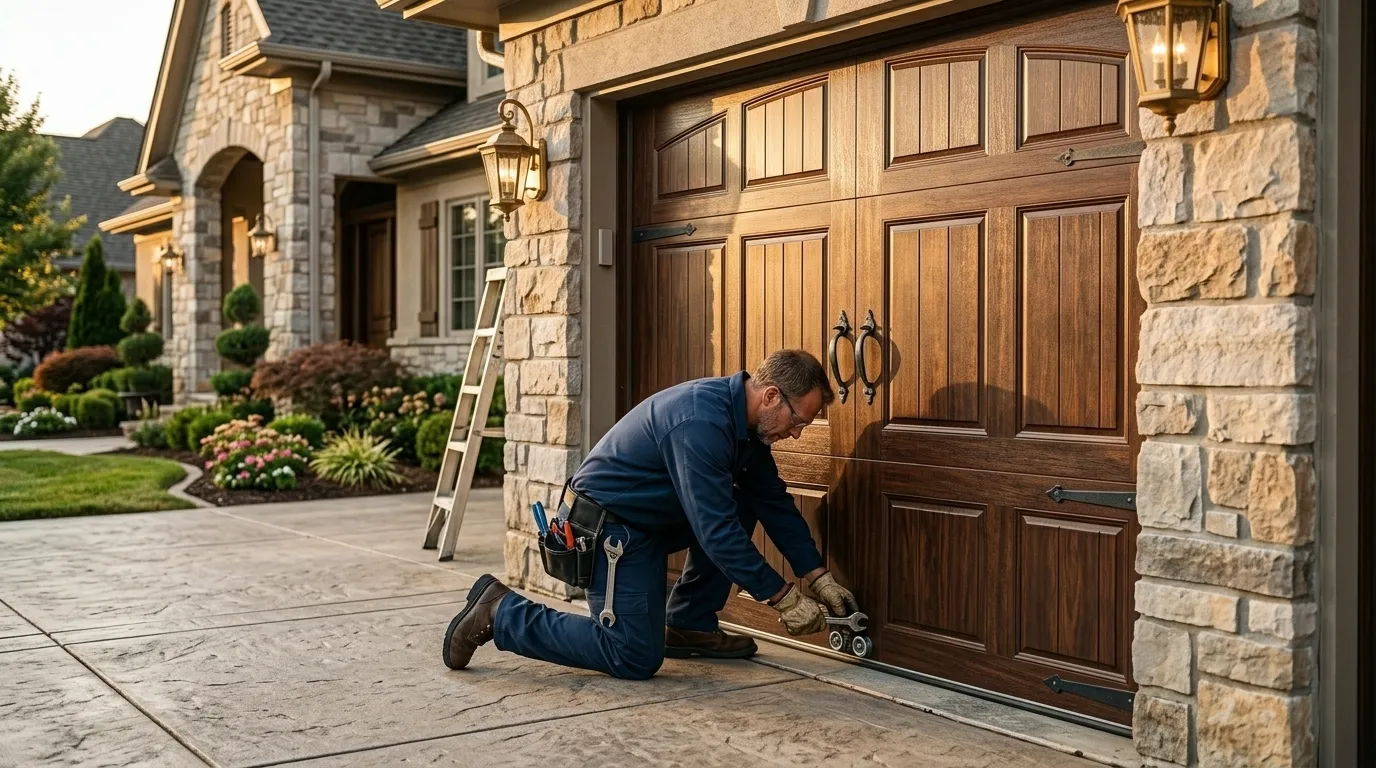
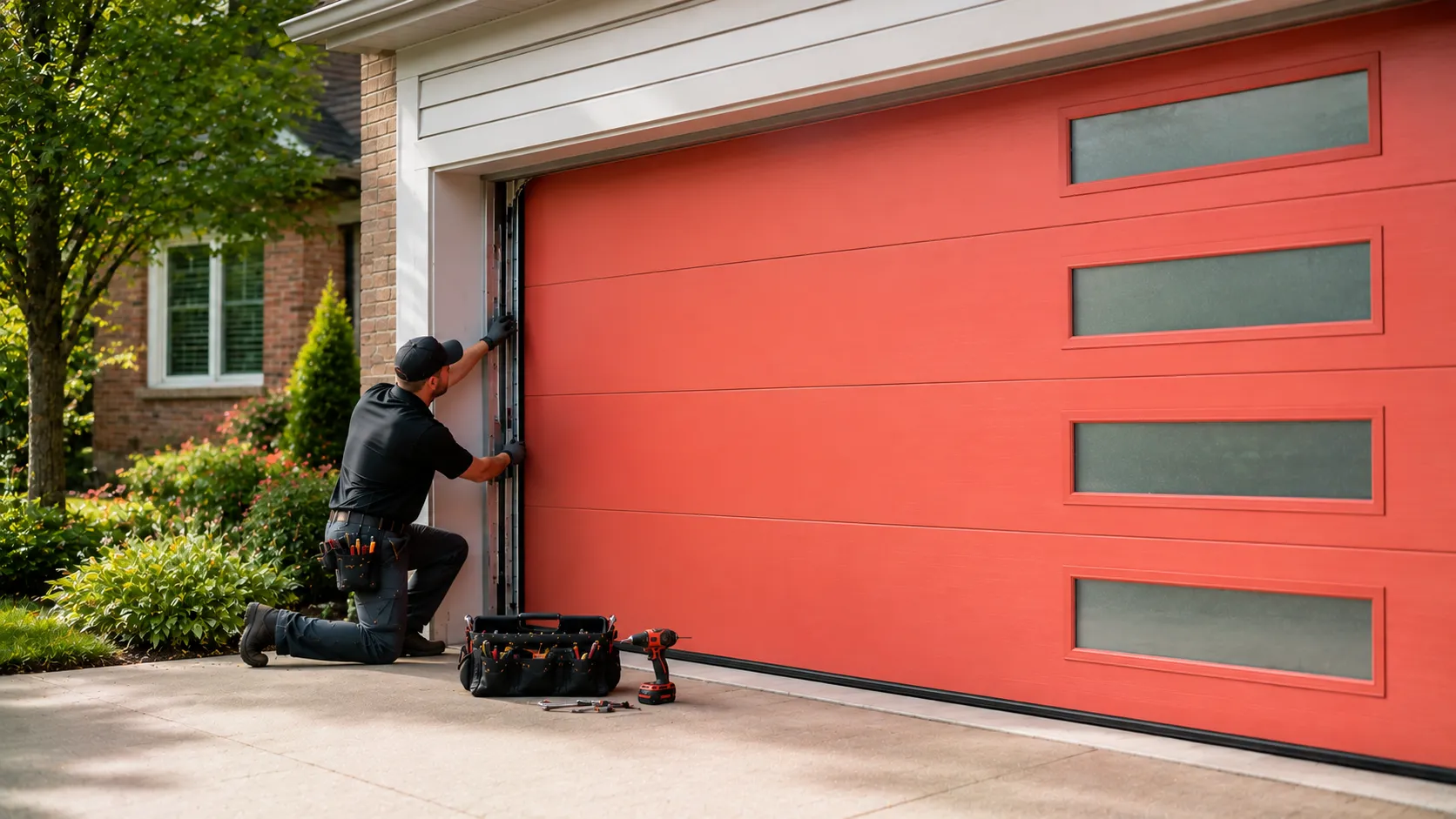
We also hear from owners dealing with a track that's pulled loose from the jamb, often on garages that were widened or reframed at some point without redoing the mounting hardware to match. Given the age concentration here, off-track rollers and worn cable drums come up more than they would in a newer subdivision.
One honest note: if a door and opener are both original from the early '60s and both failing at once, replacement usually costs less over time than chasing repairs on parts that are decades past their design life. We'll tell you when that's the case instead of billing for a patch job that won't hold.